Are you ready to make your home a place that cares for the planet and saves you money? Choosing eco friendly house design ideas can transform your living space into a healthier, more comfortable, and energy-efficient haven.
Imagine cutting your energy bills, reducing waste, and enjoying fresh air—all while creating a beautiful home that reflects your values. You’ll discover simple yet powerful design tips that you can start using right away to build a greener future for you and your family.
Keep reading, because your dream eco-friendly home is closer than you think.
Eco Materials For Construction
Eco materials for construction help reduce harm to the environment. They use less energy and create less waste. Choosing the right materials supports a healthy home and planet. These materials last long and often cost less over time.
Building with eco materials can improve air quality inside the house. They avoid harmful chemicals and toxins. This keeps families safer and healthier.
Recycled And Renewable Resources
Recycled materials reuse waste products in new ways. Steel, glass, and concrete often come from recycled sources. These materials lower demand for new raw materials. Renewable resources come from plants or animals that grow back fast. Bamboo and cork are popular choices. They renew quickly and absorb carbon while growing.
Low-impact Insulation Options
Insulation keeps homes warm or cool with less energy. Low-impact insulation uses natural or recycled materials. Sheep’s wool, cellulose, and cotton are common examples. They provide good thermal protection and reduce waste. These options avoid harmful chemicals found in some insulation types.
Sustainable Wood Choices
Sustainable wood comes from well-managed forests. It ensures trees are replanted and forests stay healthy. Look for certifications like FSC or PEFC on wood products. Using reclaimed wood also reduces the need for new lumber. Sustainable wood adds warmth and beauty to eco homes.
Energy Efficiency Features
Energy efficiency is key to eco-friendly house designs. It helps reduce energy use and lowers bills. Smart energy features also protect the environment. They make homes more comfortable and easier to maintain.
Choosing the right energy-saving options can create a green home. These features use natural resources wisely. They cut waste and improve living quality.
Solar Power Integration
Solar panels turn sunlight into electricity. This clean energy lowers dependence on fossil fuels. They can power lights, appliances, and heating systems. Solar power reduces monthly energy costs. It also increases your home’s value. Panels can be placed on roofs or walls. Many homes use solar batteries to store extra power. This means energy is available at night or on cloudy days.
Passive Heating And Cooling
Passive design uses nature to heat and cool homes. Large windows face the sun to catch warmth in winter. Shaded areas and vents help cool the house in summer. Thick walls and insulation keep inside temperatures steady. This reduces the need for heaters and air conditioners. It saves energy and keeps rooms cozy year-round.
Smart Home Energy Systems
Smart systems control energy use automatically. They adjust lighting, heating, and cooling based on your schedule. Sensors detect when rooms are empty and turn off devices. Smart meters track energy use in real-time. This helps spot waste and improve habits. These systems make managing energy simple and efficient. They support a greener lifestyle without extra effort.
Water Conservation Techniques
Water conservation is vital for eco-friendly house designs. Saving water reduces bills and protects the environment. Smart water use helps create a sustainable home. Below are effective techniques to conserve water efficiently.
Rainwater Harvesting
Rainwater harvesting collects rain from roofs and stores it. This water can be used for gardening, cleaning, or flushing toilets. It reduces the need for tap water. Installing a simple system can save thousands of liters yearly.
Greywater Recycling
Greywater recycling reuses water from sinks, showers, and washing machines. This water is filtered and reused for irrigation or flushing toilets. It lowers freshwater use significantly. A greywater system is easy to set up and maintain.
Water-efficient Fixtures
Water-efficient fixtures use less water without losing performance. Examples include low-flow showerheads, faucets, and dual-flush toilets. These fixtures help reduce daily water use. They are affordable and simple to install in any home.
Green Roofs And Walls
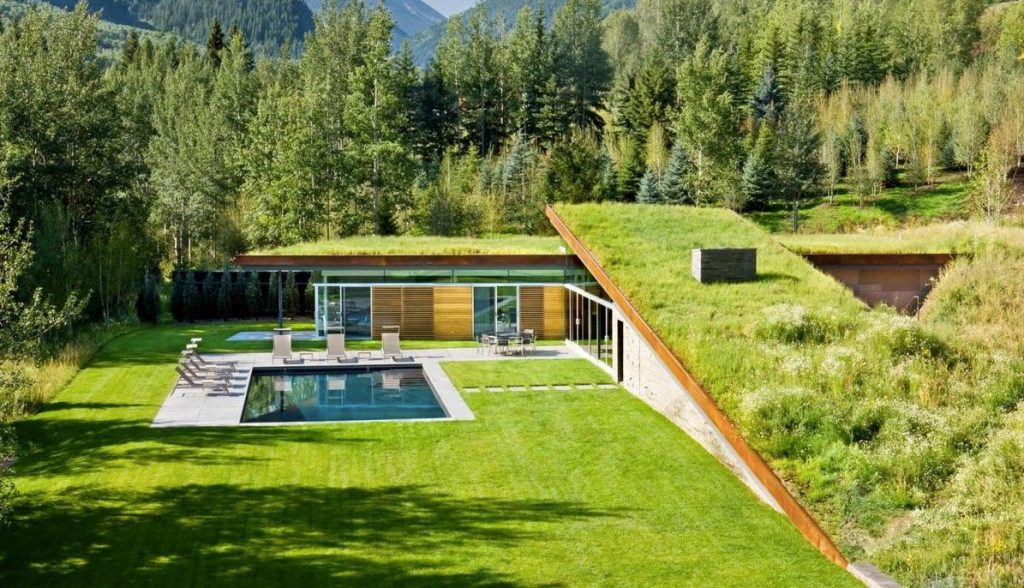
Green roofs and walls bring nature closer to your home. They cover buildings with plants, creating living surfaces. These features improve the home’s look and add many eco-friendly benefits. They help lower energy use and clean the air around your house. Green roofs and walls also offer space for gardens in cities. This makes them a smart choice for eco-friendly house design.
Benefits For Insulation And Air Quality
Green roofs and walls act as natural insulators. They keep homes cooler in summer and warmer in winter. This reduces the need for heating and cooling systems. Plants absorb carbon dioxide and release oxygen. This helps improve the air quality around the house. Dust and pollutants get trapped by the plant leaves. This creates a cleaner and fresher environment inside and outside the home.
Plant Selection And Maintenance
Choose plants that suit your climate and roof type. Succulents, grasses, and small shrubs work well for green roofs. Native plants are easy to care for and need less water. Regular watering and pruning keep plants healthy. Check for pests and diseases to avoid damage. Maintenance is simple and helps plants thrive all year.
Structural Considerations
Green roofs and walls need strong support from the building. The structure must hold the weight of soil and plants. Waterproofing layers protect the building from moisture damage. Proper drainage prevents water buildup and leaks. Consult a professional to ensure your home can handle the load. Good design ensures safety and long-lasting green features.
Sustainable Interior Design
Sustainable interior design focuses on creating healthy, eco-friendly living spaces. It reduces harm to the environment and improves indoor air quality. This design style uses natural materials and avoids harmful chemicals. It supports a greener lifestyle and helps save energy.
Choosing sustainable elements inside your home makes a big difference. It can be simple and stylish. Every choice matters, from paint to furniture to lighting. These choices create a space that feels fresh and safe.
Non-toxic Paints And Finishes
Non-toxic paints have low or zero volatile organic compounds (VOCs). VOCs cause air pollution and can harm your health. Using non-toxic paints keeps indoor air clean and safe. These paints come in many colors and finishes. They also last long and resist fading. Finishes like natural oils and waxes protect surfaces without chemicals. They help maintain a healthy home environment.
Eco-friendly Furniture
Eco-friendly furniture uses sustainable materials like bamboo, reclaimed wood, and recycled metal. These materials reduce waste and lower environmental impact. Furniture made this way often lasts longer and is more durable. Look for pieces with non-toxic glues and finishes. Handmade and locally made furniture supports small businesses and reduces shipping pollution. Choose quality over quantity for a sustainable home.
Natural Lighting Solutions
Natural lighting reduces energy use and creates a warm atmosphere. Large windows, skylights, and glass doors bring in sunlight. Light colors on walls and floors reflect light better. Using mirrors can also spread natural light inside rooms. Proper window placement maximizes daylight and helps heat rooms in winter. Natural light boosts mood and reduces the need for artificial lighting.
Landscaping With Native Plants
Landscaping with native plants creates a natural and eco-friendly garden. These plants grow well in your area’s climate and soil. They need less water and care than exotic plants. Native plants also help keep the local environment healthy. They fit into the natural ecosystem and support local animals.
Reducing Water Use
Native plants need less water than other plants. They are used to local rain patterns and dry spells. This means you save water by planting them. Less watering lowers your water bill. It also helps conserve this precious resource for everyone.
Supporting Local Wildlife
Native plants provide food and shelter for birds, bees, and butterflies. These animals rely on local plants for survival. Your garden becomes a safe home for them. This helps keep the ecosystem balanced and healthy.
Soil Health Management
Native plants improve soil quality naturally. Their roots hold soil in place and prevent erosion. They add nutrients back to the soil as they grow. This reduces the need for chemical fertilizers. Healthy soil supports strong plant growth and a thriving garden.
Innovative Smart Technologies
Innovative smart technologies play a key role in eco-friendly house designs. They help reduce energy use and improve comfort. These technologies make homes more efficient and easier to manage. Smart systems adapt to daily habits, saving energy without extra effort.
Energy Monitoring Tools
Energy monitoring tools track how much power your home uses. They show real-time data on electricity consumption. This helps spot waste and find ways to save energy. Many tools connect to smartphones for easy access. Knowing energy use encourages smarter choices and lowers bills.
Automated Climate Control
Automated climate control adjusts heating and cooling based on needs. Sensors detect room temperature and occupancy. The system turns off when no one is home. It keeps the house comfortable without wasting energy. Smart thermostats learn schedules to optimize settings day and night.
Efficient Lighting Systems
Efficient lighting uses LED bulbs and smart controls. Lights turn on only in occupied rooms. Dimmers and timers reduce unnecessary use. Some systems adjust brightness based on daylight. These features cut electricity use and extend bulb life.
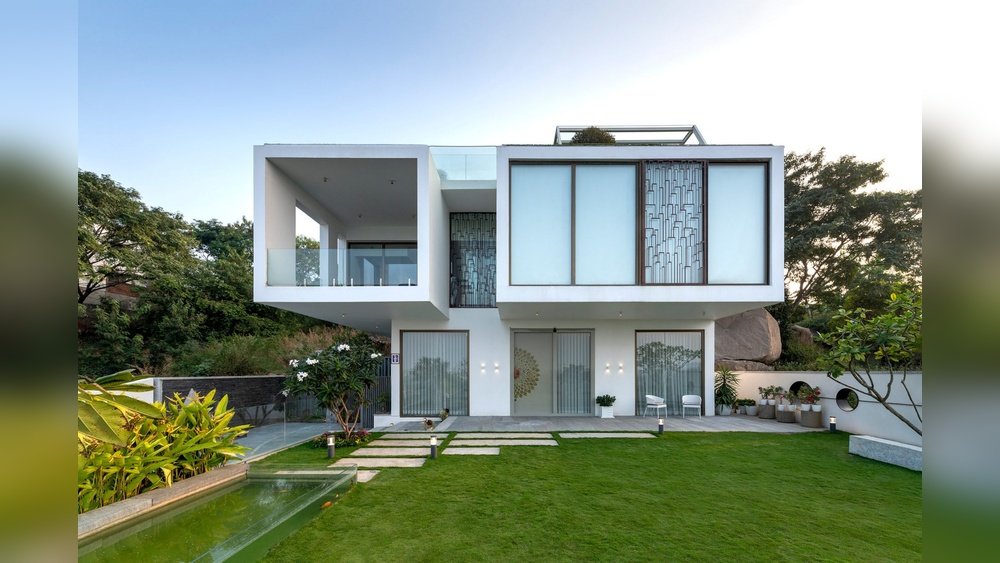
How Home DecorUp Can Help You with Best Eco Friendly House Design Ideas
Learning Through Eco-Friendly Design Choices
Exploring eco-friendly house design is more than just choosing sustainable materials or installing energy-efficient systems. It’s about understanding how these elements work together to create a healthier, more balanced living space. For example, integrating water conservation techniques alongside energy efficiency features can significantly reduce a home’s environmental footprint. Learning how native plants in landscaping support local ecosystems adds another layer of practical knowledge.
When considering these ideas, resources like Home DecorUp offer clear insights and examples that help translate concepts into real-world applications. This approach encourages homeowners to think beyond aesthetics and focus on long-term benefits. Taking time to study these interconnected aspects fosters a deeper appreciation for sustainable living and empowers thoughtful decisions.
- Evaluate how green roofs and walls contribute to insulation and biodiversity.
- Understand the impact of sustainable interior design on indoor air quality.
- Consider how smart technologies can optimize resource use effectively.
For those eager to dive deeper into eco-friendly home design, reaching out to knowledgeable sources or exploring detailed guides can be invaluable. Home DecorUp’s website provides a wealth of information that supports practical learning and inspires action without overwhelming complexity.
Frequently Asked Questions
What Are The Key Features Of Eco Friendly House Designs?
Eco friendly house designs focus on energy efficiency, sustainable materials, and minimal environmental impact. They often include solar panels, rainwater harvesting, natural ventilation, and insulation. These features reduce utility costs and carbon footprint while promoting healthier living spaces.
How Can I Make My House More Energy Efficient?
To boost energy efficiency, use LED lighting, install energy-efficient windows, and add proper insulation. Incorporate smart thermostats and solar panels. These upgrades lower energy consumption and save money while reducing your home’s environmental impact.
Which Materials Are Best For Eco Friendly Homes?
Sustainable materials like bamboo, reclaimed wood, recycled steel, and low-VOC paints are ideal. These materials reduce waste and pollution. They are durable, renewable, and support healthier indoor air quality, making them perfect for eco friendly house designs.
How Does Natural Lighting Benefit Eco Friendly Houses?
Natural lighting reduces the need for artificial lights, cutting energy use. It improves mood and well-being while enhancing interior aesthetics. Well-placed windows and skylights maximize sunlight, contributing to both energy savings and a comfortable living environment.
Conclusion
Choosing eco-friendly house designs helps protect the planet. Saving energy lowers bills and reduces waste. Natural materials create a healthier living space. Small changes add up to big environmental impact. Everyone can make a difference with smart design. Start with simple ideas and grow from there.
A green home supports a better future for all. Sustainable living feels good and makes sense. Embrace these ideas to build a cleaner world. Your home can be both beautiful and kind to Earth.