Choosing the perfect home design can feel overwhelming. With so many styles and layouts, how do you know which one fits your lifestyle best?
This decision shapes not just your living space, but how you feel every day in your home. You want a place that feels right, looks great, and works perfectly for you and your family. You’ll discover key factors that make one home design better than another for your unique needs.
Keep reading to find the design that will turn your house into the home you’ve always dreamed of.
Popular Home Styles
Popular home styles reflect different tastes and histories. Each style offers unique features and charm. Choosing the best design depends on your needs and preferences.
Explore these popular home styles to find the one that fits your lifestyle.
Modern Designs
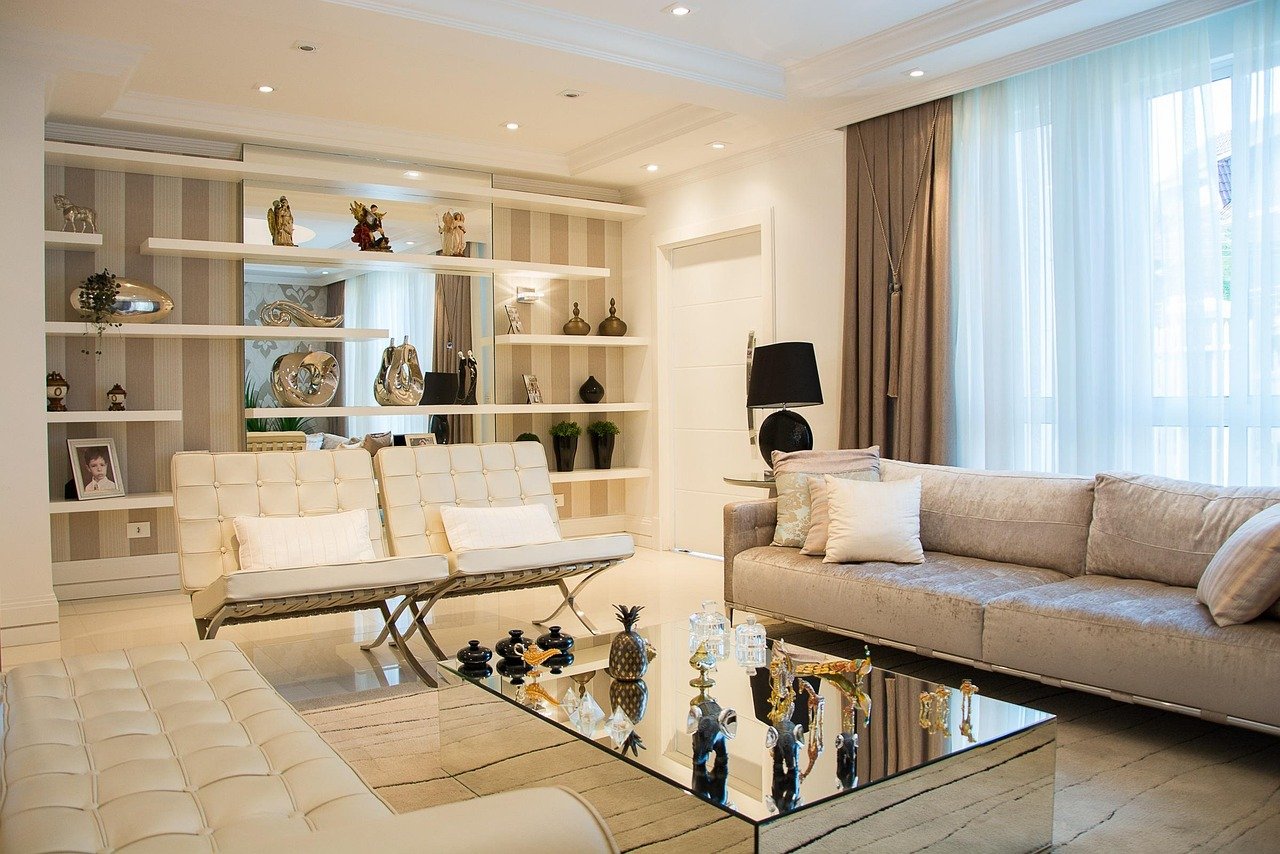
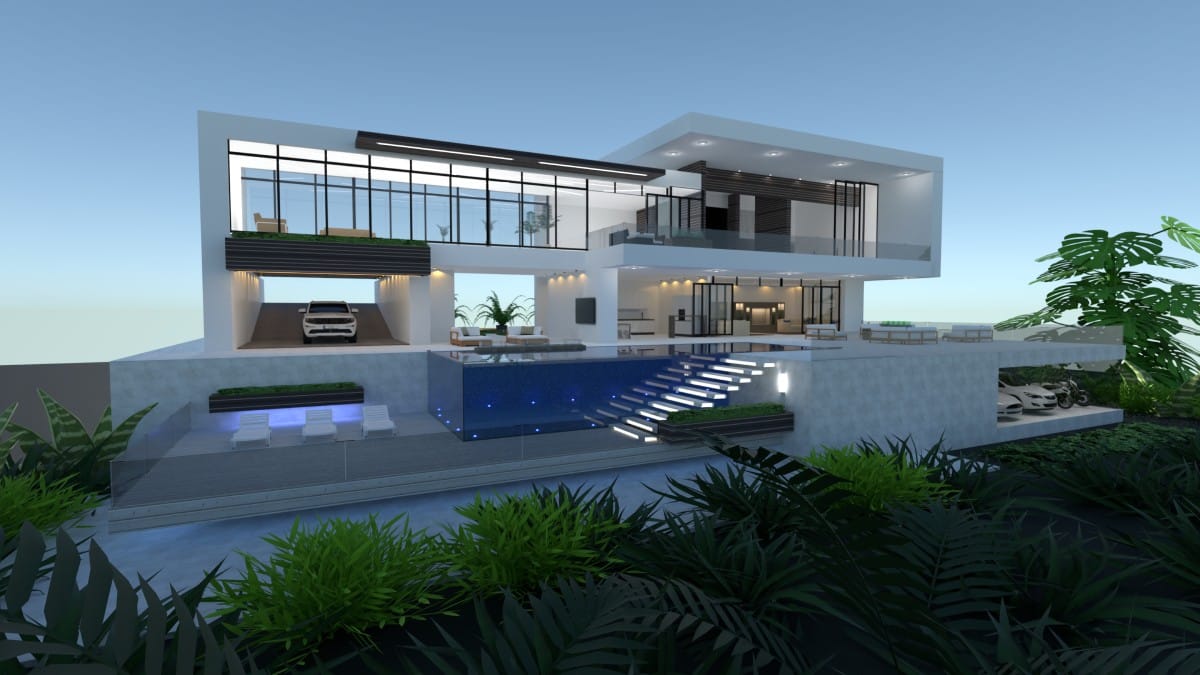
Modern homes focus on clean lines and open spaces. They use large windows for natural light. Simple colors and materials like glass and steel are common. Modern designs often have flat or low-pitched roofs. These homes feel fresh and uncluttered.
Traditional Homes
Traditional homes show classic shapes and warm colors. They often include brick or wood siding. Roofs usually have gables or hips. These homes feel cozy and inviting. Traditional style suits those who like timeless looks.
Craftsman Style
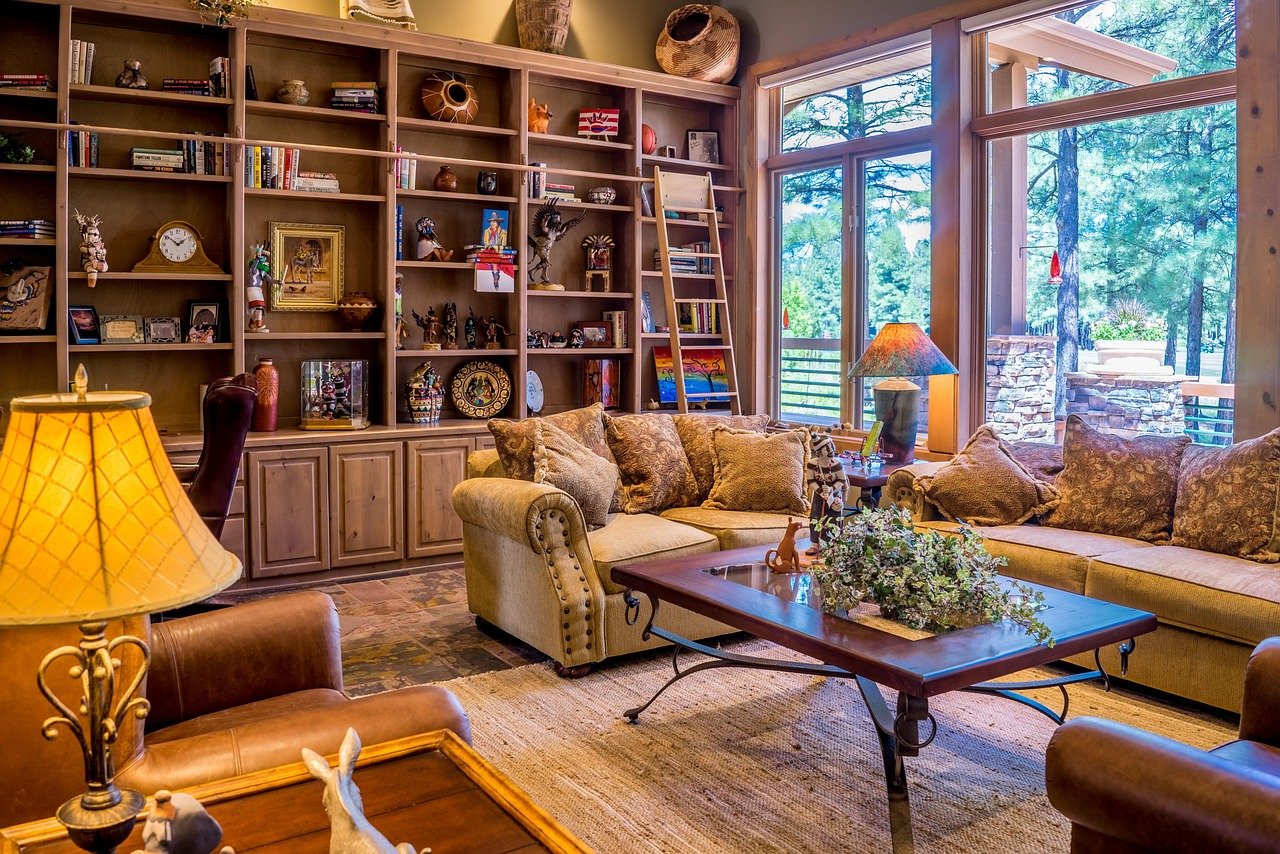
Craftsman homes highlight handmade woodwork and stone details. Wide porches and tapered columns stand out. Inside, built-in shelves and fireplaces add charm. This style values quality and natural materials. It feels warm and welcoming.
Colonial Architecture
Colonial homes are symmetrical with evenly spaced windows. They use brick or wood and have steep roofs. Inside, rooms are separate and formal. This style reflects early American history. It appeals to those who like tradition and order.
Contemporary Trends
Contemporary homes mix new ideas with current technology. They use eco-friendly materials and smart designs. Shapes can be unusual, with bold angles and curves. These homes focus on comfort and efficiency. They suit people who want modern living.
Factors Influencing Home Choice
Choosing the best home design depends on many important factors. These factors help you find a home that fits your needs well. Each person’s situation is different, so the right choice varies.
Think about your environment, money, family, and future plans. These points guide you to a better decision. Understanding them makes the process clear and simple.
Climate And Location
Climate affects how your home should be built. Hot places need good air flow and shade. Cold areas need strong insulation and heating. Location also matters for safety and convenience. Check nearby schools, work, and shops. Choose a design that suits your weather and place.
Budget Considerations
Your budget limits the home size and features. Smaller budgets mean simpler designs and fewer extras. Larger budgets allow for more space and special rooms. Include costs like land, materials, and labor. Stay realistic to avoid money problems later.
Family Size And Lifestyle
Big families need many bedrooms and large kitchens. Small families or singles may want open spaces. Your lifestyle affects room use. If you work from home, add an office. If you love cooking, focus on a big kitchen. Match the design to daily life.
Future Resale Value
Think about selling your home someday. Popular designs sell faster and for more money. Choose styles that fit the neighborhood. Avoid very trendy features that may go out of style. A good resale value protects your investment.
Energy Efficiency And Sustainability
Energy efficiency and sustainability are key in modern home design. They help reduce bills and protect the environment. Choosing the right design can make a big difference in comfort and cost over time.
Homes built with energy efficiency use less power and water. Sustainable homes lower waste and use natural resources wisely. These designs create healthier living spaces for families.
Green Building Materials
Green building materials come from natural or recycled sources. They use less energy to produce and last longer. Examples include bamboo, reclaimed wood, and recycled metal. These materials reduce pollution and save resources.
Using green materials also improves indoor air quality. They avoid harmful chemicals found in some traditional materials. This keeps your home safer and healthier.
Passive Solar Design
Passive solar design uses the sun’s energy to heat and light a home. It places windows and walls to capture sunlight in winter. Overhangs and shades block excess heat in summer.
This design lowers heating and cooling costs. It works without extra machines or power. Natural warmth and light make the home more comfortable year-round.
Insulation And Ventilation
Good insulation keeps heat inside during winter and outside in summer. It reduces the need for heating and cooling systems. Materials like fiberglass, foam, or cellulose are common insulators.
Proper ventilation removes stale air and controls moisture. It helps prevent mold and keeps air fresh. Balanced ventilation supports better health and energy savings.
Smart Home Technologies
Smart home technologies control energy use automatically. Thermostats adjust temperature based on your schedule. Lights turn off when rooms are empty.
These systems cut energy waste and lower bills. They offer convenience and help you monitor usage easily. Smart tech fits well with energy-efficient designs.

Space And Layout Options
Choosing the right home design depends a lot on space and layout. These elements shape how comfortable and practical a home feels. Good space planning makes daily life easier and more enjoyable. Understanding different layout options helps pick a home that fits your lifestyle well.
Open Floor Plans
Open floor plans connect living, dining, and kitchen areas. This design makes rooms feel larger and brighter. It allows family and guests to interact without walls blocking views. Open spaces work well for socializing and watching children. They also provide flexibility for furniture arrangement.
Multi-story Vs Single-story
Multi-story homes save land space by building up, not out. They separate private bedrooms upstairs from busy living areas below. Single-story homes offer easy access to all rooms on one level. This is ideal for people with mobility issues or those who prefer fewer stairs. Each type suits different family needs and site sizes.
Indoor-outdoor Living
Indoor-outdoor living blends inside rooms with outside spaces. Sliding doors, patios, and decks extend living areas. This layout brings fresh air and natural light indoors. It creates smooth flow for entertaining or relaxing outside. Homes with this design connect better with nature.
Storage Solutions
Good storage keeps homes neat and organized. Built-in shelves, closets, and cabinets use space efficiently. Creative storage ideas include under-stair drawers or hidden compartments. Planning storage early prevents clutter and improves home function. Every home benefits from smart storage options.
Customization And Personalization
Customization and personalization play a big role in choosing the best home design. They let you create a living space that truly fits your needs. Every family is different, so having a home that matches your lifestyle feels better. It also helps you enjoy your home more and use space smartly.
Custom Vs Pre-designed Plans
Custom home plans are made just for you. You can change rooms, layouts, and features as you want. Pre-designed plans are ready-made and quicker to build. They cost less but offer fewer choices. Custom plans give more freedom but take more time and money.
Incorporating Personal Style
Your home should show who you are. Choose colors, materials, and designs that fit your taste. Personal style makes your house feel warm and inviting. It helps you feel proud and comfortable in your space every day.
Adaptable Spaces
Homes with adaptable spaces grow with your needs. Rooms can change from offices to guest rooms or play areas. Flexible spaces save money and avoid future remodeling. They make your home useful for many activities and stages of life.
Future Expansion Possibilities
Think about adding rooms or floors later. Some designs are easier to expand than others. Planning for growth keeps your home useful longer. It also protects your investment and meets changing family needs.
Cost And Maintenance
Cost and maintenance play a big role in choosing the best home design. You want a home that fits your budget and stays easy to care for. Costs don’t stop after building. They continue over the years with repairs and upkeep.
Understanding these costs helps pick a design that lasts and saves money. Let’s explore the key factors that affect cost and maintenance.
Initial Building Costs
Initial building costs include materials, labor, and permits. Some designs need costly materials or special skills. Simple designs often cost less to build. Complex shapes or custom features raise the price. Location also affects cost through labor and rules.
Long-term Upkeep
Long-term upkeep means cleaning, repairs, and replacements. Some homes need frequent painting or roof fixes. Others have systems that last longer with less work. Easy-to-clean surfaces reduce time and cost. Choose designs that suit your ability to maintain them.
Material Durability
Durable materials last longer and resist damage. Brick, stone, and metal often need less repair. Wood can look nice but may need more care. Consider weather in your area. Strong materials lower repair bills over time.
Insurance And Taxes
Insurance costs depend on home size, design, and materials. Some designs are safer and cost less to insure. Taxes vary by property value and location. A bigger or luxury home means higher taxes. Keep these costs in mind when choosing your design.
Frequently Asked Questions
What Factors Determine The Best Home Design?
The best home design depends on lifestyle, budget, location, and personal taste. Consider functionality, aesthetics, and future needs for a perfect fit.
Which Home Design Suits Small Families Best?
Open floor plans and efficient space use suit small families. Designs with multi-purpose rooms offer flexibility and comfort for growing needs.
How To Choose A Home Design For Energy Efficiency?
Select designs with natural light, proper insulation, and ventilation. Incorporate solar panels and energy-saving appliances to reduce utility costs and environmental impact.
What Home Design Styles Are Trending In 2024?
Modern minimalist, eco-friendly, and smart homes are trending. These styles focus on simplicity, sustainability, and technology integration for better living.
Conclusion
Choosing the best home design depends on your needs and style. Think about space, light, and how you live daily. Simple designs often bring comfort and ease. Classic styles stay popular for many reasons. Your home should feel like a safe place.
Take time to explore different ideas before deciding. The right design fits your life, not trends. Enjoy the process of creating your perfect home.