Are you wondering if investing in interior design can actually boost the value of your home? You’re not alone.
Many homeowners ask this question before making changes to their space. The truth is, the way your home looks inside can make a big difference—not just in how you feel living there, but also in how much buyers are willing to pay.
If you want to know how smart design choices can turn your home into a valuable asset, keep reading. You might discover simple changes that pay off more than you expect.
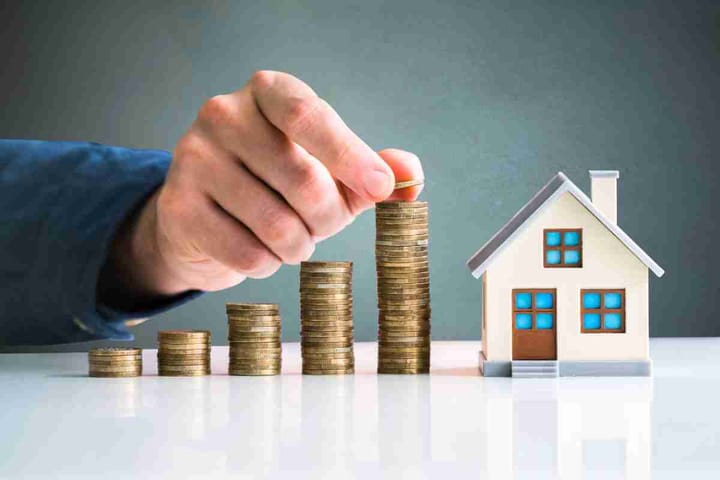
Impact Of Interior Design On Home Value
Interior design can affect a home’s value in many ways. It changes how buyers feel about the space. A well-designed home looks fresh and inviting. This can lead to higher offers and faster sales.
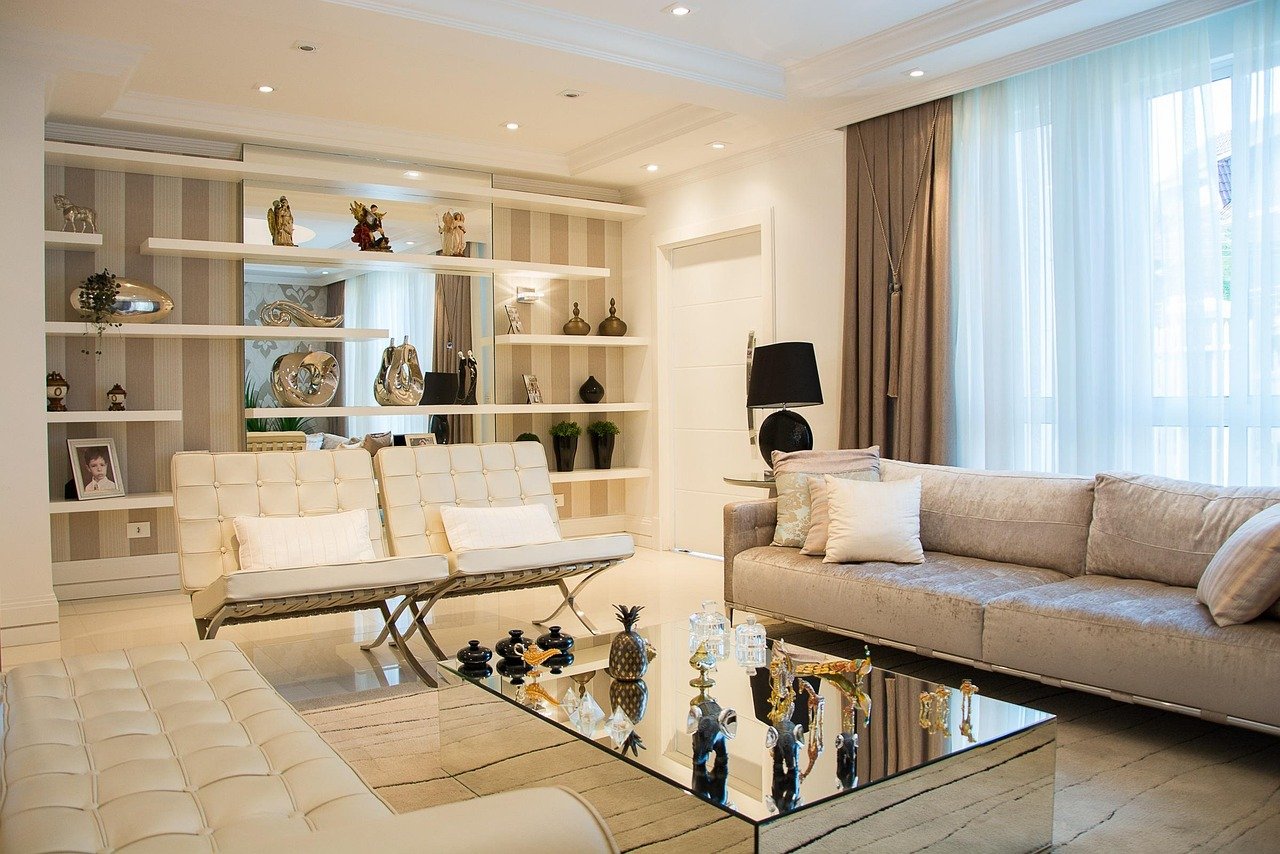
Good interior design highlights the home’s best features. It creates a sense of comfort and style. Buyers often imagine themselves living there. This emotional connection can boost the home’s worth.
Enhancing Visual Appeal
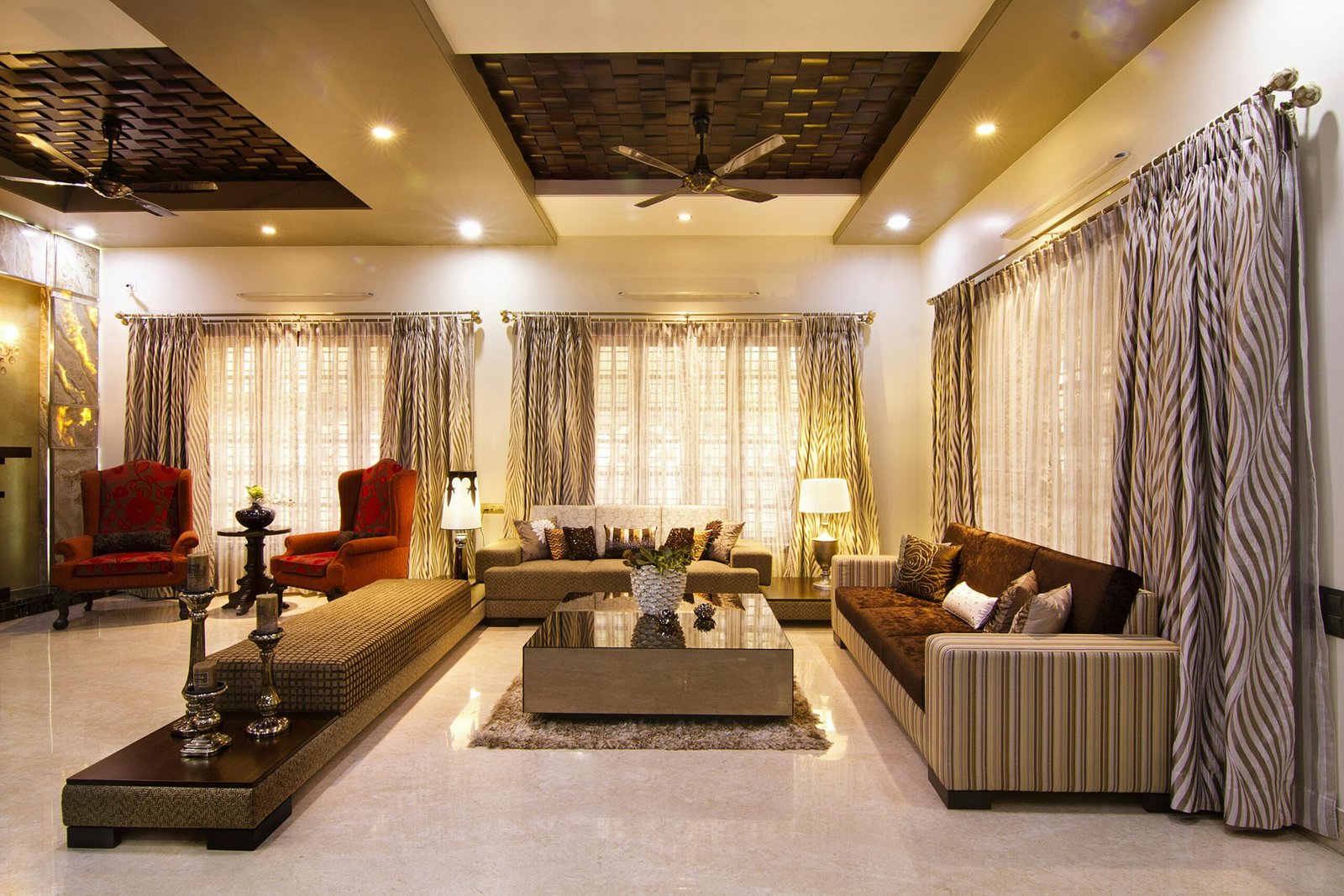
Visual appeal is key to attracting buyers. Clean lines, balanced colors, and good lighting make rooms look bigger and brighter. Simple updates can make a home feel new. This positive first impression raises interest and value.
Improving Functionality
Smart design improves how spaces work. Open layouts and organized storage are popular. A home that feels practical and easy to live in gains more value. Buyers pay more for homes with useful features.
Reflecting Current Trends
Design that matches current styles appeals to many buyers. Modern kitchens and bathrooms often add value. Neutral colors and classic materials attract a wider audience. Staying updated keeps the home competitive in the market.
Highlighting Quality Materials
High-quality materials signal care and durability. Hardwood floors, granite counters, and solid fixtures show value. These elements can increase a home’s price. They also suggest fewer future repairs for buyers.

Key Interior Design Elements That Boost Value
Interior design can make a big difference in your home’s value. Some key design elements attract buyers and increase worth. Focus on areas that combine style and function.
Simple changes often have the best return. Choose updates that look fresh and last long. These elements create a welcoming and modern feel.
Kitchen And Bathroom Upgrades
Kitchens and bathrooms sell homes. Modern cabinets, new countertops, and sleek faucets add value. Small upgrades like new hardware or fresh grout also help. These rooms should feel clean and updated.
Lighting And Fixtures
Good lighting brightens rooms and highlights features. Replace old fixtures with modern, energy-saving ones. Use a mix of overhead, task, and accent lighting. Proper lighting creates a warm, inviting space.
Flooring Choices
Flooring affects the look and comfort of a home. Hardwood and high-quality laminate floors are popular choices. Avoid worn carpets or outdated tiles. Clean, durable floors appeal to buyers and last longer.
Color Schemes And Paint
Fresh paint instantly refreshes any room. Choose neutral colors to attract more buyers. Soft grays, beiges, and whites work well. Avoid bright or unusual colors that may turn people away.
Cost Vs. Value In Interior Design
Cost versus value is a key factor in interior design decisions. Homeowners want to know if spending money on design will increase their home’s worth. The answer depends on the type of improvements and the home’s market. Some changes give more value back than others. Understanding the balance helps make smart choices.
Budget-friendly Improvements
Small changes can boost a home’s appeal without high costs. Painting walls in neutral colors refreshes rooms instantly. Updating light fixtures brings a modern touch. New cabinet handles or faucets look fresh and clean. These fixes attract buyers and raise home value modestly.
High-end Renovations
Big projects often mean bigger expenses but can add strong value. Kitchen remodels with quality materials attract many buyers. Luxury bathrooms with new tiles and fixtures impress. Open floor plans create spacious, inviting homes. These upgrades suit homes in competitive markets and can raise prices significantly.
Return On Investment Estimates
Return on investment (ROI) varies by project type. Simple upgrades might return 60% to 80% of their cost. High-end renovations sometimes return 50% to 70%, depending on quality. Local market trends affect ROI too. Knowing potential returns guides better spending on interior design.
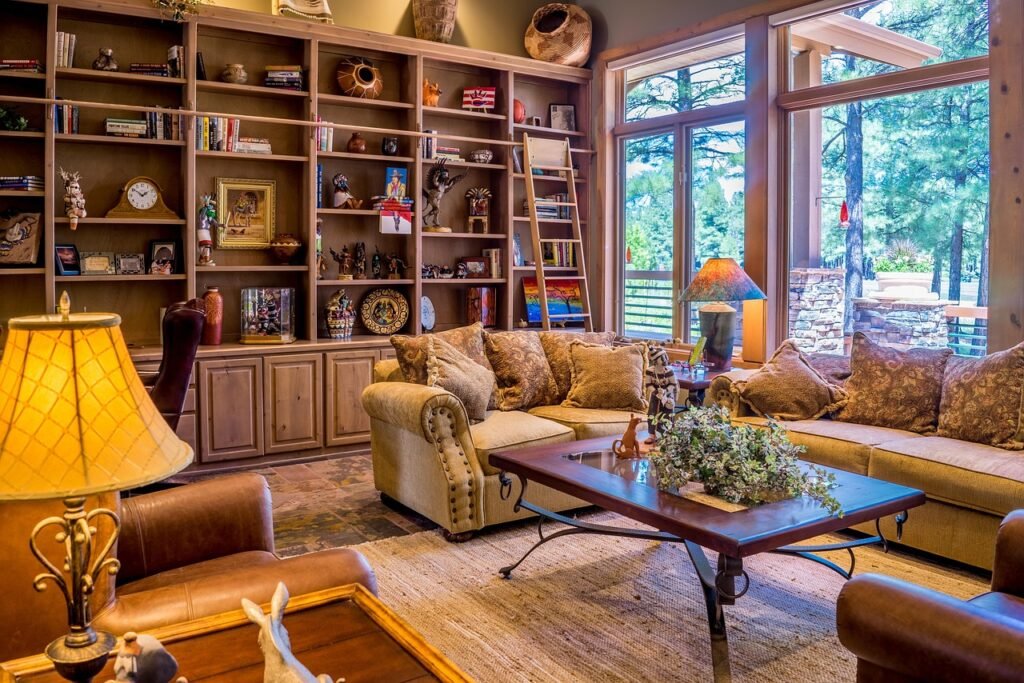
Trends Influencing Home Value
Home value often depends on current design trends. These trends shape what buyers want and what they pay for. Interior design that follows popular styles can raise a home’s appeal. It can make a house feel fresh and modern. This section explores key trends that influence home value today.
Modern Minimalism
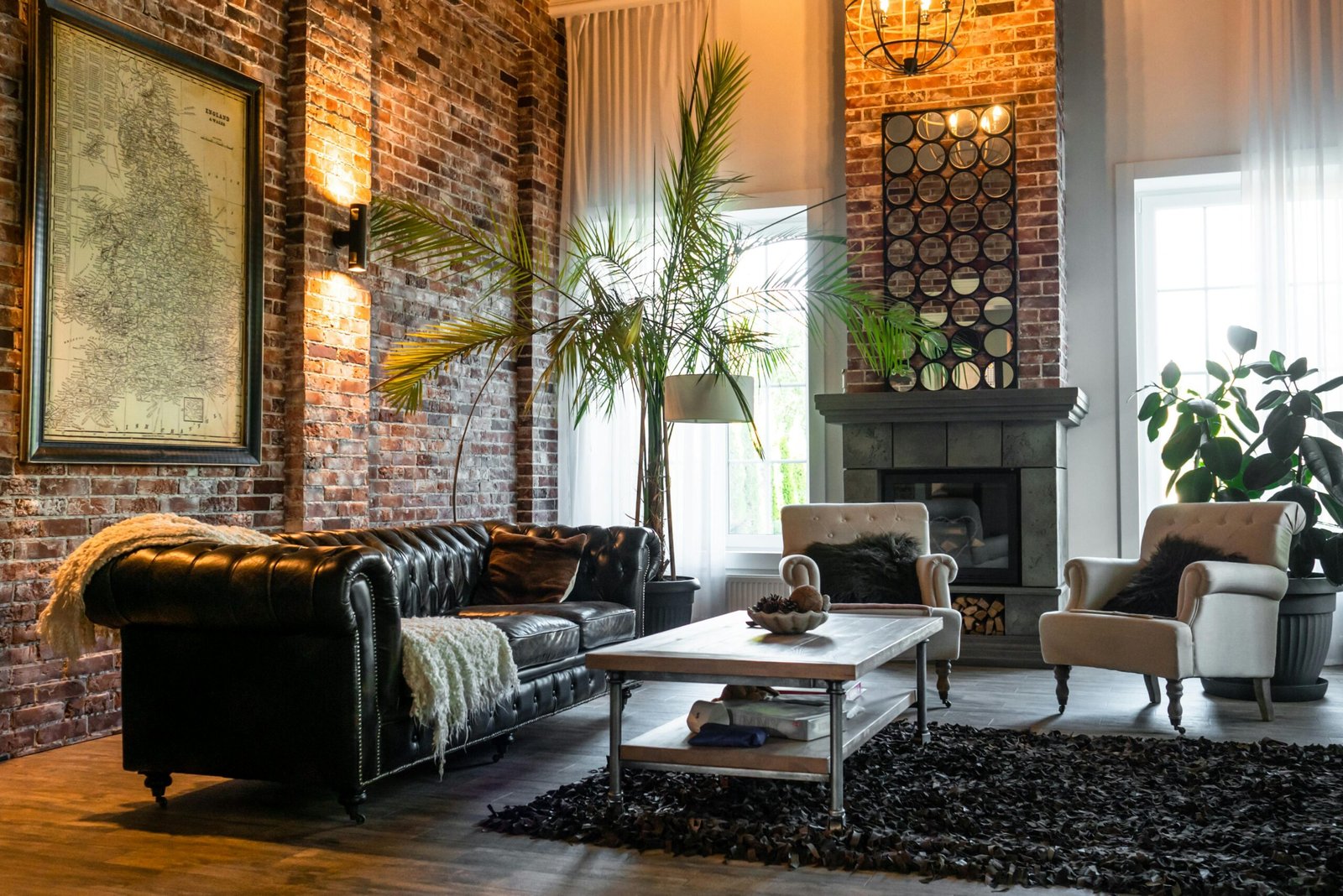
Modern minimalism focuses on clean lines and open spaces. It removes clutter and uses simple furniture. Light colors and natural light make rooms look larger. Buyers like homes that feel calm and easy to live in. Minimalist spaces also look stylish and easy to update.
Sustainable And Eco-friendly Design
Eco-friendly design uses materials that are good for the environment. It includes energy-saving appliances and recycled items. Many buyers want homes that cost less to run. Green homes also show care for nature. This trend adds value by making a home cheaper to maintain.
Smart Home Integration
Smart homes use technology to improve comfort and security. Features include automated lighting, thermostats, and security cameras. Buyers enjoy homes that offer convenience and control. Smart devices can save energy and add safety. This trend makes homes attractive and modern.
Staging And Its Role In Value Perception
Staging plays a big role in how buyers see a home’s value. It helps show the home’s best features. A well-staged home feels welcoming and spacious. Buyers can imagine living there more easily. This creates a strong first impression, which often leads to higher offers.
Staging sets a mood and highlights important areas. It balances colors, furniture, and lighting. This makes rooms look larger and brighter. Empty or cluttered spaces can make a home feel less valuable. Staging fixes this by adding style and order.
Professional Staging Benefits
Experts know how to arrange furniture for the best flow. They use neutral colors to appeal to many buyers. Professionals add decor that matches current trends. They highlight the home’s strengths and hide flaws. This makes the home more attractive and valuable.
Professional stagers save time for sellers. They have access to quality furniture and accessories. Their experience often leads to faster sales. Homes staged by experts tend to sell at higher prices. The investment in staging can pay off quickly.
Diy Staging Tips
Start by decluttering all rooms. Clear surfaces and store personal items. Clean every corner to make the home shine. Use simple, neutral colors for walls and furniture. Arrange furniture to open up space and create flow.
Add fresh flowers or plants for a lively touch. Make sure lighting is bright and warm. Use mirrors to make rooms look bigger. Small fixes like new pillows or rugs help a lot. Keep decorations minimal to avoid distractions.
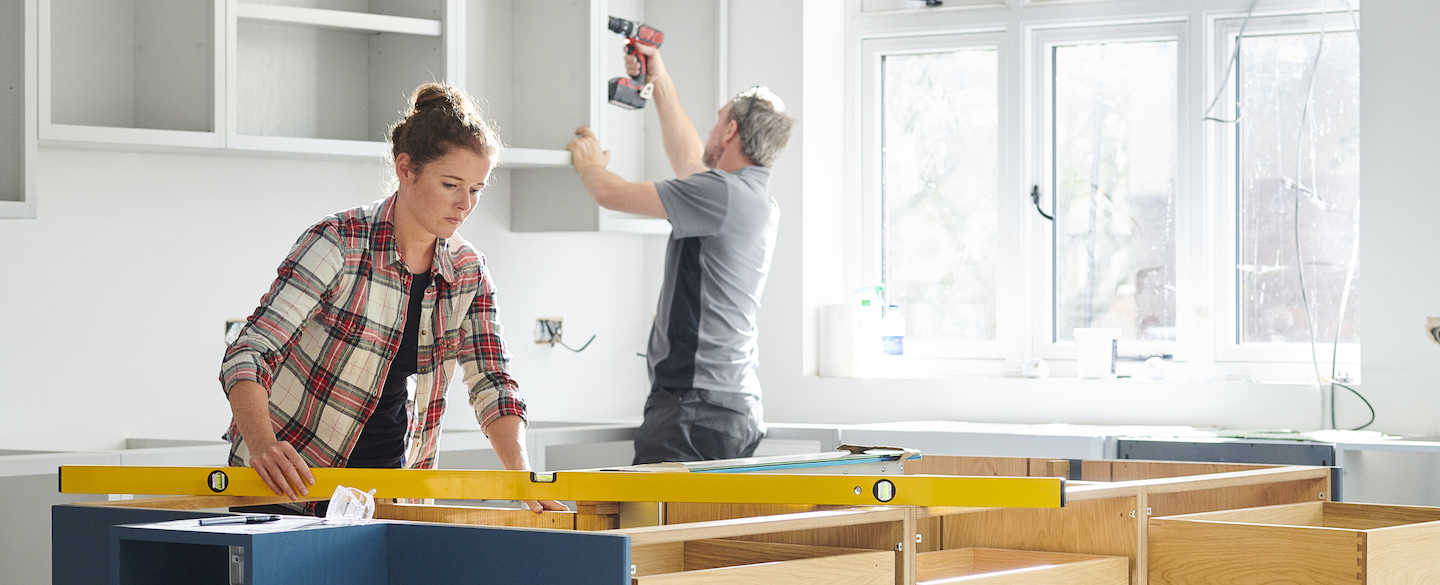
Regional Variations In Design Impact
Interior design can add value to a home, but its effect changes by region. Different areas have unique styles and buyer tastes. Understanding these differences helps homeowners invest wisely. Design that works in one place may not work in another.
Urban Vs. Suburban Markets
Urban homes often need modern, space-saving designs. Small apartments benefit from smart layouts and sleek decor. Buyers in cities prefer trendy, functional spaces.
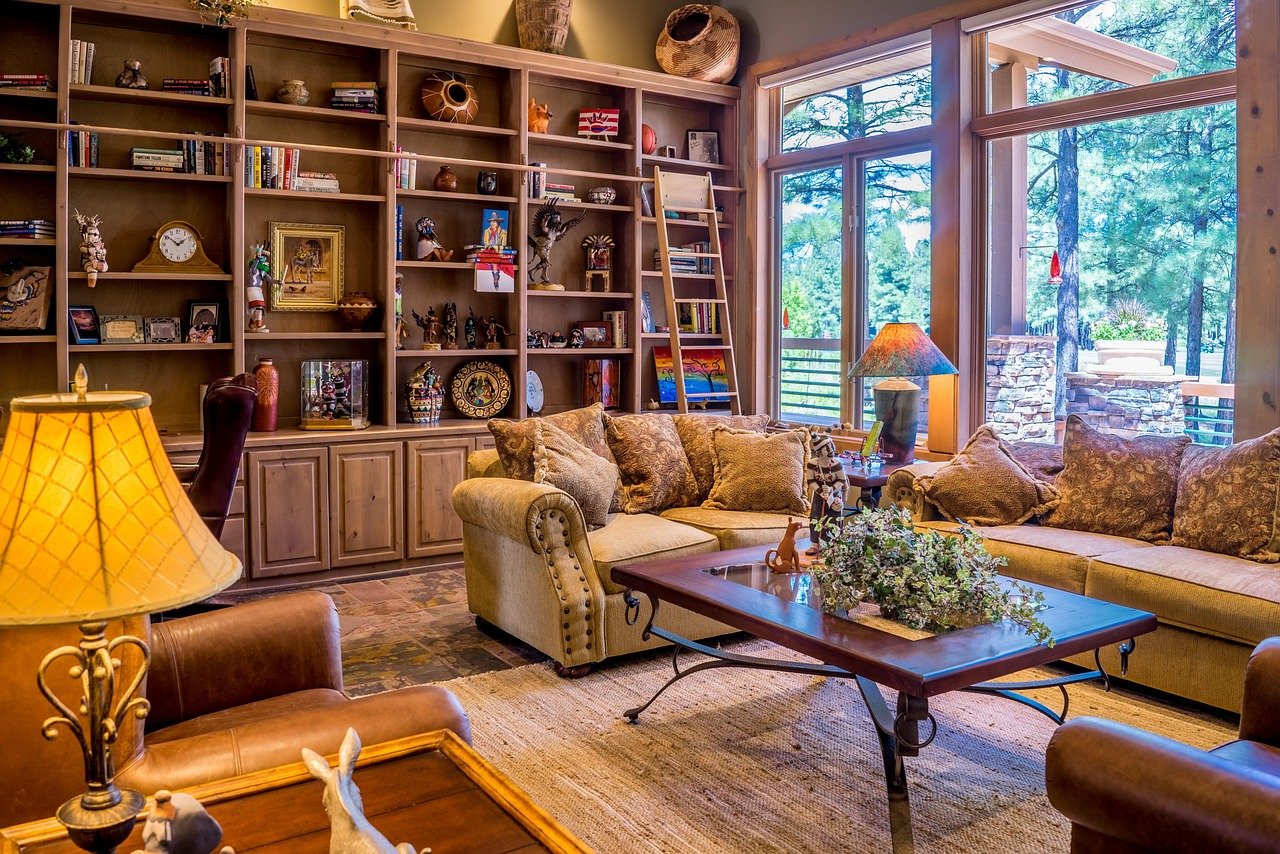
Suburban homes usually offer more space. Buyers look for cozy, family-friendly designs. Traditional or rustic styles often attract suburban buyers. Design choices must match the home’s setting and size.
Local Buyer Preferences
Buyers in different regions want different styles. Coastal areas favor light, airy colors and natural materials. Mountain regions prefer warm, rustic looks with wood and stone.
Local culture also shapes design tastes. Some regions like bold colors; others prefer neutral tones. Knowing what buyers want in your area guides smart design updates.
Frequently Asked Questions
Does Interior Design Increase Home Resale Value?
Yes, interior design can boost home resale value. A well-designed home attracts more buyers and can command a higher price. Modern, functional spaces often lead to quicker sales and better offers.
Which Interior Design Features Add The Most Value?
Kitchen and bathroom upgrades add the most value. Open layouts, quality materials, and good lighting also enhance appeal. These features improve functionality and create a positive impression on buyers.
How Much Does Interior Design Impact Home Value?
Interior design can increase home value by 5% to 15%. The exact impact depends on the quality and relevance of the improvements. Smart design choices yield the best return on investment.
Is Professional Interior Design Worth The Cost?
Professional interior design is often worth the cost. Experts maximize space and style, enhancing home appeal. Their knowledge can increase home value and speed up the selling process.
Conclusion
Interior design can add value to your home in many ways. It makes spaces look nicer and more inviting. Buyers often notice fresh, well-planned rooms first. Good design helps show the home’s best features clearly. Small changes can make rooms feel bigger and brighter.
A neat, modern style can attract more offers. Spending wisely on design can pay off later. It also makes living at home more enjoyable. Overall, thoughtful interior design often leads to higher home value. Worth considering if you plan to sell someday.