Have you ever walked into a room and felt instantly comfortable, like everything just flows perfectly? That feeling often comes down to rhythm in home decoration.
But what exactly does rhythm mean when it comes to your space? Understanding this simple yet powerful design principle can change the way you arrange your furniture, choose colors, and even hang your artwork. Keep reading, and you’ll discover how to create a home that feels balanced, inviting, and truly yours.

Rhythm In Design
Rhythm in design helps create flow and harmony in a room. It guides the eyes smoothly across the space. This makes a home feel balanced and lively. Rhythm is not just about music; it shapes how we see and feel a room.
Concept Of Rhythm
Rhythm in home decoration means repeating elements in a pattern. It brings order and unity to different objects. The repetition can be colors, shapes, or textures. Rhythm creates a sense of movement without chaos. It helps connect various parts of a room.
Types Of Rhythm
There are several types of rhythm in design. The first is repetition, where the same element repeats. Next is alternation, which uses two or more elements in a sequence. Progression changes the size or color step by step. Flowing rhythm uses curves and lines to guide the eye. Each type adds unique energy to a space.

Creating Flow
Creating flow in home decoration helps the eye move smoothly through a space. Rhythm plays a key role in this flow. It links different parts of a room with a sense of movement and balance. This feeling of flow makes rooms feel calm and inviting.
Designers use several techniques to create rhythm and flow. These methods guide the eye and create harmony. Let’s explore some common ways to build rhythm in your home.
Repetition Techniques
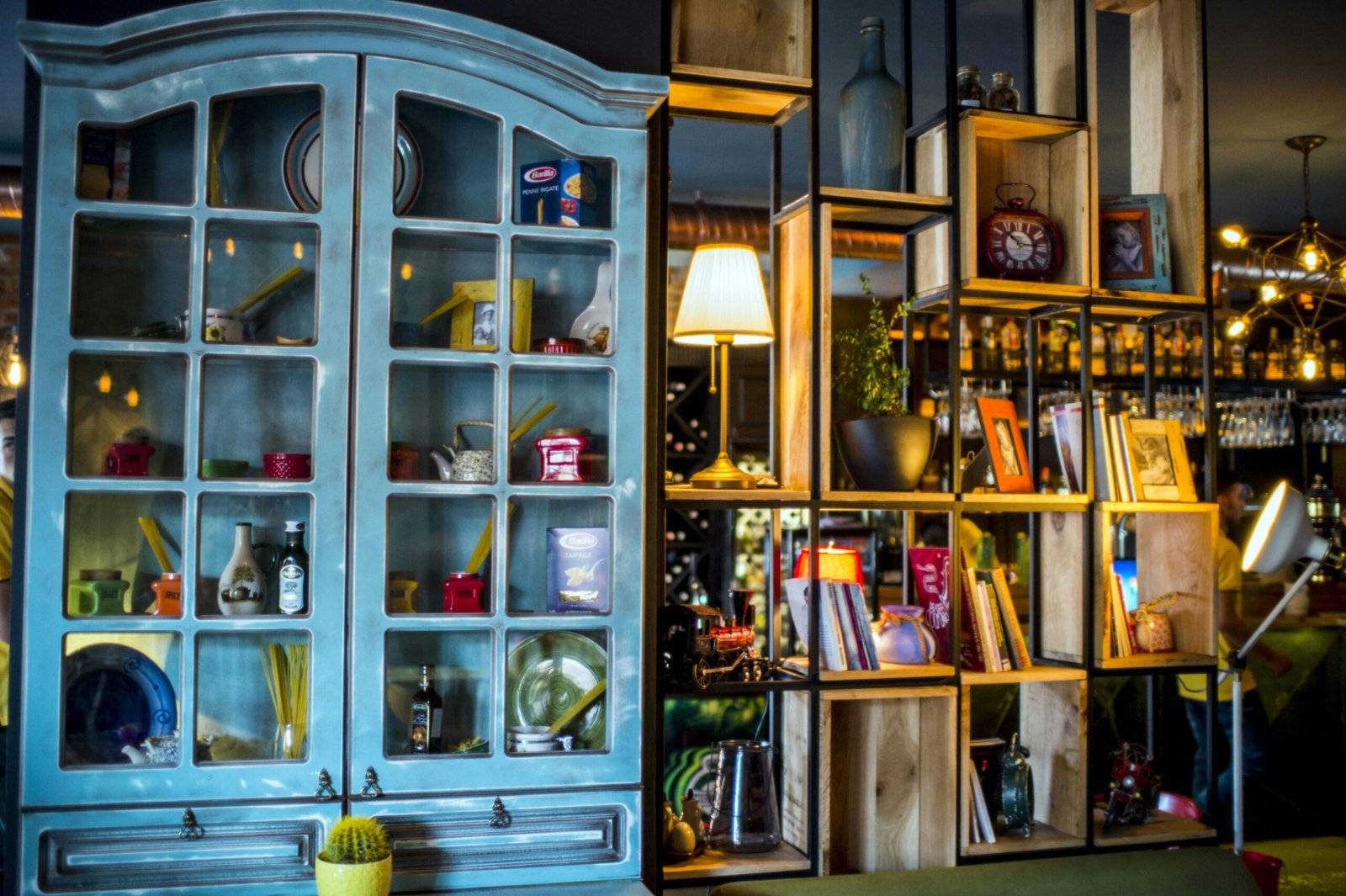
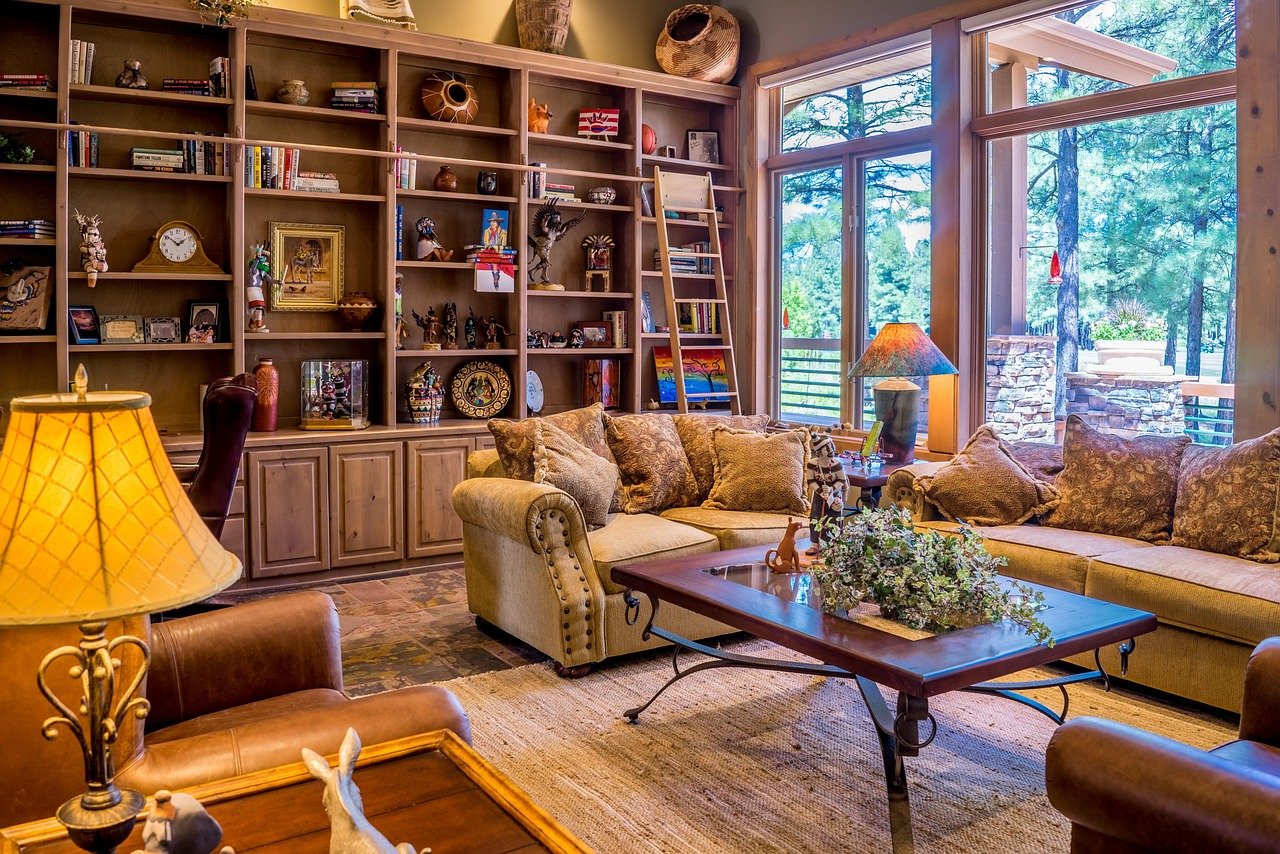
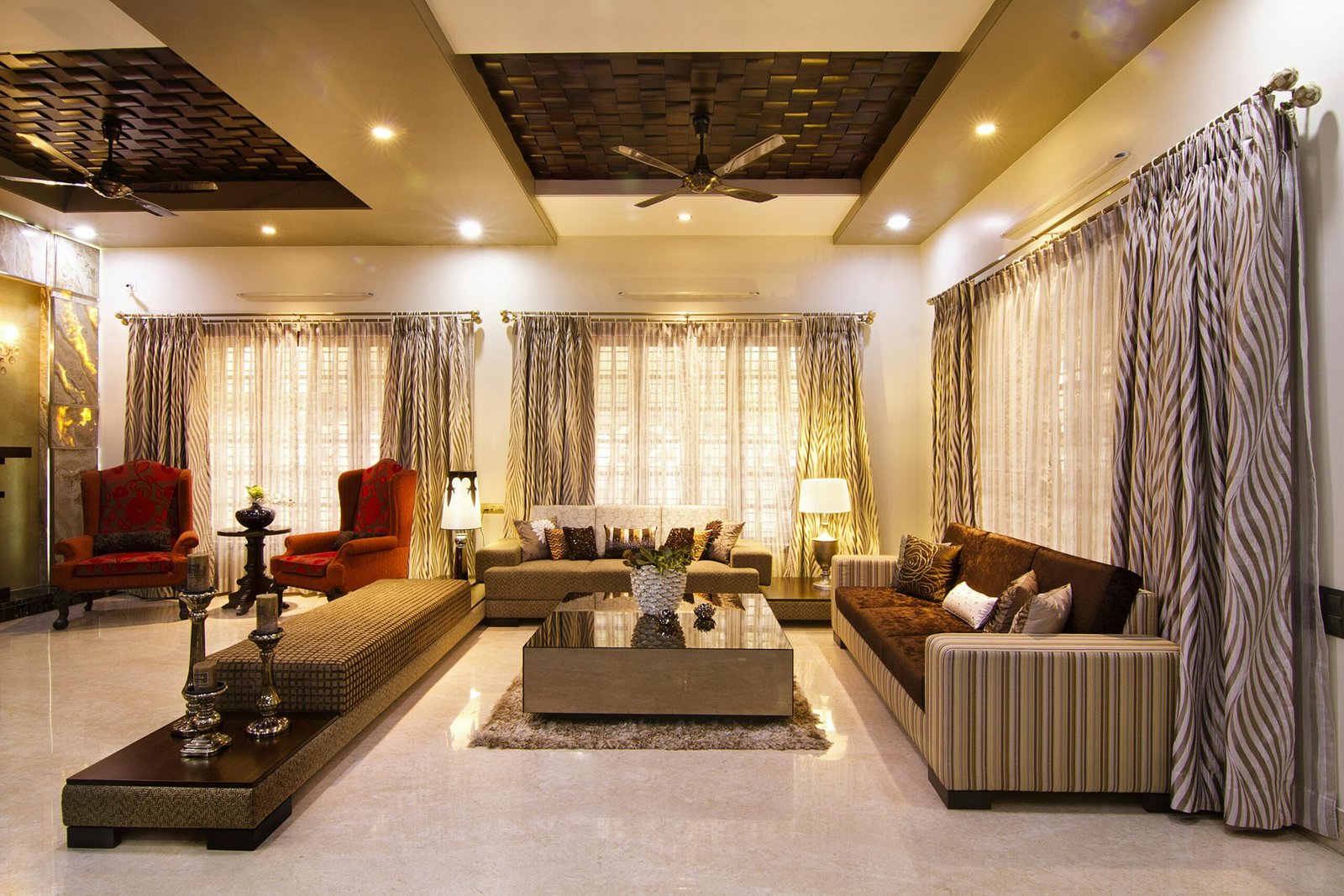
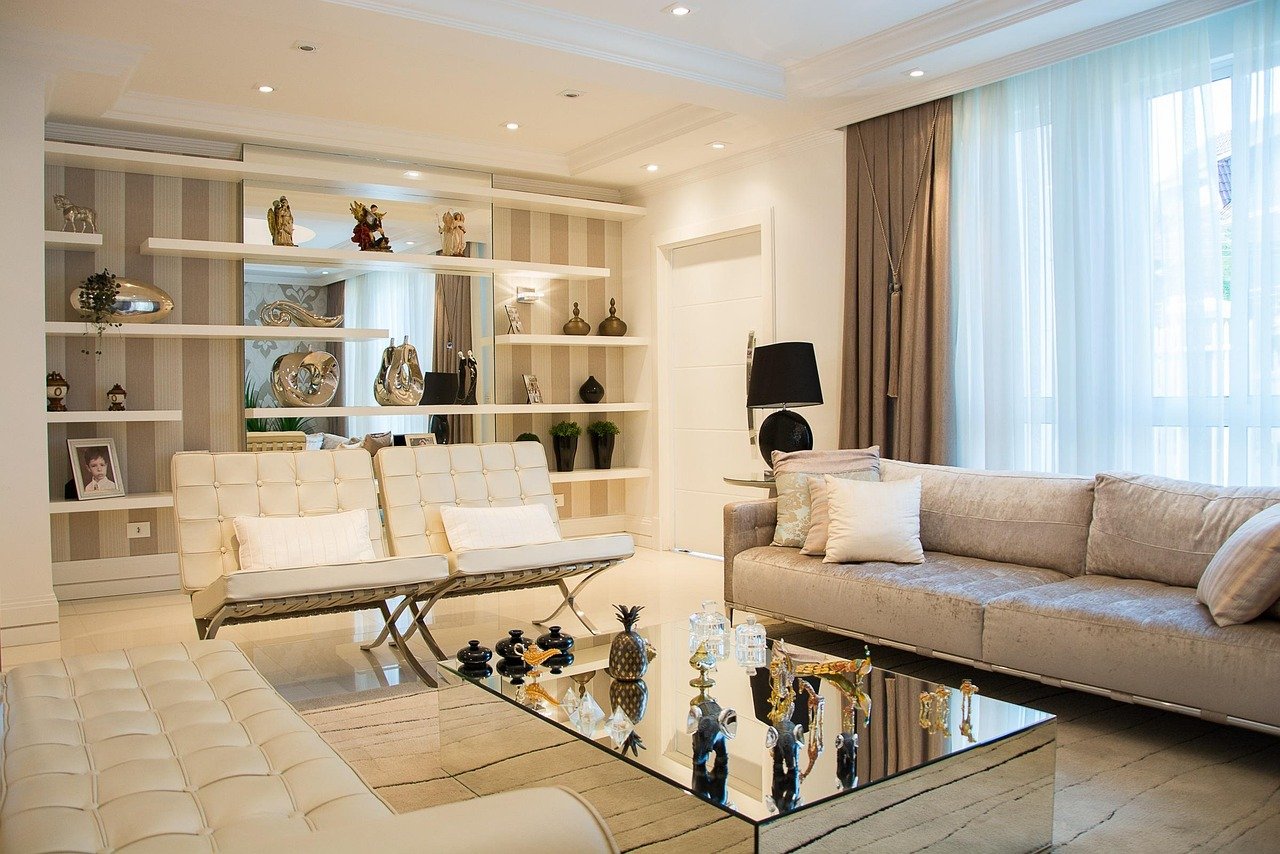
Repetition means using the same colors, shapes, or patterns multiple times. It creates unity and a steady beat for the eyes. For example, repeating a color in pillows, rugs, and curtains ties the room together. Repeating shapes like circles or squares in decor also helps. This simple trick brings balance and order.
Alternation Patterns
Alternation means switching between two or more elements in a pattern. This adds interest without chaos. For instance, alternating light and dark colors on a wall creates rhythm. Another example is placing different plants in a pattern along a shelf. Alternation keeps the eye engaged and the space lively.
Progression Ideas
Progression uses gradual changes to lead the eye across the room. This can be size, color, or shape changes. An example is using lamps that get taller along a table. Another idea is a color gradient from light to dark on walls or decor. Progression creates a natural, smooth flow that feels good to watch.
Visual Impact
Rhythm in home decoration creates a strong visual impact that guides the eye smoothly across a room. It brings life and flow to spaces by repeating shapes, colors, or patterns. This repetition helps rooms feel connected and lively without chaos. Rhythm makes a space feel balanced and pleasant to look at.
Enhancing Space
Rhythm can make rooms seem larger or cozier by controlling how eyes move. Repeating elements like furniture styles or color spots lead the eye naturally through the space. This flow can open up small rooms or add depth to large ones. Rhythm enhances the feeling of space without extra furniture or decoration.
Balancing Elements
Rhythm balances different parts of a room by repeating similar shapes or colors. It prevents any one area from feeling too heavy or empty. This balance creates harmony and calm in the space. Rhythm connects all parts of the room into one smooth, complete design.
Practical Tips
Rhythm in home decoration means creating a sense of flow and harmony. It guides the eyes smoothly across a room. Practical tips help you add rhythm without overdoing it. Try simple ways to bring balance and interest into your space.
Using Colors
Choose colors that repeat in different parts of the room. Use a main color and add lighter or darker shades. This creates a pattern that feels natural and calming. Avoid too many clashing colors to keep the look clean. Small pops of color can also catch attention and lead the eyes.
Incorporating Textures
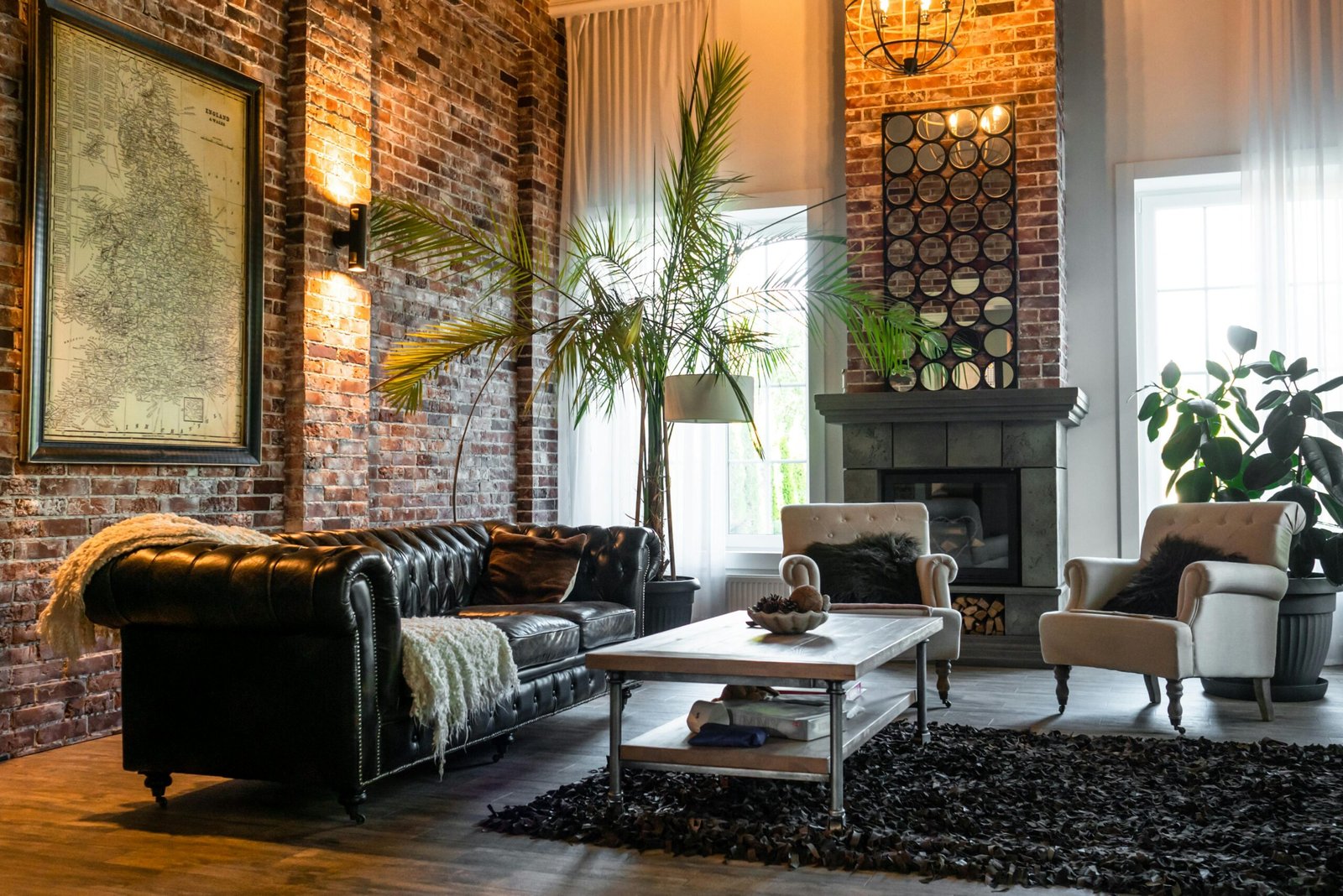
Mix smooth, rough, soft, and shiny textures for depth. Textures add rhythm by creating contrast you can see and feel. For example, pair a soft rug with a rough wooden table. Use fabrics, plants, and materials that complement each other. This layering makes the space more interesting and cozy.
Furniture Arrangement
Place furniture in a way that guides movement through the room. Repeat shapes or styles in different areas to create unity. Keep clear pathways to avoid clutter and confusion. Balance large and small pieces to maintain flow. This helps create a rhythm that feels natural and welcoming.

Frequently Asked Questions
What Does Rhythm Mean In Home Decoration?
Rhythm in home decoration refers to a visual flow created by repeating elements. It guides the eye smoothly across a space. This creates harmony and balance, making rooms feel cohesive and inviting.
How Can Rhythm Improve Interior Design?
Rhythm improves interior design by creating continuity and connection between different areas. It adds interest and movement, preventing spaces from feeling static or chaotic. Repetition of colors, patterns, or shapes helps achieve this effect.
What Are Common Types Of Rhythm In Decor?
Common types include repetition, alternation, progression, and transition. Repetition repeats elements, alternation switches between two patterns. Progression gradually changes size or color. Transition uses curves or lines to guide the eye naturally.
Why Is Rhythm Important In Decorating A Home?
Rhythm is important because it brings order and flow to interiors. It helps unify diverse design elements, making spaces feel balanced and comfortable. Without rhythm, rooms can appear disjointed and visually confusing.
Conclusion
Rhythm in home decoration brings harmony and flow to your space. It helps your eyes move smoothly from one area to another. Using patterns, colors, and shapes creates balance and interest. Rhythm makes rooms feel connected and comfortable. It turns a house into a warm, inviting home.
Choose elements that repeat softly and naturally. This way, your space will feel lively but calm. Rhythm is simple but powerful in design. It helps your home look organized and stylish. Try adding rhythm to enjoy a fresh, balanced look.