Are you ready to transform your space but don’t know where to begin? Starting your home decor can feel overwhelming, especially with so many choices and styles out there.
But what if you could take simple, clear steps that make the process enjoyable and stress-free? You’ll discover exactly where to start, how to choose pieces that reflect your personality, and easy ways to create a home that feels just right for you.
Keep reading, and you’ll find the confidence to turn your house into a place you love coming back to every day.
Choosing A Style
Choosing a style is the first step in home decor. It sets the tone for every room. A clear style helps pick colors, furniture, and decorations. It makes the home feel complete and personal. Understanding different styles helps find the perfect fit.
Popular Home Decor Styles
Modern style uses clean lines and simple colors. It feels fresh and open. Rustic style brings nature inside with wood and stone. It feels warm and cozy. Minimalist style removes clutter and focuses on space. It creates calm and order. Bohemian style mixes colors and patterns freely. It feels creative and fun. Each style offers a unique vibe and look.
Matching Style To Personality
Your home should reflect who you are. A bold person might like bright colors and patterns. A calm person may prefer soft colors and simple designs. Think about how you use your space. Choose a style that feels natural to you. This way, your home feels comfortable and real.

Credit: www.wtpbiz.com
Setting A Budget
Setting a budget is the first step in home decor. It helps control costs and avoid overspending. Knowing your budget guides your choices. It makes decorating less stressful and more fun.
Prioritizing Expenses
Decide what matters most in your space. Focus on big items like furniture first. These last longer and set the room’s tone. Next, think about smaller items like lamps or rugs. Leave less important things for later. This way, you spend money wisely. Prioritize comfort and style where it counts.
Cost-effective Decorating Tips
Use paint to change a room cheaply. It can make a big difference. Shop sales and clearance sections for deals. Mix new pieces with items you already own. Add plants for a fresh, natural look. DIY projects save money and add personality. Small changes can create a big impact.
Planning The Layout
Planning the layout is the first step in home decor. It helps create a space that looks good and works well. A well-planned layout makes the room feel open and comfortable. It also guides where to place furniture and decorations. Start by thinking about how you want to use the space. This makes choosing the right layout easier.
Assessing Space And Function
Measure the room size carefully. Note windows, doors, and any built-in features. Think about who will use the room and for what activities. A living room for watching TV needs different space than a dining room. Keep enough open space for easy movement. Avoid crowding the room with too much furniture. Balance is key to a functional, cozy space.
Furniture Arrangement Ideas
Place the largest pieces of furniture first. Position sofas or beds against walls to open space. Use rugs to define different zones in a room. Arrange chairs to encourage conversation. Leave clear pathways for walking around. Consider the room’s focal point, like a fireplace or window. Align furniture to highlight this feature. Small rooms benefit from multi-use furniture to save space.
Selecting Color Schemes
Choosing the right color scheme is the first step in home decor. Colors set the mood and style of any room. They bring life and personality to your space. A good color scheme makes your home feel welcoming and balanced. It also helps highlight furniture and decorations. Understanding colors can guide your choices and create harmony.
Color Psychology
Colors affect feelings and moods. Blue can calm and relax. Red brings energy and excitement. Yellow feels cheerful and bright. Green offers peace and balance. Knowing these effects helps pick colors that fit your room’s purpose. Bedrooms benefit from calm colors. Living rooms can use lively shades. Kitchens often work well with warm tones. Choose colors that match the mood you want.
Combining Colors Effectively
Good color combinations make a room look nice and neat. Use the color wheel to find matching colors. Try complementary colors that sit opposite on the wheel, like blue and orange. Or use analogous colors that are next to each other, like green and yellow. Limit your main colors to two or three. Add neutral tones like white, gray, or beige to balance bright colors. Test small areas before painting the whole room. This helps avoid mistakes and ensures you like the result.
Choosing Key Pieces
Choosing key pieces sets the tone for your entire home decor. These items create the foundation of your space. They help define style and function in each room. Careful selection makes your home feel balanced and welcoming.
Essential Furniture Items
Start with furniture that fits your lifestyle and space. A comfortable sofa is a must for living rooms. Choose one that matches your style and size of the room. Dining tables bring people together. Pick a size that fits your family and guests.
Bed frames should be sturdy and suit your bedroom design. Storage pieces like shelves or cabinets keep rooms tidy. Focus on quality and comfort. These items will be used every day.
Statement Decor Elements
Statement decor adds personality to your home. Large artwork or mirrors catch the eye and create interest. Rugs can define spaces and add warmth. Choose colors and patterns that complement your furniture.
Unique light fixtures brighten rooms and act as decor. Vases, sculptures, and plants bring life to corners. These pieces express your taste and make the space unique.

Credit: www.youtube.com
Incorporating Textures And Patterns
Incorporating textures and patterns creates depth in any room. These elements bring life to plain walls and furniture. They help make spaces feel warm and inviting. Adding texture and pattern is a simple way to change a room’s look.
Choosing the right mix can be tricky. Too many patterns or rough textures might overwhelm a space. The goal is to create balance. A well-mixed room feels cozy and stylish without chaos.
Mixing Materials
Combine different materials to add interest. Soft fabrics like velvet or cotton contrast nicely with hard surfaces. Wood, metal, and glass create unique touches. Mix smooth and rough textures for a lively feel. Use materials that match your room’s style.
Balancing Patterns
Use patterns carefully to avoid clutter. Start with one bold pattern as a focal point. Add smaller, simpler patterns around it. Stick to a color palette to keep harmony. Stripes, dots, and florals can work well together. Balance big and small shapes for a fresh look.
Lighting Tips
Lighting plays a big role in home decor. It changes how a room feels and looks. Good lighting can make a space warm and cozy or bright and lively. Knowing the basics helps you pick the right lights for each room.
Types Of Lighting
There are three main types of lighting. Each serves a different purpose in your home.
Ambient lighting is the main source of light. It fills the room and helps you see clearly. Examples include ceiling lights and chandeliers.
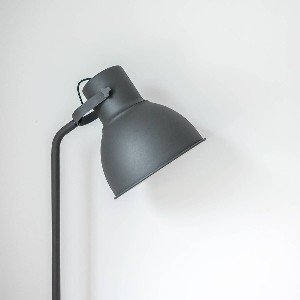
Task lighting is focused and bright. Use it for activities like reading or cooking. Desk lamps and under-cabinet lights are good examples.
Accent lighting highlights certain areas or objects. It adds style and depth. Spotlights and wall sconces work well here.
Creating Ambiance
Lighting sets the mood in every room. Soft, warm lights create a calm and inviting space.
Use dimmers to control light strength. This helps change the room’s atmosphere easily.
Layer different light types for balance. Combine ambient, task, and accent lighting for a cozy feel.
Choose bulbs with warm colors for relaxing spaces. Cooler lights fit better in work areas.

Credit: www.inventorysource.com
Adding Personal Touches
Adding personal touches makes your home feel special and unique. It shows your style and personality. Small details can change the whole mood of a room. Personal items create warmth and comfort. This part of decorating lets you express yourself freely.
Displaying Artwork
Artwork adds color and life to your walls. Choose pieces that speak to your heart. Paintings, prints, or photos work well. Place them at eye level for best effect. Use frames that match your room style. Group smaller pieces for a gallery feel. Art can tell your story or inspire you daily.
Using Accessories
Accessories bring texture and interest to spaces. Think cushions, rugs, and vases. Pick colors that complement your room’s palette. Use different shapes and sizes for balance. Personal items like souvenirs show your journey. Change accessories with seasons for fresh looks. These small touches make rooms feel lived in.
Frequently Asked Questions
Where Should I Begin With Home Decor?
Start by assessing your space and style preferences. Identify key areas needing updates. Choose a color palette that reflects your taste. Prioritize functionality and comfort. Begin with essentials like furniture and lighting to set a foundation for your decor.
How Do I Choose A Home Decor Style?
Explore styles like modern, rustic, or minimalist. Consider what matches your personality and existing furniture. Use inspiration from magazines and online platforms. Test small decor items first to see what feels right before committing fully.
What Budget Is Needed For Home Decorating?
Budgets vary based on room size and style complexity. Set a realistic budget before shopping. Prioritize spending on quality essentials like sofas and lighting. Use affordable accessories to enhance style without overspending.
How Can I Make Small Spaces Look Bigger?
Use light colors on walls and furniture. Incorporate mirrors to reflect light and create depth. Choose multi-functional furniture to save space. Keep decor minimal to avoid clutter and enhance openness.
Conclusion
Starting home decor is easier than it seems. Choose a style that feels right for you. Pick a few colors and textures to begin. Focus on key pieces like furniture or rugs first. Add small decorations later to avoid clutter.
Take your time and enjoy the process. Your home will start to feel warm and personal. Every small step makes a difference. Soon, your space will reflect your taste clearly. Keep it simple, and trust your own choices.