Are you trying to make your home look amazing but feel confused by terms like home staging and interior design? You’re not alone.
Many people mix them up, but they serve very different purposes. Understanding the difference can save you time, money, and stress. Whether you want to sell your house fast or create a cozy space to live in, knowing which approach fits your needs will help you make smarter decisions.
Keep reading, and you’ll discover exactly what sets home staging apart from interior design—and how to use each one to your advantage.
Key Concepts
Understanding the key concepts of home staging and interior design helps to see their differences clearly. Both focus on improving spaces but serve different purposes. Home staging aims to sell a home quickly. Interior design creates a comfortable, personal space.
Knowing the basics of each will help decide which service fits your needs.
Home Staging Basics
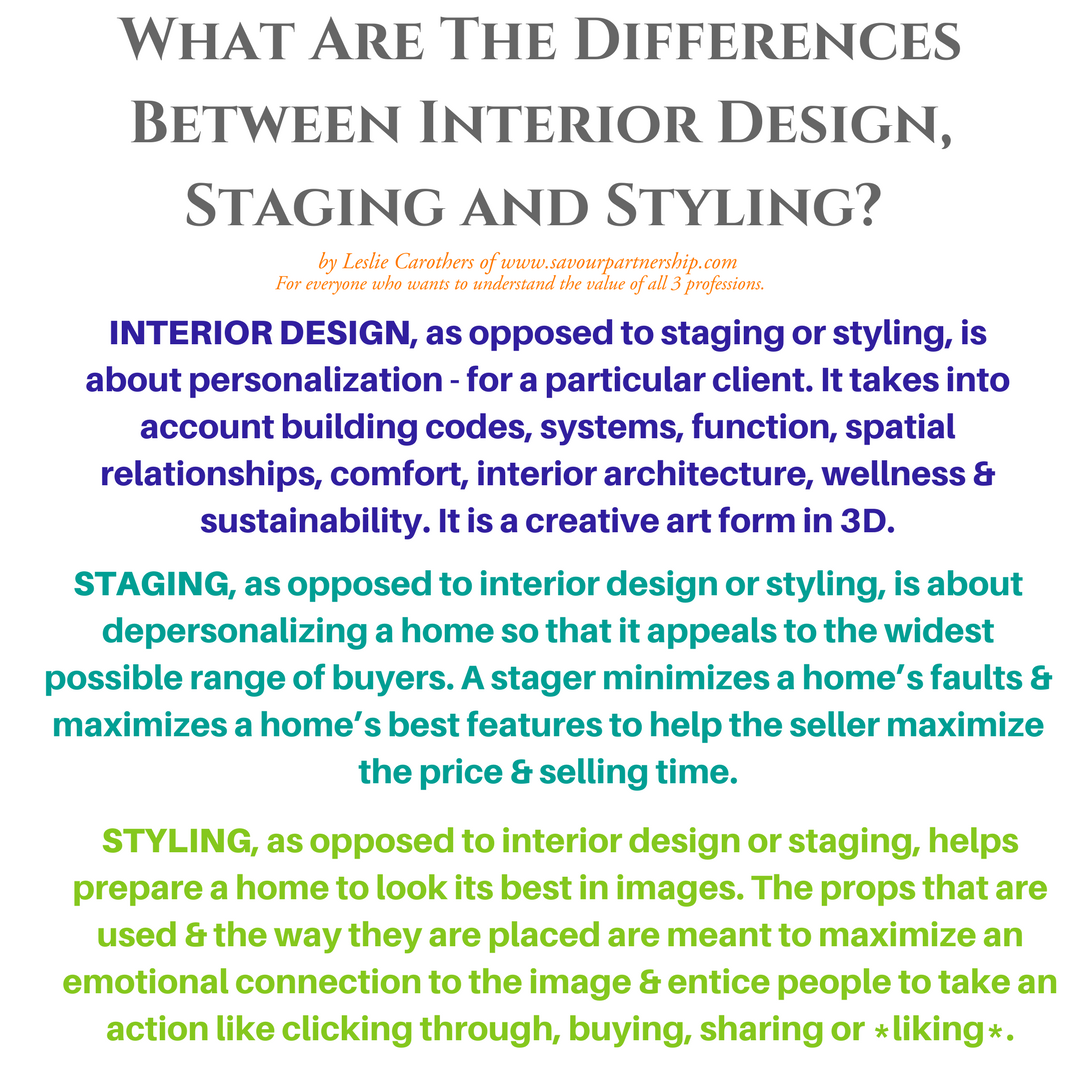
Home staging prepares a house for sale. It uses simple, neutral decor to attract buyers. The goal is to make the space look bigger and inviting. Staging removes personal items to create a blank canvas. It highlights the home’s best features. The focus is on quick appeal and broad taste.
Interior Design Essentials
Interior design shapes how people live in a space. It reflects personal style and comfort. Designers choose colors, furniture, and layouts for daily use. The goal is to create a functional and beautiful home. It involves long-term planning and customization. Interior design makes a house feel like home.
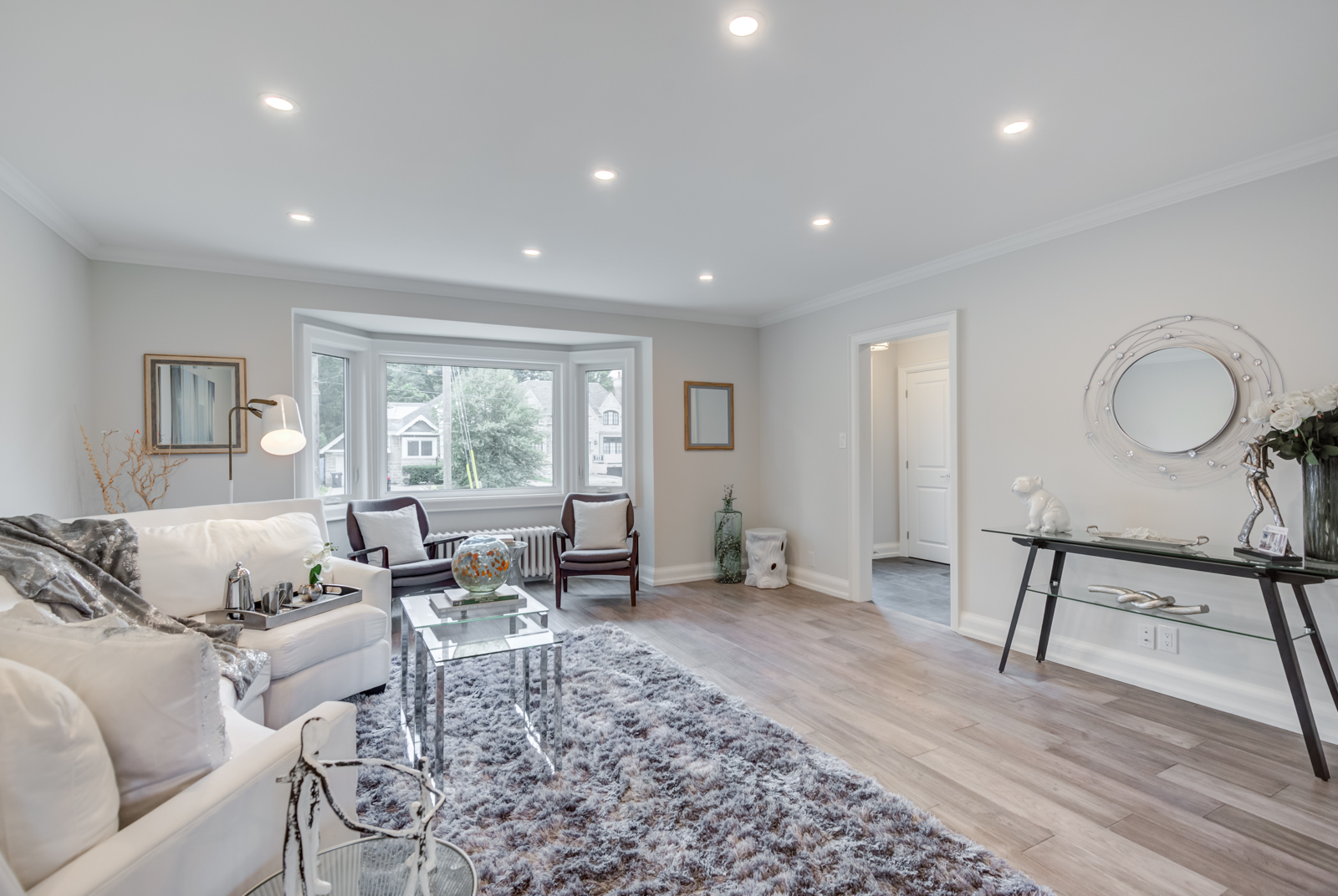
Credit: www.designtoimpresstoronto.com
Primary Goals
The primary goals of home staging and interior design differ greatly. Both focus on making spaces look appealing. Yet, their purposes and target outcomes are not the same. Understanding these goals helps decide which service fits your needs.
Selling Focus In Staging
Home staging aims to sell a property quickly. Stagers create a neutral and inviting space. This helps buyers imagine themselves living there. They remove personal items and clutter. The goal is to appeal to a wide audience. Staging highlights the home’s best features. It uses furniture and decor to show space and flow. Every choice supports faster sales at a good price.
Personalization In Design
Interior design focuses on personal style and comfort. Designers work with homeowners to reflect their tastes. They create spaces that feel unique and lived-in. Functionality and beauty balance in every room. The goal is to improve everyday life in the home. Designers select colors, furniture, and layouts that suit the owner’s lifestyle. This process is about creating a long-term, personal environment.
Process And Techniques
The process and techniques of home staging and interior design differ greatly. Each has unique goals and steps to follow. Understanding these differences helps you decide what fits your needs best.
Home staging focuses on preparing a house for sale. Interior design aims to create a comfortable, personalized living space. Their methods reflect these distinct purposes.
Staging Strategies
Home staging uses simple, neutral decor. The goal is to make spaces look bigger and brighter. Stagers remove personal items to help buyers imagine living there.
Furniture is arranged to highlight the home’s best features. Small fixes and decluttering are common. Colors are chosen to appeal to many people, not just one taste.
Lighting is used to create a warm, inviting feel. Accessories like pillows and rugs add style without clutter. Staging focuses on quick, low-cost changes to boost appeal.
Design Methods
Interior design starts with understanding the client’s style and needs. Designers select colors, furniture, and art that reflect personality. The process involves detailed planning and customization.
Spaces are arranged for comfort and function. Lighting is tailored to each room’s use. Designers often choose unique pieces and mix textures for interest.
Material quality and long-term use matter in interior design. The focus is on creating a lasting, enjoyable environment. Changes take time and investment to complete.
Budget And Cost Factors
Budget and cost are key factors when choosing between home staging and interior design. Both services change how a space looks but differ in price and purpose. Understanding these differences helps you plan your spending smartly.
Cost Considerations For Staging
Home staging usually costs less than interior design. It focuses on making the home look good to sell quickly. Staging often rents furniture and decor instead of buying. This lowers upfront costs. Staging fees can be a flat rate or monthly rental. The goal is to attract buyers without a big investment.
Design Investment Insights
Interior design involves a bigger budget. It aims to create a comfortable, personalized space for living. Designers buy furniture, art, and materials. Costs include labor, materials, and project management. The investment improves daily life and adds long-term value. Interior design spends more but offers deeper style and function.
Timeframe And Duration
Timeframe and duration highlight key differences between home staging and interior design. Both services improve a space but vary in how long they take. Understanding these timelines helps set clear expectations.
Timeline For Staging
Home staging usually happens fast. It often takes a few days to one week. The goal is to prepare a home for sale quickly. Stagers focus on simple changes like furniture placement and decor. They use existing items or rent pieces for a fresh look. Speed matters to attract buyers right away.
Design Project Length
Interior design takes more time. Projects can last weeks or months. Designers plan layouts, choose materials, and customize details. They may order new furniture and fixtures. This process involves more steps and decisions. The aim is to create a personalized, lasting space. Patience is key for a complete transformation.
Credit: www.savourpartnership.com
Professional Roles
The professional roles of home stagers and interior designers differ in many ways. Each expert has a clear focus and set of tasks. Understanding these roles helps to see how they add value to a home.
Both professionals work with spaces and decor. Yet, their goals and daily tasks are quite different. Knowing these differences is key for choosing the right service.
Home Stager Responsibilities
Home stagers prepare homes for sale. They make spaces look clean and inviting to buyers. Their goal is to highlight the home’s best features.
Stagers often rent or move furniture and decor. They arrange items to create a neutral, appealing look. This helps buyers imagine living there.
They focus on quick changes that improve first impressions. Home stagers consider market trends and buyer tastes. Their work is temporary and sales-driven.
Interior Designer Duties
Interior designers plan and create lasting living spaces. They work with clients to match style and function. Their goal is to improve daily life in a home.
Designers choose colors, furniture, lighting, and materials. They often manage renovations or new builds. Their work is detailed and personalized.
Interior designers focus on long-term comfort and style. They balance beauty with practicality. Their projects can be complex and require careful planning.
Impact On Property Value
The impact on property value differs greatly between home staging and interior design. Both aim to improve a space but affect the home’s worth in unique ways. Understanding these differences helps sellers and buyers make smart choices. Below, we explore how each influences property value.
Staging Influence On Sale Price
Home staging focuses on making a house look appealing to buyers. It highlights the best features and creates a welcoming atmosphere. Staged homes often sell faster and at higher prices. Buyers can imagine living there more easily. This emotional connection boosts the chance of a better offer. Staging uses neutral decor to attract a wide audience. It does not involve major changes but rearranges furniture and adds simple touches.
Design Effects On Home Worth
Interior design improves the home’s function and style for long-term living. It adds personal touches and custom details. Good design raises the home’s quality and comfort. This can increase the overall market value. However, design is often more expensive and time-consuming. It may reflect personal taste, which not all buyers like. Design changes can either add value or limit appeal depending on trends and quality.
Choosing Between The Two
Choosing between home staging and interior design depends on your goals. Both improve the look of a space. Each serves a different purpose. Knowing the difference helps you decide which fits your needs best.
Think about what you want to achieve. Are you selling a house or making a home more comfortable? The answer guides your choice.
When To Opt For Staging
Home staging works best if you want to sell quickly. It focuses on making your home appealing to buyers. Staging uses neutral colors and simple furniture. It highlights the home’s best features. Staging helps buyers imagine living there. It often increases the home’s market value. Use staging if the house feels empty or cluttered.
When To Choose Interior Design
Interior design suits those wanting a personal touch. It creates a space that fits your style and needs. Designers use colors, furniture, and decor to express personality. Interior design improves daily comfort and functionality. Choose it when planning long-term living in a home. It helps organize space and add beauty. Interior design works well for renovation or new homes.

Credit: www.oliveandopalinteriors.com
Frequently Asked Questions
What Is The Main Purpose Of Home Staging?
Home staging aims to make a property appealing to potential buyers. It highlights the home’s best features and creates a neutral, inviting space. This helps buyers visualize living there, speeding up the sale and often increasing the sale price.
How Does Interior Design Differ From Home Staging?
Interior design focuses on personalizing and improving a space for long-term living. It reflects the homeowner’s style and needs. Home staging, however, is temporary and designed to attract buyers by creating a universally appealing environment.
Can Home Staging Improve A Property’s Sale Price?
Yes, home staging can often increase a property’s sale price. It presents the home in the best light, making it more desirable. Staged homes typically sell faster and for more money than unstaged homes.
Is Interior Design Necessary For Selling A Home?
Interior design is not necessary for selling a home. However, well-designed interiors can make a home more attractive to buyers. Staging is more focused on selling, while interior design enhances everyday living.
Conclusion
Home staging and interior design serve different purposes. Staging focuses on selling a home quickly. Interior design aims to create a personal, lasting space. Both use style and layout but with different goals. Knowing their differences helps you choose the right service.
Whether selling or living, each adds value in its way. Clear understanding makes decisions easier and results better. Choose what fits your needs and budget best. Both can improve how a home looks and feels. Simple steps lead to smart choices.