How often should you decorate your home? It’s a question that many people wonder about but rarely find a clear answer to.
Your home is more than just a place to live—it’s a reflection of who you are. Changing your décor can refresh your mood, improve your comfort, and even boost your creativity. But how do you know when it’s the right time to make those changes?
You’ll discover simple signs and smart tips to help you decide when and how often you should update your living space. Keep reading to find out how to keep your home feeling fresh without overwhelming yourself or your budget.
Factors Influencing Decoration Frequency
Several factors affect how often you should decorate your home. These factors shape your decorating rhythm and style updates. Understanding them helps you plan better and enjoy your living space more.
Lifestyle And Daily Habits
Your daily routine impacts how often you change your decor. Active households with kids or pets may need frequent updates. Quiet homes might keep the same style longer. Think about how you use each room daily.
Seasonal Changes
Seasons bring natural reasons to refresh your home. Light, colors, and themes often shift with the weather. Some people change decor every season to match holidays and moods. Others prefer subtle tweaks instead of full redecorations.
Budget Considerations
Money plays a big role in decorating frequency. Frequent changes can add up quickly. Set a budget that fits your income and goals. Small, affordable updates can keep your space fresh without overspending.
Home Size And Layout
The size and design of your home guide how you decorate. Large homes may need more effort and cost to update often. Smaller spaces can feel different with just minor changes. Layout affects which areas get refreshed more.
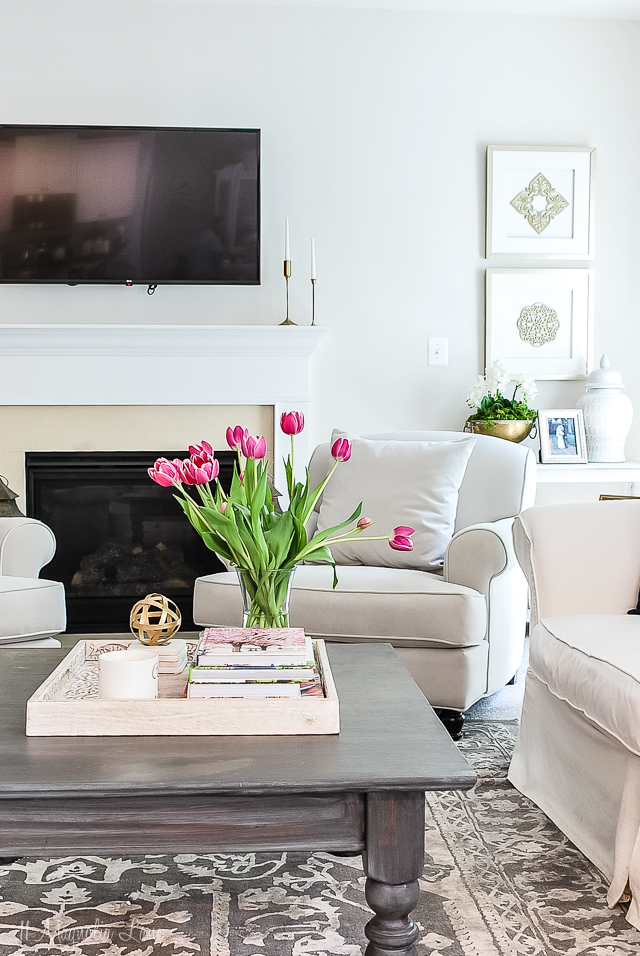
Credit: www.11magnolialane.com
Popular Decoration Timelines
Decorating your home can follow many timelines. Choosing the right schedule keeps your space fresh and inviting. Popular decoration timelines help you plan updates without stress. These common methods suit different lifestyles and tastes.
Annual Refresh
Many people update their home once a year. This often happens during spring or fall. It gives a chance to clean and change key items. Swapping cushions, rugs, or wall art can brighten a room. An annual refresh keeps your home feeling new.
Seasonal Updates
Seasonal decorating means changing styles four times a year. Each season brings unique colors and themes. Soft pastels in spring, warm hues in autumn, and cozy textures in winter. These updates are simple and fun to do. They help your home match the weather and mood.
Event-based Decorating
Some decorate only for special events or holidays. Birthdays, weddings, or festive holidays are common times. Decorations can be temporary but add joy and excitement. This timeline focuses on making moments memorable. It suits those who prefer less frequent changes.
Signs Your Home Needs A Refresh
Knowing when to refresh your home helps keep it inviting and comfortable. Over time, spaces can start to feel dull or crowded. Small changes can make a big difference in how you feel at home.
Watch for signs that your home needs a refresh. These clues show it is time to update your space. Pay attention to how your home feels and looks. This helps decide when to decorate again.
Feeling Stuck Or Bored
Do you feel tired of your home’s look? Boredom with your surroundings means your space needs change. A fresh look can inspire new energy and happiness. Changing colors, furniture, or décor can lift your mood.
Worn-out Or Outdated Items
Look for furniture or decorations that show wear or age. Old sofas, faded curtains, or scratched tables tell you it’s time for new pieces. Outdated styles can make a home feel less cozy. Replacing these helps update your space and comfort.
Changes In Personal Style
Your taste can change over months or years. What you loved before may no longer fit your style. Reflect your current personality in your home décor. Changing art, colors, or accessories keeps your space true to you.
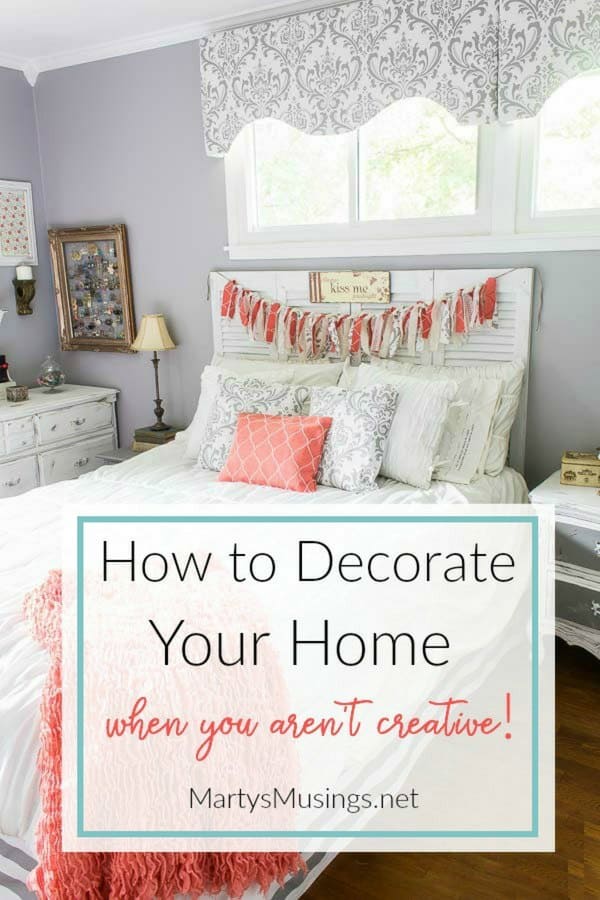
Credit: www.martysmusings.net
Budget-friendly Decorating Tips
Decorating your home does not need to be expensive. Small changes can refresh your space without breaking the bank. Budget-friendly decorating helps keep your home fresh and cozy. You can update your space often with simple ideas. These tips save money and bring new life to your rooms.
Rearranging Existing Decor
Move furniture to create new layouts. Change where your rugs and pillows sit. Group small items in a new way. This makes rooms feel different and exciting. Use what you already have to save money. A fresh look is just a few moves away.
Diy Projects
Make your own decorations with simple tools. Paint old frames or jars for a new look. Create wall art using paper or fabric. Crafting adds a personal touch to your home. It costs less and feels great to do. Try small projects that fit your style and budget.
Thrift And Upcycle Ideas
Find treasures at thrift stores or garage sales. Old furniture can become new with paint or fabric. Turn broken items into something useful. Upcycling reduces waste and saves money. Look for unique pieces that fit your space. This approach adds charm and character cheaply.
Balancing Trends And Timeless Style
Balancing trends and timeless style is key to decorating your home. Trends bring freshness and fun. Timeless style offers lasting beauty and comfort.
Updating your home too often can feel tiring and costly. Sticking only to timeless pieces can make your space dull. A good mix keeps your home lively and elegant.
Incorporating Trends Sparingly
Use trends to add small pops of interest. Try trendy pillows, rugs, or wall art. These items are easy to change and won’t break the bank.
Focus on colors or patterns that excite you but suit your style. Change these accents each season or year to keep your space fresh.
Investing In Classic Pieces
Choose furniture and decor that never go out of style. Think solid wood tables, simple sofas, and neutral colors. These pieces form the base of your room’s look.
Classic items last longer and match many trends. They create a calm and inviting atmosphere. Over time, they save money and effort.
Maintaining A Consistent Aesthetic
Maintaining a consistent aesthetic helps your home feel calm and inviting. It creates a clear style that flows through every room. This makes decorating easier and more enjoyable. A strong, steady look shows your personality without confusion.
Consistency also saves money and time. You avoid buying items that clash or look out of place. Sticking to a plan keeps your home balanced and neat. It can also increase your home’s value by appealing to more people.
Creating A Mood Board
A mood board collects your favorite ideas and styles in one place. Use pictures, fabric samples, and colors that inspire you. This visual guide helps you see how different elements work together.
It keeps your choices focused and clear. When you shop or decorate, you check the board first. This stops you from buying things that don’t fit your style. Mood boards make your home’s look simple and unified.
Color Palette Strategies
Pick a few main colors to use throughout your home. Choose shades that match your style and mood. Limit your palette to three or four colors to keep things calm.
Use these colors on walls, furniture, and decorations. Repeat them in different rooms for a smooth flow. Accent colors can add interest without breaking the harmony. This method makes your home look organized and stylish.

Credit: www.littlehouseoffour.com
Frequently Asked Questions
How Often Should You Refresh Home Decor?
Refreshing your home decor every 6 to 12 months keeps your space lively. It helps to adapt to new trends and personal tastes. Small changes like cushions or artwork can make a big impact without full renovations.
When Is The Best Time To Redecorate Your Home?
The best time to redecorate is during seasonal changes, especially spring or fall. These periods inspire fresh ideas and allow you to match decor with current weather and moods. Planning ahead ensures smoother execution and budget management.
How Can I Decorate Without Spending Too Much?
Focus on inexpensive updates like rearranging furniture, adding plants, or changing accessories. DIY projects and thrift store finds offer unique touches. Prioritize quality over quantity to maintain a stylish look without overspending.
Should Home Decoration Match Current Trends?
Incorporating trends selectively can keep your home modern. However, balance trendy items with timeless pieces to avoid frequent overhauls. Choose trends that suit your style and enhance your home’s character.
Conclusion
Decorating your home often depends on your mood and needs. Small changes can freshen up a space quickly. Some people like to update each season. Others prefer to redecorate only once a year. There is no perfect schedule for everyone.
Trust your feelings and style choices. Enjoy making your home a place you love. Remember, decorating should feel fun, not stressful. Keep it simple and do what feels right. Your home reflects you—make it comfortable and happy.