Your home office should be more than just a place to work—it should be a space that inspires focus, creativity, and comfort. If you’ve been struggling to stay motivated or find yourself distracted, the way you decorate your office might be the key to turning things around.
Imagine walking into a room that instantly boosts your productivity and makes you excited to start your day. You’ll discover simple and effective ways to decorate your home office so it works for you, not against you. Ready to transform your workspace into a place you love?
Let’s dive in!
Choosing A Style
Choosing a style for your home office sets the tone for your workday. It shapes the mood and boosts your focus. The style should fit your personality and work needs. Pick one that makes you feel comfortable and inspired. Below are three popular styles to consider.
Modern Minimalist
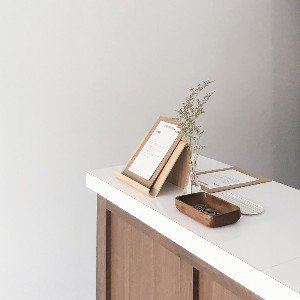
Modern minimalist style uses clean lines and simple shapes. It removes clutter and keeps only essentials. White walls and neutral colors create calm and space. Furniture is sleek and functional. This style helps clear your mind and improve focus. Perfect for those who like order and simplicity.
Cozy And Warm
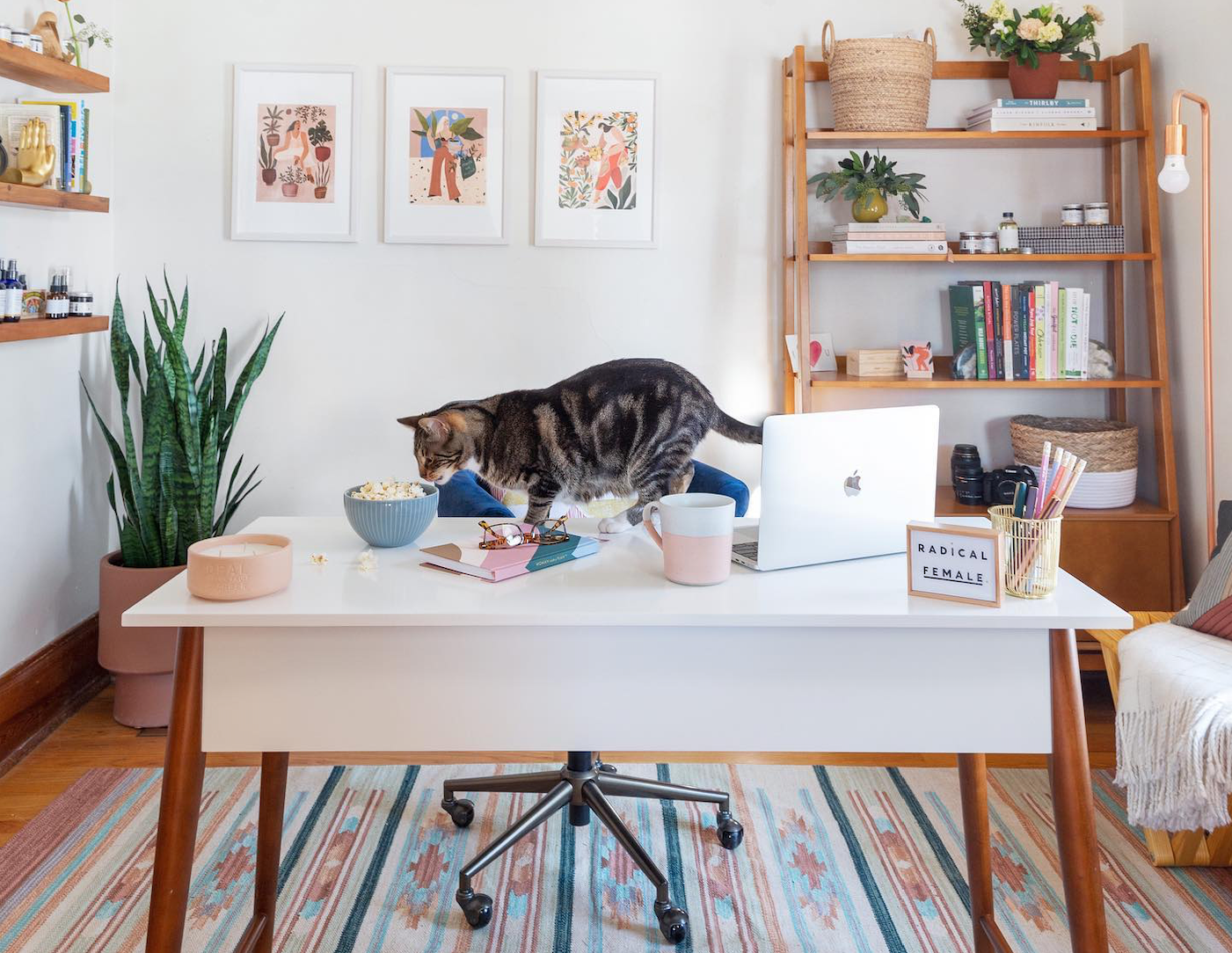
This style brings comfort and a homey feel. Soft lighting, warm colors, and plush textures create a relaxing space. Add rugs, cushions, and curtains for extra warmth. Wood furniture and plants add a natural touch. Ideal for people who want a calm and inviting workspace.
Industrial Chic
Industrial chic mixes raw materials like metal and wood. Exposed bricks and pipes add character. Use vintage or recycled furniture to complete the look. Dark colors and bold lighting create a strong vibe. Great for creative minds who enjoy an edgy, urban feel.
Credit: streeteasy.com
Selecting The Right Furniture
Selecting the right furniture shapes your home office’s comfort and style. Good choices boost focus and reduce fatigue. Each piece should fit your space and work needs. Prioritize comfort and practicality for daily tasks. Think about how furniture supports your work habits. Balance style with function for a pleasant workspace.
Ergonomic Chairs
Ergonomic chairs protect your back during long work hours. They support your spine and improve posture. Look for adjustable height and lumbar support. Soft padding adds comfort without bulk. Choose breathable materials to prevent heat build-up. A swivel base helps reach items easily. Investing in a good chair avoids discomfort later.
Functional Desks
Desks must fit your work style and space. Pick a size that holds your computer and papers. A clean, flat surface encourages productivity. Adjustable desks offer sitting and standing options. Built-in cable management keeps wires neat. Choose sturdy materials for durability. A well-chosen desk creates a focused work zone.
Storage Solutions
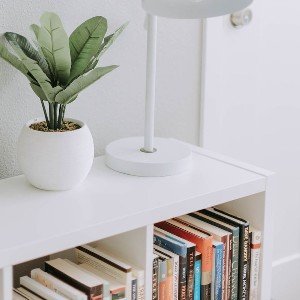
Storage keeps your office tidy and organized. Use shelves, drawers, or cabinets to save space. Label containers for quick item finding. Vertical storage maximizes small rooms. Open shelves offer easy access to supplies. Closed storage hides clutter and dust. Effective storage reduces stress and keeps work smooth.
Optimizing Lighting
Lighting plays a big role in making a home office comfortable and productive. Good lighting helps reduce eye strain and keeps you alert. It also sets the mood for your work environment. Use a mix of natural, task, and ambient lighting to create a balanced space. This way, your office feels bright and inviting all day long.
Natural Light Benefits
Natural light improves your mood and energy. It helps your body stay on a healthy schedule. Try to place your desk near a window. This gives you plenty of daylight. Use light curtains to soften harsh sunlight. Natural light also reduces the need for electric lights. It makes your office eco-friendly and cost-effective.
Task Lighting Options
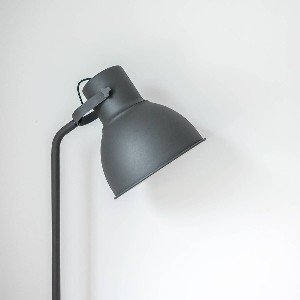
Task lighting focuses on specific work areas. Desk lamps are a popular choice. They provide bright light for reading and writing. Adjustable lamps let you change the angle and brightness. LED lights are energy-saving and long-lasting. Choose lamps with warm light to avoid harsh glare. Good task lighting keeps your eyes comfortable.
Ambient Lighting Ideas
Ambient lighting fills the whole room with soft light. Ceiling lights, floor lamps, and wall sconces work well. Use dimmable lights to control the brightness. This helps create a calm atmosphere after work hours. Warm-colored bulbs make the space cozy. Avoid very bright or cold lights that feel harsh. Ambient lighting supports a relaxed and welcoming office.
Incorporating Colors
Colors shape the mood of your home office. They affect focus, energy, and calmness. Choosing the right colors helps create a space where work feels easier and stress feels lower. Simple color choices make a big difference. Use colors to balance energy and peace in your office.
Calming Palettes
Soft blues, greens, and light grays bring calm to your workspace. These colors reduce stress and help you focus. Use them on walls or furniture for a peaceful feel. Avoid bright, harsh colors that may cause distraction. Calm palettes help keep your mind clear and relaxed during work hours.
Accent Walls
An accent wall adds style without overwhelming your space. Pick one wall and paint it a bold or warm color. This draws attention and creates a focal point. Colors like mustard yellow, deep teal, or burnt orange work well. Accent walls add personality and energy without cluttering your mind.
Color Psychology
Colors affect feelings and actions in many ways. Blue boosts trust and calm. Yellow sparks creativity and happiness. Green helps balance and refresh. Red increases energy but can cause tension. Choose colors based on the mood you want. Use them wisely to keep your work mood steady and strong.
Adding Personal Touches
Adding personal touches to your home office makes the space truly yours. It boosts comfort and helps you feel inspired. Small details create a welcoming environment. This encourages focus and creativity during work hours.
Artwork And Decor
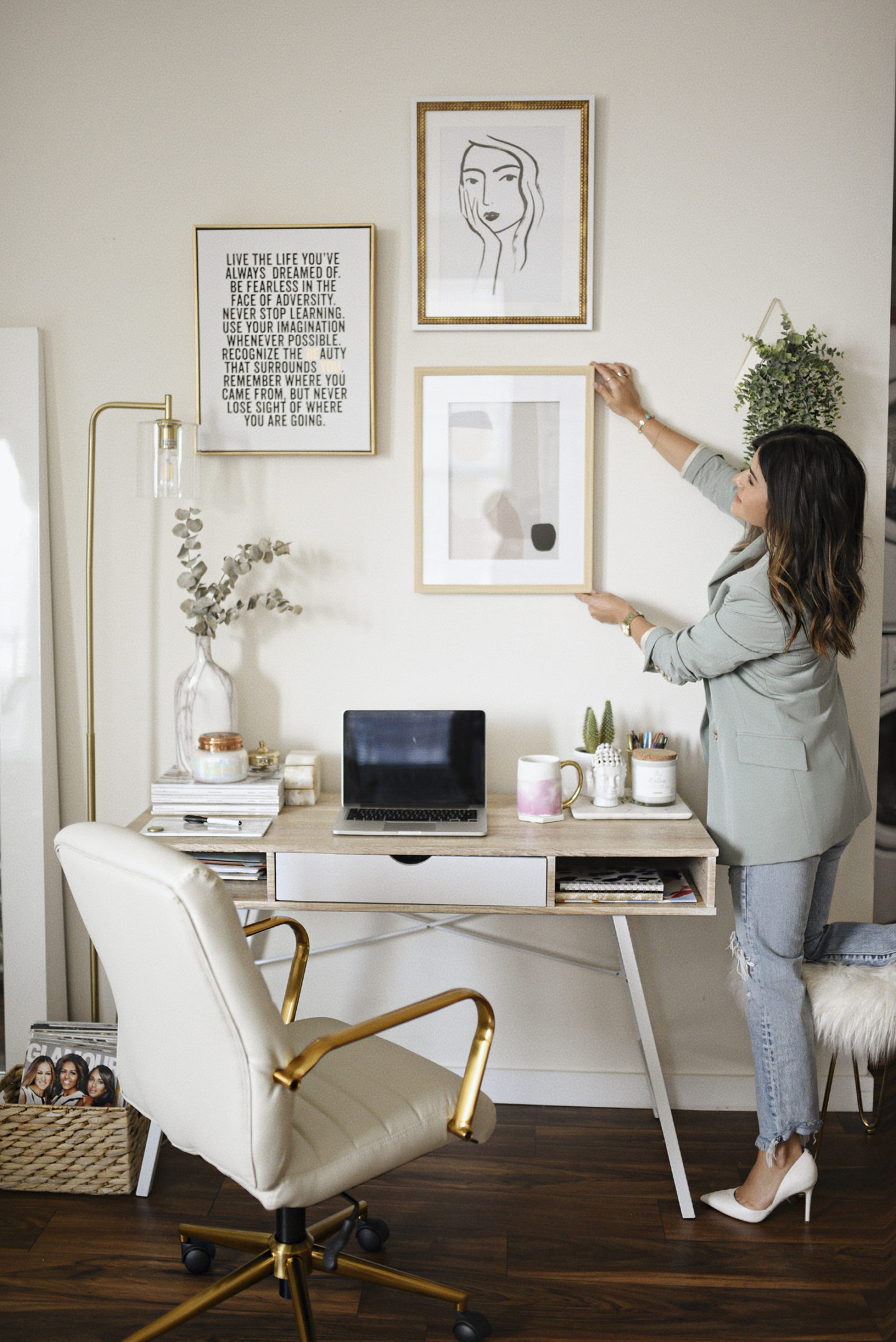
Choose artwork that speaks to your style and mood. Prints, paintings, or photos add color and personality. Hang items at eye level to create balance. Decorate with objects that remind you of happy moments. These help maintain a positive mindset throughout the day.
Plants And Greenery
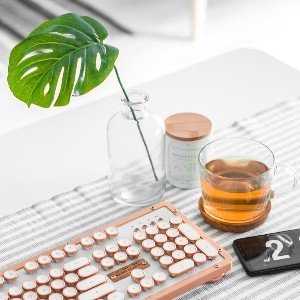
Plants bring life and freshness into your workspace. They improve air quality and reduce stress. Use small pots on your desk or larger plants on the floor. Pick low-maintenance types if you lack time. Greenery adds calmness and a natural feel to your office.
Organizational Accessories
Organizers keep your desk tidy and efficient. Use trays, boxes, or holders for papers and supplies. Choose colors and designs that match your decor style. Personalize with labels or fun patterns. Neatness supports productivity and reduces distractions.
Credit: chictalkch.com
Maximizing Space
Maximizing space in a home office creates a calm and productive work area. Small rooms or shared spaces can still work well with smart planning. Use every inch wisely to keep the area neat and functional. A clutter-free, organized space helps focus and reduces stress.
Decluttering Tips
Start by removing items not needed daily. Sort papers, supplies, and gadgets into keep, toss, or donate piles. Keep only essentials on your desk. Use trays or boxes to group small items. Regularly clear your workspace to avoid buildup.
Multi-purpose Furniture
Choose desks with built-in storage like drawers or shelves. A fold-out desk saves space when not in use. Use chairs that offer storage under the seat. Multi-use furniture cuts down on extra pieces. This keeps the room open and easy to move in.
Creative Storage Ideas
Use vertical space with wall shelves or pegboards. Hang organizers for files, stationery, and tools. Place baskets or bins under desks or chairs. Use magnetic strips for metal items. Clear containers help find things quickly and keep order.
Tech Setup And Cable Management
Setting up your home office technology is key for a smooth workday. A neat tech space helps you focus and work faster. Managing cables keeps the area tidy and safe.
Essential Gadgets
Start with a good computer or laptop. Choose a screen that is easy on your eyes. A reliable keyboard and mouse help you work better. Consider a webcam and microphone for video calls. A printer or scanner can be useful too.
Cable Organization
Use cable ties or clips to keep wires together. Label each cable to find them quickly. Place power strips where you can reach easily. Hide cables behind your desk or inside cable sleeves. Avoid tangled wires to prevent damage and mess.
Maintaining A Clean Desk
Clear your desk every day after work. Keep only the items you need on the surface. Store gadgets and cables in drawers or boxes. Wipe the desk to remove dust and dirt. A clean desk improves your focus and mood.
:strip_icc()/home-office-decor-ideas-15-proem-studio-union-square-0527b42d3b864d82a9aa68dc7b982704.jpeg)
Credit: www.mydomaine.com
Frequently Asked Questions
How Can I Make My Home Office More Productive?
To boost productivity, keep your desk clutter-free and well-organized. Add ergonomic furniture and proper lighting. Use calming colors and personalize the space to inspire creativity and focus.
What Are The Best Colors For A Home Office?
Choose colors like soft blues, greens, or neutrals. These shades promote calmness and concentration. Avoid overly bright or dark colors, as they can cause distraction or fatigue.
How Do I Optimize Lighting In My Home Office?
Use a combination of natural light and adjustable task lighting. Position your desk near windows for daylight. Add a desk lamp with warm light to reduce eye strain during work hours.
What Essential Furniture Should A Home Office Have?
Include a comfortable ergonomic chair, a spacious desk, and storage solutions. Shelves or filing cabinets help keep documents organized. Prioritize comfort and functionality for long work hours.
Conclusion
A well-decorated home office boosts focus and comfort. Choose colors that calm and inspire your work. Keep your space tidy with smart storage solutions. Add personal touches to make the area feel yours. Good lighting helps reduce eye strain and improves mood.
Small plants bring freshness and life to the room. Remember, your office should support your work habits. Make it simple, neat, and inviting every day. A cozy, organized space helps you do your best.