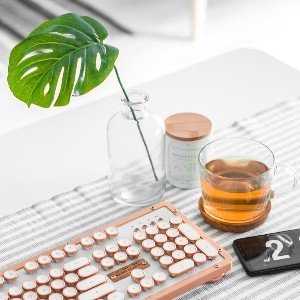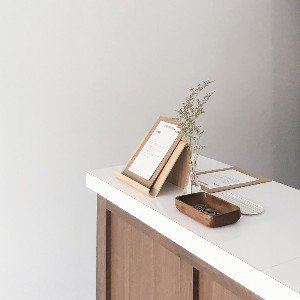
Are you ready to transform your living space into a place that truly feels like home? Decorating your home doesn’t have to be overwhelming or expensive.
With the right steps, you can create a space that reflects your personality and makes you feel comfortable every day. This step-by-step guide will walk you through easy and practical tips to help you design your perfect home. Whether you’re starting from scratch or just want to refresh your space, you’ll find simple ideas that anyone can follow.
Keep reading, and soon you’ll see how fun and rewarding decorating your home can be!
Planning Your Space
Planning your space is the first step in decorating your home. It helps you use the room well and make it feel comfortable. Thoughtful planning saves money and avoids mistakes. You create a clear path for your decorating journey.
Assessing Your Room Dimensions
Start by measuring the length and width of your room. Note the height of the walls too. Write down door and window locations. These details help you choose the right furniture size. Avoid overcrowding or empty spaces. Accurate dimensions guide your layout decisions.
Choosing A Style Theme
Select a style that fits your taste and lifestyle. It could be modern, rustic, or classic. Think about colors and textures that make you happy. Keep the style consistent across the room. This creates harmony and balance. A clear style theme gives your room character.
Setting A Budget
Decide how much money you want to spend. Include furniture, paint, and decorations. Set limits for each category to avoid overspending. Prioritize items that matter most to you. A budget keeps your project realistic and stress-free. Plan carefully to enjoy the process fully.
Selecting Colors And Materials
Selecting colors and materials sets the tone for your entire home. It influences mood, style, and comfort. Thoughtful choices create harmony and make your space feel inviting.
Start with a clear vision. Balance bold colors with neutral shades. Mix soft fabrics with sturdy materials to add interest.
Picking A Color Palette
Choose a base color that feels calm and welcoming. Add one or two accent colors for contrast. Use color swatches to see how shades look in natural light.
Warm colors like reds and yellows create energy. Cool colors such as blues and greens bring calm. Neutrals like beige and gray provide a good background.
Choosing Textures And Fabrics
Mix smooth, rough, soft, and shiny textures for depth. Use fabrics like cotton, linen, or wool for comfort. Consider durability for furniture and curtains.
Layer textures to avoid a flat look. Soft pillows, thick rugs, and woven baskets add warmth. Choose easy-care fabrics for busy areas.
Matching Flooring And Walls
Pick flooring that complements your wall colors. Light floors open up small rooms. Dark floors add coziness to large spaces.
Wood, tile, and carpet all create different feels. Match flooring tones with wall paint for balance. Avoid clashing colors to keep rooms unified.
Furniture Arrangement
Furniture arrangement is key to a comfortable and stylish home. It affects how you move and feel in each room. A good layout makes spaces feel open and welcoming. This guide helps you place furniture smartly.
Start by thinking about how you use the room. Place pieces where they fit your daily needs. Balance looks with function for a great result.
Prioritizing Functional Layouts
Arrange furniture to match your lifestyle. Keep pathways clear for easy movement. Group seating to encourage conversation and connection. Avoid overcrowding rooms to keep them airy and calm.
Consider natural light and focal points. Place furniture to highlight windows or artwork. Make sure every spot feels inviting and useful.
Balancing Scale And Proportion
Match furniture size to room size. Large rooms need bigger pieces to avoid emptiness. Small rooms benefit from compact, simple designs. Keep balance by mixing tall and low furniture.
Use rugs and tables to tie pieces together. Evenly spaced items create a peaceful flow. Avoid clutter by leaving breathing room around furniture.
Incorporating Multi-purpose Pieces
Choose furniture that serves more than one use. Sofas with storage help save space. Foldable tables work for dining and work. Ottomans can store items and offer extra seating.
Multi-purpose pieces add value and flexibility. They keep rooms tidy and practical. Perfect for small homes or rooms with many functions.
Lighting Choices
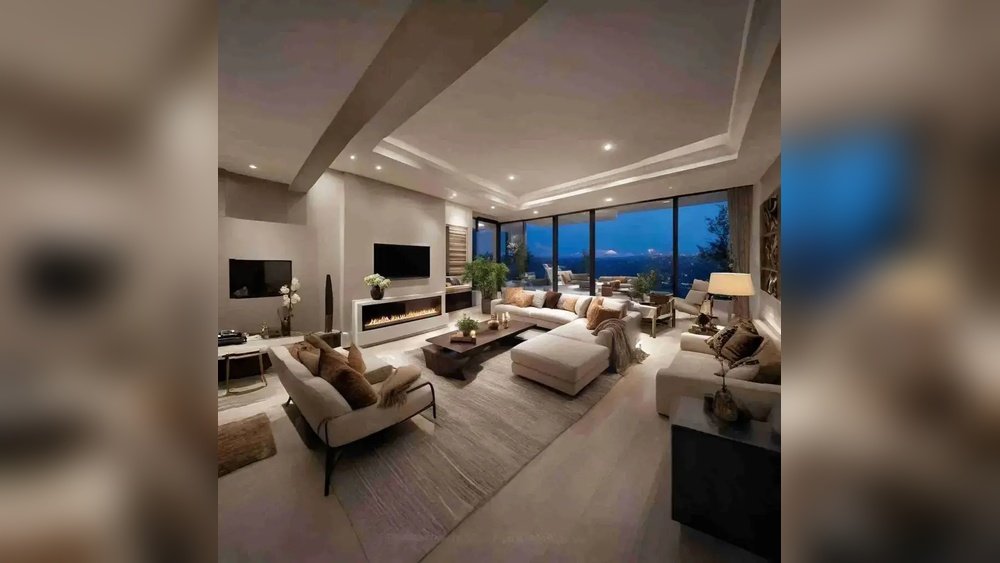
Lighting plays a big role in how your home looks and feels. Good lighting makes rooms cozy and bright. It also helps show off your furniture and colors. Choosing the right lights can change the whole mood of your space. This guide helps you pick the best lighting for every part of your home.
Layering Different Light Sources
Use different types of lights to create layers. Start with a main light to brighten the room. Add task lights for reading or cooking. Use accent lights to highlight art or plants. Layering lights gives depth and makes rooms feel warm. It also lets you control how bright or soft the light is.
Selecting Fixtures For Ambiance
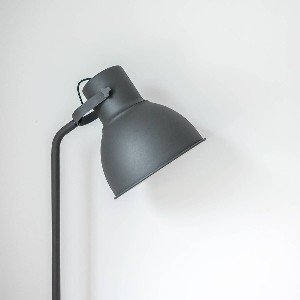
Pick light fixtures that fit your room’s style. Soft, warm bulbs make spaces feel relaxing. Bright, cool lights work well in work areas. Choose lamps, chandeliers, or sconces that match your decor. The right fixture sets the mood and adds personality. Keep it simple but stylish for the best effect.
Maximizing Natural Light
Let sunlight in as much as possible. Use sheer curtains to soften harsh light. Keep windows clean to let in more brightness. Place mirrors opposite windows to reflect light. Natural light saves energy and lifts your mood. Arrange furniture to enjoy sunlight during the day.
Adding Decorative Elements
Adding decorative elements brings life and personality to your home. These small touches make spaces feel complete and inviting. Choose items that reflect your style and create a cozy atmosphere.
Using Artwork And Wall Decor
Artwork and wall decor add color and character to blank walls. Pick pieces that speak to you or match your room’s theme. Frames, paintings, or prints can change the room’s mood quickly. Arrange items thoughtfully to balance the space and avoid clutter.
Incorporating Plants And Greenery
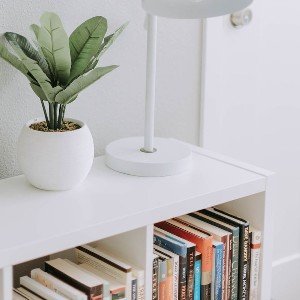
Plants bring freshness and calm to any room. Use different sizes and types for variety. Place them near windows for natural light. Greenery improves air quality and adds a natural touch. Choose easy-care plants if you don’t have much time for maintenance.
Choosing Rugs And Accessories
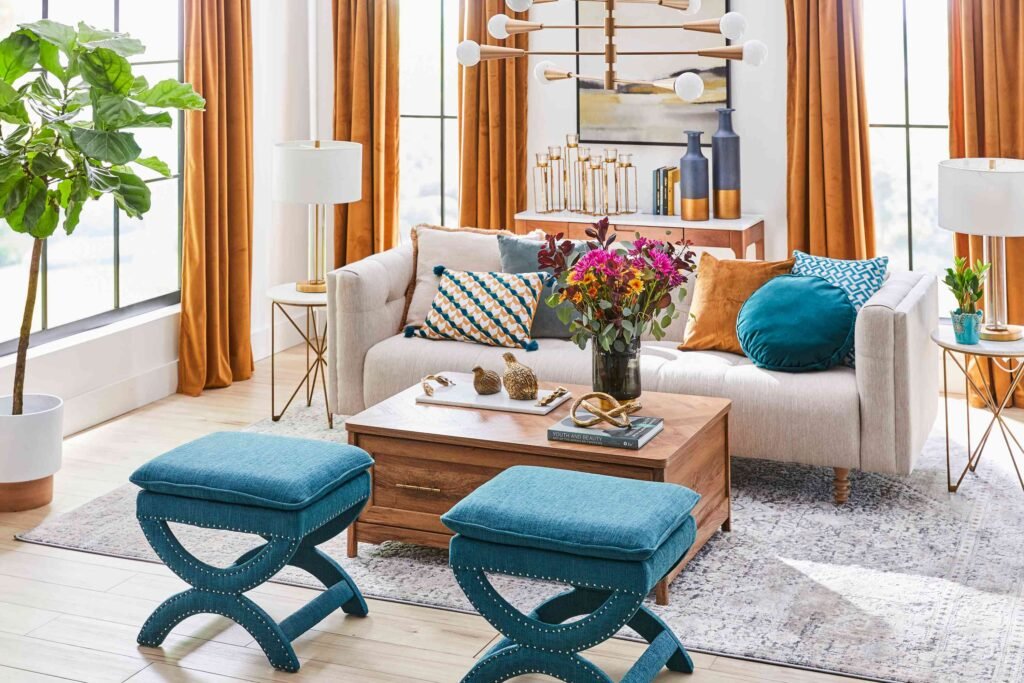
Rugs anchor furniture and add warmth to floors. Select colors and patterns that fit your style. Accessories like cushions, throws, and lamps add texture and comfort. Mix materials and shapes for visual interest. Keep accessories balanced to avoid a crowded look.
Personalizing Your Home
Personalizing your home makes it truly yours. It reflects your style, memories, and comfort. This process helps turn a house into a warm, inviting space. Each detail adds character and tells a story about you. Here’s how to add that personal touch step by step.
Displaying Collections And Memorabilia
Showcase items that mean something special. Collections of books, art, or souvenirs bring personality to rooms. Use shelves, shadow boxes, or wall-mounted displays. Arrange items by color or theme for a neat look. This method creates conversation starters and adds warmth.
Customizing With Diy Projects
Create unique decor with simple DIY projects. Paint old furniture in your favorite colors. Make your own wall art using photos or fabric. Small crafts like decorated jars or cushions add charm. DIY projects save money and give your home a personal feel.
Creating Cozy Corners
Set up small areas for comfort and relaxation. Use soft pillows, throws, and warm lighting. A comfy chair near a window works well. Add a small table for books or tea. Cozy corners invite calm and make your home feel loved.
Maintaining And Updating
Maintaining and updating your home keeps it fresh and comfortable. It helps your space stay inviting and useful. Small changes make a big difference over time. This section guides you on easy steps to keep your home organized and stylish.
Keeping Your Space Organized
Start by tidying up daily. Use baskets and shelves to store items. Label boxes to find things fast. Clear clutter regularly to make rooms feel bigger. Organized spaces reduce stress and improve focus.
Refreshing Decor Seasonally
Change decor with the seasons for a fresh look. Swap pillows, throws, and curtains to match the weather. Use colors that fit each season’s mood. Small updates keep your home lively and bright.
Adapting To Changing Needs
Adjust your space as life changes. Add new furniture for growing families or remove pieces to free space. Create areas for new hobbies or work-from-home needs. Flexibility helps your home stay practical and cozy.
How Home DecorUp Can Help You with How to Decorate Your Home Step by Step Guide
Bringing Your Design Skills to Life
Once you’ve mapped out your space and chosen your color palette, the next step is to practice what you’ve learned by arranging your furniture and experimenting with lighting. These practical tasks help solidify your understanding of how each element interacts within your home’s environment.
Try rearranging a room several times to see how different layouts affect flow and comfort. Play with natural and artificial lighting to find the balance that enhances your chosen colors and materials. This hands-on approach transforms abstract ideas into tangible results.
Resources like Home DecorUp offer detailed guides and examples to support your journey. If you ever feel stuck, don’t hesitate to explore their insights or reach out for advice at contact@homedecorup.com. Learning through doing not only builds confidence but also brings warmth and personality to your living spaces.
Frequently Asked Questions
What Is The First Step To Decorate Your Home?
Start by planning your style and budget. Assess your space and decide the theme. This foundation guides all decorating choices efficiently.
How To Choose Colors For Home Decoration?
Pick colors that match your mood and existing furniture. Use a color wheel to find complementary hues. Balance bold and neutral tones for harmony.
What Are Essential Tools For Home Decorating?
Basic tools include measuring tape, paintbrushes, screwdrivers, and a level. These help in accurate placement and neat finishes during decoration.
How Can I Decorate On A Tight Budget?
Focus on DIY projects, thrift stores, and repurposing items. Prioritize key pieces and add affordable accents to refresh your space.
Conclusion
Decorating your home can be simple and fun. Start with small steps and plan each room carefully. Choose colors and items that make you happy. Keep your space neat and comfortable. Take your time to add personal touches. Your home will feel warm and inviting.
Enjoy the process and make your space truly yours. Every little change brings you closer to your dream home. Keep learning and trying new ideas. Your home should tell your story.