Moisture in your home can cause more damage than you might think. It leads to mold, bad smells, and even health problems for you and your family.
But the good news is, you don’t have to let it take over. By learning simple, effective ways to keep moisture under control, you can protect your home and feel comfortable every day. Keep reading to discover easy steps you can start using right now to stop moisture before it becomes a problem.
Your home—and your health—will thank you.
Credit: www.carolinacomfortair.com
Causes Of Moisture
Moisture in your home can cause many problems. It leads to mold, mildew, and damage to walls and furniture. Understanding the causes of moisture helps prevent these issues. Moisture comes from inside and outside the house. It also grows when air does not move well.
Common Sources Indoors
Everyday activities create moisture inside your home. Cooking, showering, and drying clothes produce water vapor. Plants and fish tanks add extra moisture too. Leaks from pipes or roofs increase dampness. Wet floors or spills that don’t dry quickly also cause moisture buildup.
Outdoor Factors
Rain and snow bring water near your home. Poor drainage around the foundation lets water seep inside. High humidity outside raises moisture levels indoors. Flooding or heavy storms add to the problem. Trees and bushes close to walls can trap moisture against your house.
Impact Of Poor Ventilation
Air must flow well to remove moisture. Without good ventilation, humid air stays inside. Bathrooms and kitchens need vents to move steam out. Basements and attics also require fresh air to stay dry. Stale air allows moisture to build and causes mold growth.
Signs Of Moisture Problems
Moisture problems in your home can cause serious damage. They lead to health issues and costly repairs. Knowing the signs helps you act fast. Catching moisture early keeps your home safe and dry.
Visible Mold And Mildew
Mold and mildew grow in damp places. They look like black, green, or white patches. You may see them on walls, ceilings, or around windows. Mold spreads quickly if not treated. It can ruin paint and wood surfaces.
Musty Odors
A musty smell often means hidden moisture. It smells like damp clothes or old basements. This odor comes from mold spores in the air. Even if you don’t see mold, the smell warns of a problem. It can affect your air quality and health.
Condensation On Surfaces
Water drops on windows or walls show excess moisture. Condensation happens when warm air meets cold surfaces. It often appears in kitchens, bathrooms, and basements. Too much condensation can damage paint and wood. It also creates a perfect place for mold growth.
Improving Ventilation
Improving ventilation helps control moisture inside your home. Moist air often causes mold and damage. Good airflow moves moist air outside. It brings fresh air in. This keeps your home dry and healthy.
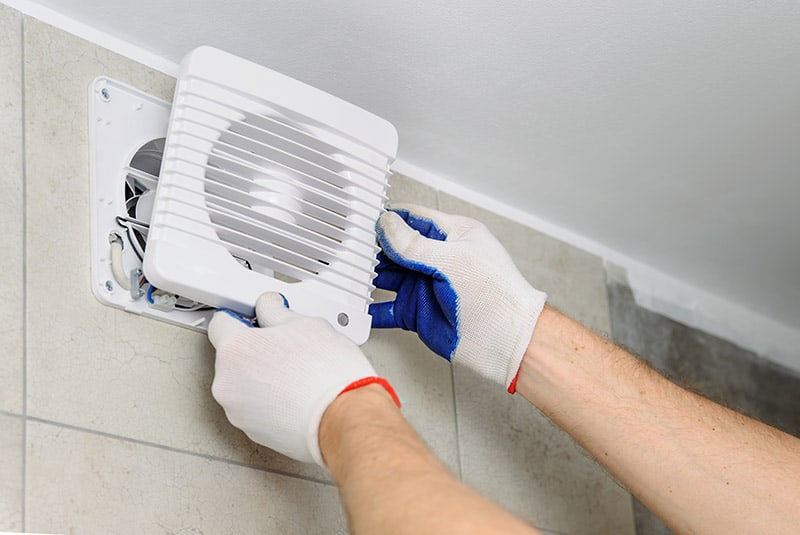
Using Exhaust Fans
Exhaust fans remove moist air from kitchens and bathrooms. They stop steam from cooking and showers. Turn fans on during and after use. Fans should vent outside, not into the attic. This prevents moisture build-up in hidden spaces.
Opening Windows Strategically
Open windows to let fresh air in. Choose opposite windows to create cross ventilation. This moves air through the whole room. Open windows for short times to avoid cold drafts. Use this method on dry, windy days to dry moisture fast.
Installing Ventilation Systems
Ventilation systems control airflow all day long. They remove stale, moist air and bring fresh air in. Systems like HRVs or ERVs save energy while airing your home. Professional installation ensures the system works well. This helps keep your home dry year-round.
Credit: www.4feldco.com
Waterproofing Techniques
Waterproofing techniques protect your home from moisture damage. They stop water from entering walls, floors, and foundations. These methods keep your home dry and safe. Proper waterproofing also prevents mold and wood rot.
Sealing Cracks And Gaps
Small cracks and gaps let water inside your home. Use silicone or polyurethane sealants to fill these spaces. Check around windows, doors, and pipes for openings. Sealing prevents water from seeping into walls and floors. This simple step reduces moisture problems significantly.
Applying Waterproof Coatings
Waterproof coatings create a strong barrier on surfaces. Apply them on walls, roofs, and basements. These coatings block water and keep surfaces dry. Choose products made for exterior and interior use. Reapply coatings every few years for lasting protection.
Maintaining Gutters And Downspouts
Gutters and downspouts direct rainwater away from your home. Clean them regularly to avoid clogs. Blocked gutters cause water to overflow and damage walls. Repair leaks or broken parts quickly. Proper maintenance ensures water flows far from your foundation.
Controlling Indoor Humidity
Controlling indoor humidity helps stop moisture problems in your home. High humidity causes mold, dust mites, and bad smells. It also harms walls, furniture, and your health. Keeping humidity in check makes your home dry and safe.
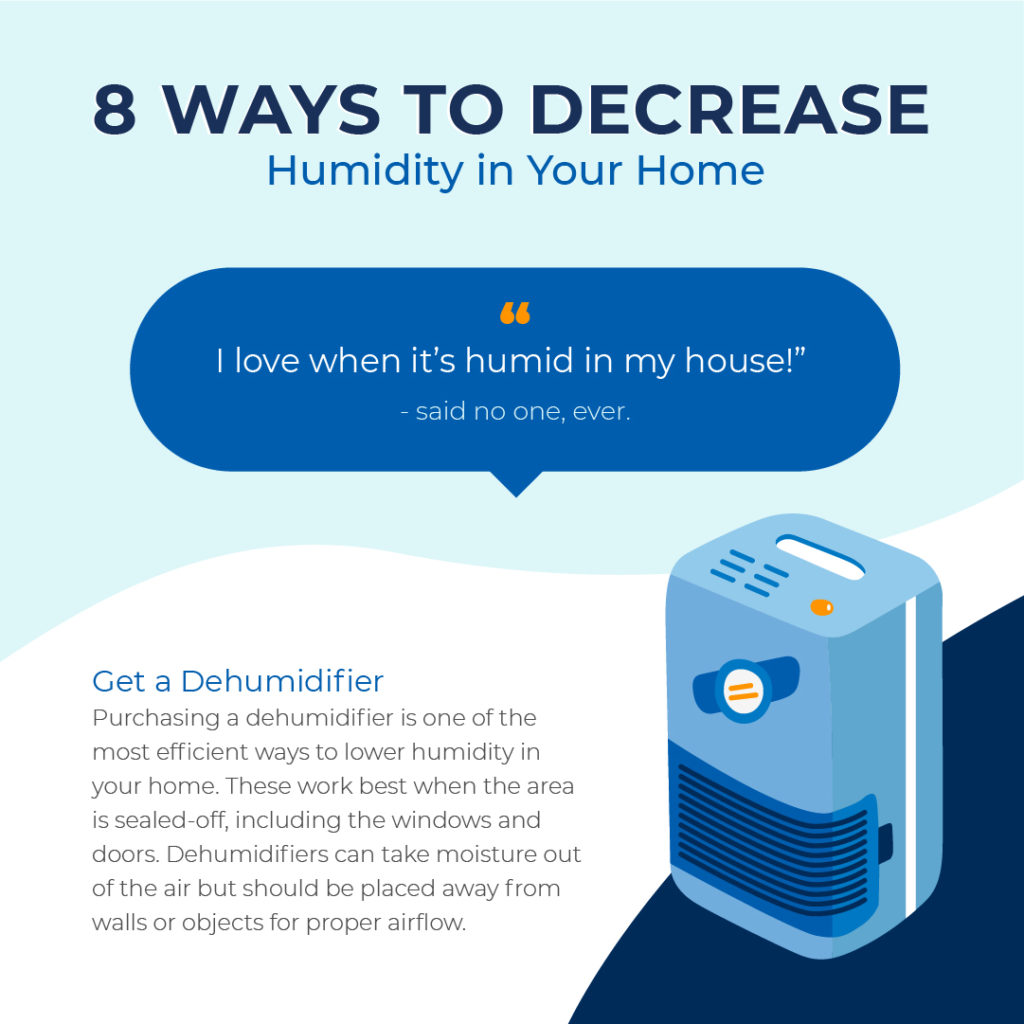
Using Dehumidifiers
Dehumidifiers remove extra moisture from the air. They work well in damp rooms like basements and bathrooms. Choose a dehumidifier size that fits your room. Run it regularly to keep humidity below 50%. Clean the device often to keep it working well.
Choosing Indoor Plants Wisely
Some plants release moisture into the air. Pick plants that do not add much humidity. Succulents and cacti are good choices. Avoid large leafy plants in small rooms. They increase indoor moisture and cause dampness.
Regulating Temperature
Temperature affects humidity levels indoors. Keep your home cool in summer and warm in winter. Use fans or air conditioners to move air. Avoid sudden temperature changes that cause condensation. Proper heating and cooling help control moisture well.

Credit: truformtiny.com
Proper Home Maintenance
Proper home maintenance plays a key role in stopping moisture problems. Moisture can cause mold, damage walls, and weaken your home’s structure. Regular checks and small repairs keep your home dry and safe.
Simple habits protect your home from water damage. Catching issues early saves money and stress later. Focus on plumbing, roof, and basement areas to control moisture.
Checking Plumbing For Leaks
Leaks in pipes cause hidden moisture inside walls and floors. Look under sinks and around toilets for water spots or drips. Fix leaks fast to stop water damage and mold growth. Use a moisture meter to find damp areas in walls.
Regularly check exposed pipes in basements and crawl spaces. Tighten loose fittings and replace worn-out parts. Clean drains and clear blockages to avoid overflow.
Regular Roof Inspections
Roofs protect homes from rain and snow. Damaged shingles or gaps let water seep inside. Walk on the roof or use binoculars to spot cracked or missing shingles. Check for broken flashing around chimneys and vents.
Clean gutters and downspouts to guide water away from your home. Remove leaves and debris that cause water backup. Repair damaged gutters to prevent leaks inside walls.
Maintaining Basement And Crawl Spaces
Basements and crawl spaces often hold moisture from the ground. Use a dehumidifier to lower humidity levels. Seal cracks in walls and floors to block water entry.
Check sump pumps to ensure they work during heavy rains. Add vapor barriers on floors to stop moisture from rising. Keep these areas clean and dry to avoid mold and rot.
Frequently Asked Questions
How Can I Reduce Indoor Moisture Effectively?
Use dehumidifiers and improve ventilation to reduce indoor moisture. Fix leaks and insulate walls to prevent dampness. Regularly use exhaust fans in kitchens and bathrooms to remove excess humidity.
What Causes Moisture Buildup In Homes?
Moisture buildup often results from poor ventilation, leaks, and high indoor humidity. Activities like cooking and showering add moisture. Inadequate insulation and water seepage also contribute to dampness.
How Do Ventilation Systems Prevent Home Moisture?
Ventilation systems remove humid air and bring in fresh air. They balance indoor humidity levels. Proper ventilation prevents mold growth and reduces condensation on walls and windows.
Can Houseplants Help Control Moisture Levels?
Yes, some houseplants absorb moisture and improve air quality. Plants like Boston ferns and peace lilies help reduce humidity naturally. However, avoid overwatering to prevent excess indoor moisture.
Conclusion
Preventing moisture keeps your home safe and healthy. Check for leaks and fix them quickly. Use fans to keep air moving. Keep gutters clean to stop water buildup. Seal windows and doors to block damp air. Dry wet areas right away.
Small steps make a big difference. Stay alert to signs of moisture. A dry home feels comfortable and fresh. Taking care now avoids costly repairs later. Simple habits protect your house and your family.