When we think of a master bedroom, we often imagine a peaceful retreat—a place to rest, recharge, and escape the stress of daily life. But for many, the idea of decorating this important space feels overwhelming, especially with limited funds. The good news: transforming your master bedroom into a beautiful and functional haven is possible—even on a tight budget. In 2026, smart design, creative thinking, and a few insider tricks can help you avoid common mistakes and create a room that truly feels like home.
In this guide, we share practical, affordable ideas for every style and preference. We also reveal pitfalls that waste money, and tips from real homeowners and interior designers. Our goal: to ensure your project brings joy, not regret. Whether your taste is modern, classic, boho, or minimalist, these strategies will inspire and empower you to make the most of every dollar—without sacrificing comfort or style. You’ll discover not just what to do, but how to make each change matter, even if your bedroom is small or shared.
Why Master Bedroom Decoration Deserves Attention
A well-designed master bedroom is much more than a pretty space. It influences mood, sleep quality, and even relationships. Research shows that bedroom design impacts relaxation and well-being. The colors, textures, and layout you choose can help reduce stress, improve sleep, and boost happiness.
Many people focus their energy on public rooms, like the living room or kitchen, but the bedroom is where you start and end each day. When your bedroom is thoughtfully arranged and decorated, you’ll feel more energized in the morning and more relaxed at night.
Even small changes, like softer lighting or organized storage, can create a sense of calm.
Decorating with intention also saves money in the long run. By planning carefully and focusing on what truly matters, you avoid costly trends and unnecessary items. Our approach combines emotional comfort with budget wisdom, so you enjoy both the process and the results.
A well-designed space can even improve your relationships. A clutter-free, inviting bedroom can foster a sense of privacy and intimacy that’s often missing in busy homes. Couples often find that a peaceful bedroom helps reduce arguments and creates more opportunity for connection.
If you’re sharing your bedroom, include your partner in the planning for a space that supports both your needs.
Top 20 Budget-friendly Master Bedroom Decoration Ideas For 2026
Let us explore the most effective, affordable ways to refresh your master bedroom this year. Each idea offers practical steps, real-life examples, and insights that are easy to understand and apply.
1. Repaint For Maximum Impact
A fresh coat of paint is one of the cheapest ways to transform any bedroom. In 2026, popular colors include muted greens, warm beiges, and soft blues. These shades promote calm and are easy to pair with other decor.
- Cost: $20–$80 for paint and supplies.
- Tip: Paint just one accent wall behind your bed for dramatic effect.
- Pitfall: Avoid bright, trendy colors that may feel harsh or dated quickly.
- Extra Insight: Use washable, low-VOC paint for easy cleaning and better air quality. If you’re unsure about a color, buy sample pots and paint small sections to see how light affects them at different times of day.
- Example: A renter painted only the lower half of her walls in soft green, using painter’s tape to create a modern, two-tone look—making the ceiling appear higher.
2. Upgrade Lighting On A Dime
Lighting sets the mood more than any other feature. Swapping out old lamps or adding new bulbs can make your room feel brand new.
- Try: Plug-in wall sconces, string lights, or smart bulbs with adjustable brightness.
- DIY Hack: Replace lamp shades with thrifted or handmade options.
- Data Insight: Over 70% of homeowners say better lighting improved their sleep quality.
- Extra Detail: Layering light sources is key. Combine a ceiling light with bedside lamps and small task lights. If you have only one outlet, use a multi-plug adapter with safety features.
- Example: A homeowner on a tight budget used battery-operated LED puck lights inside wall-mounted baskets for soft, indirect light.
3. Use Textiles To Add Warmth
Soft furnishings—like throw blankets, pillows, and area rugs—bring comfort and style with little expense.
- Mix textures: Combine cotton, faux fur, and velvet for visual interest.
- Rotate seasonally: Change covers to match the weather or your mood.
- Pitfall: Too many patterns can make the space feel cluttered.
- Extra Advice: Look for end-of-season sales or gently used textiles. Layer a lightweight blanket over your comforter for summer, and add a chunky knit throw in winter.
- Non-Obvious Tip: Use a folded quilt at the foot of the bed for color and as an extra layer on chilly nights.
4. Rearrange Your Furniture
Before buying anything new, consider a fresh layout. Moving your bed, nightstands, or dresser can change the entire feel.
- Pro Tip: Place your bed opposite the entrance for a welcoming effect.
- Example: Swapping sides with your nightstands can free up hidden space.
- Common Mistake: Blocking windows or doors—always allow for easy movement.
- Further Guidance: Draw your room on paper or use free room-planning apps. Try out several options before moving heavy pieces.
- Extra Example: One couple moved their bed to a corner to create more open space and added a reading nook where the bed used to be.
5. Create A Diy Headboard
A headboard is a powerful focal point. You can make one with reclaimed wood, fabric, or even peel-and-stick panels for less than $60.
- Popular options: Upholstered headboards, painted wall art, or repurposed doors.
- Step-by-step: Measure, cut, and attach using simple tools—many guides are available online.
- Insight: A unique headboard draws the eye and defines the style instantly.
- Extra Detail: For renters, use foam panels covered in fabric and attach with removable strips. This creates a soft, customizable look without damaging walls.
- Creative Example: A designer used three large, framed fabric panels hung side-by-side to mimic an expensive custom headboard.
6. Declutter And Organize
Clutter is the enemy of relaxation. Free solutions like organizing drawers, donating unused clothes, or storing items under the bed make a huge difference.
- Use baskets or bins for small items.
- Try: Floating shelves to display books or art.
- Statistic: Tidy bedrooms improve sleep by up to 35% (National Sleep Foundation).
- More Tips: Label bins for easy access, and use drawer dividers to keep socks, accessories, and small items separate.
- Non-Obvious Insight: Make “decluttering” a habit—spend ten minutes each week putting things away or removing what you no longer need.
7. Focus On Window Treatments
Curtains or blinds are often overlooked but can completely change the atmosphere. Inexpensive options in neutral tones create a clean, elegant look.
- Sheer curtains let in light and add softness.
- Blackout blinds improve sleep quality by blocking outside light.
- DIY: Hem longer curtains to fit, rather than buying custom.
- Extra Example: Use tension rods for renters or if you don’t want to drill holes.
- Practical Tip: Hang curtains wider than the window to make windows seem bigger and let in more light.
8. Add Greenery With Houseplants
Plants bring life and color, purify air, and reduce stress. Many low-maintenance plants, like snake plants or pothos, cost less than $15.
- Group small pots on the windowsill or dresser.
- Tip: Use secondhand mugs or jars as planters.
- Caution: Avoid overwatering—research your plant’s needs.
- Extra Guidance: If your room gets little sunlight, choose shade-tolerant plants like ZZ plants or peace lilies.
- Non-Obvious Detail: Use trailing plants on a high shelf to draw the eye upward and add a sense of height.
9. Feature Affordable Artwork
Art does not have to be expensive. Print free images online, frame personal photos, or create your own abstract designs.
- Gallery wall: Arrange several small frames above the bed.
- DIY: Paint simple shapes or use fabric scraps as art.
- Insight: Personal artwork makes the space feel truly yours.
- Further Example: Use washi tape to create geometric shapes or outlines directly on the wall for a no-commitment mural.
- Non-Obvious Tip: Swap artwork seasonally or rotate pieces for a fresh look without new expenses.
10. Refresh Bedding And Linens
Good-quality sheets, pillowcases, and comforters are worth the investment. Look for sales or outlet stores to find bargains.
- Layer textures: A quilt, throw, and multiple pillows add luxury.
- Tip: White or neutral bedding looks fresh and matches any decor.
- Pitfall: Avoid low-thread-count fabrics—they wear out quickly.
- Extra Detail: Even just replacing pillowcases or a duvet cover can make the bed—and the whole room—look new.
- Practical Example: Mix pillow sizes and shapes for a boutique hotel feel, and store extra blankets in a basket at the foot of the bed.
11. Repurpose Old Furniture
Give new life to what you have. Paint a nightstand, add new knobs to a dresser, or use a vintage chair as a bedside table.
- Example: Spray-paint old frames or lamps for a modern update.
- Benefit: Save money and reduce waste.
- Common Mistake: Rushing the prep—always sand and clean before painting.
- Extra Guidance: Use peel-and-stick wallpaper to cover a damaged tabletop or drawer fronts.
- Non-Obvious Tip: Swap furniture between rooms—sometimes a small bookcase from the living room can serve as stylish bedroom storage.
12. Use Mirrors To Expand Space
Mirrors reflect light and make small bedrooms feel bigger. Thrift stores often have unique mirrors for under $30.
- Hang opposite windows for maximum brightness.
- Try: A group of small mirrors as a feature wall.
- Safety Tip: Secure mirrors firmly, especially in homes with children.
- Extra Detail: Use mirrored trays on dressers to add sparkle and organize perfume or jewelry.
- Practical Example: A vertical mirror behind a lamp doubles the light and visually expands the room.
13. Add A Reading Nook
Even a small corner can become a cozy retreat. Use a simple chair, a soft cushion, and a floor lamp.
- Personalize: Add a small table for books or tea.
- DIY: Use crates or boxes as side tables.
- Insight: A dedicated space for reading encourages relaxation.
- Extra Example: Hang a sheer curtain or a string of fairy lights to define the space and create a “room within a room” effect.
- Tip: If you lack floor space, use a large pillow or beanbag and a clip-on lamp for a flexible, movable nook.
14. Embrace Minimalist Decor
Less can be more. Choose a few meaningful items, like a favorite photo or a special vase, and keep surfaces clear.
- Benefit: Easier to clean and less visual stress.
- Statistic: Minimalist spaces are linked to higher satisfaction in design studies.
- Pitfall: Avoid making the room too stark—add warmth with textiles or plants.
- Extra Guidance: Store extra decor items and rotate them so you always appreciate what’s on display.
- Non-Obvious Insight: Leave one empty shelf or surface. This “negative space” helps the eye rest and the room feel larger.
15. Experiment With Peel-and-stick Wallpaper
Modern removable wallpapers are affordable and easy to install. Use them on one wall, behind the bed, or inside a closet for a pop of color.
- Cost: $25–$50 per roll.
- Tip: Look for geometric or nature-inspired patterns.
- Common Mistake: Not cleaning the wall before applying—adhesion may fail.
- Extra Example: Use small strips as “stripes” or to frame the closet doors for a custom effect.
- Practical Tip: Start with a small area, like the inside of a bookshelf, to practice and gain confidence.
16. Install Floating Shelves
Floating shelves are a stylish way to display books, art, or small plants. They are less expensive than large bookcases and free up floor space.
- DIY: Kits are available for under $20.
- Arrange: Vary heights for a dynamic look.
- Safety: Use wall anchors for heavy items.
- Further Guidance: Install shelves near the ceiling for baskets or seasonal decor.
- Extra Example: A row of small shelves doubles as a nightstand replacement in a narrow room.
17. Upgrade Hardware And Fixtures
Replacing old handles, knobs, or light switches gives furniture and the room a modern touch—without big expense.
- Metal finishes: Brass, matte black, or brushed nickel are on trend for 2026.
- Example: Swap drawer pulls on a dresser for an instant update.
- Insight: Details matter more than people often realize.
- Practical Tip: Search for “mixed lots” of hardware online for a variety of options at a lower price.
- Non-Obvious Detail: Replace outlet covers or add dimmer switches for a subtle but noticeable upgrade.
18. Layer Rugs For Texture
Layering two or more rugs adds depth and interest, especially on hardwood or tile floors.
- Try: A large neutral rug under a smaller patterned one.
- Budget Tip: Use smaller rugs from clearance sales.
- Maintenance: Shake out and vacuum often to keep fresh.
- Extra Example: Overlap two rugs at an angle for a more casual, bohemian vibe.
- Non-Obvious Tip: If your floor is cold, use a yoga mat or foam tiles underneath for extra softness.
19. Make Use Of Wall Space
Walls are often wasted space. Hooks, racks, or organizers can hold jewelry, hats, or scarves.
- DIY: Pegboards or cork boards for photos and notes.
- Safety: Avoid overloading any single hook.
- Common Mistake: Placing racks too high or low—eye level is best.
- Extra Guidance: Use over-the-door hooks for quick-access storage without drilling holes.
- Non-Obvious Detail: Hang a fabric pocket organizer behind the door to store slippers, chargers, or toiletries.
20. Personalize With Scent And Sound
Aromatherapy diffusers, scented candles, or even a small speaker for calming music can turn your bedroom into a true retreat.
- Choose natural scents like lavender or eucalyptus.
- Tip: Play gentle background music to relax at night.
- Caution: Keep candles away from curtains and bedding.
- Extra Example: Use a small water fountain or white noise machine to mask outside sounds and create a peaceful atmosphere.
- Practical Tip: If you’re sensitive to scents, try unscented candles or a bowl of dried herbs.
Comparing Budget-saving Ideas: Cost Vs. Impact
Sometimes, it helps to see how different ideas stack up in terms of effort, cost, and visual change. Here is a simple comparison.
| Idea | Approximate Cost | Time Needed | Visual Impact |
|---|---|---|---|
| Repainting | $20–$80 | 1–2 days | High |
| New Bedding | $30–$100 | 1 hour | High |
| Floating Shelves | $15–$40 | 2–3 hours | Medium |
| Houseplants | $10–$30 | 30 minutes | Medium |
| DIY Headboard | $40–$60 | 4–5 hours | High |
Extra Insight: While repainting or a new headboard gives dramatic change, don’t overlook small, quick updates like plants or shelf styling—they can boost your mood every day.
Smart Strategies To Avoid Budget Pitfalls
Decorating on a budget can be rewarding, but it is easy to make mistakes that waste money or lead to disappointment. We share some essential strategies to help you stay on track:
Set A Realistic Budget
Before starting, decide how much you can spend. Break the total into categories (paint, textiles, accessories), and stick to it.
- Tip: Leave 10% for unexpected costs.
- Example: If you have $300, set aside $30 for surprises.
- Extra Advice: Use a notebook or budgeting app to track spending as you go. This helps you avoid “leakage” from small, unplanned purchases.
Prioritize Big-impact Changes
Focus on items that make the most difference, such as wall color, bedding, or lighting. Small decorations can wait.
- Data: Nearly 60% of homeowners regret spending on accessories before larger updates.
- Further Guidance: If you’re unsure, ask yourself: “Will I notice this change every day?” Start with those changes first.
Shop Secondhand
Thrift stores, online marketplaces, and garage sales offer unique finds for less.
- Tip: Look for solid wood furniture—it lasts longer than particle board.
- Insight: Vintage items add personality and history.
- Non-Obvious Detail: Be patient—visit stores regularly and use “saved searches” online to find deals. Sometimes it takes weeks to find the perfect item at the right price.
Do Not Rush
Take time to plan. Live with your space as you make changes, rather than buying everything at once.
- Benefit: Reduces impulse purchases and regrets.
- Common Mistake: Filling the room quickly just to finish.
- Extra Guidance: Sleep on any major purchase. If you still want it after a few days, it’s likely a wise choice.
Measure Before Buying
Check measurements for rugs, curtains, and furniture to avoid returns or wasted money.
- Practical Tip: Use painter’s tape to outline new pieces on the floor.
- Common Mistake: Buying a rug that is too small for the bed area.
- Further Example: Measure doorways and hallways to ensure large furniture will fit into your room.
Be Mindful Of Trends
Trendy decor can be fun but often dates quickly. Choose timeless basics and use trends in small doses.
- Example: Add trendy color with pillows, not wall paint.
- Data: Classic designs retain value and appeal for years.
- Non-Obvious Advice: If you love a trend, try it in a removable or low-cost way (like wall decals or inexpensive art) so it’s easy to change later.

Examples Of Budget Master Bedroom Makeovers
To make these ideas feel even more real, we share three real-life examples with before-and-after insights.
Example 1: Small Apartment Bedroom (budget: $200)
- Before: Plain white walls, mix-matched bedding, poor lighting.
- Actions: Painted one accent wall blue, bought new white bedding on sale, added thrifted lamp, organized clothes with baskets.
- After: Room felt brighter, more coordinated, and relaxing.
- Surprise Insight: The owner reported sleeping better just from the decluttering.
- Extra Detail: The renter used peel-and-stick hooks for jewelry and a small houseplant from the grocery store, adding freshness without extra cost.
Example 2: Family Home Master Suite (budget: $350)
- Before: Heavy drapes, old carpet, no artwork.
- Actions: Removed carpet to reveal wood floor, layered two rugs, installed sheer curtains, hung family photos in matching frames.
- After: Space looked modern and airy, with personal touches.
- Lesson: Updating window treatments had the biggest effect.
- Further Example: The couple reused their old curtain fabric as pillow covers, tying the look together and saving money.
Example 3: Shared Rental Bedroom (budget: $120)
- Before: Basic furnishings, cluttered shelves, no plants.
- Actions: Rearranged bed for better flow, added $10 pothos plant, hung a DIY art print, used baskets for storage.
- After: The renter felt “more at home” and proud to show the room to guests.
- Pitfall Avoided: No new furniture was bought, saving money for future needs.
- Extra Detail: The renter wrapped string lights around the curtain rod for a cozy glow, using what they already had.
Essential Materials And Tools For Budget Bedroom Decor
Many people worry they need expensive tools or materials. In reality, most projects require only simple supplies, many of which you may already have.
| Material/Tool | Common Use | Estimated Cost |
|---|---|---|
| Paint & Brushes | Walls, furniture, accents | $10–$50 |
| Measuring Tape | Planning layouts, buying textiles | $3–$8 |
| Screwdriver/Drill | Hanging shelves, assembling furniture | $10–$30 |
| Glue Gun | DIY crafts, repairs | $8–$15 |
| Sandpaper | Refinishing wood, prepping surfaces | $2–$5 |
Most projects can be completed with these basics. Borrow tools from friends or neighbors to save more. If you need something for just one project, consider tool libraries or community sharing groups.
Color, Texture, And Light: The Secret Ingredients
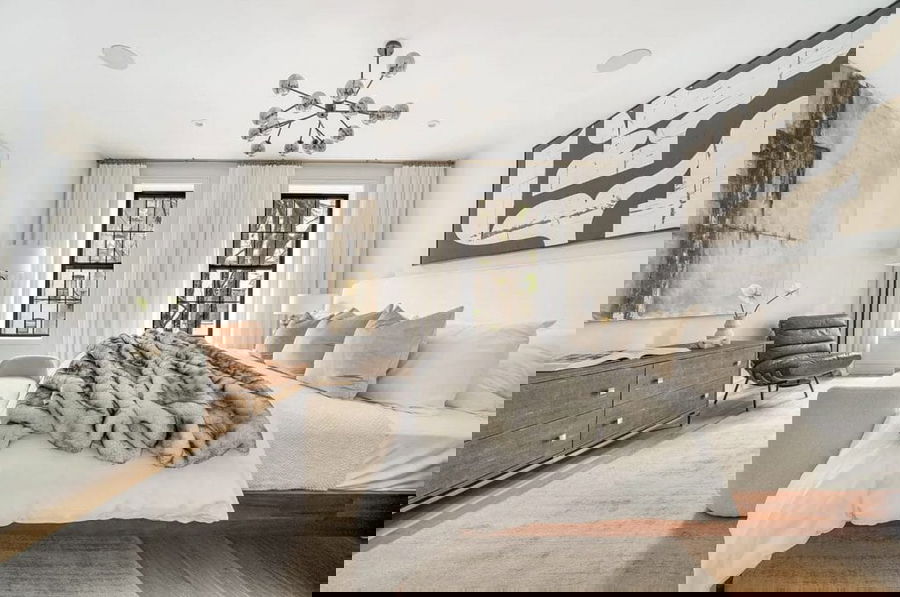
A successful master bedroom uses a careful mix of color, texture, and light to create a mood. Here is how to balance these elements for a welcoming, restful space.
Color
- Best Choices: Soft blues, greens, grays, or warm neutrals.
- Trick: Use two main colors and one accent to avoid chaos.
- Pitfall: Bright reds or yellows can feel energizing, not restful.
- Non-Obvious Detail: If your room has little natural light, use warmer shades—they feel cozier and make a dark room less gloomy.
Texture
- Layer: Combine smooth (cotton, silk) and rough (woven baskets, wood) for depth.
- Visual Tip: Texture can add interest even in a single color.
- Extra Advice: Use textured wallpaper, woven baskets, or embroidered pillows for subtle variety.
Light
- Combine sources: Use overhead lights, bedside lamps, and natural light.
- Dimmer switches: Allow for adjustable brightness depending on the time of day.
- Tip: Mirrors double the effect of good lighting.
- Further Example: If the ceiling fixture is harsh, swap bulbs for “soft white” or use a fabric shade to diffuse light.
How To Plan Your Bedroom Update Step-by-step
Many readers ask how to begin when they feel overwhelmed. We suggest a simple process to keep things manageable and enjoyable.
- Inspiration: Collect images online or from magazines to clarify your style.
- Budget: Decide on a total amount and break it into categories.
- Declutter: Clear out unused items to see your space clearly.
- Prioritize: List what bothers you most—tackle those first.
- Plan Purchases: Buy only what fits your plan and measurements.
- DIY When Possible: Save money and add personal flair.
- Go Slowly: Live with each change before adding more.
- Celebrate: Enjoy each improvement, no matter how small.
- Non-Obvious Step: Take before-and-after photos—even small changes feel bigger when you see the difference.
Non-obvious Tips For Lasting Results
Some strategies are often missed by beginners but make a big difference in satisfaction and savings.
- Test paint samples: Try small patches before painting the whole wall.
- Rotate decor: Store extra items and swap them in seasonally for a fresh look.
- Invest in one special item: Spend more on a single piece (like a lamp or art) that makes you happy every day.
- Use vertical space: Hang shelves or hooks high to draw the eye upward—especially helpful in small rooms.
- Add subtle scent: Use unscented candles for glow and essential oils for scent, so you can change the mood as needed.
- Extra Advice: Try a “30-day rule” for big purchases—wait a month to see if you really need it. This prevents buyer’s regret.
- Take advantage of natural light: Keep window sills clear and choose light-filtering shades to let sunlight in.
Frequently Asked Questions
What Is The Cheapest Way To Decorate A Master Bedroom In 2026?
Repainting walls, rearranging furniture, and adding DIY art are the cheapest ways to update a master bedroom. You can also declutter, use thrifted decor, and swap out textiles for a new look without spending much. Even small touches, like new hardware or a houseplant, can make a big difference for little money.
How Can I Make My Master Bedroom Look Luxurious On A Budget?
Choose neutral bedding, layer pillows and throws, and add a single standout piece like a statement lamp or mirror. Use inexpensive materials creatively—like layering rugs or installing floating shelves. Lighting and plants also add a luxurious touch. Keep surfaces tidy and add one or two metallic or glass accents for a high-end look.
What Should I Avoid When Decorating My Master Bedroom?
Avoid buying everything at once or following trends blindly. Do not overcrowd the space with too many decorations. Always measure before purchasing rugs or curtains, and prioritize comfort and function over style. Also, avoid skipping prep work (like cleaning or sanding) before painting or updating furniture.
Are There Any Bedroom Trends For 2026 That Are Budget-friendly?
Yes. In 2026, muted color palettes, natural materials, and minimalist designs are popular and often affordable. Removable wallpaper, mixed textiles, and vintage or thrifted items are also trendy and budget-friendly. Sustainable decor—like upcycled furniture or recycled-fabric rugs—is growing in popularity and saves money.
Where Can I Find Affordable Master Bedroom Decor?
Look at thrift stores, online marketplaces, and home goods outlets. DIY options and big-box retailers often have sales. For more ideas and inspiration, you can visit Houzz Bedroom Inspiration.
Decorating your master bedroom on a budget in 2026 is not only possible—it can be deeply satisfying. With careful planning, smart choices, and a willingness to try new ideas, you can create a space that feels peaceful, personal, and beautiful for years to come.
Even the smallest, most affordable changes can have a lasting impact when they’re made with care and intention.