Are you curious about how student housing is changing to fit your needs? Whether you’re a student looking for a new place or someone interested in the latest design ideas, understanding current trends can help you make smarter choices.
From smart technology to community spaces, these trends are shaping how students live, study, and connect. Keep reading to discover the fresh ideas transforming student housing and how they can benefit your lifestyle.
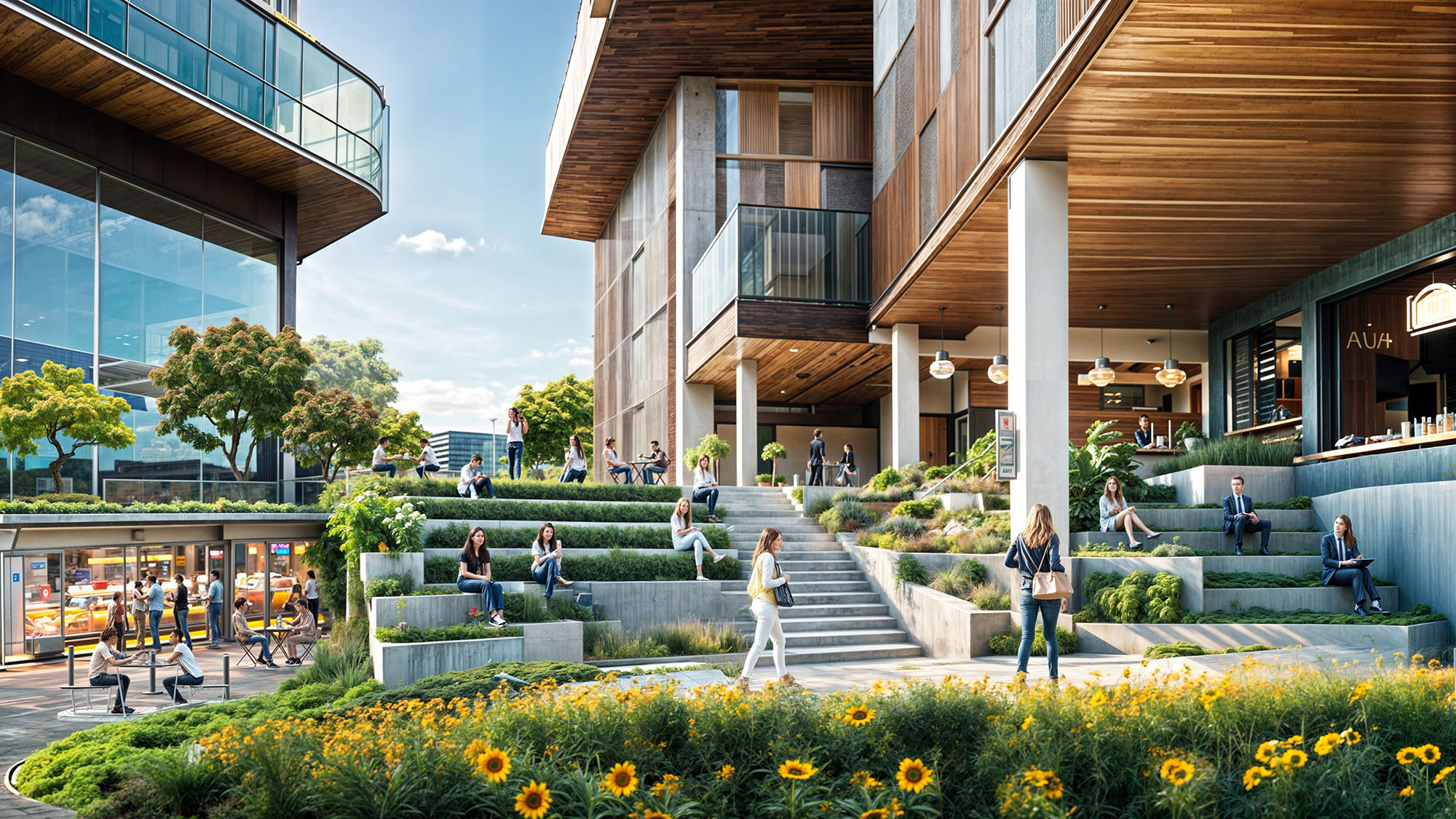
Credit: www.gensler.com
Modern Living Spaces
Modern living spaces in student housing focus on comfort and adaptability. These spaces fit the needs of today’s students. They offer more than just a place to sleep. Students want rooms that support study, rest, and social time.
Designers create spaces that change easily. Technology plays a key role. Materials used help the environment. These trends make student housing more inviting and useful.
Flexible Room Layouts
Rooms now change to suit different activities. Furniture can move or fold. Students can study, relax, or hang out in the same space. This flexibility saves space and supports varied lifestyles. Small rooms feel larger with smart layouts.
Smart Technology Integration
Smart devices improve daily living. Students control lighting and temperature from their phones. High-speed internet is a must-have. Security systems use cameras and digital locks. Technology also helps manage energy use, lowering bills.
Sustainable Materials
Eco-friendly materials reduce harm to nature. Bamboo, recycled wood, and low-VOC paints are popular. These materials last longer and are healthier indoors. Sustainable design shows care for the planet and student well-being.
Community And Social Areas
Community and social areas are vital in student housing design. They help students feel connected and supported. These spaces create chances to meet friends and relax. Students enjoy places to gather outside their rooms.
Designers focus on comfort and usability. Spaces must invite students to spend time together. The goal is to build a friendly, welcoming environment. This boosts student happiness and success.
Shared Lounges And Kitchens
Shared lounges and kitchens bring students together. Lounges offer cozy seating for chatting or watching TV. Kitchens let students cook meals and share food. These areas encourage teamwork and friendship.
They often include big tables and comfy chairs. Bright lighting and modern appliances improve the experience. Clean, open spaces make students want to stay longer.
Outdoor Recreational Spaces
Outdoor spaces provide fresh air and fun activities. Gardens, patios, and sports areas are popular choices. These spaces help students relax and exercise. They also host social events and group games.
Designers add benches and shaded areas for comfort. Green spaces reduce stress and improve mood. Outdoor areas extend living space beyond the building walls.
Collaborative Study Zones
Study zones focus on group learning and quiet work. These areas have tables, whiteboards, and good lighting. Students can work on projects or study together.
Designers use soundproofing to reduce noise. Comfortable chairs and power outlets support long study sessions. These zones boost productivity and foster teamwork.
Health And Wellness Features
Student housing design now focuses a lot on health and wellness. Creating spaces that support physical and mental well-being helps students perform better. Comfortable, healthy environments reduce stress and boost energy. Designers add features that improve air quality, encourage exercise, and offer quiet places to relax.
Natural Light And Ventilation
Natural light improves mood and concentration. Large windows and open layouts bring sunlight inside. Good ventilation removes stale air and brings fresh air in. This reduces germs and allergens in rooms. Students feel more awake and less tired in bright, well-ventilated spaces.
Fitness And Relaxation Facilities
Gyms and yoga rooms help students stay active. Exercise lowers stress and improves sleep. Relaxation areas offer calm spots for breaks. These spaces include lounges, gardens, or meditation rooms. They provide quiet places to recharge between classes.
Mental Health Support Spaces
Quiet rooms support mental health and focus. Some buildings include counseling centers or group therapy rooms. Spaces for socializing reduce feelings of loneliness. Thoughtful design helps students feel safe and supported. These areas create a sense of community and care.

Credit: empowersis.com
Safety And Security Measures
Safety and security are top priorities in modern student housing design. Students and their families want a safe place to live. Designers focus on features that protect residents without making spaces feel locked down. Smart safety measures make student housing more comfortable and secure.
Access Control Systems
Access control systems limit entry to buildings and rooms. Key cards or mobile apps replace traditional keys. Only authorized people can enter. This reduces unauthorized access and theft risks. Some systems track who enters and leaves. This information helps manage safety quickly.
Emergency Preparedness
Emergency plans are part of student housing design. Buildings include clear exit signs and easy-to-reach alarms. Fire drills and safety instructions are common. Some housing has shelters or safe rooms. Staff and students receive training for emergencies. Quick response saves lives and reduces panic.
Surveillance And Monitoring
Cameras watch common areas for unusual activities. Surveillance helps deter crime and keeps residents safe. Monitored entrances and hallways improve security. Some systems use smart technology to alert staff immediately. Privacy is important, so cameras focus on public spaces only.
Affordable And Accessible Design
Affordable and accessible design is key in student housing today. Students need safe, comfortable homes that do not cost too much. Designers focus on smart ideas to keep prices low and spaces easy to use. This approach helps many students find housing that fits their budgets and needs.
Cost-effective Building Solutions
Builders use simple materials that save money. Prefabricated parts speed up construction and cut costs. Small rooms with shared spaces lower the price per student. Energy-saving features reduce bills for both students and owners. These ideas make housing affordable without losing quality.
Universal Accessibility Features
Homes include ramps and wide doors for easy access. Bathrooms have grab bars and non-slip floors for safety. Elevators help students with mobility challenges reach all floors. Designs fit students with different needs and abilities. Everyone can live comfortably and move freely inside.
Proximity To Campus And Transport
Housing close to schools saves time and money on travel. Good bus and bike routes connect students to classes and stores. Living near campus helps students join activities and meet friends. Easy transport access reduces stress and improves daily life.
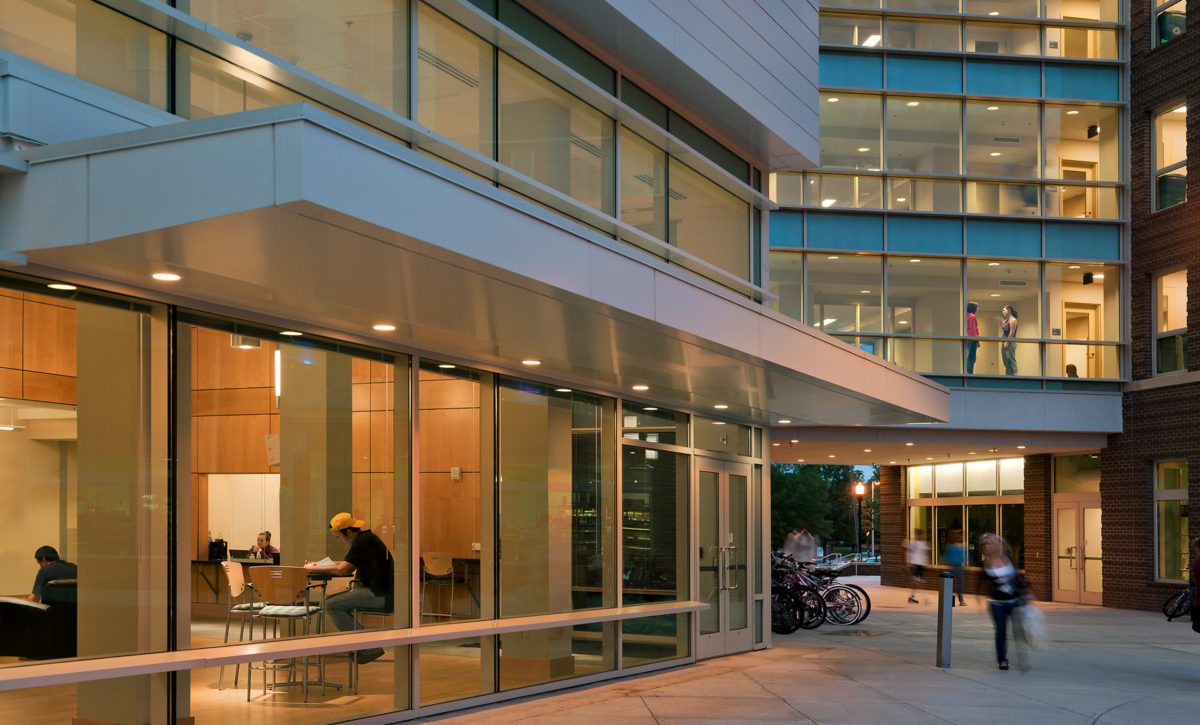
Credit: www.clarknexsen.com
Frequently Asked Questions
What Are The Top Trends In Student Housing Design?
Current trends include sustainable materials, smart technology integration, flexible communal spaces, and wellness-focused amenities. Designers prioritize eco-friendliness and adaptability to student needs. These trends enhance comfort, community, and efficiency in student living environments.
How Does Sustainability Impact Student Housing Design?
Sustainability drives the use of energy-efficient systems, renewable materials, and waste reduction strategies. It lowers environmental impact and utility costs. Sustainable design also attracts eco-conscious students and supports long-term operational savings in housing projects.
Why Is Flexible Space Important In Student Housing?
Flexible spaces accommodate varied student activities and evolving needs. They support studying, socializing, and relaxation within the same area. This adaptability maximizes limited space and enhances the overall student living experience.
How Is Technology Integrated Into Modern Student Housing?
Smart technology includes high-speed internet, app-controlled lighting, security systems, and energy management. These features improve convenience, safety, and energy efficiency, meeting the expectations of tech-savvy students.
Conclusion
Student housing design is changing to meet today’s needs. Spaces now focus on comfort, safety, and community. Green building and technology play big roles. Designers create flexible rooms for study and rest. Shared areas help students connect and relax. These trends make housing more useful and friendly.
Students feel supported in these modern homes. Housing that adapts to student life works best. The future of student housing looks smart and caring.