Are you thinking about giving your home a fresh new look but feel confused by terms like “contemporary” and “modern” design? You’re not alone.
These styles might seem similar, but they have unique features that can completely change the feel of your space. Understanding the difference will help you choose the perfect style that matches your personality and lifestyle. Keep reading, and you’ll discover simple ways to tell these two styles apart—and how to bring the one that suits you best into your home.
Key Features Of Modern Home Design
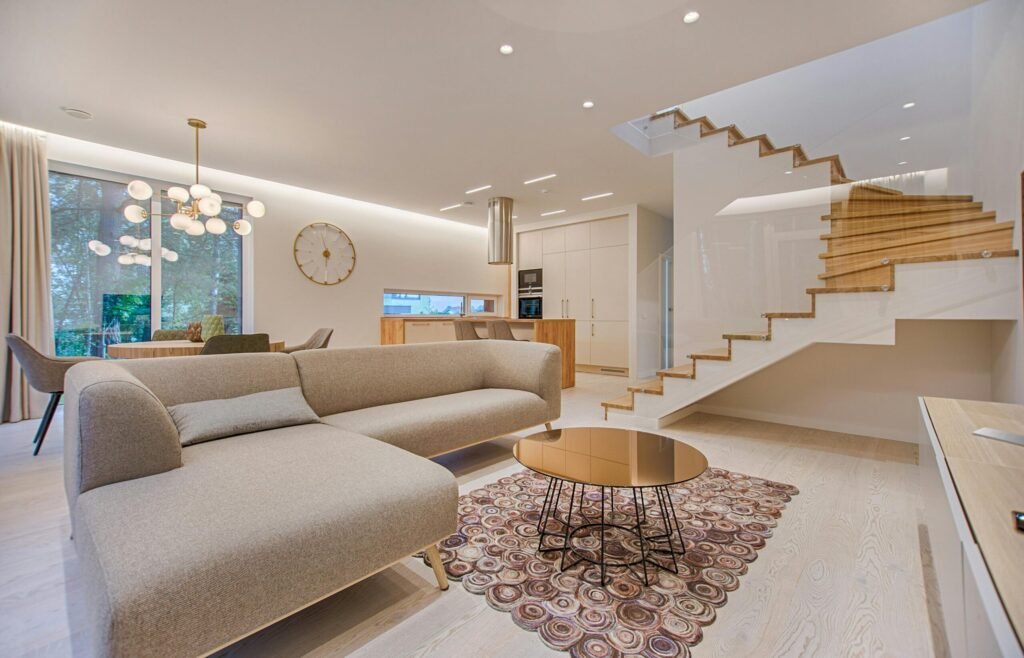
Modern home design stands out with its simplicity and focus on function. It values clarity and space, making homes feel open and calm. Several key features define this style and create its unique look and feel.
Clean Lines And Minimalism
Modern homes emphasize straight, clean lines. Walls, roofs, and furniture have simple shapes without extra decoration. This minimalism reduces clutter and creates a sleek, organized space. Every element serves a purpose and adds to the overall design.
Neutral Color Palettes
Colors in modern homes are mostly neutral. Whites, grays, and earth tones dominate. These colors help create a calm and balanced atmosphere. They also make rooms look larger and brighter. Bold colors are used very sparingly, often as accents.
Natural Materials And Textures
Modern design uses natural materials like wood, stone, and metal. These add warmth and texture to the space. Combining smooth and rough surfaces creates visual interest. Natural light highlights these materials, enhancing their beauty.
Open Floor Plans
Open floor plans are common in modern homes. They connect living, dining, and kitchen areas. This creates a spacious and flexible environment. Open spaces improve flow and allow more natural light inside. It encourages social interaction and easy movement.
Distinct Traits Of Contemporary Home Design
Contemporary home design shows what is popular right now. It changes with time and reflects new ideas. This style feels fresh and alive. It stands apart from modern design, which follows a fixed look from the past.
Contemporary homes feel open and bright. They use shapes and spaces in new ways. Each home looks unique but shares some clear traits. These traits make contemporary design easy to spot and enjoy.
Embracing Current Trends
Contemporary design follows what is popular today. It adapts quickly to new styles and ideas. You might see new furniture shapes or color schemes. This design style stays updated with the latest in architecture and décor.
Mix Of Materials And Textures
This style uses different materials together. Wood, metal, glass, and stone often appear side by side. Textures vary from smooth to rough. This mix creates visual interest and a rich feeling inside the home.
Bold Colors And Accents
Colors in contemporary homes are often bright and strong. Walls might be neutral, but accents pop with reds, blues, or yellows. Art, pillows, and rugs add splashes of bold color. These touches make rooms lively and fun.
Innovative And Sustainable Elements
Contemporary design includes new technology and green ideas. Solar panels, smart home systems, and recycled materials are common. This style cares about the environment and uses smart solutions. It looks forward while respecting nature.
Comparing Architectural Styles
Contemporary and modern home designs share some ideas but differ in style. Comparing their architectural features shows these differences clearly. Understanding these helps choose the right look for a home.
Both styles focus on simplicity and function. Still, they use different shapes, materials, and details to create unique spaces.
Form And Structure
Modern design uses clean, straight lines and flat planes. It often features open floor plans and simple shapes. The look feels solid and balanced.
Contemporary homes mix shapes and curves. They use new materials and flexible designs. These homes often change with current trends.
Window And Door Designs
Modern homes have large, fixed windows. They let in lots of light and connect inside with outside. Doors are simple, with little decoration.
Contemporary styles use different window shapes and sizes. Sliding and folding doors are common. These create flow and add style.
Roof Styles
Modern homes usually have flat or low-pitched roofs. This keeps the look sleek and smooth.
Contemporary homes use varied roof styles. They may have sloped or curved roofs. This adds interest and uniqueness.
Interior Design Differences
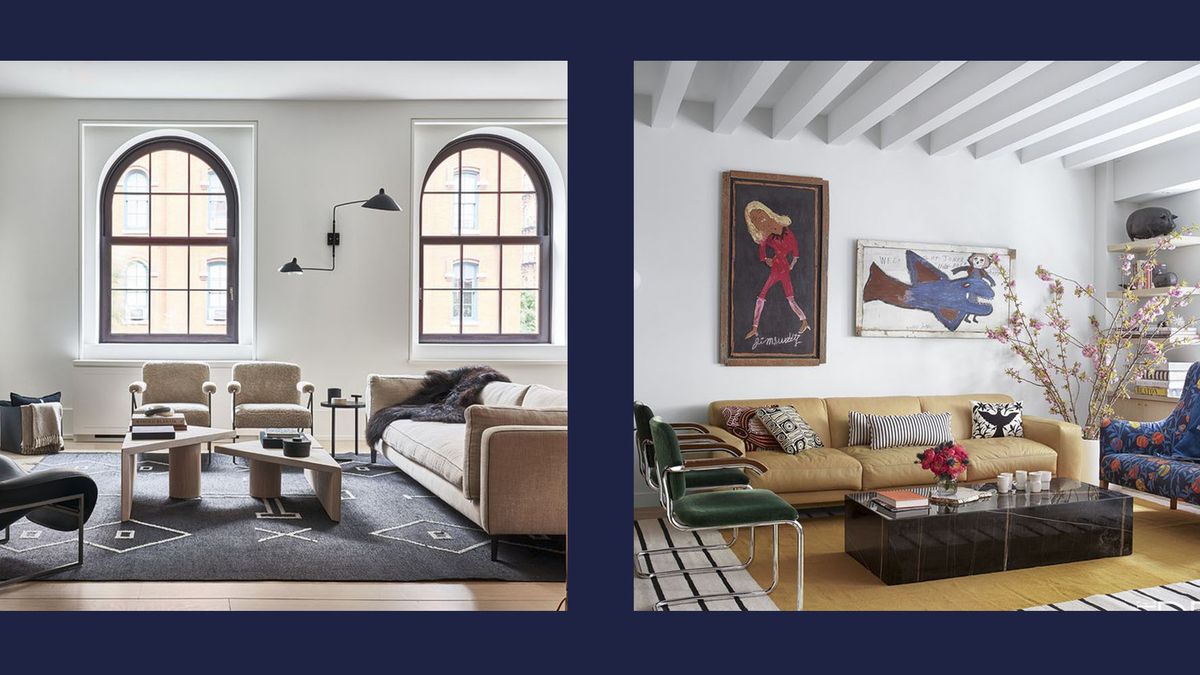
Interior design shows clear differences between contemporary and modern homes. These styles have unique looks and feelings. The way furniture, lighting, and decor are used sets them apart. Understanding these details helps you choose the right style for your space.
Contemporary design changes with time. It reflects current trends and ideas. Modern design sticks to a specific period from the early to mid-1900s. This history shapes its style and choices.
Furniture Choices
Modern furniture favors clean lines and simple shapes. It often uses natural materials like wood and leather. Forms are functional and free of extra details.
Contemporary furniture is more flexible. It mixes materials like metal, glass, and fabric. Shapes can be soft or sharp, depending on trends. Comfort often guides the design.
Lighting Approaches
Modern lighting uses fixtures that highlight form and function. It often includes built-in lights or simple pendants. The focus is on clear, bright illumination.
Contemporary lighting embraces variety and creativity. It features bold fixtures, like sculptural lamps or LED strips. Light placement can create mood and drama.
Decor And Accessories
Modern decor stays minimal. It uses a few statement pieces and art. Colors tend to be muted and natural.
Contemporary decor is more playful and diverse. It uses bright colors and changing trends. Accessories can be bold, adding personality to the room.
Influence Of Time Periods
The influence of time periods plays a key role in shaping home design styles. Contemporary and modern designs reflect different eras. Each style shows unique features based on its historical background. Understanding these differences helps to choose the right design for your home.
Origins And Historical Context
Modern home design began in the early 20th century. It grew from the industrial revolution’s impact on architecture. Designers focused on simplicity, function, and new materials like steel and glass. The style rejected ornate decorations and embraced clean lines.
Contemporary design, by contrast, is always changing. It reflects current trends and innovations in architecture and lifestyle. It borrows ideas from many periods, including modern design. Contemporary homes often mix styles and materials for a fresh look.
Evolution Over Decades
Modern design evolved mainly between 1920 and 1950. It stayed true to its original principles of minimalism and practicality. Mid-century modern is a popular phase within this style, known for open spaces and natural light.
Contemporary design keeps evolving with each new decade. It adapts to new technologies and environmental concerns. This style often includes sustainable materials and smart home features. The look changes as society’s needs and tastes shift.
:max_bytes(150000):strip_icc()/modern-vs-contemporary-style-452465-hero-874edd0a65484d05afbf54e0855e1ff4.jpg)
Choosing Between Contemporary And Modern
Choosing between contemporary and modern home design can feel tricky. Both styles offer unique looks and benefits. Knowing what fits your needs helps make the right choice. Think about your lifestyle, budget, and personal taste. These factors guide you toward the best design for your home.
Lifestyle Considerations
Modern design favors clean lines and open spaces. It suits people who like simplicity and order. Contemporary design changes often. It adapts to current trends and new materials. Choose modern if you want a calm, timeless space. Pick contemporary if you enjoy fresh, evolving styles. Consider how you use your home daily. Your lifestyle should match the design’s feel.
Budget And Maintenance
Modern homes often use natural materials like wood and stone. These can cost more but last longer. Contemporary homes may include new materials and technology. These might need more upkeep or repairs. Set a budget for building and maintenance. Modern design can be simpler to maintain. Contemporary design might require updates to stay current. Think about long-term costs, not just initial expenses.
Personal Taste And Future Trends
Modern design has a classic, timeless appeal. It stays popular across many years. Contemporary design reflects the latest trends and ideas. It changes with time and fashion. Choose modern if you want a steady style. Choose contemporary if you want to follow trends. Your personal taste should guide your choice. Consider how your style might change in the future.
Frequently Asked Questions
What Defines Contemporary Home Design Style?
Contemporary home design reflects current trends and evolving styles. It often features clean lines, open spaces, and a mix of materials. The style emphasizes simplicity and natural light, adapting to modern lifestyles and environmental awareness.
How Does Modern Home Design Differ From Contemporary?
Modern design is rooted in early to mid-20th-century styles focusing on minimalism and function. Contemporary design is more fluid, incorporating current trends and new materials. Modern homes often have flat roofs and natural materials, while contemporary homes are more experimental and dynamic.
Which Is Better: Contemporary Or Modern Home Design?
Choosing between contemporary and modern depends on personal taste and lifestyle. Modern design suits lovers of simplicity and mid-century aesthetics. Contemporary design appeals to those who want a fresh, ever-changing style with innovative features and flexibility.
Are Contemporary Homes More Energy-efficient Than Modern Homes?
Contemporary homes often prioritize sustainability and energy efficiency with new technologies. Modern homes focus on natural materials but may lack advanced eco-friendly systems. Overall, contemporary designs tend to be more energy-efficient due to current green building practices.
Conclusion
Contemporary and modern home designs have clear differences. Modern design focuses on simplicity and clean lines from the early 20th century. Contemporary design changes with current trends and styles. Both styles use open spaces and natural light. Choosing between them depends on your taste and needs.
Knowing their unique features helps you decide. Each style creates a comfortable and stylish home. Enjoy creating a space that feels right for you.