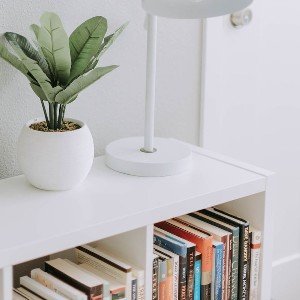
Have you ever stopped to think about the difference between a house and a home? At first glance, they might seem like the same thing—a place where you live.
But there’s more to it than just walls and a roof. Understanding what truly sets a house apart from a home can change how you see your own living space. You’ll discover the key difference that makes a house feel like your personal sanctuary.
Keep reading, and you might just find a new appreciation for where you live.
Physical Structure
The physical structure is the main way to see the difference between a house and a home. A house is just a building. It has walls, a roof, doors, and windows. A home, on the other hand, feels warm and personal. It is a place where people live and feel safe.
Understanding the physical structure helps to know what makes a house different from a home. This section looks at the architectural features and materials used.
Architectural Features
A house has basic features like rooms, doors, and windows. It is built to provide shelter. The design is often simple and functional. A home may have the same features but shows signs of personal touch. It could have decorations, furniture, and spaces arranged for comfort. The layout of a home feels inviting and cozy.
Materials Used
Houses are built with strong materials like bricks, wood, and concrete. These materials protect from weather and keep people safe. A home uses the same materials but adds soft items inside. Things like curtains, rugs, and cushions make it feel lived-in. These details turn a simple house into a warm home.

Emotional Connection
The emotional connection is what makes a house feel like a home. A house is just a building with walls and a roof. A home holds feelings, memories, and comfort. It gives people a place to relax and be themselves. This emotional bond creates warmth and safety. It turns a simple space into a personal haven.
Sense Of Belonging
A home gives a strong sense of belonging. It is where people feel accepted and valued. This feeling comes from the people who live there and the environment they create. A house does not provide this feeling on its own. The sense of belonging makes a home special. It helps people feel secure and loved.
Personal Memories
Personal memories build the emotional connection of a home. Birthdays, holidays, and quiet moments create lasting impressions. These memories fill the space with meaning. A house without memories feels empty and cold. Memories make a home unique and full of life. They remind people of happy times and shared experiences.
Function And Purpose
The difference between a house and a home lies in their function and purpose. A house is a physical structure. It provides basic shelter and protection from weather. A home has deeper meaning. It offers comfort, safety, and emotional warmth.
Shelter Vs. Sanctuary
A house acts as a shelter. It keeps people safe from rain, cold, and heat. A home is a sanctuary. It is a place where people feel peace and happiness. A home invites relaxation and rest. A house may feel empty without the feelings that make it a home.
Social And Cultural Roles
A house serves practical needs. It stores belongings and offers space to live. A home holds social and cultural roles. It is where families bond and traditions grow. Homes carry memories and stories. They connect people to their roots and community.
Legal And Financial Aspects
The legal and financial aspects highlight the key differences between a house and a home. A house is a physical structure with legal documents. A home carries emotional value and personal attachment, but the law focuses on the house.
Understanding these aspects helps clarify the roles of ownership and property rights.
Ownership And Investment
Owning a house means holding legal title to the property. This ownership makes the house an investment. The value can change over time and affect your finances. Buying a house involves contracts, mortgages, and taxes. The home, as an idea, cannot be bought or sold.
Property Rights
Property rights give the owner control over the house. These include the right to use, sell, or rent the property. Laws protect these rights and define responsibilities. The home is not part of these legal rights but is part of personal life. The law does not recognize a home as a legal entity.
Cultural Interpretations
Cultural interpretations shape how people see the difference between a house and a home. These ideas vary widely across the world. A house may be just a building in some cultures. In others, a home is a place full of warmth and memories.
Understanding these cultural views helps us appreciate the deeper meaning behind the words. It shows that a home is more than just walls and a roof. It is a place of belonging and identity.
Variations Across Societies
Different societies have unique views on house and home. In many Western cultures, a house is a physical structure. A home is where family and comfort exist. Some Asian cultures see a home as a space that holds ancestors’ spirits. Here, the home connects past and present. In nomadic cultures, a house might be temporary. The home is wherever the family stays together.
Symbolism In Language
Language reflects how people think about house and home. Words for home often carry feelings of safety and love. House words focus on the physical place. For example, in English, “house” is a noun for a building. “Home” can mean a place or a feeling. Other languages have different terms that mix these ideas. This symbolism shows how language shapes cultural views.
Transforming A House Into A Home
Transforming a house into a home means turning a simple building into a special place. It is about adding feelings and memories. A house is just walls and a roof. A home holds love and comfort. The change happens through small, personal touches.
Personalization
Personalization makes a home unique. It shows who lives there. Photos, favorite colors, and special items make a difference. These things tell a story. They bring warmth and character. Without personalization, a house feels empty and cold.
Creating Comfort
Comfort is key to a true home. Soft pillows, cozy blankets, and warm lighting help. A comfortable space feels safe and relaxing. It invites people to stay and enjoy. Comfort turns a house into a welcoming place.

Frequently Asked Questions
What Defines A House Compared To A Home?
A house is a physical building or structure where people live. A home is an emotional space filled with comfort and memories. While a house provides shelter, a home offers security and belonging, making it more personal and meaningful.
Can A House Be A Home Without Family?
Yes, a house can become a home with love and care, even without family. Home depends on the emotional attachment and comfort one feels. Personal belongings and positive experiences help transform a house into a home.
Why Is Home More Than Just A House?
Home represents emotional connection, safety, and warmth. A house is simply bricks and walls. Home reflects identity, culture, and memories, making it a place where people truly feel they belong.
How Does A Home Impact Mental Health?
A home provides stability and emotional security, which positively affects mental health. Feeling safe and comfortable reduces stress and anxiety. A house without the warmth of a home may not support mental well-being as effectively.
Conclusion
A house is a building made of walls and a roof. A home is where feelings and memories live. People can buy a house, but they create a home. Home gives comfort, safety, and love. A house can be empty, but a home feels alive.
Understanding this difference helps us value what really matters. It reminds us that a home is more than just a place. It is where the heart belongs.