A boy’s room should feel fun, comfortable and a little bit his own. The best rooms mix a clear theme with practical furniture, good storage and room to play, study and sleep.
This guide covers themes, color schemes, furniture, wall decor, lighting, personal touches and space planning. Pick the ideas that suit his age and interests, and remember that you can change small items as he grows.
Choose a Theme
A theme gives the room direction and makes it easier to choose colors, bedding and wall art. Let your son pick from a few options so he feels involved, and keep the big pieces neutral so the theme is easy to change later.
Adventure and Exploration
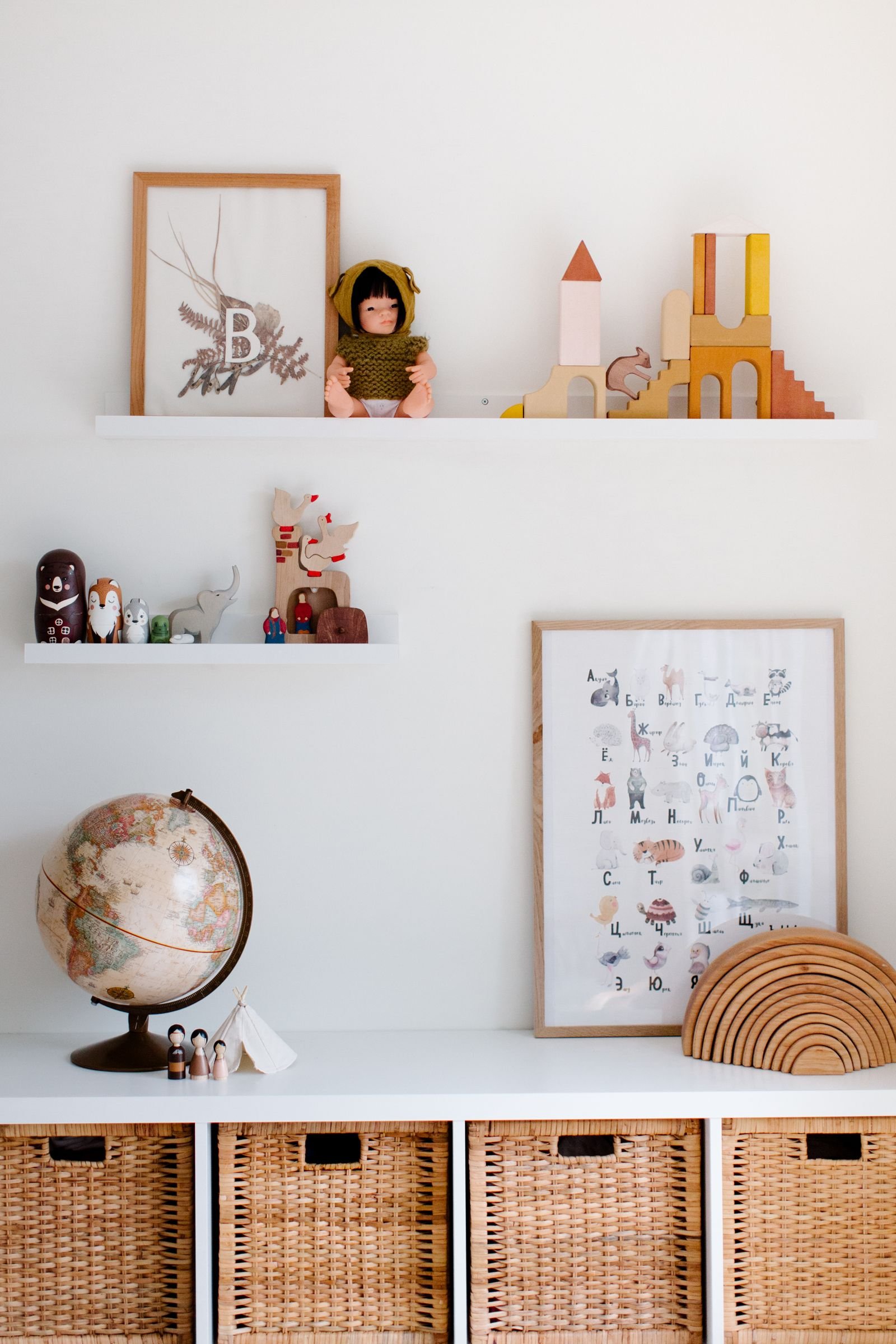
Maps, compasses, a toy treasure chest and a tent or reading tepee suit curious children. Earth tones and natural materials such as wood and canvas work well. A world map on the wall doubles as a learning tool.
Sports and Hobbies
Use team colors, a few framed jerseys or posters and a shelf for medals and trophies. A wall-mounted hoop or a pegboard for sports gear keeps equipment off the floor. Avoid covering every surface with logos, which can make the room look busy.
Space and Science
Star and planet decals, a rocket-shaped lamp and glow-in-the-dark stars bring the universe indoors. Dark navy walls work well with white and yellow accents. Add a globe or a simple model to display.
Nature and Animals
Green, brown and soft blue colors create a calm forest mood. Add animal prints, wooden furniture and a few plants that are safe around children. A wall of woodland wallpaper makes a lovely feature.
Superheroes and Comics
Bold primary colors, hero posters and comic-themed bedding suit a lively room. Use a ledge or magazine rack to display comic books, and keep the theme to bedding and wall art so it is easy to update.
Pick a Color Scheme
Color sets the mood. Bright colors feel active, and soft ones feel restful. Use a main color for walls, a second for bedding and curtains, and a third in small accents.
Bold and Bright Colors
Red, blue and green bring energy to a playroom or a room for an active child. Balance them with white or light gray walls so the room does not feel overwhelming. Use the strongest colors on small items such as a chair, a rug or a storage bin.
Neutral and Earthy Tones
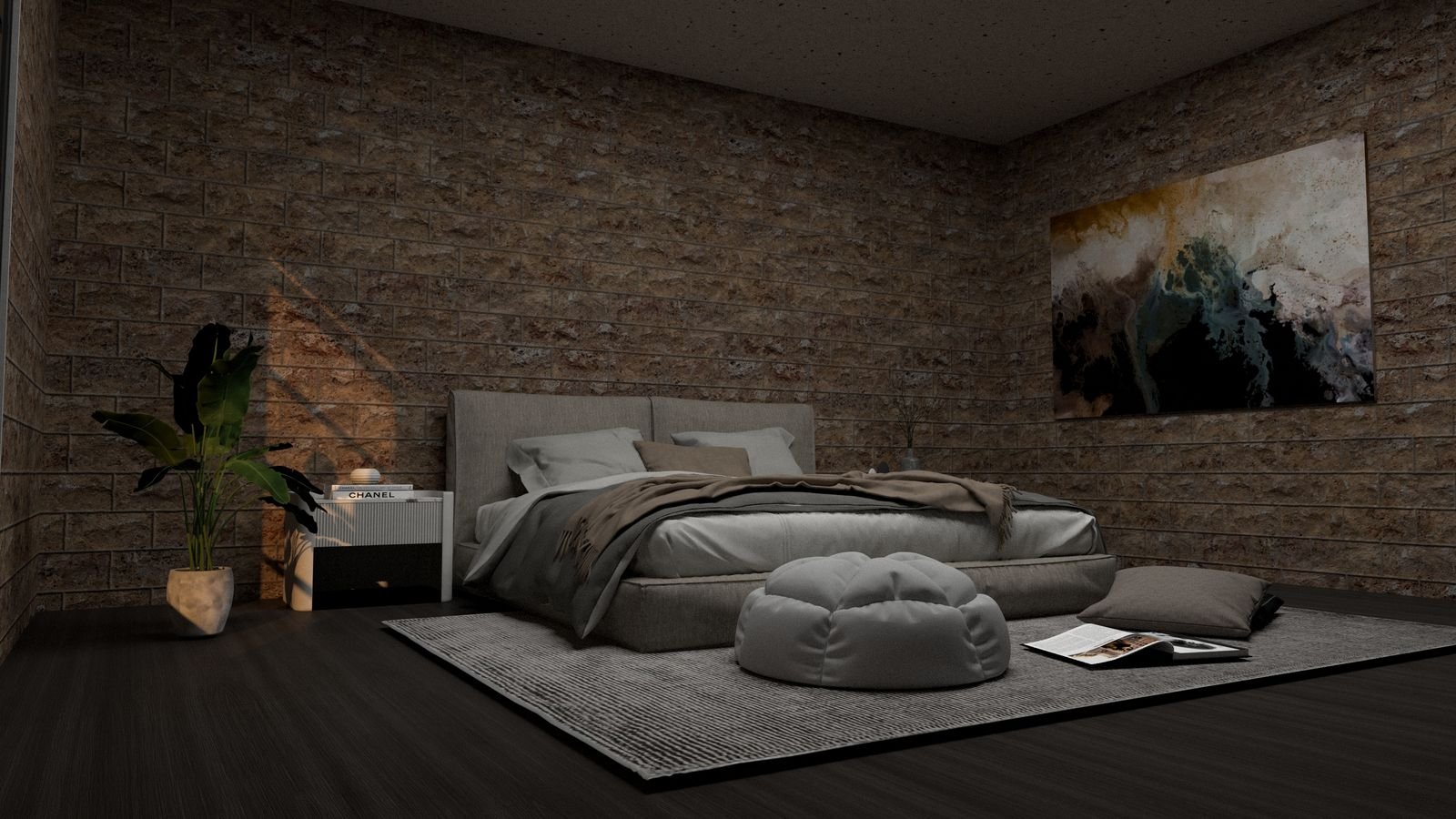
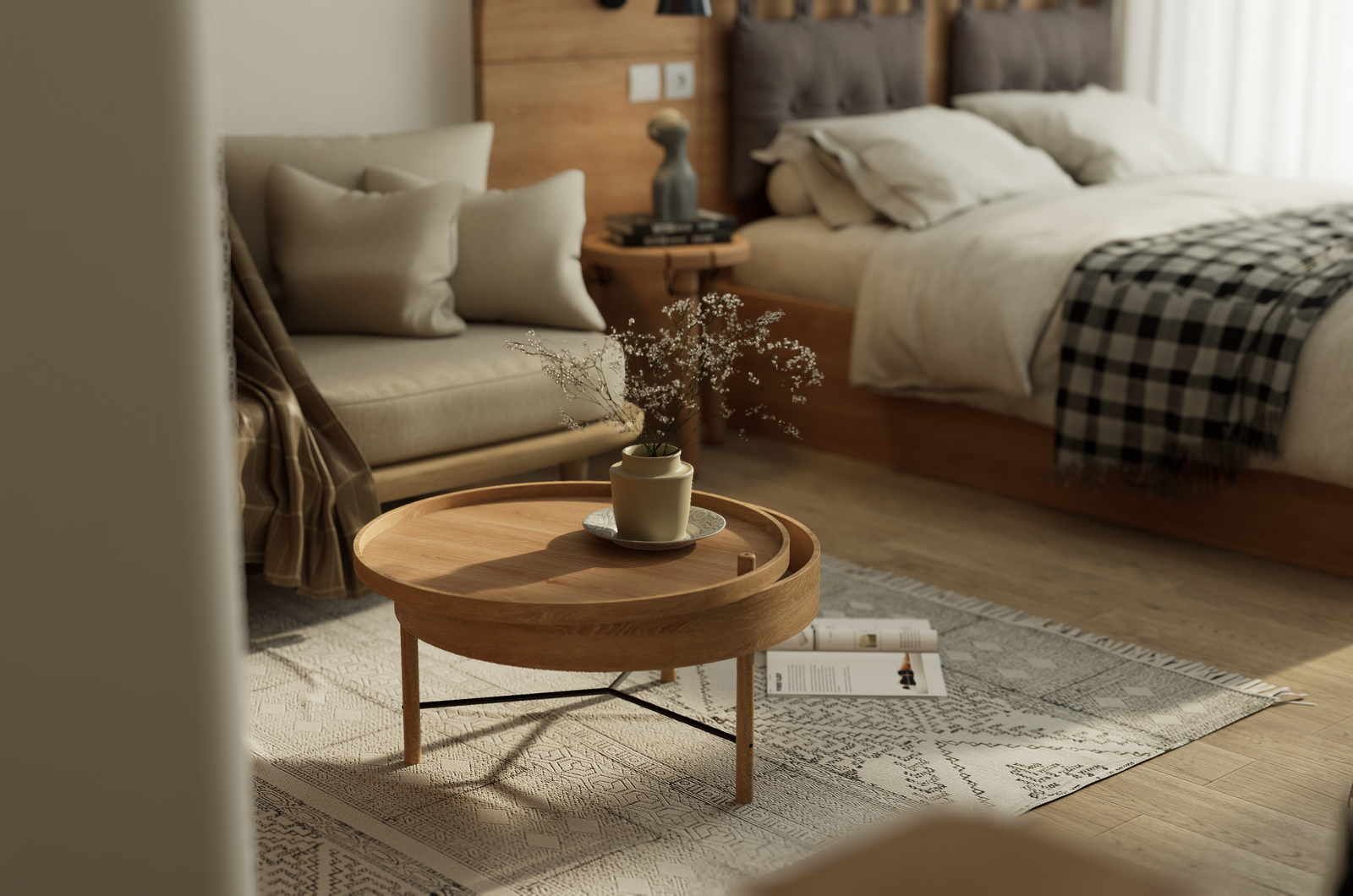
Beige, gray and soft brown create a restful base, particularly for a child who sleeps lightly. Add color through bedding, art and rugs, which are easy to change as his tastes shift.
Monochrome Styles
A single color in several shades, such as navy, sky blue and pale gray, looks clean and modern. Mix textures such as knit, cotton and wood so the room stays warm rather than flat.
Accent Walls and Patterns
Paint one wall in a deep shade or use stripes, stars or a geometric pattern. Choose the wall behind the bed or the desk to create a focal point. Peel-and-stick wallpaper is a good option if you move often or want to avoid permanent changes.
Plan the Furniture
Furniture shapes how a room works. Choose sturdy, safe pieces that fit the room size and can last through several stages of childhood.
Multi-Functional Pieces
A bed with drawers underneath, a desk with shelves and a storage bench at the foot of the bed all save floor space. They also hide clutter, which keeps the room feeling larger.
Smart Storage Solutions
Use open shelves for books, bins for toys and hooks for bags and coats. Wall-mounted shelves free the floor. Label the bins with words or pictures so younger children can put things away alone. Secure tall shelves and dressers to the wall to prevent tipping.
Comfortable Seating
A beanbag, a floor cushion or a small armchair creates a reading corner. Choose washable covers and seating light enough for him to move.
Creative Bed Designs
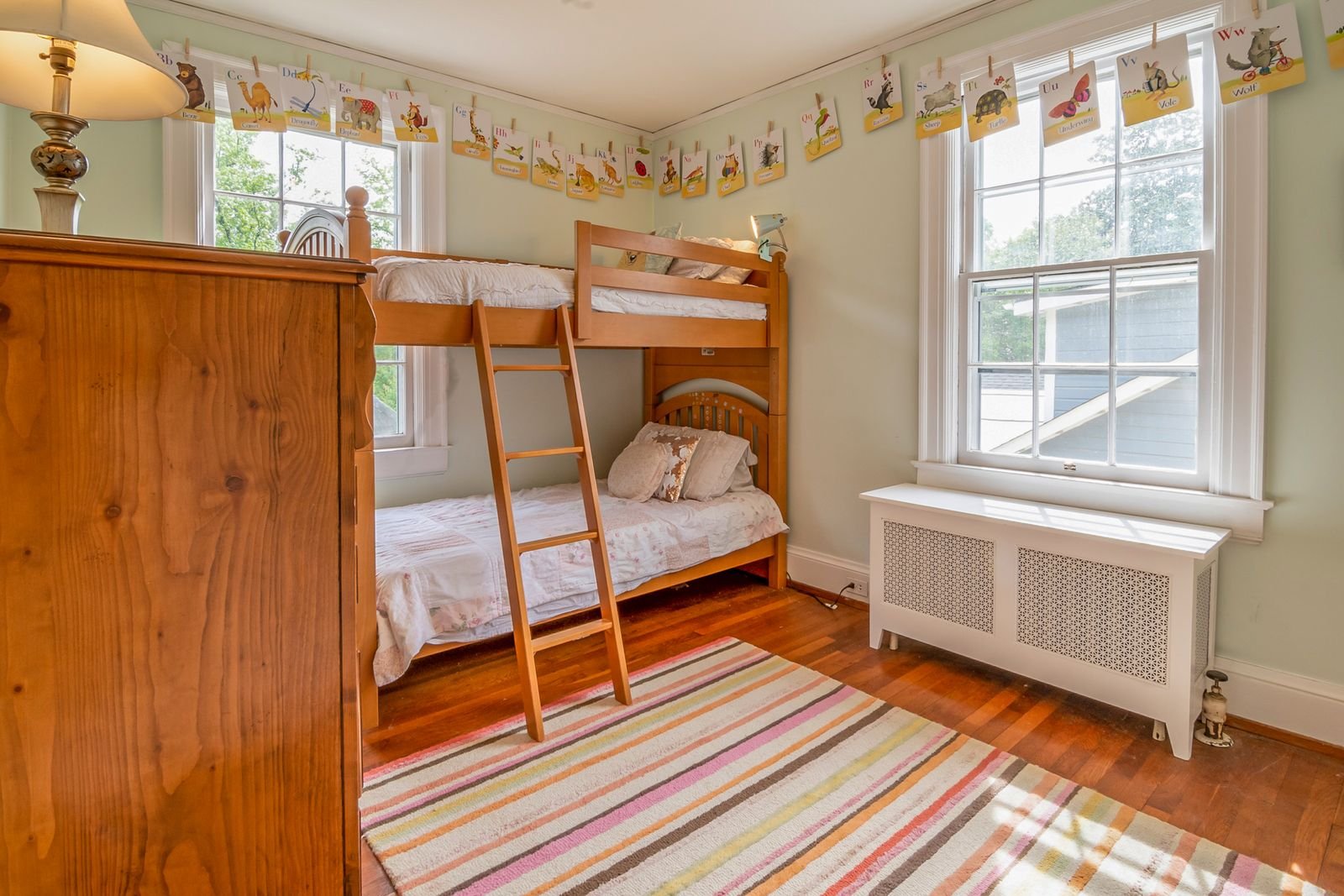
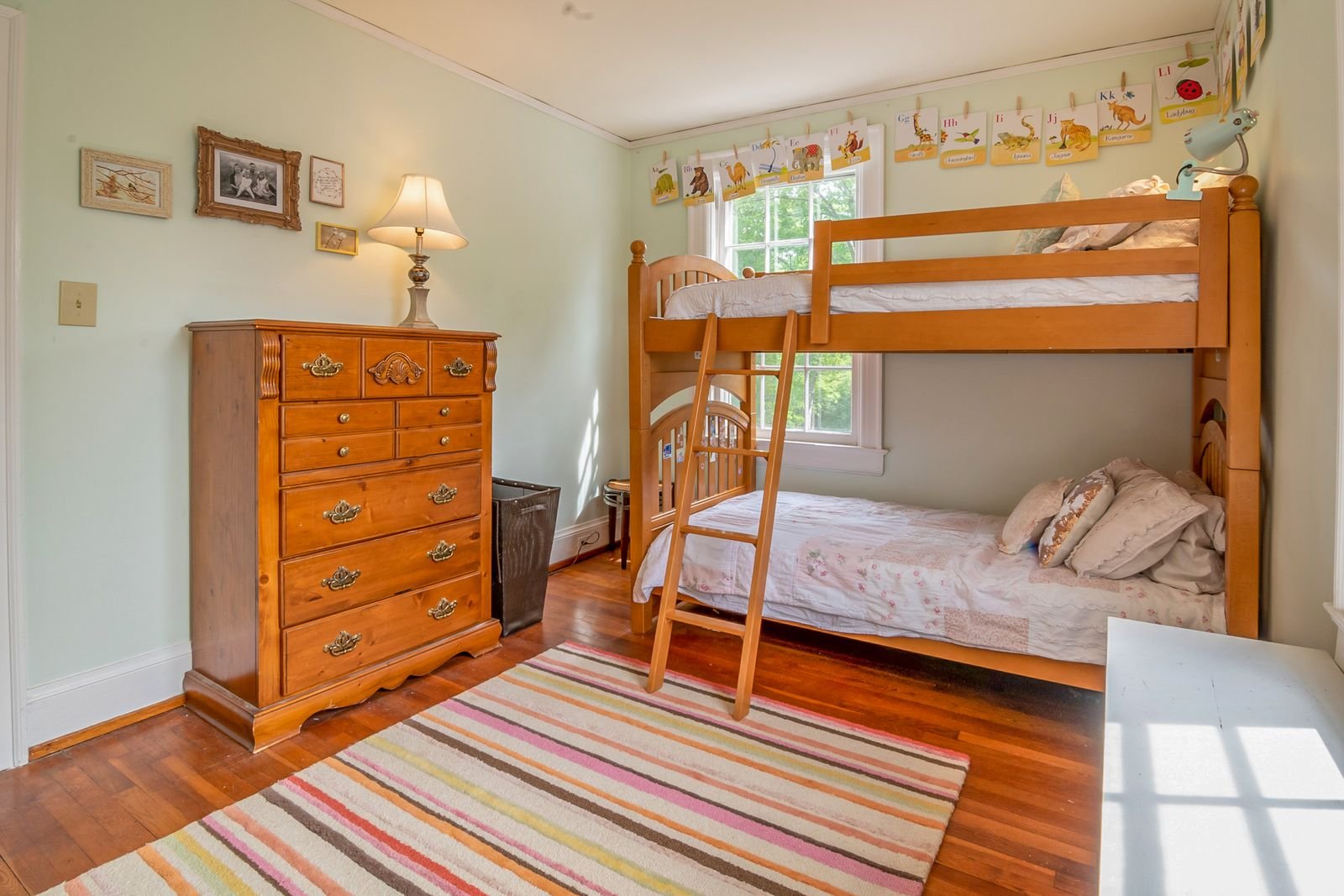
A loft bed frees space beneath for a desk or play area, and a bunk bed suits shared rooms. Top bunks are generally recommended only for children over six, so check the manufacturer’s guidance and make sure the guardrails are high enough. A trundle bed gives a spare place for sleepovers.
Decorate the Walls
Walls are a large canvas. They set the mood and show his personality without taking up any floor space. For more ideas, see our guide on decorating with wall art.
Wall Art and Posters
Choose pictures that match his hobbies, such as sports, animals, maps or favorite characters. Frame a few prints for a neat finish, and use removable adhesive strips so you can change them as his interests change.
Decals and Murals
Wall decals are easy to apply and peel off without damaging most painted walls. A mural covers a larger area and gives an instant theme. Test a small hidden area first to make sure the surface is not marked.
Shelving Displays
Floating shelves show off models, books and trophies. Keep the heaviest items on the lower shelves, and mount shelves into studs or use proper wall anchors.
Chalkboard and Whiteboard Walls
Chalkboard paint or a magnetic whiteboard turns a wall into a place to draw, plan and practice spelling. Use a primer first, and keep a small tray for chalk or markers.
Set Up the Lighting
Good lighting helps him read, play and sleep. Use several sources, so you can set the mood for each activity.
Ambient and Task Lighting
A ceiling light gives general light, and a desk lamp or clip-on reading light helps with homework. Place the desk lamp on the side opposite the writing hand to avoid shadows.
String Lights and Lamps
String lights above the bed or a small bedside lamp give a cozy glow. Choose LED lights, which stay cool, and keep cables out of reach.
Themed Light Fixtures
A rocket, a football or an animal-shaped lamp adds character. Choose fixtures with a soft glow, and make sure bulbs are the right wattage for the shade.
Natural Light Enhancement
Keep windows clear, and use light curtains in the day with a blackout lining for sleep. A mirror opposite the window brings daylight deeper into the room.
Add Personal Touches
Personal details turn a decorated room into his room. Let him help choose or make some of them. For craft ideas, see our guide to DIY home decor you can make yourself.
DIY Projects
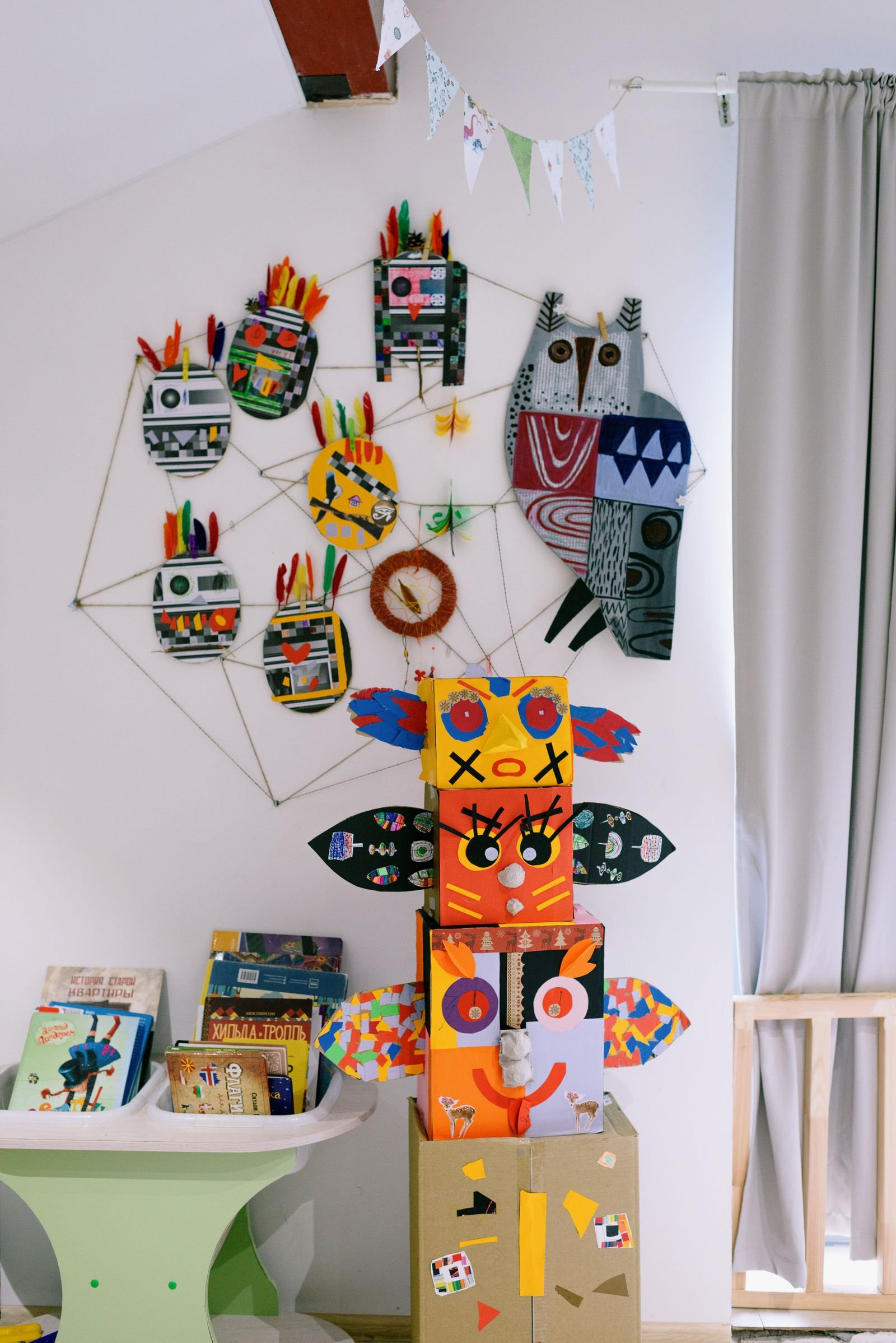
Painted shelves, handmade wall art and a decorated pinboard add charm. Making things together builds skills and pride in the room.
Personalized Accessories
A name sign, a monogrammed blanket or custom pillow makes the room feel special. These are small items, so they are easy to replace when his tastes change.
Display Collections
Sports cards, rocks, action figures and model cars look best in a display case or on a shelf. A display makes a collection part of the decor and keeps it safe from damage.
Show His Hobbies
Hang a guitar on the wall, display a skateboard deck or keep books in an open crate. Hobby items make the room feel lived-in and useful.
Make the Most of the Space
Smart planning keeps even a small room comfortable for play, study and sleep.
Maximize a Small Room
Use vertical space with tall shelves and wall hooks. Choose a bed with drawers, use light colors on the walls, and add a mirror to reflect light.
Organize Play Areas
Set up one corner for toys and games, and keep the floor clear for building and playing. Bins with labels and open shelves make cleanup fast.
Create a Study Zone
Place a desk near the window, with a comfortable chair and good lighting. Keep supplies in a drawer or a wall organizer so the desk stays clear. Face the desk away from the bed if you can, so that the bed stays a place for rest.
Keep the Layout Flexible
Choose furniture that can move or fold, such as a foldable desk or a chair on wheels. A flexible layout adapts as he grows. For a different take, see our ideas for girls room decor.
Frequently Asked Questions
What Are Popular Themes for Boys’ Room Decor?
Space, superheroes, sports, dinosaurs, cars and nature are popular. Choose a theme that fits his interests and keep the large furniture neutral so the theme is easy to change.
How Can I Make a Small Boys’ Room Look Bigger?
Use light colors on walls and furniture, add mirrors, and choose a bed with storage underneath. Keep the floor clear and the shelves tidy.
What Are Some Budget-Friendly Boys’ Room Decor Ideas?
Paint, wall decals, DIY wall art and second-hand furniture all work well. A colorful rug and new bedding can change the room completely.
How Do I Choose the Right Furniture for a Boy’s Room?
Choose sturdy, safe pieces that fit the room size. Multi-functional furniture such as a bed with drawers saves space and grows with him.
How Do I Create a Study-Friendly Area in a Boy’s Room?
Choose a quiet corner with good lighting, a comfortable chair and a desk at the right height. Keep supplies organized to limit distractions.
Conclusion
A great boy’s room reflects his personality and works for sleeping, playing and studying. Start with a theme and a color scheme he likes, add storage and flexible furniture, and finish with lighting and personal touches. Keep the large pieces neutral, and the room will stay fresh as he grows.