Children do not need pink rooms or blue rooms. They need spaces that suit their interests, keep their things organized and feel comfortable. This guide compares common ideas for boys’ and girls’ rooms and shows how to style shared spaces too.
Many children favor certain themes or colors, but tastes vary a lot, so treat the ideas below as starting points and let your child choose. We cover bedroom themes, shared rooms, family living rooms, bathrooms, lighting and easy DIY projects.
Boys’ Bedroom Themes
A theme gives a bedroom focus and helps you choose colors, bedding and wall art. Pick one that matches your son’s current interests, and keep the large furniture neutral so you can update the theme easily.
Adventure and Sports Styles
Wall decals of mountains, forests or sports fields bring energy to the room. Bedding in team colors or an outdoor print adds character. Use shelves to show trophies or sports gear, and add a small tent or reading tepee for play.
Tech and Gaming Corners
Set up a small desk for a computer or console, and use LED strip lights for a modern look. Hide cables in clips or a cable box so the area stays safe and tidy. A comfortable chair and shelves for games make the corner inviting. Place the screen away from the bed to protect sleep.
Bold Color Palettes
Bright blue, red or green energize the room. Combine them with stripes or checks for interest, and paint one wall in the boldest color to create a focal point. Balance the strong shades with white or light gray so the room does not feel crowded.
Girls’ Bedroom Themes
Girls’ rooms can range from soft and dreamy to colorful and creative. As with boys’ rooms, begin with what she likes and build the room around it.
Whimsical and Fairy Tale Designs
Soft colors, canopies, castles and star-shaped lights bring magic to a room. A canopy above the bed or a play tent in the corner creates a little hideaway. Keep the main pieces simple, so that she can grow out of the theme without changing the furniture.
Pastel and Floral Touches
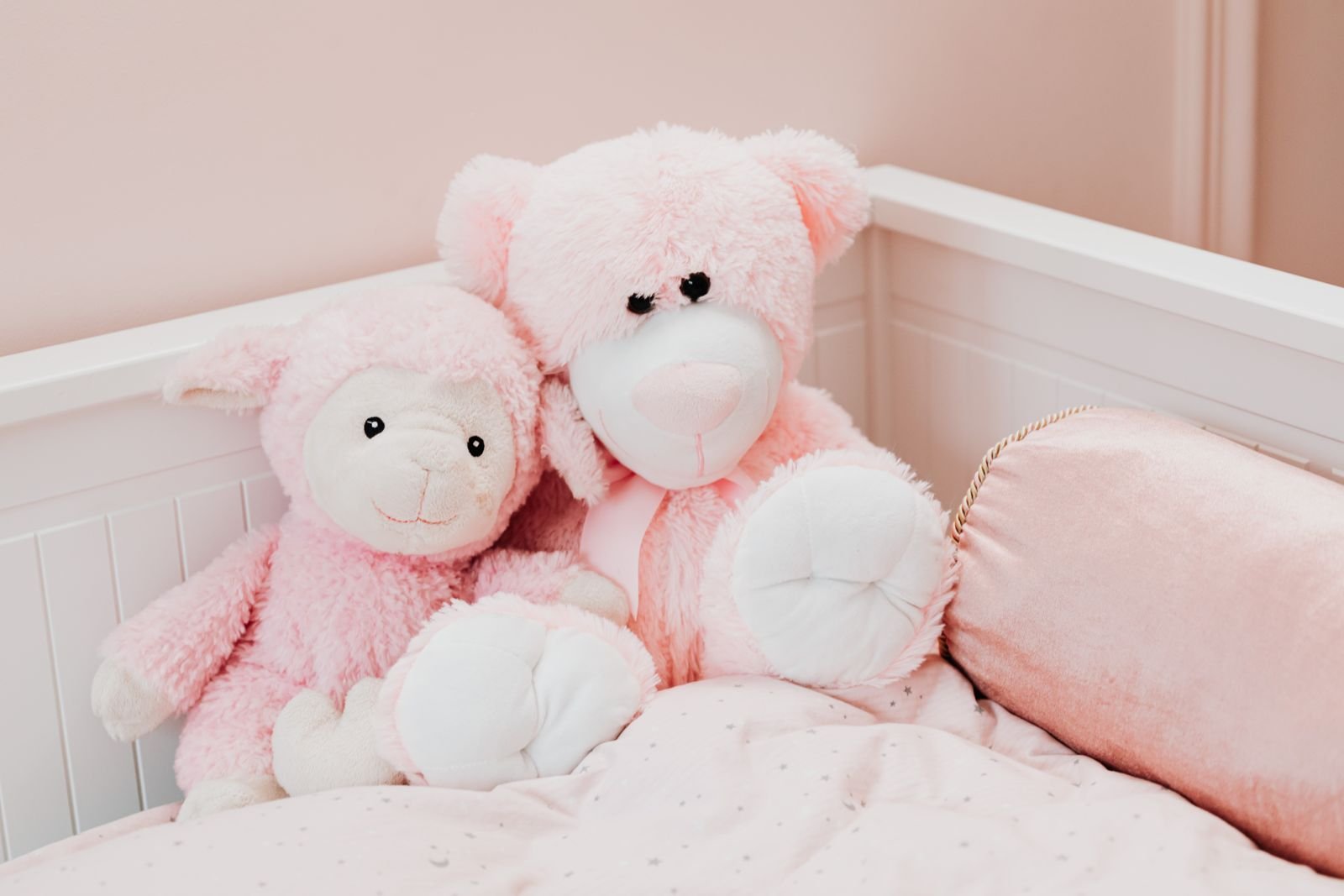
Soft pinks, blues and lavenders feel gentle and calm. Add floral patterns through curtains, bedspreads and cushions. Use two patterns at most, and keep the rest of the room plain.
Creative Craft Zones
A small desk with storage for paper, paints and glue gives her a place to create. Open shelves, clear jars and a pinboard keep supplies organized and ready to use. Cover the table with a wipeable cloth to protect the surface.
Style Shared Spaces
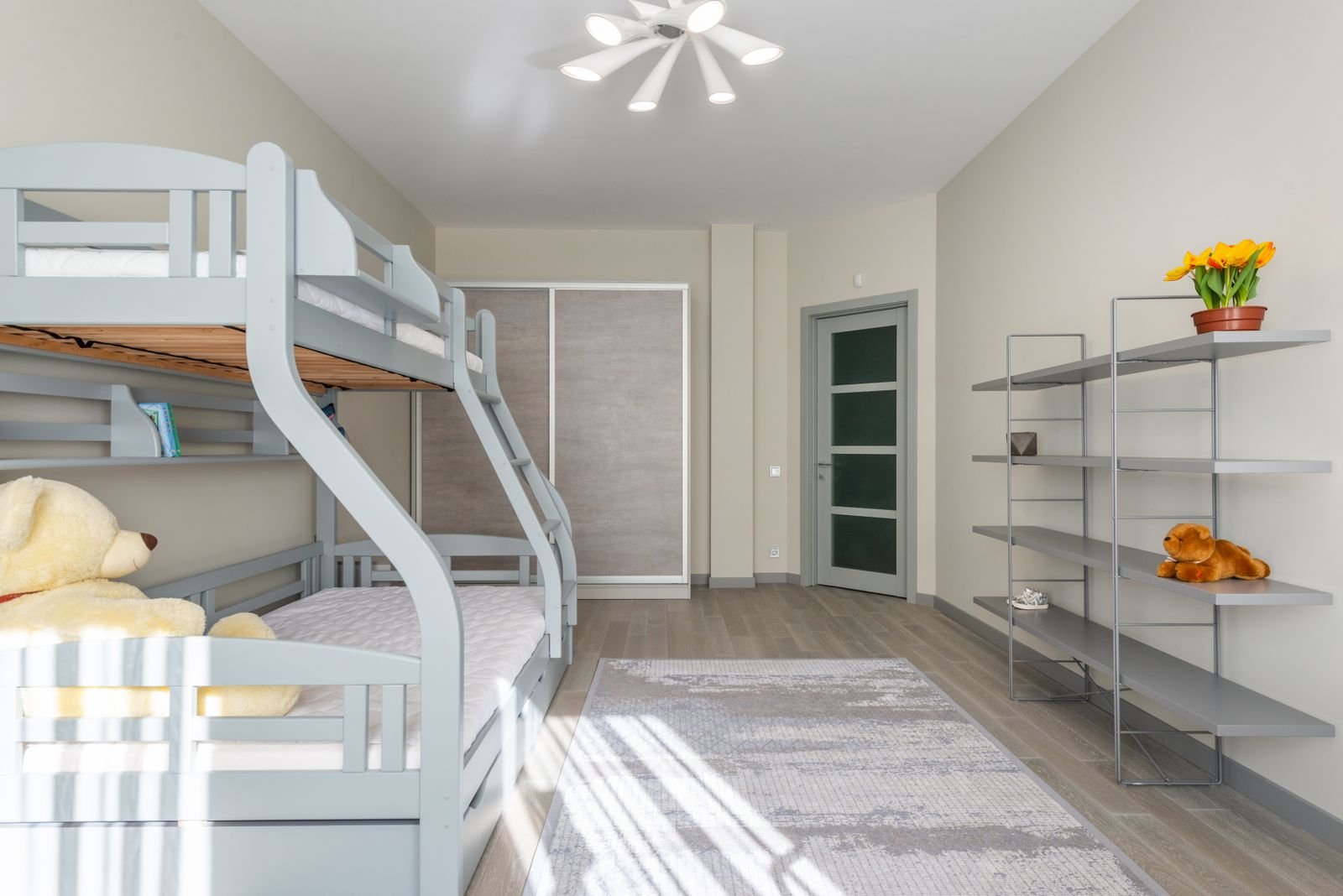
A shared room needs to feel fair to both children. Give each child a personal area, and keep the common area neutral and balanced.
Neutral Colors With Pops of Personality
Use beige, gray or soft white as the base. Then add each child’s favorite color in pillows, rugs or wall art. This keeps the room calm and avoids a clash of styles.
Functional Storage Solutions
Give each child their own shelf, bin or drawer, and label them with names or pictures. Open bins at child height make tidying easier. Choose storage that fits the room and can be moved when needs change.
Flexible Furniture Ideas
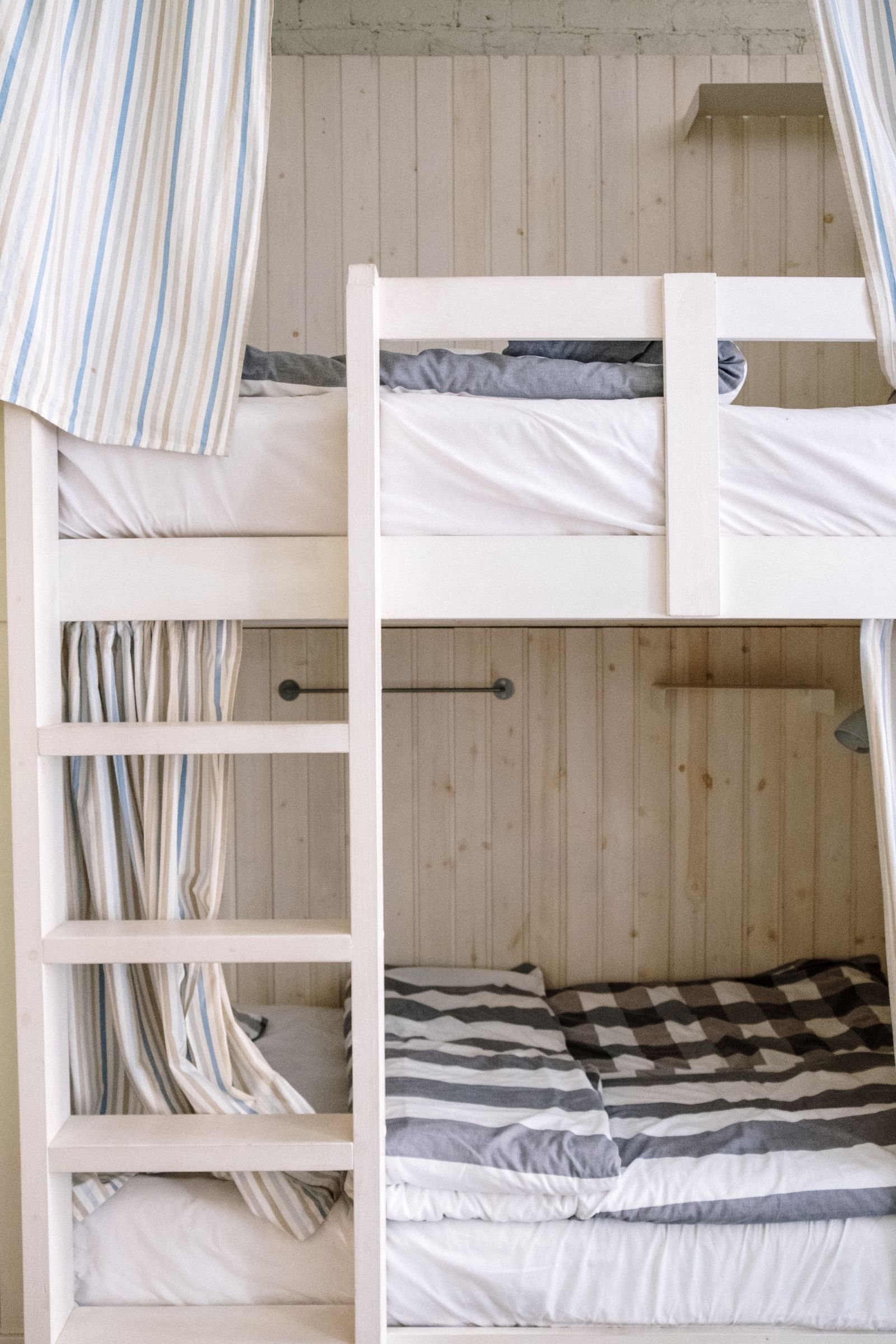
Bunk beds and loft beds save floor space. Top bunks are generally recommended only for children over six, so check the manufacturer’s guidance. Desks with adjustable height and sturdy stools grow with your children.
Decorate the Family Living Room
The living room is where everyone gathers, so it should be fun for children and comfortable for adults. For more ideas, see our guide to living room home decor.
Mix Playful and Sophisticated Elements
Combine bright cushions or a patterned rug with calm furniture and clean lines. Keep the large items neutral and let children’s items provide the color. A storage ottoman or a basket by the sofa hides toys quickly.
Choose Durable and Stylish Materials
Easy-clean fabrics, such as performance weaves, leather-look materials or washable slipcovers, handle spills. Choose solid wood or metal furniture with rounded edges. A low-pile or flat-weave rug is easier to clean than a thick shag.
Display Personal Wall Art
Frame children’s drawings and family photos in simple frames of the same color. Rotate the art every few months to keep the room fresh. Hang pictures at the eye level of the people who sit in the room most often.
Bathroom Decor Tips
A children’s bathroom should be cheerful, safe and easy to use. Small changes can make it fun and teach independence.
Bright and Cheerful Accents
Bright towels, a shower curtain with animals or a cartoon print and a colorful rug bring joy to the room. Let each child choose their own towel color so they can identify it easily.
Kid-Friendly Fixtures
A sturdy step stool lets children reach the sink safely. Fit non-slip mats in the tub and on the floor. Choose rounded edges, and store medicines and cleaning products in a locked cabinet or high shelf.
Organize Essentials
Use baskets or bins for bath toys and toiletries, and give each child a labeled hook for towels. Mesh bags dry bath toys quickly and prevent mold.
Creative Lighting Ideas
Lighting shapes how a room feels. Layer a main light, a reading lamp and a soft night light so the room works for play, homework and bedtime.
Colorful and Bold Lighting
Some children like colored LED strips, spotlights on a poster wall or a lamp shaped like a favorite character. Choose dimmable options so you can lower the brightness at bedtime, and avoid very bright colored light close to sleep time.
Soft and Cozy Lights
Fairy lights, a table lamp with a fabric shade and warm white bulbs create a gentle glow. Layered lighting makes the room feel welcoming. Use a plug-in night light in the hallway or bathroom for night visits.
Energy-Efficient Options
LED bulbs use less power and last longer than older bulbs. A motion-sensor night light switches off by itself, and a timer switch keeps lamps from staying on all night.
Easy DIY Decor Projects
Making decor together is a good way to give a room personality. Children feel proud of a room they helped to create. For more ideas, read our guide to DIY home decor, or see our boys room decor ideas.
Craft With Kids
Paper garlands, painted rocks, framed drawings and cardboard models are cheap and quick. Let each child pick the theme and colors. Use washable paint and cover the table first.
Upcycle Old Furniture
Sand a wooden chair or desk lightly, wipe it clean and paint it with child-safe paint. New handles or decals complete the look. Let the piece air out for a few days before it goes in the bedroom.
Paint Personal Wall Murals
Use stencils or painter’s tape for clean shapes such as stars, animals or mountains. Rockets, dinosaurs, butterflies and castles are all popular. Choose low-VOC paint, and make sure the room is well ventilated while it dries.
Frequently Asked Questions
What Are Popular Color Themes for Boys’ and Girls’ Rooms?
Blues, greens and grays are common in boys’ rooms, and pinks, purples and pastels in girls’ rooms, but any color works. Choose colors that match your child’s interests and personality.
How Can Storage Be Optimized in Boys’ and Girls’ Rooms?
Use shelves, bins and under-bed boxes. Label containers with words or pictures to help children find things and put them away.
What Types of Wall Decor Suit Boys and Girls?
Maps, sports posters and superhero art are popular with many boys, and floral prints, fairy lights and quotes appeal to many girls. Children of any gender enjoy seeing their own artwork on the wall.
Which Furniture Pieces Work Best for Boys’ and Girls’ Spaces?
Sturdy desks, beds with storage and comfortable seating work for everyone. Choose pieces that match the size of the room and grow with the child.
How Can Lighting Enhance Boys’ and Girls’ Room Decor?
Use a mix of overhead, desk and soft accent lighting. Bright light helps with homework and play, and warm light helps children relax before sleep.
Conclusion
Every child has their own taste, so the best room is the one that reflects it. Start with a theme and a color palette your child likes, add smart storage and flexible furniture, and layer the lighting. For shared rooms, use a neutral base and give each child a space of their own.