
Decorating with plants is one of the easiest and most affordable ways to bring life and freshness into your home. A few green leaves add color, lift your mood and make a room feel calm.
This guide shows you how to choose the right plants, display them well and keep them healthy. You will also find ideas for stylish planters, tips for matching plants with your decor and simple care steps. Pick what suits your space and start small.
Choosing the Right Plants
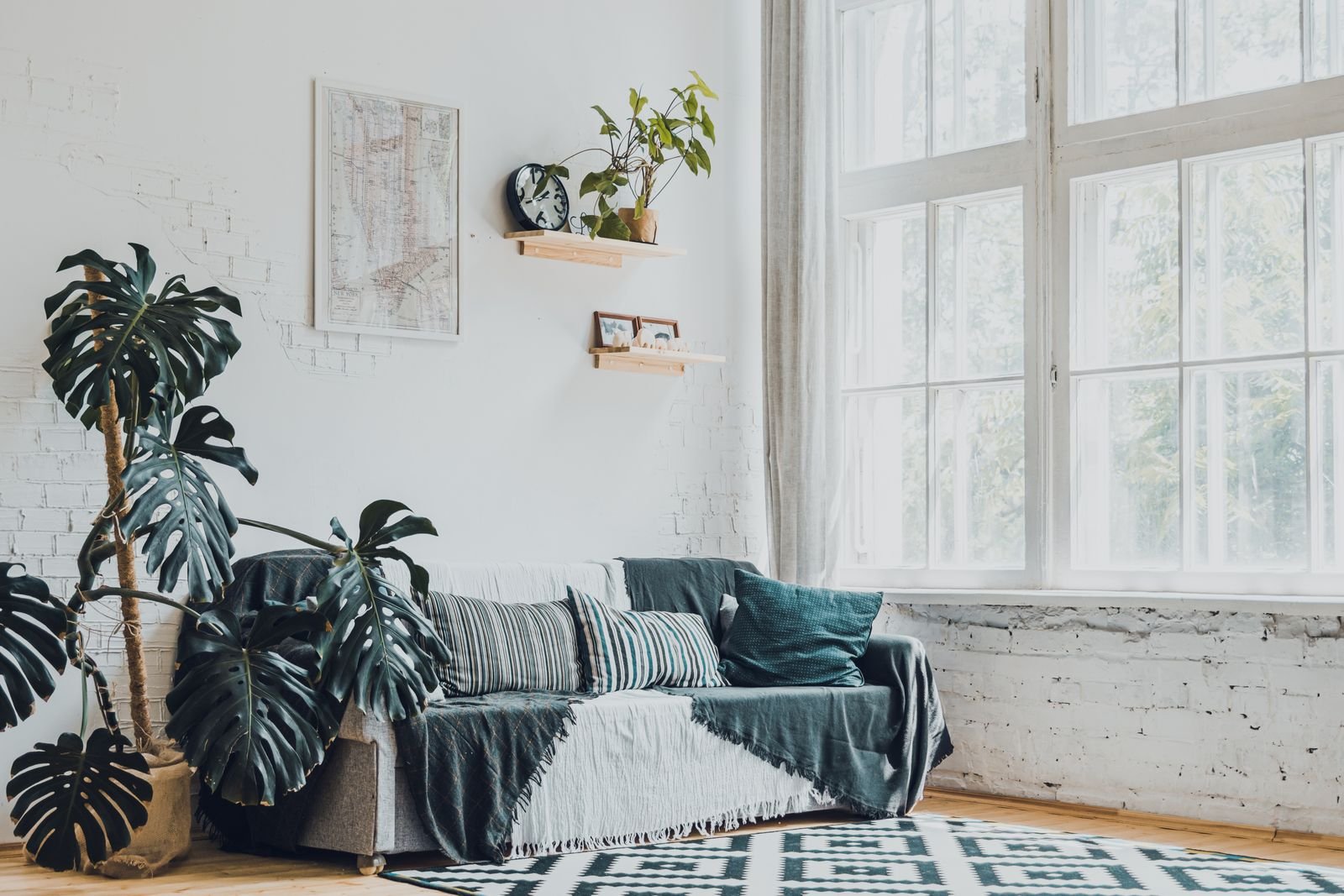
Choosing the right plants is the first step to a good-looking home. Plants add life and color, and they can lift your mood. But not every plant fits every home or lifestyle, so pick plants that suit your space and the time you have to care for them.
Indoor vs Outdoor Plants
Indoor plants live inside your home. They need less sunlight and can handle lower temperatures. Snake plants, pothos and spider plants are common choices. Outdoor plants grow in gardens or on patios and usually need more sun and space. Roses, marigolds and ferns are popular outdoor options. Choose plants based on where you want to place them. If you like snake plants, see our guide to snake plant home decor benefits.
Low-Maintenance Options
Some plants need little care, which makes them perfect for busy people and beginners. Succulents and cacti need water only now and then. Snake plants survive in low light with rare watering. ZZ plants and pothos also do well with minimal care. These plants keep your home green without stress.
Plants for Different Light Conditions
Plants need different amounts of light. Succulents, aloe vera and fiddle leaf figs like bright light. Peace lilies and ZZ plants cope with low light. If your room gets little natural light, choose a low-light plant. Match each plant to the light in its room for healthy growth and vibrant leaves.
Plant Size and Leaf Shape
Plant size should fit the room. Tall plants like rubber trees suit large spaces, while small cacti or herbs work well in kitchens and on desks. Leaf shape sets the mood too. Round leaves suit cozy rooms, and sharp, upright leaves suit sleek, modern spaces.
Creative Plant Displays
How you show your plants can change the whole look of a room. Plants add color, texture and a natural touch, and a good display makes them stand out.
Using Plant Stands and Shelves
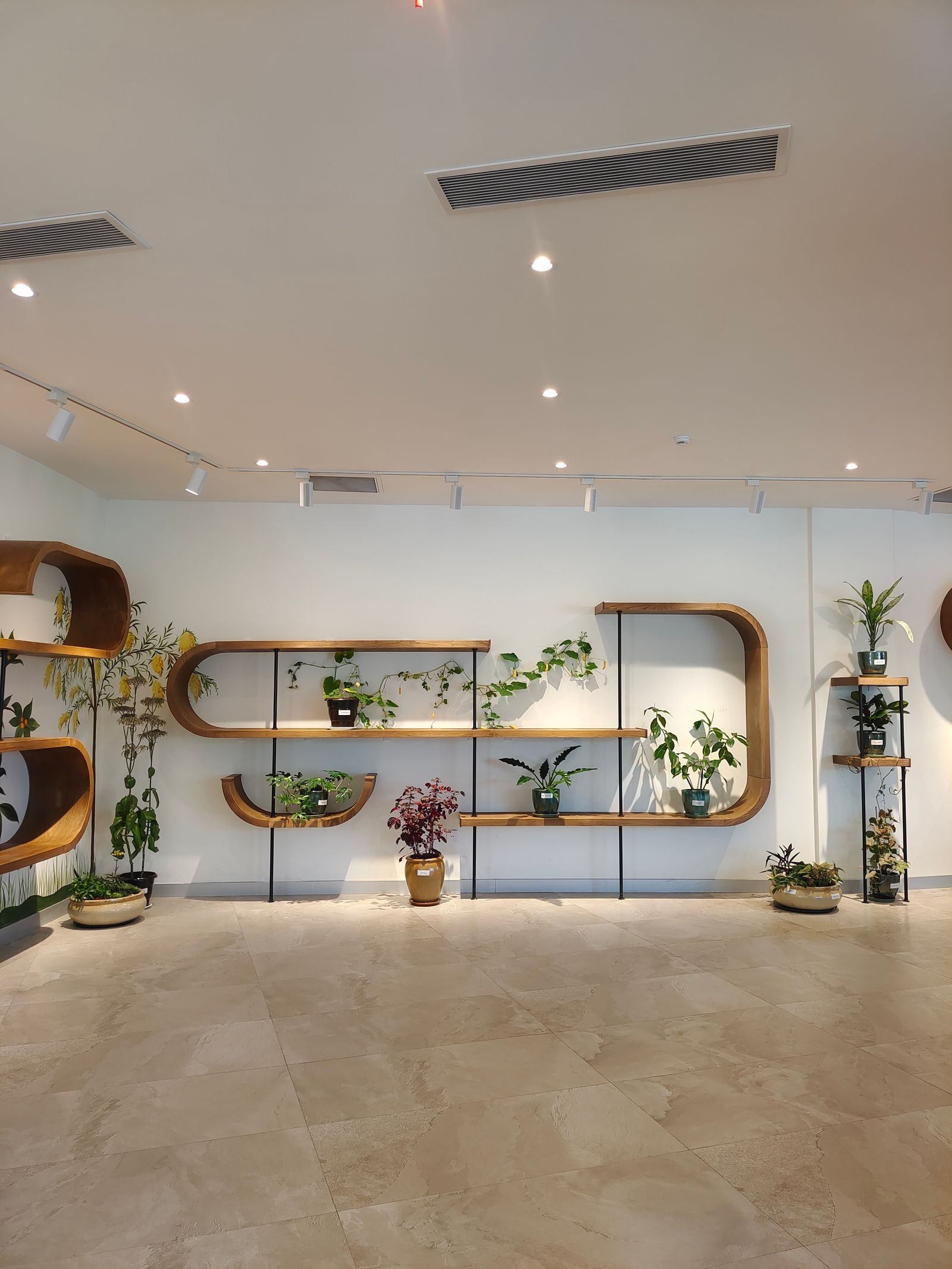
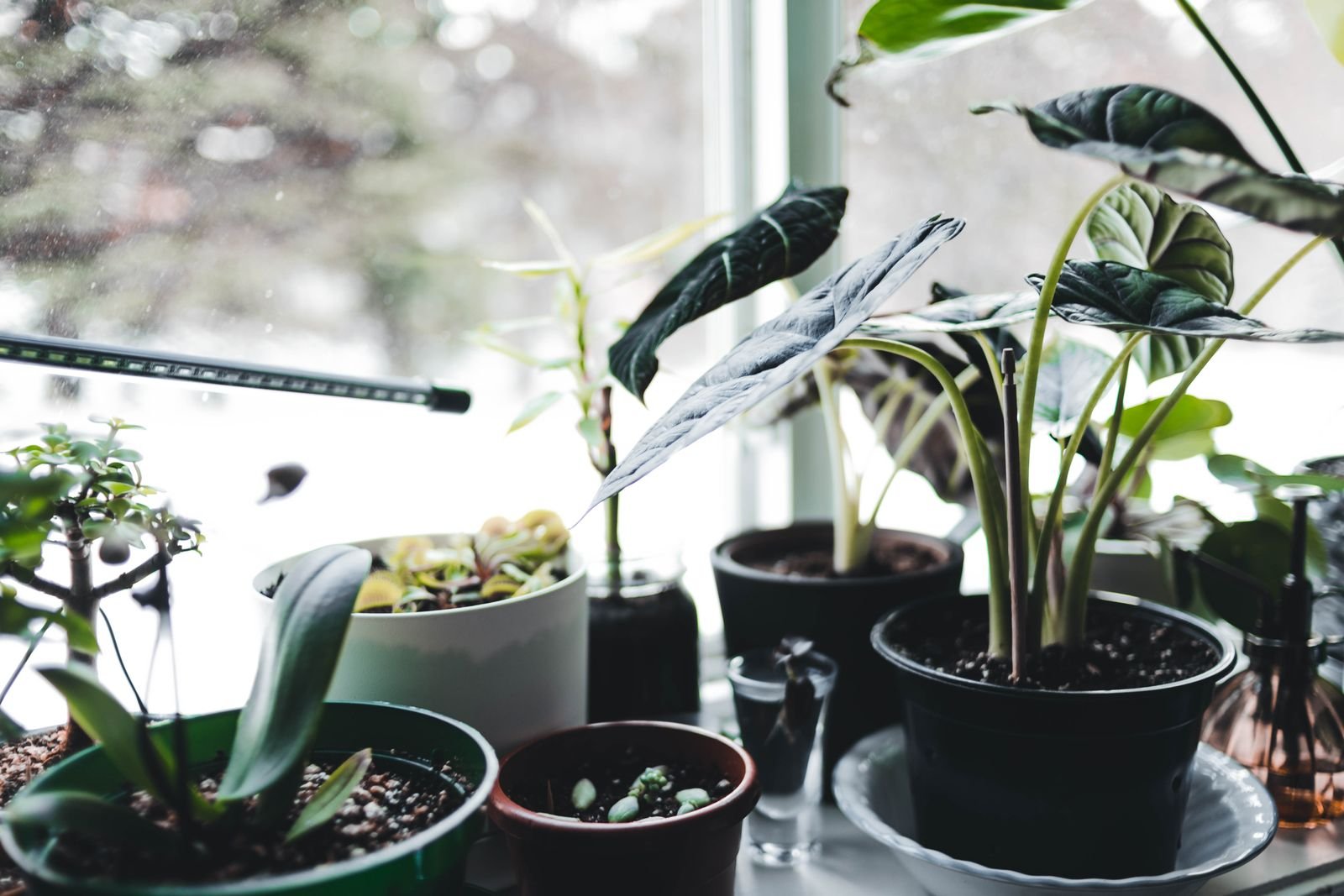
Plant stands lift plants off the floor and create layers. They help you arrange plants by height and size. Shelves offer many spots for small pots and trailing plants. Place pots of different sizes and colors together for a lively look, and choose stands and shelves that fit your room’s style.
Hanging Planters and Wall Gardens
Hanging planters save floor space and put greenery up high. They work well in small rooms and corners. Macramé holders add a boho touch and texture. Wall gardens turn empty walls into green art and make a room feel taller and brighter. Use pots of different shapes and sizes for interest, and hang plants near windows for natural light.
Tabletop Arrangements
Tabletop plants brighten desks, dining tables and side tables. Mix small pots with different plants for a fresh feel, and use decorative containers that match your style. Keep arrangements simple and neat to avoid clutter. Change plants with the seasons to keep your space lively.
Grouping Plants for Impact
Group plants of different shapes and heights for a natural, lush look. Use trays or large pots to keep groups neat. Mixing leafy and flowering plants adds color and depth. Groups fill empty spaces and make a corner feel cozy. For ideas with blooms, see our guide on the importance of flowers in home decoration.
Stylish Planters and Containers
Planters do more than hold plants. They are part of your decor. The right container makes a plant stand out, and its style, size and shape should fit the mood of the room.
Materials and Textures
Ceramic pots have smooth, colorful finishes. Terracotta adds a natural, earthy feel. Wood brings warmth and charm, and metal gives a sleek, modern look. Texture adds depth too. Rough surfaces contrast with soft leaves, while smooth ones show off the plant’s shape. Mixing textures can lift the whole room.
Color Coordination
Color changes the vibe of a room. Neutral planters in white, beige or gray blend with many styles. Bright colors add energy and fun, and soft pastels create a calm mood. Match planter colors to room accents like curtains or rugs, or use a contrasting color for a bold look. A dark planter can ground a light space.
DIY Planter Ideas
DIY planters add unique charm and save money. Use old jars or tins for small plants, paint plain pots for a personal touch, or wrap containers with rope or fabric for texture. Wooden crates make large planters, and string or macramé turns a pot into a hanging planter. For more projects, see our guide to DIY home decor you can make yourself.
Plant Care Tips
Healthy plants look better, and caring for them is simple once you know what they need: water, light, good soil and a little space. Follow these tips to keep your plants happy and your home bright.
Watering and Humidity
Water regularly, but do not overwater. Push a finger about an inch into the soil. If it feels dry, it is time to water. Water slowly so the soil can absorb it. Use pots with drainage holes, because standing water can cause root rot. Some plants like more moisture and others less, so learn what each one prefers.
Humidity matters too. Many houseplants enjoy moist air. Mist the leaves with a spray bottle or place a tray of water nearby to keep them fresh and green.
Light and Temperature Needs
Most indoor plants like bright, indirect light. Direct sun can burn leaves, so place plants near windows with filtered light. Keep them away from cold drafts and heating vents. A room temperature between 65°F and 75°F (18°C to 24°C) suits most houseplants.
Soil and Fertilizing
Good soil gives plants nutrients and water. Use soil that drains well for most houseplants, and avoid heavy, compacted soil that traps water.
Fertilize during the growing season with a balanced fertilizer, and follow the instructions. Too much fertilizer can harm plants, so feed them regularly but with care.
Pruning and Repotting
Prune dead or yellow leaves with clean scissors. This keeps plants healthy and encourages new growth.
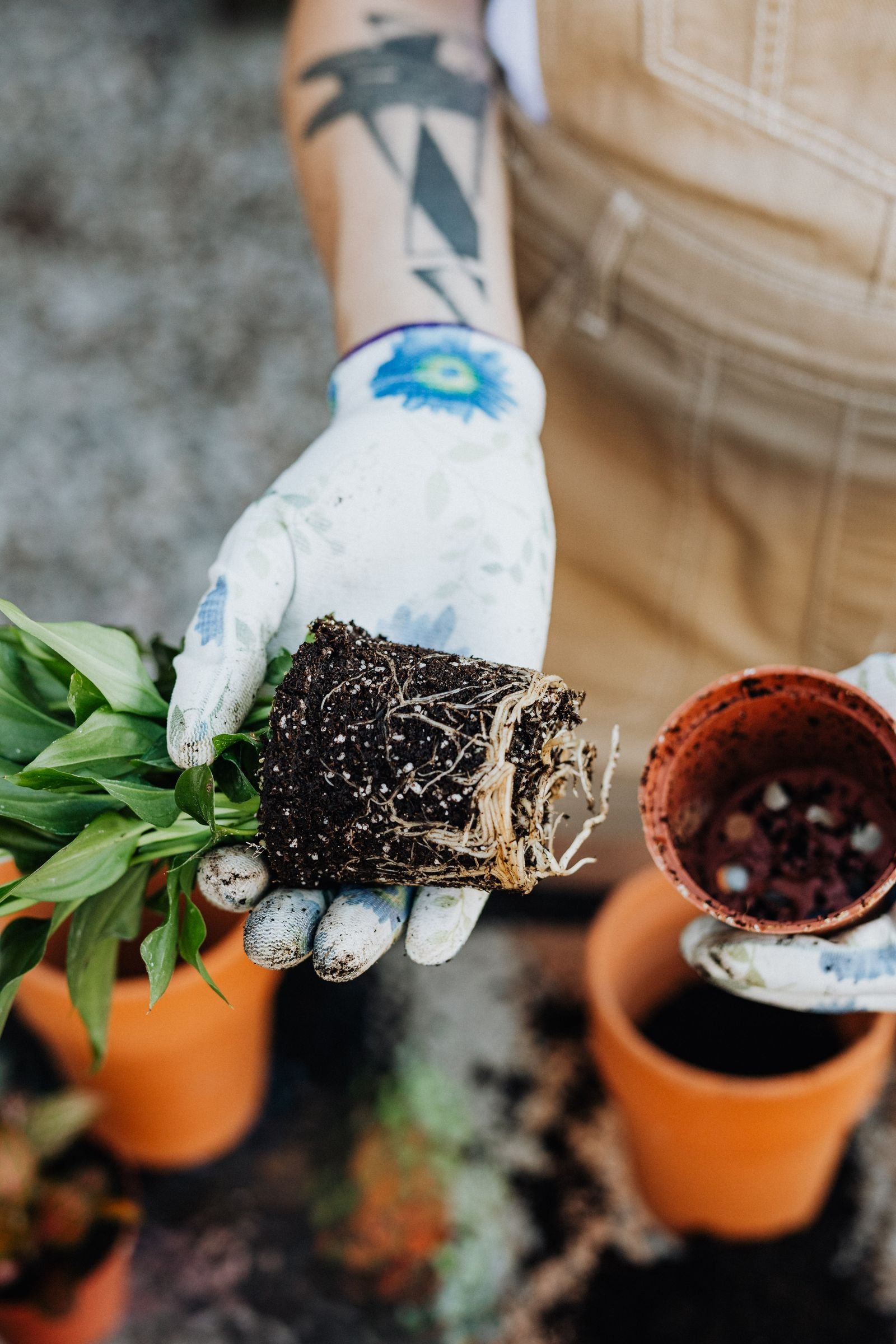
Repot a plant when it outgrows its pot. Choose a pot slightly bigger than the old one and add fresh soil to give the roots room to grow.
Preventing Common Problems
Watch for pests like spider mites and aphids, and wipe leaves with a damp cloth to keep them away. Yellowing leaves often mean overwatering or poor light. Remove dead or damaged leaves to promote growth, and rotate plants regularly so they get even light.
Matching Plants With Decor Styles
Plants can blend in or stand out, depending on their shape, size and color. The right plant adds charm to a room and supports the style you want. Some plants look great in sleek, simple rooms, while others suit cozy, colorful spaces.
Modern and Minimalist
Modern and minimalist spaces use clean lines and simple shapes. Choose plants with sharp, geometric forms, such as snake plants and succulents. Use pots in solid colors like white or black, and keep the number of plants low so the space stays neat and uncluttered.
Bohemian and Eclectic
Bohemian style is colorful and full of life. Choose plants with wild, flowing leaves like ferns or spider plants. Mix pots with patterns and colors, and hang some plants from the ceiling or place them on shelves. Layering plants creates a relaxed, fun vibe.
Rustic and Natural
Rustic decor feels warm and earthy. Use plants that look natural and simple, such as potted herbs, ivy or large leafy plants. Choose pots made of clay or wood, or woven baskets, and group plants close together for a cozy, forest-like feel.
Combining Plants With Furniture and Color
Blending greenery with your furniture and color choices makes a room feel complete. Plants add warmth, texture and a natural touch to what you already own.
Pairing Plants With Furniture
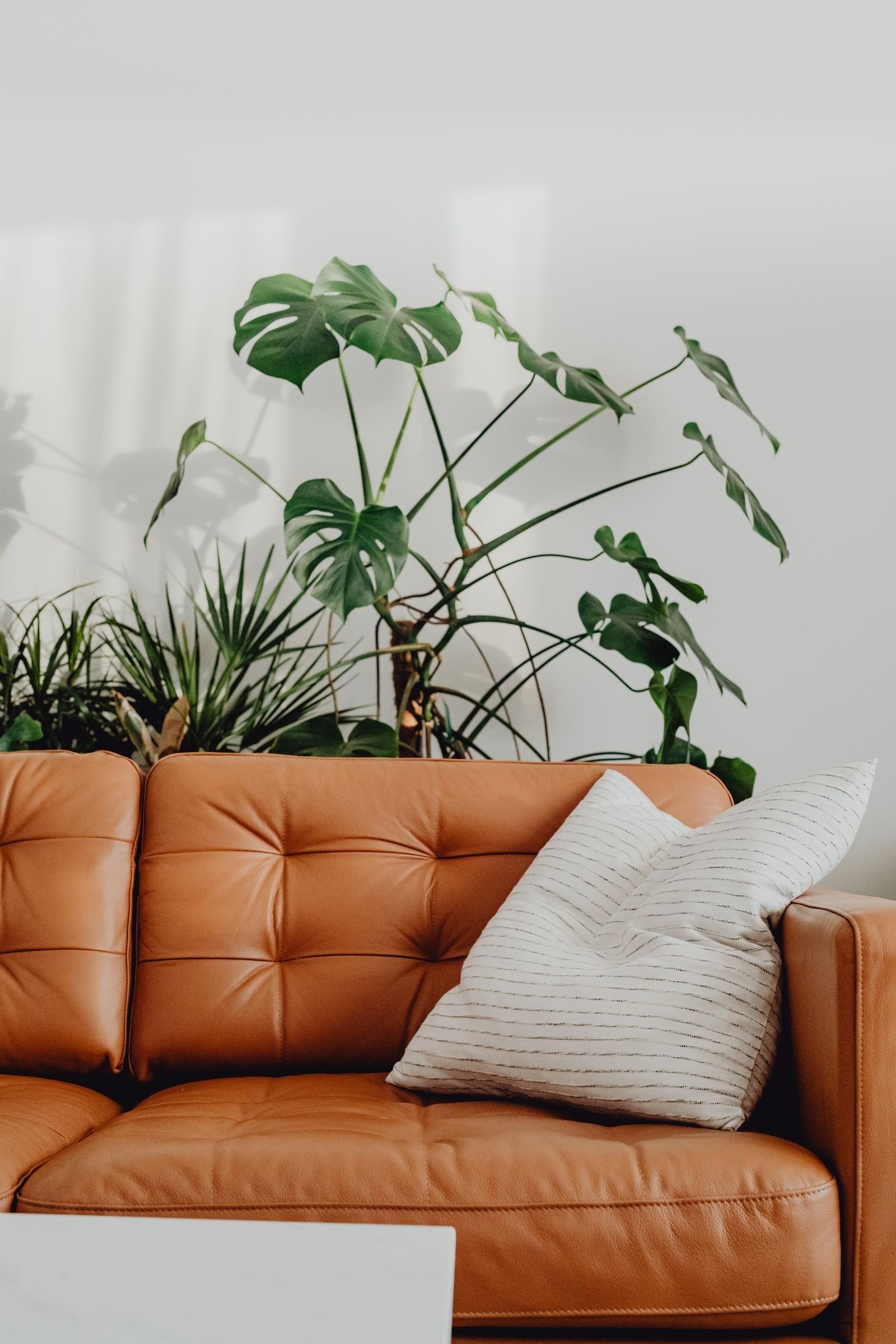
Match plant size to furniture scale. Small plants look great on shelves and side tables. Large plants fit beside sofas or in empty corners, and plant stands raise greenery closer to eye level. Choose pots that suit your furniture: sleek pots match modern pieces, and rustic pots suit wooden or vintage ones.
Plants and Color Schemes
Green leaves work well with neutral tones like white, beige and gray. Bright flowers add a pop of color to plain walls. A green plant can also soften bold colors, such as a red or blue room. Match pot colors to curtains or rugs so the room flows.
Adding Natural Elements
Combine plants with wood, stone or woven items. Wooden furniture pairs well with leafy plants, stone pots add an earthy feel, and baskets or macramé hangers can hold plants. These natural textures bring warmth and variety and make a room feel balanced and peaceful.
Using Plants to Improve Indoor Air
Plants do more than decorate. They add oxygen, and some can take up chemicals from the air. Here is how to use plants to help your indoor air.
Air-Purifying Plants
Some plants are named again and again as good for indoor air. Snake plants, spider plants and peace lilies are great choices. In lab studies, these plants absorbed chemicals like formaldehyde and benzene, and all plants produce oxygen. In a real home the effect is modest, so treat plants as a bonus alongside fresh air from open windows.
Placing Plants for Maximum Benefit
Where you put your plants matters. Place them in the rooms you use most, such as living rooms, bedrooms and kitchens. Avoid dark corners and spots far from windows, because plants need some sunlight to do well. Grouping a few plants together also makes them look fuller.
Frequently Asked Questions
What Are the Best Plants for Home Decor?
Succulents, snake plants and pothos are top choices. They need little care, add vibrant greenery and thrive indoors.
How Do Plants Improve Home Interior Design?
Plants add color, texture and life to interiors. They soften hard edges and create a calm mood. Used with care, they boost style and make a room feel more relaxing.
Where Should I Place Plants in My Home?
Place plants near natural light, such as windows, and keep sensitive plants out of harsh direct sun. Group them in corners, on shelves or on tables for visual interest and a balanced room.
How Often Should I Water Indoor Plants?
It depends on the plant and the room. As a rule, water when the top inch of soil is dry. Overwatering can harm roots, so check the soil first.
How Do I Care for Home Plants Easily?
Water based on each plant’s needs, use well-draining soil and check for pests. Give plants bright, indirect light and rotate them now and then so they grow evenly.
Can Plants Fit Small Spaces in My Home?
Yes. Small plants and hanging pots fit well in tight spaces. Succulents and air plants need little room and care, which makes them great for apartments and desks.
Conclusion
Plants bring life and color to any home. Choose ones that suit your light and the time you have, show them on stands, shelves and in stylish planters, and match them to your decor. Mix different types for a natural look.
Small changes can brighten your home quickly. Start simple with one or two easy plants, and add more as you learn what thrives in your rooms. Enjoy the calm and beauty they bring every day.
1 comment