Your home reflects who you are, and the way you decorate it changes how you feel every day. Good decoration does not need a big budget. It needs a clear style, a few well-chosen colors and a plan that you can follow one room at a time.
This guide brings together the ideas that work in almost every home. It covers styles, color schemes, furniture, lighting, wall decor, textiles, flooring, plants, storage, DIY projects and outdoor spaces. Pick the ideas that suit your space and add them step by step. If you want a full plan, our step-by-step guide to decorating your home is a good companion.
Choose Your Decorating Style
Choosing a style first makes every later decision easier. It guides what you buy, keeps your rooms balanced and stops you from collecting pieces that do not belong together.
Modern Minimalist
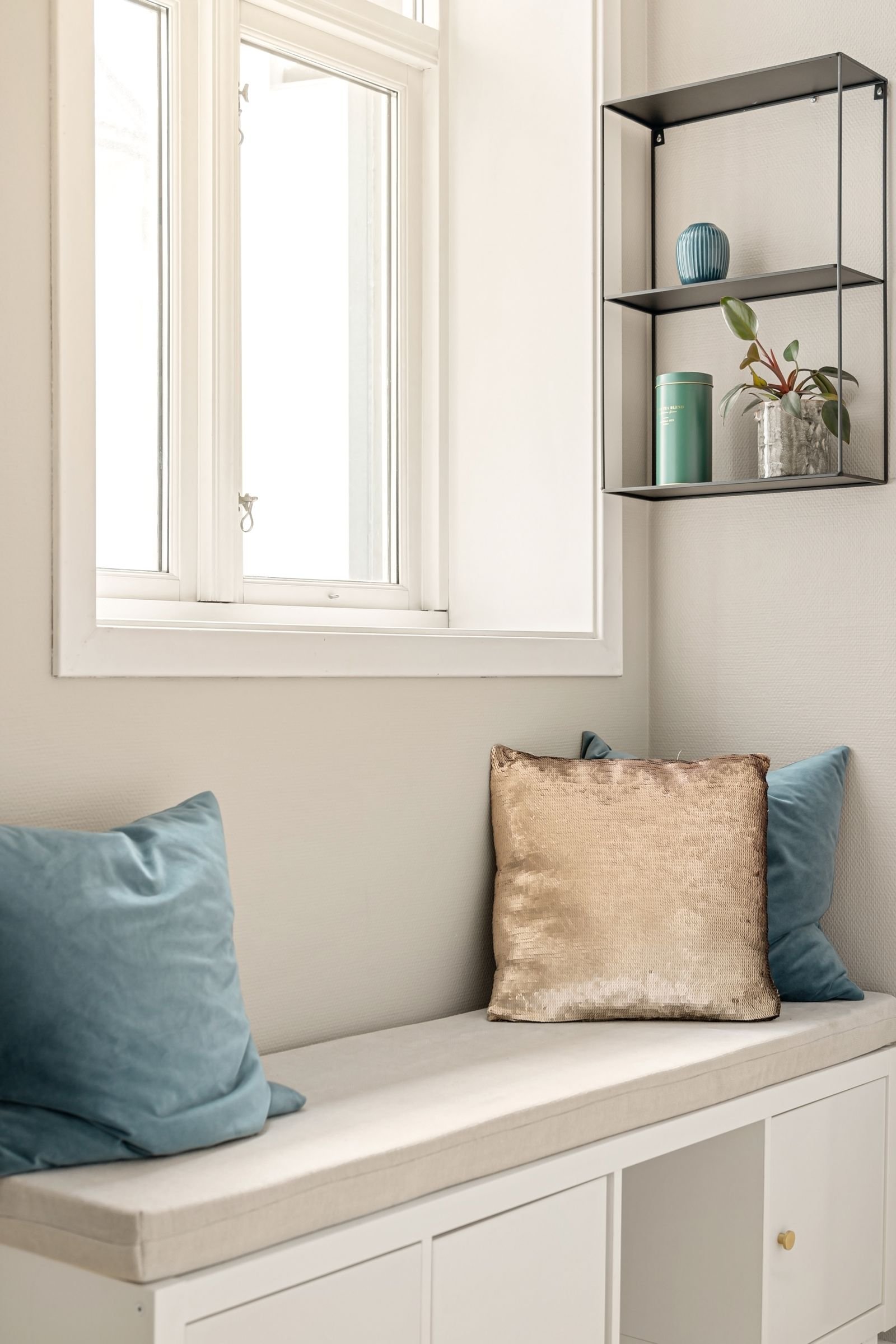
Modern minimalism is about simplicity and clean lines. It uses mostly neutral colors, sleek furniture and very little decoration. Rooms feel calm, open and clutter-free, which makes the style a good fit for small spaces and for anyone who loves order.
Cozy Rustic
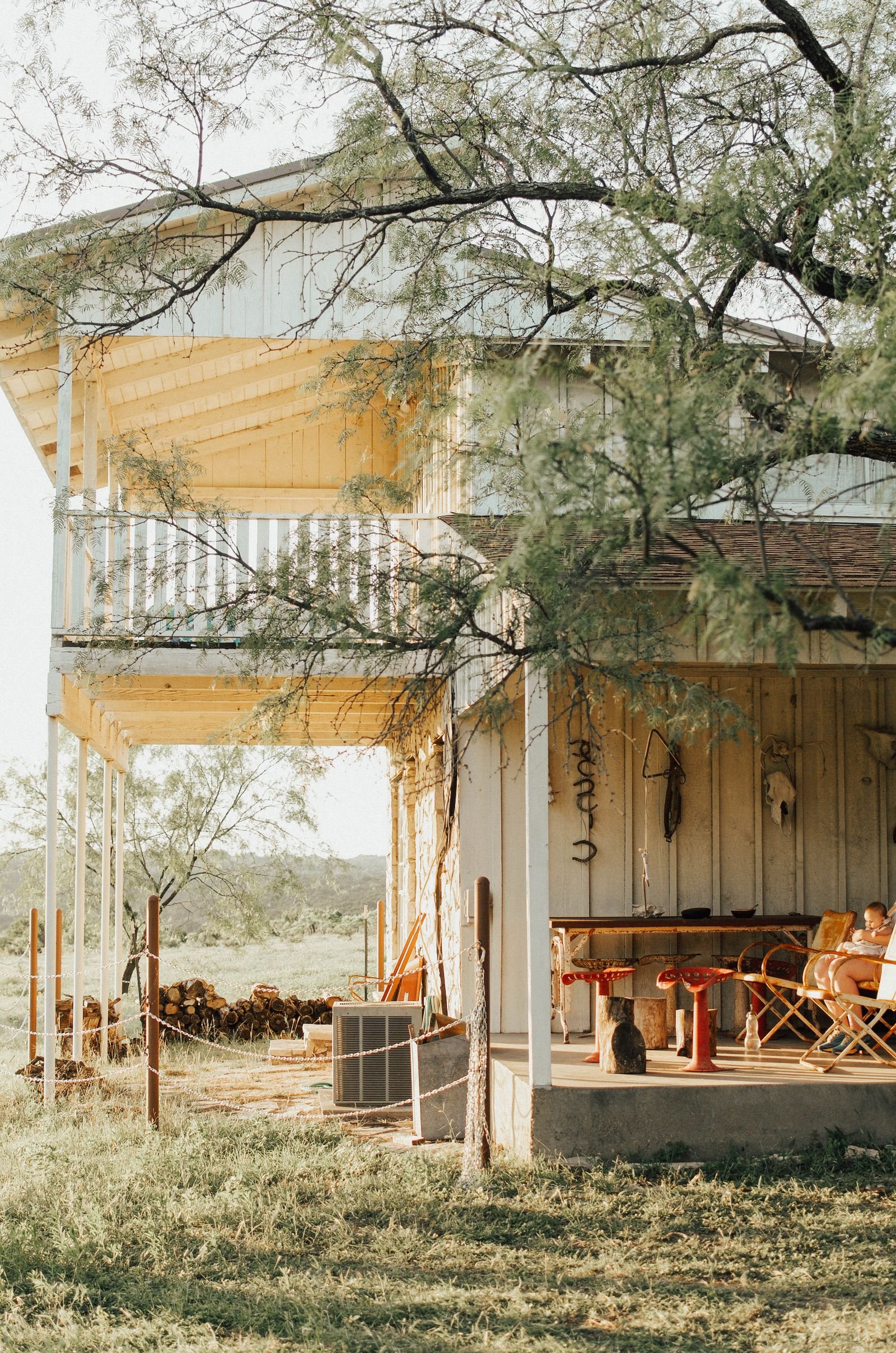
Rustic style brings warmth and nature indoors. Wood, stone, wool and linen in earthy colors create a welcoming, homey feel. Think of a cabin in the woods, with solid furniture and handmade touches.
Vintage Charm
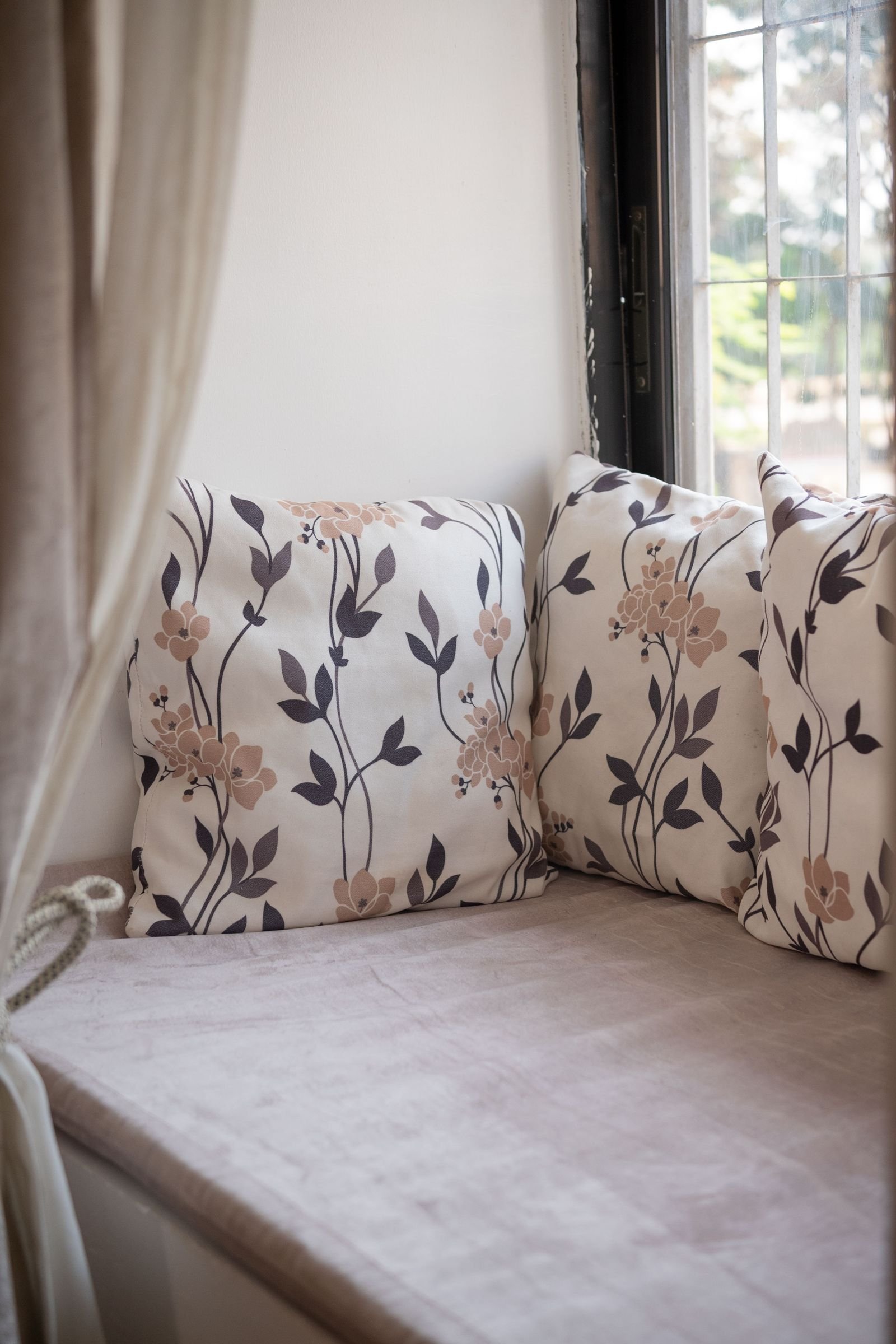
Vintage style mixes older pieces with soft colors and gentle patterns. Antiques, pastel shades and floral prints add character and history. It suits anyone who likes nostalgia and pieces with a story.
Bohemian and Eclectic
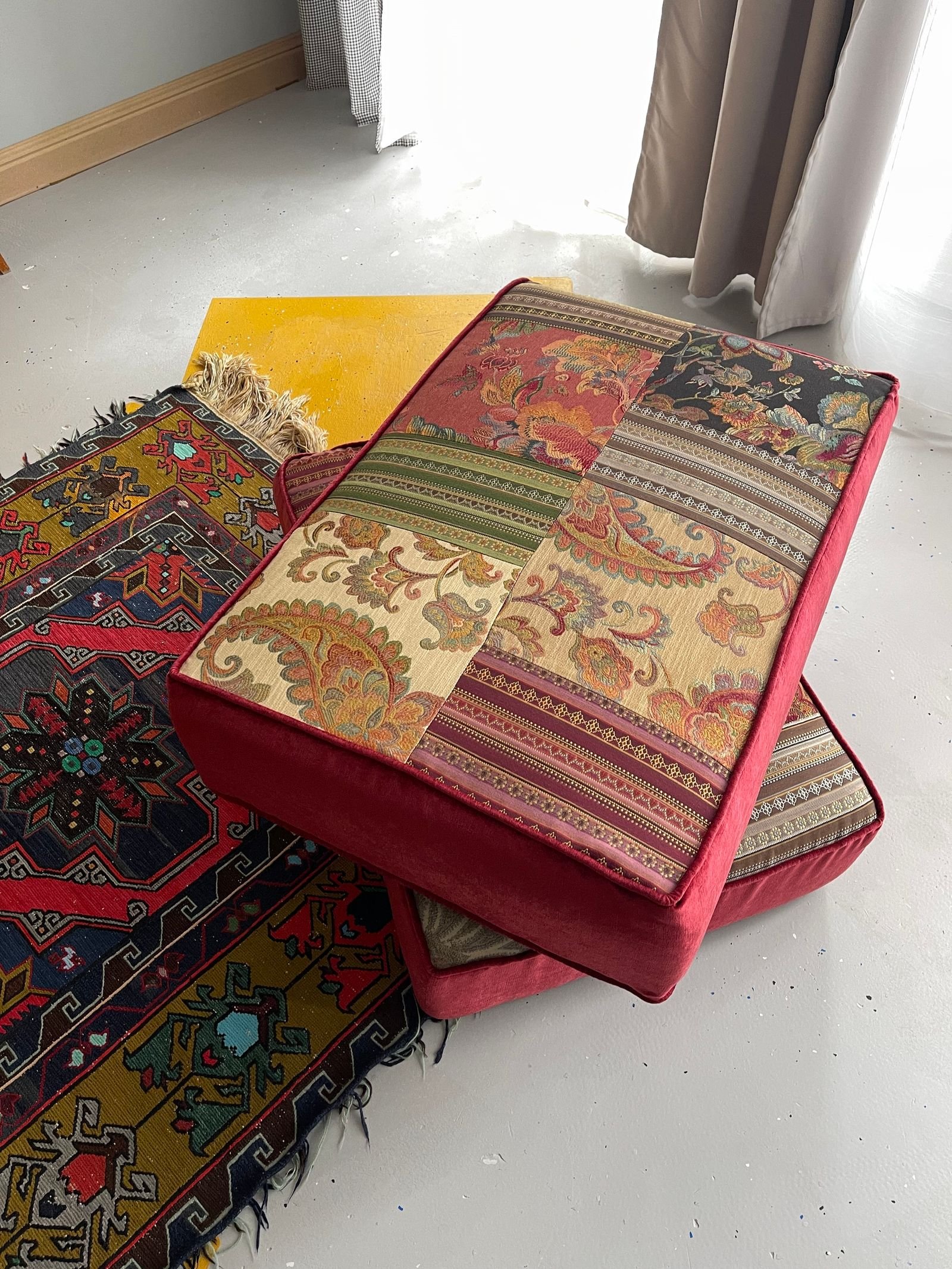
Bohemian style celebrates color, pattern and texture, with art and objects from many places. An eclectic mix goes further and blends old with new, bold with soft. It is creative and personal, so keep one or two shared colors to tie everything together.
Classic Elegance
Classic style offers timeless beauty with refined details. Rich colors, traditional furniture, fine fabrics and polished wood create a graceful, sophisticated look.
Pick a Color Scheme That Works
Color sets the mood of a room more quickly than anything else. A good scheme brings harmony and makes your style visible.
Start With the Room’s Purpose
Think about how you use the room. Soft blues and greens bring calm to bedrooms, while warm yellows and oranges add energy to kitchens and living areas. Light colors make small rooms feel bigger, and dark colors add coziness to large ones. Check paint samples in your own light at different times of day before you commit.
Balance Neutral and Bold Tones
Neutral shades such as white, beige and gray work almost anywhere and make spaces feel open and clean. Bold colors such as deep blue, red or rich green bring drama and personality. Combine them for balance. A popular rule is 60 percent main color, 30 percent secondary color and 10 percent accent.
Try Pastels and Monochrome
Pastels such as light pink, mint and baby blue feel gentle and fresh, especially in bedrooms and nurseries. A monochromatic scheme uses several shades of one color, such as navy, mid blue and pale blue. It looks neat, adds depth and is easy to decorate around.
Use Accent Walls and Patterns
An accent wall in a strong color gives a room a focal point. Patterns such as stripes, florals and geometric shapes add interest, but keep them simple and limit them to a few items so the room does not look busy.
Choose Furniture That Fits
Furniture shapes the look, comfort and flow of every room. Think about size, style and function before you buy.
Pick Statement Pieces
A bold sofa or a colorful chair can brighten a dull room and become its focal point. Limit statement pieces to one or two per room and keep the others simple to avoid a crowded look.
Use Multipurpose and Space-Saving Furniture
Sofa beds, storage ottomans, extending tables and stackable chairs do more with less space. Slim shelves, wall-mounted desks and nesting tables work well in small homes.
Arrange for Flow and Comfort
Leave at least 30 inches (75 cm) for walkways and avoid blocking doors or windows. Group seating so people can talk easily, and balance filled areas with open ones. Mixing modern pieces with vintage finds adds warmth and contrast, especially if you match colors or materials.
Layer Your Lighting
Lighting changes how a room looks and feels. Use more than one source so you can adjust the mood.
Ambient, Task and Accent Light
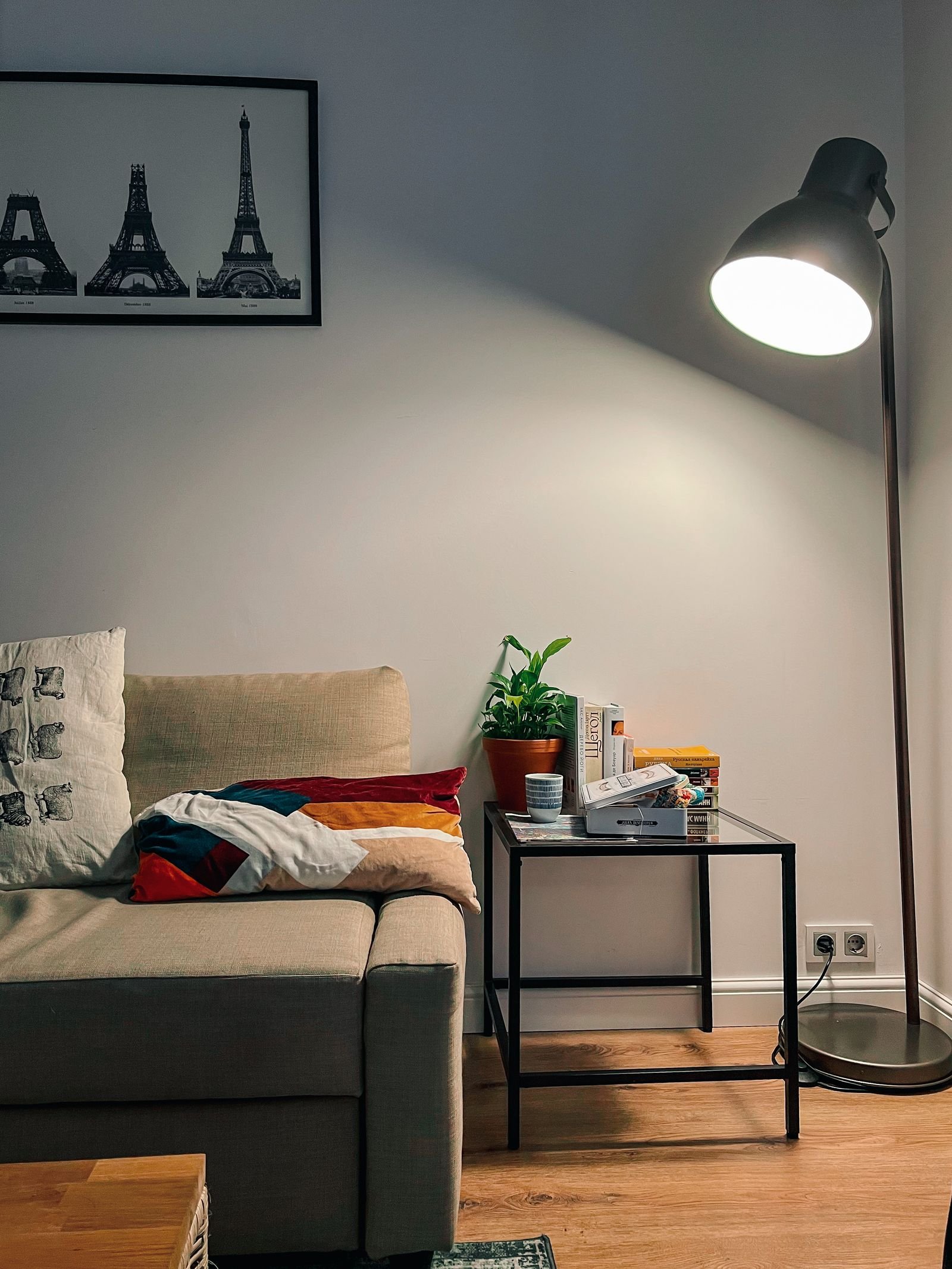
Ambient light fills the room with soft, general light from ceiling fixtures or wall lights. Task light helps with reading, cooking and working, using desk lamps, pendants or under-cabinet strips. Accent light highlights art, plants or shelves with spotlights, sconces or LED strips. Warm bulbs feel cozy, and dimmers let you change the brightness at any time.
Statement Fixtures
A chandelier or a distinctive lamp can act as the centerpiece of a room. Choose a bold shape or color that matches your style, and hang a dining pendant about 30 to 36 inches (75 to 90 cm) above the table.
Make the Most of Daylight
Sheer curtains or blinds soften sunlight. Mirrors and light colors bounce daylight deeper into the room. Keep windows clean and clear, and daylight will brighten your mood and reduce the need for lamps.
Decorate the Walls
Walls are a large canvas. Small changes here can have a big effect.
Gallery Walls and Prints
Mix frames of different sizes and colors for a lively gallery wall, arranged in a grid or an organic shape. Lay the frames on the floor first, then trace them on paper and tape the paper to the wall to test the layout. Hang art with its center about 57 inches (145 cm) from the floor. See our guide to decorating with wall art for more.
Mirrors
Mirrors reflect light and make rooms look bigger. Hang a large one opposite a window to bounce daylight around. Decorative frames add style, and a group of smaller mirrors makes an eye-catching display.
Shelves and Wall Hangings
Floating shelves keep the look clean and free the floor. Group items in odd numbers and mix heights and textures. Tapestries and fabric art add softness to bare walls.
Add Textiles and Rugs
Fabrics soften hard surfaces, add color and warmth, and help control sound.
Curtains and Rugs
Light fabrics brighten a space, and heavy ones add coziness. Hang curtain rods higher than the window frame to make the room look taller. Rugs define areas and add comfort. Choose a size so that at least the front legs of the sofa and chairs sit on the rug, and pick durable fibers such as wool for busy areas.
Pillows and Throws
Mix cotton, wool and velvet for rich texture, and vary shapes and sizes to create depth. Changing pillow covers is one of the easiest ways to refresh a room, and you can swap fabrics with the seasons.
Think About Flooring
Floors set the tone of the whole space, so they need to be both stylish and practical.
Hardwood and Laminate
Hardwood has a warm, classic look and lasts for many years. Laminate imitates wood at a lower cost and is easy to clean, which suits busy homes.
Tiles and Vinyl
Tiles come in many colors and styles, and they are water-resistant, so they suit kitchens and bathrooms. Vinyl is soft, quiet and budget-friendly, and it is simple to install.
Bring in Greenery and Natural Elements
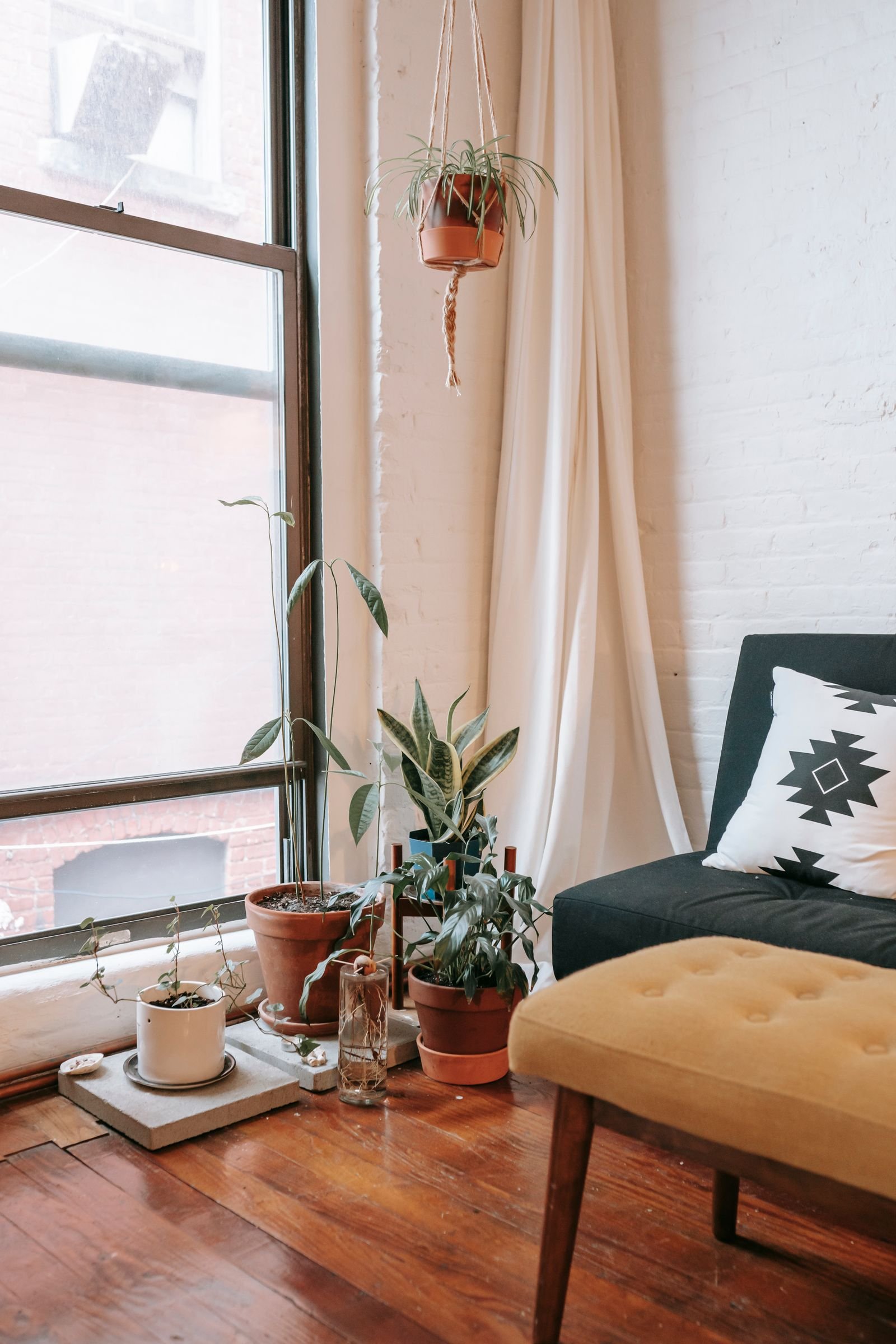
Plants make rooms feel fresh and lively and add color without much cost. Choose plants that match the light in your home, and start with easy ones such as snake plants, pothos and spider plants. Succulents and cacti suit sunny desks and shelves, and trailing plants look good in hanging pots. For more ideas, read our guide to decorating your home with plants.
Wood and stone add natural texture. A wooden table, a stone tray or a woven basket brings a calm, earthy feel to any room. A small indoor garden of herbs on a kitchen windowsill is both pretty and useful.
Plan Smart Storage
Storage keeps your decor looking intentional instead of cluttered.
Hidden Storage
Choose ottomans, benches and beds with built-in storage to keep things out of sight but within reach. Baskets and bins hide small items, and labels help you find things quickly.
Open Shelving
Open shelves show off books, plants and favorite objects. Use baskets or boxes for small items so the shelves look tidy rather than messy.
Declutter Regularly
Sort items into keep, donate and toss piles, and work on one room at a time so you do not feel overwhelmed. Keep only what you use or love, and clear surfaces so your decor can shine.
Add DIY and Personal Touches
Personal details make a home unique. They also cost little.
Upcycle and Make Your Own
Sand and paint old chairs, swap handles on a dresser, or turn a ladder into a shelf. Sew cushion covers from fabric you love, or paint a simple canvas for the wall. Handmade pieces add charm and tell your story.
Display What You Love
Group collectibles on shelves or in a glass cabinet, and use lighting to highlight special pieces. Frame favorite photos in matching frames, and display travel finds such as baskets, pottery and textiles. These items add culture and meaning.
Don’t Forget Outdoor Spaces
A patio or garden extends your living space, so decorate it with the same care.
Patio Furniture and Lighting
Choose weather-resistant materials such as metal, treated wood or all-weather wicker, and add cushions for comfort. String lights, solar lights along paths and spotlights on trees make the space safe and inviting after dark.
Plants and Planters
Mix flowers, shrubs and small trees in pots so you can change the look easily. Pick plants that suit your climate and sunlight, and group them to form natural borders and focal points.
Frequently Asked Questions
What Are the Easiest Home Decoration Ideas?
Add plants, new pillows and wall art. These simple changes refresh a room without much cost or effort.
How Can I Decorate My Home on a Budget?
Use DIY projects, repurpose old items and shop at thrift stores. Rearranging furniture and changing small accessories also give a fresh look at little cost.
What Colors Are Best for Home Decoration?
Neutral colors such as beige, gray and white make a calm base. Add bold accents in pillows, rugs or art for energy and personality. Choose shades based on natural light and room size.
How Do I Choose the Right Decor Style?
Think about your lifestyle, your preferences and the furniture you already own. Collect pictures of rooms you like, look for what they share, and pick the style that matches.
Conclusion
Decorating your home is about creating a warm, welcoming space that fits the way you live. Start with a clear style, choose a simple color scheme and add furniture, lighting and soft touches in layers. Small changes can bring big results.
Take your time, begin with one room and enjoy the process. Keep your style simple and true to you, and your home will become a place you love to come back to.