Gray and yellow is one of the most popular nursery color pairs. Gray is calm and neutral, yellow is warm and cheerful, and together they suit a baby of any gender and work with almost any style.
This guide covers choosing the shades, furniture, wall treatments, textiles, lighting, accessories and the safety points that matter most in a baby room. The ideas are simple, and most can be changed as your child grows. For more room-by-room ideas, see our guide to home decor for the bedroom.
Choose the Right Shades
The wrong tones can make a nursery feel cold or too bright. The right mix feels warm, calm and fresh. Start by deciding on one main color and one accent, and test paint samples on the wall before you buy.
Balance Gray and Yellow Tones
Too much gray can feel dull, and too much yellow can feel overwhelming. A good guide is to use soft gray as the main color on walls and larger items, and yellow in smaller amounts through cushions, a lamp or art. Add white to keep the room light.
Warm vs Cool Hues
Gray comes in warm shades with a brown or beige undertone, and cool shades that lean blue. Yellow ranges from soft gold, which is warm, to lemon, which is cooler. Warm shades suit a snug, cozy nursery. Cool shades suit a bright, airy room. Check your samples in daylight and in the evening, as the light changes how they look.
Select the Furniture
Furniture sets the tone of the room and does most of the daily work. Choose pieces that are safe, easy to clean and simple in shape, so they let the colors stand out. For a classic look that lasts, our guide to timeless home decor helps you choose pieces that will not date.
Choose Functional and Stylish Pieces
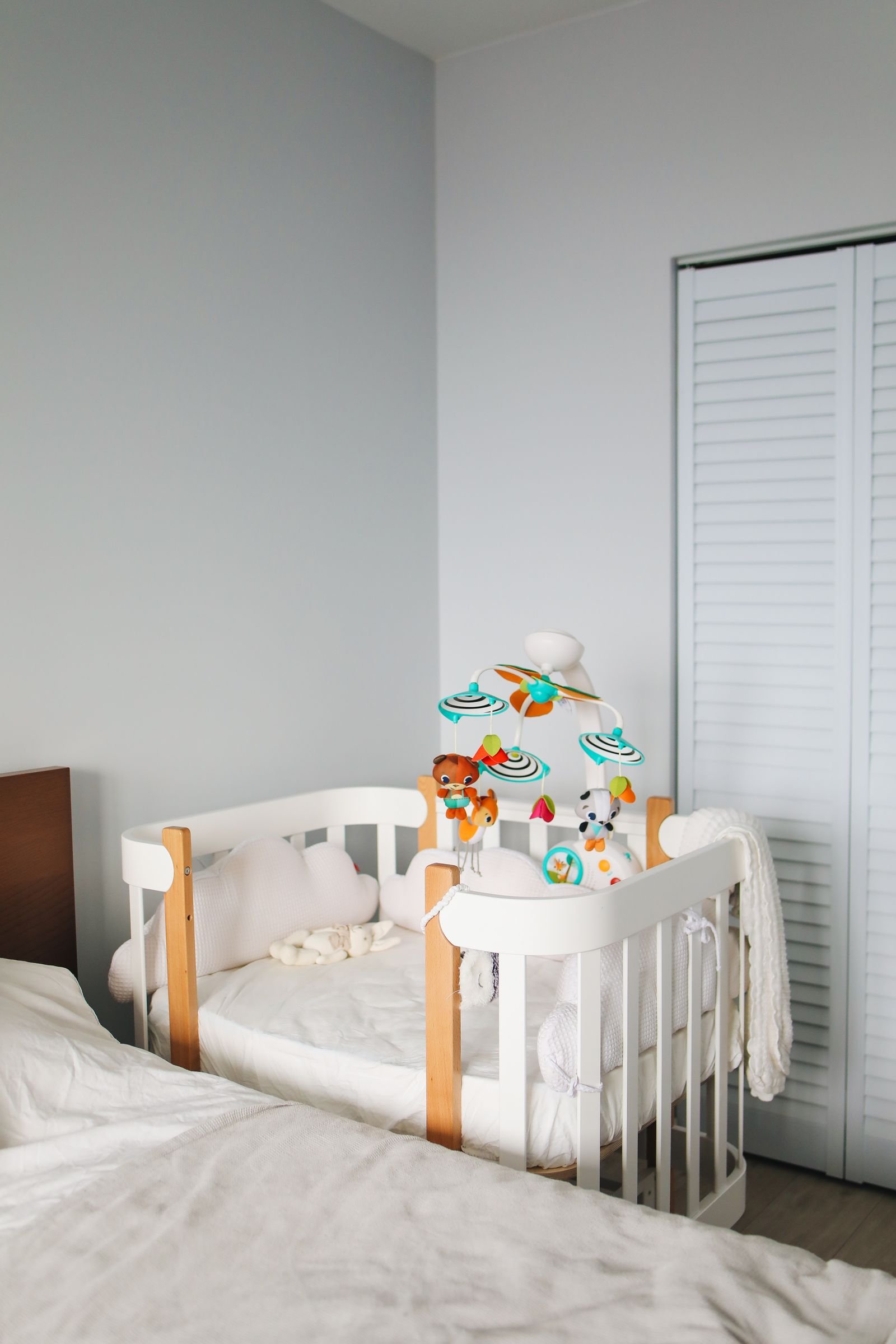
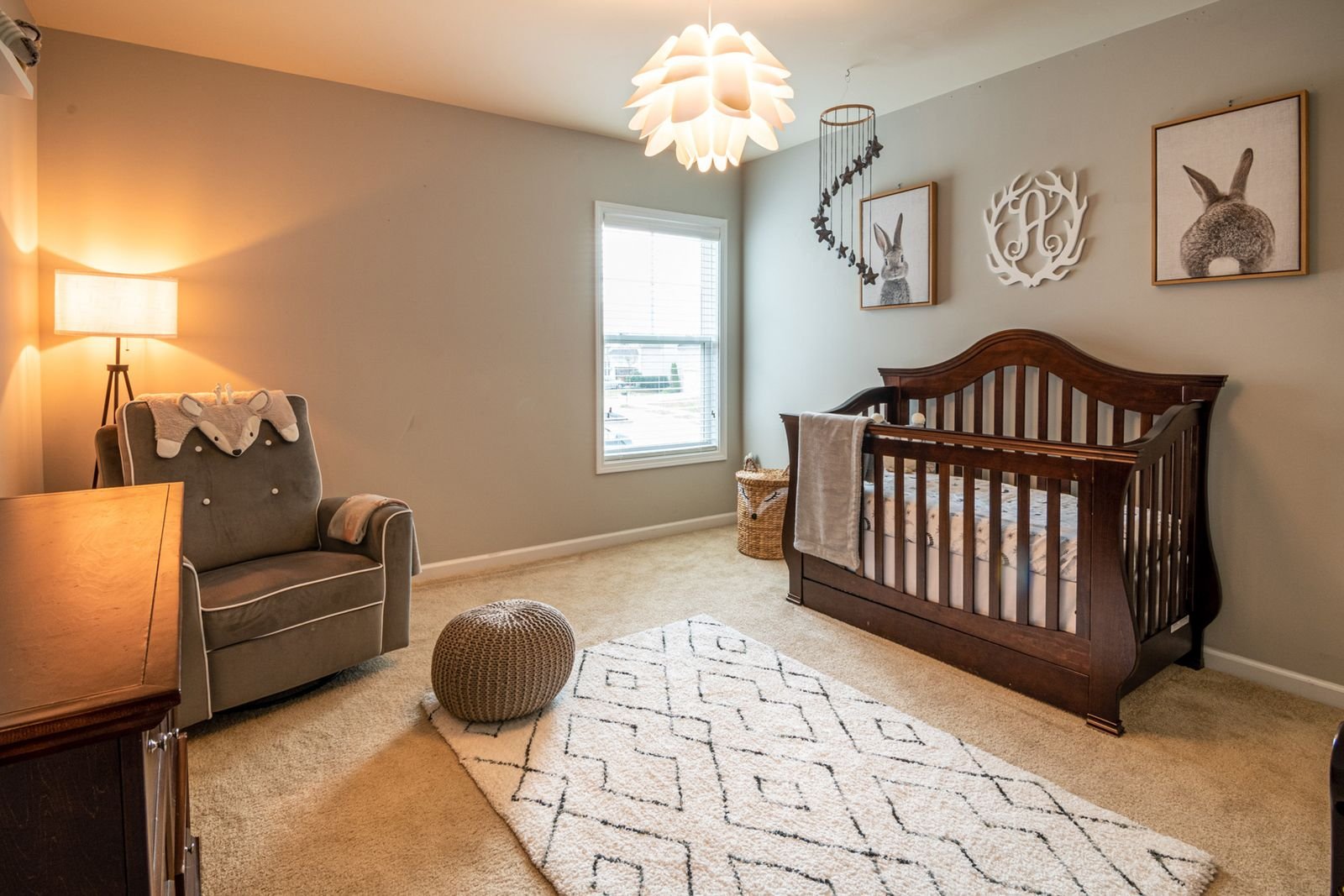
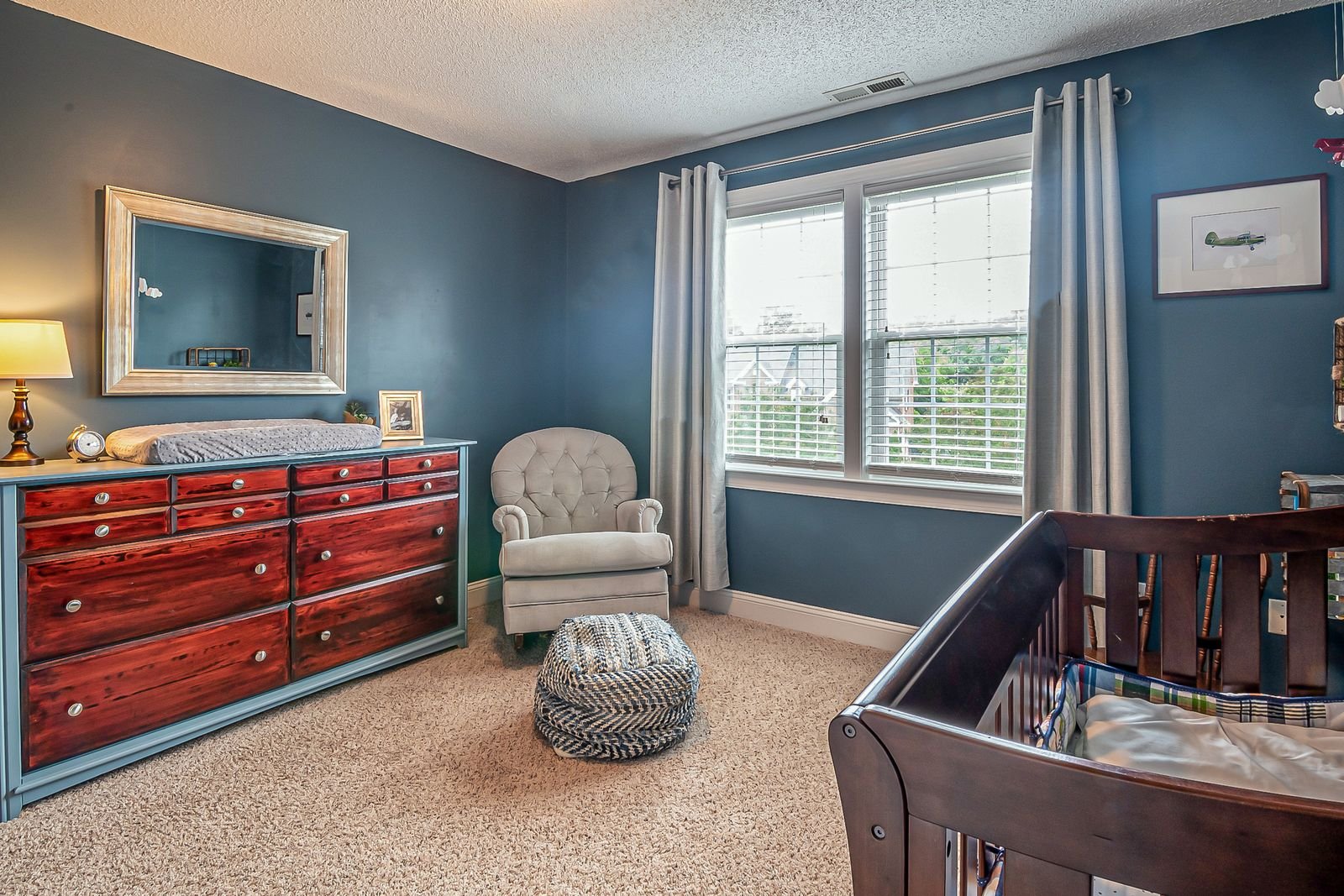
A crib with clean lines suits a gray and yellow scheme. A changing table with open shelves or drawers keeps diapers and clothes within reach. A comfortable rocking chair or glider helps during feeding and soothing. White or light wood furniture lets the colors stay fresh.
Mix Materials and Textures
Wood adds warmth, soft fabric on a chair adds comfort, and a small metal accent such as a lamp base gives a modern touch. Mixing smooth and textured surfaces makes the room feel balanced and inviting.
Plan the Wall Treatments
Walls set the tone for a baby room. Choose designs that are calm and easy to change as your baby grows, and avoid very busy patterns.
Add Accent Walls With Patterns
Choose one wall, usually the one behind the crib or the changing table, and add stripes, polka dots or a simple geometric print in yellow and gray. Soft tones keep the room calm. Keep the other walls plain.
Use Wallpaper and Paint
Gentle wallpaper in gray and yellow adds texture, and paint gives a clean, simple look. A combination works well, such as gray paint on three walls and yellow wallpaper or paint on one. Peel-and-stick wallpaper is easy to remove, and washable paint makes wiping off marks simple. Choose low-VOC paint, and paint the room several weeks before the baby arrives so that it can air out.
Add Textiles and Soft Furnishings
Textiles bring comfort to the room. They are also the easiest way to bring in yellow without painting a wall.
Blankets and Pillows
Choose soft, breathable fabrics such as cotton and muslin in gray and sunny yellow. Drape a blanket over the rocking chair and add a small pillow for you to lean on during feedings. Check labels for hypoallergenic materials if your baby has sensitive skin. Keep pillows, blankets and soft toys out of the crib for babies under 12 months, since they raise the risk of suffocation.
Curtains and Rugs
Light gray curtains with a yellow trim or lining soften the light and add privacy. Blackout lining helps with naps. A low-pile rug in the same palette gives crawling babies a soft, safe play area, and it is easy to vacuum. Use a non-slip pad underneath.
Choose the Lighting
Nursery lighting must be gentle for night feedings and bright enough for daytime play. Use several sources so you can adjust the room to each situation.
Soft Ambient Lighting
Dimmable ceiling lights or warm LED strips give a calm glow without harsh brightness. A dimmer lets you lower the light for night feedings and diaper changes so the baby settles back to sleep more easily. Soft light also makes gray walls look smooth and yellow accents glow.
Decorative Lamps and Fixtures
A lamp with a gray or yellow shade ties the lighting to the color scheme. Choose night lights with soft shapes that give a low glow without glare. Table lamps and wall sconces brighten corners. Place lamps out of reach, and keep cords tidy and away from the crib.
Finish With Decorative Accessories
Accessories bring personality to the room. Choose a few pieces that match your colors and avoid cluttering the surfaces.
Art and Wall Decor
Prints with simple shapes and soft colors, such as animals, clouds or stars, suit a nursery. White or natural wood frames keep the look fresh. Wall decals are easy to change later. For hanging tips, see our guide to decorating with wall art. Never hang heavy frames or shelves above the crib.
Toys and Storage Solutions
Choose toys in gray, yellow or natural wood, such as plush animals and stacking blocks. Keep them in baskets or bins that match the room. Open shelves and cubbies with labels make tidying easy. Fabric bins add softness and color without clutter.
Prioritize Safety and Practicality
A nursery has to be safe as well as pretty. A few simple choices protect your baby and keep daily care easy.
Use Non-Toxic Materials
Choose paints, finishes and furniture labeled non-toxic or low in volatile compounds. Natural fibers such as cotton and wool are good fabric choices. Air out new furniture and rugs before use. Look for products that meet current safety standards.
Choose Easy-to-Clean Surfaces
Smooth walls, wipeable furniture and washable fabrics save time. If you use a rug, choose a low-pile type that you can vacuum often, and avoid thick carpets that hold dust. A tidy, clean room is easier to keep safe and calm.
Follow Safe Sleep Basics
Place the crib on a flat floor away from windows, blind cords and heaters. Use a firm, flat mattress with a fitted sheet and nothing else in the crib. Anchor dressers and shelves to the wall so they cannot tip over.
Frequently Asked Questions
What Colors Match Well With Gray and Yellow for Baby Rooms?
Soft white, pale blue and gentle green blend nicely with gray and yellow. These colors keep the room calm and cheerful.
How Do I Balance Gray and Yellow in Baby Room Decor?
Use gray for larger areas such as walls and furniture, and yellow for accents such as pillows or lamps. This keeps the room bright without overwhelming it.
What Furniture Suits a Gray and Yellow Baby Room?
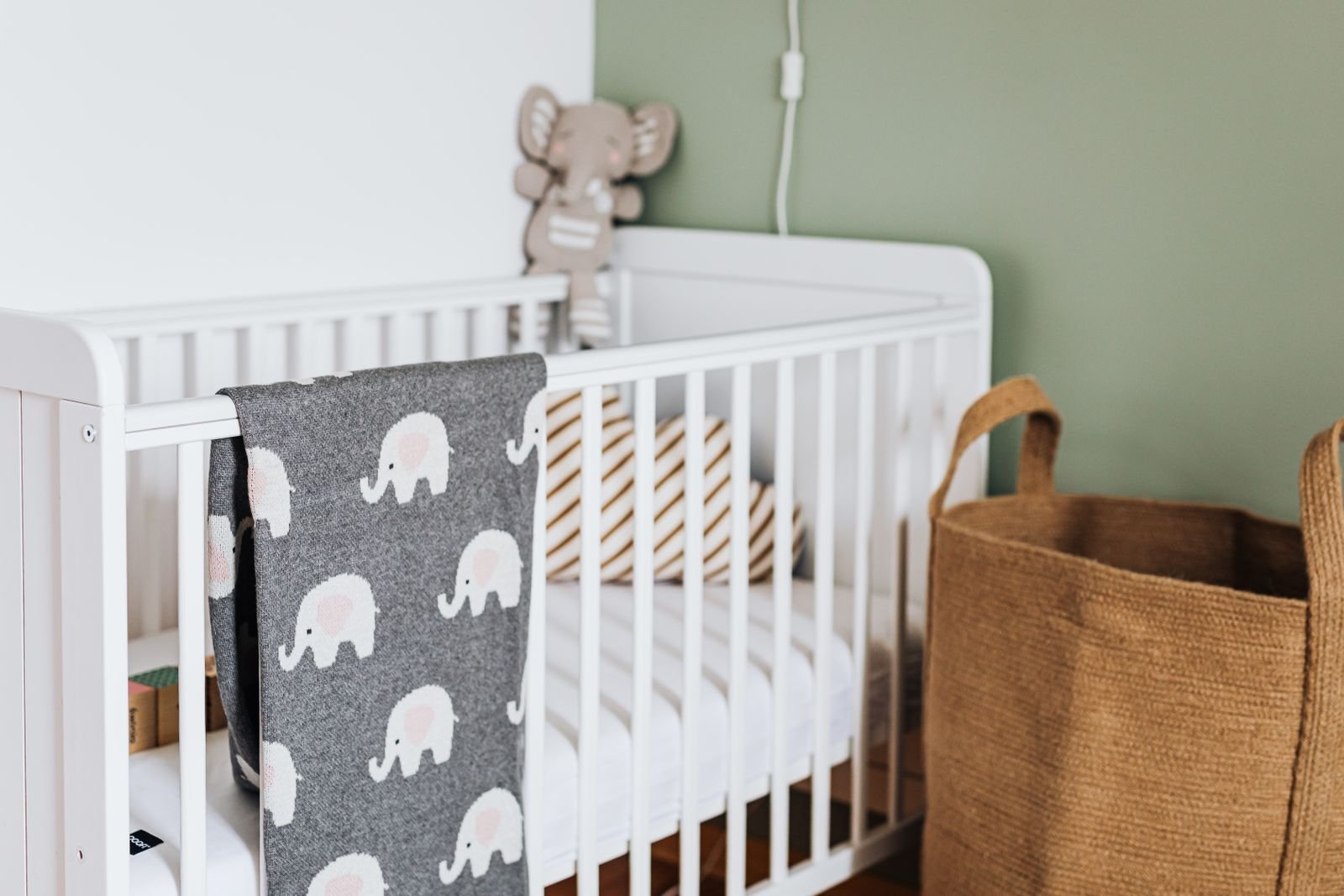
White or light wood furniture works best. It adds warmth and keeps the room fresh.
Can Patterns Work With Gray and Yellow Baby Room Themes?
Yes. Simple patterns such as stripes or polka dots add fun without clutter. Choose soft designs to keep the room relaxing.
How Do I Add Personal Touches to a Gray and Yellow Baby Room?
Frame baby photos, add handmade toys or hang a personalized name sign. These items make the space feel special and welcoming.
Conclusion
Gray and yellow make a calm, cheerful nursery that suits many styles. Use soft gray for walls, add yellow in small touches, and layer in warm textiles and gentle lighting. Keep safety first with a clear crib and anchored furniture. The result is a room that feels peaceful for your baby and for you.