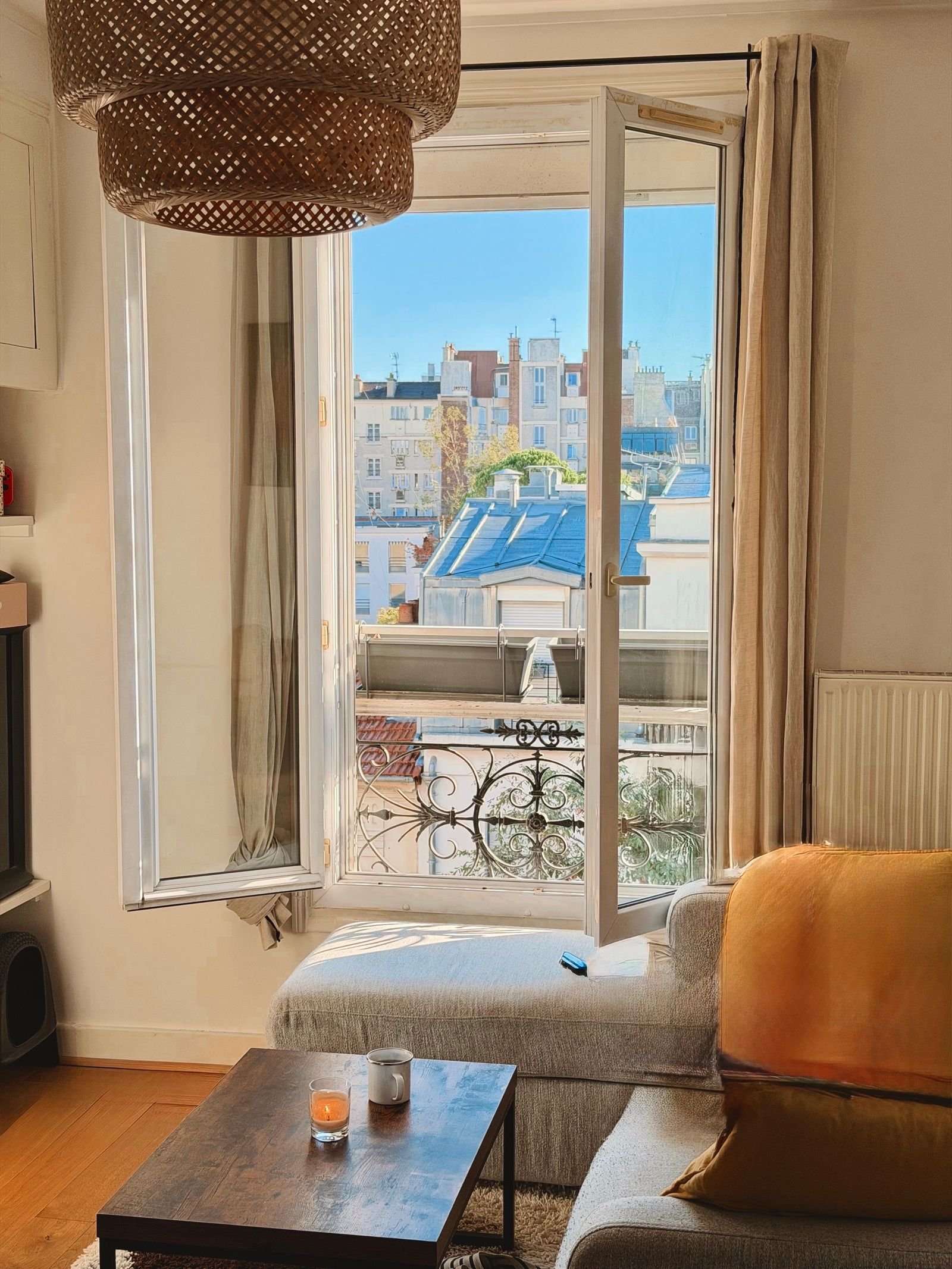
A stylish home does not need expensive furniture or a big shopping trip. With a clear plan, a few smart purchases and some creativity, you can make your rooms look fresh, cozy and personal on a tight budget.
This guide covers budget style basics, secondhand furniture, paint, wall art, lighting, plants, textiles, storage and seasonal updates. Start with one or two ideas and build from there.
Budget-Friendly Style Basics
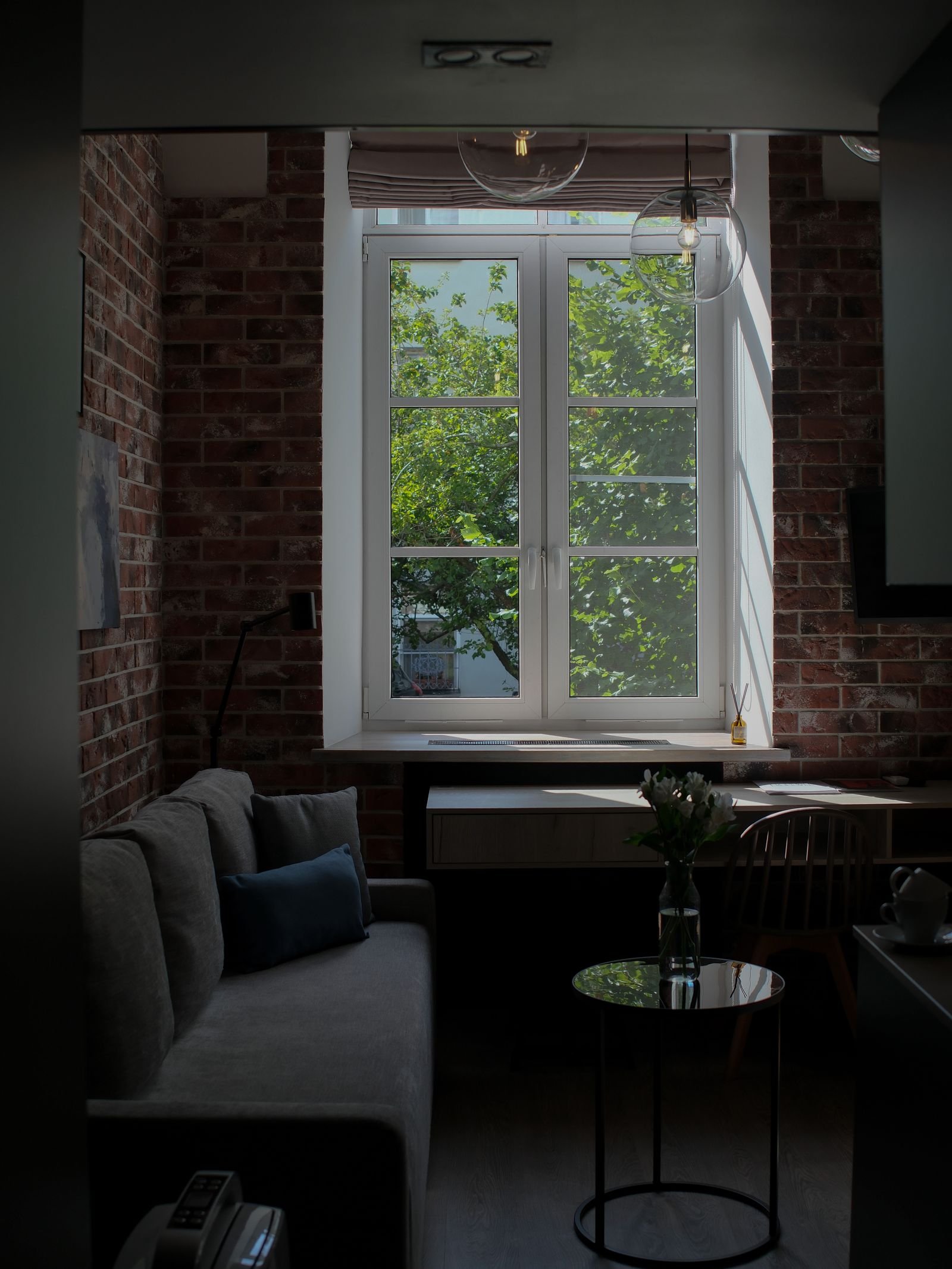
Simple choices make a room look planned and calm. Begin with these basics before you spend anything.
Choose a Color Palette
Pick one main color and two or three accent colors. This keeps the room balanced. Light wall colors brighten a space without extra lamps, and pops of color in pillows, rugs or curtains cost far less than repainting or replacing furniture.
Mix Textures and Patterns
Combine soft fabrics, rough wood and smooth metal for depth. Use patterned cushions or throws to break up plain surfaces, and keep the patterns in the same color family so they do not clash. Layers of texture make a room cozy without extra cost.
Focus on a Few Key Pieces
Spend on the items you use every day, such as a sturdy sofa, a solid table and good lighting, and build the rest around them. Buy the rest secondhand or on sale. Measure your space before you buy so nothing arrives too big.
Affordable Furniture Finds
Good furniture does not have to be new. A little effort and patience will find you pieces with more character than most store-bought sets.
Thrift Store Treasures
Thrift stores, flea markets and online marketplaces sell chairs, tables and shelves at low prices. Look for solid wood and sturdy joints, and check drawers and legs for wobble before you buy. Visit often, since stock changes quickly. Most pieces need only cleaning or a quick fix.
Upcycle Old Furniture
A coat of paint can make a tired piece look new. Start by sanding off the old finish: use medium-grit sandpaper on rough areas, then fine-grit for smoothness, and wipe the dust with a damp cloth. Choose paint or a stain, apply thin even coats and seal with a clear coat. Chalk paint gives a soft matte finish. New knobs or handles also update drawers and cabinets for a few dollars. Our guide to DIY home decor you can make yourself has more project ideas.
Choose Multipurpose Pieces
Beds with storage drawers, ottomans that open and fold-out tables save space and money. A sofa bed is useful in a small home or a guest room. Fewer, more useful items also keep a home tidy.
Paint Your Way to a New Look
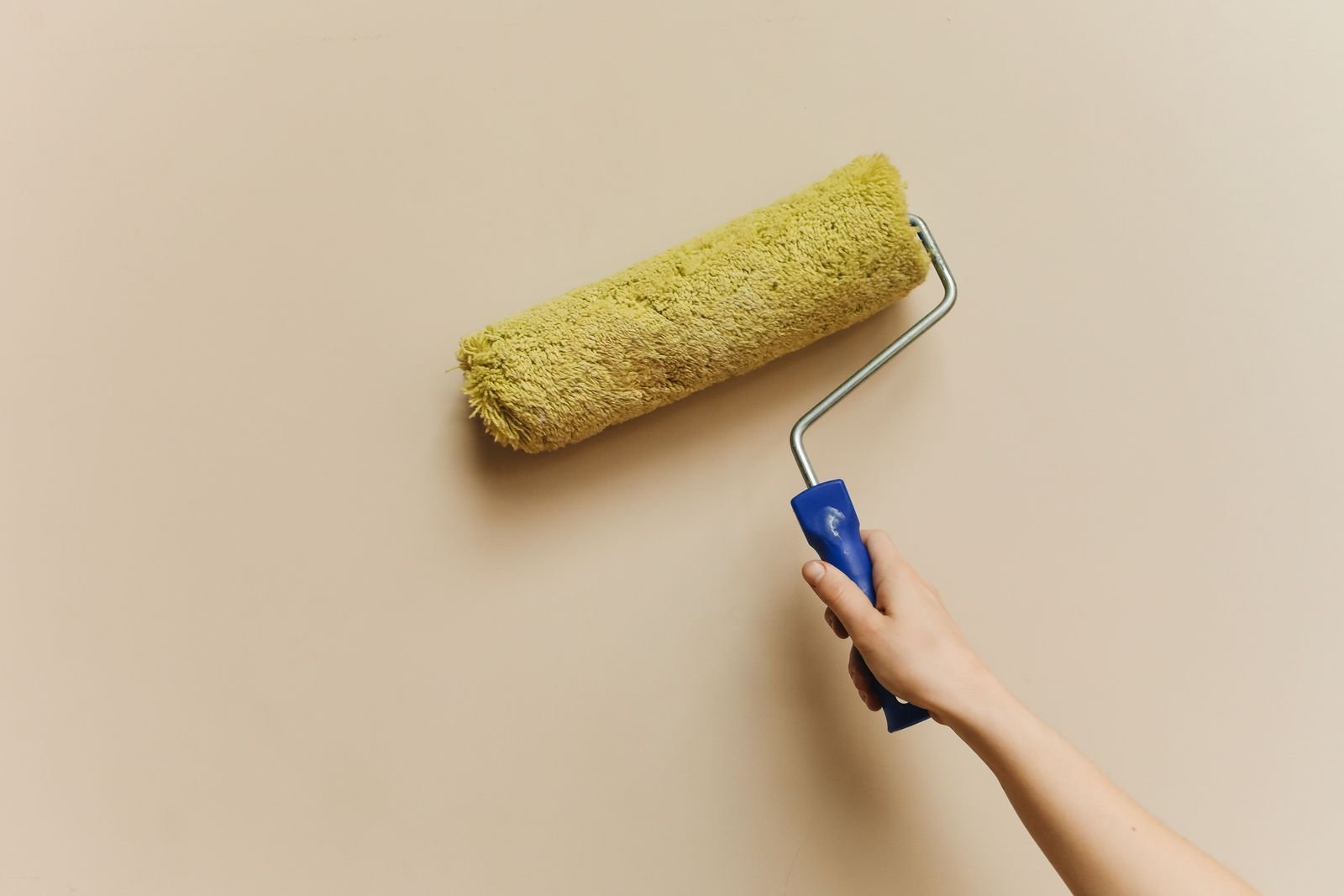
Paint is one of the cheapest ways to change a room.
Buy Smart
Compare store brands, check clearance shelves and choose paint with good coverage to cut the number of coats. Buy sample pots to test colors on the wall before committing, and look at them in the morning and evening light.
Create an Accent Wall
Paint one wall instead of the whole room. Choose a bold shade, use painter’s tape for crisp edges, and keep the other walls light. An accent wall behind a bed or sofa gives you a focal point for the price of one can.
Try Simple Stenciling
Stencils from cardboard or a craft store add pattern to a wall or a piece of furniture. Dab the paint lightly with a nearly dry brush so it does not bleed under the edges.
Creative Wall Decor
Walls give you a lot of space to work with, and affordable options are plentiful.
Gallery Walls on a Budget
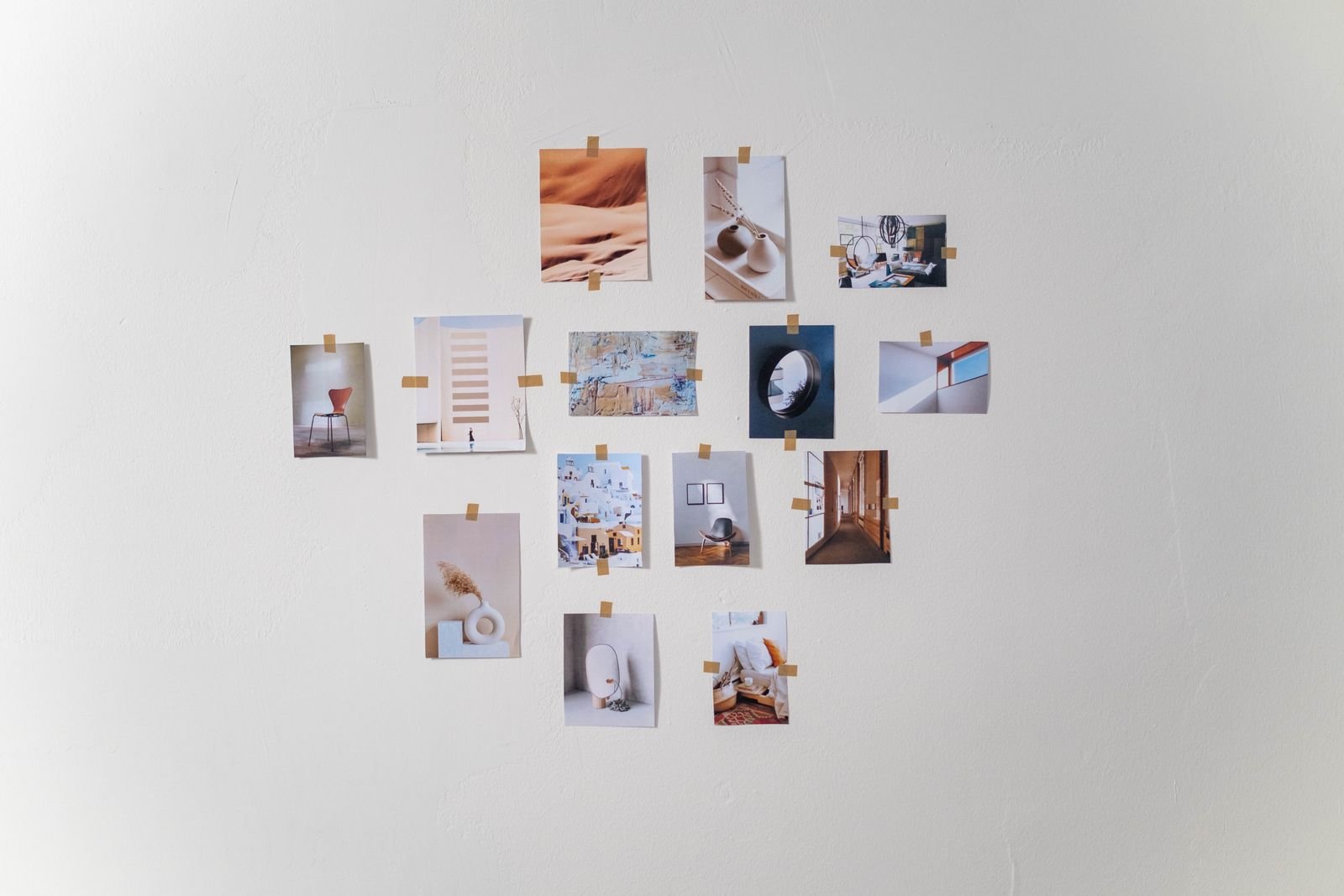
Collect frames from thrift stores and dollar shops, and print your own photos at home. Mix sizes for interest. Lay the frames on the floor first to find the best layout, then hang them close together for a cozy feel.
Removable Wallpaper
Peel-and-stick wallpaper is a good choice for renters. Use it on one wall for a feature, and peel it off when you want a change.
Inexpensive Art and Prints
Find free printable art from trusted sites, print it and frame it. Washi tape and clips give a casual look. You can also paint a plain canvas with simple shapes, or frame fabric scraps and pressed leaves.
Budget Lighting Solutions
Good lighting makes a room feel bigger and warmer.
Layer Your Lights
Combine a ceiling light with lamps and a few small spotlights or string lights. This avoids harsh shadows and lets you control the mood. Thrift stores often have simple lamps, and a new fabric shade can update an old base.
Make the Most of Daylight
Natural light is free. Keep windows clean, choose sheer curtains and place a mirror opposite a window to bounce light around the room.
Save Energy With LEDs
LED bulbs use less power and last longer. Dimmers and timers save more, and they cost very little to fit.
Decorate With Plants
Plants add color and life to a room for very little money.
Choose Low-Cost Plants
Snake plants, pothos and spider plants need little care. Buy small plants and let them grow, or take cuttings from friends’ plants and root them in water. Local nurseries often have good prices.
Make DIY Planters
Old jars, cans and tins make good pots if you add drainage holes or use them as cache pots. Wrap them in fabric or rope, or paint them to match your room. Small crates and baskets work well too.
Place Plants Well
Put plants near windows where they get light but not harsh direct sun. Group several together for an indoor garden, vary the heights and give each one room to breathe.
Textiles and Accessories
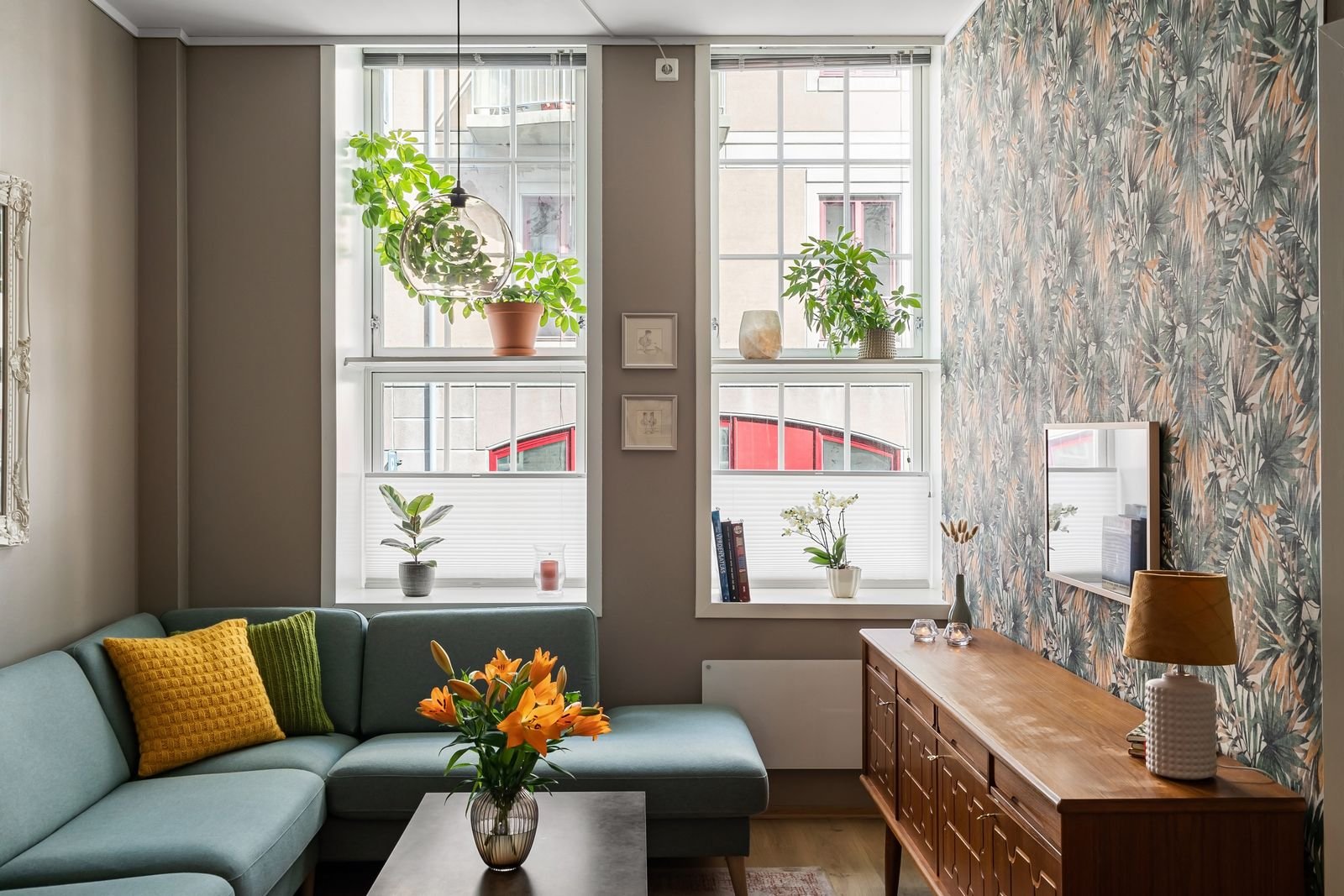
Fabric is the quickest way to add warmth and personality.
Affordable Throw Pillows
Look for sales or discount stores, and buy covers instead of whole pillows so you can swap styles easily. Mix colors and patterns for a lively look.
Thrifted and DIY Curtains
Secondhand curtains and cushions are often in good condition, and a wash freshens them up. If you can sew a straight seam, make your own curtains from plain fabric. No-sew iron-on tape also works.
Layer Rugs
Place a small rug over a larger one to add texture and define a seating area. Mix patterns and materials for a collected look, and clean old rugs before you use them.
Declutter and Organize
Decluttering costs nothing and instantly makes a room feel bigger. Sort items into keep, donate and discard piles before you buy any storage.
Maximize Small Spaces
Use vertical space with shelves and hooks. Choose furniture with storage, such as ottomans and beds with drawers, and arrange pieces so there is a clear path through the room. Mirrors and light colors help a small space feel larger.
Budget Storage Ideas
Use baskets, clear bins and secondhand crates. Label boxes so you can find things quickly. Old jars hold small items, and an unused ladder can become a towel rack or a bookshelf. Open shelving lets you display favorite pieces, so keep it organized with matching containers.
Add Personal Touches and Seasonal Updates
Personal details make a home feel like yours.
Photos and Handmade Crafts
Create a photo collage in inexpensive frames. Handmade items, such as painted jars or fabric wall hangings, feel more special than store-bought pieces and are fun to make with family. See how to turn old bottles into decor in our guide to wine bottle home decor.
Follow Trends and Seasons Cheaply
Pick one or two small trendy items each season, such as cushions or vases, and avoid buying big furniture to follow a trend. Change throw blankets, pillow covers and table settings with the seasons, and use natural items such as pinecones, leaves and branches. Store seasonal pieces carefully so you can reuse them next year. For more savings ideas, read our article on improving home decoration on a low budget.
Frequently Asked Questions
What Are Easy Ways to Decorate on a Tight Budget?
Use items you already own, such as old books, jars and fabrics. Add fresh flowers or DIY art, and rearrange furniture. Small changes can make a big difference.
How Can I Make My Home Look Stylish Cheaply?
Focus on cushions, rugs and curtains, and choose a limited color palette. Keep surfaces tidy, because a clutter-free room looks more expensive.
Where Can I Find Affordable Home Decor?
Check thrift stores, flea markets, garage sales and online marketplaces. Discount stores and end-of-season sales also offer good prices. Patience helps you find real bargains.
Can DIY Projects Save Money on Home Decoration?
Yes. DIY cuts costs and adds personality. Start with simple projects such as painted frames, no-sew cushion covers or plant pots from jars.
How Do I Organize Small Spaces Without Spending Much?
Use baskets, shelves and hooks you already have, and declutter regularly. Vertical storage frees floor space.
Conclusion
Decorating on a tight budget is possible with planning and a little creativity. Choose a simple palette, spend on a few key pieces, shop secondhand and use paint, plants and textiles for the biggest effect. Mix old and new pieces, take your time and enjoy making your space your own.

1 comment