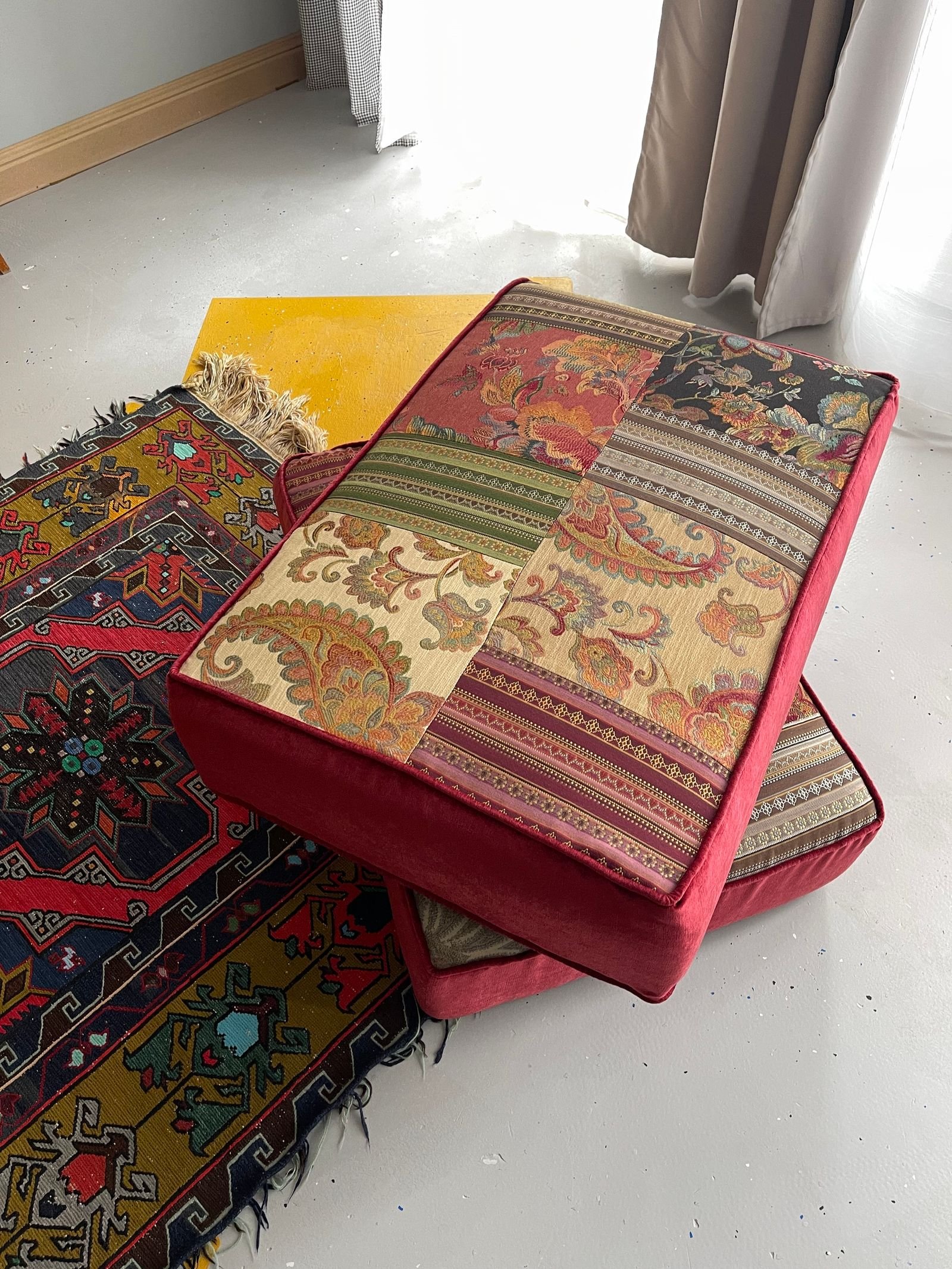
A well-chosen sculpture can make a room feel finished. It fills an empty corner, starts a conversation and shows your personality in a way that a plain accessory cannot.
This guide explains how to choose sculptures by material, size and style, which types suit which homes, where to place them, how to combine them with other decor, how to make your own, and how to care for them.
Choosing the Right Sculptures
Three things decide whether a sculpture works in your home: the material, the size and the style. Think about each before you buy.
Material Matters
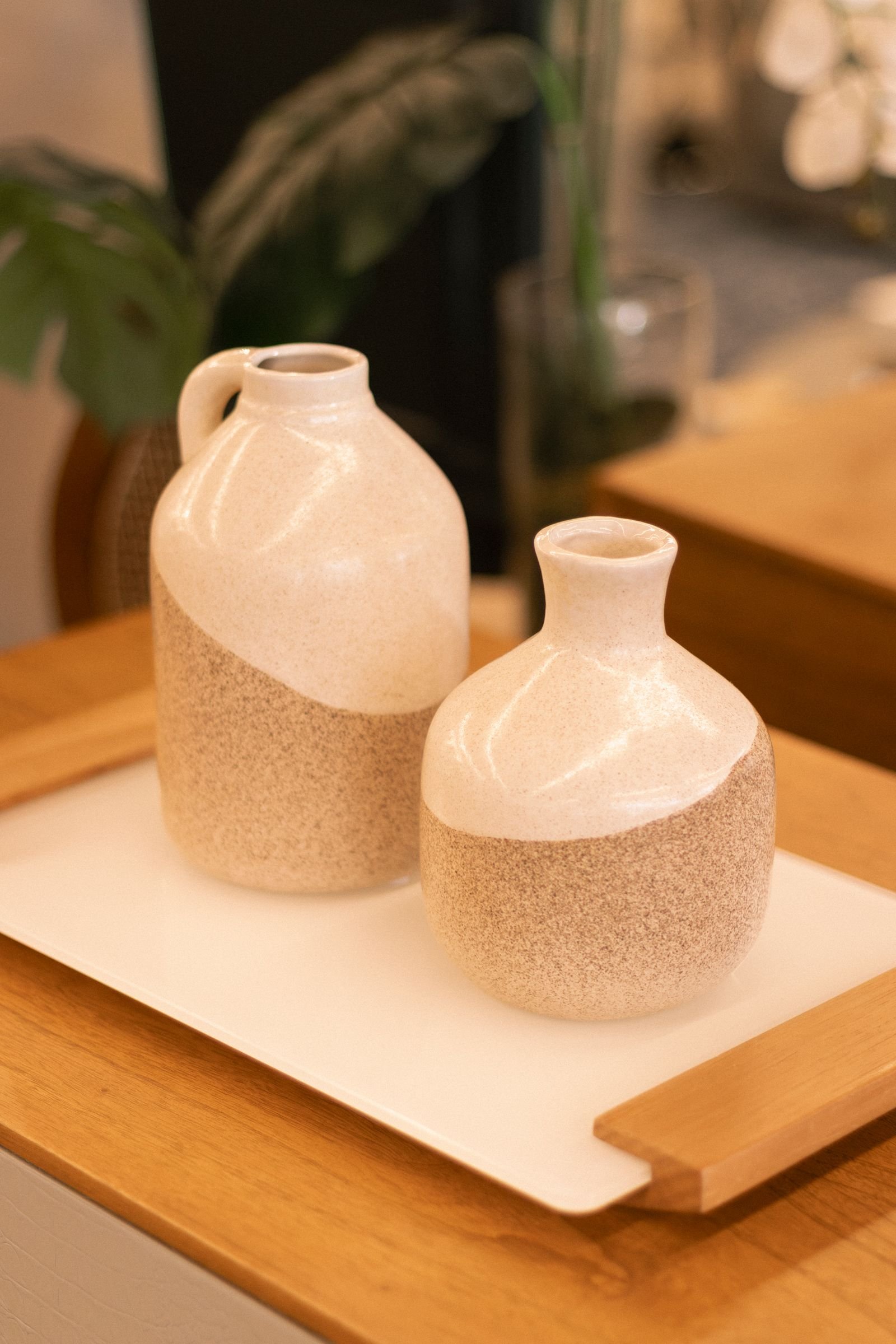
Sculptures come in wood, metal, stone, ceramic and resin. Wood brings warmth and natural charm. Metal feels modern and sleek. Stone is classic and durable, and ceramic adds color and a handcrafted feel. Think about where the piece will sit. Some materials, such as untreated wood and unglazed clay, suit indoor use better than outdoor use. Choose a material that matches the mood and light of the room.
Size and Scale Tips
Size is the key to a balanced look. A large sculpture can be the focal point of a big room, while small pieces suit shelves and desks. Measure your space before you buy, and check the height and width of the piece. It should not crowd the area or look lost in it. As a guide, match the sculpture to the furniture around it. A tall piece beside a low sofa can look odd, and a tiny one on a large console can disappear.
Style Matching
Your sculpture should suit your home’s style. Modern homes pair well with abstract or geometric shapes. Traditional rooms suit classic or figurative pieces, and rustic decor benefits from natural, rough textures. Look for colors that blend with your walls and furniture. A well-matched piece looks as if it belongs.
Popular Sculpture Types
Each type of sculpture creates a different mood. Choose the one that fits your taste and the feel you want.
Abstract Forms
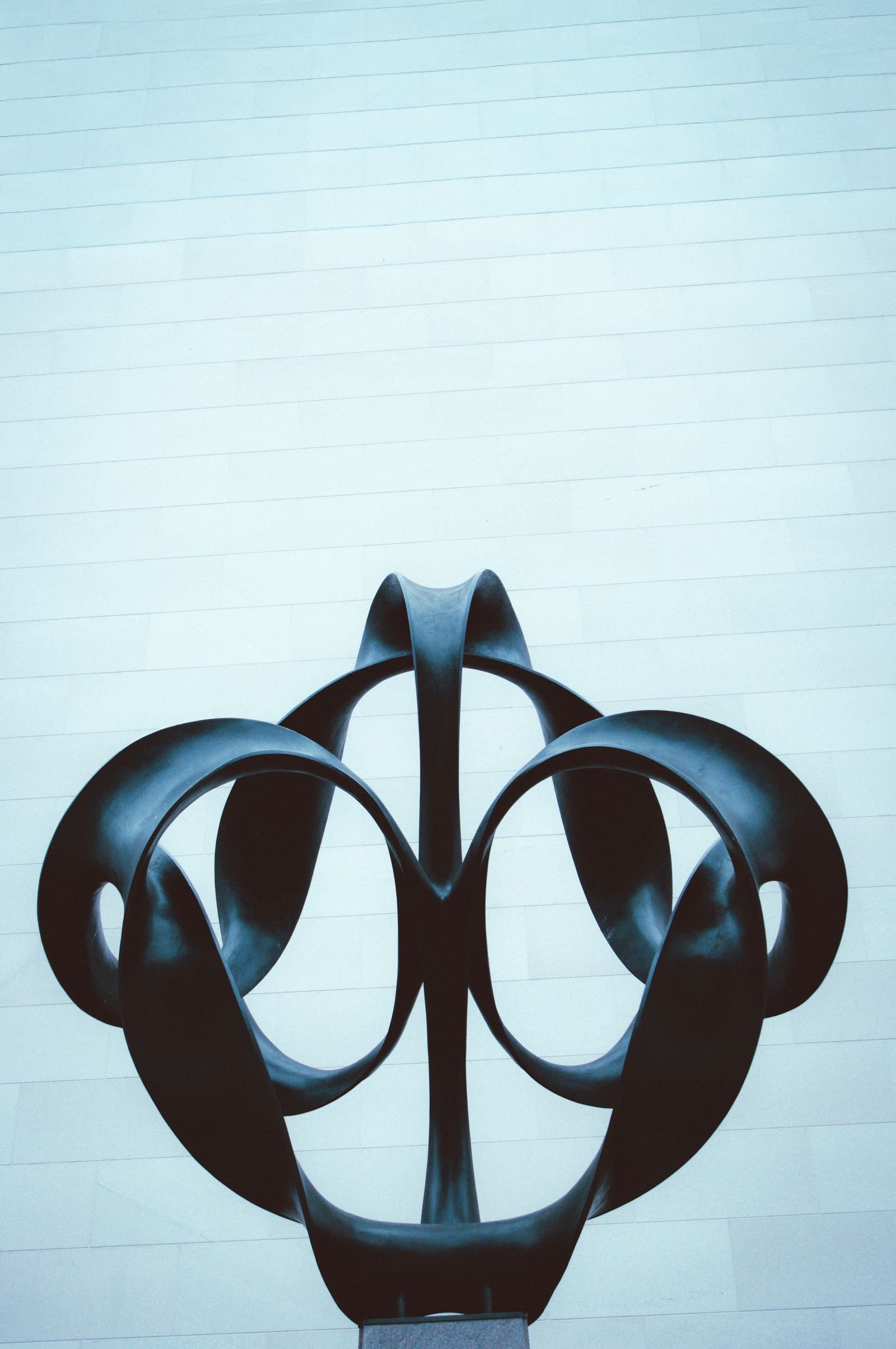
Abstract sculptures focus on lines, curves and shapes rather than recognizable subjects. They invite imagination and fit modern and minimalist homes well. They add interest without telling a specific story.
Figurative Designs
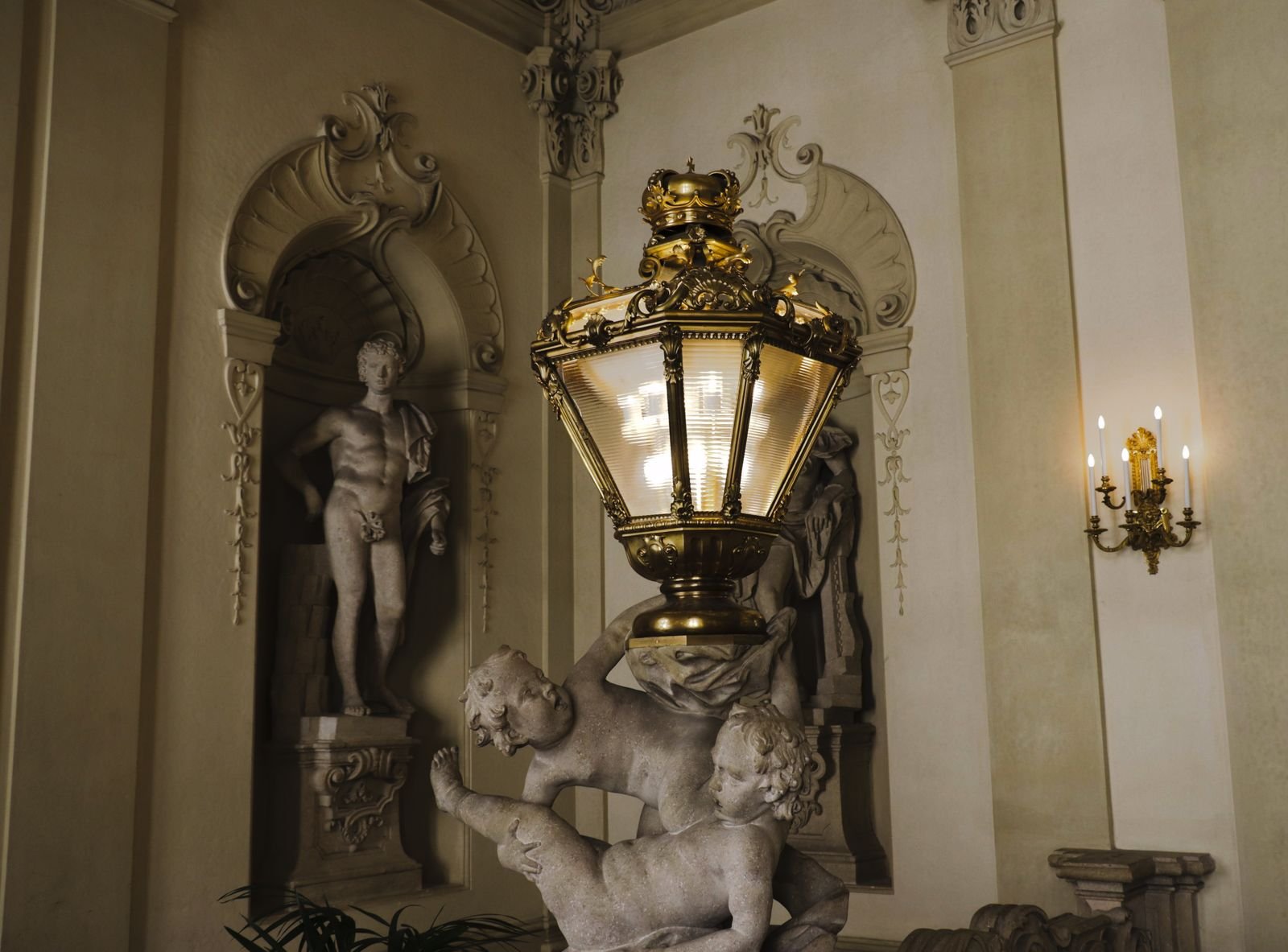
Figurative sculptures show people, animals or objects. They tell stories or capture emotion, which adds warmth and personality. They suit classic and traditional spaces, and many people connect with them on a personal level.
Nature-Inspired Pieces
These sculptures echo trees, leaves or animals. They bring calm and freshness indoors and blend well with natural decor. Wood, stone and ceramic versions give a peaceful, organic feel.
Placement Ideas for Impact
Placement can make a sculpture look important or forgettable. Think about light, space and how people move through the room. Small changes can alter the feel of the whole room.
Living Room Focal Points
Place sculptures where the eye naturally goes. Beside the sofa or above the fireplace works well. A small piece on the coffee table gives guests something to talk about, and shelves or side tables suit smaller pieces. Group sculptures with similar colors or shapes, and keep clear space around each one so it can be seen.
Entryway Statements
The entryway sets the first impression. A bold sculpture there welcomes guests with style. Use a pedestal or console table for height and focus, and choose a piece that matches your home’s theme. Make sure it does not block the walkway. A small spotlight or lamp nearby makes it more inviting. For more entryway ideas, read our guide on how to decorate your home entrance.
Outdoor Enhancements
Sculptures add life to gardens and patios. Choose weather-resistant materials such as metal, stone or glazed ceramic. Place pieces near paths or garden beds to create points of interest and guide visitors. Pick forms that suit nearby plants, and position them where sunlight or shadows show off their shape.
Mixing Sculptures With Decor
Sculptures look best when they are part of a layered scene rather than standing alone.
Combining With Furniture
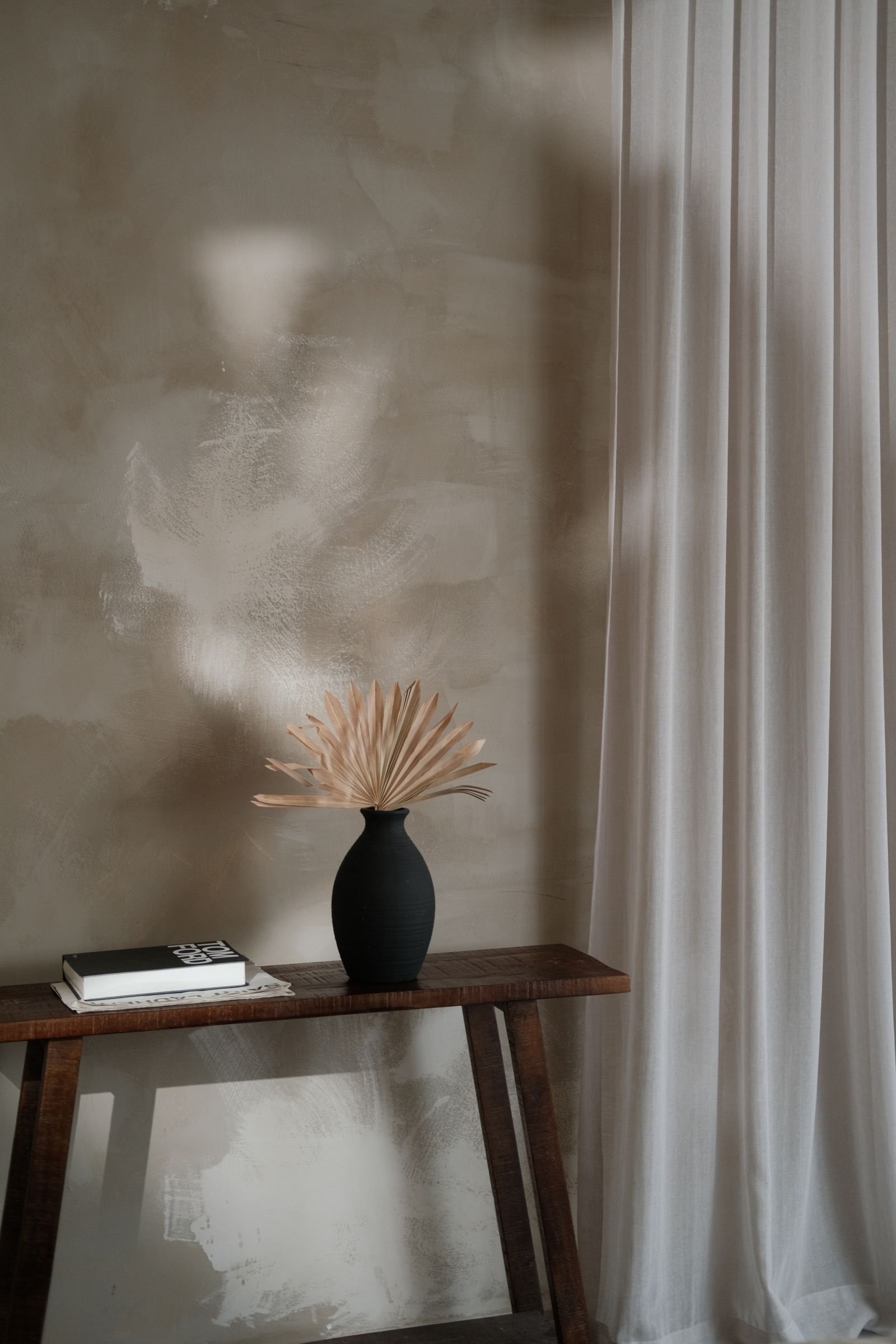
Place sculptures on shelves, side tables or mantels near furniture. A small piece on the coffee table adds interest without clutter, and a large one stands well beside a sofa or chair. Balance the size and style of the sculpture with the furniture, and mix textures for a warm, lively look. Our guide to decorating with wall art shows how sculpture and wall pieces can work together.
Layering With Textiles
Soft rugs, cushions and throws contrast well with hard sculptures. Choose fabrics that echo the sculpture’s color or material. Textiles near a sculpture add warmth and make the piece stand out. It is an easy way to blend art with comfort.
Incorporating Lighting
Lighting can add drama. Use a spotlight or small lamp to focus on a piece, and let natural light show its shape and texture. Shadows add depth, so try different angles to find the best effect. Warm white bulbs flatter wood, ceramic and stone, while cooler light suits metal and glass.
DIY Sculpture Projects
Making your own sculpture lets you choose the exact color, shape and size. These projects are affordable and suit beginners. For more handmade ideas, see our guide to home decor you can make yourself.
Simple Clay Creations
Air-dry clay is easy to shape and needs no kiln. Make small bowls, figurines or abstract forms. Let them dry fully, then paint them in bright colors or leave them natural, and finish with a clear sealer. Clay pieces suit shelves, tables and window sills.
Recycled Material Art
Old items can become art with a little imagination. Bottle caps, cardboard and scrap plastic can be glued or tied into new shapes. It saves money and reduces waste, and the result has a modern, eco-friendly look. Use strong glue and let each layer dry before adding more.
Wire and Metal Crafts
Wire and metal give a sleek, strong feel. Bend wire into animals or flowers, or combine metal scraps for bold designs. Use pliers and wire cutters, and wear gloves and eye protection. These pieces work well as wall hangings or table decor.
Caring for Sculptures
Good care keeps sculptures beautiful for years. A few simple habits protect them from dirt, damage and wear.
Cleaning Tips
Dust sculptures regularly with a soft, dry cloth. Avoid water on porous materials such as wood and clay. For metal, use a damp cloth and dry it right away. A soft brush cleans small details gently. Never use harsh chemicals or abrasive cleaners, which can harm the surface and color.
Maintenance Advice
Check sculptures often for damage. Tighten loose parts carefully if there are joints. Keep pieces out of direct sunlight to avoid fading, and keep humidity steady to prevent cracking or warping. Outdoor pieces may need a protective wax or sealant to shield them from weather.
Avoiding Damage
Put sculptures on stable surfaces so they cannot fall. Keep them away from heat sources and vents. Handle them with clean hands or gloves, and move them gently. Keep pets and young children away from fragile pieces, and store pieces properly when they are not on display. In homes with children or in earthquake-prone areas, use museum putty to secure small items.
Frequently Asked Questions
What Types of Sculptures Suit Modern Home Decor?
Abstract, geometric and minimalist sculptures suit modern homes. They add style without clutter. Metal or glass gives a sleek look.
How Do I Choose the Right Sculpture Size for a Room?
Consider the size of the room and the scale of the furniture. Small sculptures suit shelves, while large pieces work well on the floor or on a sturdy table. Balance is key.
Where Is the Best Place to Display Sculptures?
Living rooms, entryways and shelves give good visibility. Avoid crowded areas so the piece stands out, and add good lighting to show it at its best.
What Materials Are Popular for Indoor Sculptures?
Wood, metal, ceramic and resin are common. Each has its own texture and style. Pick one that matches your room’s theme.
How Do I Clean Home Decor Sculptures?
Dust them regularly with a soft cloth or brush. Avoid harsh cleaners that may damage the surface. Regular care keeps them looking fresh.
Conclusion
Sculptures add character and charm to a home. They bring life to plain walls and shelves, and they reflect your taste. Choose pieces that suit your rooms, place them with care and change them now and then to keep your decor fresh. Enjoy finding art that speaks to you.