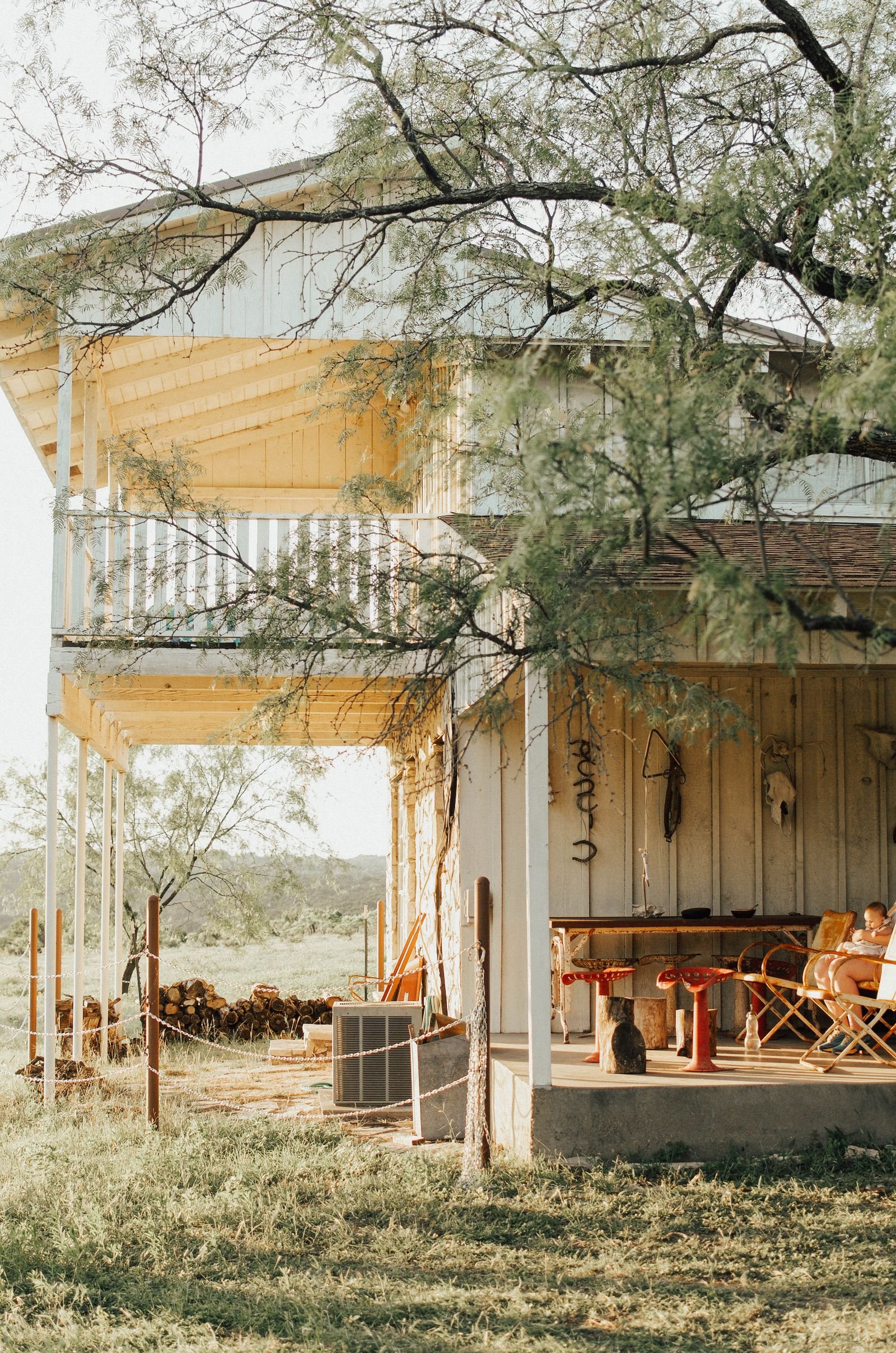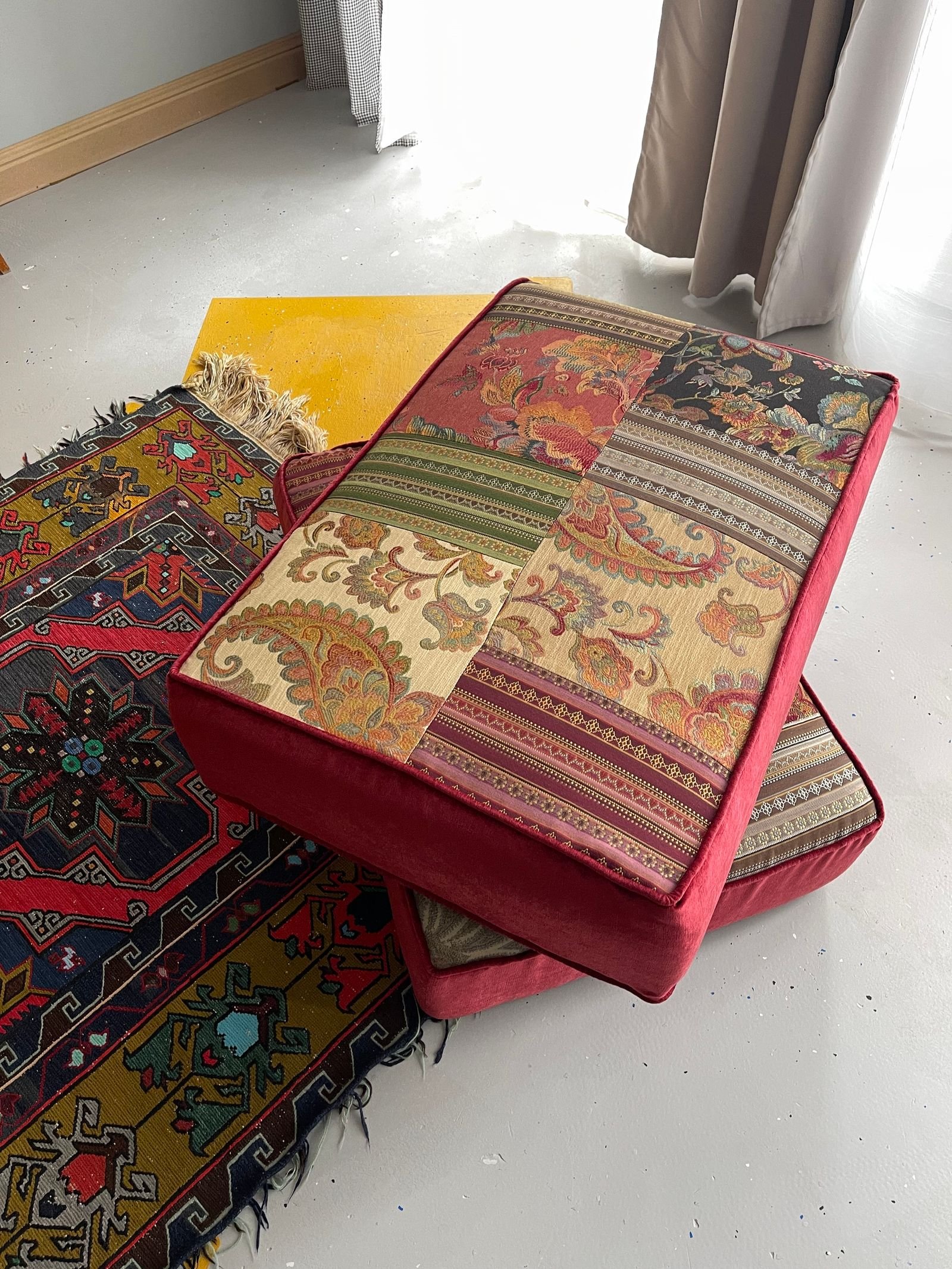
The 1960s gave home decor bold colors, simple shapes and playful patterns. The look still feels fresh, and you can borrow from it without turning your house into a time capsule.
This guide covers the key elements of 1960s style, then walks through the living room, kitchen, dining area and bedroom. It ends with ways to mix vintage with modern, lasting color schemes and answers to common questions.
Key Elements of 1960s Decor
Understanding the main elements helps you bring a vintage touch into your home. The mix of color, shape and texture defines the look.
Color Palettes
Bright colors ruled. Think mustard yellow, avocado green and tangerine orange. Earth tones balanced the bold shades, and soft pastels such as pink and turquoise added freshness. Combinations were often playful and unexpected.
Furniture Styles
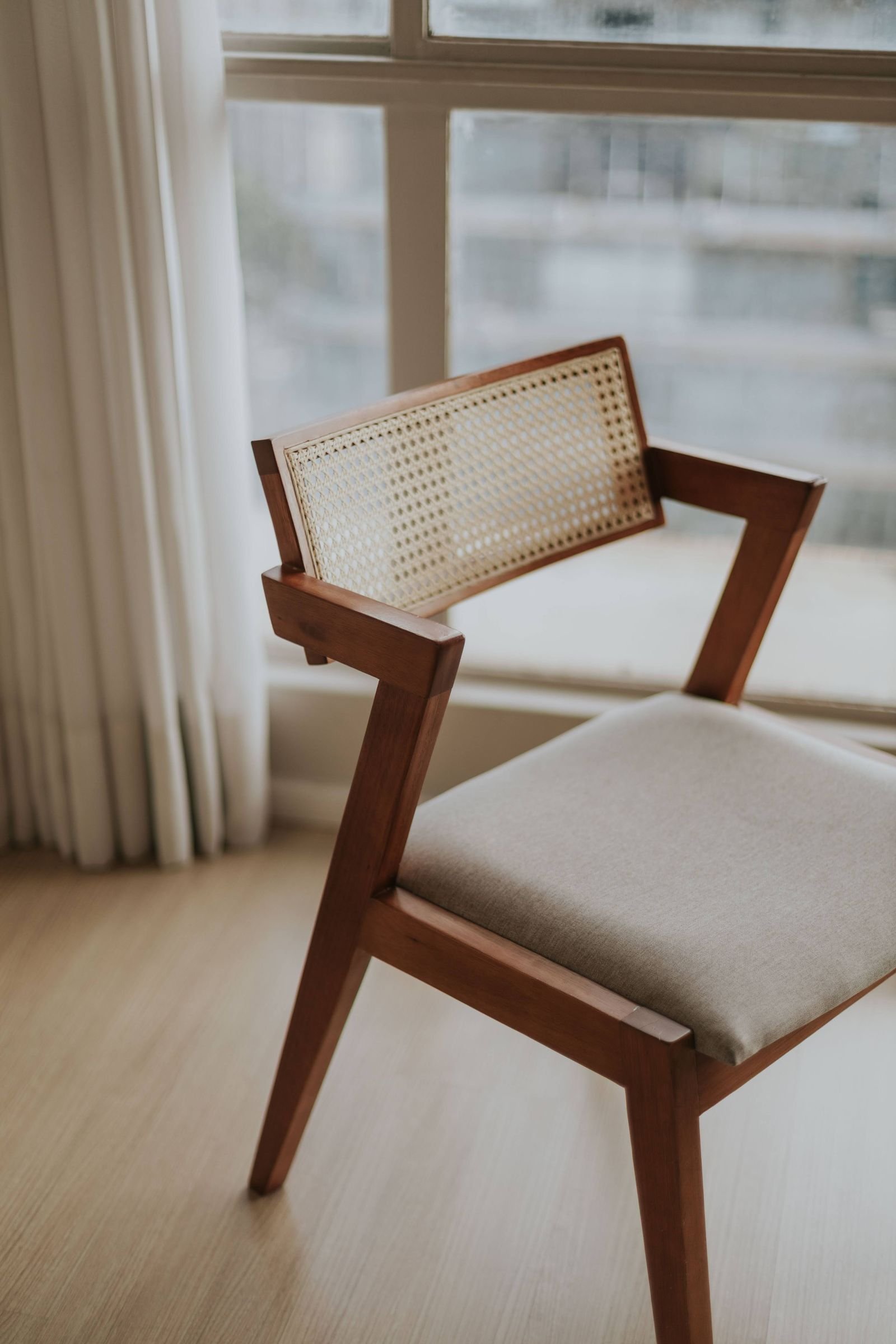
Furniture had clean lines and simple shapes. Mid-century modern pieces were popular, with wooden legs and low profiles on chairs and sofas. Molded plastic and metal chairs gave a futuristic note. Compact, functional furniture suited smaller spaces.
Popular Materials
Wood, especially teak and walnut, gave warmth and natural beauty. Plastic became a favorite for chairs and tables, while vinyl and leather were common for upholstery. Metal accents added shine, and glass tables and lamps kept rooms light and open.
Iconic Patterns
Geometric shapes dominated wallpapers and fabrics, including circles, diamonds and zigzags. Bold florals added a lively touch, and abstract or psychedelic prints reflected the era’s creativity. Stripes and checks gave contrast and rhythm.
Living Room Inspirations
The living room is the heart of 1960s decor. It blends comfort with bright color and clean lines, and it invites relaxation and conversation.
Mid-Century Modern Sofas
These sofas have sleek shapes, wooden legs, low backs and smooth curves. Tweed and velvet add texture and warmth. Olive green, mustard and burnt orange were popular colors. The result is a stylish yet cozy seating area.
Statement Lighting
Lighting was bold and artistic. Pendant lamps with geometric shapes catch the eye, and Sputnik chandeliers with starburst arms became iconic. Many lamps mixed metal and glass for a futuristic look. One strong fixture adds drama to a living room.
Wall Art and Accessories
Abstract prints and pop art bring energy to the walls. Large, colorful paintings or framed posters work well. Ceramic vases, clocks and sculptures reflect the playful spirit of the decade and complete the room.
Kitchen and Dining Trends
Kitchens and dining rooms of the 1960s combined function with fun. They were lively and welcoming, and the style still inspires kitchens today.
Retro Appliances
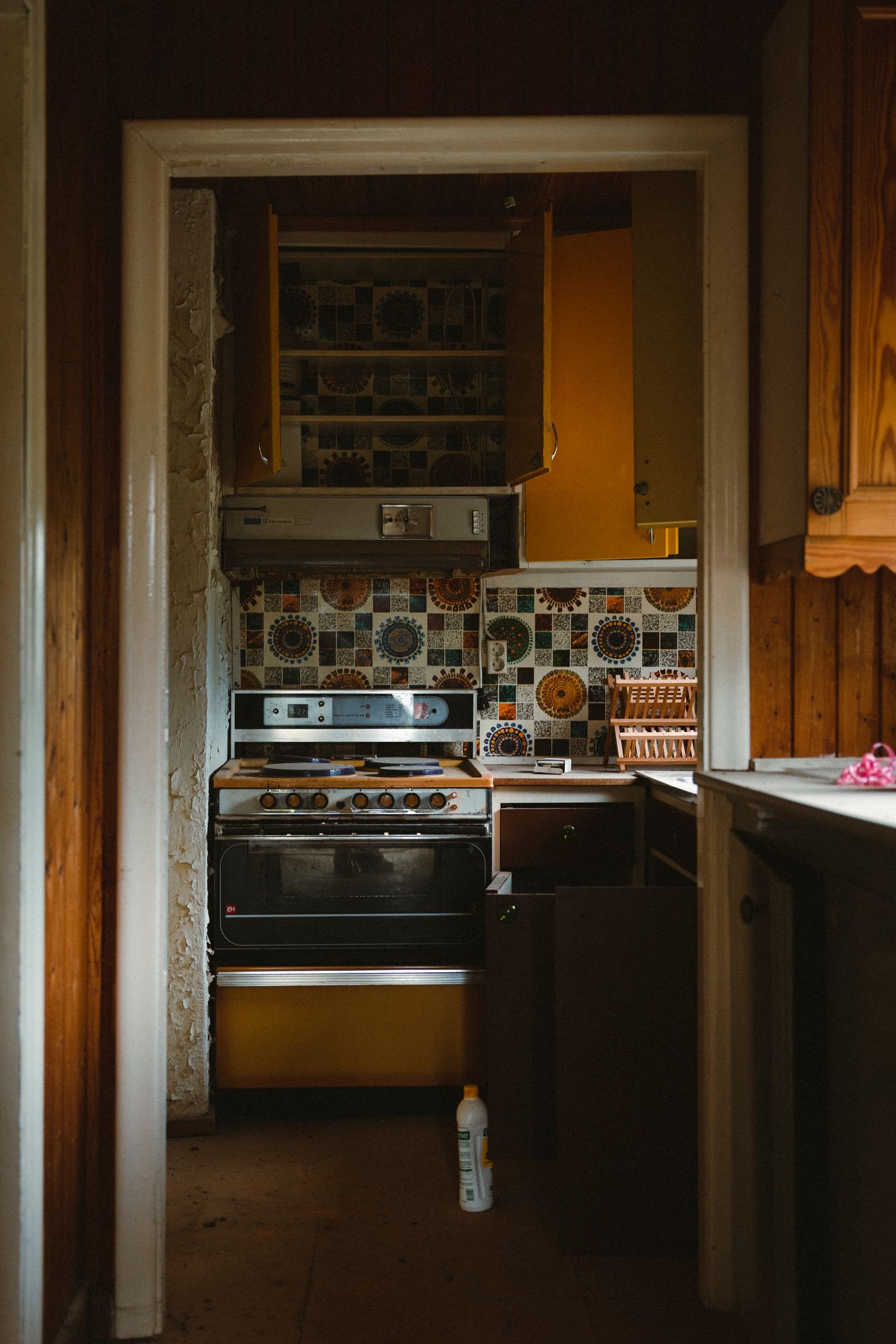
Appliances had bright colors and smooth curves. Fridges, ovens and toasters came in pastel shades such as mint green or pink, with chrome details for shine. Many reissued retro appliances are popular again for their nostalgic look. If you buy one, check that its capacity and energy rating suit your needs.
Vintage Tableware
Plates, cups and bowls often had bold geometric or floral designs. Melamine was common because it is durable and easy to clean. Vintage tableware adds a pop of color to a dining table. If you plan to use old pieces for food, check that the glaze is food safe.
Bold Backsplash Designs
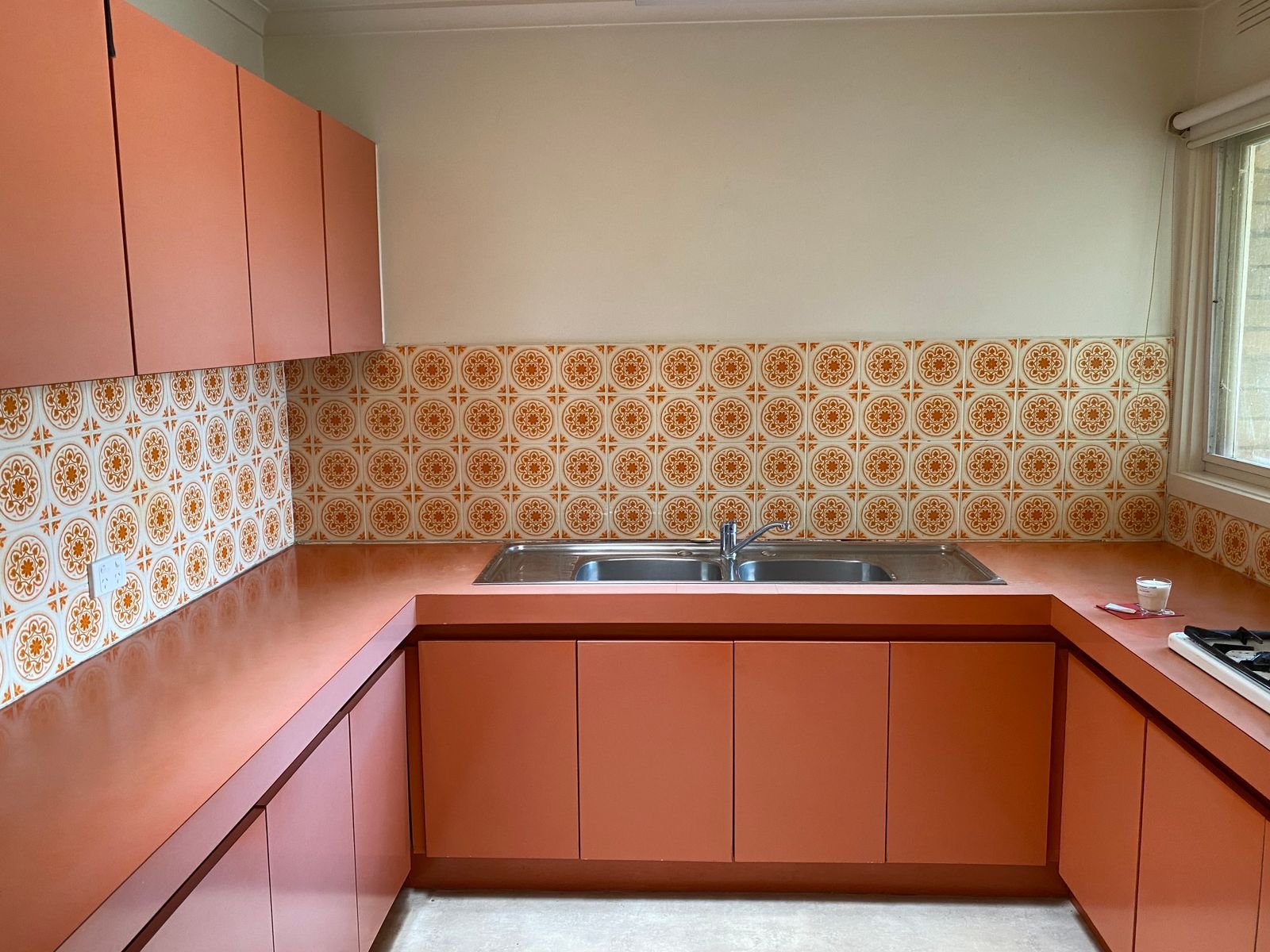
Backsplashes were far from plain. Patterned tiles with colorful shapes were popular, and orange, yellow and blue were favorites. A bold backsplash makes a strong visual impact and helps a kitchen stand out.
Bedroom Ideas
Bedrooms mixed comfort with a unique flair. Natural materials such as wood and metal were common, and designs stayed simple but eye-catching.
Classic Bed Frames
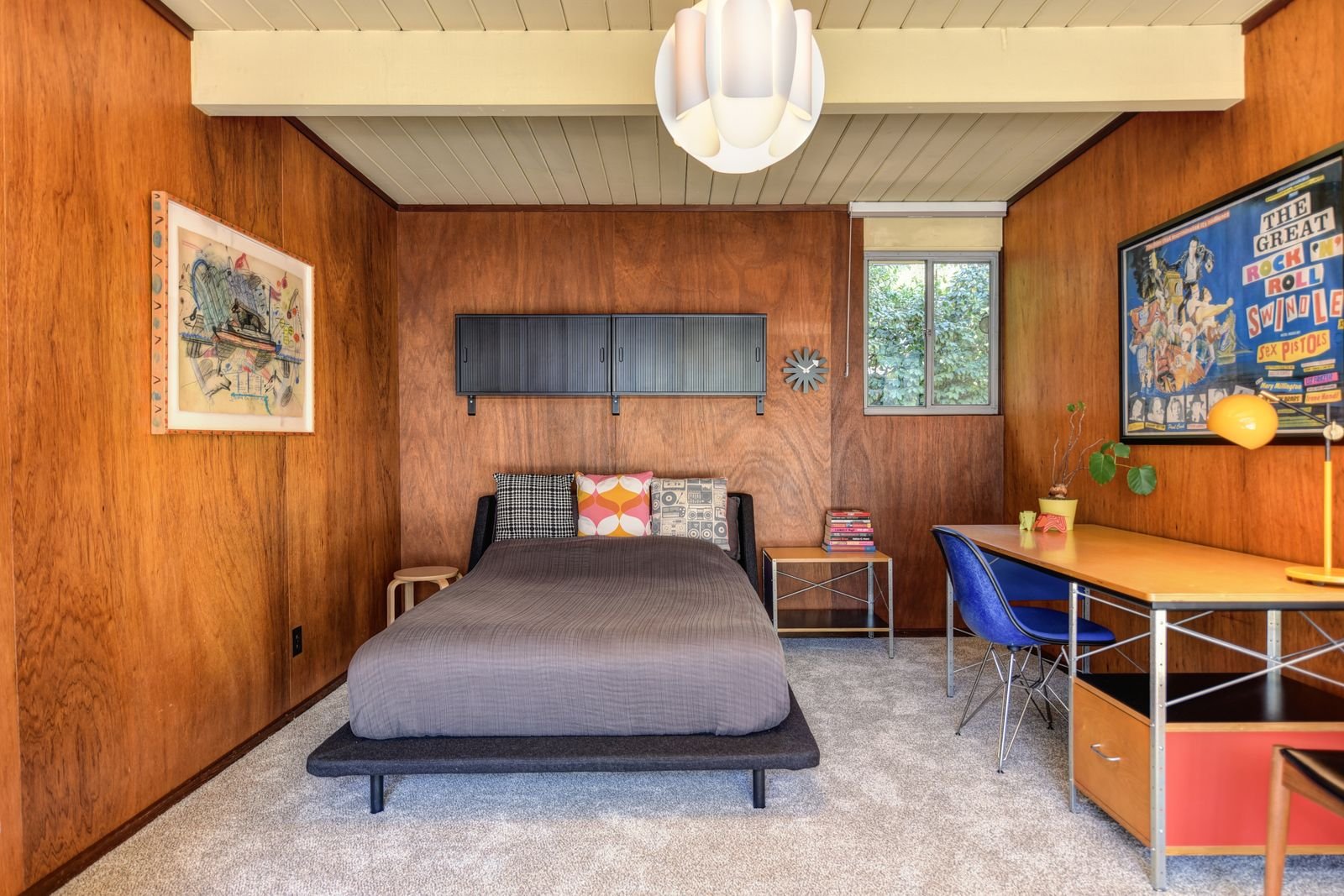
Wooden bed frames with curved or straight lines were popular, sometimes with metal details for a modern look. Low platform beds gave the room a clean, open feel.
Textile Choices
Textiles were colorful and patterned. Bold floral prints and geometric shapes stood out, and cotton and polyester were favorite fabrics. Soft blankets and curtains in orange, green or yellow added warmth.
Decorative Accents
Lamps with sleek shapes and colorful shades added personality. Abstract or pop art on the wall, rugs with simple patterns and small plants and vases kept the room fresh.
Incorporating Vintage Style Today
Vintage touches give a modern home warmth and a nostalgic feel. Here are simple ways to use them. To compare other decades, see our guide to 1970s style home decoration or Mad Men home decor.
Mixing Old and New
Combine vintage pieces with modern furniture for balance. Put a retro lamp on a sleek new side table, or pair a classic patterned rug with a plain sofa. Keep the colors simple to avoid clashing.
Sourcing Authentic Pieces
Look for real 1960s items in thrift stores and online markets. Mid-century chairs, lamps and art prints are good finds. Check the condition carefully before you buy, and make sure the piece fits your room size and color scheme.
DIY Vintage Projects
Paint old furniture in 1960s colors such as orange or teal. Use stencils to add geometric shapes to walls or cushions, and reuse glass jars as retro vases. DIY projects save money and make the decor personal.
Color Schemes That Last
Colors from the decade still inspire decorators because they bring warmth and energy. These ideas also fit well with home decor that never goes out of style.
Earth Tones
Brown, beige, olive green and mustard yellow create a calm, cozy feel and connect the indoors with nature. They work on walls, furniture and decor.
Bright and Bold Hues
Orange, turquoise and hot pink make a strong statement. Use them on an accent wall, cushions or art, and keep the rest of the room quieter so the colors stand out.
Monochrome With a Twist
A monochrome scheme uses shades of one color. Black and white with geometric prints gives a striking look that is clean but interesting, and it suits both modern and vintage interiors.
Frequently Asked Questions
What Are the Key Colors in 1960s Home Decor?
Bright colors such as avocado green, mustard yellow and orange were popular. They gave homes a lively, cheerful look.
Which Furniture Styles Define 1960s Home Decor?
Mid-century modern furniture with clean lines and wooden legs is typical. Pieces often mixed natural wood with bright fabrics.
How Can I Add 1960s Style to My Living Room?
Use geometric patterns on rugs or cushions and add a retro lamp. Mix vintage decor with simple, modern furniture.
What Materials Were Common in 1960s Home Decor?
Plastic, vinyl and wood were widely used. Together they gave a mix of smooth and natural textures.
How Did Lighting Influence 1960s Home Decor?
Lighting was bold and artistic, with pendant lamps, floor lamps and starburst chandeliers. It helped create warm and inviting spaces.
Conclusion
1960s decor offers charm and warmth through bold colors and simple shapes. Mix vintage pieces with modern touches, add bright patterns or wooden accents, and start with one room. Small changes can make a big difference in how your home feels.