Are you wondering why some homes look effortlessly stylish while others feel just plain? You might think home decor and interior design are the same, but they actually play very different roles in shaping your space.
Understanding the difference can help you make smarter choices for your home, save money, and create a place that truly feels like yours. Keep reading to discover what sets home decor and interior design apart—and how you can use both to transform your living space.
Home Decor Basics
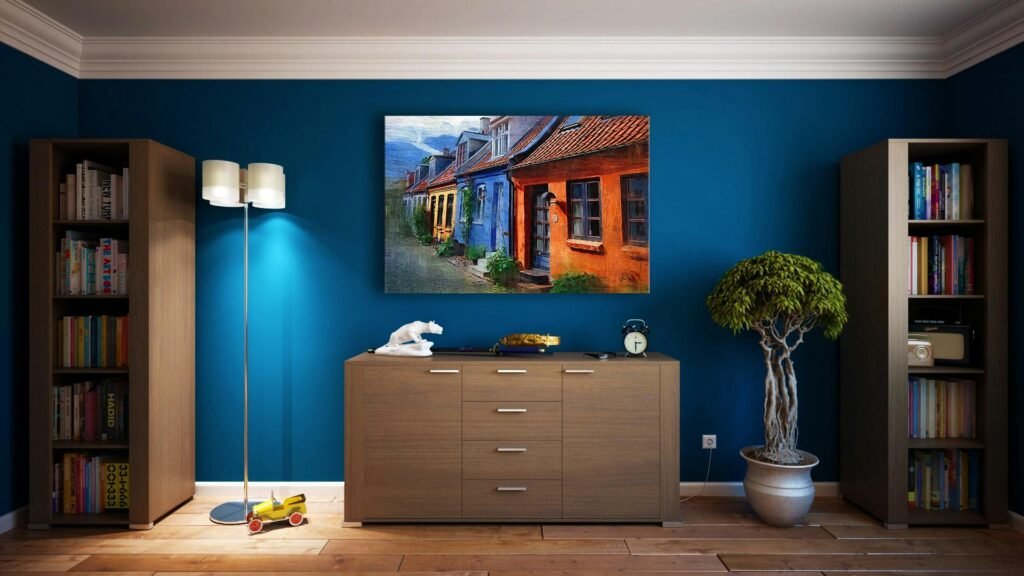
Home decor basics focus on making your living space look nice and feel comfortable. It involves choosing colors, furniture, and items that match your style. Decorating a home helps create a mood and shows your personality through design.
Elements Of Home Decor
Home decor includes several key elements. Color sets the tone and mood in a room. Furniture provides comfort and style. Lighting brightens the space and highlights features. Textiles like curtains and rugs add softness and texture. Wall art and plants bring life and interest to rooms.
Popular Home Decor Styles
Many home decor styles exist to suit different tastes. Modern style uses clean lines and simple colors. Rustic style features natural materials and warm tones. Minimalist style focuses on fewer items and open space. Bohemian style mixes patterns and bright colors for a lively feel.
Role Of Accessories And Accents
Accessories and accents give a room personality. Pillows, vases, and candles add color and texture. Mirrors can make a space look bigger and brighter. Small details like books or souvenirs make rooms feel personal and lived-in.
Interior Design Essentials
Interior design is more than just choosing pretty things. It focuses on creating spaces that work well and feel good. Understanding the essentials of interior design helps you see how it differs from simple home decor. These basics guide how rooms are shaped, used, and styled.
Good interior design blends beauty with function. Every choice, from furniture to colors, follows clear principles. This makes spaces comfortable and practical for daily life.
Core Principles Of Interior Design
Balance keeps a room feeling stable and restful. It can be symmetrical or asymmetrical. Harmony brings all elements together so they look like they belong. Contrast adds interest by mixing different shapes, colors, or textures. Scale and proportion make sure furniture and objects fit the space well. Rhythm creates flow by repeating patterns or colors throughout the room.
Space Planning And Functionality
Good space planning arranges furniture for easy movement. It ensures rooms serve their intended purpose. Functional spaces meet the needs of those who use them. Designers think about how people live, work, and relax. Each area gets enough room and access to light or storage. This avoids clutter and makes life easier.
Materials And Finishes
Choosing the right materials affects a room’s look and feel. Natural wood adds warmth. Metal can give a modern touch. Fabrics bring softness and comfort. Finishes like matte or glossy change how surfaces reflect light. Durable materials last longer and keep spaces looking good. Designers select materials based on style, use, and budget.
Key Differences
Understanding the key differences between home decor and interior design helps you choose the right approach for your space. Both deal with making a space look good, but they do it in different ways. These differences affect how you plan, spend, and work on your home.
Scope And Focus
Home decor focuses on adding items like curtains, rugs, and artwork. It is about decoration and style. Interior design covers the whole room structure. It includes layout, lighting, and furniture placement. Interior design changes the space physically, while home decor adds finishing touches.
Professional Involvement
Home decor can be done by anyone with a good eye for style. Interior design often needs a trained professional. Designers understand space planning and building codes. They create safe and functional spaces. Home decor is mostly about personal taste and trends.
Budget And Timeframe
Home decor usually costs less and can be done quickly. It often involves buying new items or rearranging existing ones. Interior design requires a bigger budget and more time. It may involve construction, permits, and hiring experts. The process can take weeks or months.
How They Complement Each Other
Home decor and interior design are two parts of making a home beautiful and livable. They work well together to create a space that feels just right. Each has its own role, but together they bring harmony and comfort.
Creating Cohesive Spaces
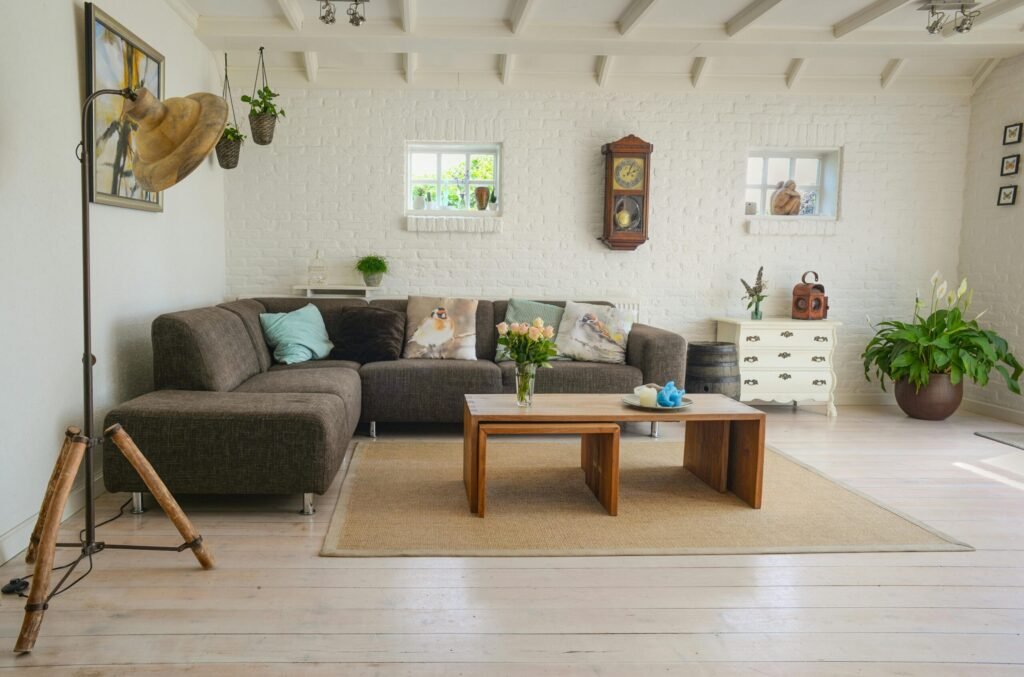
Interior design plans the layout and structure of a room. It decides where furniture goes and how the space flows. Home decor adds the details like colors, textures, and accessories. These small touches link the whole room together. The result is a space that looks balanced and complete.
Balancing Aesthetics And Function
Interior design focuses on function and style. It makes sure rooms are useful and easy to move in. Home decor adds beauty and warmth. It softens the space and makes it inviting. Together, they balance how a room feels and works.
Personalization And Style
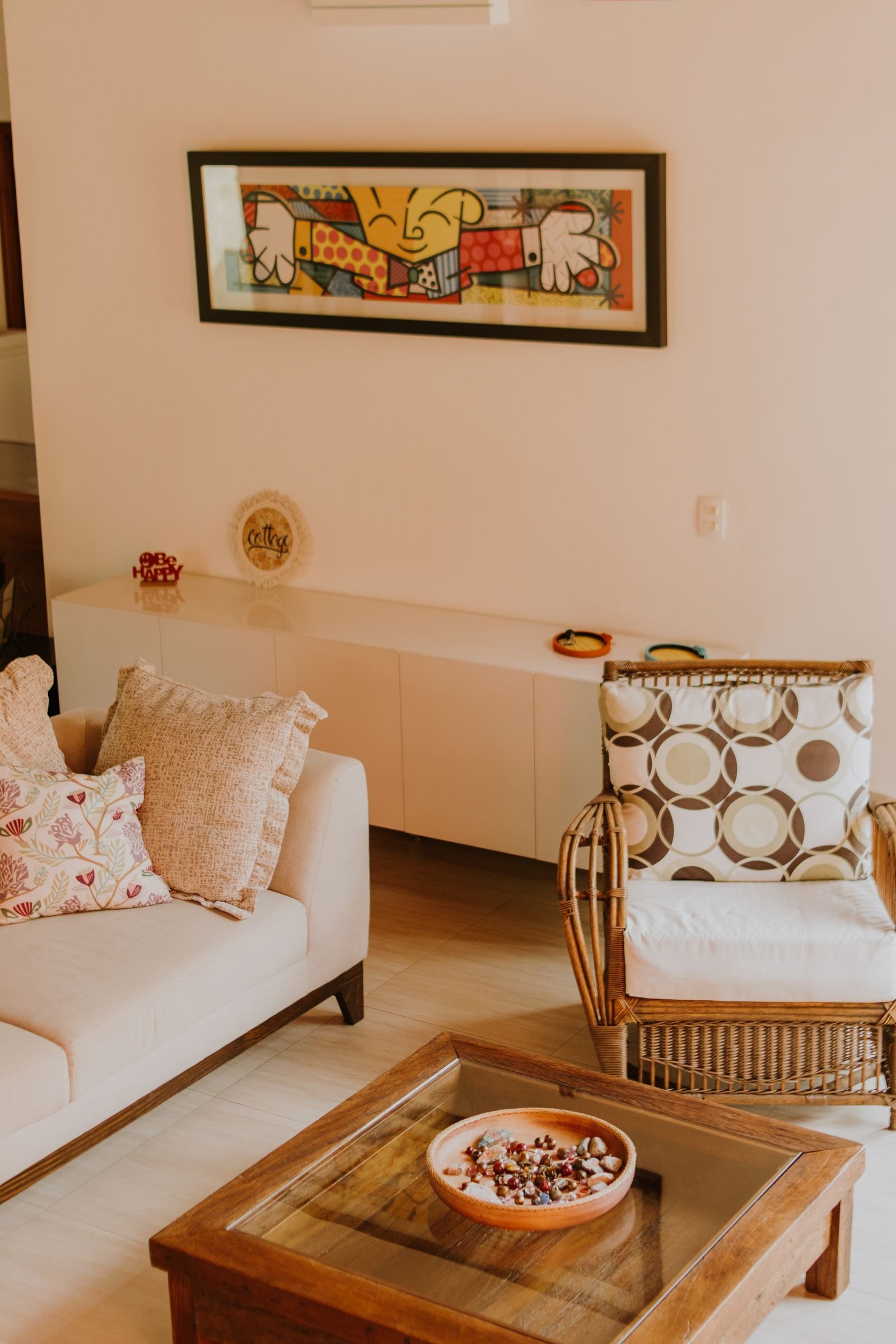
Interior design sets the tone with style choices and themes. Home decor brings personality with items that reflect who lives there. Things like art, plants, and rugs show unique tastes. This makes a house feel like a home, full of character and comfort.
Choosing Between Home Decor And Interior Design
Choosing between home decor and interior design can be tricky. Both aim to make your space beautiful and comfortable. Yet, they differ in scope and approach. Understanding these differences helps you decide what fits your needs and budget.
Home decor focuses on small changes. It includes items like cushions, curtains, and wall art. Interior design is bigger. It involves planning the space, structure, and layout. It often requires expert skills and experience.
When To DIY Home Decor
DIY home decor suits simple updates. Use it to refresh a room quickly and affordably. Changing pillows or adding plants can brighten your space. Good for people who enjoy crafts and small projects. No special training needed. Great for personal touches and seasonal changes.
When To Hire An Interior Designer
Hire an interior designer for major changes or new builds. They plan room layout, lighting, and color schemes. Ideal for complex projects or tight spaces. Designers help avoid costly mistakes. They bring expertise on materials and safety. Useful for those with little time or design knowledge.
Combining Both Approaches
Mixing home decor and interior design often works best. Start with a professional plan for structure and flow. Then add your own decor items for personality. This blend saves money and adds style. It allows creativity while keeping the space functional. A balanced way to make your home feel unique.
For more ideas, see our guides to home decor vs home furnishings, home staging vs interior design, and what a house decorator costs.
Frequently Asked Questions
What Defines Home Decor Versus Interior Design?
Home decor involves decorating with accessories and furnishings. Interior design includes planning layouts, structure, and functionality. Decor focuses on aesthetics, while interior design combines style with space optimization and usability.
How Do Interior Design And Home Decor Impact A Home?
Interior design enhances functionality and comfort through space planning. Home decor boosts visual appeal with colors and accessories. Together, they create a balanced, personalized living environment that looks good and works well.
Is Interior Design More Expensive Than Home Decor?
Generally, interior design costs more due to professional services and structural changes. Home decor is more affordable and focuses on decorative items. The overall cost depends on project scope and materials used.
Can Home Decor Exist Without Interior Design?
Yes, home decor can exist without interior design. Many people decorate spaces with furniture and accessories alone. However, interior design provides a deeper, strategic approach to space and function.
Conclusion
Home decor focuses on small items like pillows and art. Interior design plans the whole space, including layout and lighting. Both work together to make your home feel nice. Knowing their difference helps you choose what you need. Decor adds style; design shapes how you live.
Use this knowledge to create a space you love. Simple changes can bring big comfort and beauty. Your home should reflect who you are inside.