Home staging and interior design both improve how a home looks, but they do different jobs. Staging prepares a house for sale. Interior design shapes a home for the people who live in it.
Knowing the difference saves time, money and stress. This guide compares goals, methods, cost, timing, professional roles and effect on property value, then helps you choose the right one for your situation.
Key Concepts
Both services work with color, furniture and layout. The difference is who the space is for. Staging aims at future buyers, while interior design aims at the owner.
What Home Staging Is
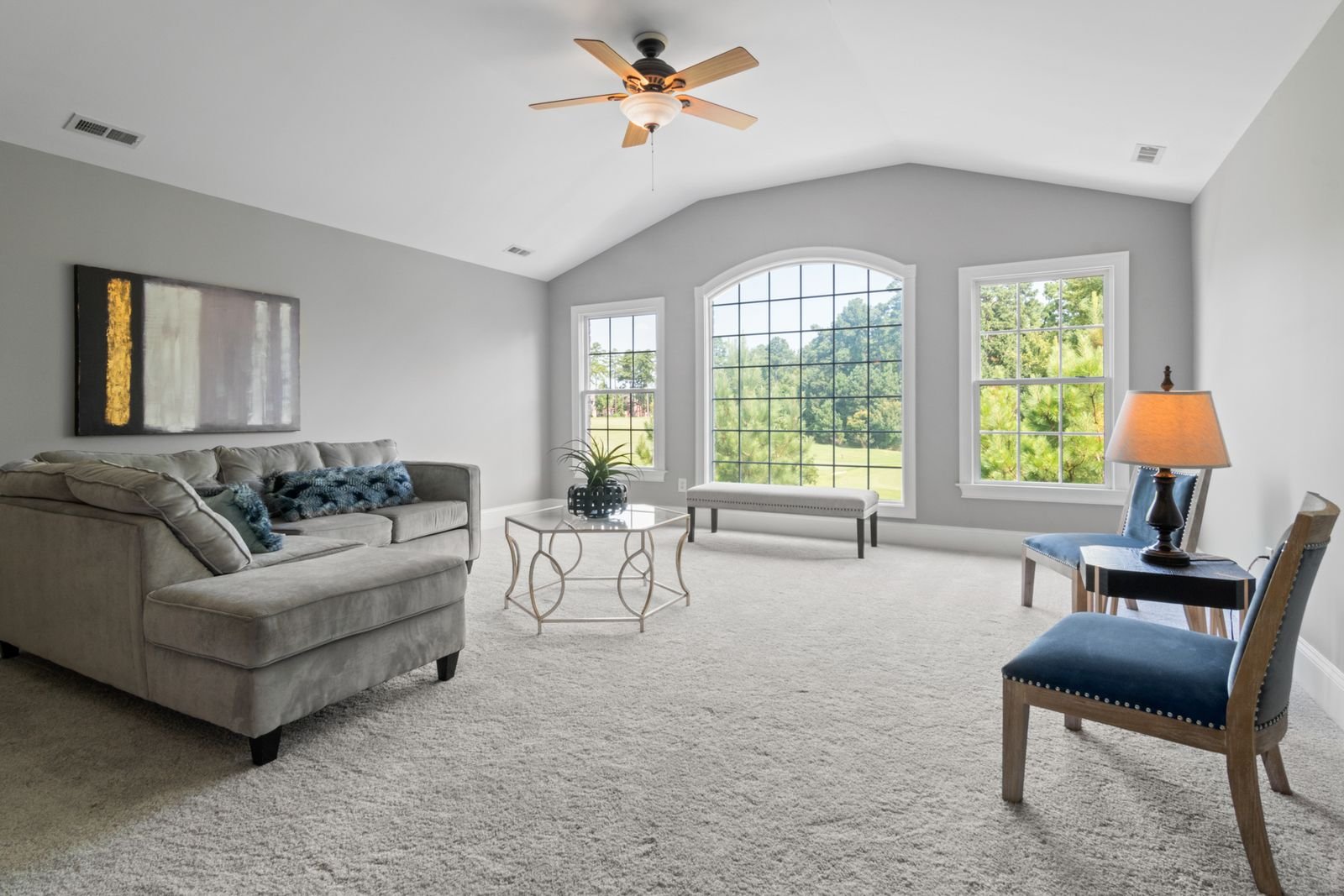
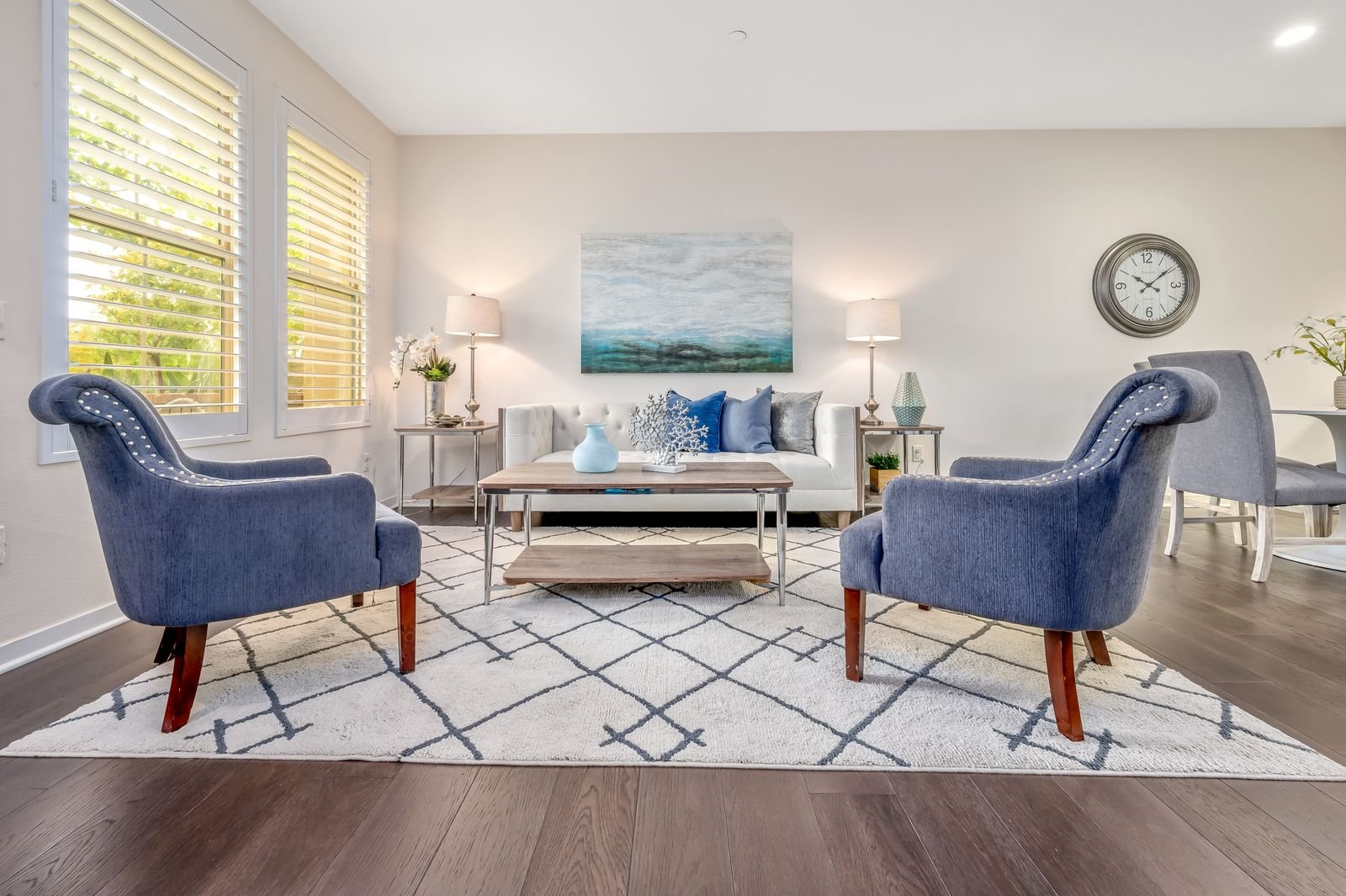
Home staging prepares a house for sale. It uses simple, neutral decor to make rooms look bigger, brighter and more welcoming. Personal items such as family photos and collections are put away so buyers can picture their own lives there. The focus is on quick appeal and broad taste.
What Interior Design Is
Interior design shapes how people live in a space. A designer chooses colors, furniture, lighting and layouts that suit the owner’s style and daily routine. The goal is a home that is both beautiful and practical, planned for the long term. For a closer look at the decor side, see our post on the difference between home decor and interior design.
Primary Goals
The two services share a love of good-looking rooms, but their aims are quite different.
The Selling Focus in Staging
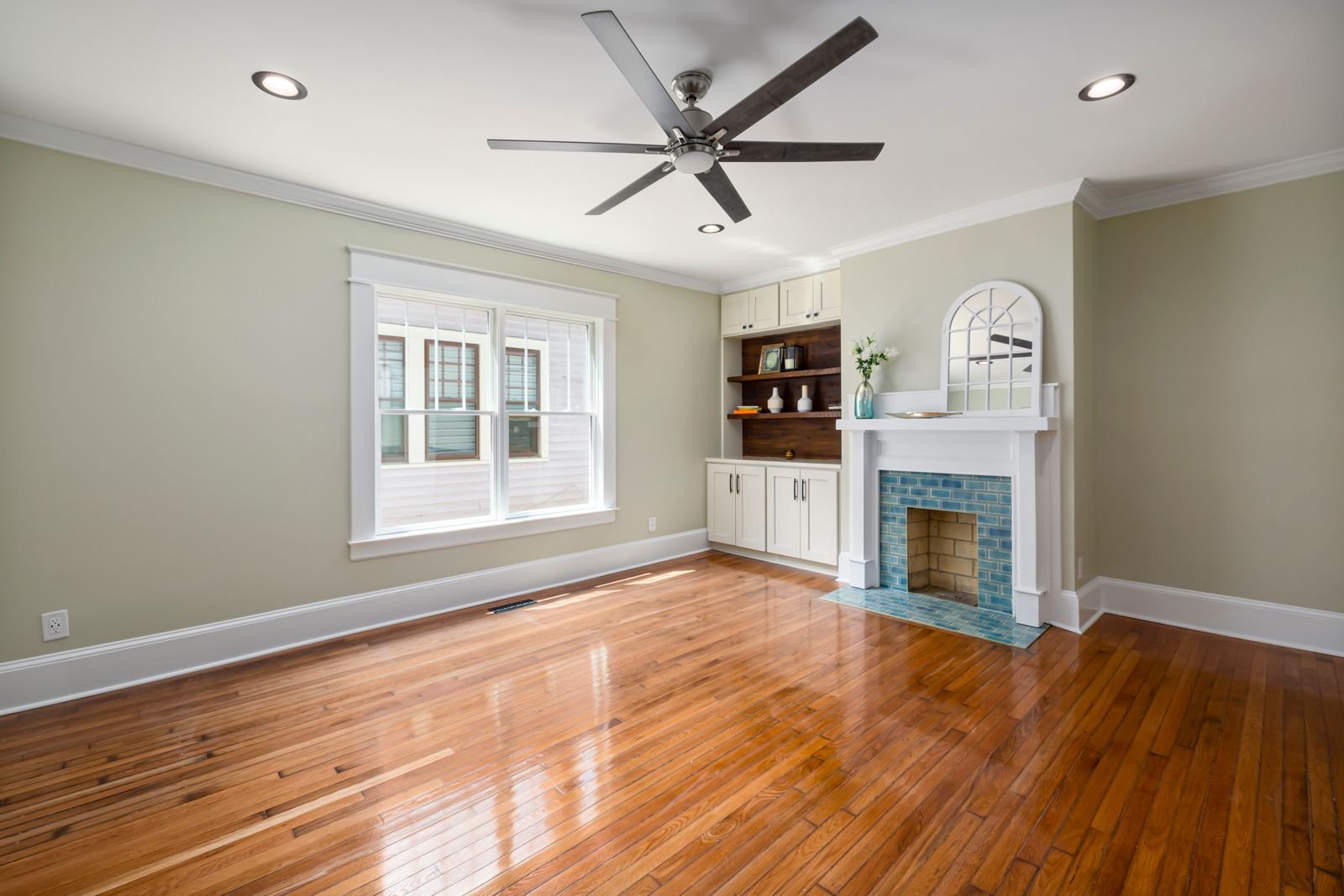
Staging aims to sell a property quickly and at a good price. Stagers create a neutral, inviting look that appeals to a wide audience. They remove clutter, show how each room can be used and highlight the best features of the home, such as a fireplace, large windows or a generous kitchen.
Personalization in Design
Interior design focuses on the owner’s taste and comfort. Designers work with you to create spaces that feel unique and lived-in. Every choice supports your lifestyle, from storage for a growing family to a quiet reading corner. The result is a long-term home, not a short-term display.
Process and Techniques
Each service follows its own steps, and the methods reflect the different goals.
Staging Strategies
Staging starts with a walk-through to see what buyers will notice first. Typical steps include decluttering, deep cleaning, repainting in neutral shades and making small repairs. Furniture is arranged to show space and flow, and rooms are given a clear purpose, such as a desk in a spare room to show it works as an office.
Lighting is made bright and warm, and accessories such as pillows, rugs and a bowl of fruit add style without clutter. Staging focuses on quick, low-cost changes that boost first impressions. Curb appeal matters too, so a clean entrance and tidy garden are usually part of the plan.
Design Methods
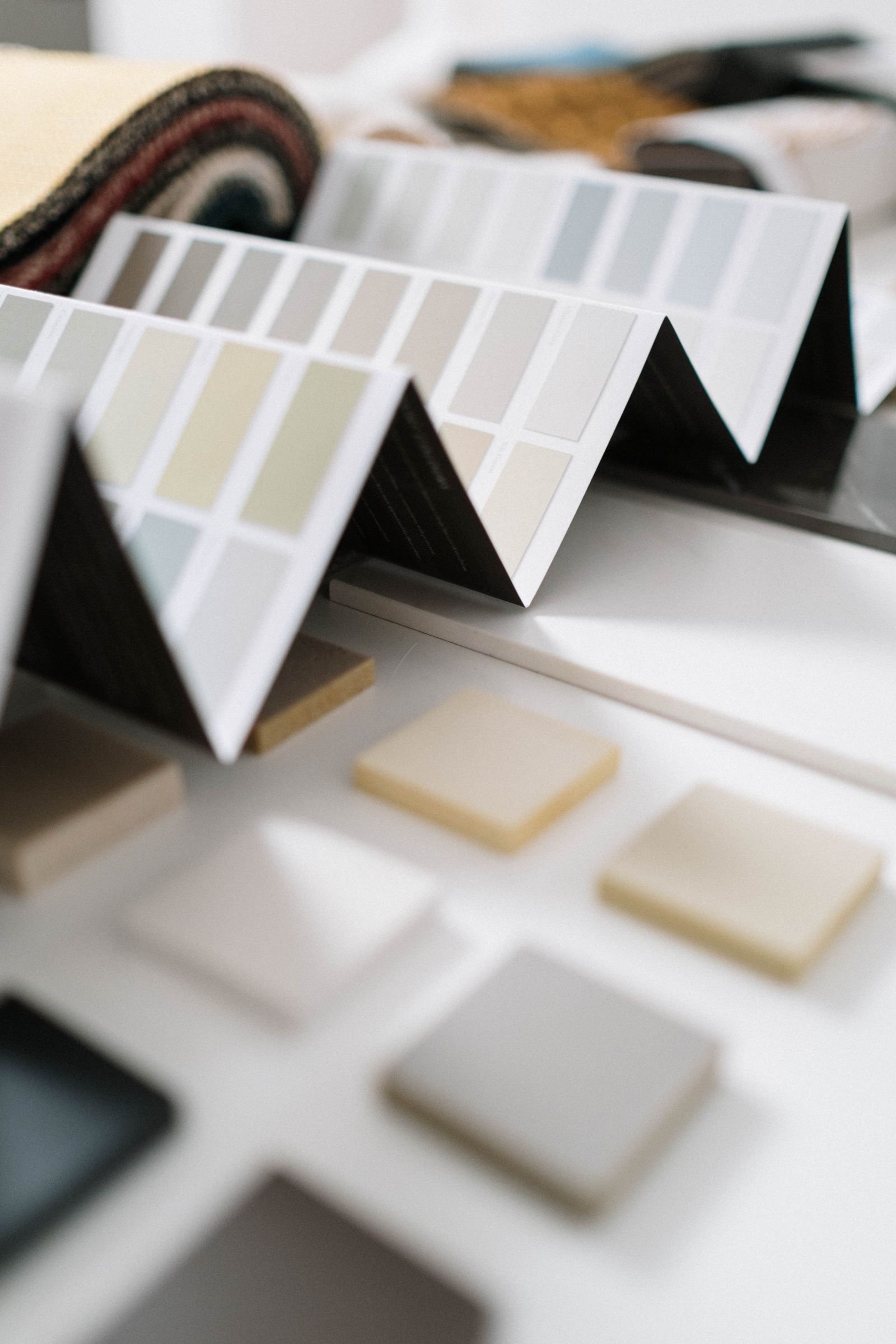
Interior design starts with understanding your style, needs and budget. The designer then builds a plan with a color palette, a furniture layout and lighting for each room. Many designers use mood boards and material samples so you can see and touch the choices before you commit.
Spaces are arranged for comfort and function. Designers often choose unique pieces and mix textures for interest, and they pay attention to material quality and how well items will last. Changes take time and investment to complete.
Budget and Cost Factors
Cost is often the deciding factor. Both services change how a space looks, but they differ in price and purpose, and fees vary by location and the size of the home. Always ask for a written quote.
Staging Costs
Staging usually costs less than interior design. Many stagers rent furniture and decor instead of buying it, which lowers upfront costs. Fees may be a flat rate or a monthly rental charge, so check how long the rental period lasts if your house takes time to sell. The aim is to attract buyers without a big investment.
Design Investment
Interior design involves a larger budget. Costs can include the designer’s fee, furniture, art, materials, labor and project management. The money goes toward a home that works better for you every day. To understand typical fees, read our guide to how much a house decorator costs.
Timeframe and Duration
Time is another clear difference. Staging is quick, while design is a longer project.
Timeline for Staging
Staging often takes a few days to a week, because the goal is to get the home on the market soon. Stagers work with simple changes such as furniture placement and decor, and they use existing items or rented pieces. Speed matters, since the first weeks of a listing draw the most attention.
Design Project Length
Interior design can take weeks or months. The designer plans layouts, chooses materials and customizes details, and orders can take time to arrive. Custom furniture and curtains often have long lead times, so be patient and plan ahead for a complete result.
Professional Roles
Home stagers and interior designers have different training, tasks and clients.
Home Stager Responsibilities
Stagers prepare homes for sale. They make spaces look clean and inviting and highlight the home’s best features. They often rent, move and arrange furniture, and they follow market trends and buyer tastes. Their work is temporary and sales-driven, and it usually ends when the house sells.
Interior Designer Duties
Designers plan and create lasting living spaces. They choose colors, furniture, lighting and materials, and they may manage renovations or new builds. They also work with contractors and suppliers. Their projects are detailed, personal and sometimes complex, so careful planning is part of the job.
Impact on Property Value
Both services can affect what a home is worth, but in different ways.
Staging and Sale Price
Staging helps buyers connect with a home. Neutral decor appeals to a wide audience, and a welcoming look can make buyers more willing to make an offer. Staged homes often sell faster, though results depend on the local market, the price and the condition of the house.
Design and Home Worth
Good design improves the quality and comfort of a home, and that can support its value over time. However, strong personal taste does not always appeal to buyers, so bold choices may need to be softened before selling. Our post on whether interior design increases home value explains which choices pay off.
Choosing Between the Two
Your goal decides the answer. Ask yourself whether you are preparing to sell or planning to enjoy the home for years.
When to Choose Staging
Choose staging if you want to sell quickly. It works well when a house feels empty, cluttered or dated, because neutral colors and simple furniture help buyers see the potential. It is also a good choice when your own taste is bold and you worry it may put buyers off.
When to Choose Interior Design
Choose interior design if you plan to stay. It suits renovations, new builds and any home where you want a personal, functional look. A designer helps you organize space, avoid costly mistakes and add beauty that lasts.
Frequently Asked Questions
What Is the Main Purpose of Home Staging?
Home staging makes a property appealing to potential buyers. It highlights the best features and creates a neutral, inviting space so buyers can picture themselves living there, which helps speed up the sale.
How Does Interior Design Differ From Home Staging?
Interior design personalizes and improves a space for long-term living and reflects the owner’s style and needs. Staging is temporary and designed to attract buyers with a universally appealing look.
Can Home Staging Improve a Property’s Sale Price?
It can help. A staged home often shows better in photos and viewings, which may lead to faster sales and stronger offers. Results vary with the market and the home.
Is Interior Design Necessary for Selling a Home?
No. However, a well-designed interior can make a home more attractive to buyers. Staging is aimed at selling, while interior design improves everyday living.
Conclusion
Home staging and interior design serve different purposes. Staging prepares a home for a quick sale with neutral, low-cost changes, while interior design creates a personal and lasting space. Both use style and layout, but they aim at different people.
Choose staging when you are selling and design when you are staying. Match the service to your goal and your budget, and you will get the best result.