There is no official count of home decor styles. Designers group and name them in different ways, and many styles overlap. This guide breaks down 22 well-known styles in simple terms so you can find the ones that suit your home and your lifestyle.
The styles are grouped into popular classics, eclectic and bohemian looks, coastal themes, vintage and retro styles, farmhouse and country looks, global influences, and ways to mix them. We also look at the trends shaping decor today. For a longer list, see our guide to the trendiest interior design styles.
Popular Home Decor Styles
A decor style is a consistent mix of colors, textures, furniture and accessories. It reflects your personality and sets the mood of a room. These eight styles appear in homes around the world.
Modern
Modern style focuses on clean lines and simple shapes. It uses neutral colors with bold accents. Furniture is sleek and functional, and spaces feel open and uncluttered. Glass, metal and steel are common materials.
Contemporary
Contemporary style reflects current trends, so it changes over time. It combines comfort with minimalism. The color palette is soft with occasional bright hues, and furniture is smooth and often rounded. Lighting plays a key role. If you are unsure how it differs from modern, read our guide to the difference between contemporary and modern design.
Traditional
Traditional decor draws from classic European designs. It uses rich colors and detailed patterns. Furniture is often wooden with curves and carvings, and fabrics are heavy and textured. The style feels timeless, warm and elegant.
Transitional
Transitional style sits between traditional and contemporary. It keeps the comfort and warmth of classic furniture but removes heavy ornament. Neutral colors, simple lines and a mix of soft and sleek textures are typical. It is a good choice if you want something that will not feel dated.
Rustic
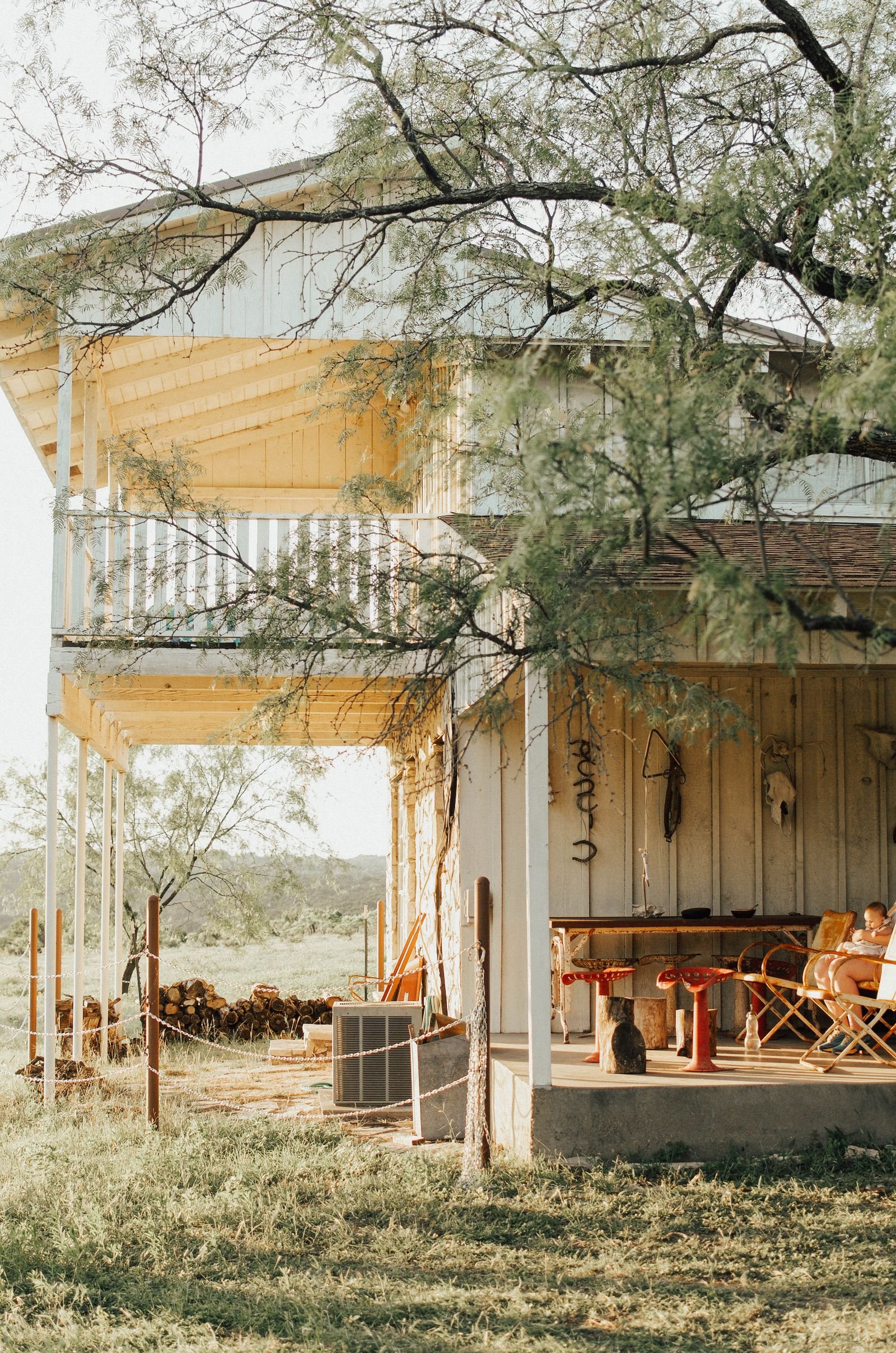
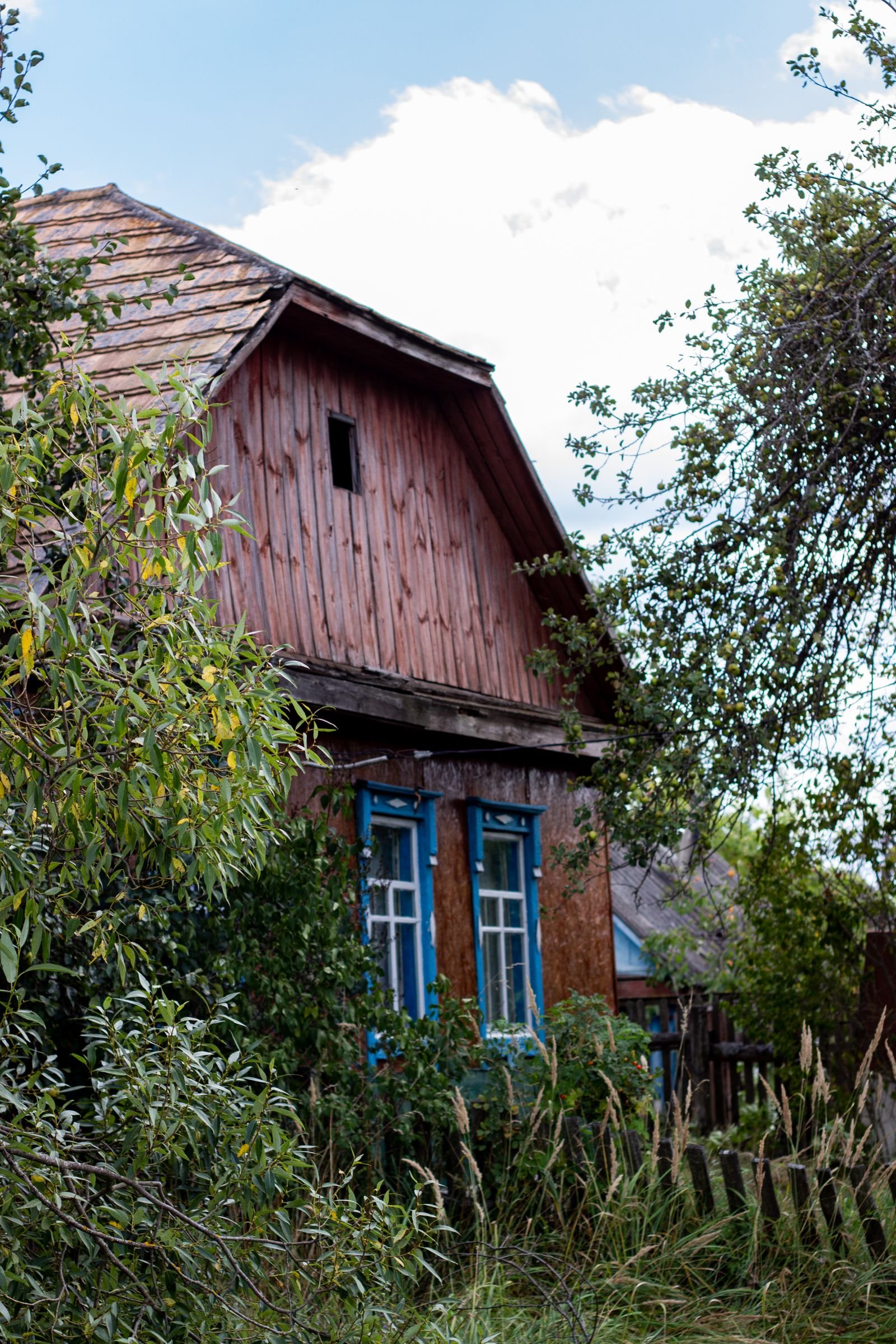
Rustic style connects with nature and simplicity. It features natural wood, stone and raw textures in earthy, warm colors. Furniture looks handmade or aged. Spaces feel cozy and relaxed, with a hint of countryside charm.
Industrial
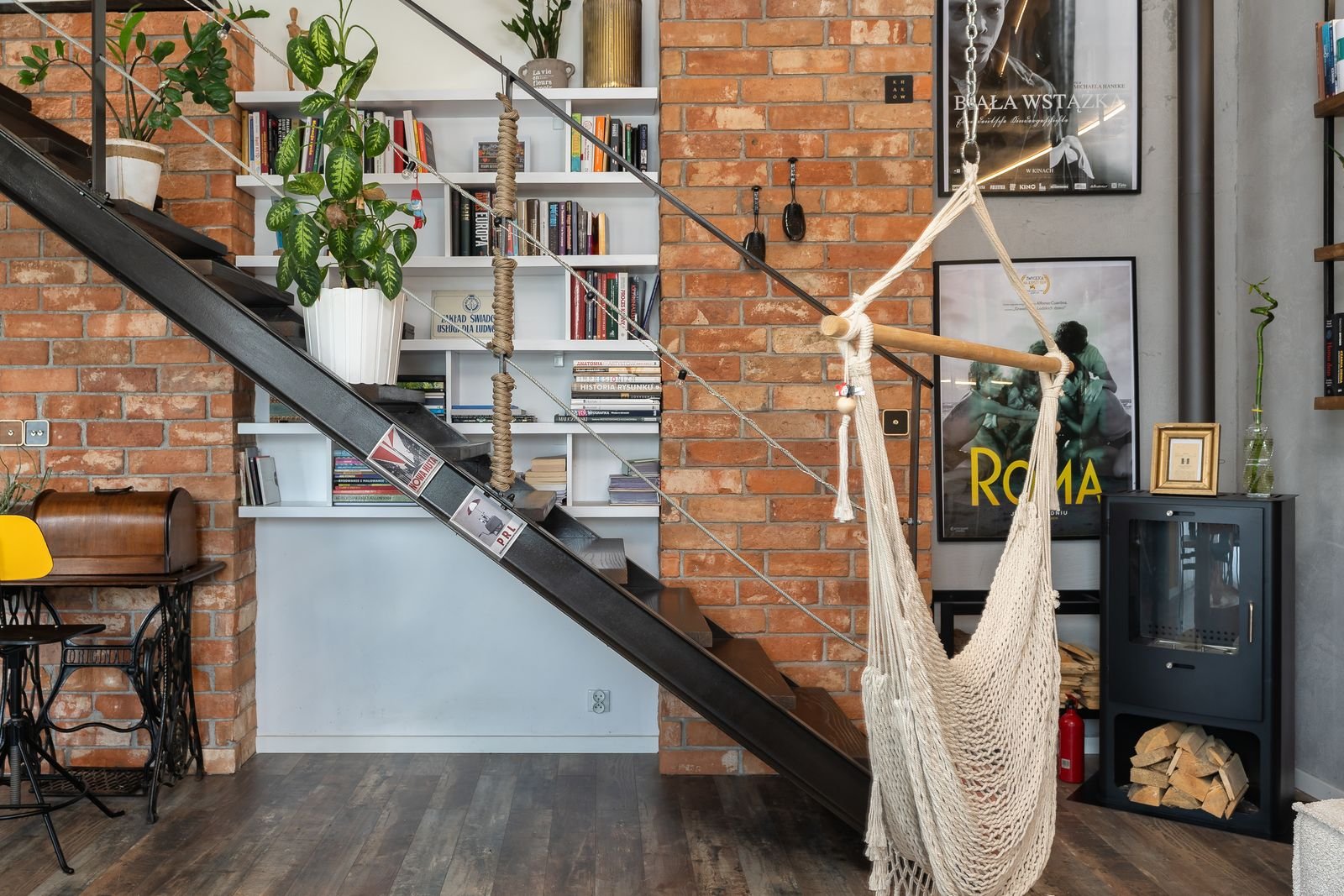
Industrial style comes from old factories and warehouses. It uses exposed brick, metal and wood in dark, neutral colors. Furniture is sturdy and functional, and lighting often includes metal fixtures. The mood is edgy and urban.
Minimalist
Minimalist style means less is more. It uses very few colors, mostly white or neutral tones. Furniture is simple and essential, spaces are clutter-free and decoration is kept to a minimum. The result feels calm and organized.
Scandinavian
Scandinavian style is bright, simple and cozy. It uses white walls, light wood, soft textiles and plenty of natural light. Furniture has clean lines and a practical purpose. To see the typical palette, read our guide to the colors in Scandinavian interiors.
Eclectic and Bohemian Styles
Eclectic and bohemian styles bring personality and freedom to a home. They mix colors, patterns and textures to create unique spaces, and they celebrate creativity without strict rules.
Boho Chic
Boho chic focuses on relaxed, natural elements. It uses earthy colors, soft fabrics and handmade items. Plants, woven rugs and vintage furniture add warmth. The style feels cozy and inviting, with an artistic flair.
Eclectic Mix
An eclectic mix combines different styles and eras. It pairs modern pieces with antiques or cultural objects. Bold colors and unexpected patterns appear together. This style shows your personality clearly, and it welcomes contrast and surprise.
Global Influences
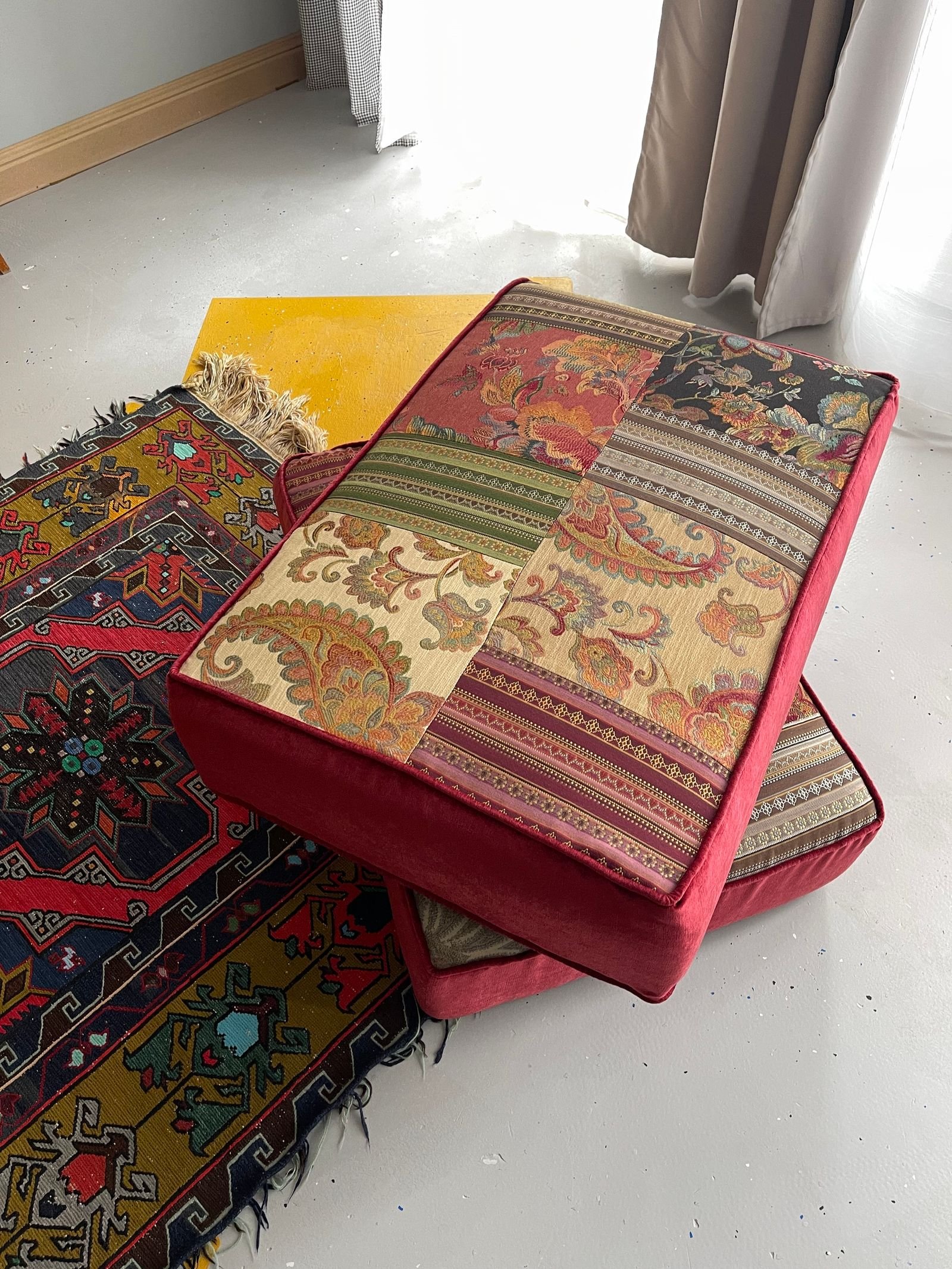
Global style brings in decor from around the world, such as Moroccan lanterns, Indian textiles or hand-carved wooden pieces. These elements add color and history to any room and create a travel-inspired look. Choose items with care and learn where they come from.
Coastal and Nautical Themes
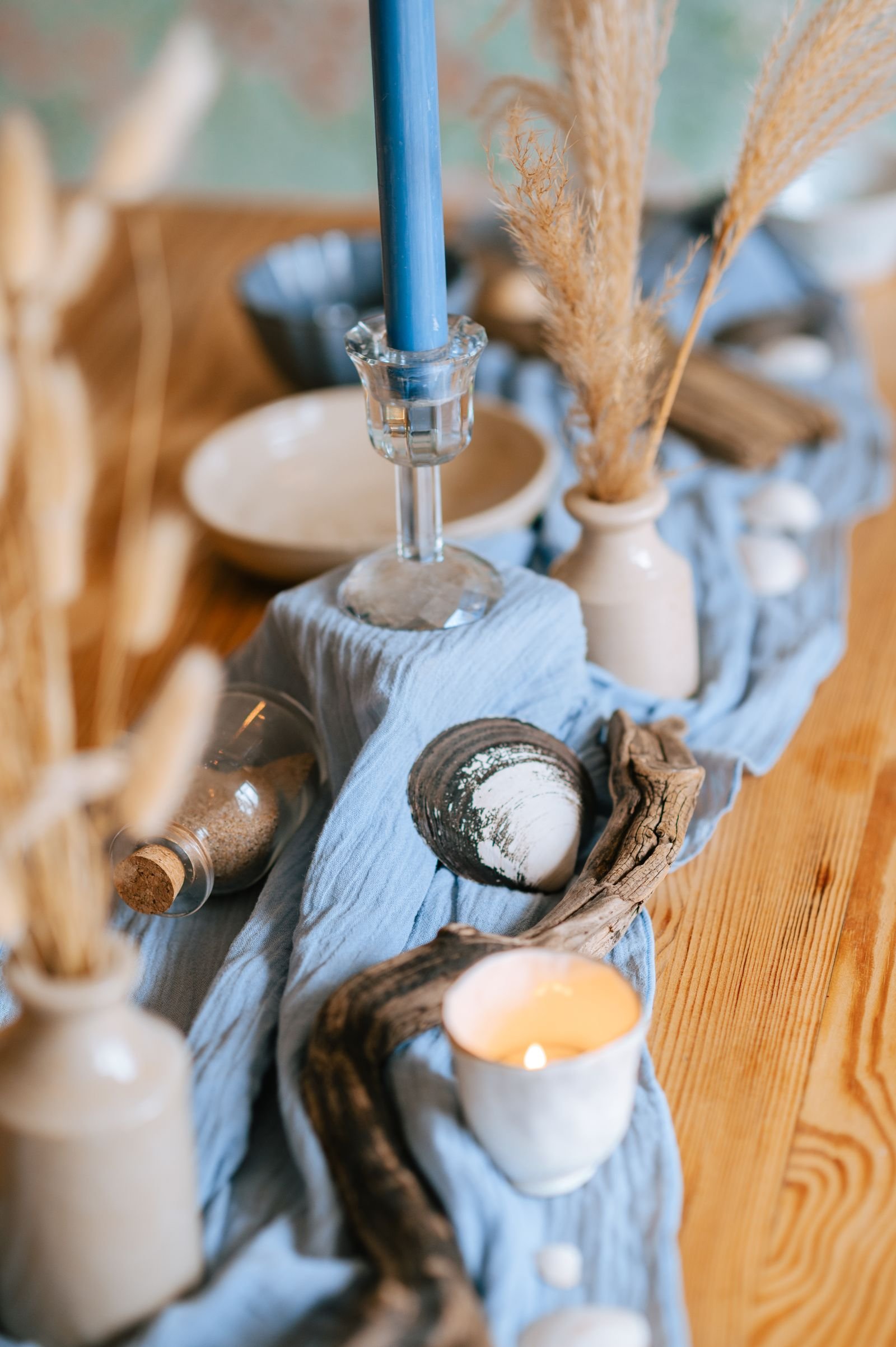
Coastal and nautical themes bring the calm of the sea into your home. They use colors, textures and shapes that remind you of the beach. Light blue, sandy beige and crisp white set the tone, and natural materials such as wood and rope add warmth. The style works in any room, not just by the water.
Beach House Style
Beach house style feels casual and welcoming. It uses soft colors such as pale blue and sandy tan. Furniture is simple and made from natural wood or wicker. Linen and cotton fabrics keep the space light and breezy, and light curtains let in sunshine. Decor is minimal but meaningful, inspired by shells, driftwood and sea glass.
Nautical Decor Elements
Nautical decor uses symbols from the sea and sailing, such as anchors, ropes and ship wheels. Navy and white stripes are common, and lanterns and maps add a sense of adventure. Wood finishes often look weathered or painted white. Use these items sparingly so the room feels stylish and not like a theme park.
Vintage and Retro Styles
Vintage and retro styles bring the charm of the past into today’s homes. They use colors, shapes and materials that feel warm and familiar, and they tell stories through furniture and decor. They often mix old and new, which creates cozy, inviting spaces.
Mid-Century Modern
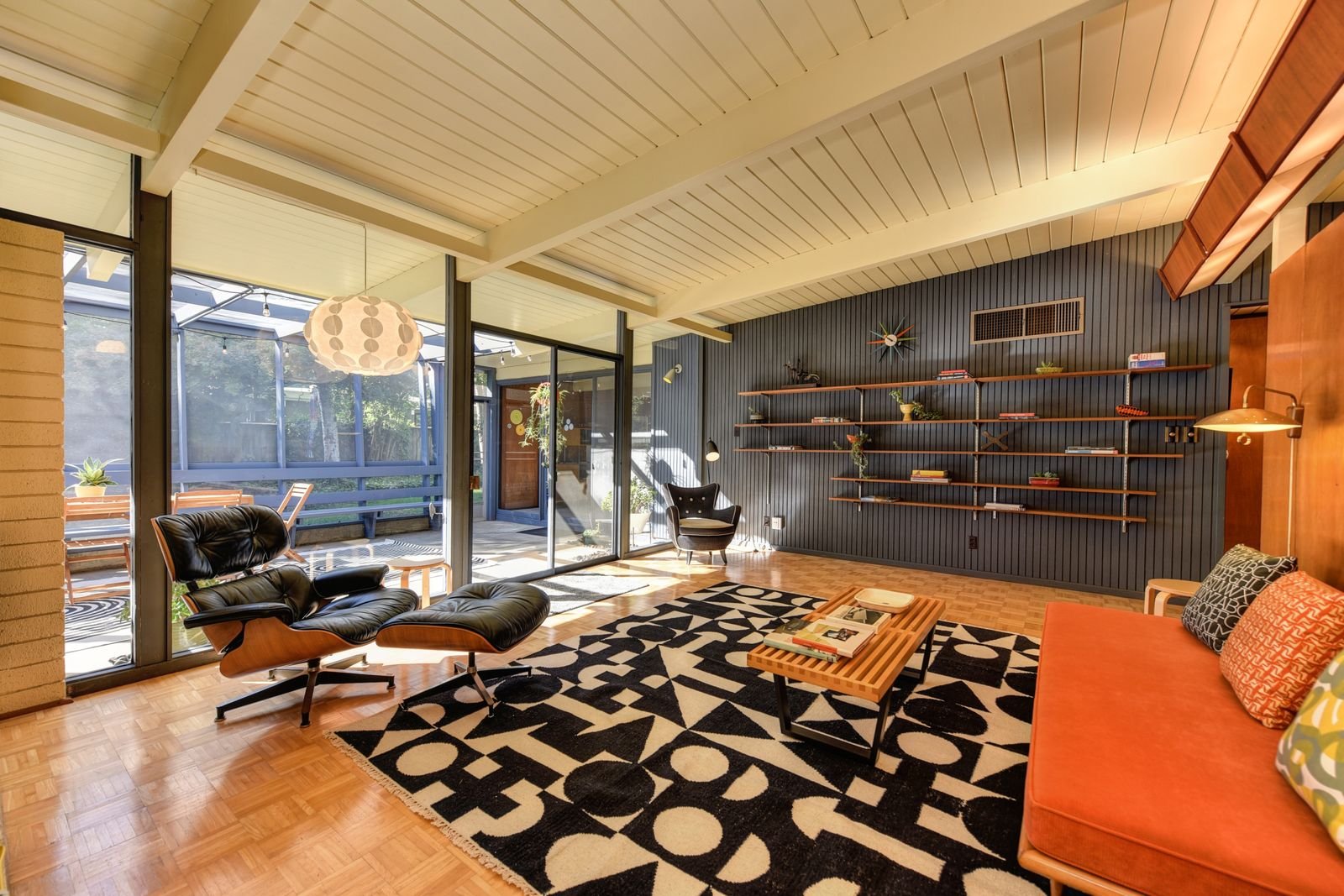
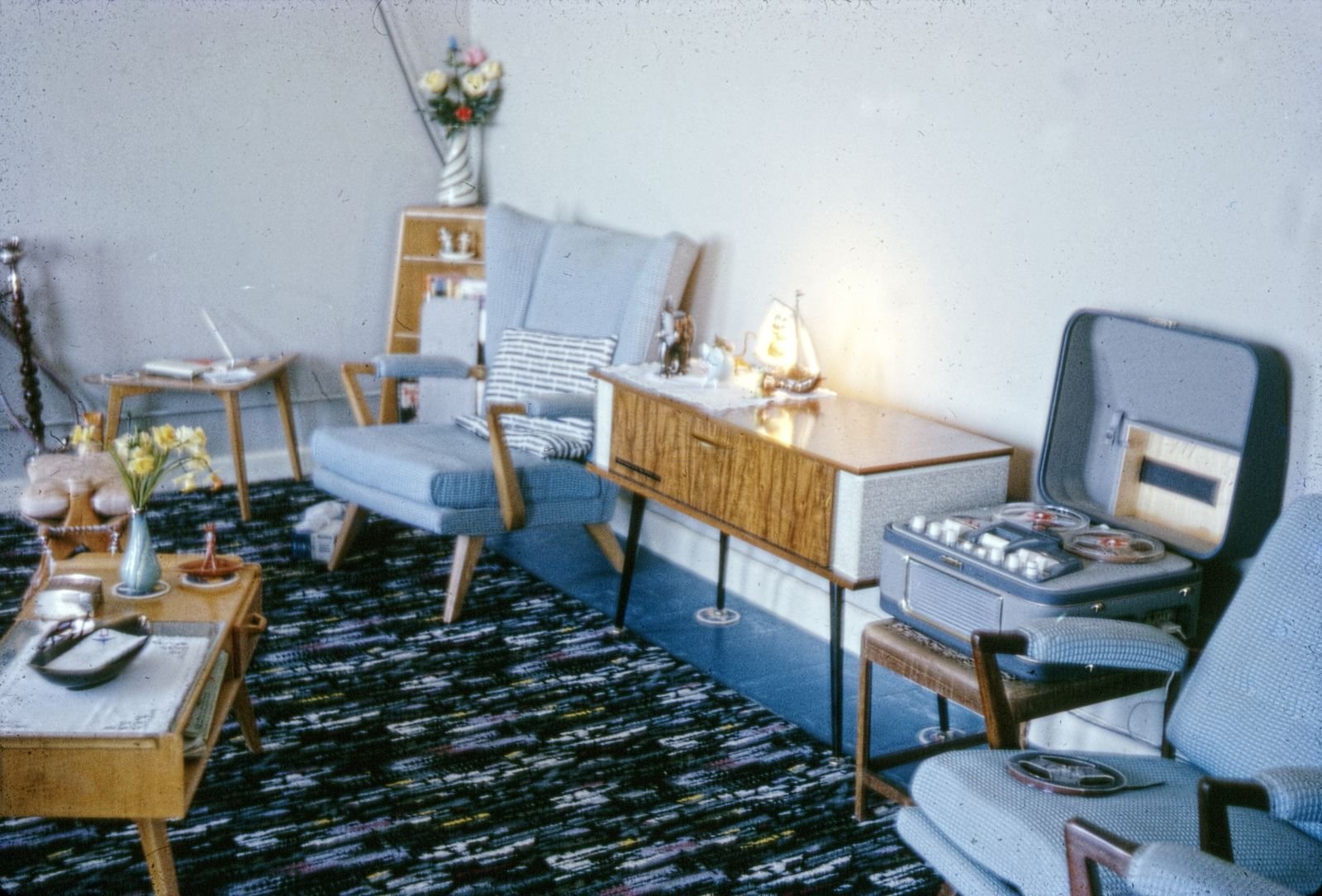
Mid-century modern began in the 1940s and lasted into the 1960s. It features clean lines, simple shapes and functional furniture. Wood, metal and bright accent colors are common. The style favors open spaces and natural light, and it feels fresh yet classic.
Art Deco
Art Deco comes from the 1920s and 1930s. It uses bold geometric shapes and rich colors. Gold, silver and glossy surfaces add luxury. The style combines elegance with the modern technology of its time and creates glamorous, eye-catching rooms.
Shabby Chic
Shabby chic is soft, comfortable and a little worn. It uses light pastel colors and distressed furniture, with flowers and lace details. The style feels romantic and relaxed, like a cozy cottage or a vintage find.
Farmhouse and Country Styles
Farmhouse and country styles bring warmth and charm. They create cozy, welcoming spaces that feel lived-in and loved, and they focus on natural materials and simple designs.
Classic Farmhouse
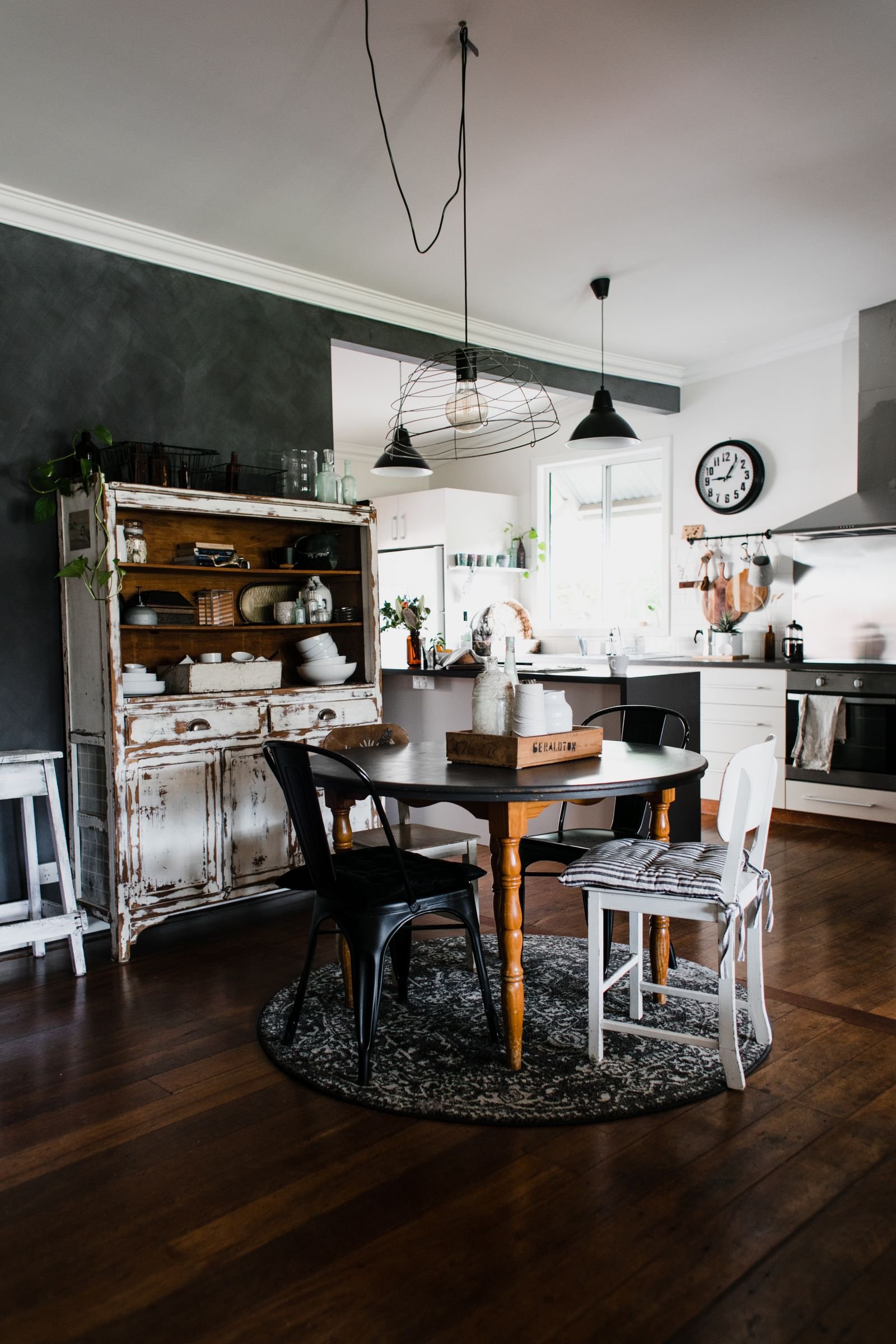
Classic farmhouse style uses wood, metal and neutral colors. White walls and wooden beams are common. Furniture is sturdy and practical, and the style often includes vintage items and handmade crafts. It feels simple and clean, yet very inviting.
French Country
French country is elegant but cozy. It mixes soft colors such as cream, blue and lavender. Furniture has curved lines and ornate details, and floral patterns and rustic wood are popular. The style feels warm and a little fancy at the same time.
Cottage Style
Cottage style is small and charming. It uses light colors and floral prints, and furniture is often painted and a little worn. The style feels bright, cheerful and relaxed.
Global and Cultural Influences
Home decor styles reflect cultures around the world. They show the beauty of local traditions and environments, with unique colors, patterns and materials.
Asian Inspired
Asian-inspired decor uses calm colors and natural materials. Bamboo, paper screens and wood are common. Simple lines and open spaces create peace and balance. Decor often includes lanterns, screens and low furniture. The focus is harmony between nature and home.
Mediterranean Style
Mediterranean style comes from countries near the sea. It uses warm colors such as terracotta, blue and white. Textured walls and tile floors add charm, and wrought iron and wooden beams add character. The style feels bright, airy and relaxed.
Southwestern Decor
Southwestern decor reflects the American Southwest. Earth tones such as brown, red and orange dominate. Patterns inspired by Native American art are common, and leather, wood and clay appear often. The style feels rugged yet cozy and inviting.
Mixing and Matching Styles
Mixing styles creates fresh, personal spaces. It lets you blend looks to fit your taste, rather than following the rules of a single style, and it adds variety and interest to any room.
Combine Elements
Pick key pieces from different styles. A modern sofa pairs well with a rustic coffee table. Use colors that work well together, and balance bold patterns with simple textures. Keep some items neutral to avoid clutter. Mixing metals such as brass and chrome adds depth, and small details such as pillows or lamps help to unify the look. A helpful rule is to choose one main style for about 70 percent of the room and borrow from others for the rest.
Create Unique Spaces
Mixing styles makes rooms truly yours. Combine vintage items with contemporary art for contrast. Layer rugs of different patterns and materials, and use plants to soften strong decor elements. Add personal items that tell your story, and every space becomes an original reflection of you.
Trends Shaping Home Decor
Decor styles keep changing as new trends shape the way people design their spaces. Trends reflect how people want to live and what feels comfortable, and understanding them helps you create a home that looks fresh and feels personal.
Sustainable Design
Sustainable design uses eco-friendly materials and methods. People choose furniture made from recycled or natural materials, which reduces waste. Energy-saving lighting and low-VOC paint are popular. Plants bring nature indoors and make the space calm and pleasant.
Smart Home Integration
Smart devices such as smart lights, thermostats and security systems add comfort and safety. They can be controlled by phone or voice. Smart technology fits well with modern and minimalist styles, and it can save energy and time.
Color and Texture Trends
Warm earth tones and soft pastels have been popular recently, and they make spaces feel cozy and welcoming. Natural fabrics such as linen and cotton add interest. Rough wood and smooth metals create contrast. Mixing textures makes rooms look balanced and lively.
Frequently Asked Questions
How Many Home Decor Styles Are There?
There is no official number, because styles overlap and designers group them differently. This guide covers 22 widely used styles, including modern, rustic, industrial, Scandinavian, bohemian and farmhouse. Each one suits different tastes and lifestyles.
What Defines a Home Decor Style?
A style is defined by its color scheme, furniture, textures and accessories. Together they create a cohesive look that reflects personal taste and cultural influences. Styles range from minimalist to maximalist.
Can I Mix Different Home Decor Styles?
Yes. Mixing styles adds personality and depth. Balance is the key, so blend colors and textures in a way that avoids clashing.
Which Home Decor Style Is Most Versatile?
Modern and transitional styles are very versatile. They blend with many design elements and adapt easily to changing trends, so they suit many types of homes.
Conclusion
Home decor styles offer many choices for every taste and space. Each brings a different feel and personality to your home, and mixing styles can create a look that is truly yours.
Your home should reflect who you are and what you love. Keep experimenting until you find a style that feels right, and enjoy decorating as a way to express yourself.