There is no fixed schedule for changing your home decor. The right time depends on your budget, your lifestyle and how your rooms feel. Updating too often is tiring and costly, while waiting too long leaves a space looking dull and worn.
This guide shows the signs that a room needs a refresh, the factors that set your pace, and simple ways to update on a budget. It also explains how to split changes into long-term and short-term ones, so your home stays fresh without constant effort.
Signs It Is Time to Update
Your home usually tells you when a change is due. Pay attention to how each room looks and feels, and you will spot the signs early.
Faded or Worn Items
Furniture and fabrics lose color and texture over time. Flat cushions, scratched tables and sun-faded curtains make a home look tired. Fix or replace these first, because the improvement is immediate. A new slipcover, a coat of furniture paint or fresh curtain panels often costs far less than a new piece.
Feeling Stuck or Bored
If you walk into a room and feel nothing, it may be time for a change. Boredom with your surroundings is a good reason to move the art, swap the colors or try a new layout. A small change can bring fresh energy back to the space.
Changing Personal Style
Your taste changes as you do. What you loved years ago may no longer fit who you are now. Update art, colors and accessories so the room matches your current preferences. You do not need to replace everything at once. Start with the pieces you see most often.
Changing Daily Needs
A new baby, a pet, a home office or a growing collection of books can all change what a room needs. More storage, better lighting or a new layout may do more for your comfort than any new decor. Make the room work first, then make it pretty.
Factors That Set Your Pace
How often you change decor depends on your own situation. These four factors matter most.
Budget
Money limits how often you can change things. A large budget allows frequent updates, while a smaller one needs careful planning. The good news is that small, low-cost items can refresh a room, and simply rearranging furniture costs nothing. For more ideas, see our guide on how to improve home decoration on a low budget.
Home Size and Layout
Large homes have more rooms to update, so a full refresh takes more time and money. In a small home, you can focus on one area at a time, and a few changes can alter the whole feel. Open layouts also need more care, because a change in one area affects the rooms beside it.
Lifestyle and Habits
Households with children or pets often replace items sooner because of wear and tear. People who entertain often may want a fresher look more regularly. A quiet household can keep the same decor for longer. Think about how each room is used every day before you plan changes.
Trends and Fashion
Some people like to follow new styles each season, while others prefer timeless looks. Trends can inspire small updates such as cushions, curtains or a vase. Avoid changing everything just to follow a trend, because it will date quickly. Our post on how long home decor trends last can help you decide what is worth following.
Benefits of Regular Updates
Small, regular updates keep your home inviting and help it age well. You do not need a big project to see the benefits.
Better Comfort
New furniture or a better layout can make rooms easier to use. Soft fabrics and warm colors add a cozy feel. You enjoy your space more when it suits the way you live.
A Fresher Look
Changing colors, art or accessories adds personality and keeps a room from looking stuck in the past. A tidy, well-styled home looks welcoming to guests and to you.
Higher Home Value
Fresh paint, clean fixtures and well-kept rooms appeal to buyers if you ever sell. Regular care also stops small problems from growing into expensive ones.
A Better Mood
Bright colors and a clean, organized space can lift your spirits. Feeling good at home helps you relax after a busy day.
Budget-Friendly Update Ideas
Refreshing your home does not need to be expensive. These ideas give a room a new look for little money.
Rearrange Your Furniture
Move sofas, chairs and tables to create a fresh feel. Try placing seating near a window or turning a bed to a different wall. Changing the layout can open up the room and improve how people move through it. It costs nothing but a little effort. Leave about 30 inches (75 cm) for main walkways so the room stays easy to use.
Try DIY Projects
Simple crafts add charm and cost less than store-bought items. Paint old frames, sew new cushion covers or build a simple shelf. Use affordable materials such as wood, fabric and paint. Start with one small project and build from there.
Swap Small Accessories
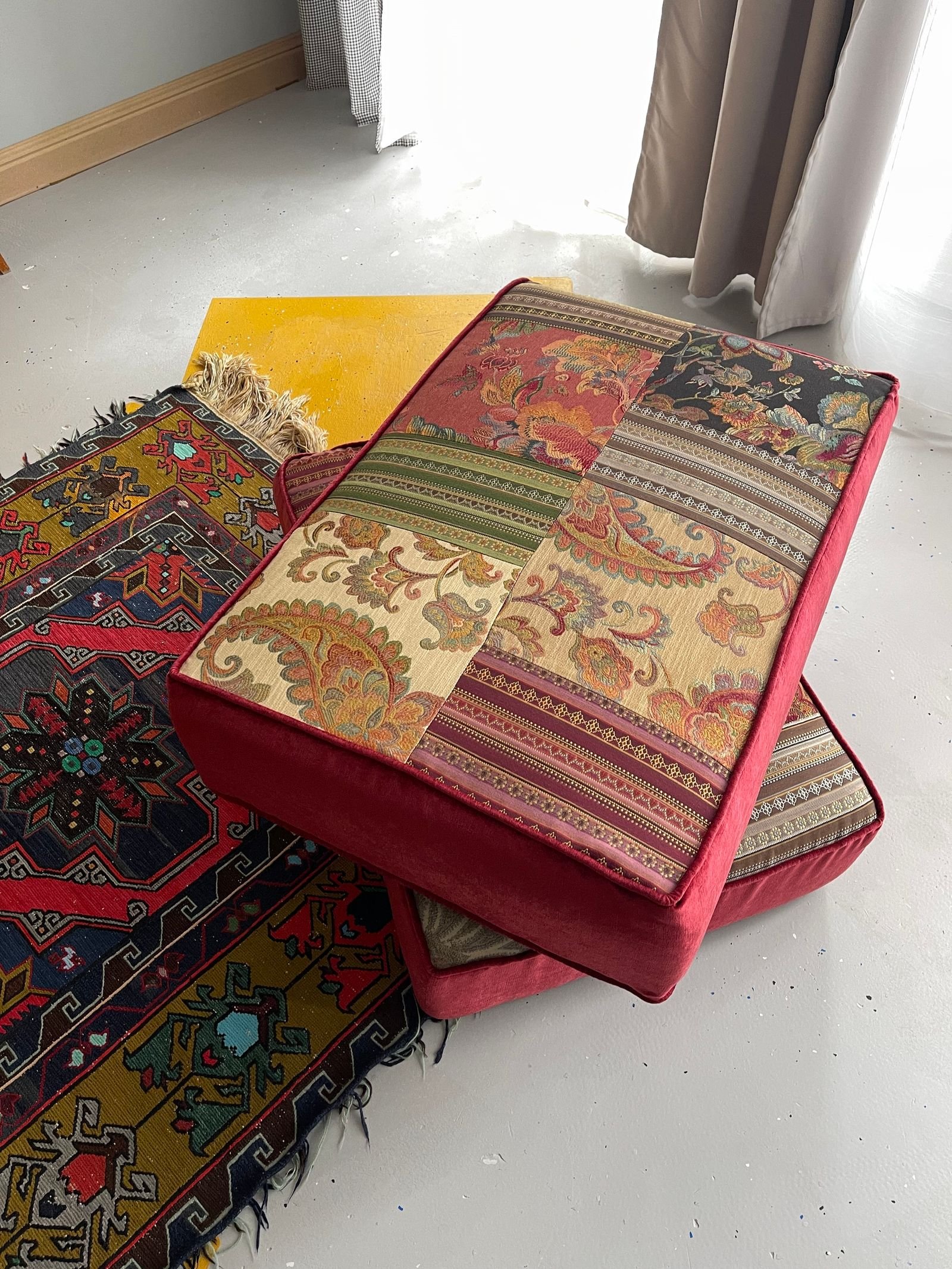
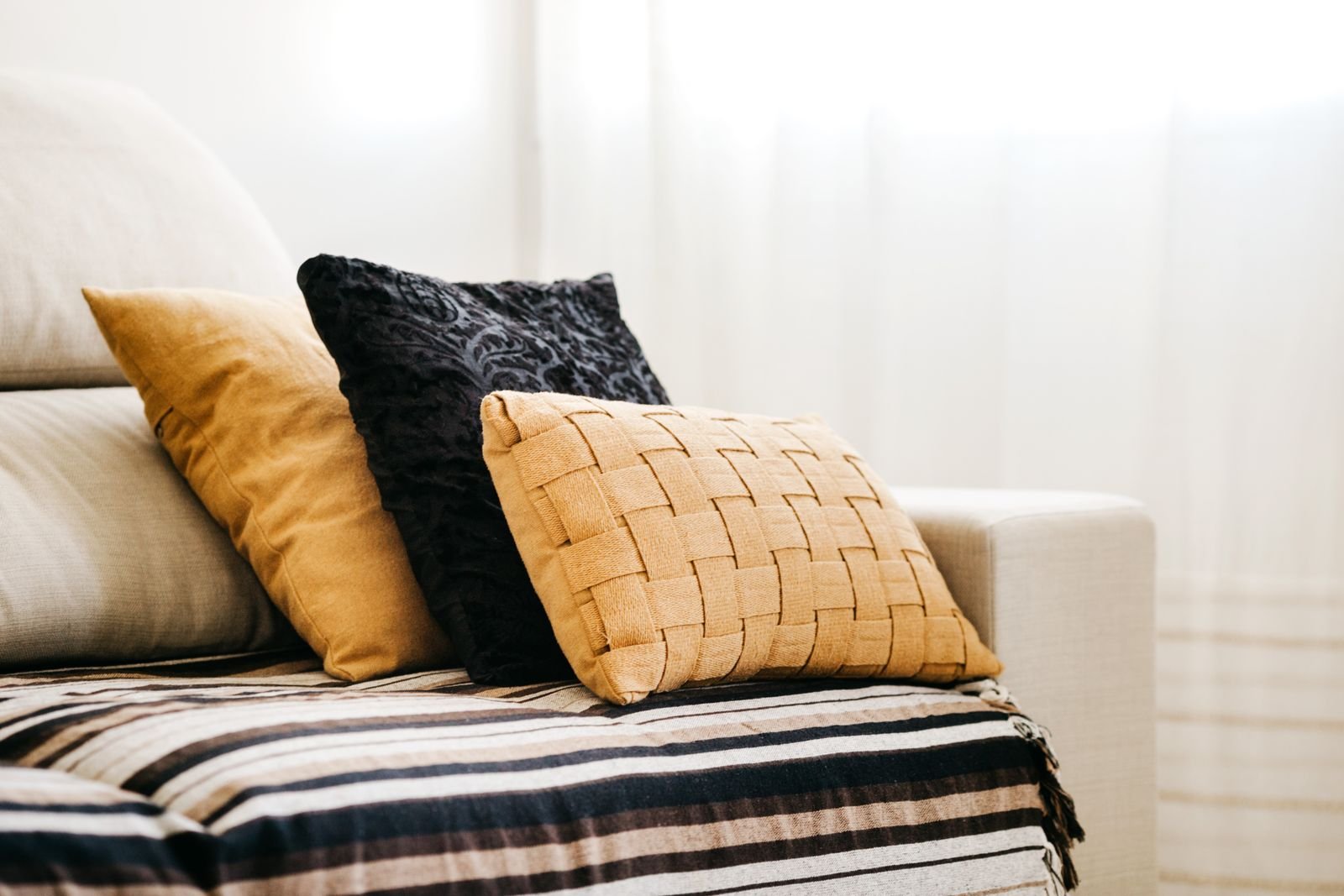
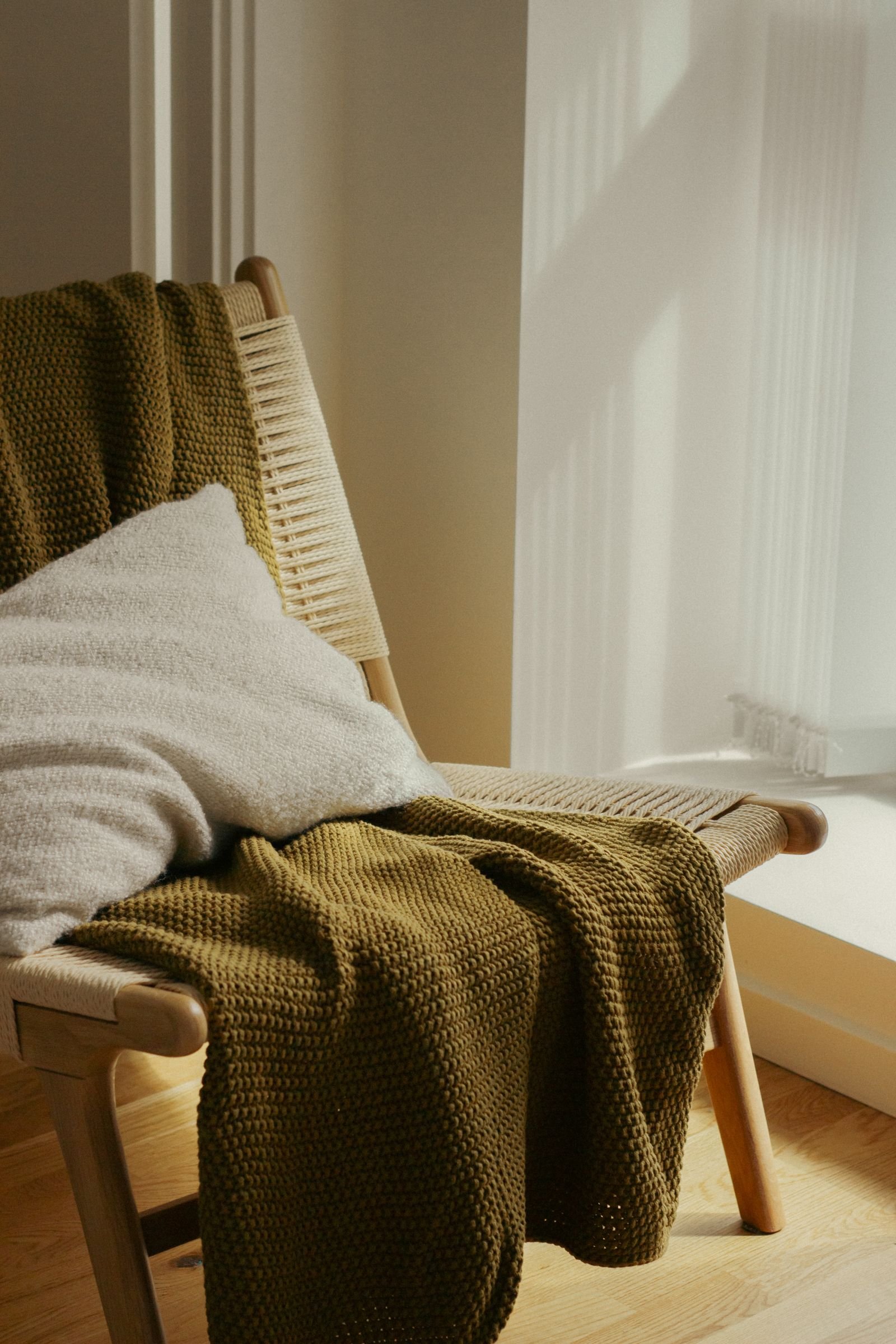
Change pillows, rugs, curtains and throws to add new colors and patterns. Plants, candles and artwork also give a quick style boost. Accessories are easy to replace and easy to move around, so they make a big difference without a big cost.
Thrift and Upcycle
Charity shops, garage sales and online marketplaces are full of solid furniture that only needs paint or new fabric. Upcycling saves money, reduces waste and gives your home pieces nobody else has. Check that drawers slide, joints are firm and there is no damp smell before you buy.
Reuse What You Own
Turn jars into vases, trays into wall art and old fabric into table runners. Moving items from one room to another can also make them look new.
Seasonal Decor Switches
Changing decor with the seasons keeps rooms lively and gives you a reason to refresh a few times a year. You do not need to redo everything. A handful of swaps is enough.
Spring and Summer Styles
Spring and summer suit light, airy decor. Use soft pastels and brighter colors, add flowers and plants, and swap heavy fabrics for light curtains and cushions. Natural materials such as wood and rattan help create a warm, cheerful mood.
Fall and Winter Themes
Fall and winter call for warm, cozy looks. Choose deep colors such as orange, red and brown. Add soft blankets and thick rugs, and use candles and warm lighting for a calm mood. Pine cones and leaves bring in a natural touch, and texture adds to the snug feeling.
Holiday Decorations
Holiday decor adds special charm. Keep it simple to avoid clutter, and store it carefully so it lasts year after year. Label your boxes by season so you can switch decor quickly.
Balancing Seasonal Changes
Avoid changing everything at once. Mix a few seasonal pieces with your regular decor so your style stays consistent. Prioritize easy swaps such as cushions and artwork, and plan changes around the weather and holidays.
Long-Term vs. Short-Term Changes
Some updates last for years and set the style of a room. Others are quick swaps that bring fresh energy. Knowing the difference helps you plan your decorating and your budget.
Permanent Fixtures
Walls, floors, built-in shelves, lighting fixtures and large furniture shape the main look of a room. Changing them takes time and money, so most people update them only every several years. Choose colors and materials you will still like in a decade, and invest in quality here.
Temporary Accents
Pillows, rugs, curtains and wall art are easy to swap and follow trends well. Changing them every few months or each season keeps your space lively without much effort or cost.
Mixing Both Approaches
Start with a solid base you love, then add temporary pieces to express your mood. This keeps the home stable but flexible, and it saves money by avoiding constant remodels. Timeless pieces also last longer, which is covered in our list of home decor ideas that never go out of style.
Popular Decorating Timelines
If you like a plan, these three rhythms suit most households. Pick the one that fits your time and budget.
Annual Refresh
Many people update their home once a year, often in spring or fall. Use the time to clean, declutter and change a few key items such as cushions, rugs or wall art.
Seasonal Updates
Changing styles four times a year is easy if you keep to small items. Think soft pastels in spring, warm tones in autumn and cozy textures in winter.
Event-Based Decorating
Some people decorate only for special events such as birthdays, weddings and holidays. This suits those who prefer fewer changes, and it keeps decorating fun and short.
Keep a Consistent Style
Frequent changes only work if your home still feels like one place. A consistent look saves money because you avoid buying pieces that clash.
Create a Mood Board
Collect pictures, fabric samples and paint colors that inspire you. Check the board before you shop, and skip anything that does not fit. This stops impulse buys and keeps your choices focused.
Stick to a Simple Palette
Pick three or four main colors and repeat them from room to room. Use accent colors for interest, and keep the base calm. A limited palette makes it easy to add new pieces later.
Frequently Asked Questions
How Often Should I Update Home Decor?
Small updates such as cushions, art and throws work well each season or once or twice a year. Larger changes, such as paint or furniture, usually come every few years or when your style or needs change. There is no perfect schedule, so go by how the room feels.
When Is the Best Time to Change Home Decor?
Seasonal changes are a natural time, especially spring and fall. Holidays and special events also inspire updates. Changing decor when the light shifts through the year can also make a room feel new.
How Can I Tell If My Home Decor Is Outdated?
Look for faded colors, worn materials and styles that feel old-fashioned. If the room no longer reflects your taste or no longer suits your lifestyle, it is ready for a refresh.
What Are Simple Ways to Refresh Decor Quickly?
Use throw pillows, rugs or curtains to add new colors and patterns. Rearrange furniture, add plants or update the lighting. These changes improve style without costly renovation.
Should My Decor Follow Current Trends?
Use trends selectively. Add them in easy-to-change items such as pillows or art, and balance them with timeless pieces so you do not need frequent overhauls.
Conclusion
How often you change your home decor depends on your style, budget and daily life. Small updates keep a space fresh without big spending, and seasonal changes can inspire new colors and textures. Trust how the room feels, and change it when it starts to feel dull.
Enjoy decorating at your own pace. Keep it simple, make it personal, and let your home be a place you love to come back to.