Finding your decorating style means working out which colors, textures and shapes you enjoy living with, then using them consistently. It takes a little time, but you do not need a designer, only a few simple steps and some patience.
This guide walks you through identifying your tastes, gathering inspiration, studying your space, trying popular styles, mixing elements and testing ideas before you commit.
Identify Your Preferences
Start with what you already like. Your preferences guide every later choice, from paint to pillows.
Explore Your Favorite Colors
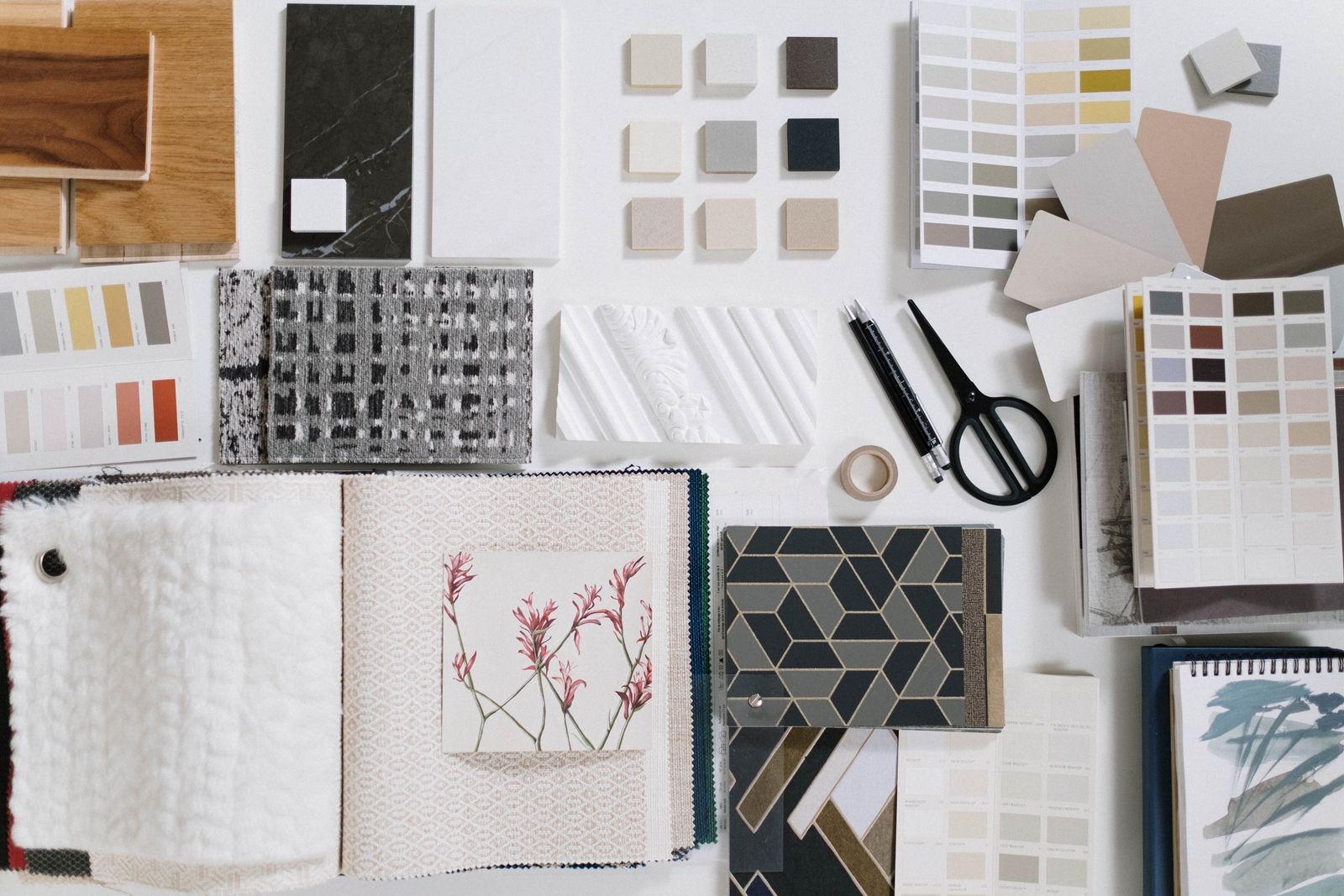
Colors set the mood of a room. Think about shades that make you feel calm or happy. Look at your wardrobe and at photos you love, and notice which colors you pick again and again. These favorites can shape your color scheme.
Collect paint samples and fabric swatches, and look at them at different times of day. Light changes how a color looks.
Pinpoint Preferred Textures
Textures add depth to a room. Soft fabrics, smooth surfaces and rough finishes all create different feelings. Notice what you enjoy touching and seeing. Do you prefer cozy blankets or sleek furniture? Mixing textures helps a room feel balanced, and your preferences show you which mix suits you.
Assess the Patterns You Like
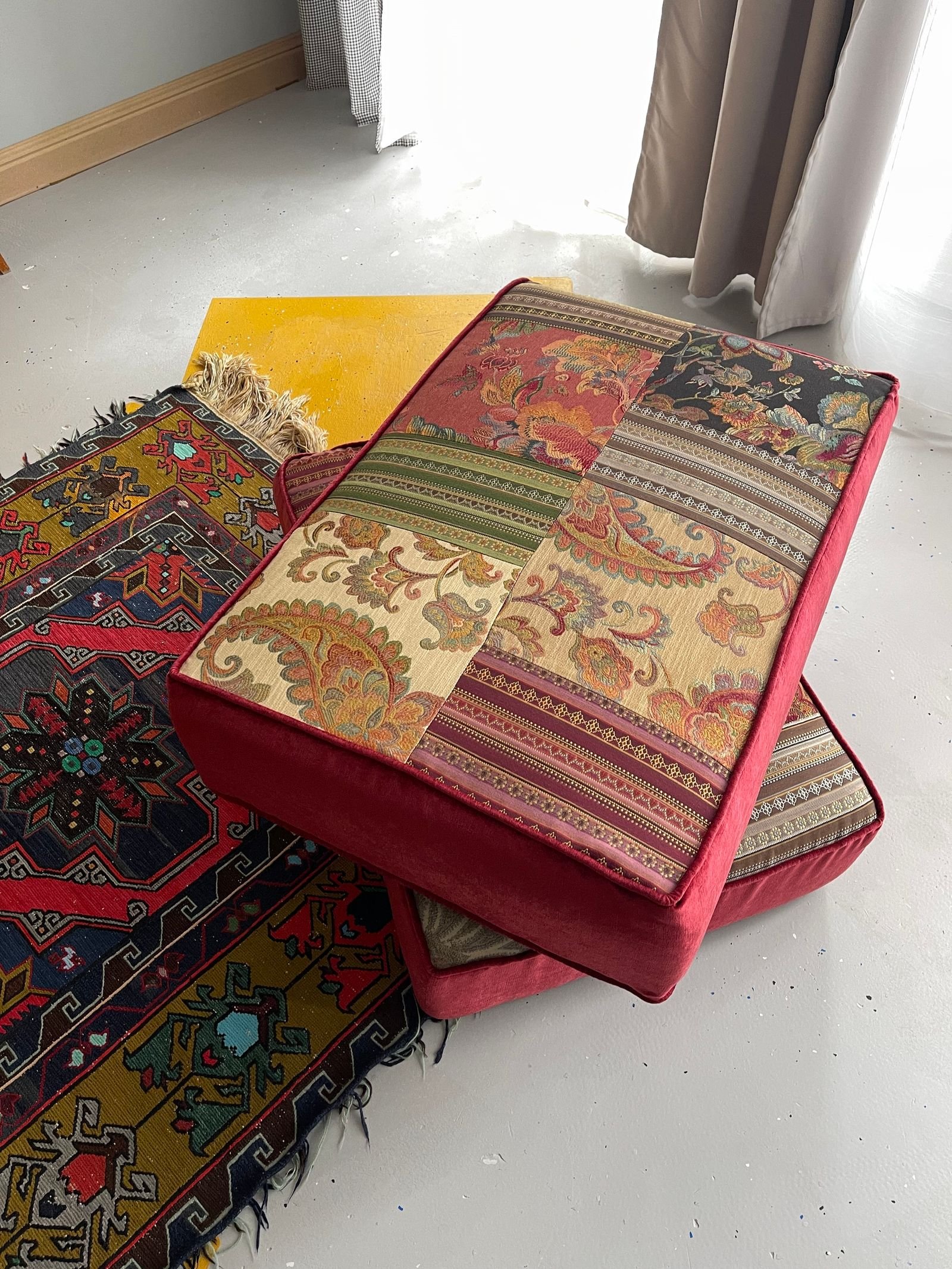
Stripes, florals and geometric shapes all give a room character. Look at the patterns in clothes or art that attract you, and decide how bold or subtle you want them. Add patterns with pillows, rugs or wallpaper. A small amount of pattern is easy to change later.
Gather Inspiration
Inspiration helps you see what you like and what fits your home. Start by saving what speaks to you from many sources.
Create a Mood Board
A mood board shows your favorite colors, textures and styles in one place. Print images or cut pictures from magazines, and pin them to a board, or use a digital tool. Look for patterns in what you chose, such as the same colors or the same type of furniture. Those repeats point to your style.
Browse Interior Design Magazines
Magazines show real rooms with finished color and furniture choices. Mark the pages where a room feels right, and note the colors, furniture and decorations. They also show current trends and timeless looks.
Use Online Platforms
Websites and apps show homes from around the world. Save images that match your taste, and use searches such as “cozy living room” or “modern kitchen” to narrow your options. Group your saved images by room so you can compare them easily. Our guide to interior design inspiration is a good place to begin.
Evaluate Your Space
Your room’s size, light and features limit and guide what works. Study it carefully before you decide.
Consider Room Size and Layout
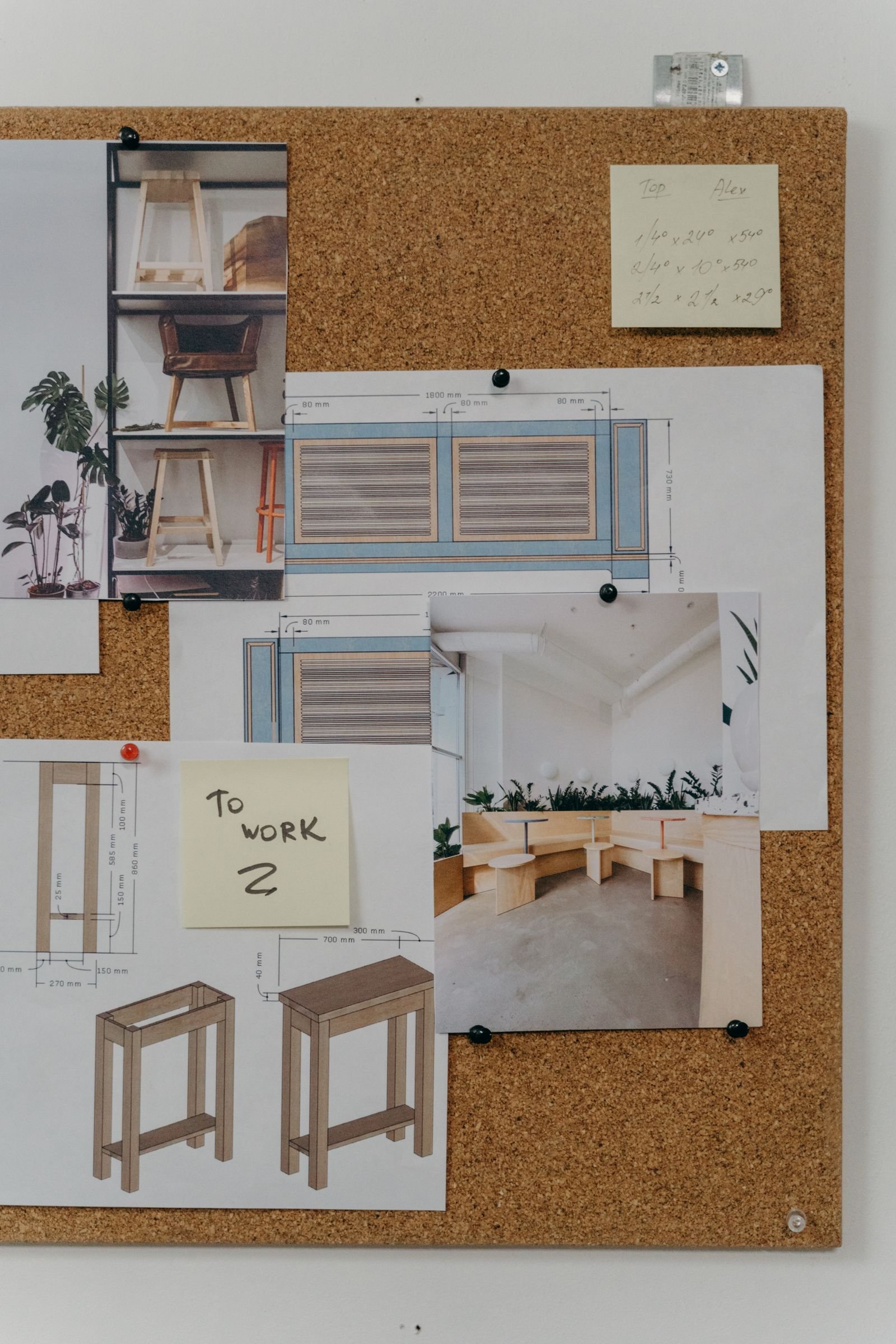
A small room needs simple, compact pieces. A large room can take bigger furniture and more decor. Measure the room and note where the doors and windows are, so your plan fits the real space.
Analyze Natural Lighting
Natural light changes how colors look. Bright rooms suit bold colors and patterns, while dim rooms work better with light, soft tones. Notice how sunlight moves through the room during the day.
Note Architectural Features
Moldings, beams and built-in shelves add character. Work with these details instead of against them. They can guide your style choice or become focal points.
Explore Popular Styles
Each style has its own features and mood. Knowing them helps you name what you like. For a wider list, see our guide to trendy interior design styles.
Modern and Minimalist
Modern and minimalist styles focus on simplicity and clean lines. Furniture is sleek with smooth surfaces, colors are often neutral, and spaces feel open and uncluttered. The style creates calm and order.
Bohemian and Eclectic
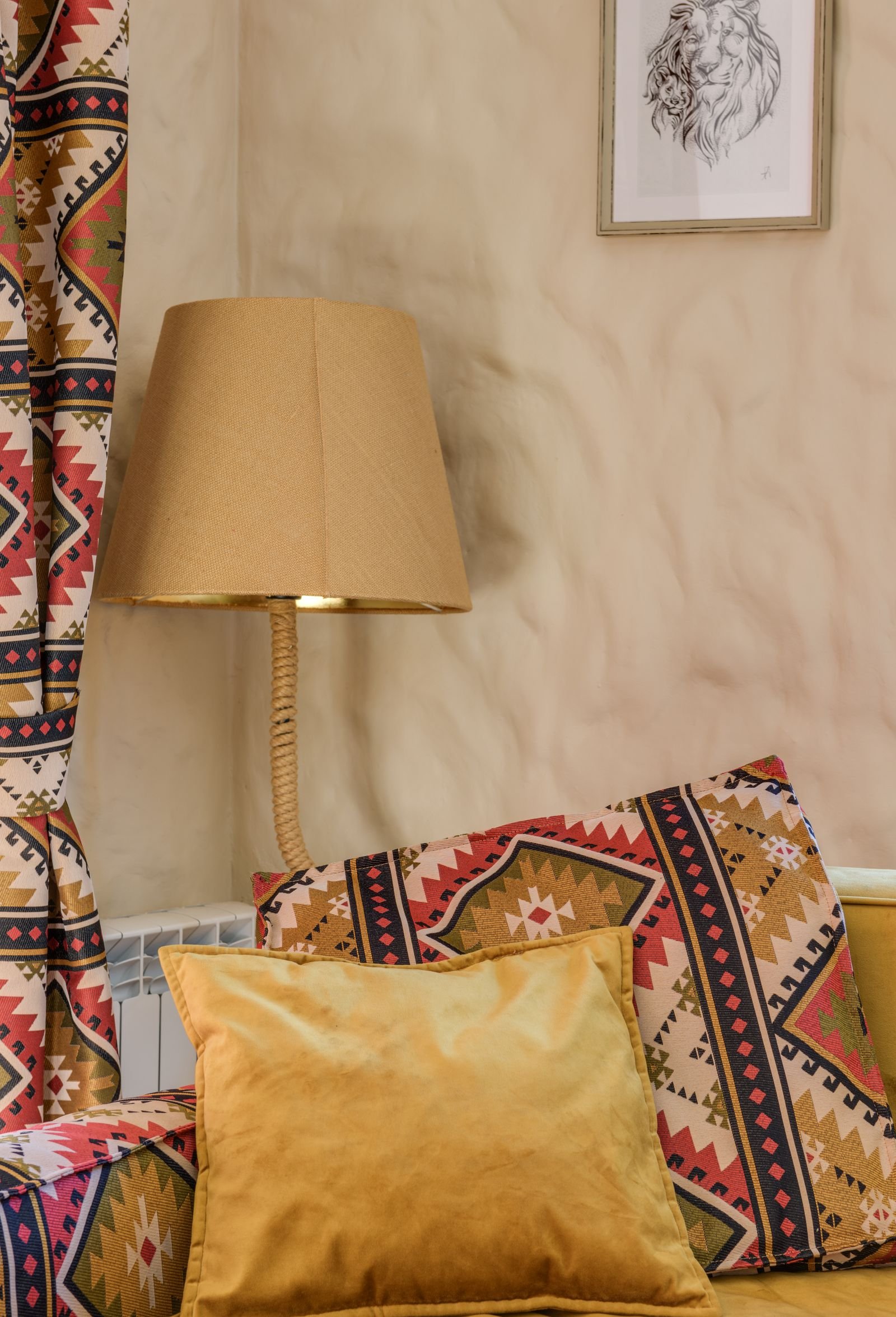
These styles mix colors, patterns and textures freely. Bright rugs, pillows and wall art are common. The look feels warm, creative and relaxed.
Traditional and Classic
Traditional style uses timeless designs and rich details, such as wood furniture with carved edges. Warm colors such as beige, brown and gold are typical. The style feels formal yet comfortable.
Industrial and Urban
Industrial style borrows from old factories and city lofts. Metal, brick and wood stand out, and colors are dark, such as black, gray and brown. The look feels rugged and modern.
Mix and Match Elements
Most real homes mix more than one style. Combining colors, textures and pieces from different times gives a room a fresh and personal look and avoids a flat, showroom feel.
Combine Colors and Textures
Pair soft fabrics with rougher materials, such as a velvet cushion on a leather chair. Use patterns and solids together, and balance bright and neutral tones. A simple rule is to choose one main color, one supporting color and one accent.
Blend Old and New Pieces
A vintage lamp on a sleek table looks stylish and unique. Old and new pieces together give your space a story. Use antiques with simple, clean-lined items for balance.
Incorporate Personal Items
Family photos, souvenirs and handmade crafts add warmth and tell your story. Display them with care so the room stays neat.
Test Your Style
Trying ideas on a small scale lets you learn what you like without a large risk.
Start With a Small Project
Choose a corner or a shelf and decorate it with items that feel right. You will see how your style looks in real life, and you can avoid costly mistakes.
Use Temporary Decor
Throw pillows, rugs and wall art are easy to change. Use them to test styles with no long-term commitment. Buy a few and return what does not work, if the store allows it.
Seek Feedback From Others
Ask friends or family what they think. Others sometimes see things you miss. Choose people who know your taste well, and remember that the final decision is yours.
Refine and Personalize
Refining your style turns a house into a home. Small changes can have a big effect.
Adjust for Comfort and Function
Your home should work for you. Choose furniture that feels good and suits how you use each room, and arrange pieces so people can move around easily.
Add Unique Accessories
Choose items with meaning, such as a photo, a souvenir or a handmade piece. Mix textures and colors to add interest.
Create a Cohesive Look
Choose a color palette to guide your choices and repeat patterns or materials in different rooms. A consistent look makes your style clear and pleasing.
Common Mistakes to Avoid
- Following trends you do not like because they are popular
- Buying a full matching set instead of building a room over time
- Ignoring how you actually live, for example choosing delicate fabrics when you have pets
- Painting before testing colors in your own light
- Trying to use every style you like in a single room
Frequently Asked Questions
What Are the First Steps to Discover My Decorating Style?
Look at your favorite colors and patterns, think about rooms you like, and collect pictures that make you feel happy and comfortable.
How Can I Mix Different Styles?
Choose one style as your base and add small items from other styles for variety. Keep colors and shapes balanced to avoid chaos.
What Role Does Budget Play?
Your budget helps decide materials and furniture. Choose affordable items that fit your style, save on small details and spend more on key pieces such as the sofa or bed.
How Can I Use Pinterest to Find My Style?
Search for home decor ideas and save what you like. Group the images by style or room and look for patterns in your saved pictures.
Can My Decorating Style Change Over Time?
Yes. Styles change as you grow or your tastes shift. Update your space by swapping small items or colors, keep what feels right and add new ideas slowly.
Conclusion
Finding your decorating style takes time and patience. Start with what you love, look for patterns in your inspiration and test ideas on a small scale. Trust your instincts, and keep the choices simple and true to yourself. When your home matches your style, it feels warm and inviting. If you are still unsure, our guide to which home design is best compares popular styles side by side.

1 comment