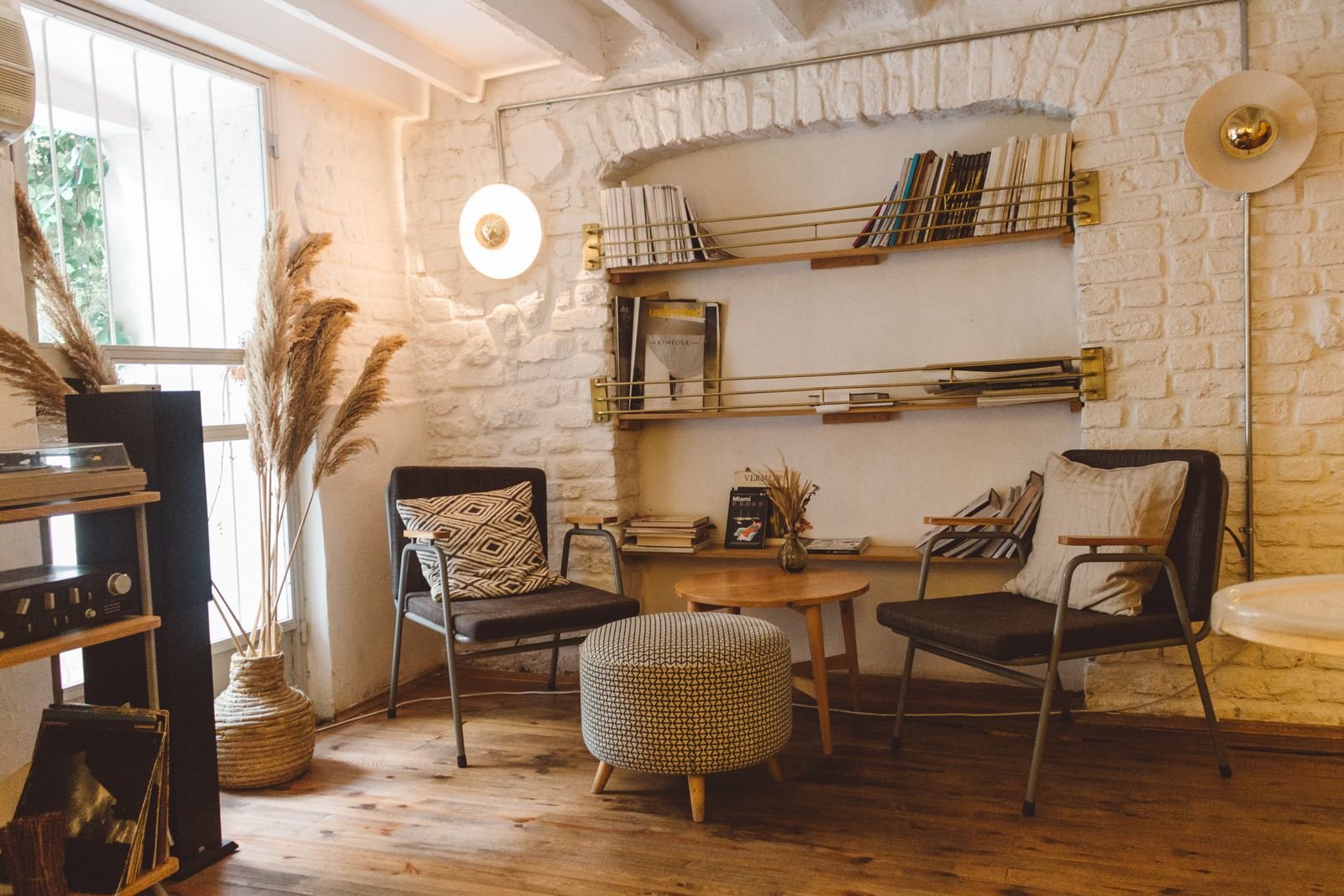
Furniture is far more than something to sit on or store things in. It shapes the look, the mood and the daily comfort of your whole home, and it often decides whether a room feels finished or empty.
This guide explains why furniture matters in home decoration. It covers how furniture shapes appearance, comfort, space, mood and even culture, with practical tips you can use in any room.
The Role of Furniture in Aesthetic Appeal
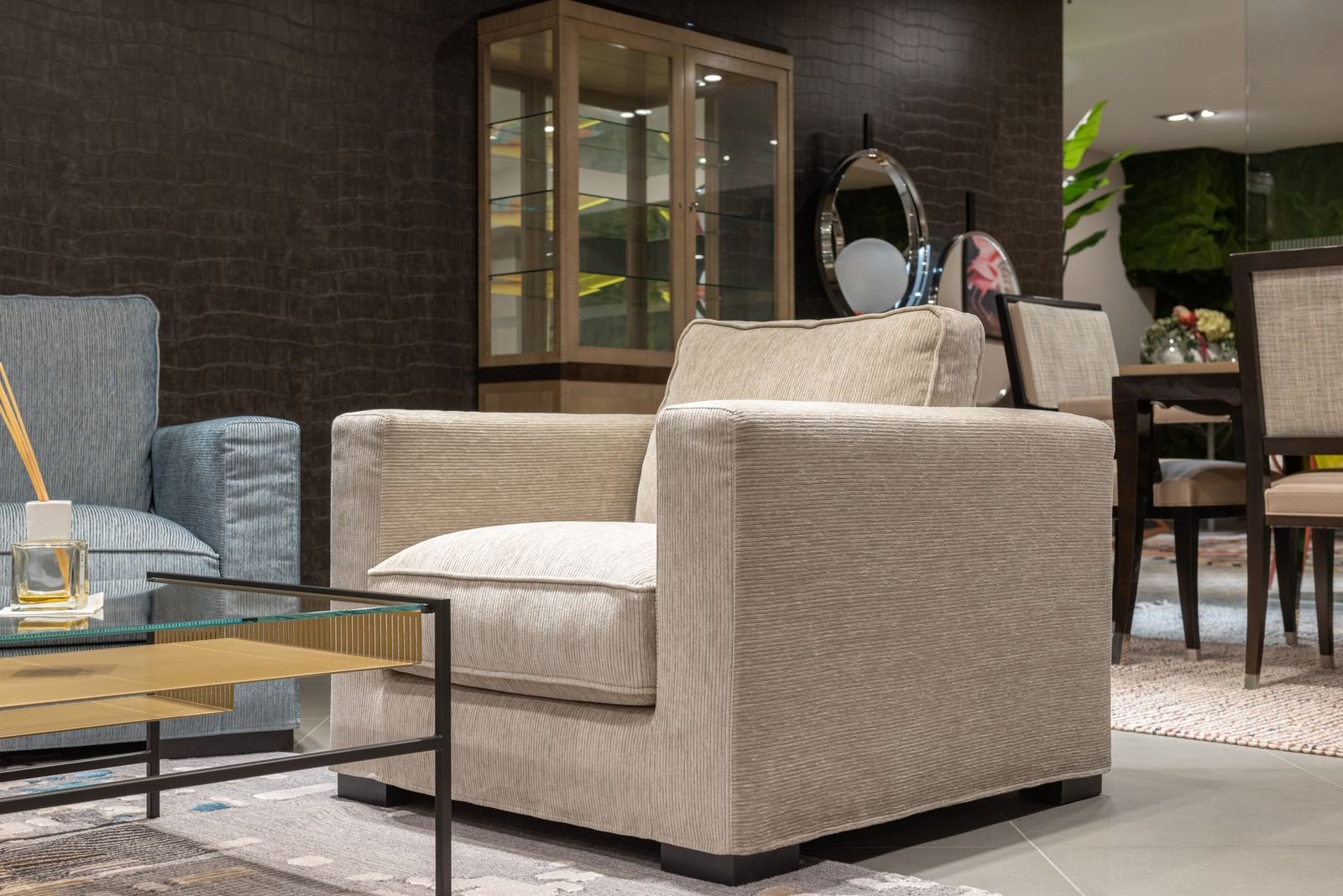
Furniture sets the visual tone of a room before any accessory does. Its style, color, scale and arrangement tell the story of the home and turn an empty space into a welcoming one.
Creating Visual Harmony
Furniture creates harmony when colors, shapes and materials work together. Pieces that share a similar tone or wood finish make a room feel calm and planned. Leave some empty floor between items so the room can breathe, and avoid pushing everything against the walls or crowding the center. Soft lines and matching tones help the eye settle.
Building Focal Points
A bold sofa, a striking table or a large cabinet can become the focal point of a room. A focal point guides the eye, organizes the space and breaks up large open areas. Choose one hero piece per room and keep the others simpler so they support it rather than compete with it.
Reflecting Personal Style
Furniture shows your taste clearly. Classic shapes suggest tradition, while clean modern lines feel current. Mixing styles, such as a vintage chair with a modern table, gives a home a unique look. Personal touches make a space feel lived-in. If you are still finding your style, our guide to home decor ideas for the living room is a good place to start.
The Impact of Furniture on Comfort
Comfort is more than softness. It includes support, convenience and the right fit for how you live.
Supporting Daily Activities
Furniture helps with eating, working, resting and playing. A dining table that is the right height, a desk with a supportive chair and a sofa with good back support all reduce strain. As a rough guide, a dining chair seat sits about 18 inches (45 cm) from the floor, and the table top about 29 to 30 inches (74 to 76 cm).
Promoting Relaxation
Sofas and beds with soft cushions invite you to unwind. Try a seat before you buy it, and sit for a few minutes rather than a few seconds. A relaxing space helps you recover after a long day and supports better rest.
Balancing Function and Style
Furniture must be useful and good-looking at the same time. Practical designs make a room easy to use, while stylish pieces add warmth and personality. Do not choose a beautiful chair that nobody wants to sit in. For more on how furniture differs from other decor, see our post on home decor vs home furnishings.
Space Optimization
Smart furniture choices make rooms feel larger, tidier and easier to move through.
Maximizing Available Area
Pick furniture that fits the room. Measure the space, and mark the footprint of a new piece on the floor with painter’s tape before you buy. Keep walkways at least 30 inches (75 cm) wide, and place larger pieces against walls to free the center. Avoid bulky items in small rooms, because they crowd the space and make it feel smaller.
Choosing Multipurpose Pieces
Furniture that does two jobs saves space. A sofa bed gives seating and a guest bed, a lift-top coffee table doubles as a desk, and nesting tables tuck away when not in use. Compact chairs are easy to move and store when you have visitors.
Adding Storage Solutions
Good storage keeps rooms calm. Use shelves and cabinets that blend with your decor, and choose ottomans, benches and beds with built-in storage. Organized spaces feel more open, and everything has its place out of sight.
Furniture and Mood
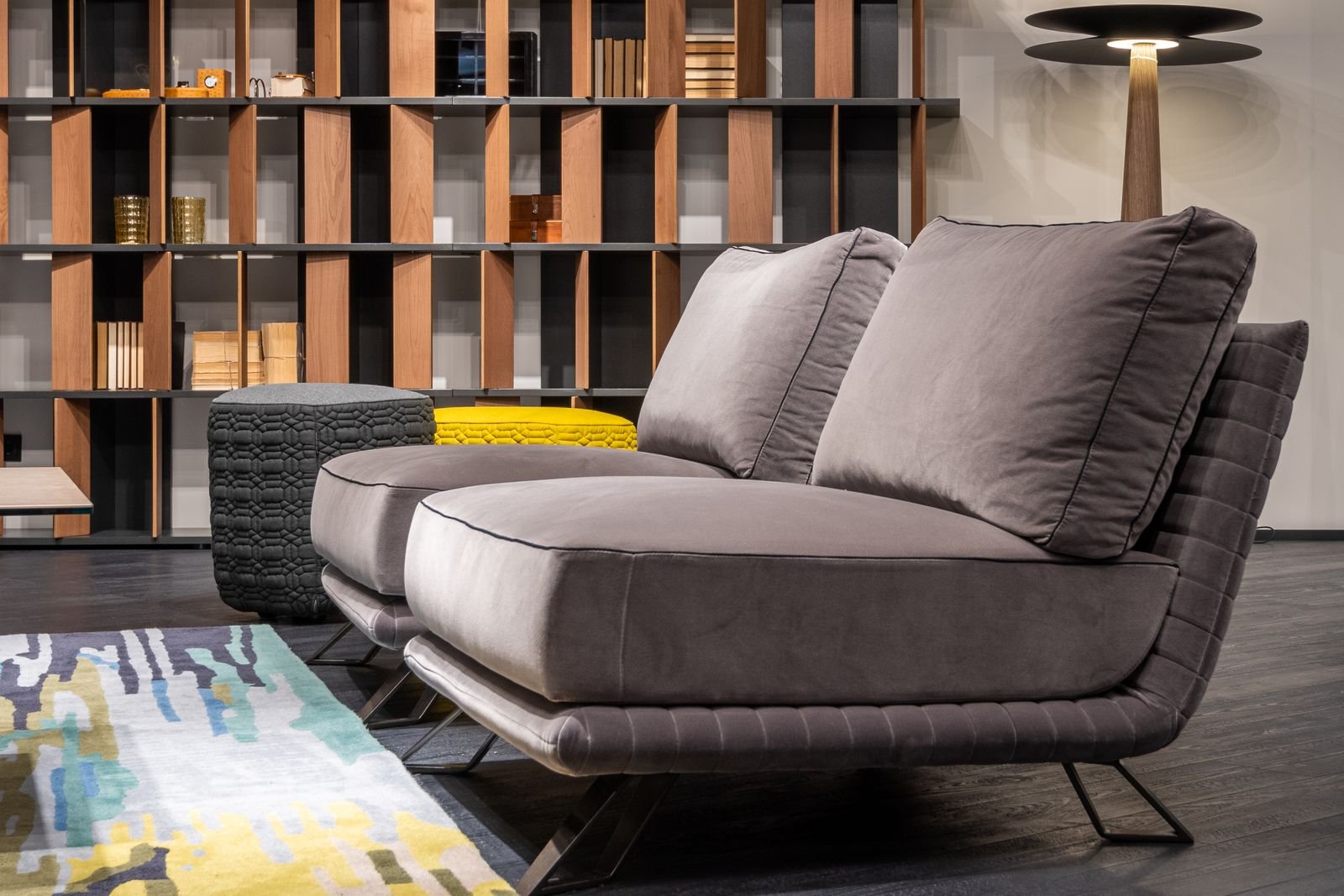
The furniture around you affects how you feel at home. The right pieces can make a room calm, lively or cozy.
Color and Material Effects
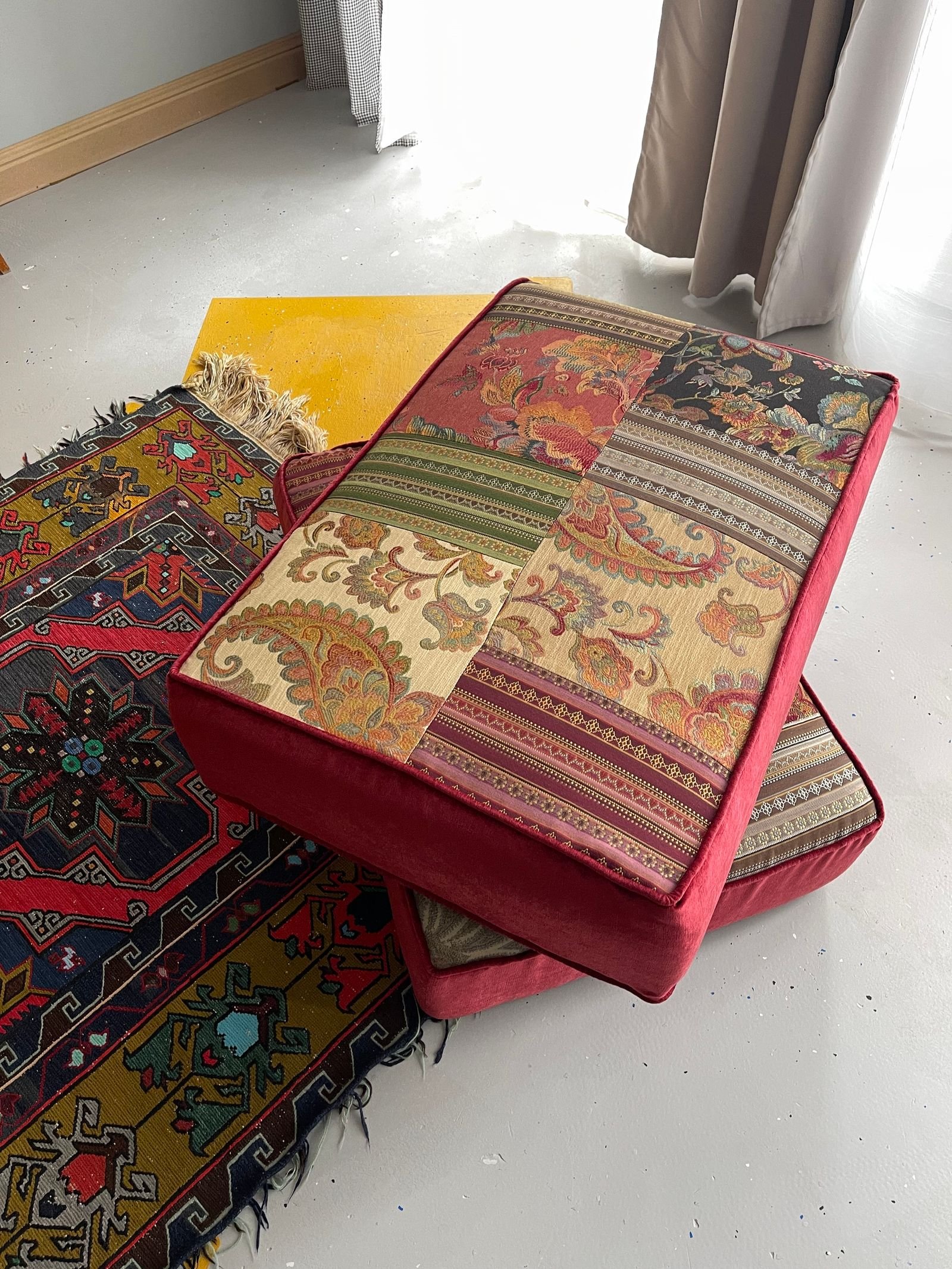
Color shapes mood. Warm shades such as red and yellow tend to feel energetic and friendly, while cool shades such as blue and green feel calm. Materials matter too. Soft fabrics feel cozy and safe, while wood and metal add strength and focus. A mix of textures keeps a room interesting.
Creating Inviting Atmospheres
Comfortable seating invites people to stay longer. Arrange chairs and sofas close enough for conversation, ideally within about 8 feet (2.4 m) of each other. Layer in soft lighting and textiles, and the room will feel warm and welcoming.
Everyday Well-Being
Neat, well-organized furniture helps a space feel calm and reduces visual clutter. A comfortable chair for reading or a well-made bed supports rest and relaxation. Furniture that suits you also gives you a sense of pride in your home.
Cultural and Social Significance
Furniture also carries meaning beyond comfort and style. Many pieces reflect the traditions, identity and social life of the people who own them.
Traditions and Trends
Some designs have been passed down through generations and keep heritage alive in modern homes. Trends show how tastes change over time, and many homes blend old and new. An inherited table next to a modern sofa is a good example of that mix.
Expressing Identity
Materials, colors and shapes can reflect your roots and values. A home filled with pieces you love creates a sense of belonging and becomes a reflection of you.
Hosting and Entertaining
Furniture shapes how guests gather. A table that seats everyone, comfortable chairs and a clear flow between rooms all encourage conversation. Keep a few extra stools or folding chairs for large gatherings.
Choosing Furniture Wisely
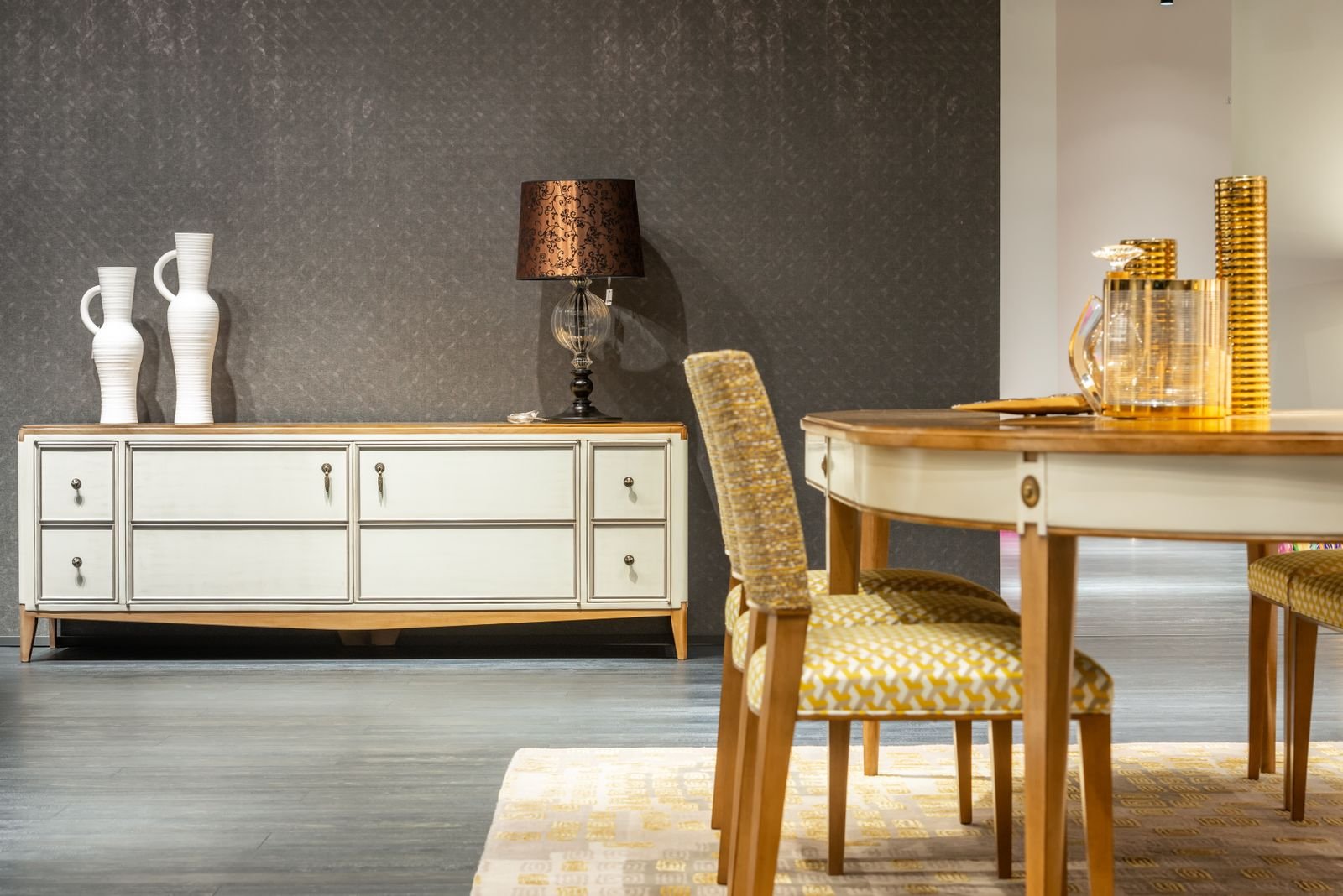
These simple habits help you get lasting value from every piece.
Buy for Quality First
Look for solid frames, firm joints and durable fabrics. Pieces that you use daily, such as sofas, beds and chairs, deserve the biggest share of your budget. Trendy accents can be cheaper and replaced more often.
Plan Before You Shop
Sketch the room, note the sizes of doors and stairways, and decide on a color scheme. A plan stops impulse buys and helps you avoid pieces that do not fit through the door. For more room-by-room ideas, see our home decor tips and tricks.
Mix, Do Not Match
A full matching set can look flat. Combine two or three wood tones, vary the shapes and repeat a color or material to tie the room together.
Frequently Asked Questions
What Role Does Furniture Play in Home Decoration?
Furniture defines a room’s style and sets its mood. It adds function and comfort while showing your taste. Well-chosen pieces balance colors, fill space well and support your decor theme.
How Does Furniture Influence the Atmosphere of a Home?
Furniture creates mood through style, color and arrangement. Cozy sofas invite rest, while sleek designs feel modern. A good layout improves flow and shapes how residents and guests feel in the room.
Why Is Furniture Important for Functionality?
Furniture provides seating, storage and work surfaces. It organizes living areas and makes the best use of space, so daily routines become easier and more comfortable.
Can Furniture Reflect Personal Style?
Yes. Your choices show your personality and preferences, from classic to contemporary. Statement or customized pieces add character and make the home feel truly yours.
Conclusion
Furniture shapes the look and feel of every home. It adds comfort and style at the same time, helps you express your taste and creates a warm atmosphere for guests. The right pieces make rooms more useful and cozy.
Even simple changes, such as a new chair, a better layout or an extra storage piece, can refresh a whole room. Think of furniture as the heart of your home’s design, and choose pieces that fit both your needs and your style.


1 comment