Have you ever walked into a room and felt calm, energized or inspired without knowing why? Much of that feeling comes from design. Color, light, layout and texture all shape how we feel and act in a space.
This guide explains the psychology of interior design in plain terms. You will see how color, lighting, furniture and clutter affect mood, and learn practical ways to make your home feel calmer, more welcoming and more supportive of your daily life. Design psychology is not an exact science, and people react differently, so treat these ideas as useful guidelines rather than strict rules.
The Psychology Behind Interior Design
Interior design psychology looks at the link between our surroundings and our mental state. A room is not just a set of objects. It influences mood, energy and behavior every day. Designers use this link to create spaces that support well-being and focus.
How Your Environment Affects Mood
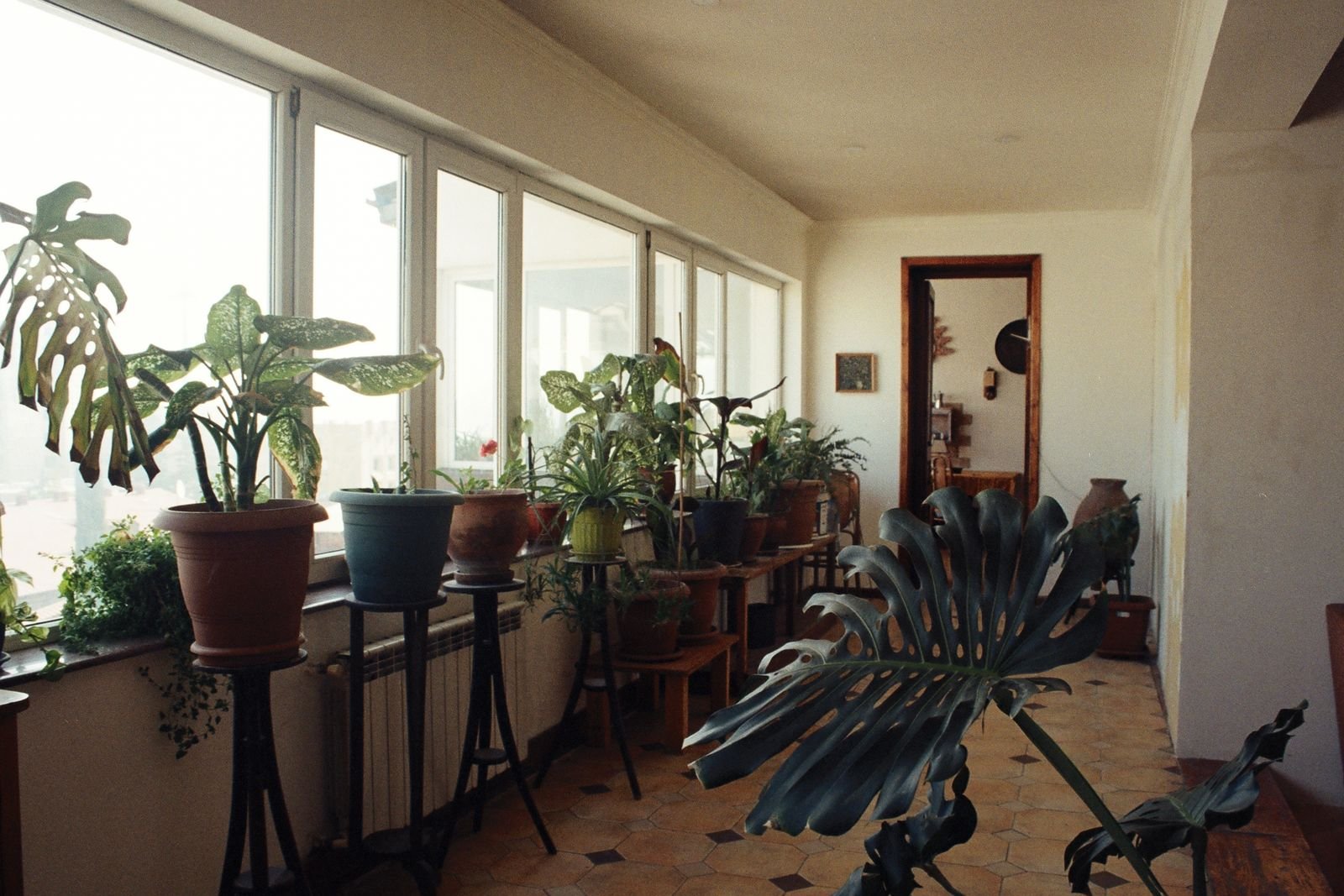
A cluttered room can feel stressful and distracting, while a clean, organized one helps people feel calm and focused. Natural elements such as plants and wood make a room feel fresh and lively. Quiet, soft spaces help people relax and recharge, so it helps to have at least one calm corner in the home.
Color Psychology in Spaces
Colors can change how we feel in a room. Blue is often linked with calm, red with energy and excitement, and yellow with cheerfulness and creativity. Neutral colors such as beige and gray give balance. Personal and cultural associations vary, so choose colors that feel right to you and fit the purpose of the room.
The Impact of Lighting on Emotions
Bright light tends to make people feel alert, while soft, warm light feels cozy and calming. Daylight lifts the mood for most people, so keep windows clear where you can. Poor lighting can cause eye strain and tiredness. Match the lighting to the room’s use and the time of day, and use dimmers where possible.
Design Elements That Influence Behavior
Each design choice sends a message to the brain. Colors, shapes and layout all play a part in how people feel and act.
Furniture Arrangement and Interaction
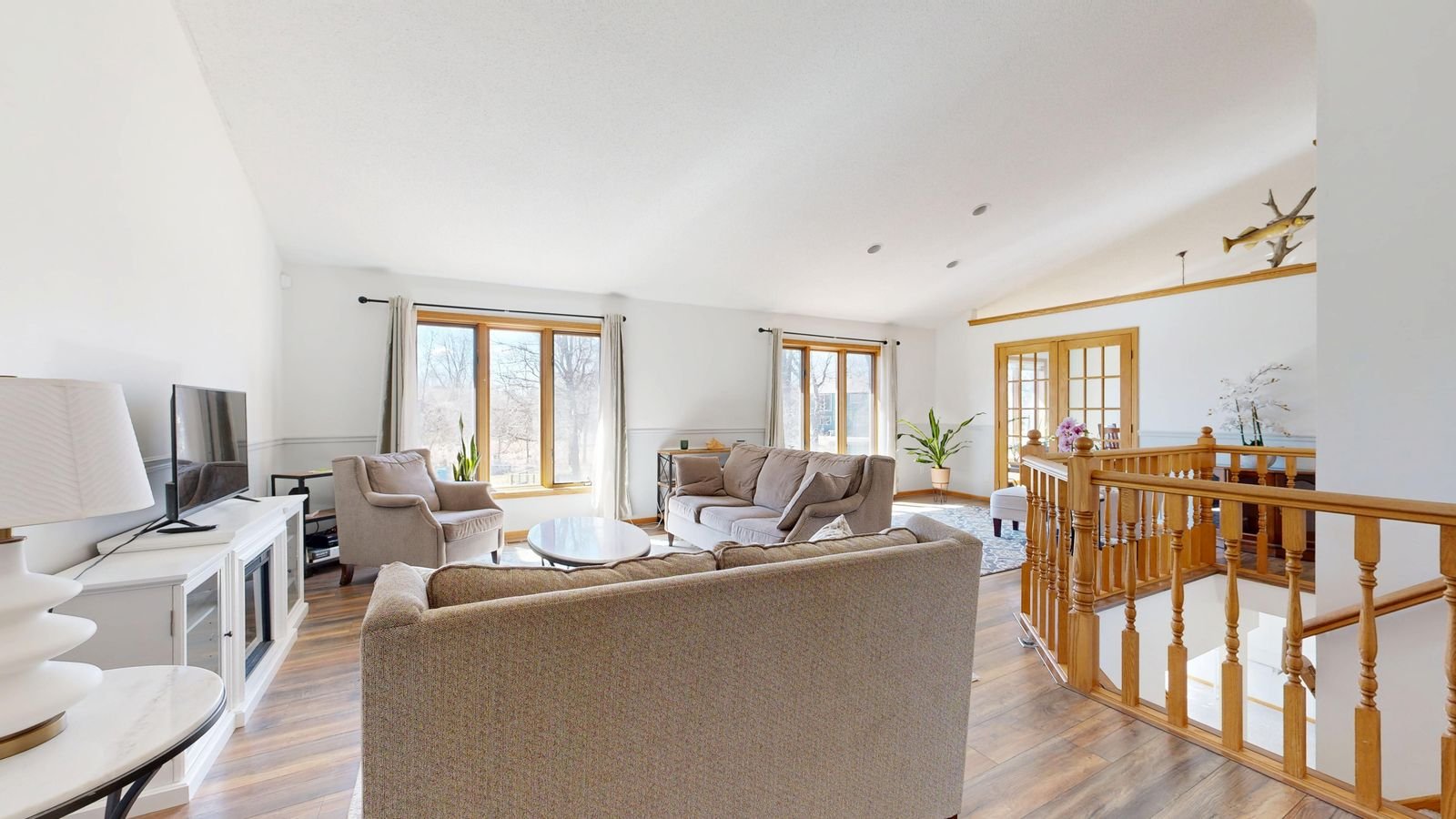
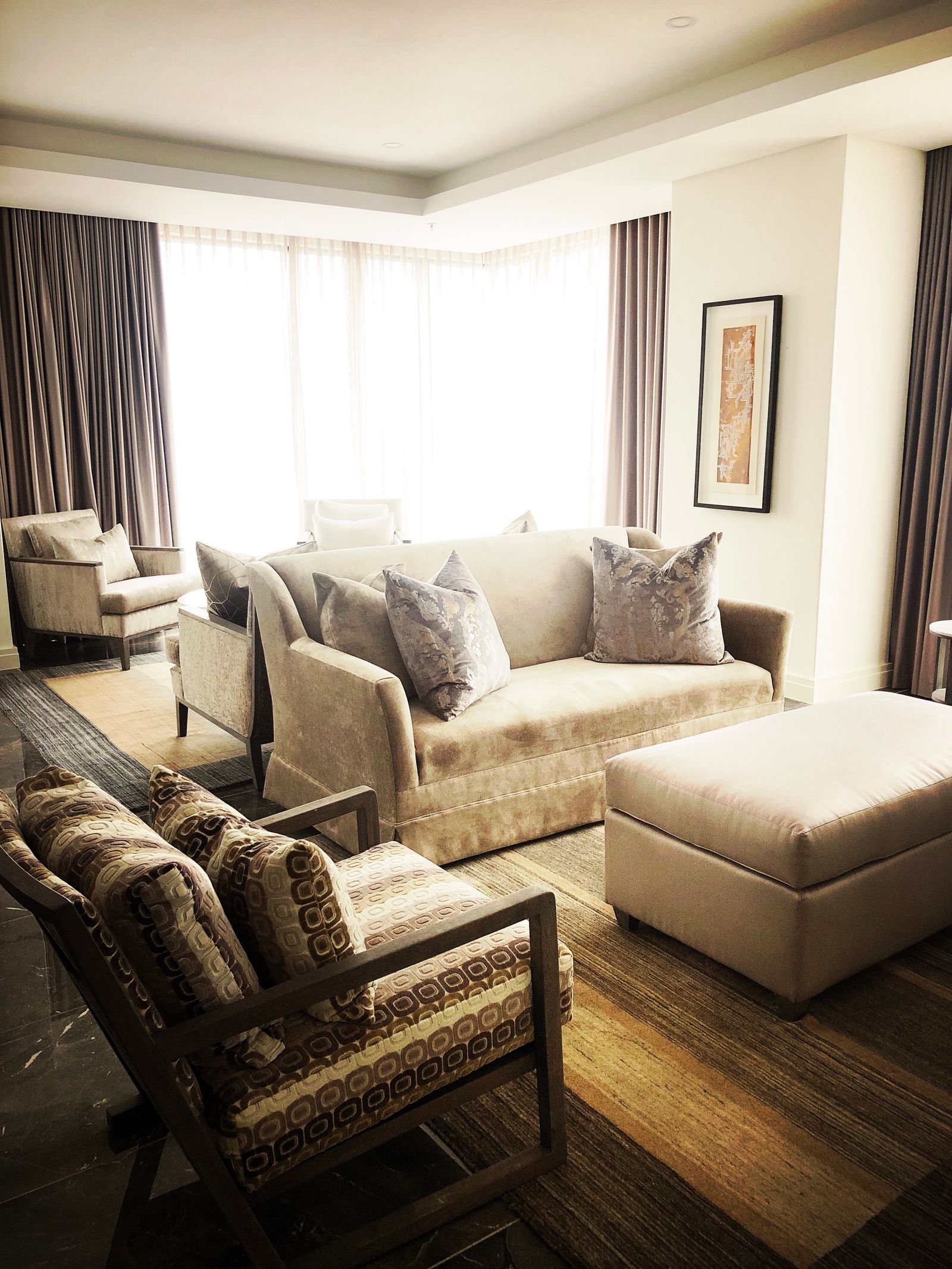
The way furniture is placed guides movement and conversation. Seats arranged in a circle or an L-shape encourage people to talk, while seats pushed far apart can create distance. As a guide, keep conversation seating within about 8 feet (2.4 m).
Layout also affects focus. Open layouts invite sharing, and private corners support concentration and rest. Think about what you want each room to do before you arrange it.
Textures and Sensory Experience
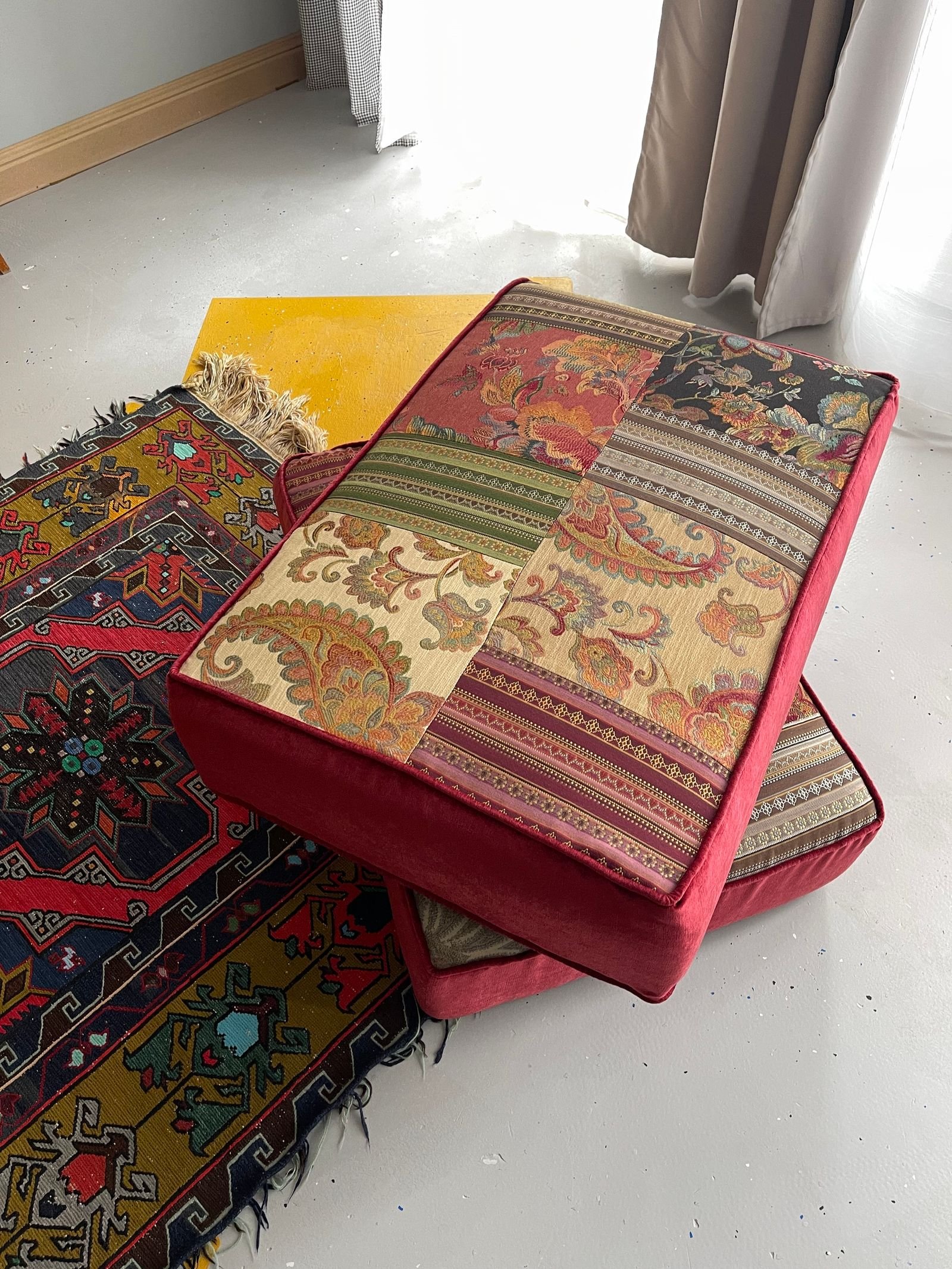
Touch is a powerful sense in design. Soft fabrics such as wool, velvet and cotton feel comforting. Smooth surfaces feel clean and modern, while natural materials such as wood bring warmth. Mixing textures creates balance and interest, and a room with only hard surfaces often feels cold.
Space and Personal Comfort
Crowded rooms can feel tense, while open areas give a sense of freedom. Leave at least 30 inches (75 cm) for walkways so people can move without squeezing past furniture. Clear paths reduce frustration and make the room feel easier to live in.
Creating Positive Atmospheres
Small changes in color, light and furniture can make a space more welcoming. These three ideas are a good place to start.
Bring in Natural Elements
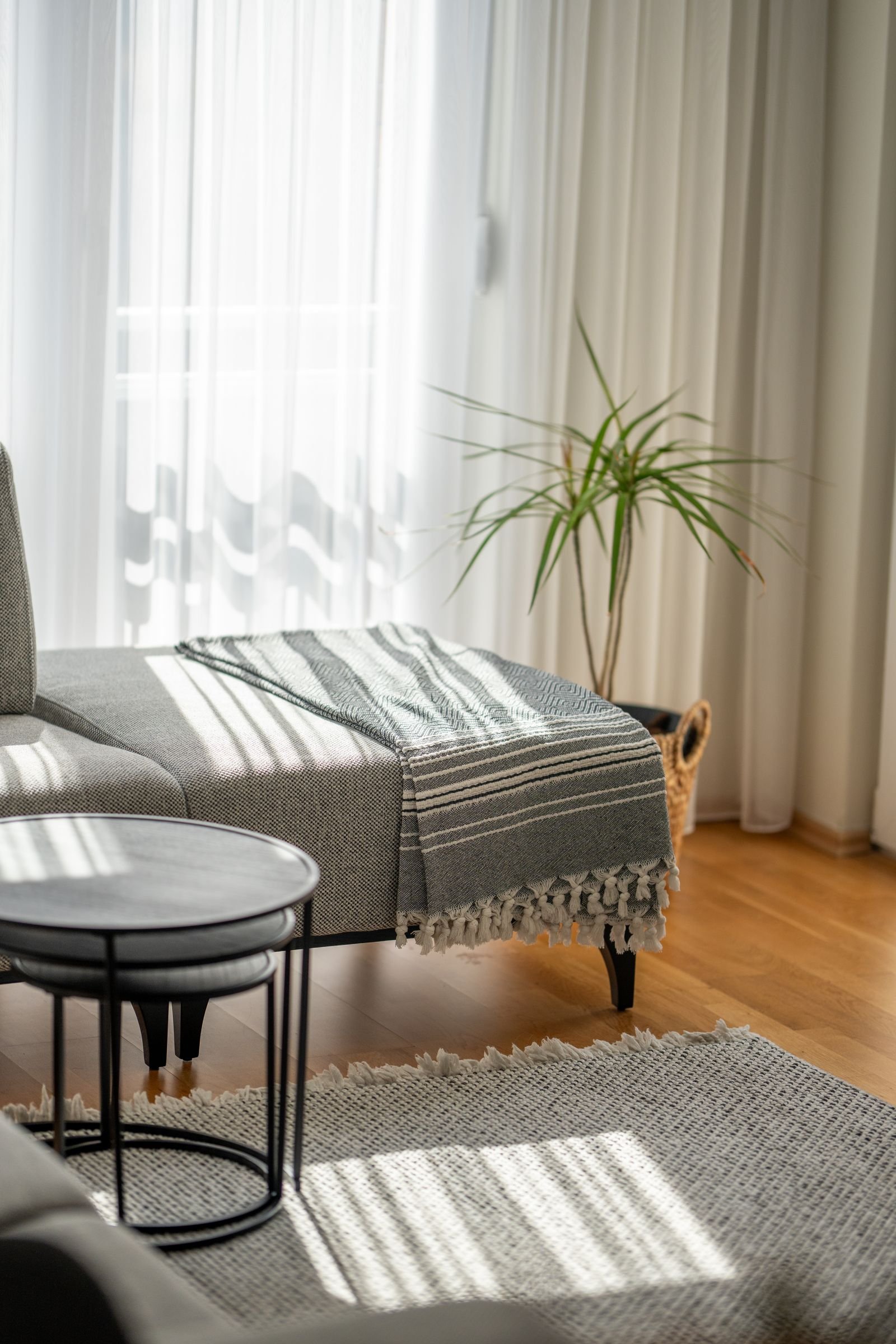
Plants, wood, stone and natural fibers connect a room to the outdoors and create a sense of calm. Many people find that greenery makes a room feel fresher and more relaxing. Easy plants such as pothos, snake plants and spider plants suit most homes. Open the curtains and windows when you can for light and fresh air.
Balance Function and Beauty
A room has to work well and look good. Comfortable furniture and a smart layout make daily life easier, while colors and accessories set the tone. A balanced room feels both practical and beautiful. Keep clutter low so the atmosphere stays peaceful.
Personalize Your Space
Photos, artwork and favorite colors give a home meaning. When a space reflects who you are, it feels more like home, and many people find that this helps them feel comfortable and confident. Choose a few items you truly love instead of filling every shelf. See our guide to why decoration is important for more on this idea.
Common Psychological Triggers in Design
Some design features reliably affect mood. Knowing them helps you design on purpose.
Clutter and Stress
Clutter creates visual noise. Too many objects can feel overwhelming, and many people find messy spaces stressful. Clear surfaces, closed storage and a place for everything help the mind relax. Try a simple rule: every item either has a home or leaves the room.
Colors That Promote Relaxation
Soft blues and greens remind people of nature and often feel peaceful. Warm neutrals such as beige and light pink are gentle too. For bedrooms and other rest areas, avoid very bright reds and yellows, and choose muted shades. Test paint samples on the wall and look at them morning and evening before you decide.
Lighting That Supports Productivity
Natural light is best for focus. If you work at home, place your desk near a window, and add a bright, cool-white task lamp for darker days. Adjustable lighting lets you change the mood for different jobs, such as bright light for study and soft light for evening reading. Our post on how to lighten your house has more ideas.
Design Tips to Unlock Your Space
These practical steps put the psychology into action.
Make Small Spaces Feel Larger
Use light colors on walls and choose furniture that fits well and offers storage. Mirrors reflect light and add depth, and low clutter prevents a crowded look. In small rooms, every inch counts, so keep furniture legs visible and leave some floor showing.
Choose Colors for the Effect You Want
Warm colors such as red and orange create energy, and cool colors such as blue and green bring calm. Light colors make rooms look bigger, while dark shades add coziness but can make a room feel smaller. Match the color to the room’s purpose and your own mood.
Arrange Furniture for Flow
Keep pathways clear, avoid blocking windows and doors, and group seating to encourage conversation. Balance large pieces on all sides of the room to create harmony. If you are unsure, move things around for a week and see how the room feels. For more on this, read our post on feeling good at home with decoration.
Simple Experiments You Can Try
The best way to learn how design affects you is to test it. These small experiments cost little and teach a lot.
Rearrange One Room
Move the seating in one room and notice how it changes comfort and conversation. Keep the new layout for a few days before you decide.
Test Different Lighting
Swap a bulb for a warmer or cooler tone, or add a lamp in a dark corner. Notice how you feel in the evening. Small changes in light often make the biggest difference to mood.
Clear One Surface
Pick a coffee table or desk and clear it completely, then add back only what you use or love. Notice whether the space feels calmer.
Frequently Asked Questions
What Is the Psychology Behind Interior Design?
It is the study of how spaces affect people’s feelings and behavior. Colors, lighting and layout influence mood and comfort, and designers use this knowledge to create rooms that feel right.
How Do Colors Affect Emotions in a Room?
Colors can make people feel calm, happy or energized. For example, blue is often seen as soothing, while red can feel exciting. Reactions differ from person to person, so choose shades that you enjoy.
Why Is Natural Light Important in Interior Design?
Daylight makes rooms look bigger and more welcoming, and most people find it lifts their mood. Designers plan windows, curtains and mirrors to make the most of it.
How Does Furniture Arrangement Affect Social Interaction?
Placement guides how people move and talk. Seats close together and facing each other encourage conversation, while separate corners give privacy.
Can Interior Design Improve Well-Being?
A well-planned home can help you relax and feel more in control. Soft colors, good light and comfortable furniture support a peaceful environment. Design is only one factor, so it is not a substitute for professional care if you are struggling with your health.
Conclusion
Understanding how design affects the mind can change the way you use your space. Colors, shapes and light all influence mood, and thoughtful choices make a home feel comfortable and calm.
Try a few of these ideas, notice how they feel, and keep what works for you. A well-designed space is about more than looks. It supports the way you want to live.