A bright home feels larger, fresher and easier to live in. You do not need a renovation to get there. Eight simple changes, from window treatments to plants, can bring more light into almost any room.
This guide shows how to use natural light, paint, furniture, lighting, tidy storage, reflective decor, flooring and greenery to lighten your house. Start with the ideas that cost the least and move on from there.
Maximize Natural Light
Daylight is free and makes a room look its best. The first job is to stop blocking it.
Choose Light Window Treatments
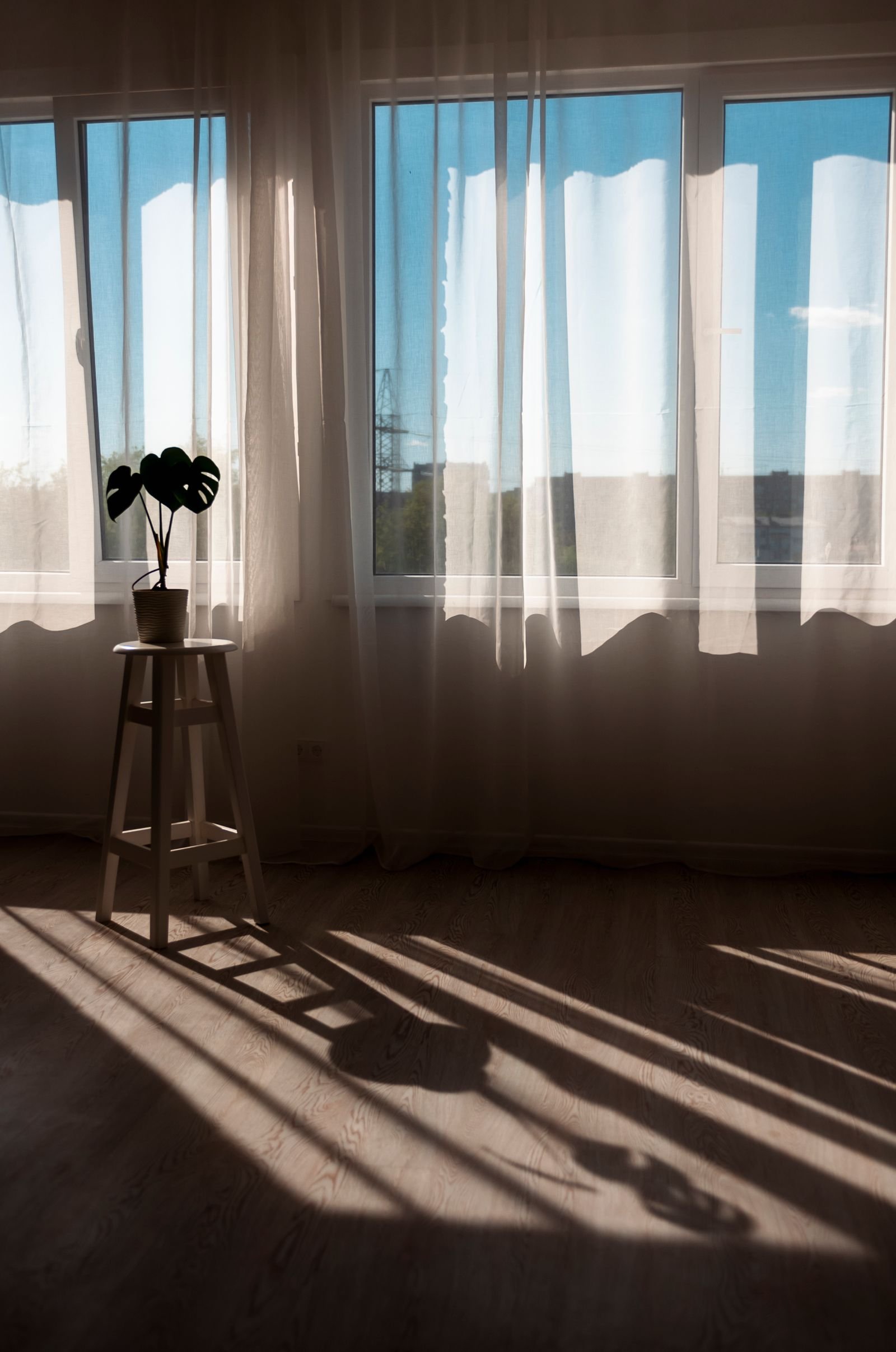
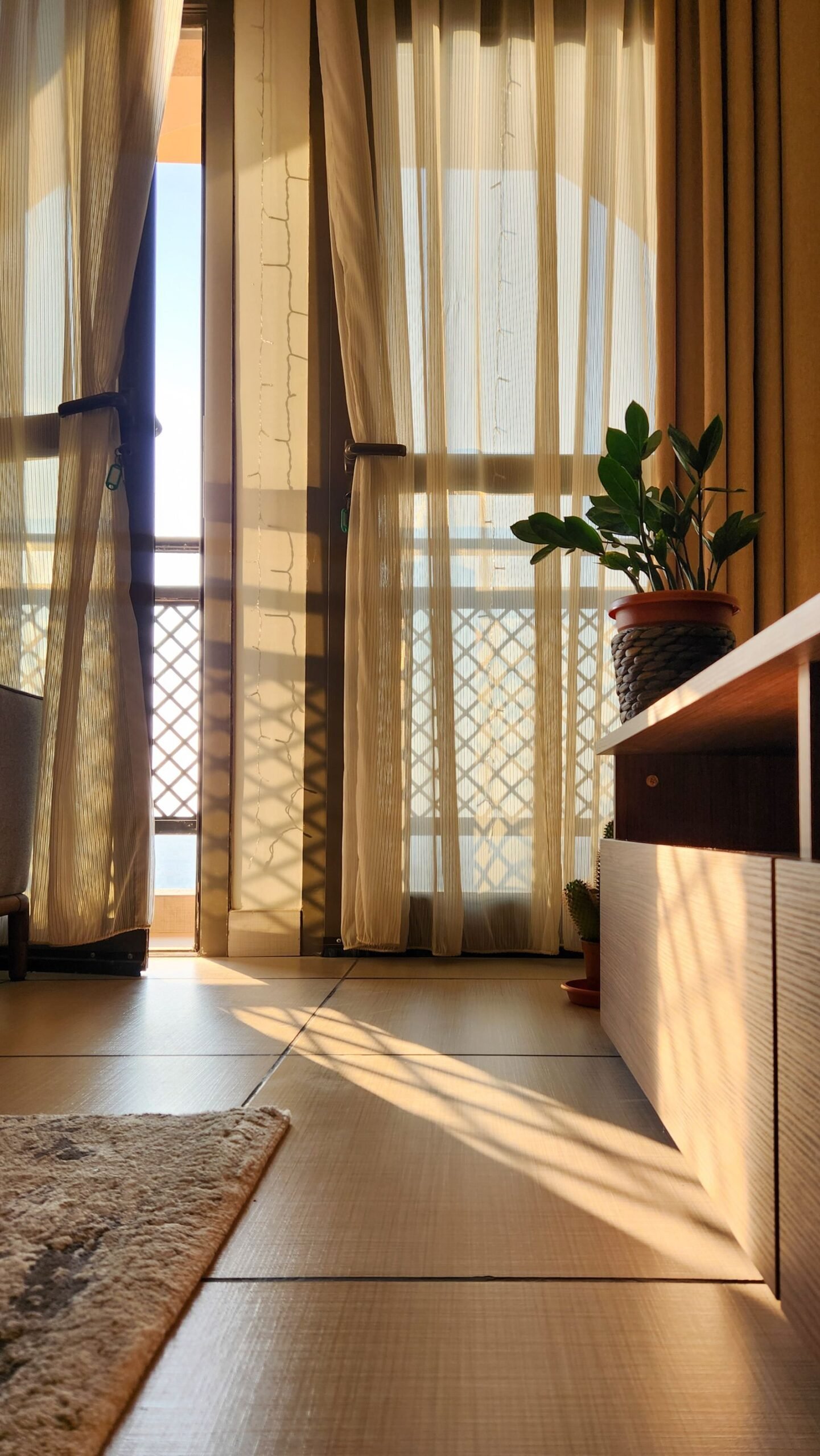
Swap heavy or dark curtains for linen or sheer cotton. Light fabrics let sun through and reflect it into the room. Hang curtain rods wider than the window and open the curtains fully in the daytime so they do not cover the glass. Keep the windows clean, inside and out, since dirty glass cuts the light that gets in.
Use Mirrors to Reflect Light
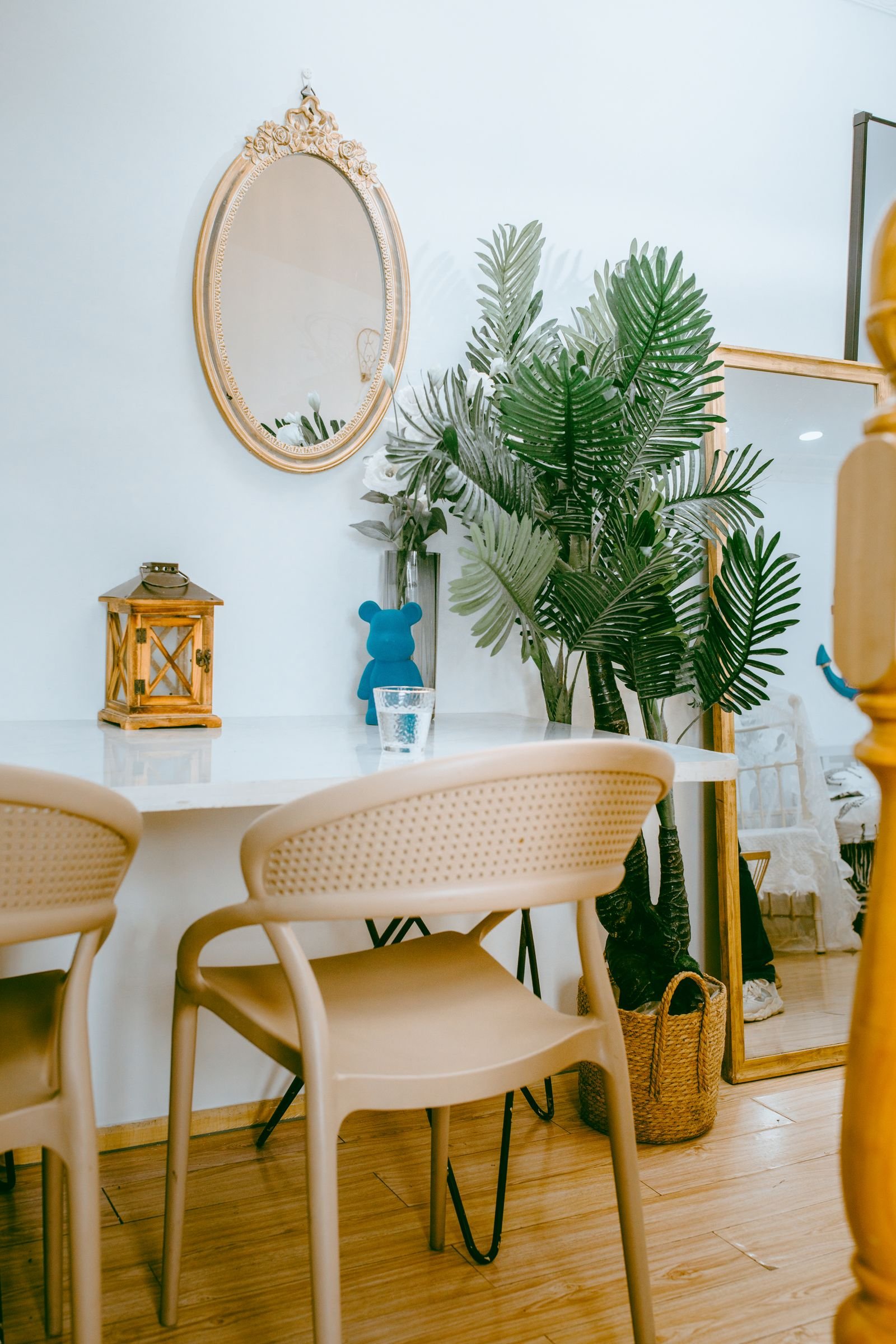
A large mirror opposite a window bounces daylight deep into the room. You can also group smaller mirrors on a wall or lean a big floor mirror in a dark corner. Make sure the mirror reflects something pleasant, such as a window or a plant, rather than a pile of clutter.
Opt for Bright Wall Colors
Light walls reflect more light and make rooms feel bigger. Paint is also one of the cheapest and fastest changes.
Pick Whites and Pastels
Warm white reflects the most light and suits almost any style. Soft pink, light blue or pale green add a gentle hint of color while keeping the room airy. Choose a finish with a little sheen, such as eggshell, in rooms that get little daylight. For more help choosing, see our guide to home decor color trends.
Add Accent Walls for Contrast
An accent wall adds color without making the whole room dark. Paint one wall a slightly deeper or brighter shade, and keep the others light. Pick the wall that faces away from the window, which usually receives less light, or a wall that anchors the furniture.
Select Light-Colored Furniture
Light furniture reflects light, makes spaces feel larger and works with many styles. It is easy to change later with new accessories.
Go for Neutral Tones
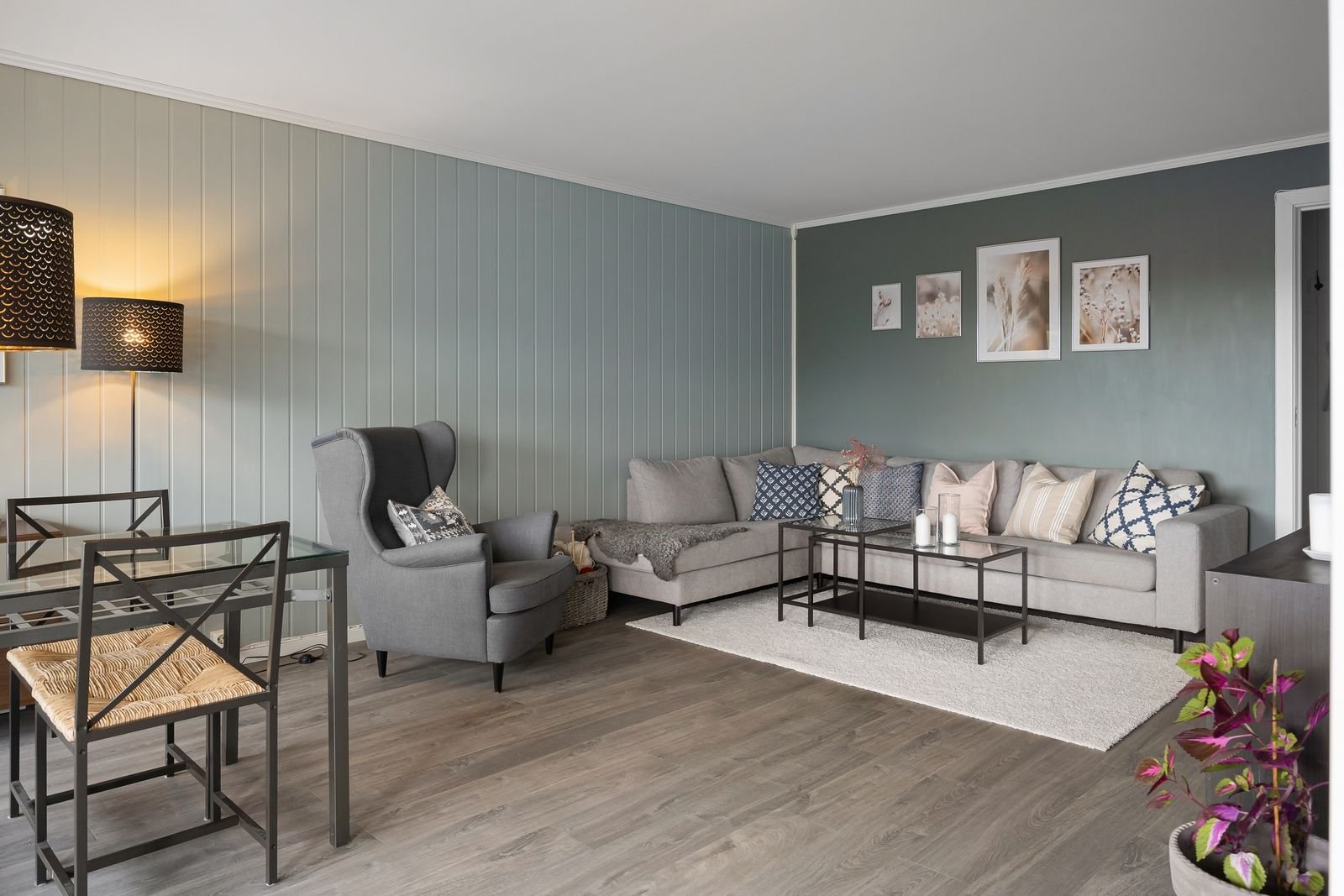
Beige, cream and soft gray brighten rooms without being harsh. They pair well with colorful accents and natural textures, and they suit both small and large rooms. If you are not ready to replace a sofa, use a light slipcover or throw.
Incorporate Glass and Metallic Elements
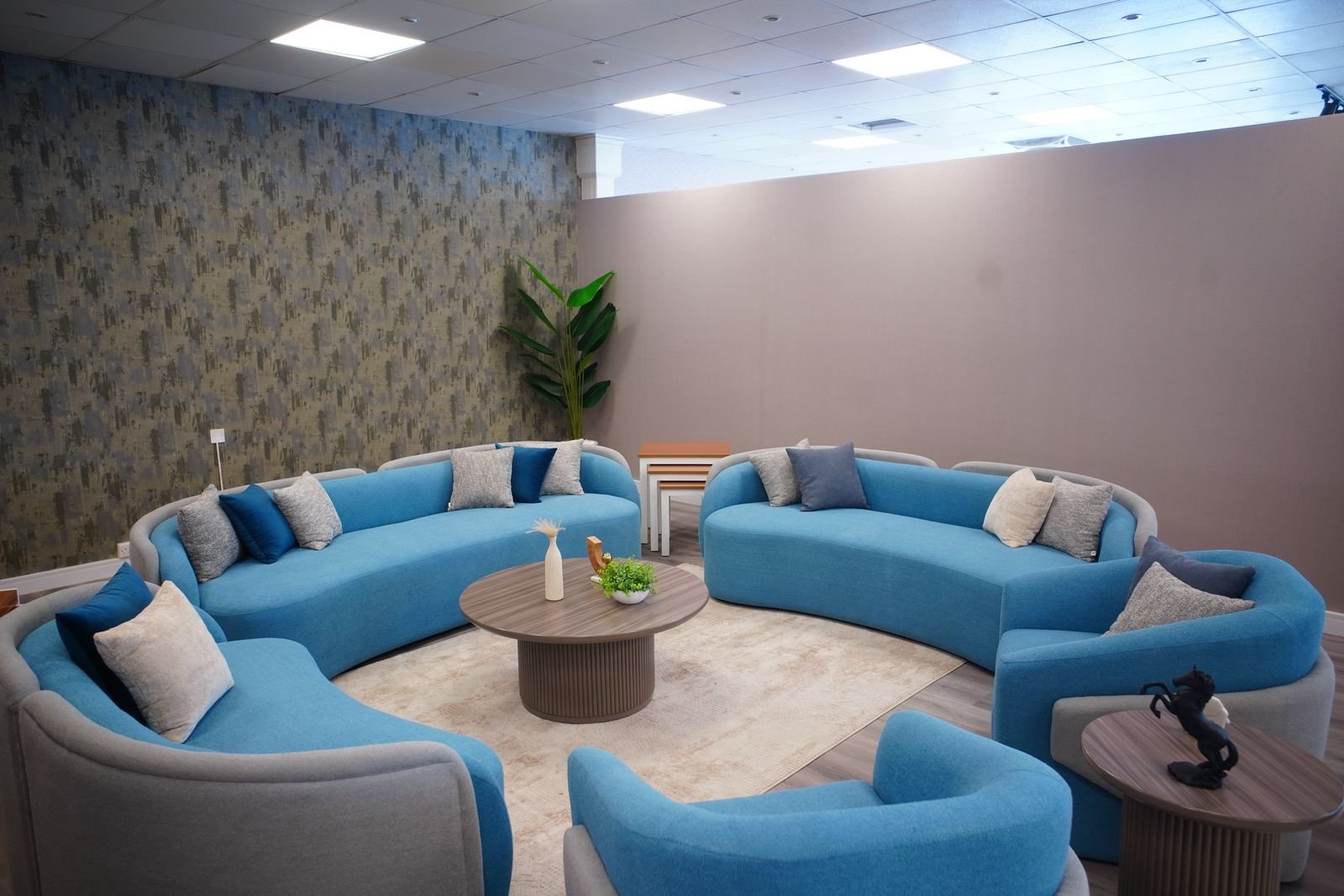
Glass tables and shelves let light pass through, so they do not create a heavy block in a small room. Metallic finishes such as silver, gold or brass add a touch of shine. Pick furniture with legs rather than a solid base, as seeing the floor underneath makes a room feel more open.
Improve Artificial Lighting
Good lighting makes a dark room feel comfortable and helps you see well. For ideas on fixtures, see our guide to home decor light ideas.
Layer Different Light Sources
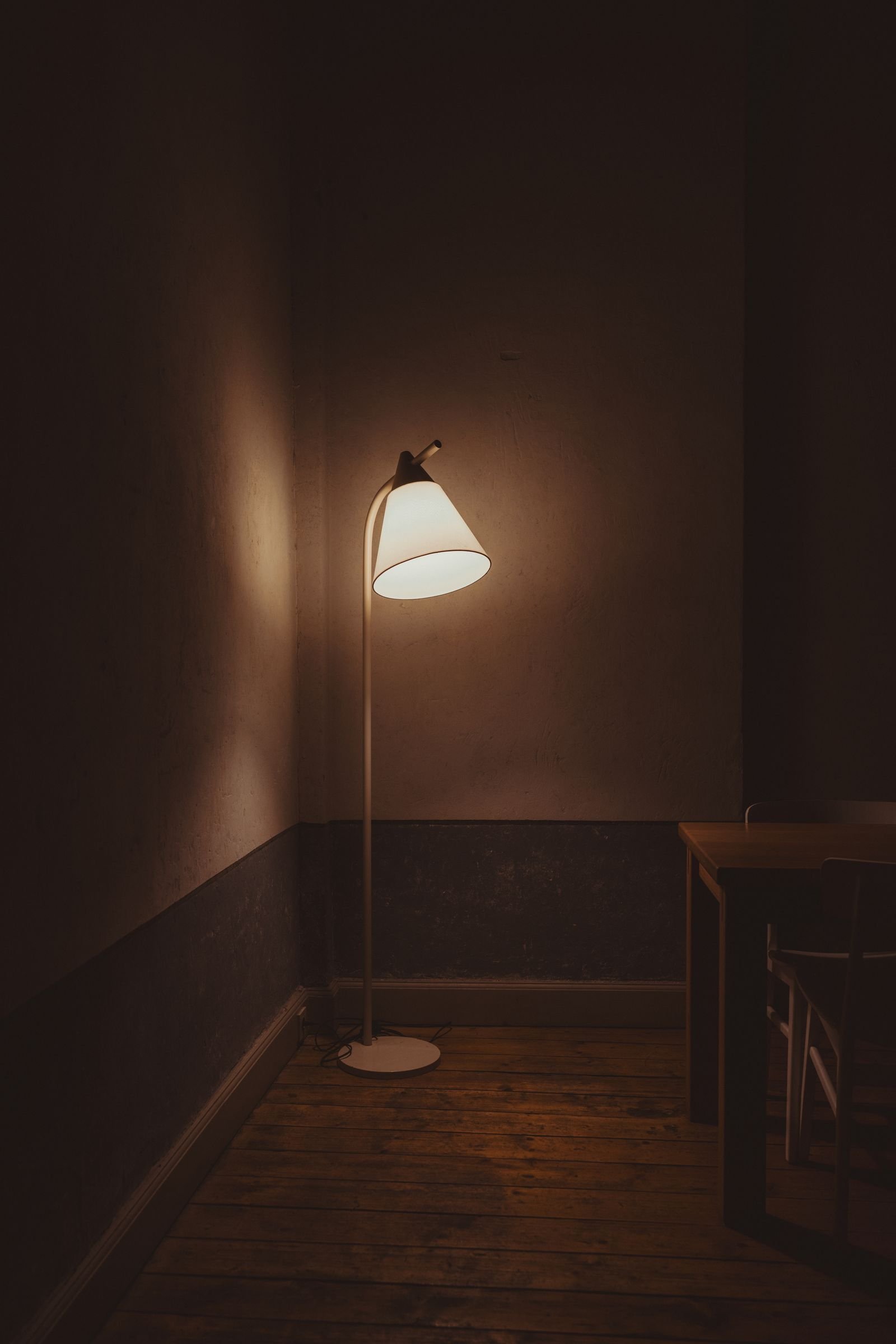
Combine ceiling lights, floor lamps, table lamps and wall lights. Place them at different heights and in different spots to remove shadows. Avoid relying on one strong overhead light, as it can feel flat and harsh. Several smaller light sources make a room look lively and clear.
Use LED Bulbs for Brightness
LED bulbs use less energy and last longer than older bulbs. Look at the brightness (lumens) and the color temperature on the packaging. A soft white bulb, about 2700K to 3000K, gives a warm look, while a brighter white suits kitchens and work areas. Replace bulbs in your most-used lamps first.
Declutter and Organize
A tidy room looks brighter and larger because light moves freely and the eye is not distracted.
Keep Surfaces Clear
Remove extra items from tables, counters and shelves. Put away papers, gadgets and small decorations that do not need to be out. Leave window sills clear so light can get in.
Use Smart Storage Solutions
Baskets, boxes and shelves keep items organized. Vertical storage saves floor space, and ottomans or benches with lids hide clutter without losing style. Choose storage in light colors so it blends with the walls.
Add Reflective Decor
Reflective pieces bounce light around the room. Even small touches of shine can make a difference.
Incorporate Metallic Accessories
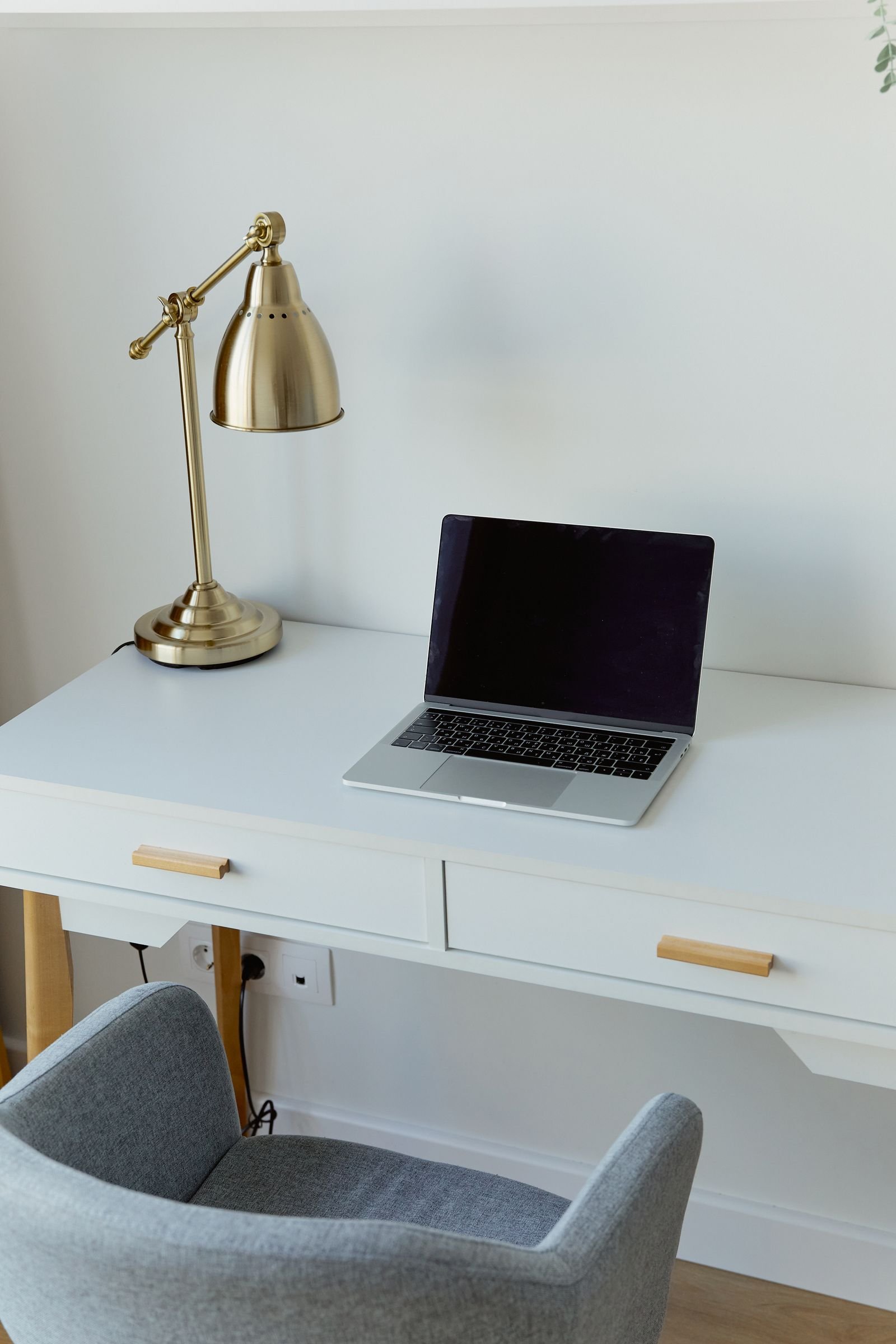
Lamps, picture frames and vases in gold, silver or bronze catch and reflect light softly. They add a warm glow and are easy to swap with the seasons.
Use Glass and Glossy Surfaces
Mirrors are the classic choice, but glass tables, glass vases and glossy tiles also help. A glossy paint finish on trim or a ceiling can add extra brightness, though it will show imperfections, so prepare the surface well.
Enhance Flooring Choices
Dark floors absorb light. Lighter floors reflect it and make a room feel airier.
Choose Light-Colored Rugs
A cream, beige or pastel rug brightens a dark floor right away. Swap heavy, dark rugs for lighter ones. Choose a washable or low-pile style if the room gets heavy use.
Opt for Bright Hardwood or Tiles
If you are replacing flooring, light woods such as white oak, maple or ash look clean and open. Light tiles in white, soft gray or pale beige also help, and glossy finishes reflect more light. Always consider upkeep, as very light floors can show dirt.
Bring In Greenery
Plants add life and a fresh look to a bright room. See our guide to decorating with plants for more ideas.
Select Light-Toned Planters
White, beige and pastel planters reflect light and blend with most styles. Dark pots can make a space look heavier.
Place Plants Near Light Sources
Put plants close to windows or lamps so they stay healthy. Look at the plant tag to see how much light each type needs, since a plant in a dim corner will struggle. Healthy green leaves add freshness to the room.
Frequently Asked Questions
How Can Natural Light Brighten My Home Effectively?
Use sheer curtains, keep windows clean and keep window sills clear. Natural light makes rooms look bigger and more inviting.
What Paint Colors Help Lighten Dark Rooms?
Light colors such as white, cream and pastels reflect light well. They make spaces feel open and cheerful.
Which Mirrors Work Best to Increase Light Indoors?
Large mirrors opposite windows work best. They reflect sunlight and spread brightness across the room.
How Do Furniture Choices Affect Room Brightness?
Light-colored, low-profile furniture lets light flow freely. Avoid bulky, dark pieces that block it.
Can Indoor Plants Make a Room Brighter?
They add freshness and a lively feel, but they do not create light. Choose small, bright green plants in light planters and place them near a window.
Conclusion
Brightening your home does not need big changes. Start with natural light and lighter paint, add layered lighting, reflective decor and light furniture, and keep surfaces clear. Take it one room at a time, and you will soon have a home that feels open and welcoming.