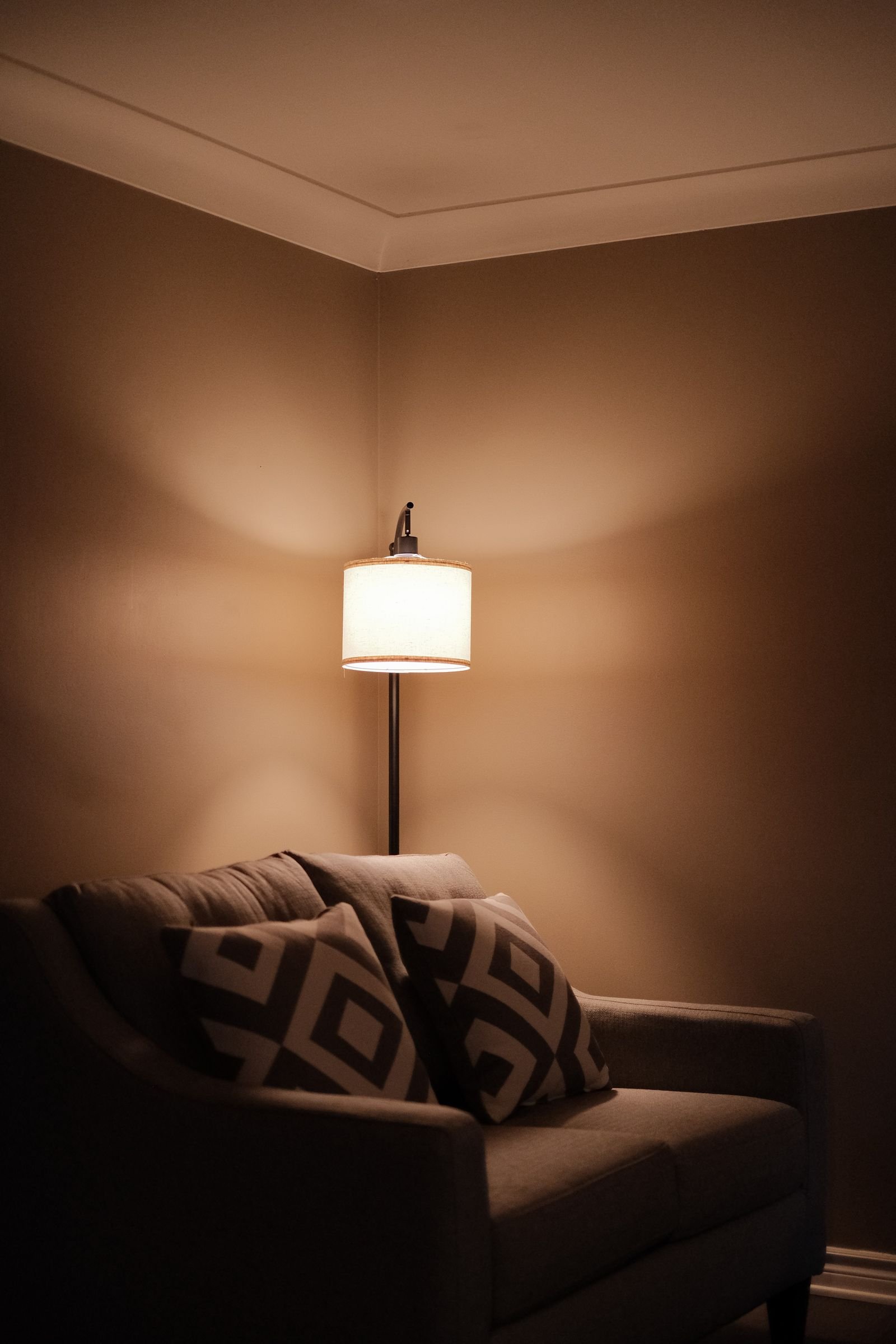
The right lighting can change a room without a single new piece of furniture. It sets the mood, shows off your favorite corners and makes a home feel warm and welcoming.
This guide covers the basics of lighting design, from the three types of light to statement fixtures, smart bulbs, decorative lights and energy-saving habits. Pick the ideas that suit your rooms and budget.
Choose the Right Lighting
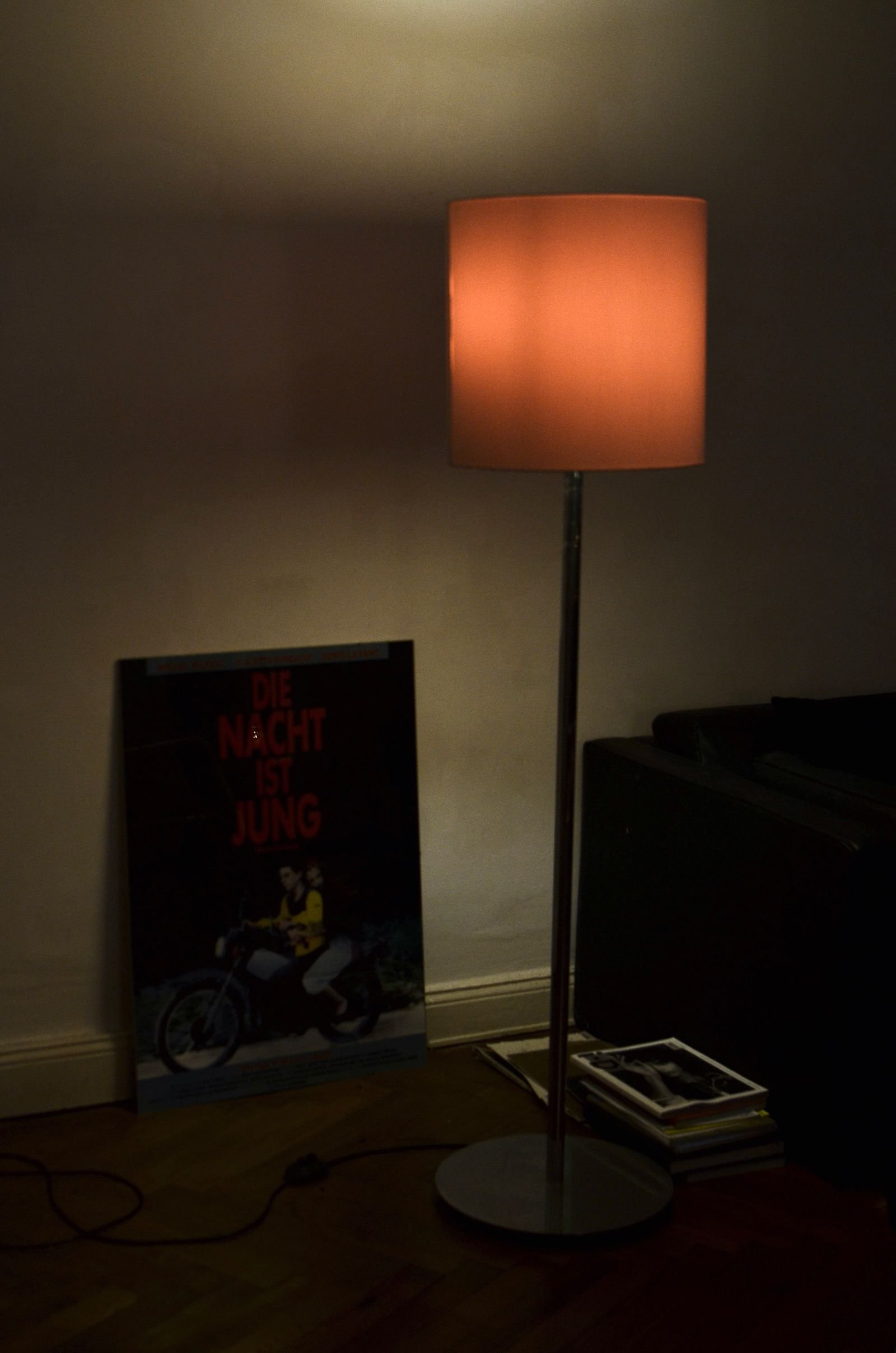
Light affects how a room looks, how big it feels and how you feel in it. Before you buy anything, think about what each room is used for and when you use it.
Know the Three Types of Lighting
Good rooms use three kinds of light together. Ambient lighting is the general light that lets you see clearly. Task lighting focuses on an activity such as reading, cooking or working. Accent lighting highlights artwork, plants or architectural features. A mix of all three creates a balanced, inviting space and avoids the flat look of a single ceiling fixture.
Balance Natural and Artificial Light
Natural light gives a room energy and freshness, so keep windows clear and use sheer curtains or blinds to soften glare. Artificial light fills dark corners and takes over when the sun goes down. Choose warm white bulbs (about 2700 K) for living rooms and bedrooms, and cooler white bulbs (3500 to 4000 K) for kitchens, home offices and bathrooms where you need clarity.
Match the Light to the Room
Living rooms work best with soft ambient light plus a few accent lamps. Kitchens need bright task lighting over counters and the stove. Bedrooms need gentle, warm light that helps you relax. Bathrooms need clear light at face height on both sides of the mirror, which avoids shadows when you shave or apply makeup.
Add Statement Lighting Fixtures
A statement fixture works like a piece of art. It catches the eye, sets the style of the room and gives the space a focal point.
Chandeliers and Pendant Lights
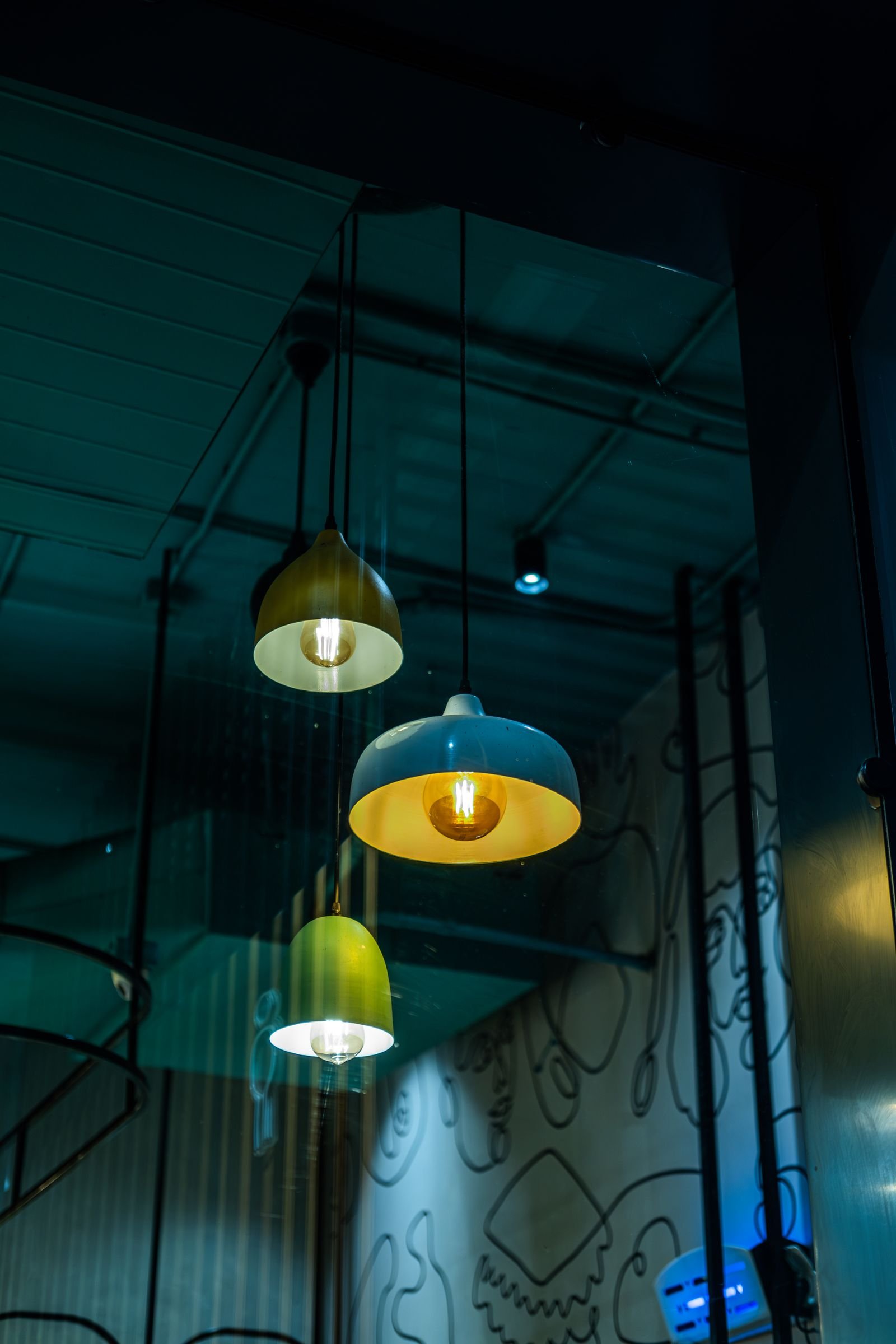
Chandeliers bring elegance to dining rooms and entryways. Pendant lights suit kitchens, hallways and spots above a bed or reading chair. Over a dining table or kitchen island, hang the bottom of the fixture about 30 to 36 inches above the surface so it lights the table without blocking views. Glass, metal and wood finishes all work, so choose one that matches your furniture.
Modern and Vintage Lamps
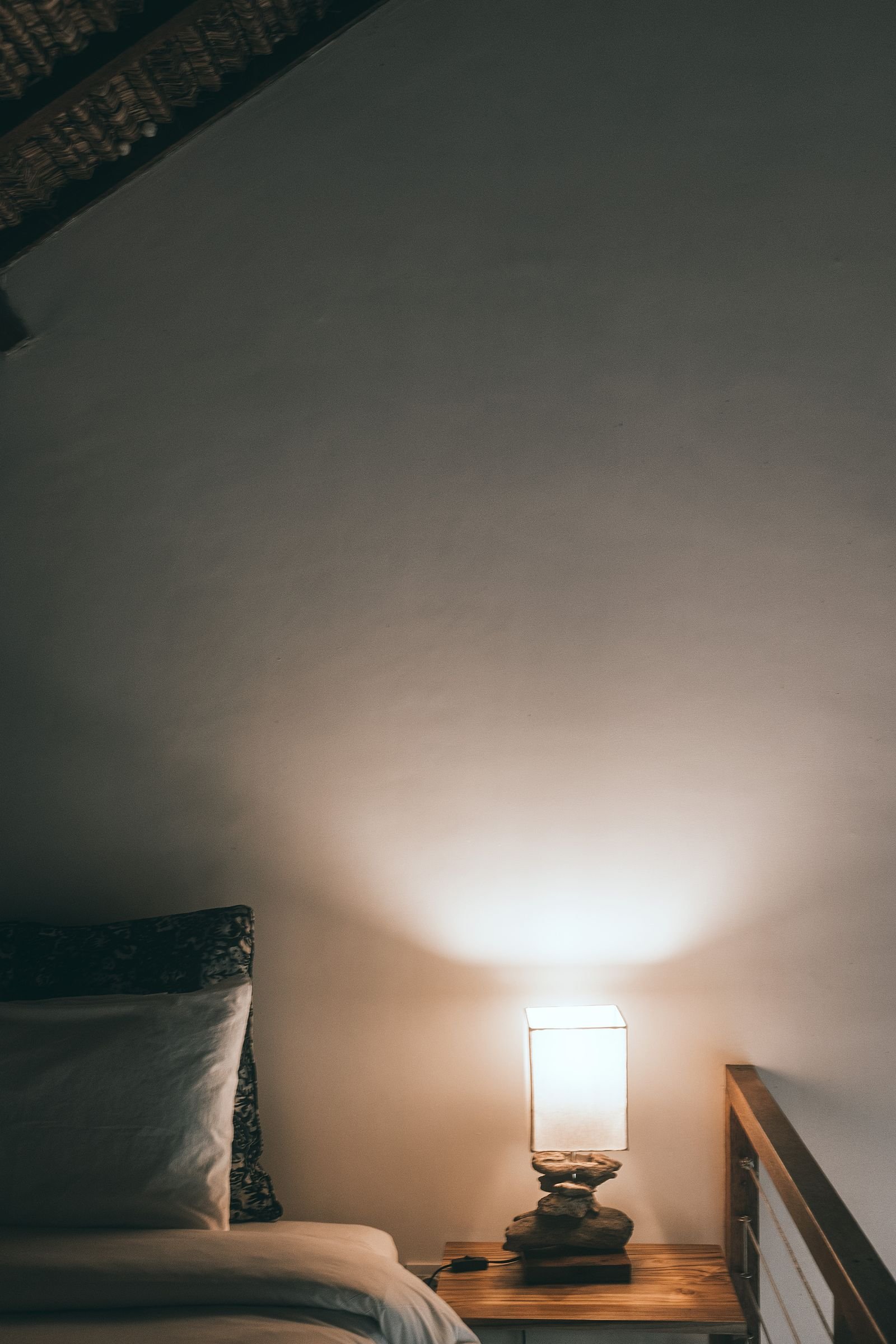
Modern lamps have clean lines and simple shapes that suit minimalist and contemporary homes. Vintage lamps add charm and a sense of history. Floor lamps and table lamps are the easiest way to create cozy corners, and they balance the light levels across a room. Mixing styles is fine as long as the colors or metals repeat somewhere else in the space.
Creative DIY Lighting
DIY lighting adds a personal touch and saves money. Try these simple projects:
- Hang fairy lights inside a large glass jar or bottle for a table lamp that costs very little.
- Cover a plain lampshade with fabric, paper or lace.
- Group several bare filament bulbs on cords at different heights for an industrial look.
- Run string lights along a wall in a pattern, such as a grid or a simple tree shape.
Use bulbs rated for the fitting, and never leave homemade lights unattended.
Layer Light for Ambiance
Layering means using several light sources at different heights, so the room never depends on a single bright fixture. Each layer has a job, and together they balance brightness and shadow.
Ambient Lighting Basics
Ambient light is the main source of illumination. Ceiling lights, chandeliers and wall sconces are the usual choices. Pick bulbs with a soft, warm tone and avoid harsh lights that cause glare. The light should fill the room evenly without dark patches.
Task Lighting Tips
Desk lamps, under-cabinet lights and pendants over a counter all count as task lighting. Position them so your hand does not cast a shadow on your work, and use a brighter bulb than the ambient layer. Good task lighting reduces eye strain.
Accent Lighting Techniques
Spotlights, track lights, picture lights and LED strips draw attention to artwork, plants and textured walls. Keep accent lights subtle so they add depth without overpowering the other layers. A small uplight behind a large plant is a simple way to add drama in the evening.
Try Smart Lighting Solutions
Smart lights connect to an app or a voice assistant, so you can change brightness, color and schedules without touching a switch.
Benefits of Smart Bulbs
Smart bulbs use LED technology, so they use little energy and last for years. You can set timers so lights turn off automatically, which cuts waste, and schedule lights to come on before you get home. Lighting a path at night is also safer than walking through a dark house. You can control everything from your phone, even when you are away.
Voice-Controlled Lighting
Voice control works with assistants such as Alexa and Google Assistant. It helps when your hands are full, and it lets you dim lights or change colors with a simple command. For more ideas on connected homes, read our article on smart home decor ideas.
Customizable Color and Brightness
Choose warm tones for a cozy evening, bright white for work and cooler tones for the morning. Lower the brightness to avoid glare when you watch television. You can also match colors to holidays or parties, and change them in seconds.
Use Decorative Lighting Elements
Decorative lights are easy to install, fit most budgets and work well alone or layered with other lights.
String Lights for Cozy Vibes
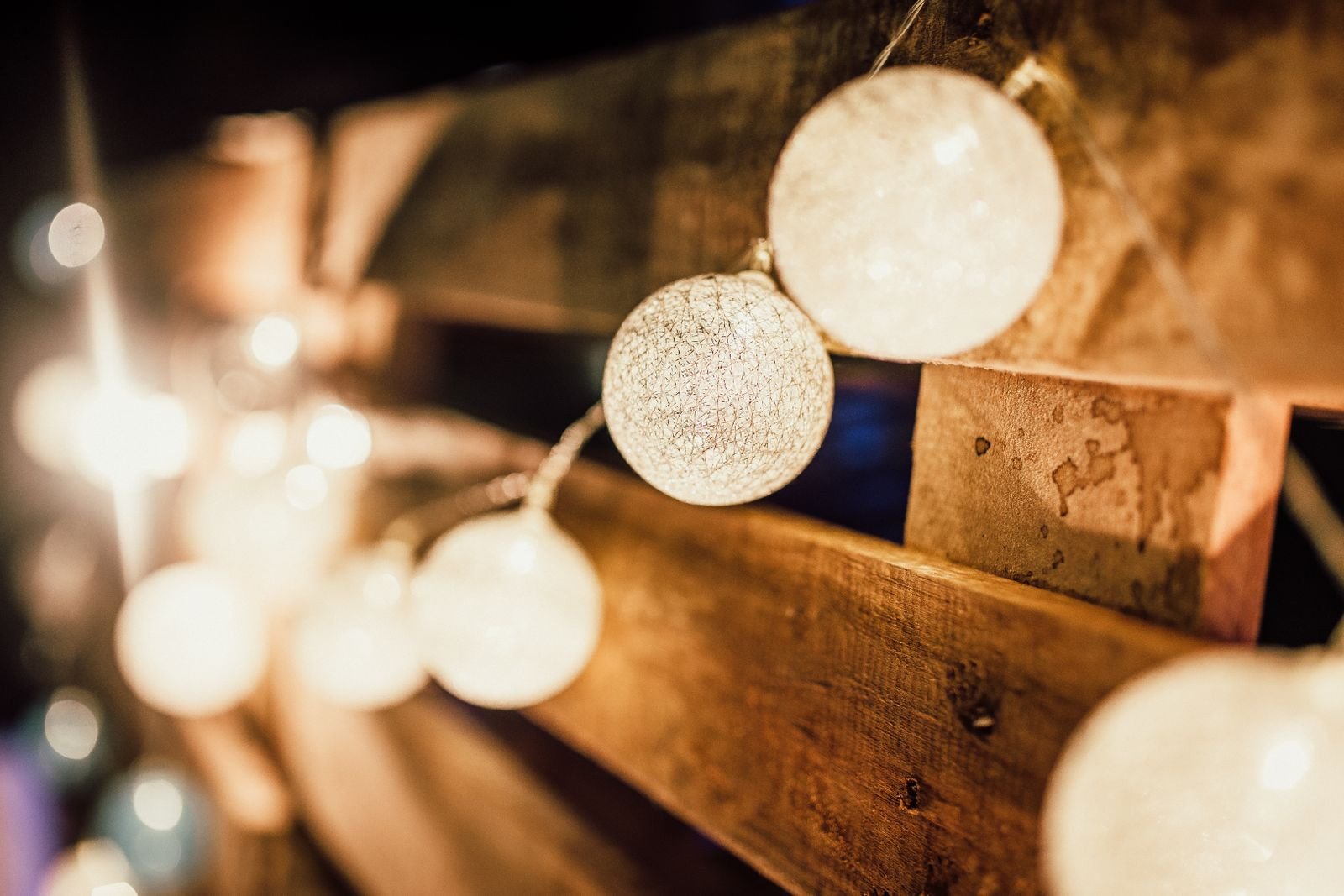
String lights add a soft, warm glow. Hang them around windows, behind a headboard or along bookshelves. Their tiny bulbs create a fairy-tale feel that suits bedrooms and living rooms. Choose warm white rather than multicolored strands for a more grown-up look.
LED Strips and Tape Lights
LED strips are thin enough to fit in tight or hidden spaces. Stick them under kitchen cabinets, behind a television, under a floating shelf or along stairs. They give bright, even light in many colors. Buy strips with a dimmable controller, and clean the surface first so the adhesive holds.
Candles and Lanterns
Candles bring a natural, flickering light that calms the mind. Place them on trays, mantels and tables, and put them inside lanterns for safety. Battery-powered flameless candles are a good alternative in homes with children or pets. See our lantern decor ideas for ways to style them indoors and out.
Match Lighting to Your Interior Style
Light fixtures are part of your decor, so choose styles that fit the look of your home.
Minimalist Light Fixtures
Minimalist lights have clean lines and simple shapes, often in white, black or gray. They suit modern, uncluttered rooms and keep the focus on the space itself.
Rustic and Industrial Lighting
Wood, black metal and exposed bulbs bring warmth and texture. These fixtures suit farmhouse, loft and cabin interiors and make a bold statement over a kitchen island or dining table.
Glamorous and Luxe Options
Crystal, brass and polished metal add sparkle and elegance. They suit classic and chic interiors, and they work best in rooms where you want a touch of drama, such as a dining room or entryway.
Save Energy With Smart Habits
Efficient lighting saves money and helps the environment. Small changes add up over a year.
Choose LED Over Incandescent
LED bulbs use far less energy than incandescent bulbs, last much longer and stay cool to the touch. They come in many colors and brightness levels, so switching is the simplest energy-saving step you can take.
Use Dimmers and Timers
Dimmers lower brightness, cut energy use and extend bulb life. Timers switch outdoor lights and lamps on and off automatically, so they never run all day. Make sure your bulbs are labeled dimmable before you fit a dimmer switch.
Practice Sustainable Lighting
Choose fixtures made from recycled or responsibly sourced materials, use daylight when you can and dust bulbs and shades regularly for better light output. Recycle old bulbs at a proper collection point. For more ideas, see our guide to sustainable lighting.
Frequently Asked Questions
What Types of Lights Work Best for Home Decor?
Soft white LED bulbs create a warm, cozy atmosphere. String lights add charm, and a mix of floor and table lamps gives balanced lighting in living areas.
How Can I Use Lights to Make a Room Look Bigger?
Place lamps or sconces near mirrors so they reflect light. Use wall-mounted lights to free floor space, and keep the lighting even so there are fewer dark corners.
What Lighting Colors Suit Different Spaces?
Warm yellow-white light suits living rooms and bedrooms. Cooler white light works well in kitchens, bathrooms and home offices, where you need clarity.
Can Smart Lights Improve Home Decor?
Yes. They let you change color and brightness easily, set the mood with timers and control lights from your phone, which adds both style and convenience.
How Do I Highlight Artwork With Lighting?
Use a picture light or a directional spotlight aimed at the piece, and choose LED bulbs because they give off little heat that could damage the art. Angle the light at about 30 degrees to avoid glare on the glass.
Conclusion
Lighting shapes how your home looks and feels. Start by layering ambient, task and accent light, then add a statement fixture or a few decorative lights that match your style. Choose warm bulbs for relaxing rooms and cooler ones for work areas, and save energy with LEDs and dimmers. Small changes can make a big difference, so experiment and enjoy making your home glow.

1 comment