The bathroom is one of the easiest rooms in the house to make more efficient. Most of the energy goes into heating water, lighting and moving air, and small changes in each area add up on your bills.
This guide gives ten practical tips, from fixing drips and choosing efficient fixtures to using natural light and sealing drafts. You can start with the free habits and add upgrades as your budget allows.
Cut Down Water Waste
Every liter of hot water also uses energy to heat it, so saving water saves both. A few simple fixes make the biggest difference.
Fix Leaky Faucets
A dripping faucet wastes water all day and night, and a leaking hot tap wastes heat too. Replace worn washers or cartridges as soon as you notice a drip. Check under the sink as well, since slow leaks in supply hoses often go unseen.
Install Low-Flow Fixtures
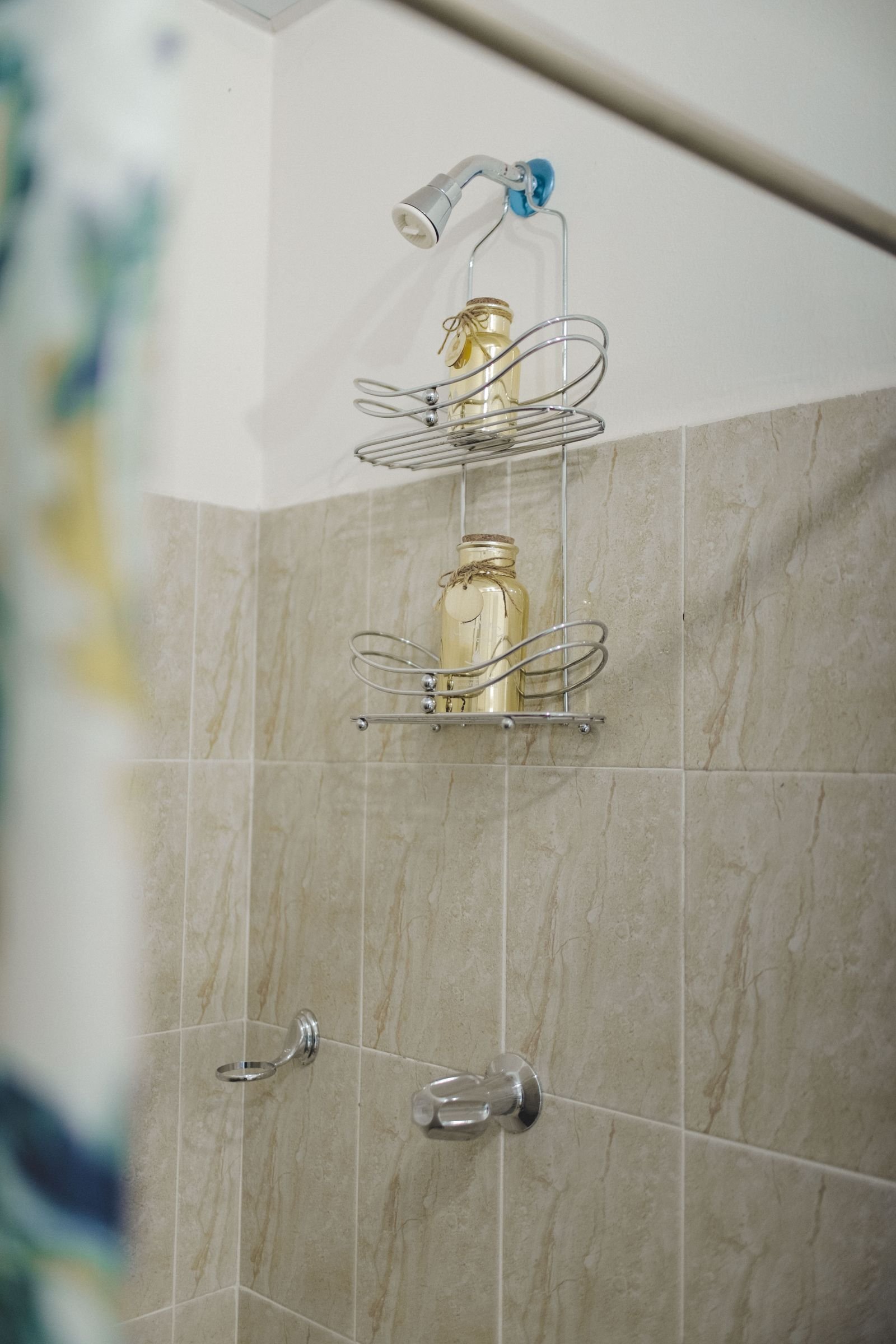
Low-flow faucets and showerheads use less water while keeping the pressure comfortable. Look for the WaterSense label, which shows that a product meets standards for water efficiency. Aerators are cheap, screw onto most faucets in minutes and are a good first step.
Use a Shower Timer
Long showers use a lot of hot water. A simple waterproof timer or a short playlist helps you keep to about five minutes. Turn off the water while you soap up or shampoo if you can.
Choose Energy-Efficient Lighting
Bathroom lights are often on for short bursts, but they add up over a year. Efficient lighting costs little and starts saving straight away. For more ideas, read our guide on sustainable lighting.
Switch to LED Bulbs
LED bulbs use much less electricity than older incandescent bulbs and last many times longer, so you replace them less often. They also stay cooler. Choose bulbs rated for damp locations if the fixture is near the shower, and pick warm white for a relaxing feel.
Use Motion Sensors
A motion sensor switch turns the light on when you enter and off when you leave. It is helpful in a family bathroom where lights are often left on. Choose one with an adjustable timer so the light does not switch off while you are in the shower.
Optimize Water Heater Use
Water heating is one of the biggest energy costs in most homes, and the bathroom uses much of that hot water.
Lower the Water Heater Temperature
Many heaters are set higher than needed. A setting of about 120°F (49°C) is warm enough for daily use and reduces the risk of scalding. A lower setting means the heater works less often and loses less heat while it stands. Check the manual or ask a plumber before you change the setting.
Insulate Hot Water Pipes
Foam sleeves around hot water pipes keep water warm as it travels to the tap, so hot water arrives faster and less water runs while you wait. The sleeves are cheap and easy to fit yourself, especially on pipes in basements and crawl spaces.
Improve Ventilation
Good ventilation removes moisture, which protects the walls and prevents mold. It also means the room dries faster and needs less heating.
Use an Energy-Saving Exhaust Fan
Choose a quiet, efficient fan, such as one with an Energy Star label. Run it during and for about 20 minutes after a shower, then turn it off, because leaving it on all day wastes energy and pulls heated air out of the house. A timer or a humidity sensor does this for you.
Keep Vents Clean
Dust blocks airflow and makes the fan work harder. Switch off the power, remove the cover and wipe the blades and housing with a damp cloth every few months. Check that the duct is not blocked and vents outside, not into the attic.
Use Smart Bathroom Appliances
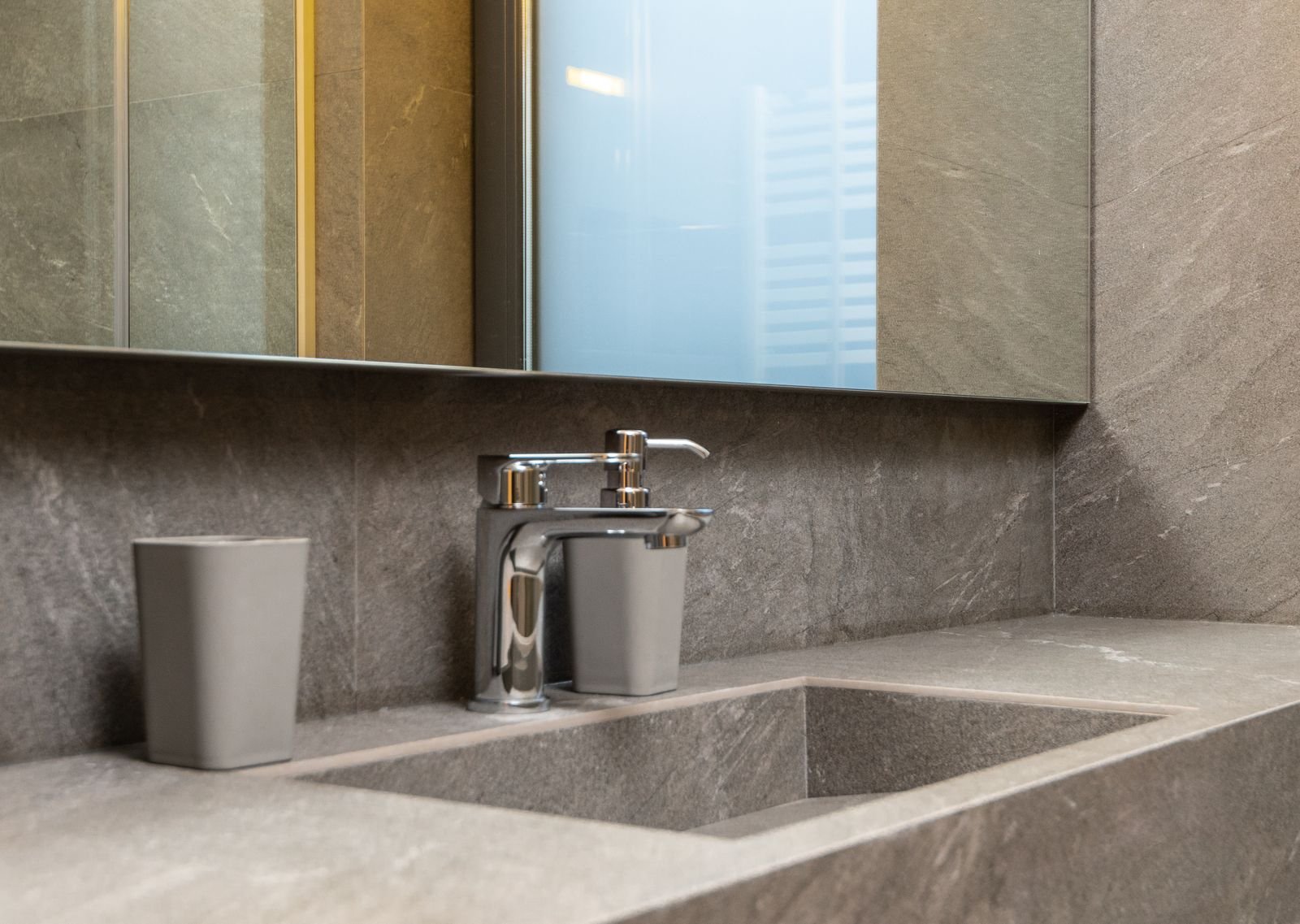
Newer appliances are designed to waste less, and they often pay for themselves over time.
Select a Water-Efficient Toilet
Look for dual-flush or WaterSense-labeled toilets. A dual-flush model offers a small flush and a full flush, so you use only what you need. If a replacement is not in your budget, fix a running toilet and check the flapper regularly.
Choose an Eco-Friendly Showerhead
Efficient showerheads limit flow while keeping the spray full, and some mix in air to make the water feel stronger. They reduce the amount of water you heat, and a WaterSense label confirms that the model meets efficiency standards.
Adopt Simple Habits
Habits cost nothing and work in any bathroom. Nothing else on this list pays back as quickly.
Turn Off Lights When You Leave
Make it automatic. Use daylight when it is bright enough, and add a motion sensor or a timer if other people in the house forget.
Limit Hot Water Use
Turn off the tap while you brush your teeth or shave. Take shorter showers, and use cooler water for quick rinses.
Maintain Bathroom Fixtures
Worn fixtures waste water and energy without making a noise. A short check once a month helps you catch problems early.
Check for Drips Regularly
Look at the faucets, shower, toilet base and the pipes beneath the sink. Add a few drops of food coloring to the toilet tank. If color shows up in the bowl without flushing, the flapper leaks. Fix small leaks quickly to avoid bigger repairs.
Clean Showerheads and Faucets
Mineral buildup slows flow and makes the spray uneven. Soak a showerhead or aerator in white vinegar for an hour, then scrub it with an old toothbrush. Clean fixtures work better and last longer.
Harness Natural Light
Daylight is free, and it makes a bathroom feel larger and fresher.
Use Windows or Skylights
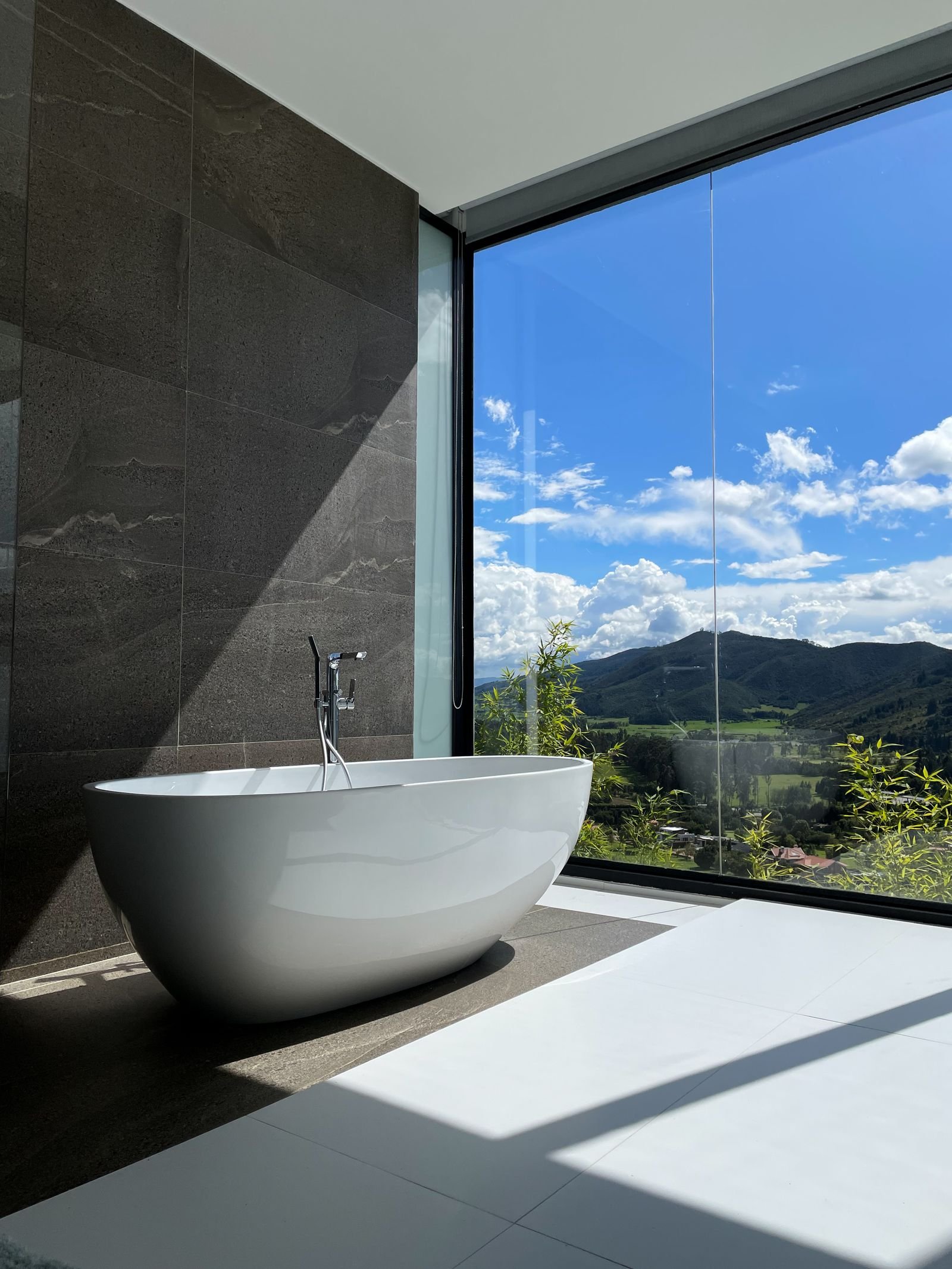
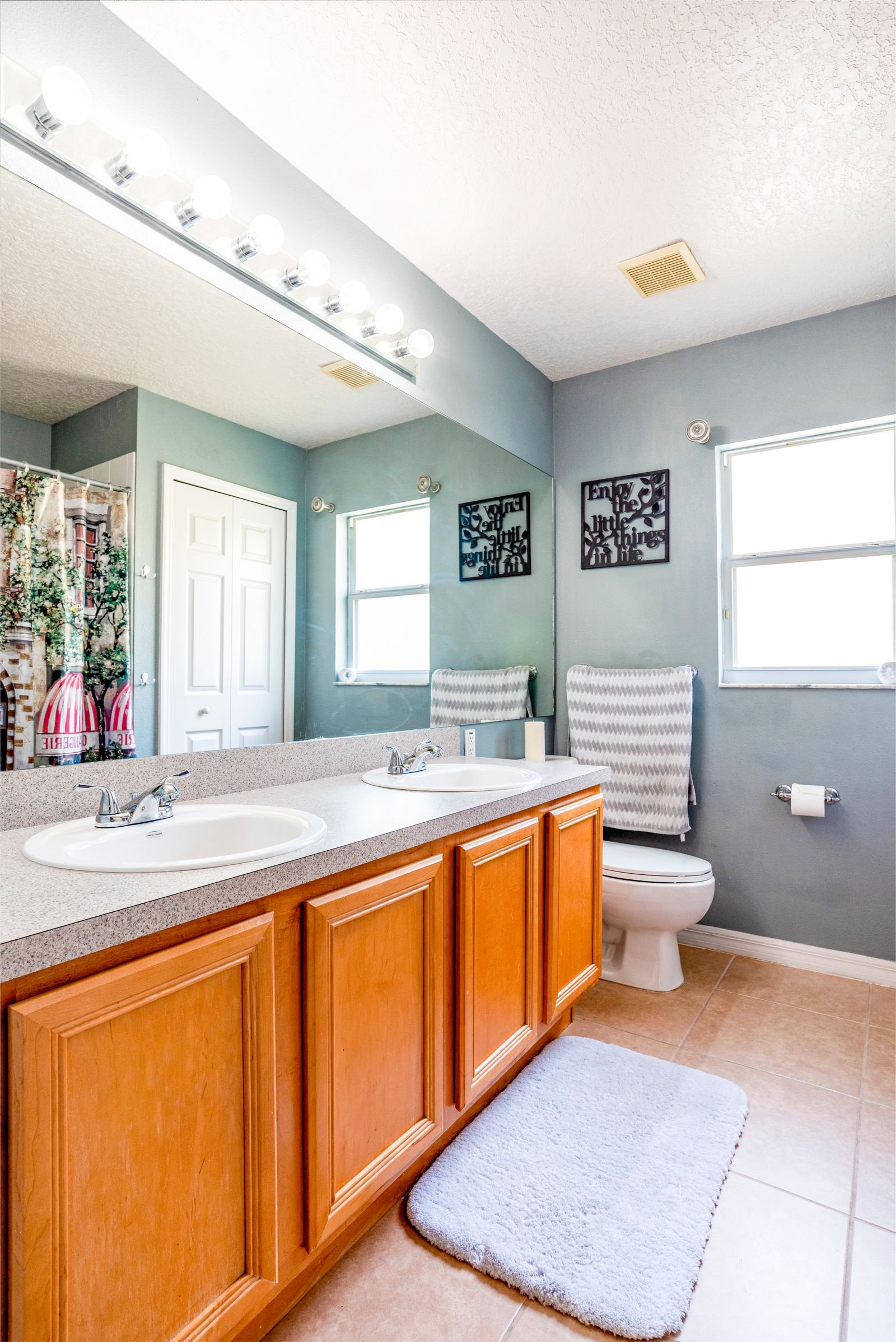
A window or a skylight lights the room without electricity during the day. Keep the glass clean, and use frosted glass or sheer blinds if you need privacy. A tubular skylight is a good option for a bathroom with no outside wall.
Add Light-Colored Decor
White or pastel walls, light tiles and mirrors reflect daylight around the room. A mirror placed opposite the window makes the room look brighter and can reduce the need for lamps.
Seal Gaps and Cracks
Small gaps around windows, doors and pipes let warm air escape and cold air in. Sealing them is a cheap way to save heating energy.
Prevent Heat Loss
Fill small cracks with caulk, using a bathroom-grade silicone sealant around the tub, sink and shower. Use expanding foam for larger gaps around pipes, and check the edges of the window frame for drafts. A well-sealed room stays warmer with less heating.
Use Weatherstripping
Self-adhesive foam or rubber strips seal the edges of doors and windows. Clean the surface first, press the strip firmly in place, and replace it when it becomes flattened or cracked.
Choose Eco-Friendly Products
The products you buy also have an impact. Choosing durable, low-waste items reduces the energy used to make and transport them. For a wider look at this topic, see our guide to the advantages of eco-friendly home decor.
Pick Gentle Cleaning Supplies
Choose biodegradable cleaners with simple ingredients. Many need less rinsing, which saves water. Refill a spray bottle with concentrate instead of buying a new bottle each time.
Avoid Excess Packaging
Buy refills, bulk sizes and products in recycled or minimal packaging. Solid soap, shampoo bars and refillable dispensers all reduce waste. For more ways to lower your use across the house, read our tips to control energy consumption.
Frequently Asked Questions
How Can I Reduce Water Usage in the Bathroom?
Fit low-flow showerheads and faucet aerators, fix leaks quickly and take shorter showers. Turning the tap off while brushing your teeth also helps.
What Lighting Options Save Energy in Bathrooms?
LED bulbs use far less power and last longer than older bulbs. A motion sensor or timer prevents lights from being left on.
Does Using a Timer Help Save Bathroom Energy?
Yes. A timer on the exhaust fan or lights makes sure they run only when needed, which avoids waste.
How Does Bathroom Insulation Impact Energy Savings?
Good insulation and sealed gaps keep warm air in, so the heater runs less. It also makes the room more comfortable.
Can Changing Habits Save Energy in the Bathroom?
Yes. Shorter showers, turning off lights and closing taps cost nothing, and over a year they lower both your water and energy bills.
Conclusion
Saving energy in the bathroom does not require a big renovation. Start with free habits such as shorter showers and switching off lights, then fix leaks, fit efficient fixtures and seal drafts. Each small step lowers your bills and makes your home more comfortable and sustainable.