Controlling your energy consumption does not take expensive gadgets or major renovations. With a few smart changes to how you heat, light and run your home, you can cut your bills, keep your rooms comfortable and reduce your impact on the environment.
This guide starts with tracking your use, then covers appliances, heating and cooling, insulation, lighting, hot water, cooking, renewable energy, daily habits and smart technology. Pick the steps that suit your home and begin with the cheapest ones.
Track Your Energy Use
Knowing how much energy you use helps you find waste and see whether your changes are working. Simple tools make tracking easy.
Use Smart Meters
Smart meters show your energy use in near real time and send readings to your energy provider. You can see how much you use each day or even each hour, which helps you spot unusual spikes. Some connect to apps for easy checking. If you do not have one, ask your provider, or read your regular meter at the same time each week.
Watch Peak Hours
Electricity often costs more during peak hours, when many people use power at once, commonly in the morning and early evening. If your plan charges more at these times, run heavy appliances such as washers and dryers at night or at midday. Check your tariff to learn your own peak times.
Upgrade to Efficient Appliances
New appliances use less power, which lowers bills and reduces stress on the environment. The gain is long-term, so focus on the ones that run the most.
Look for Energy Labels
Energy Star labels and similar efficiency marks show appliances that meet energy-saving standards. Choosing them reduces electricity use while the product works just as well.
Replace Old Devices
Older appliances usually use more energy than new ones. Refrigerators, washers and heaters are the best places to start, because they use the most energy in a typical home. Replace them when they fail or become costly to repair, rather than throwing out a working unit too early.
Use Appliances Wisely
How you use appliances matters as much as which ones you own. Washing machines and dishwashers use almost as much energy for a small load as a full one, so wait until you have a full load and use the energy-saving setting. Clean filters, vents and coils regularly, and check the seals on your refrigerator and oven, because dirty or leaky appliances work harder.
Optimize Heating and Cooling
Heating and cooling make up a large share of home energy use, so small changes here have the biggest effect. Our guide to insulating well without spending too much also helps lower this load.
Set the Thermostat Wisely
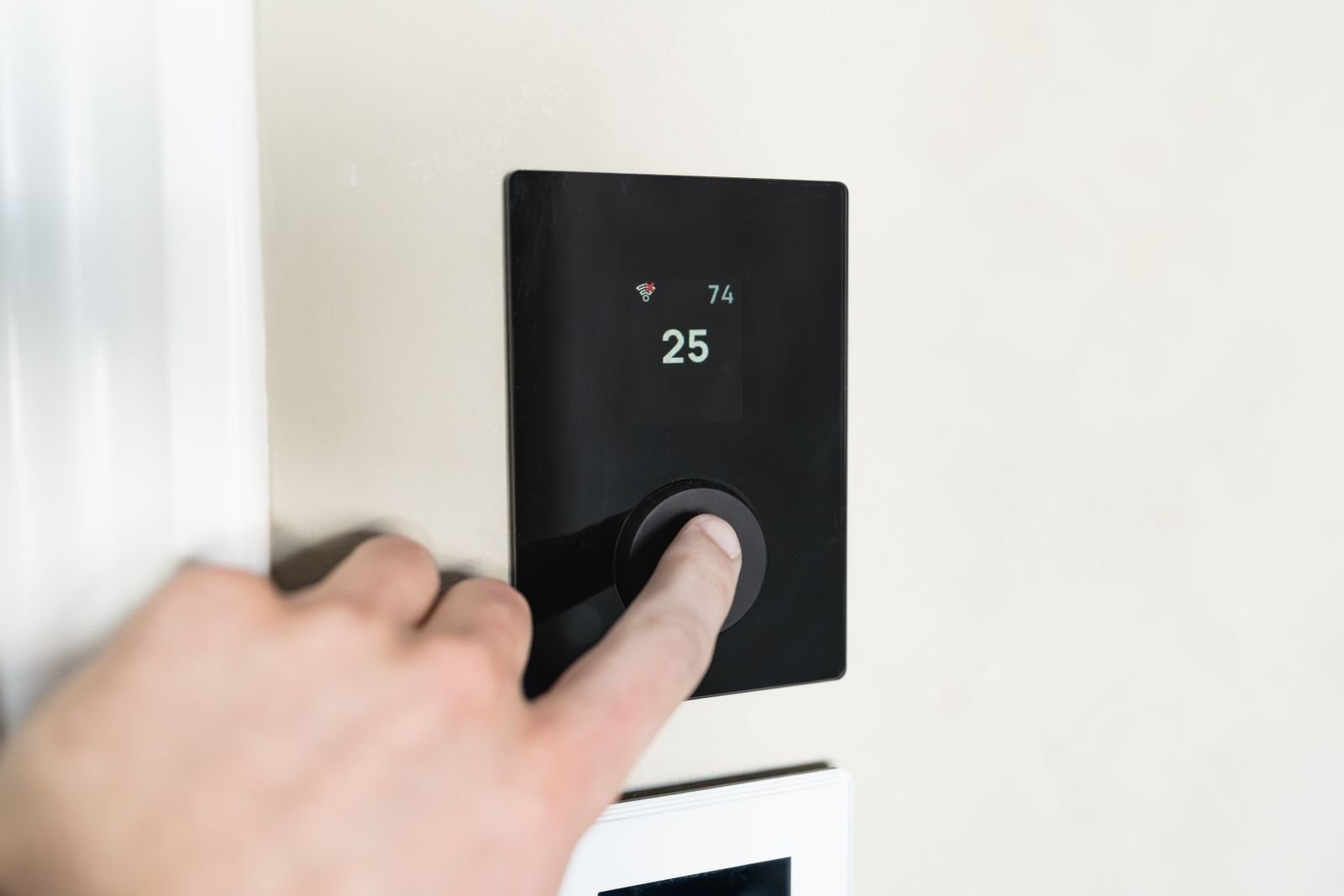
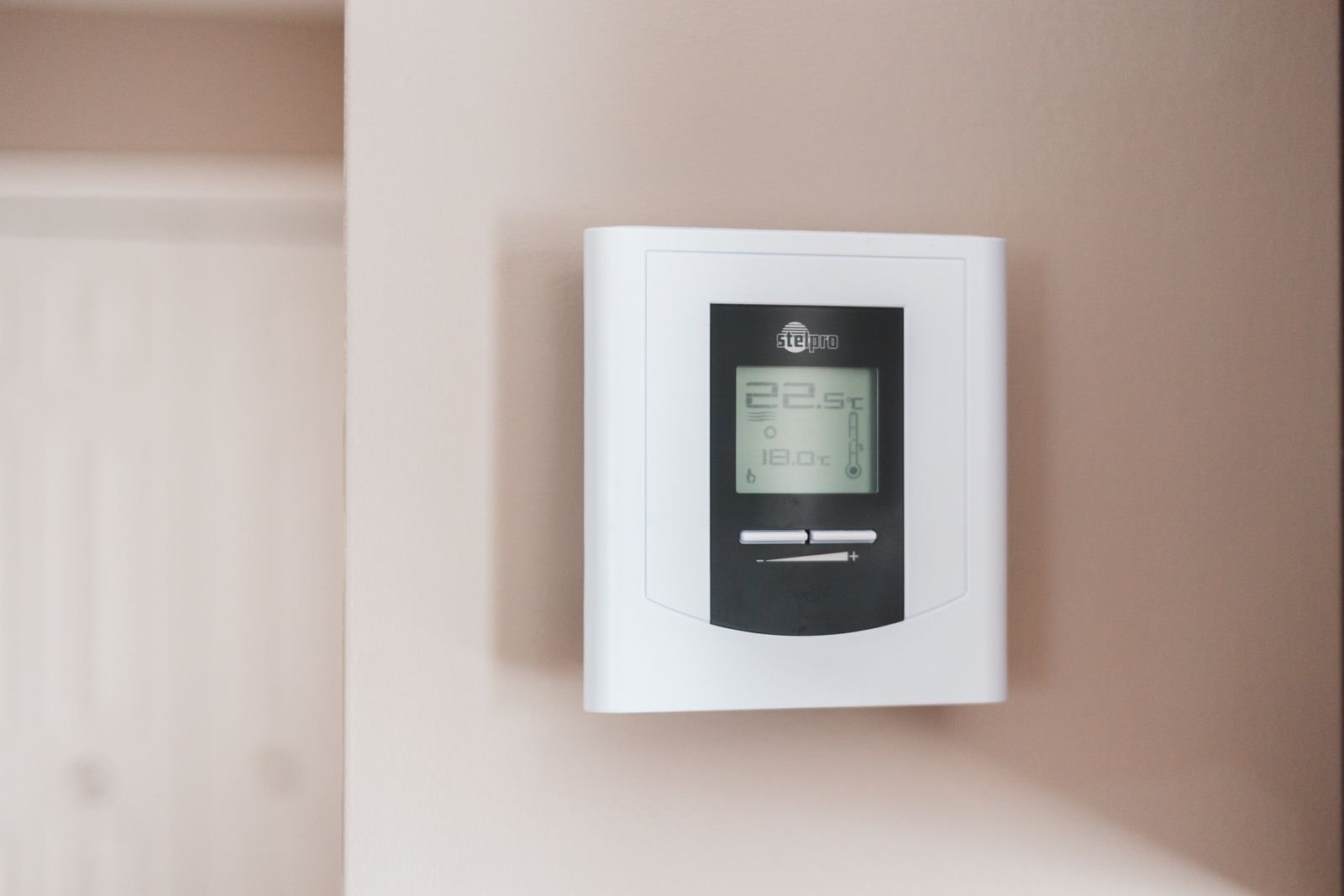
Choose a steady, comfortable temperature and avoid extreme settings that force your system to work hard. Lower the heat in winter and raise the cooling temperature in summer. A programmable thermostat adjusts the temperature when you are away or asleep, which saves energy without losing comfort.
Maintain Your HVAC System
Keep your system clean and well tuned. Change air filters every one to three months, or as the manufacturer recommends. Dirty filters reduce airflow and increase energy use. Book a professional check-up each year and clear vents and ducts so air can flow freely.
Use Window Treatments
Window coverings change a room’s temperature. Close heavy curtains in winter to keep heat in, and close blinds on sunny summer days to block heat. Open them again when the sun can help warm the room.
Improve Home Insulation
Good insulation keeps your home warm in winter and cool in summer, which reduces the need for heating and cooling. It also makes rooms more comfortable all year.
Seal Windows and Doors
Gaps around frames let air escape. Close them with weatherstripping or caulk, and check the seals regularly. Replace worn materials. Place door draft stoppers at the bottom of exterior doors; you can buy them or sew one from fabric and fill it with rice or sand.
Add Insulation Materials
Insulation slows heat flow. Adding it to the attic, walls and floors keeps temperatures steady. Common types include fiberglass, foam and cellulose, and the best choice depends on your climate and home. Check the attic floor and wall cavities for thin or missing insulation. Correct installation is key, so get advice before you start.
Choose Smart Lighting
Lighting is one of the easiest areas to improve. Our guide to sustainable lighting has more ideas.
Switch to LED Bulbs
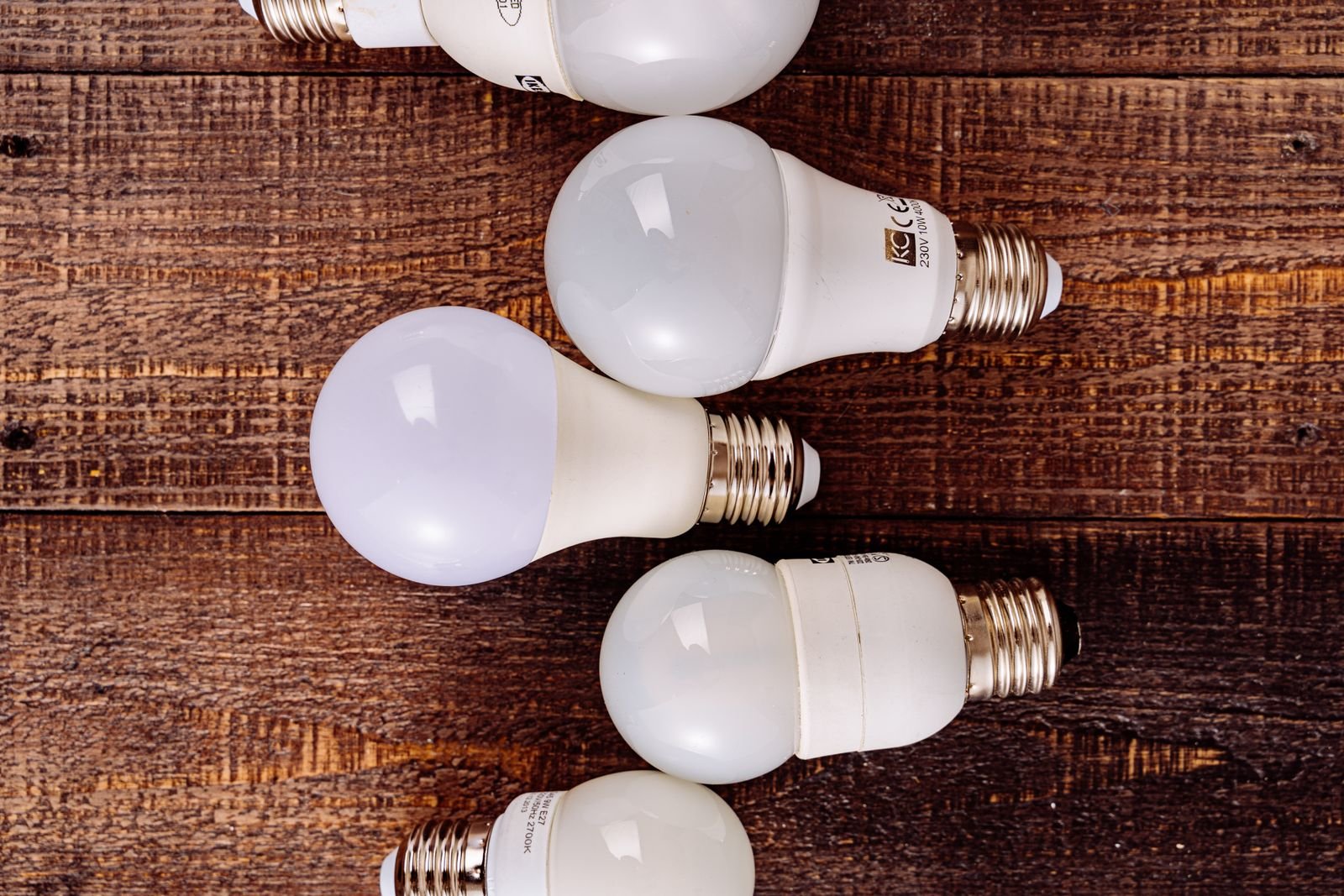
LED bulbs use much less energy than old incandescent bulbs and last far longer, so you buy fewer replacements. They also give bright light with little heat. Replacing the bulbs you use most often is the quickest way to start.
Use Natural Light
Open curtains and blinds during the day instead of switching lights on. Light-colored walls and mirrors spread daylight further into a room.
Add Motion Sensors
Motion sensors turn lights on only when someone is present. They work well in hallways, bathrooms and closets, where lights are easy to forget.
Cut Water Heating and Cooking Costs
Heating water and cooking use a lot of energy in many homes, yet small changes make a visible difference.
Lower the Water Heater Temperature
Many experts suggest setting a water heater to around 120 degrees Fahrenheit (about 49 degrees Celsius), which is hot enough for most needs. Some heaters are set higher by default, which wastes energy and raises the risk of scalding. Check your manual before changing it.
Install Low-Flow Fixtures
Low-flow showerheads and faucets use less water, so less water needs heating. They cost little, fit easily and keep pressure strong.
Wash Laundry in Cold Water
Most of the energy a washing machine uses goes to heating water. Most modern detergents work well in cold water, so switching saves energy without harming clothes.
Cook Smarter
Microwaves and toaster ovens use less energy than a full-size oven for small meals and reheating, and they keep the kitchen cooler. Cover pots with lids to keep heat in and shorten cooking time. Match the pot size to the burner so heat is not wasted around the sides.
Use Renewable Energy Sources
Renewable energy comes from natural sources that will not run out. It can lower bills and reduces pollution.
Install Solar Panels
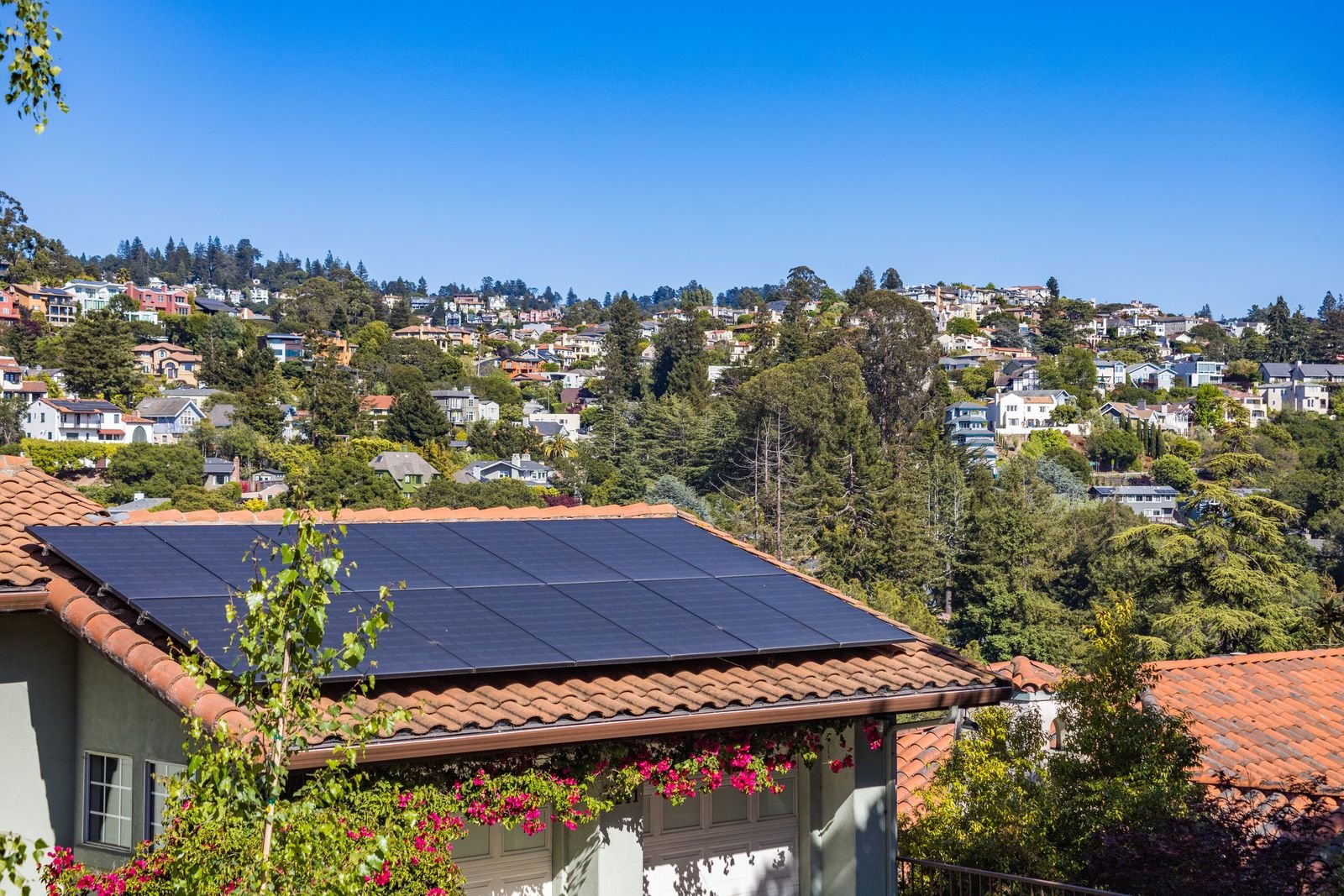
Solar panels turn sunlight into electricity. They work best on rooftops with good sun exposure and need little maintenance once installed. Costs, incentives and savings vary by location, so get several quotes and check your roof first. Even a small system can offset part of your use.
Consider Wind Energy
Small wind turbines can power homes or charge batteries. They work best in windy places with open space, such as rural or off-grid properties. Turbines do make some noise and may need planning permission, so check local rules first.
Adopt Energy-Saving Habits
Small changes in daily routines add up to real savings without cost.
Turn Off Unused Lights
Switch off lights in empty rooms and use natural light by day. Teach everyone in the home to do the same until it becomes a habit.
Unplug Idle Electronics
Many devices draw power even when switched off. This is often called phantom load. Unplug chargers, TVs and computers you are not using, or connect them to a power strip you can switch off in one go.
Adjust the Thermostat When Away
Set the temperature lower in winter or higher in summer when nobody is home. A programmable thermostat does this for you.
Use Smart Home Technology
Smart devices let you run lights and appliances only when needed. They also help you track energy use. Our guide to saving energy in the bathroom shows how simple changes add up in a single room.
Automate Lighting and Appliances
Smart lights turn on and off by schedule or motion. You can also set appliances to run at cheaper energy times, which removes waste without extra work.
Use Energy Management Apps
Apps can show how much power each device uses, give daily tips and alert you to unusual spikes. Smart plugs let you schedule devices and monitor their use.
Frequently Asked Questions
How Can I Reduce Energy Use at Home?
Turn off lights and appliances when not in use, switch to LED bulbs and unplug chargers. Sealing air leaks and using a programmable thermostat help too.
What Are the Best Ways to Save Electricity Daily?
Use natural light during the day, run full loads in washers and dishwashers, and use energy-saving settings. Small changes add up fast.
Does Upgrading to LED Lights Save Energy?
Yes. LED bulbs use less power and last longer than traditional bulbs, which lowers your electricity bill.
How Does the Thermostat Setting Affect Energy Consumption?
Lowering the thermostat in winter and raising it in summer reduces heating and cooling costs.
Can Smart Plugs Control Energy Usage?
Smart plugs let you schedule devices and monitor power use, which helps avoid waste when devices are idle.
Conclusion
Controlling your energy use saves money and helps the planet. Start with the easy wins: LED bulbs, switching off lights, unplugging idle devices and sealing air leaks. Then work toward bigger steps such as better insulation, efficient appliances and renewable energy. Small changes add up over time, so start today and track your results.