An air purifier can make indoor air cleaner, but the device alone is not enough. Choosing the right model, placing it well, changing the filters on time and supporting it with good cleaning habits is what really keeps the air in your home fresh.
These seven tips cover choosing a purifier, replacing filters, placement, keeping your surroundings clean, running the purifier consistently, adding other air quality measures and monitoring your results. Follow them in order and you will get far more from your purifier.
Choose the Right Air Purifier
Not all purifiers work the same way, and some suit certain needs better than others. The right choice helps remove dust, pollen and other particles from the rooms where you spend your time.
Types of Air Purifiers
- HEPA purifiers catch tiny particles such as dust, pollen and smoke.
- Activated carbon purifiers reduce odors and gases.
- Ionizers release charged particles to make pollutants settle. Some can produce small amounts of ozone, so check that a model is certified as low-ozone before you buy.
- UV purifiers use ultraviolet light on the air passing through. They work best combined with a good filter, and they do not remove dust or pollen on their own.
Filter Efficiency and Coverage
A true HEPA filter is defined as capturing 99.97 percent of particles as small as 0.3 microns. Carbon filters absorb smells and chemicals. Choose a unit with quality filters, and check that its stated coverage area matches your room.
Consider Room Size
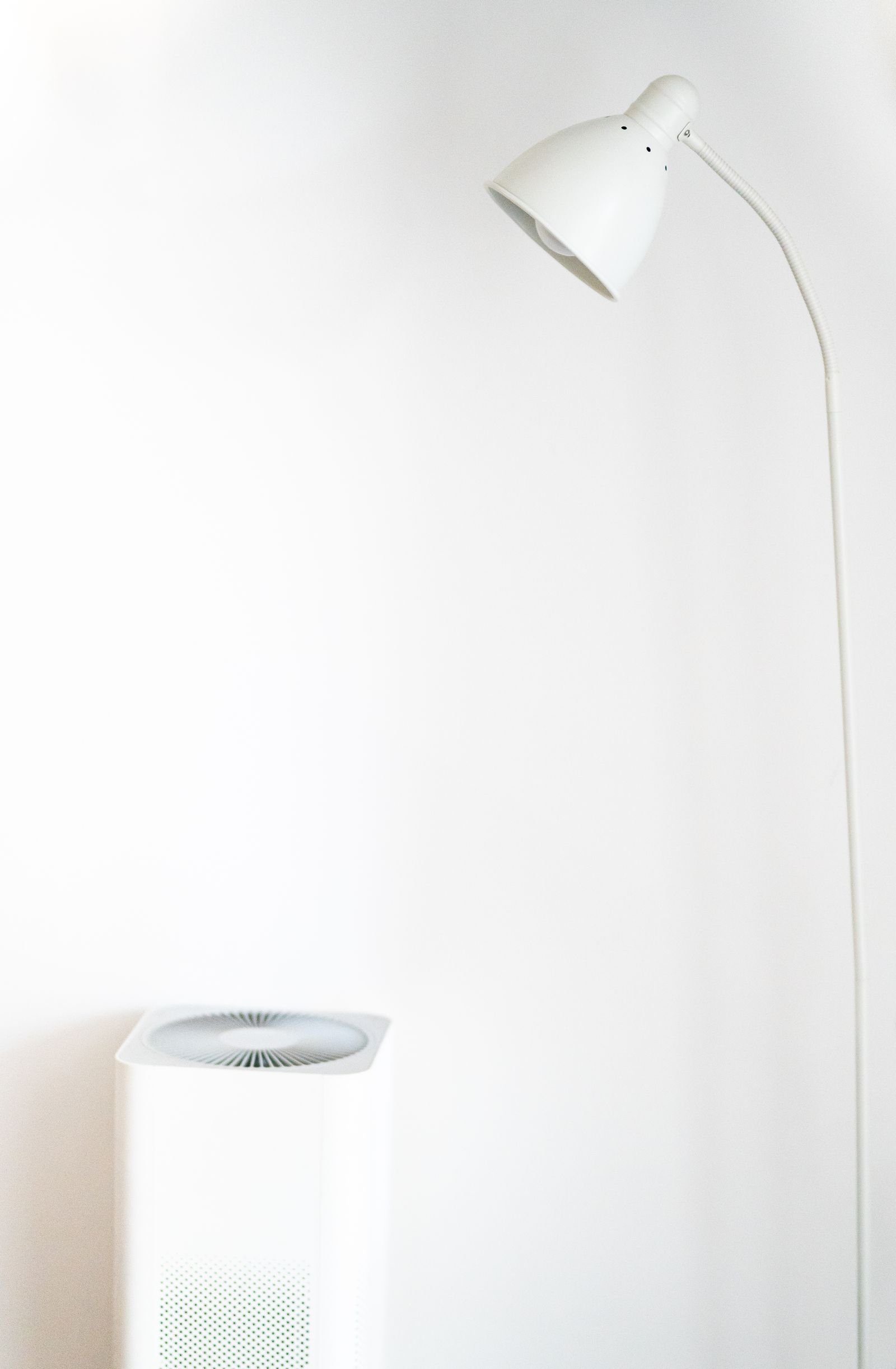
Small purifiers suit bedrooms and offices. Large rooms need higher airflow and coverage. Measure your room’s floor area before buying, and look at the rating for how quickly the unit can clean a room of that size.
Replace Filters Regularly
Filters trap dust, pollen and germs. Over time they fill up and lose power, and a clogged filter cannot clean air properly.
Signs It Is Time to Change
Watch for a bad smell from the purifier, weak airflow, or dust building up faster in your rooms. Many purifiers have a filter indicator light, so check it often.
How Often to Replace
Many filters last three to six months, and some need changing monthly in dusty homes. Always follow the manual, and change filters more often if you have pets or allergies. Write the change date on the filter or in your calendar.
Place the Purifier Well
Good placement lets the purifier draw in more air and catch more particles.
Avoid Obstructions
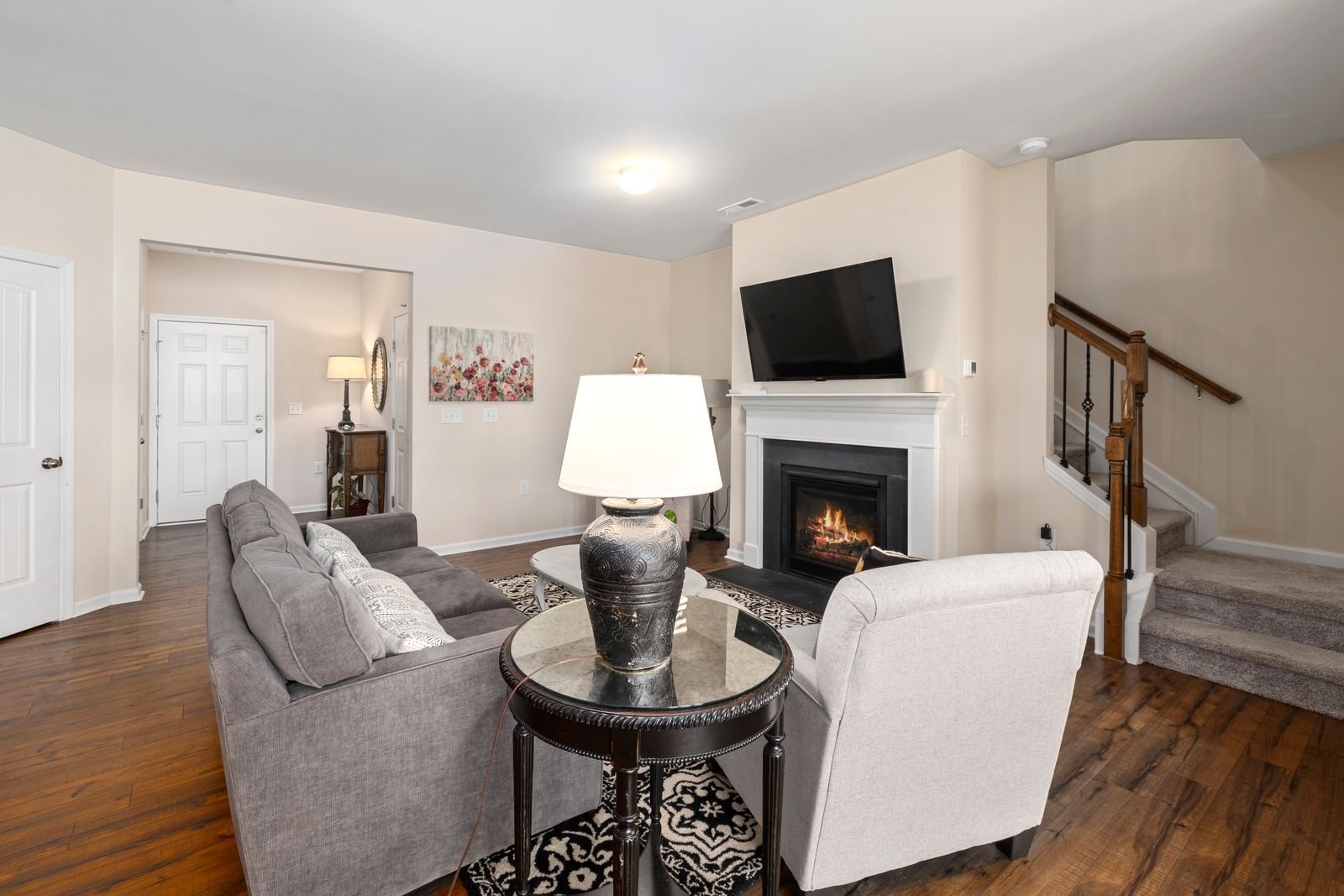
Walls, furniture and curtains can block air entering or leaving the unit. Leave clear space around the purifier, such as the distance your manual recommends, and avoid putting it behind curtains or under tables.
Choose a Spot With Good Airflow
Place it where air moves well, such as near a window, door or vent. Avoid tight corners where air stays still. A central spot lets the purifier treat the most air. In a bedroom, place it a few feet from the bed so you get clean air without a draft on your face.
Keep Your Surroundings Clean
Clean surroundings help the purifier work better. Small habits lower the dust and allergens it has to deal with.
Reduce Dust and Allergens
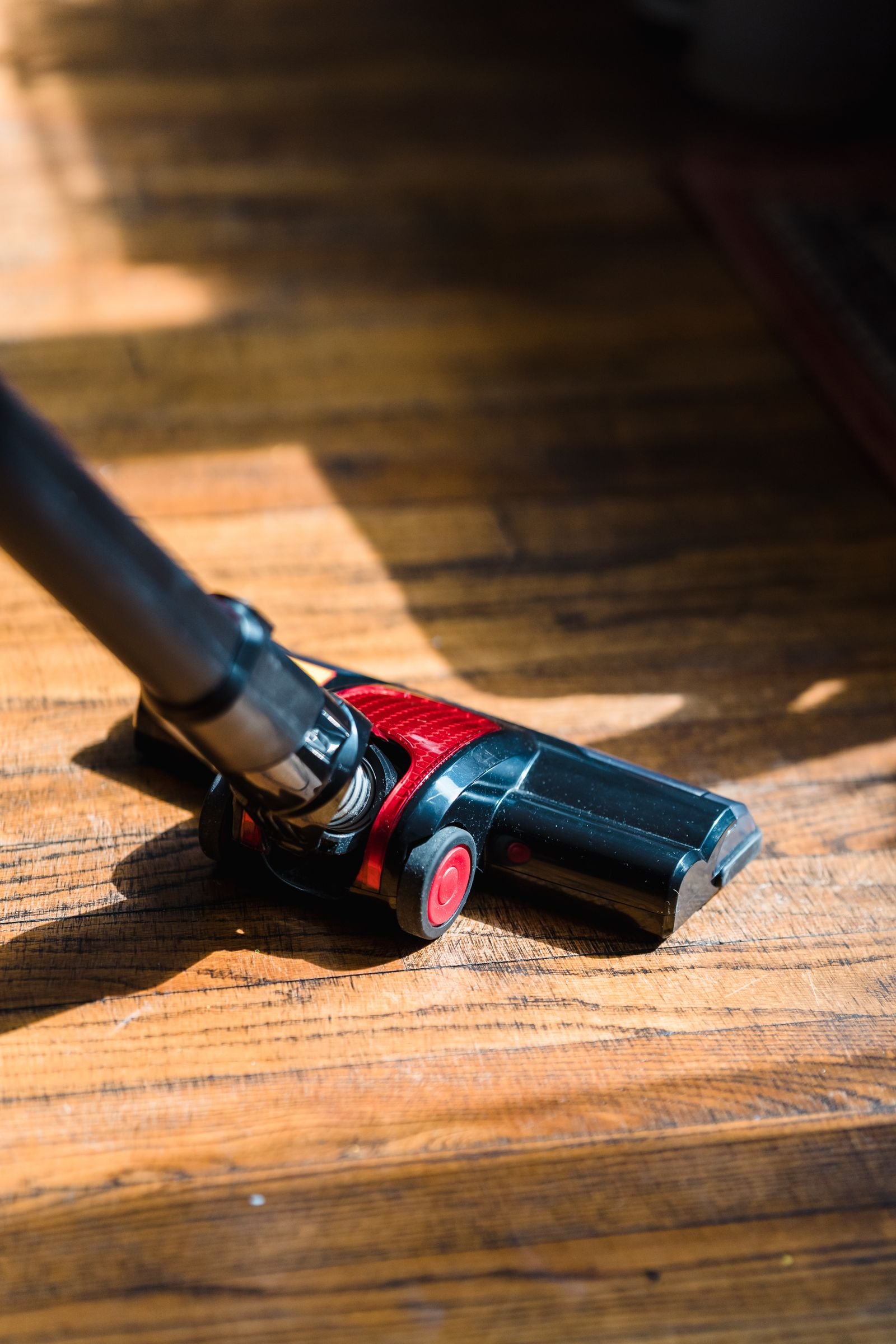
Dust with a damp cloth so dust does not spread. Vacuum carpets and rugs often with a HEPA vacuum. Wash bedding and curtains in hot water to kill dust mites, brush pets outdoors, and avoid clutter so dust has fewer places to hide. For more on healthy home habits, read our guide to preventing moisture in your home.
Ventilation Tips
Open windows for a few minutes daily to let fresh air in, except on high-pollution or high-pollen days. Use exhaust fans in kitchens and bathrooms to remove moisture and odors. Avoid smoking and burning candles indoors, and keep vents and heating or cooling filters clean.
Use Your Purifier Consistently
Regular use keeps dust, allergens and harmful particles down. Set a routine that fits your daily life.
How Long to Run It
Running it for many hours a day, and often continuously, gives the best results, because pollutants keep entering the room. In rooms with heavy pollution, run it longer, and keep it on during peak allergy season. Avoid switching it off too often.
Adjust Settings Through the Day
Use a higher fan speed when activity is high, such as when you cook or clean, and a lower speed at night for quiet and energy savings. Many purifiers have a sleep mode that does this for you.
Combine With Other Air Quality Measures
A purifier works best as part of a bigger plan.
Houseplants
Houseplants add greenery and a calm feel to a room. However, a few pots do little to clean the air in a whole room, so treat them as decor rather than as a substitute for a purifier. Hardy options like the plants in our guide to snake plant benefits are easy to care for. Do not overwater them, because damp soil can grow mold.
Humidity Control
Too much moisture causes mold and dust mites, while too little makes the air dry and uncomfortable. Use a humidifier or dehumidifier to keep indoor humidity between 30 and 50 percent.
Monitor Air Quality Regularly
Monitoring shows whether your purifier is working and tells you when to clean or replace filters.
Use Air Quality Monitors
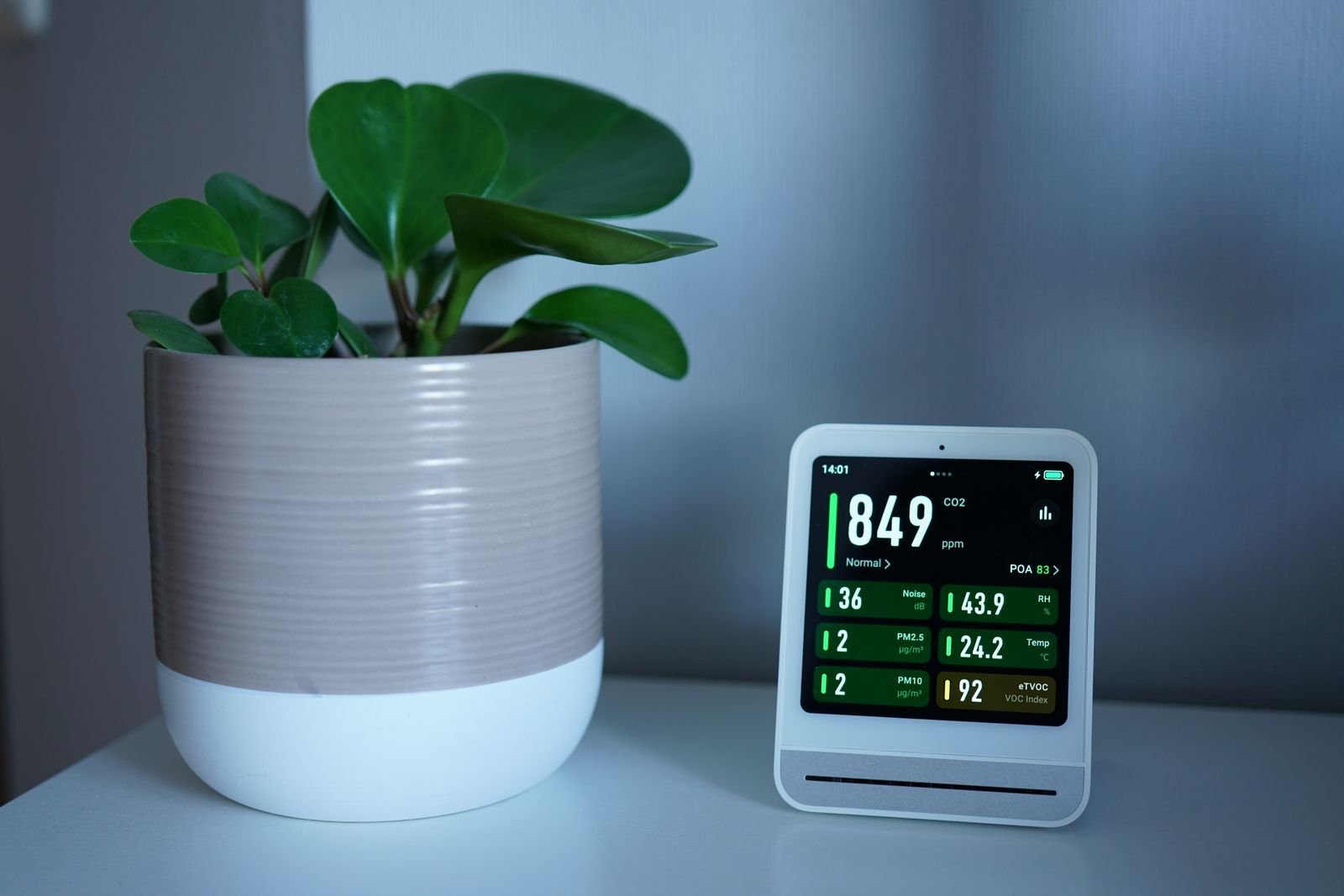
Monitors measure dust, smoke and other particles, and they show real-time readings. Place one in a main living area, choose one that is easy to read, and consider a model that sends alerts to your phone.
Read the Data
Low numbers mean cleaner air, while high numbers point to more pollution or allergens. Use the readings to adjust purifier settings and to decide when to clean or change filters. Keep a simple log of filter changes and purifier positions to see what works. Also note what happened when readings rose, such as cooking or opening windows.
Frequently Asked Questions
How Often Should I Change Air Purifier Filters?
Many filters need changing every three to six months, but check the manufacturer’s guide for exact timing. Clean filters keep the air fresh and the purifier working well.
Can Air Purifiers Remove Pet Dander and Odors?
Many purifiers capture pet dander and reduce odors. Look for models with HEPA and activated carbon filters.
Where Is the Best Place to Put an Air Purifier?
Place it in the room where you spend the most time, with clear space around it. Avoid corners and spots behind furniture. A central, open spot works best. You can also read about home fragrance safety if you use scents near your purifier.
Do Air Purifiers Help Reduce Dust in the House?
They trap airborne dust, which can lower dust levels. Combine them with regular dusting and vacuuming for the best results.
Can Air Purifiers Improve Sleep Quality?
Cleaner air can help you breathe more easily at night, which may reduce allergy symptoms and help you sleep. Choose a quiet model for the bedroom.
Conclusion
Clean air improves comfort and health at home. Choose a purifier to suit your room, change filters on time, place it where air flows freely, and run it regularly. Combine it with good cleaning habits and sensible ventilation, and keep an eye on air quality. Small, steady steps make a big difference to the air your family breathes.