Moisture can damage a home far more than most people expect. It leads to mold, musty smells, peeling paint and even health problems, but the good news is that you can control it with a few steady habits and some simple repairs.
This guide explains where moisture comes from, how to spot the early signs, and how to stop it with better ventilation, waterproofing, humidity control and regular maintenance. Start with the easiest steps and work toward the bigger fixes.
Causes of Moisture
Moisture comes from inside and outside the house, and it builds up when air does not move well. Knowing the causes makes it easier to prevent mold, mildew and damage to walls and furniture.
Common Sources Indoors
Everyday activities create water vapor. Cooking, showering and drying clothes indoors all add moisture, and so do houseplants and fish tanks. Leaks from pipes or roofs increase dampness, and spills or wet floors that do not dry quickly add to the problem.
Outdoor Factors
Rain and snow bring water close to your home. Poor drainage around the foundation lets water seep in, and high outdoor humidity raises moisture levels inside. Heavy storms and flooding make things worse. Trees and bushes planted tight against walls can trap damp against the house, so leave a gap for air to move.
The Impact of Poor Ventilation
Air must flow to carry moisture away. Without good ventilation, humid air stays inside. Bathrooms and kitchens need vents to move steam out, and basements and attics need fresh air to stay dry. Stale air lets moisture build up and encourages mold.
Signs of Moisture Problems
Moisture problems lead to health issues and costly repairs, so catching them early matters.
Visible Mold and Mildew
Mold and mildew grow in damp places and look like black, green or white patches. Check walls, ceilings, window frames and the corners of rooms. Mold spreads quickly and can ruin paint and wood.
Musty Odors
A musty smell, like damp clothes or an old basement, often means hidden moisture. The smell can come from mold even when you cannot see it, and it can affect air quality. Check behind furniture, inside closets and under flooring.
Condensation on Surfaces
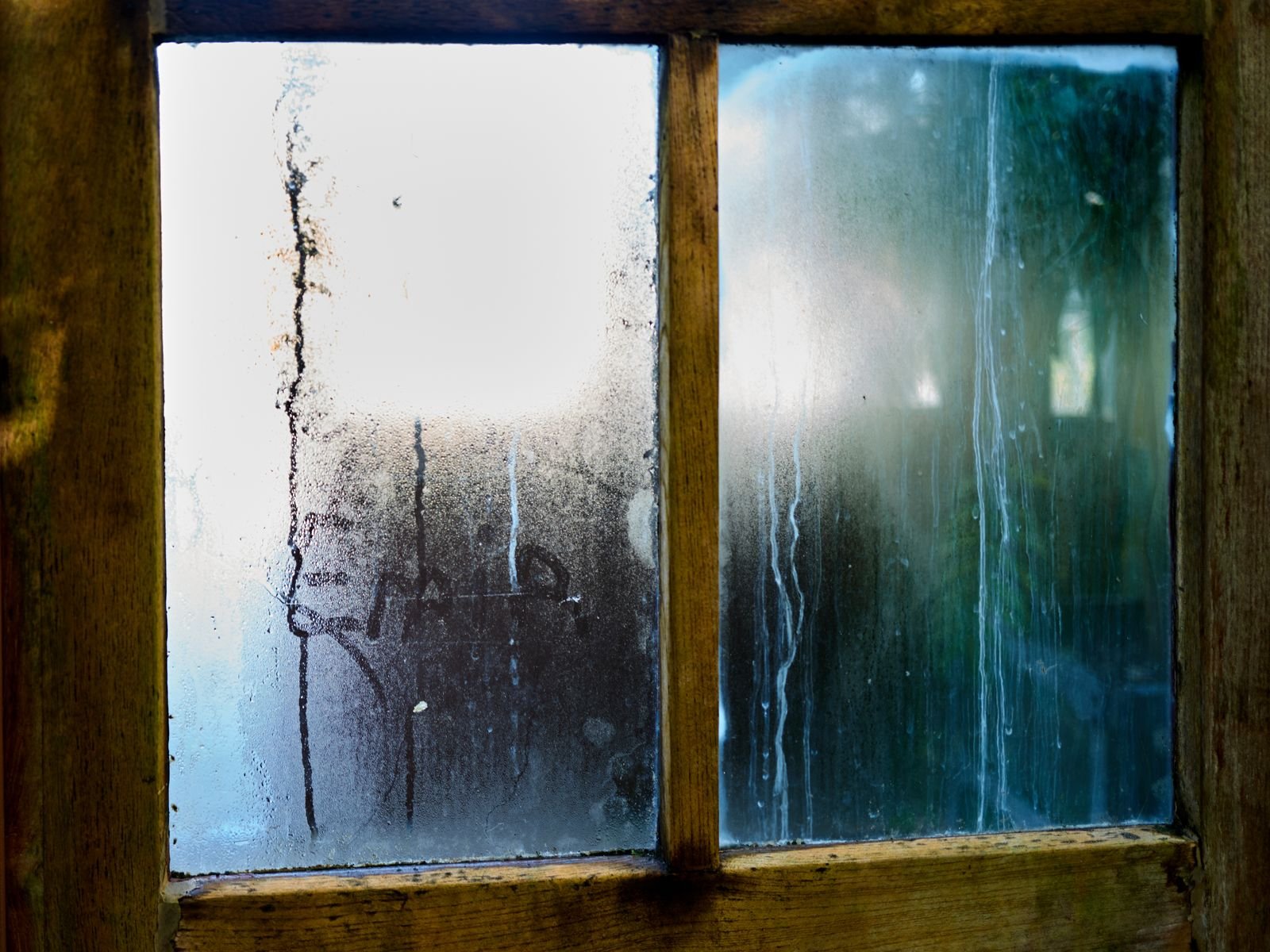
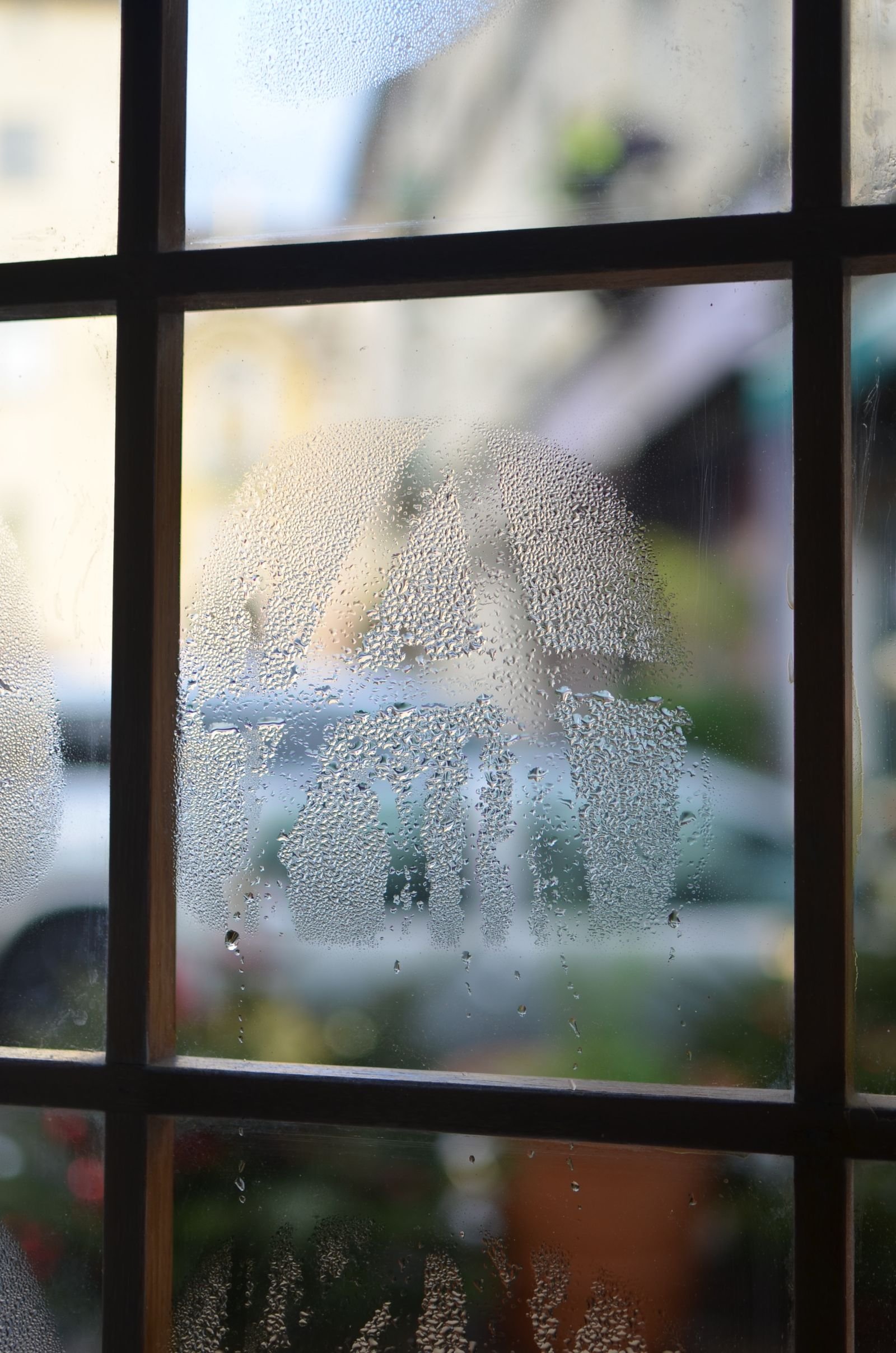
Water drops on windows or walls show excess moisture. Condensation forms when warm, humid air meets a cold surface, and it often appears in kitchens, bathrooms and basements. Too much of it damages paint and wood and creates ideal conditions for mold.
Improving Ventilation
Good airflow moves damp air outside and brings fresh air in, which keeps the house dry and healthy.
Use Exhaust Fans
Exhaust fans remove steam from cooking and showers. Turn them on during use and leave them running for 20 to 30 minutes afterward. Make sure they vent outside, not into the attic, or the moisture simply moves to a hidden space. For more bathroom tips, see our guide to saving energy in the bathroom.
Open Windows Strategically
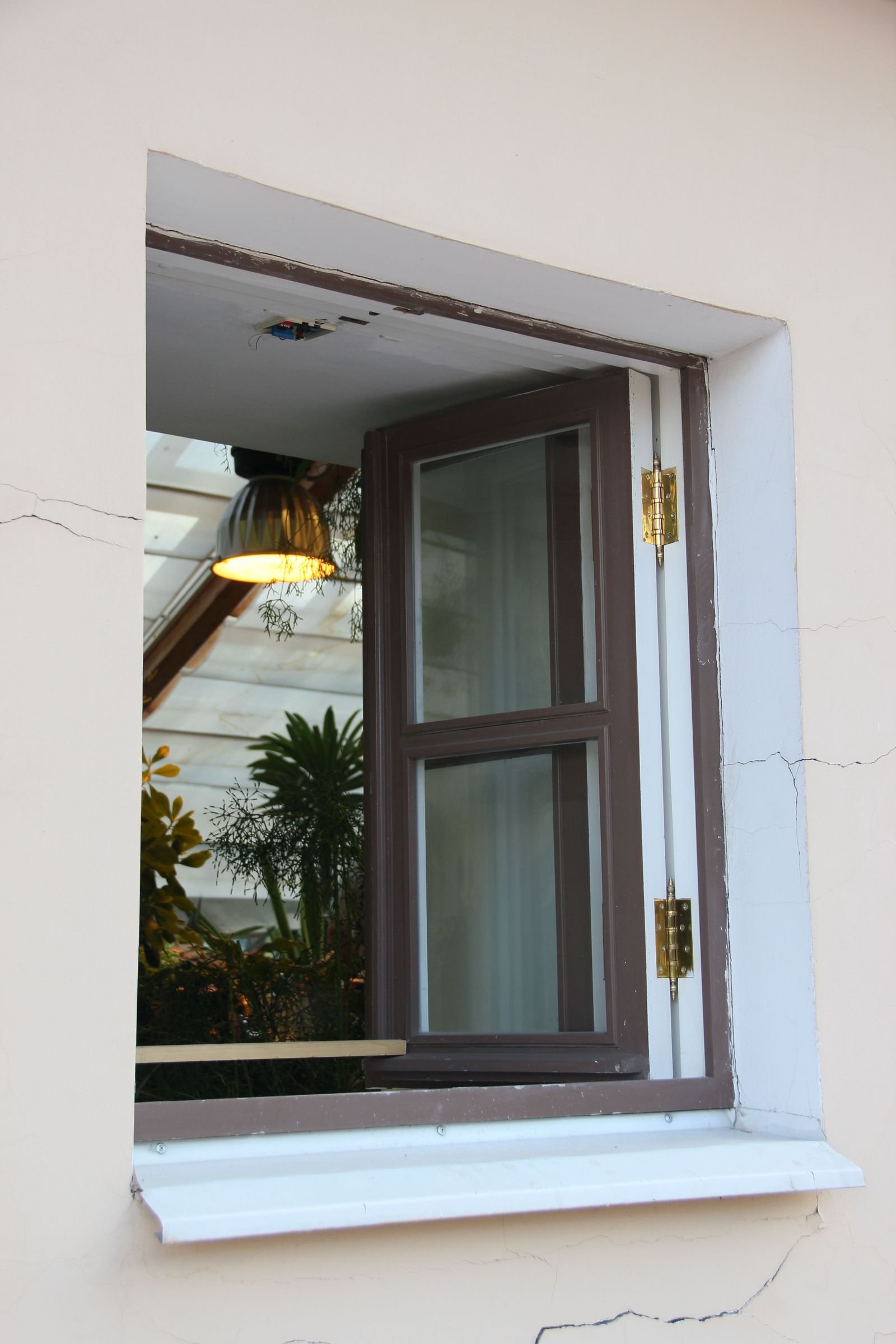
Open windows on opposite sides of a room or house to create cross ventilation, which moves air through the whole space. Keep windows open for short periods to avoid cold drafts. Choose dry, breezy days, because opening windows on very humid days can bring more moisture inside.
Install Ventilation Systems
Whole-house ventilation systems run all day, removing stale, moist air and bringing in fresh air. Systems called HRVs and ERVs recover heat while airing the home, so they save energy. Have a professional size and install the system so it works properly.
Waterproofing Techniques
Waterproofing stops water from entering walls, floors and foundations. It also prevents mold and wood rot.
Seal Cracks and Gaps
Small cracks let water in. Fill gaps around windows, doors and pipes with silicone or polyurethane sealant, and check them every year because sealant ages. This simple step cuts moisture problems significantly.
Apply Waterproof Coatings
Waterproof coatings form a barrier on walls, roofs and basements. Choose a product made for the surface and for interior or exterior use, follow the label, and reapply every few years.
Maintain Gutters and Downspouts
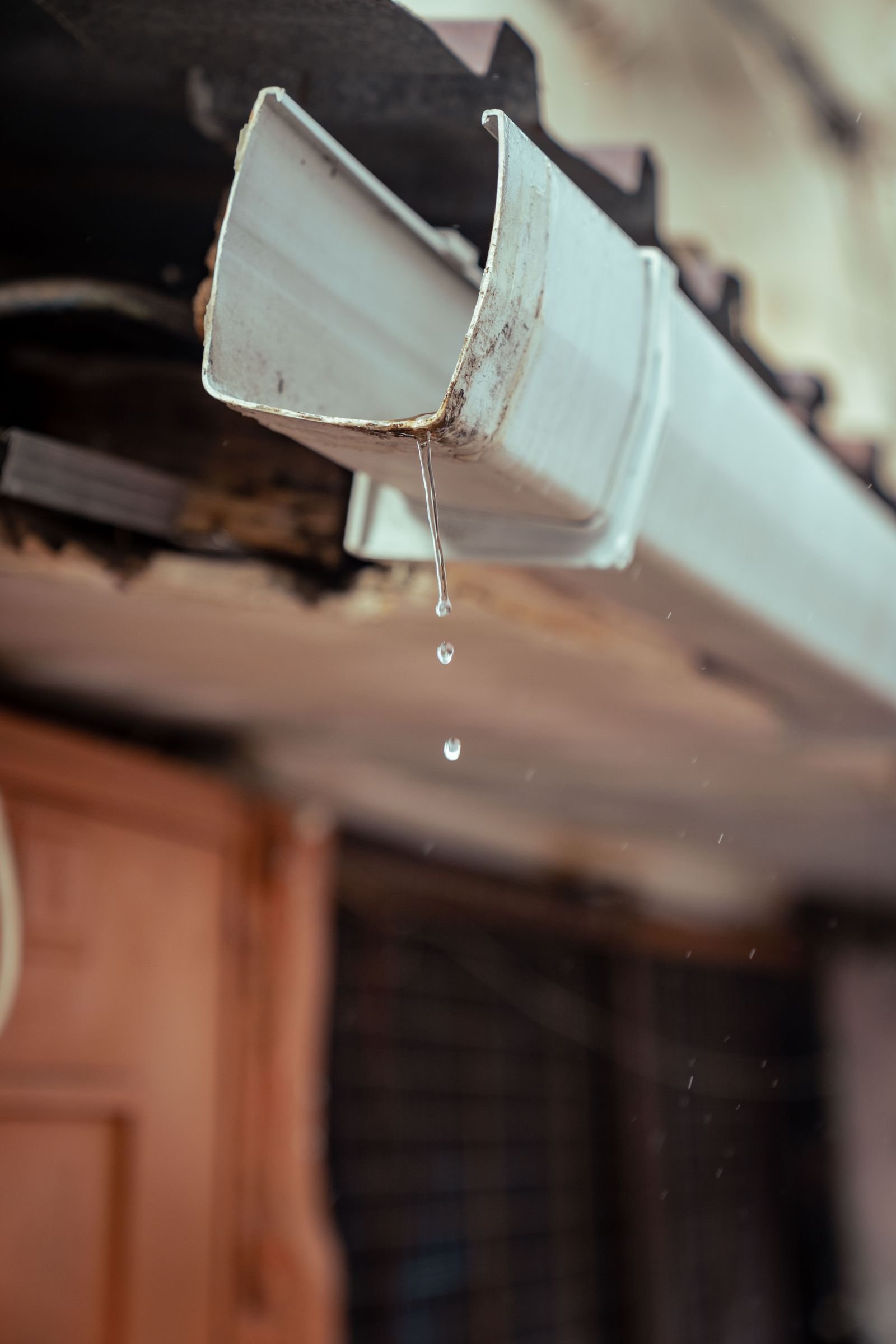
Gutters and downspouts carry rainwater away from the house. Clean them regularly, because clogs make water overflow and run down the walls. Repair leaks and broken parts quickly, and make sure downspouts discharge well away from the foundation.
Controlling Indoor Humidity
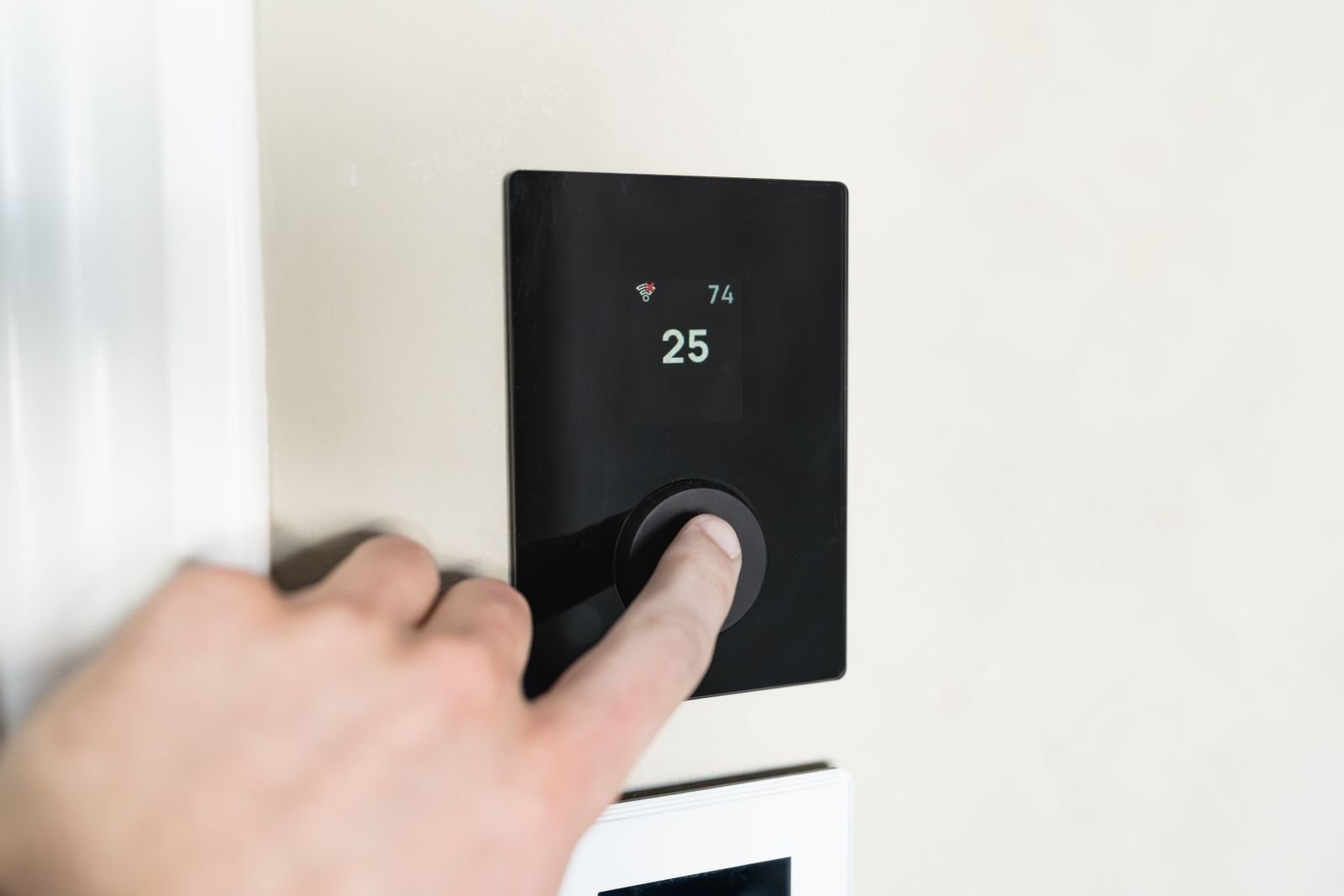
High humidity encourages mold, dust mites and odors, and it harms walls and furniture. Most guidance suggests keeping indoor humidity roughly between 30 and 50 percent, and a cheap hygrometer will show you where you stand.
Use a Dehumidifier
Dehumidifiers pull extra moisture from the air and work well in basements and bathrooms. Choose a size that suits the room, run it regularly, empty the tank or connect a drain hose, and clean the filter often.
Choose Indoor Plants Wisely
Plants release moisture into the air. In damp or small rooms, choose succulents and cacti, which need little water, and avoid large leafy plants. Do not overwater any plant.
Regulate Temperature
Temperature affects humidity. Keep the home cool in summer and warm in winter, and use fans or air conditioning to move air. Sudden temperature changes cause condensation. Good insulation also keeps wall surfaces warm, as our guide to insulating well on a budget explains.
Proper Home Maintenance
Regular checks and small repairs keep moisture from becoming a big problem. Catching issues early saves money and stress.
Check Plumbing for Leaks
Leaks cause hidden moisture inside walls and floors. Look under sinks and around toilets for water spots or drips, and fix leaks quickly. A moisture meter helps you find damp areas in walls. Check exposed pipes in basements and crawl spaces, tighten loose fittings, replace worn parts and clear slow drains.
Inspect the Roof
Damaged shingles or gaps let water in. Look for cracked or missing shingles and broken flashing around chimneys and vents. Use binoculars from the ground rather than walking on the roof, or hire a professional. Keep gutters clear so water cannot back up.
Maintain Basements and Crawl Spaces
These areas often hold moisture from the ground. Use a dehumidifier, seal cracks in walls and floors, and check that the sump pump works before heavy rain. Vapor barriers on the floor stop moisture rising. Keep these spaces clean and dry. If air quality is a worry, read our guide to keeping the air clean with purifiers.
Frequently Asked Questions
How Can I Reduce Indoor Moisture Effectively?
Use dehumidifiers and improve ventilation. Fix leaks, insulate walls, and run exhaust fans in kitchens and bathrooms to remove excess humidity.
What Causes Moisture Buildup in Homes?
Poor ventilation, leaks and high indoor humidity are the main causes. Cooking and showering add moisture, and poor insulation and water seepage contribute to dampness.
How Do Ventilation Systems Prevent Home Moisture?
They remove humid air and bring in fresh air, which balances indoor humidity. Proper ventilation prevents mold and reduces condensation on walls and windows.
Can Houseplants Help Control Moisture Levels?
Not reliably. Most plants release moisture through their leaves, so they can raise humidity in a small room. If your home is damp, choose a few low-water plants and use a dehumidifier or better ventilation for real control.
Conclusion
Preventing moisture keeps your home safe and healthy. Check for leaks and fix them quickly, use fans to keep air moving, keep gutters clean and seal gaps around windows and doors. Dry wet areas right away and watch for signs of dampness. These small habits protect your house and your family and avoid costly repairs later.