Heating bills climb fast when warm air leaks out of an uninsulated home. The good news is that you do not need a big budget to fix it. Many of the most effective jobs cost very little and take a weekend or less.
This guide covers affordable insulation materials, air sealing, windows, the attic, floors and basement, doors, natural materials, heating efficiency, pipes, paints and ongoing maintenance. Start with the cheapest jobs, such as sealing leaks, and work up to bigger projects.

Budget-Friendly Insulation Materials
Many inexpensive materials give good protection against heat and cold. Choosing the right one lowers your energy bills and makes your home more comfortable all year.
Affordable Foam Boards
Foam boards are lightweight rigid panels that fit walls, floors and ceilings. They give strong insulation for their thickness and resist moisture. They are easy to cut to size with a utility knife, so they suit DIY projects. Seal the joints with tape or foam sealant so air cannot slip through the gaps.
Recycled Denim Insulation
Denim insulation is made from recycled jeans and cotton. It insulates well, absorbs sound and is easy to handle without the itchy fibers of fiberglass. It fits in walls and attics, and it reuses fabric that would otherwise go to waste. It usually costs more than fiberglass, so compare prices first.
Reflective Foil Barriers
Reflective foil barriers reflect heat instead of absorbing it. They work best in hot climates, where they keep the sun’s heat out. The sheets are thin and easy to install under roofs or inside walls. Foil needs an air gap next to it to work, so it is an addition to insulation, not a replacement.
Seal Air Leaks First
Sealing air leaks is one of the cheapest ways to cut energy bills. Small gaps and cracks let warm air out and cold air in. Fixing them stops drafts and makes rooms more comfortable. To find a leak on a windy day, hold a lit incense stick near window frames and doors and watch where the smoke moves.
Weatherstripping
Weatherstripping seals gaps around doors and windows. It comes in rolls or strips of foam, rubber or vinyl. Clean the surface, cut each piece to size and press it into place. It is flexible and lasts for years.
Caulking Gaps and Cracks
Caulk fills small cracks in walls, window frames and baseboards. Use a caulk gun and apply a thin, even line. Smooth it with a wet finger or a tool, and let it dry fully before you paint. Choose a caulk made for the surface, such as silicone for kitchens and bathrooms.
Draft Stoppers for Doors
A draft stopper blocks cold air under a door. You can buy one or make your own from a long tube of fabric filled with rice or fabric scraps. It is easy to move and wash.
DIY Window Insulation Tricks
Windows lose a lot of heat, especially older single-pane ones. These simple methods reduce the loss at little cost.
Plastic Film Window Kits
These kits are clear sheets that you stick to the window frame with double-sided tape. Once the film is in place, shrink it with a hair dryer to make it smooth and tight. It traps a layer of still air against the glass, lasts all winter and is a good choice for renters.
Thermal Curtains
Thermal curtains have thick, lined fabric that holds heat in on winter nights. Close them at dusk and open them on sunny days to let the warmth in. They also reduce outside noise and come in many colors and styles.
Bubble Wrap Insulation
Bubble wrap is a cheap temporary window insulator. Spray a little water on the glass and press the wrap on with the bubbles facing the window. The air pockets slow the loss of heat while still letting light through. It works best on small windows and is easy to remove in spring.
Improve Attic Insulation
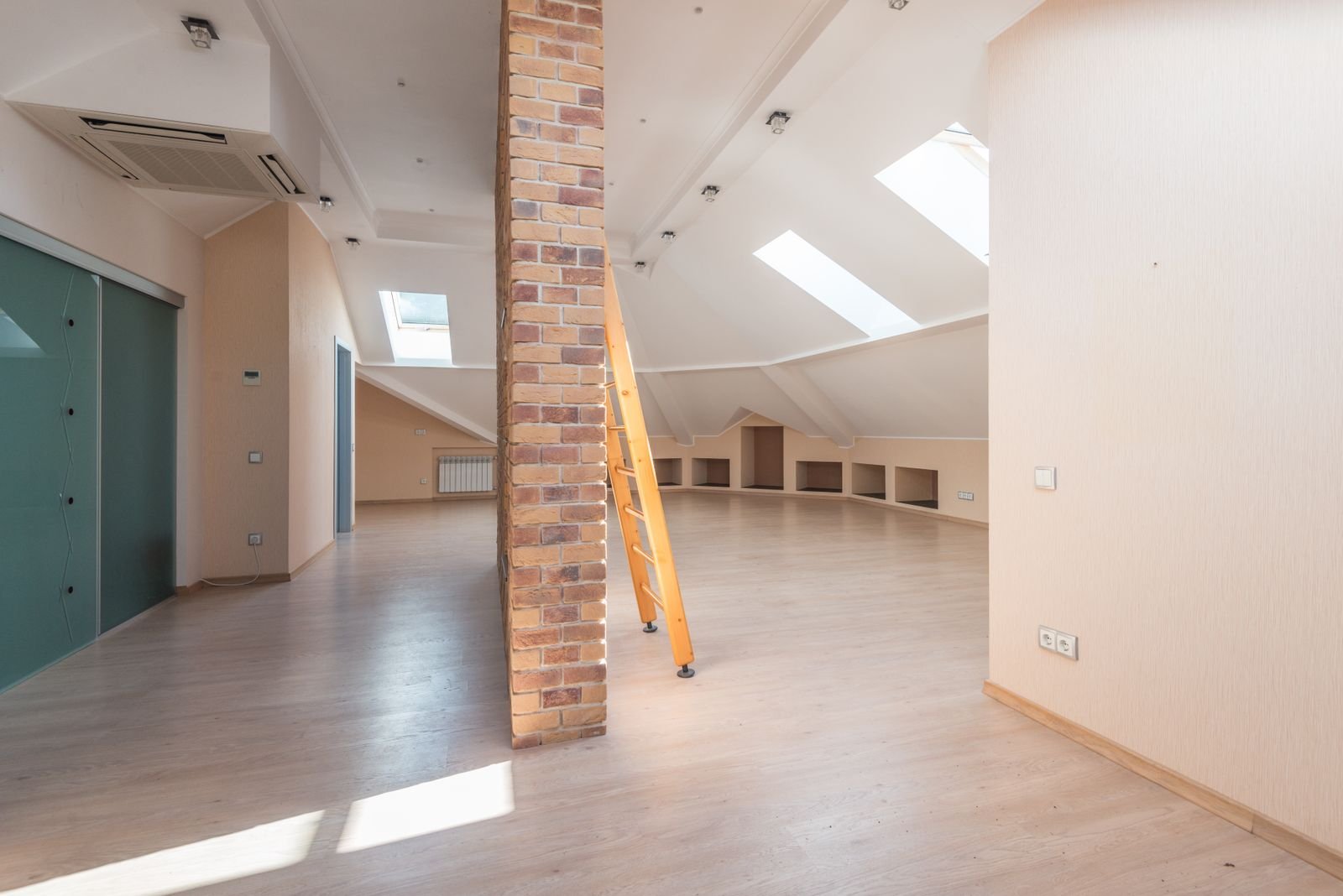
Heat rises, so the attic is often where the most warmth escapes. Adding insulation here is one of the most cost-effective upgrades and helps keep a home cool in summer too.
Adding Loose-Fill Insulation
Loose-fill insulation is made of small fibers or particles that are blown into the attic. It fills gaps and covers uneven spaces and corners well. You can rent a blowing machine or hire a professional. It is a good way to top up old or thin insulation.
Installing Radiant Barriers
Radiant barriers are shiny sheets, usually aluminum foil, that reflect heat away from the roof. They can be stapled to the underside of the roof rafters. They work best in warm climates.
Safety Tips for the Attic
- Keep insulation away from recessed lights unless they are rated for contact, and from chimneys and flues.
- Do not block roof vents or eaves. The attic needs airflow to prevent moisture buildup.
- Wear gloves, a mask and eye protection, and step only on joists.
Floor and Basement Insulation
Cold floors and damp basements waste energy and cause discomfort. Simple fixes can make a real difference.
Insulated Rugs and Mats
Thick rugs trap heat and take the chill out of tile or wood. Put them in living rooms and bedrooms, and use foam-backed mats near doors and stairs.
Foam Board for Basement Walls
Rigid foam board works well on basement walls because it blocks cold air and does not soak up moisture. Cut it to fit, attach it with adhesive or fasteners and tape the seams. Fix any leaks or damp patches first, since insulation does not cure a wet wall. See our guide on how to prevent moisture in your home for help.
Improve Door Insulation
Doors are a common place for heat to escape. These fixes cost little and work well.
Door Sweeps
A door sweep attaches to the bottom of the door and blocks drafts. Rubber and brush types give a tight seal. Measure the door width before you buy, and fix it with screws or adhesive strips. A sweep also keeps out dust and insects.
Insulating Door Panels
Thin, older doors benefit from a layer of foam board or reflective insulation behind the door covering. Cut the panel to fit and attach it with glue or double-sided tape. It reduces both drafts and noise.
Natural Insulation Options
Natural materials are eco-friendly and often long lasting.
Straw Bales
Straw bales insulate well and cost little. Packed tightly, they trap air and slow heat loss. They are used mainly in new builds and need careful moisture protection and plastering, so they are rarely a quick fix. Check local building rules before you plan a project like this.
Sheep Wool
Sheep wool is a soft natural fiber that traps air and can absorb and release moisture without losing its warmth. It is pleasant to handle and installs easily between joists. It usually costs more than synthetic batts, but it lasts a long time.
Optimize Heating Efficiency
Small changes to how you heat your home reduce waste and make a noticeable difference to comfort. For help choosing equipment, see our guide to the best heating system for each room.
Radiator Reflectors
Reflector panels sit behind radiators on external walls and bounce heat back into the room instead of letting it warm the wall. They are thin, cheap and easy to install with double-sided tape.
Smart Thermostat Use
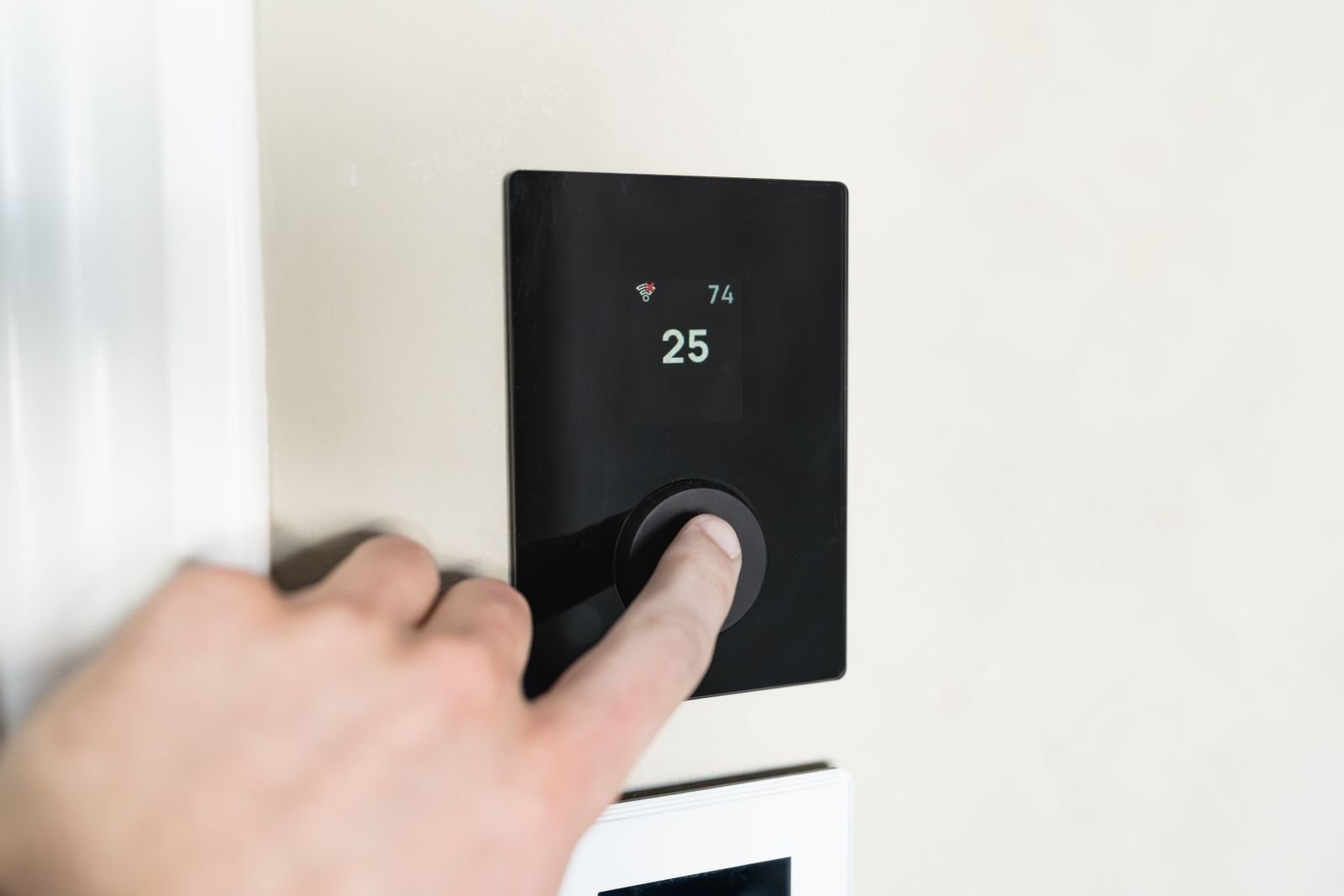
A smart thermostat lowers the temperature when you are out or asleep. Many models learn your habits and adjust automatically. Even a programmable thermostat saves energy by heating only when it is needed. For more ways to cut usage, see our tips to control your energy consumption.
Insulate Pipes to Save Energy
Insulated pipes keep water hotter for longer and are less likely to freeze in cold weather. Focus on pipes in basements, crawl spaces and attics.
Foam Pipe Wraps
Foam wraps are cheap and easy to use. Cut the tube to length and snap it around the pipe, and tape the seams. They work best on hot-water pipes. Keep them clear of flues and heaters.
DIY Pipe Insulation
Old towels or rags wrapped around a pipe and covered with tape or plastic can protect a pipe in an emergency freeze. Bubble wrap also works for a short time. For long-term protection, buy proper foam wraps.
Insulating Paints and Coatings
Insulating paints and coatings add a thin layer to walls and roofs. Their effect is much smaller than that of real insulation, so treat them as a bonus, not a replacement for it.
Thermal Barrier Paints
Some thermal paints contain tiny ceramic beads that reflect heat. They can help reduce heat gain in hot climates, especially on metal roofs. Results vary by product and climate, so read the maker’s information carefully before you buy.
Weather-Resistant Coatings
Exterior coatings seal small cracks and protect walls and roofs from wind and moisture. This prevents drafts and water damage and helps the structure last longer.
Maintain Your Insulation
Insulation only works while it is in good condition. Small problems build up over time.
Check for New Air Leaks
Check around windows, doors and vents each autumn. Seal any new gaps with weatherstripping or caulk.
Inspect Insulation Materials
Insulation can settle, get damp or be damaged by pests. Look at the attic, walls and floors every year. Replace or top up any that is thin, wet or flattened, because dry insulation works best.
Frequently Asked Questions
What Are Low-Cost Materials to Insulate a Home?
Foam board, fiberglass batts and reflective foil are cheap and work well. They reduce heat loss and keep rooms warm.
How Can I Insulate Without Professional Help?
Use weatherstripping on doors and windows, add draft stoppers and fit window film. These steps block cold air and save money.
Can Recycled Materials Be Used for Home Insulation?
Yes. Recycled denim and cellulose are eco-friendly options that insulate well and reduce waste.
What Areas of the House Need Insulation First?
Start by sealing air leaks, then work on the attic, which loses the most heat. Walls, floors and pipes come next.
Does Sealing Air Leaks Improve Insulation?
Yes. Sealing cracks and gaps stops cold air from getting in and warm air from getting out, so your insulation and your heating work better.
Conclusion
You do not need a large budget to insulate well. Seal leaks first, then tackle windows, doors, the attic and pipes as your budget allows. Choose the methods that fit your home and keep checking them each year, and you will enjoy a warmer house and lower bills.