The right heating system keeps every room comfortable without wasting energy. A living room, a bathroom and a basement all have different needs, so one setting rarely suits the whole house.
This guide matches heating options to each room, then covers energy efficiency, smart controls and safety. Use it to plan a new system or to add heat where your home feels cold.
Choose Heating by Room
Different rooms need different types of heat. Some need quick warmth, while others need steady, gentle heat. Think about the size of the room, how often you use it and how well it is insulated before you choose.
- Living room: central heating, radiant floor heating or a stove.
- Bedroom: wall-mounted panel heaters, baseboard heaters or underfloor heating.
- Bathroom: heated towel rails, electric underfloor heating or a bathroom-rated heater.
- Kitchen: a small adjustable heater, baseboard heat or a ceiling unit.
- Basement: a ductless mini-split, radiant floor heat or electric radiant panels.
Living Room Heating Options
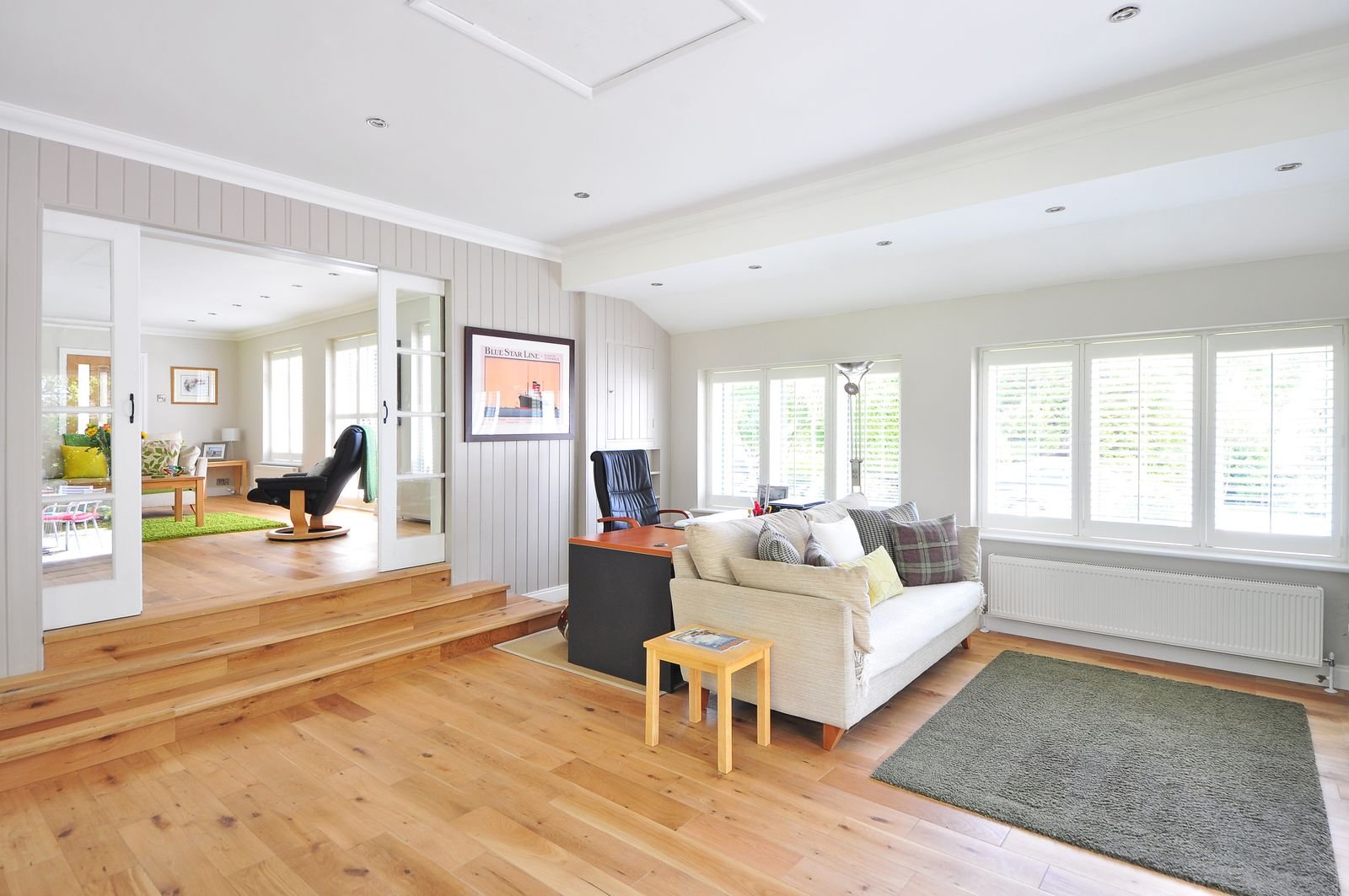
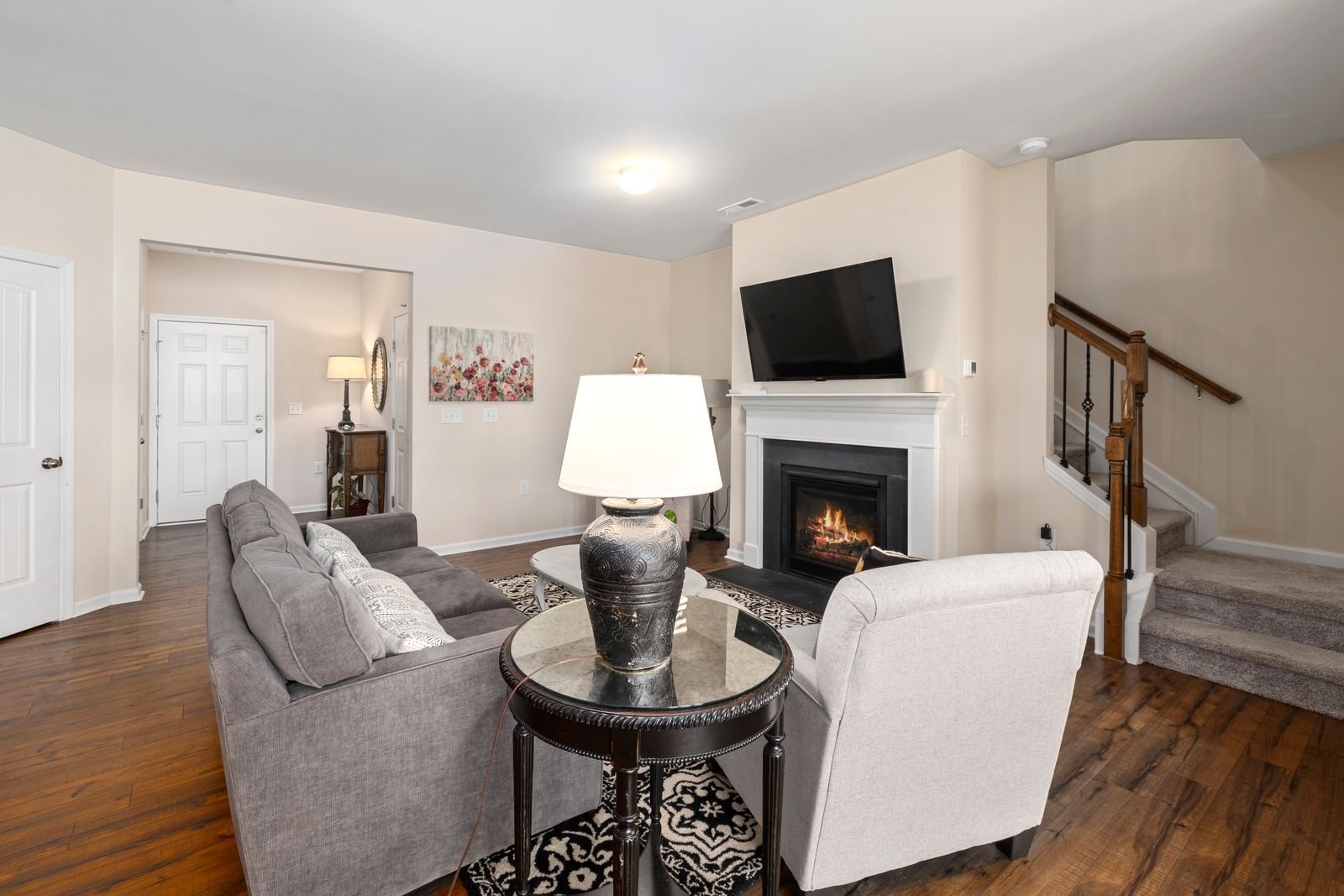
The living room is often large and busy, so it needs a system that heats evenly and keeps the room warm for hours.
Central Heating
Central heating uses a furnace or boiler to warm air or water and spread it through the house. It avoids cold spots, runs quietly and is easy to control with a thermostat. Annual servicing keeps it efficient.
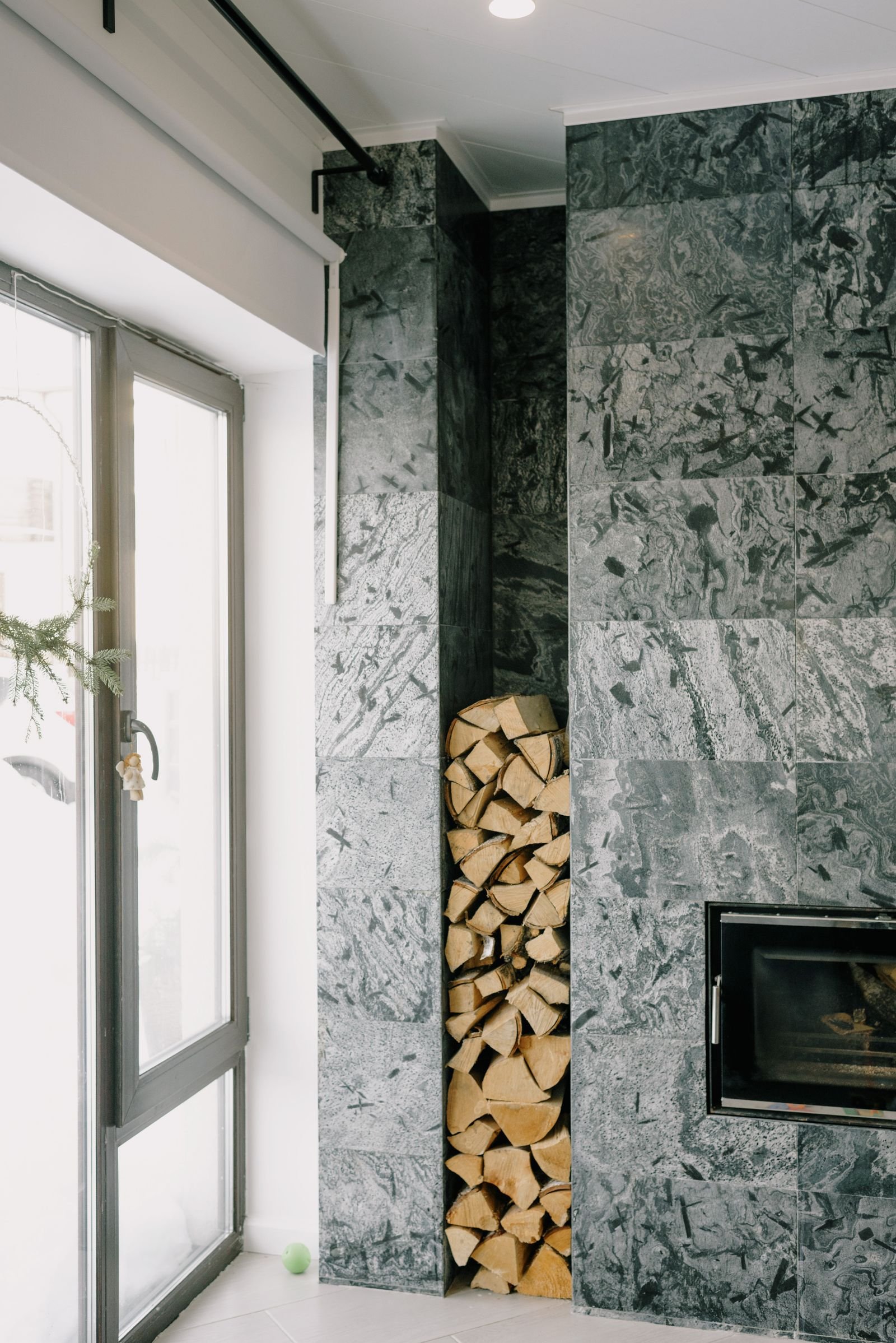
Fireplaces and Wood Stoves
A fireplace adds charm and a cozy atmosphere. An open fireplace loses much of its heat up the chimney, so a closed wood stove is usually the more efficient choice and can heat a large space. Both need a clean chimney, a safe distance from furniture and regular inspection. Wood may be cheaper than gas or electricity in some areas, but not in all, so compare local prices.
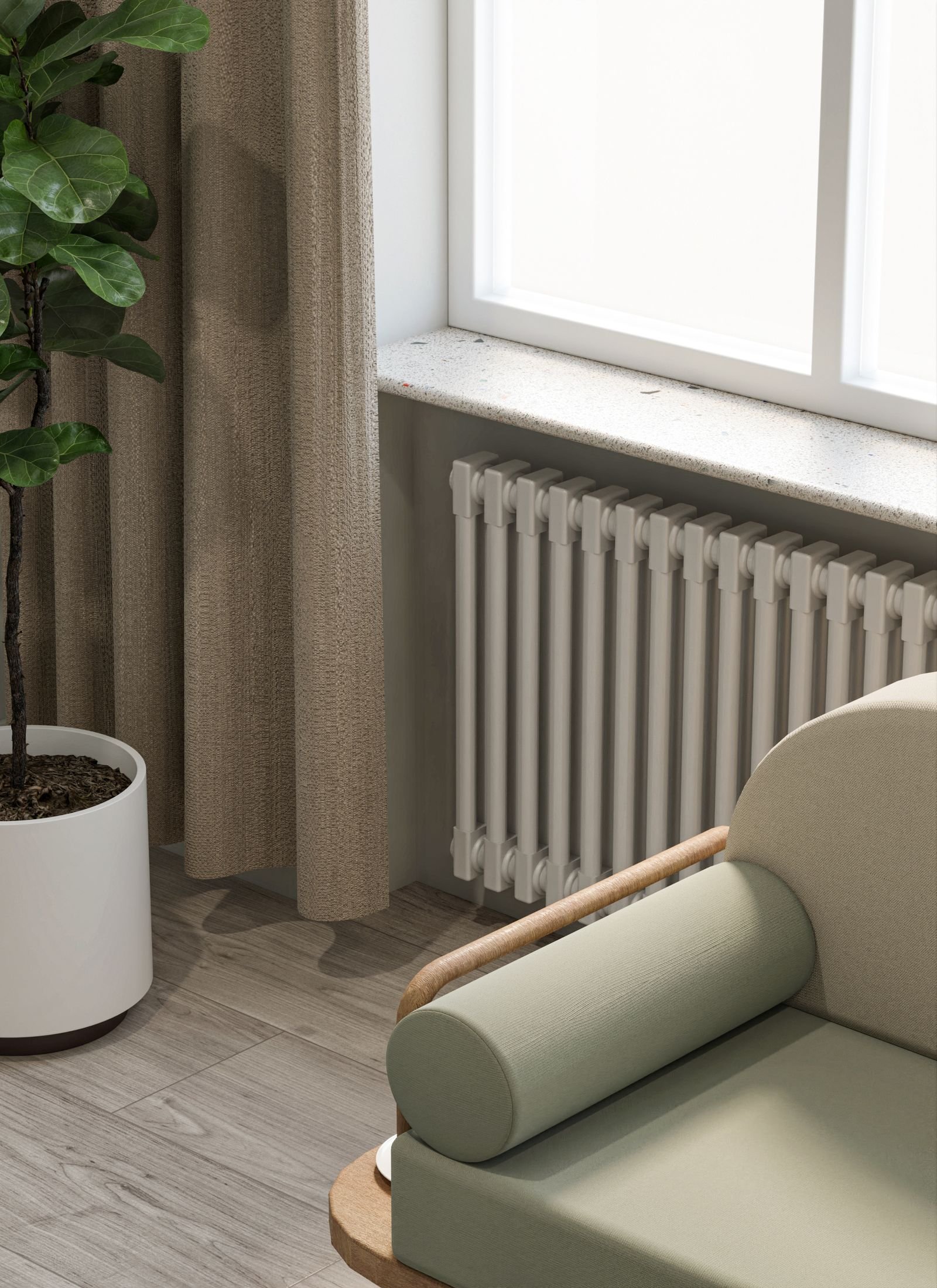
Electric Heaters and Radiators
Electric heaters are simple to install and provide quick heat for small and medium rooms. Oil-filled and panel radiators give steady, gentle warmth and run quietly. Electric heating costs more to run than most other fuels in many places, so use it for extra warmth, not as the only source in a large room.
Bedroom Heating Solutions
Bedrooms need gentle, steady warmth and a lower temperature than living areas. Many people sleep better in a cooler room, so aim for about 16 to 18 degrees Celsius (61 to 64 degrees Fahrenheit) at night. Safety matters most here.
Underfloor Heating
Underfloor heating warms a room from the ground up and avoids cold spots near your feet. It is hidden, silent and works well at low temperatures. It is easiest to fit during a renovation.
Wall-Mounted Heaters
Wall-mounted panel heaters save floor space and heat a small or medium room quickly. Choose a model with a timer and a thermostat so the room does not overheat.
Portable Heaters
Portable heaters are flexible and heat small spaces fast. Choose a model with automatic shut-off if it tips over and a thermostat. Keep it at least three feet (about one meter) away from beds, curtains and furniture, and never leave it running while you sleep unless it is designed for that.
Bathroom Heating Choices
Bathrooms need quick, safe heat and good moisture control. Any electrical heater in a bathroom must be rated for wet rooms and installed by a qualified electrician. Never use a portable heater near water.
Towel Warmers
Towel warmers dry and warm your towels and add some heat to the room. They use little energy and look stylish. By keeping towels dry, they also help limit damp.
Radiant Floor Heating
Electric mats or hot-water pipes under the floor give steady, even heat, and the floor feels warm under bare feet. Tiles hold heat well, so this is a popular upgrade in bathrooms.
Moisture-Resistant Heaters
Wall-mounted fan heaters made for bathrooms are sealed against moisture and warm the room fast. Pair them with an extractor fan so steam leaves the room and mold does not form.
Kitchen Heating Methods
Cooking adds heat and steam, so a kitchen usually needs less heating than other rooms. The balance between heat and ventilation is the key.
Ventilation and Heating Balance
Use an extractor fan or hood to remove steam and cooking smells. Heating should work with ventilation, not against it.
Baseboard Heaters
Baseboard heaters give steady heat near the floor and need no wall space. They warm the room quietly and evenly. Keep them clear of curtains and cabinets.
Ceiling-Mounted Units
Ceiling-mounted heaters suit small kitchens with little wall space. They send warmth down where you need it and heat the room fast. Underfloor heating is another good choice if you are renovating.
Basement Heating Tips
Basements stay cool and damp, so heating them takes more planning. Fix leaks and damp problems first. Our guide on how to prevent moisture in your home can help.
Ductless Mini-Splits
A ductless mini-split heats and cools without large ducts. It is easy to install in a basement, runs quietly and uses less energy than most electric heaters. Each unit controls its own zone.
Electric Radiant Panels
Panels mounted on a wall or ceiling heat people and objects directly. They take up little space, need little maintenance and suit small or low-ceiling basements.
Insulation Matters
Insulation keeps heat inside and stops cold air from seeping in. Focus on the walls, floor and ceiling. Good insulation also helps prevent damp and mold. See our guide to budget home insulation for low-cost ideas.
Energy Efficiency Considerations
Small changes reduce how much energy each room uses.
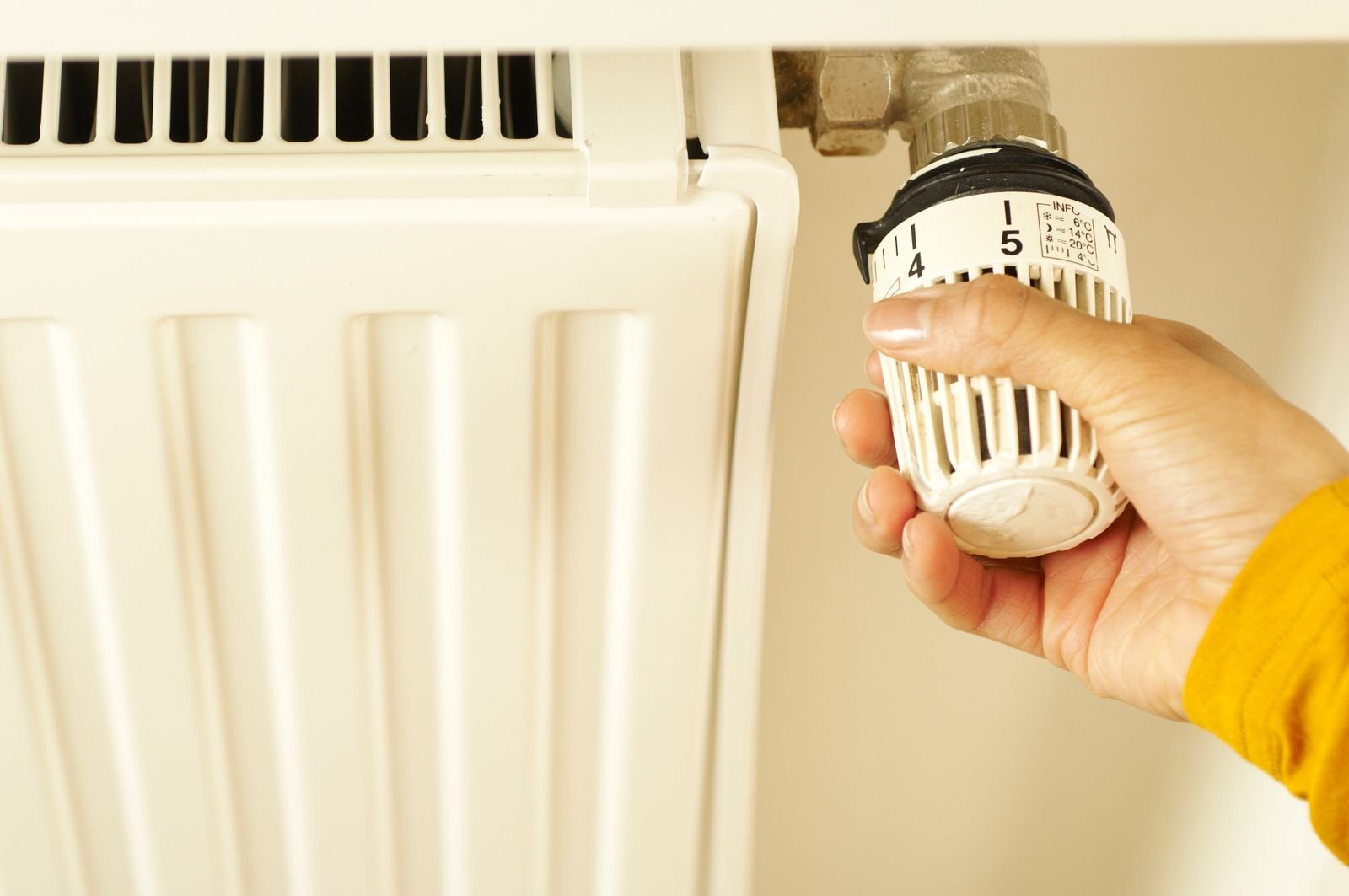
Programmable Thermostats
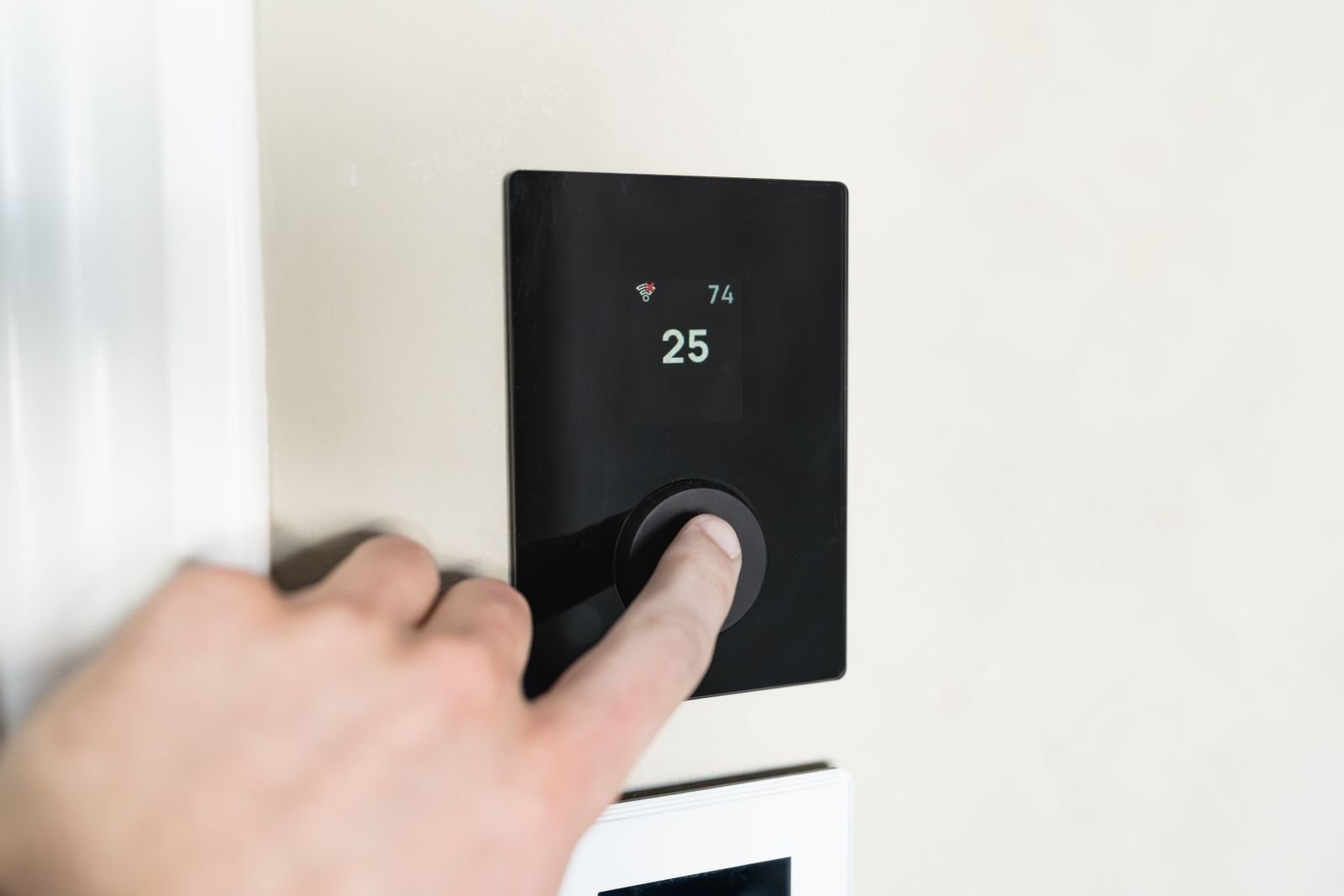
A programmable thermostat sets different temperatures for day and night and lowers the heat when rooms are empty. This saves energy without losing comfort.
Zoning Systems
Zoning divides the home into sections that each have their own temperature control. You heat only the rooms you use, which lowers bills.
Insulation and Sealing
Seal doors and windows to stop drafts and add insulation to walls, floors and the attic. A home that holds heat needs less heating in every room.
Smart Heating Controls
Smart controls make it easier to manage heat and avoid waste. Many learn your habits and adjust the temperature automatically.
Remote Temperature Management
Control your heating from your phone or tablet. Turn the heat on before you arrive home and off if you leave early, so you never heat an empty house.
Home Automation Integration
Smart heating can work with other devices, such as lights and door locks. For example, it can switch to comfort mode when you unlock the front door.
Energy Usage Monitoring
Many systems show daily, weekly or monthly use on your phone. This shows which rooms use the most heat, so you can adjust settings and save energy. For more ideas, read our tips to control your energy consumption.
Safety Tips for Home Heating
Unsafe heating can cause fires and carbon monoxide poisoning, so put safety first.
Proper Ventilation
Keep vents and flues clear of blockages, and never cover them with furniture. Fuel-burning appliances need fresh air in and exhaust gas out.
Regular Maintenance
Have a professional inspect and clean your heating system every year. Replace filters on time and fix small problems early.
Carbon Monoxide Detectors
Install carbon monoxide detectors near sleeping areas and on every floor. Test them monthly, change the batteries as needed and replace the unit when the maker advises, usually every five to ten years.
Frequently Asked Questions
What Heating System Is Best for Living Rooms?
Central heating, radiant floor heating or a ductless mini-split works well. They give even warmth and can heat large spaces efficiently.
Which Heating Option Suits Small Bedrooms?
Electric baseboard or wall-mounted heaters are ideal. They are compact, easy to control and heat the room quickly.
How Do I Heat Bathrooms Effectively?
Underfloor heating and towel warmers are good choices. They warm the room and add comfort without taking up space.
Can Different Rooms Have Different Heating Systems?
Yes. Using different systems in different rooms saves energy and fits each room’s needs. Base your choice on size, use and insulation.
What Is an Energy-Efficient Way to Heat a Kitchen?
Radiant floor heating and ductless heat pumps give steady warmth and help reduce bills.
Conclusion
Choosing the right heating system for each room saves energy and money. Smaller rooms need less powerful heaters, large spaces suit central heating, bedrooms need quiet, gentle warmth, and bathrooms need quick, moisture-safe heat. Think about how your family uses each room, improve insulation, add smart controls and keep safety first.