A new rug often arrives rolled up for weeks, so it curls at the edges or shows bumps and ripples when you first lay it out. The good news is that you do not need to wait long or spend much to get it flat. A few simple methods will do it.
This guide shows six easy ways to flatten a new rug: choose the right spot, unroll and reverse, use weight, apply gentle heat, moisten and dry, and add a rug pad. Start with the gentlest method and move on only if the rug is still stubborn.
Choose the Right Spot
The floor and the air in the room affect how fast a rug settles. Think about where it will sit before you unroll it.
Avoid Humid Areas
Humidity makes rug fibers swell and can cause stubborn bumps. Rooms with a lot of moisture, such as bathrooms and kitchens near sinks, often make rugs ripple. Unroll your new rug in a drier room first. If it must go in a damp space, improve the ventilation or run a dehumidifier. Our guide to preventing moisture in your home has more tips.
Pick a Flat Surface
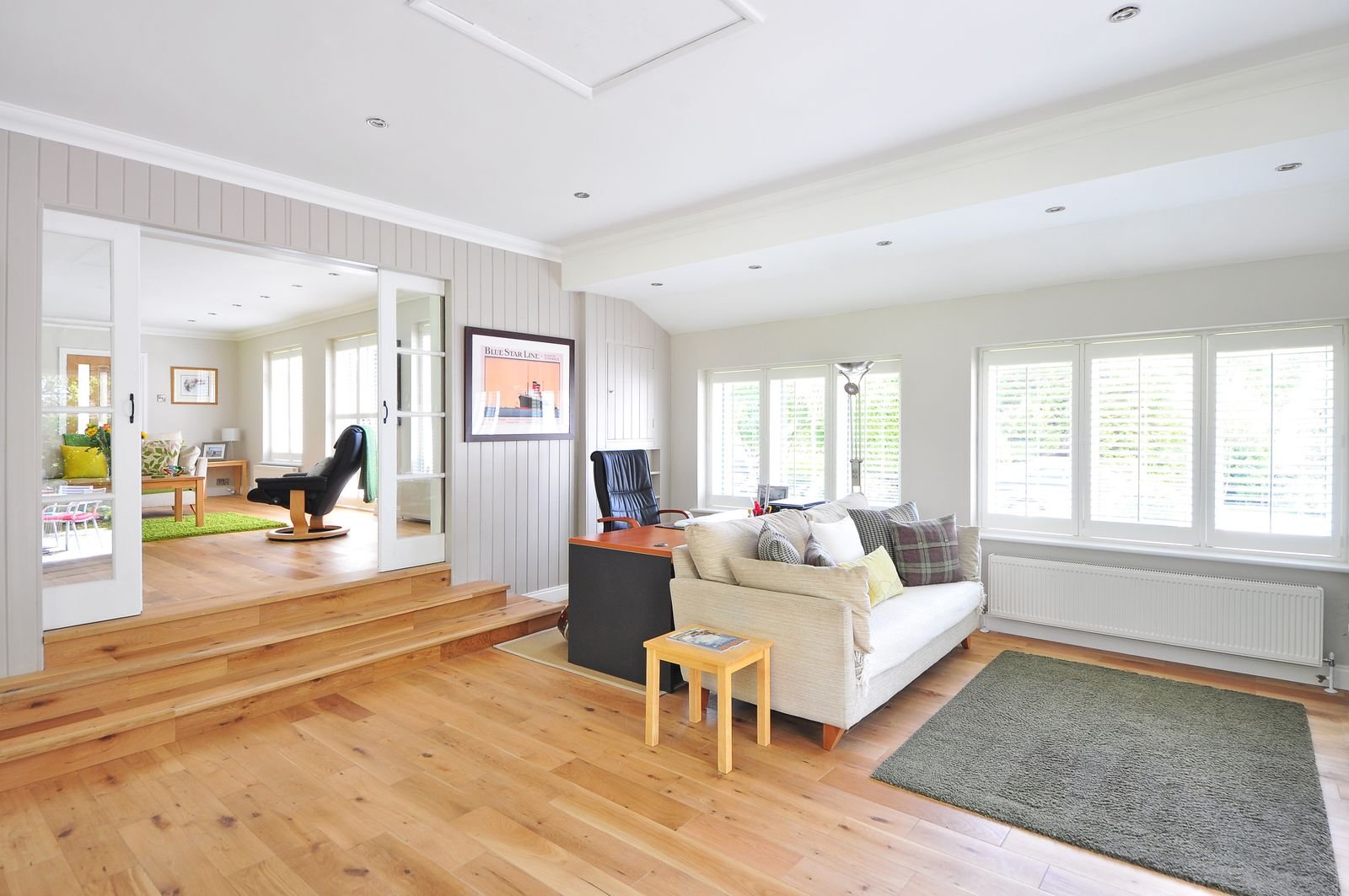
A rug follows the shape of the floor beneath it, so an uneven or sloped floor shows through as bumps. Choose a smooth, level area. Hardwood, tile and well-finished concrete floors are usually best. On carpet, check that the padding is firm and flat, because soft spots can cause wrinkles.
Unroll and Reverse
Letting the rug relax and reversing its curl helps the fibers lose their rolled shape. It works for most rugs and takes very little effort.
Let It Rest Unrolled
Unroll the rug completely and leave it flat in a warm room for at least 24 hours. Warmth softens the fibers and lets the rug settle naturally. Keep foot traffic off it during this time. Many rugs are flat after one to three days with nothing more than this.
Roll It the Opposite Way
If the rug still curls, roll it up the opposite way, with the back of the rug facing out. Leave it rolled like this for a few hours, then unroll it and smooth it out. Reversing the curl direction often fixes stubborn edges quickly.
Use Weight and Pressure
Weight slowly flattens the fibers and smooths the rug without harming the texture or color. It works best on rugs that have just been unrolled.
Place Heavy Objects
Put heavy items on the curled edges and bumps. Stacks of books, furniture legs or boxes all work. Leave them in place for a day or two, check the rug often and move the weights if needed. Put a clean cloth under anything that could mark the rug.
Roll Gently
Use a rolling pin or a similar round object on the curled parts. Press gently so you do not damage the fibers, and roll in different directions for even flattening. This relaxes the rug and removes small bumps.
Try Heat Techniques
Gentle warmth softens fibers and relaxes creases. It works well for many rugs, especially synthetic ones. Use too much heat and you can melt or scorch the surface, so keep it low and moving. Check the care label first, and test a small, hidden corner.
Use a Hair Dryer
Set the hair dryer to low or medium heat and hold it a few inches above the wrinkled area. Move it slowly in circles. Then place heavy objects on the area to hold the shape. Repeat if needed.
Warm the Rug in Sunlight
On a sunny day, lay the rug flat outdoors on a clean, dry surface. Gentle sun warms the fibers. Leave it for an hour or two only, because strong sun can fade colors. Bring it in, place weights on any curled spots and let it cool flat.
Moisten and Dry
A small amount of water makes fibers more flexible and eases creases. Check the label first and test an inconspicuous spot, since some dyes and natural fibers such as wool or silk can react to water.
Mist Lightly
Use a spray bottle to mist the curled areas. Dampen the surface only. Do not soak the rug, because trapped moisture can cause mold and damage the backing.
Let It Air Dry Flat
Lay the rug flat in a dry room or outside on a mild day and let it dry naturally. Do not fold or bunch it while it dries. Drying can take a few hours or longer, depending on humidity. Place weights on any edges that lift.
Use Rug Pads
A rug pad sits under the rug and gives grip and support. It keeps the rug in place and helps it last longer by reducing wear. It also adds comfort underfoot.
Prevent Curling Edges
Pads hold the rug down so edges stay flat, which means no more tripping on curled corners. Choose a pad about an inch smaller than the rug on each side so the edges do not show. For more on choosing floor decor, see our ideas for floor decoration.
Add Stability and Floor Protection
Pads stop rugs from sliding on smooth surfaces such as wood and tile, which makes the room safer. The extra layer also protects the floor from scratches. Pick a pad that is safe for your floor type, since some rubber pads can stain certain finishes. If you have a natural-fiber rug, our guide to wool carpets explains how to care for it.
Frequently Asked Questions
How Long Does It Take for a New Rug to Flatten?
Many new rugs flatten in one to three days if left unrolled in a warm room. Weights and gentle heat can speed up the process.
What Is the Best Way to Remove Rug Wrinkles Quickly?
Lay the rug flat and place heavy objects on the corners and bumps. For suitable rugs, a hair dryer on low heat or light steam from a distance helps smooth creases.
Can I Use Heat to Flatten My New Rug Safely?
Yes, low heat from a hair dryer can soften fibers. Keep the dryer moving, hold it away from the rug and test a hidden spot first. Avoid direct high heat, which can damage the rug.
How Do I Prevent the Edges of My Rug From Curling?
Use a rug pad, rug grippers or the legs of heavy furniture on the edges. Rotating the rug now and then also helps it stay flat.
Is Rolling or Folding Better for Storing a Rug?
Rolling is better. Roll the rug loosely, with a clean cloth between layers if you like, and store it flat or upright. Folding can leave permanent creases.
Conclusion
Flattening a new rug is simple. Choose a good spot, give it time to relax, and use gentle weight or warmth to smooth out stubborn bumps. A rug pad keeps it flat afterward. With a little patience, you will have a neat, comfortable floor that makes your home feel more inviting.