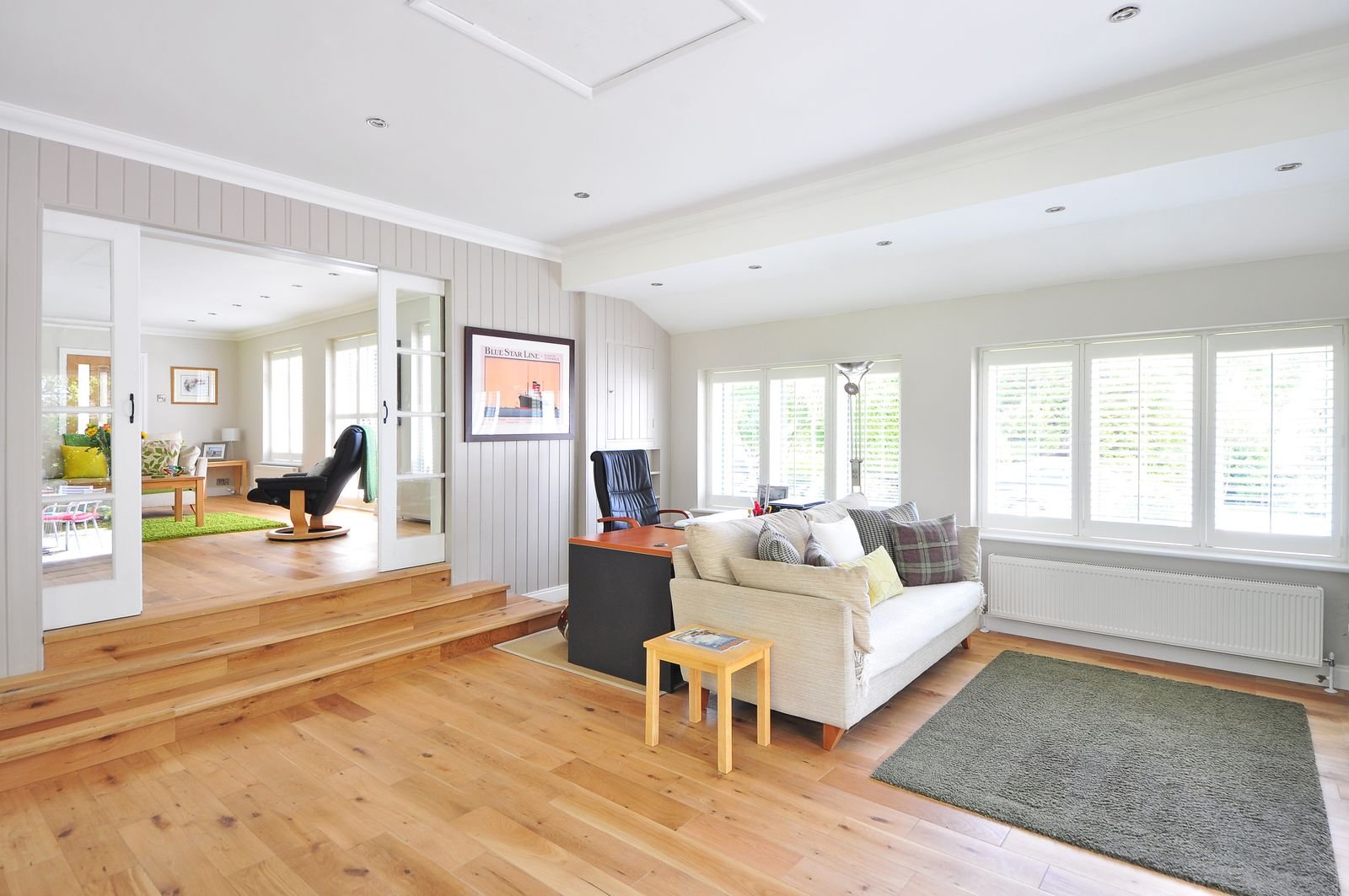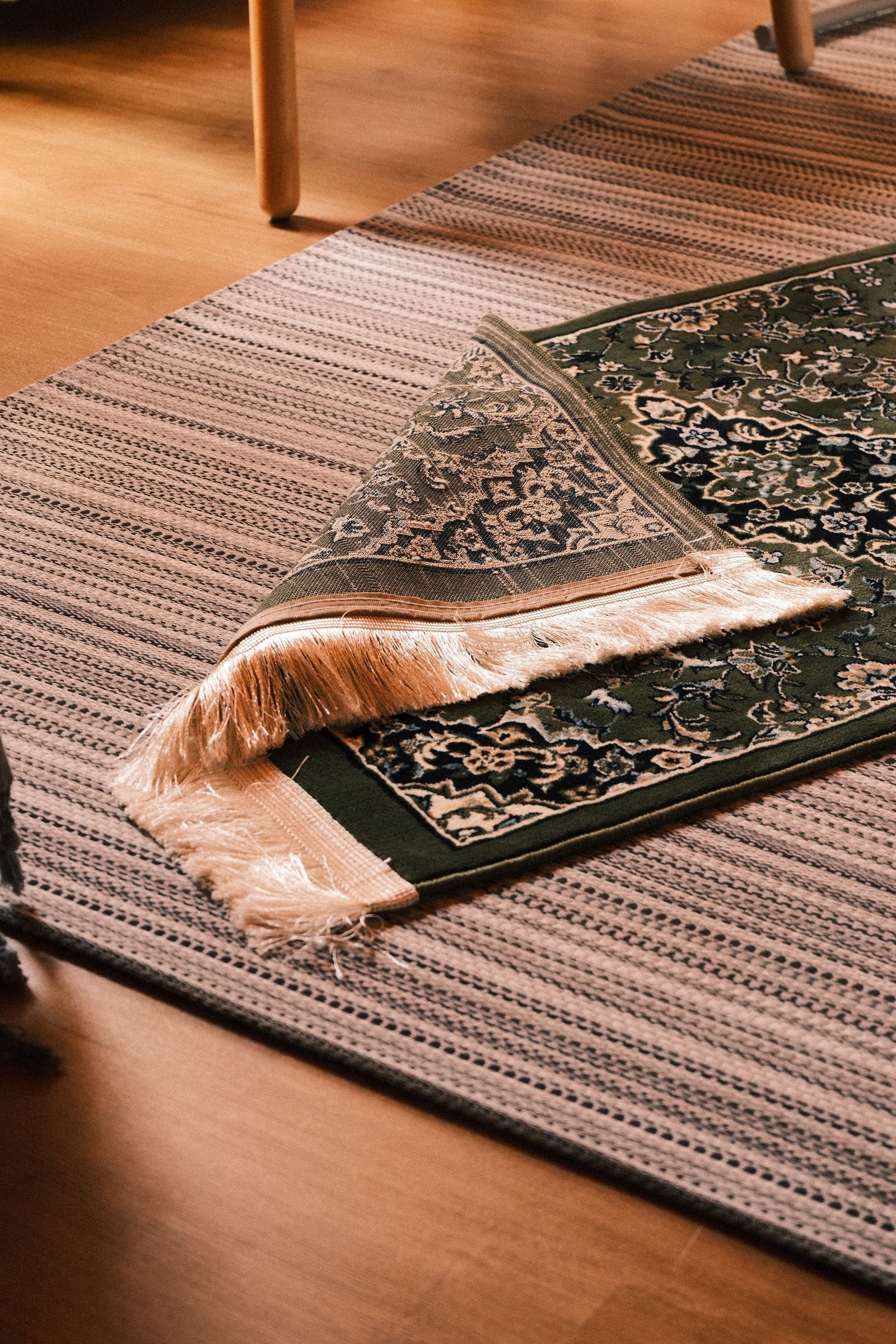
Wool carpets bring warmth, comfort and a natural look that few other floor coverings can match. They are soft underfoot, hard-wearing and easy to live with, which is why they have stayed popular for centuries.
This guide covers the types of wool, how carpets are made, their main benefits, how to care for them and how to choose the right one for your home. It also clears up a few common myths.
Wool Carpet Basics
Knowing a little about how wool carpets are made makes shopping easier. The fiber, the weave and the pattern all affect how a carpet looks, feels and lasts.
Types of Wool Used
Wool carpets come from different sheep breeds. Merino wool is fine and soft, so it feels gentle on bare feet. New Zealand wool is stronger and keeps its shape well under daily wear. Other wools, such as Persian and Tibetan, are known for their texture and rich color. Each type suits a different use and budget.
Weaving Techniques
The way a carpet is made affects both its look and its price.
- Hand-knotted carpets take the longest to make. Every knot is tied by hand, which gives strength and sharp pattern detail, and the price is higher.
- Hand-tufted carpets have loops of wool pushed through a backing. They are quicker to make and cost less, though they usually wear out sooner than hand-knotted ones.
- Machine-made carpets are woven on power looms. They have even patterns and the lowest prices.
Common Patterns and Styles
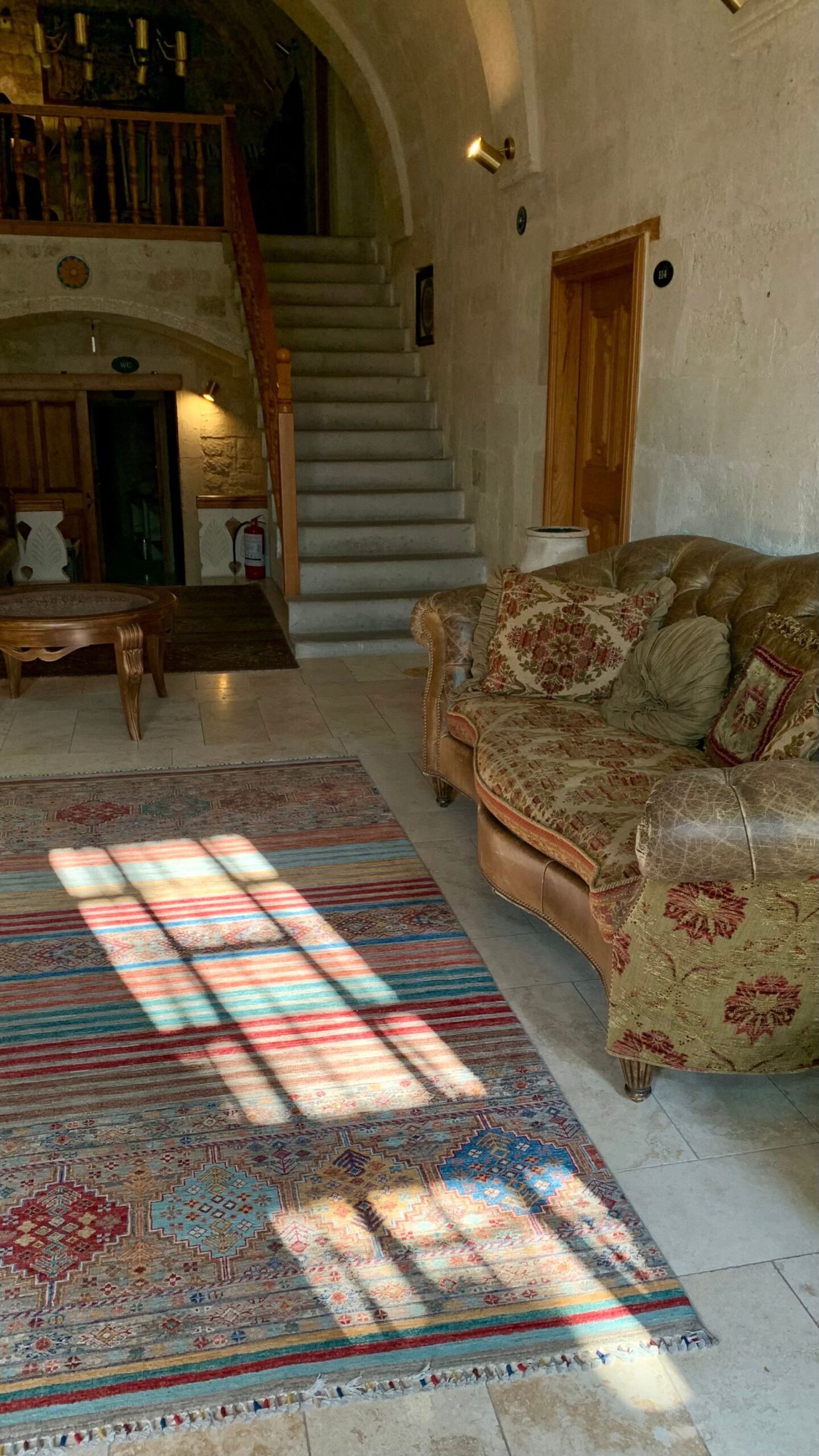
Traditional wool carpets use floral, geometric and medallion patterns that add elegance to a room. Modern designs use abstract shapes or simple lines and suit minimalist or contemporary spaces. Solid colors and subtle textures work with almost any decor. Choose a style that matches the mood of your home. If you are planning a full room, our guide to living room decor ideas shows how a rug can anchor the whole space.
Advantages of Wool Carpets
Wool is more than soft and warm. It also has practical qualities that explain why it remains a popular carpet material.
Durability and Longevity
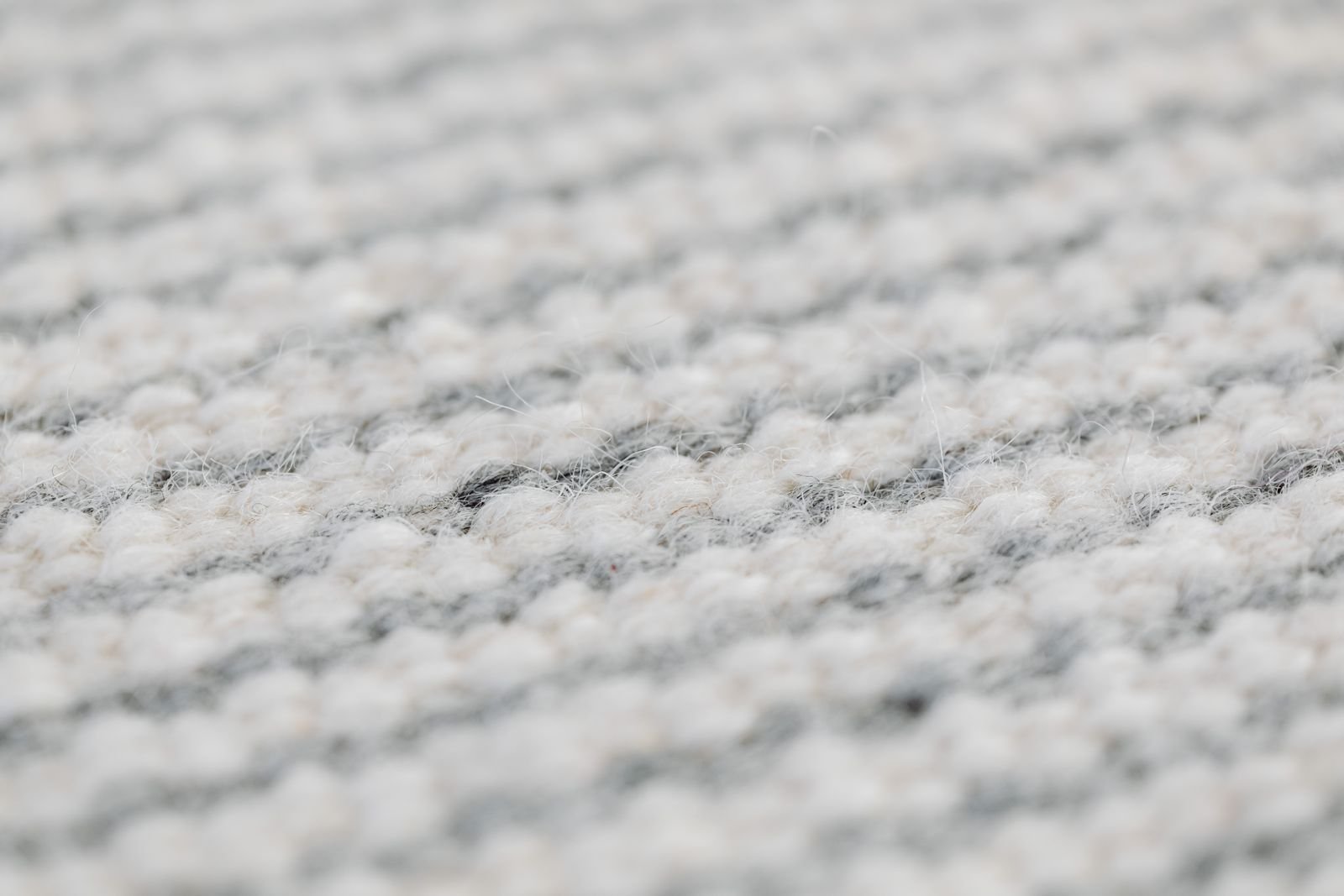
Wool fibers are strong and flexible. They bounce back after being pressed down, so furniture marks and footprints fade and the pile stays plush. A good wool carpet can handle heavy foot traffic and often lasts 20 years or more with proper care.
Natural Insulation
Wool traps air, which helps hold heat in a room during cold weather. It also absorbs and releases moisture, which keeps a room feeling comfortable in summer. Good insulation underfoot can help you keep the heating turned down a little.
Stain and Dirt Resistance
Wool fibers have a natural coating that slows down staining. Liquids tend to sit on the surface for a short time instead of soaking in, which gives you a chance to clean up before a spill sets. Mid-tone and patterned wool carpets also hide everyday dirt well.
Noise Reduction
Thick wool pile absorbs sound. In an apartment or an upstairs room, a wool carpet softens footsteps and reduces echo, so a room feels calmer.
Wool Carpet Care
Wool is natural and strong, but it needs gentle care. A few simple habits keep it soft and looking new.
Regular Cleaning Tips
- Vacuum often. In busy areas, vacuum two or three times a week, and in quiet rooms once a week.
- Use a gentle suction setting and turn off any beater bar, which can fuzz and damage wool fibers.
- Rotate rugs every six months so wear and sunlight are spread evenly.
- Open windows now and then to let fresh air in and keep moisture and odors down.
Dealing With Stains
Act quickly, and blot the stain with a clean, dry cloth. Never rub or scrub, because that pushes the stain deeper and roughens the fibers. Work from the outside of the spill toward the middle. Then dab with cool water and a little mild soap mixed with water. Always test a cleaning product on a hidden corner first, and avoid bleach and other harsh chemicals, which can damage wool.
Professional Maintenance
Have your wool carpet professionally cleaned about every 12 to 18 months, or sooner in a busy household. Choose a cleaner who works with wool and uses wool-safe methods, since too much heat or water can cause shrinking and color bleed. Regular deep cleaning removes dirt that a vacuum leaves behind and keeps the carpet looking fresh.
Environmental Impact
Many buyers care about what a carpet means for the planet. Wool compares well with synthetic fibers on several points.
Sustainability of Wool
Sheep grow a new fleece every year, so wool is a renewable resource. Unlike synthetic fibers, wool does not come from oil. Well-managed wool farming can also support land care and local wildlife.
Biodegradability
Wool is a natural fiber, so it breaks down in soil over time and does not leave plastic waste in landfills. A worn-out wool carpet can last for many years, and its fibers return nutrients to the ground when it finally breaks down.
Responsible Production
Wool needs less chemical processing than many synthetic fibers, and many makers use plant-based or low-impact dyes. If this matters to you, ask the seller where the wool comes from and how the carpet was dyed.
Choosing the Right Wool Carpet
The best wool carpet depends on your room, your style and your budget. Think through these points before you buy.
Assess Your Room Needs
Think about how the room is used. Hallways, stairs and living rooms need a dense, low or medium pile that resists crushing. Bedrooms can take a softer, plusher pile. Wool does not like constant damp, so avoid it in bathrooms and in basements that get wet. A flatter weave is also easier to vacuum. If you are laying a new rug, see our tips on how to flatten a new rug so it sits smoothly from the first day.
Color and Texture Options
Light colors make a room feel larger and brighter but show dirt sooner. Mid-tones and flecked or patterned weaves hide marks well. Smooth, flat weaves are easiest to clean, while thick piles feel warm and soft. Hold a sample next to your sofa, curtains and wall color in the room’s own light before you decide. For a cozy bedroom, a soft wool rug beside the bed is a simple upgrade, as shown in our bedroom decor ideas.
Budget Considerations
Wool carpets cost more than most synthetic ones, and the price rises with quality. Set a budget before you shop, and compare the cost over the whole life of the carpet. A well-made wool carpet that lasts 20 years may cost less per year than a cheaper carpet you replace twice. Check the thickness, the density of the pile and the backing, not just the price tag. Also budget for an underlay, which protects the carpet and makes it feel softer.
Common Myths About Wool Carpets
Wool has a long history, yet some myths still put people off. Here is the truth behind the most common ones.
Allergy Concerns
Some people believe wool carpets cause allergies. Wool is a natural fiber and many allergy sufferers live happily with it, but any carpet can collect dust, so regular vacuuming matters whatever the fiber. If you or a family member has serious allergies or asthma, talk to your doctor and try a small sample first.
Cost Misconceptions
Wool is often thought to be very expensive. It does cost more at the start, but it also lasts longer and keeps its looks, so you replace it less often.
Maintenance Challenges
Some say wool is hard to clean. In practice, it resists stains well and hides dirt, so regular vacuuming and quick action on spills are usually enough. Just remember to use wool-safe products.
Frequently Asked Questions
What Are the Main Benefits of Wool Carpets?
Wool carpets are soft, durable and naturally resistant to stains. They also insulate well and help reduce noise in a room.
How Do Wool Carpets Compare to Synthetic Carpets?
Wool usually lasts longer, feels warmer and recovers better from crushing. It is also a renewable, biodegradable material. Synthetic carpets are cheaper and can be more resistant to damp.
Can Wool Carpets Cause Allergies?
Wool is a natural fiber and many allergy sufferers do well with it, but no carpet is free of dust. Vacuum often, and ask your doctor if you have severe allergies.
How Should I Clean and Maintain Wool Carpets?
Vacuum regularly, blot spills right away with a damp cloth and use mild soap and cool water. Avoid harsh chemicals and too much heat.
Are Wool Carpets Suitable for High-Traffic Areas?
Yes. Wool is resilient and handles busy rooms well, especially in a dense weave. It keeps its shape and looks good for longer than many other fibers.
Conclusion
Wool carpets offer warmth, comfort and durability for almost any home. They resist stains, hold color well and are easy to maintain when cared for gently. Choose the right pile and weave for your room, set a realistic budget and keep up regular vacuuming, and a wool carpet will stay beautiful for many years.