Your floor takes up more of a room than any other surface, yet it often gets the least attention. The right floor decoration adds warmth, color and personality without a full renovation.
This guide covers flooring materials, color and pattern, rugs and carpets, finishes, lighting, DIY projects and current floor styles. Pick the ideas that suit your budget and the way you live.
Choose the Right Flooring Material
The material shapes the look, comfort and upkeep of the whole room. The best choice fits your lifestyle and budget.
Hardwood Options
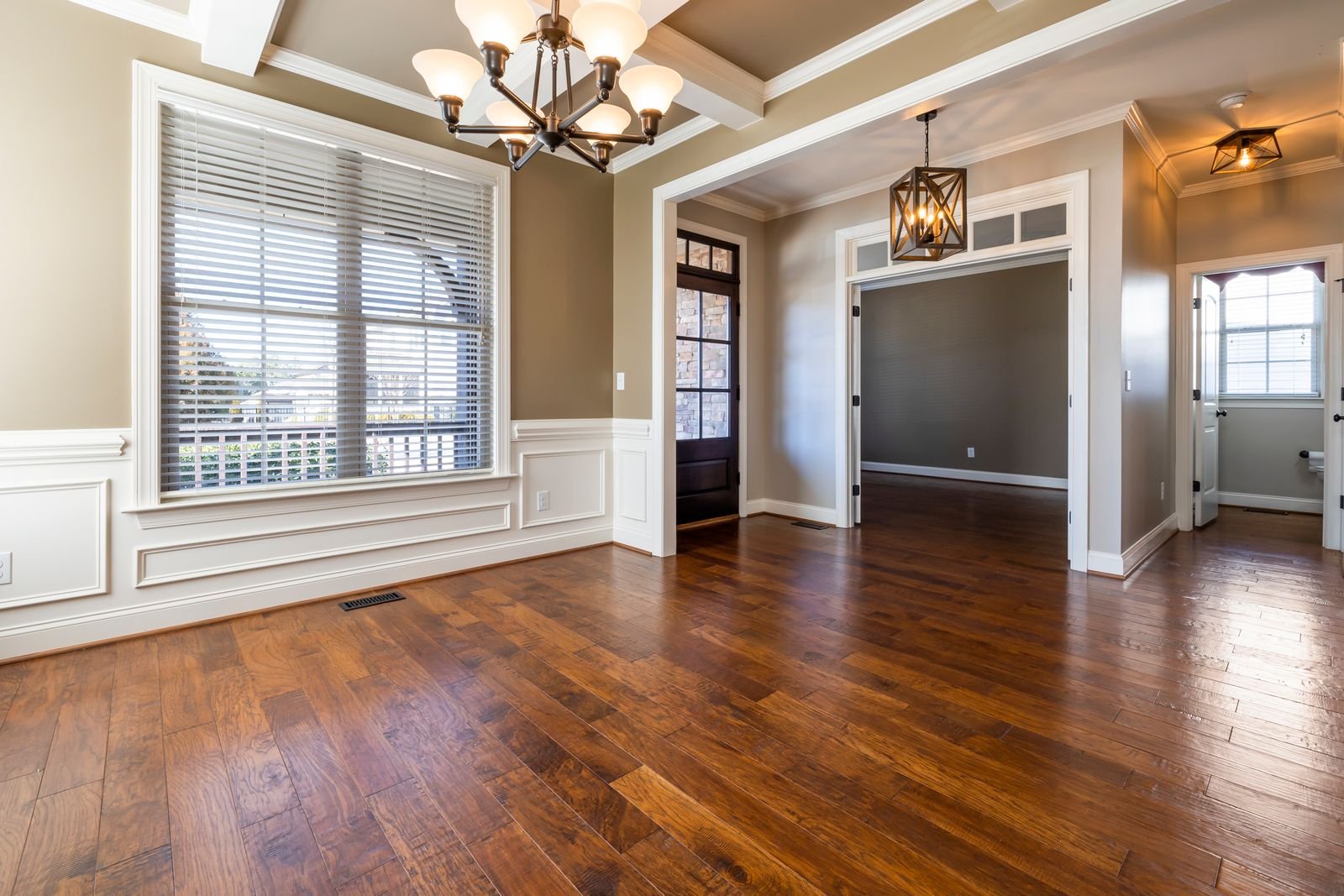
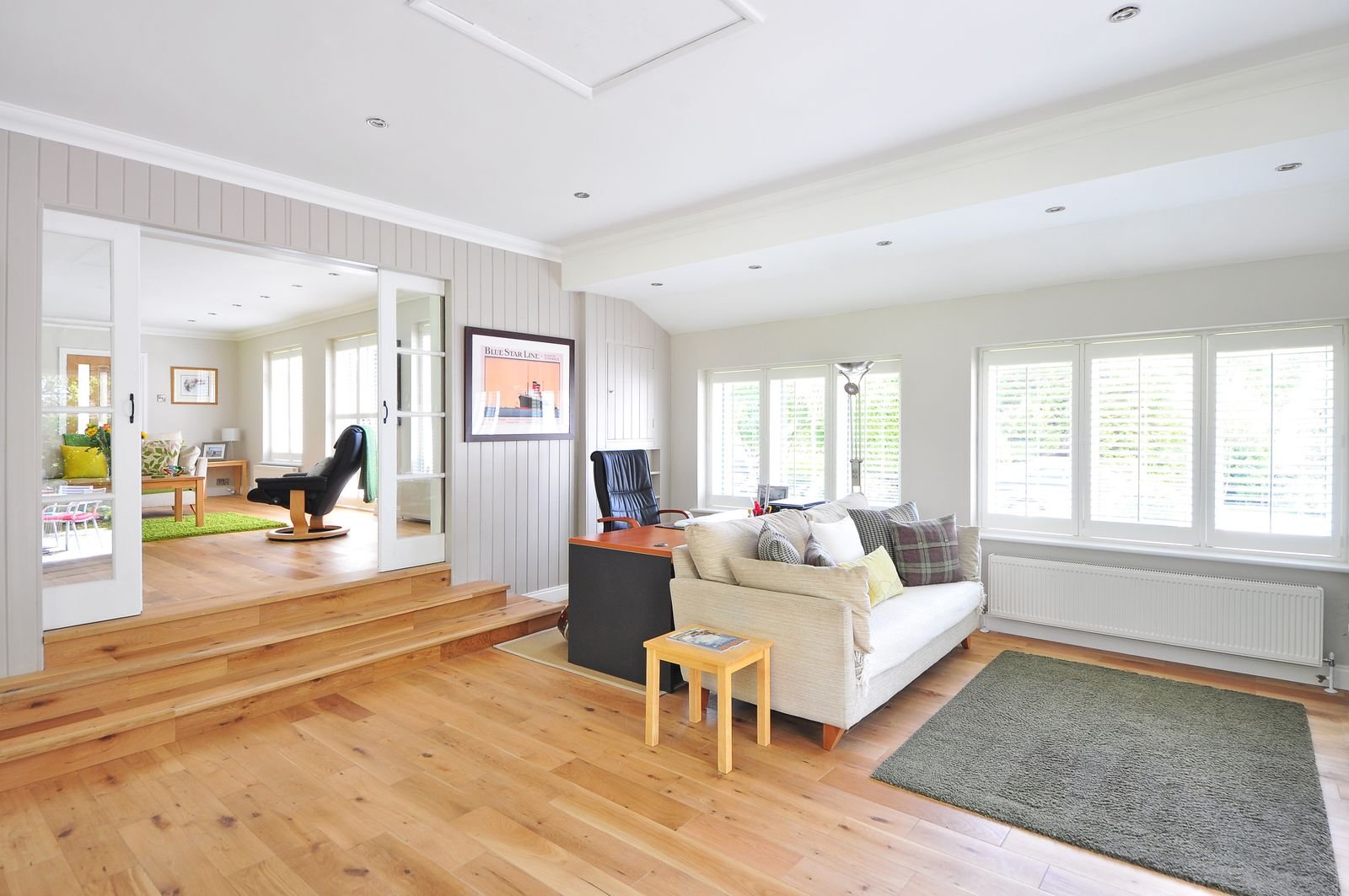
Hardwood adds warmth and elegance. Oak, maple and cherry are popular, and each has its own color and grain. A hardwood floor can be sanded and refinished several times, so it can look new again after years of wear.
Tile Varieties
Ceramic and porcelain tiles resist water and stains, which makes them a good fit for kitchens, bathrooms and entryways. They are easy to clean, and the many shapes and colors leave plenty of room for creative layouts.
Laminate and Vinyl
Laminate and vinyl imitate wood and stone at a lower cost. They resist scratches, and most vinyl handles moisture better than wood. Installation is usually quick, so they suit busy homes and rentals.
Natural Stone Choices
Marble, granite and slate give a luxurious, durable floor. Stone needs sealing to prevent stains, and it feels cold and hard underfoot. That coolness is welcome in warm climates, and a rug or underfloor heating makes it more comfortable in cold ones.
Eco-Friendly Materials
Bamboo and cork are renewable and comfortable to walk on. Cork is also naturally soft and quiet. Recycled wood and recycled tile reduce waste and add character.
Color and Pattern Inspiration
Color and pattern set the mood of a room. A floor can be the focal point or blend quietly with the rest of the decor.
Bold Colors
Red, blue or green floors bring life to a dull room. They work well in kitchens and playrooms. Pair them with simple furniture so the room does not feel busy.
Subtle Neutrals
Beige, gray and soft white suit many styles. They make a room feel larger and let other decor pieces stand out, which is ideal for living rooms and bedrooms.
Geometric Patterns
Triangles, squares and diamonds add modern flair and structure. Use contrasting colors to highlight the shapes. They work well in hallways and entryways.
Classic Herringbone
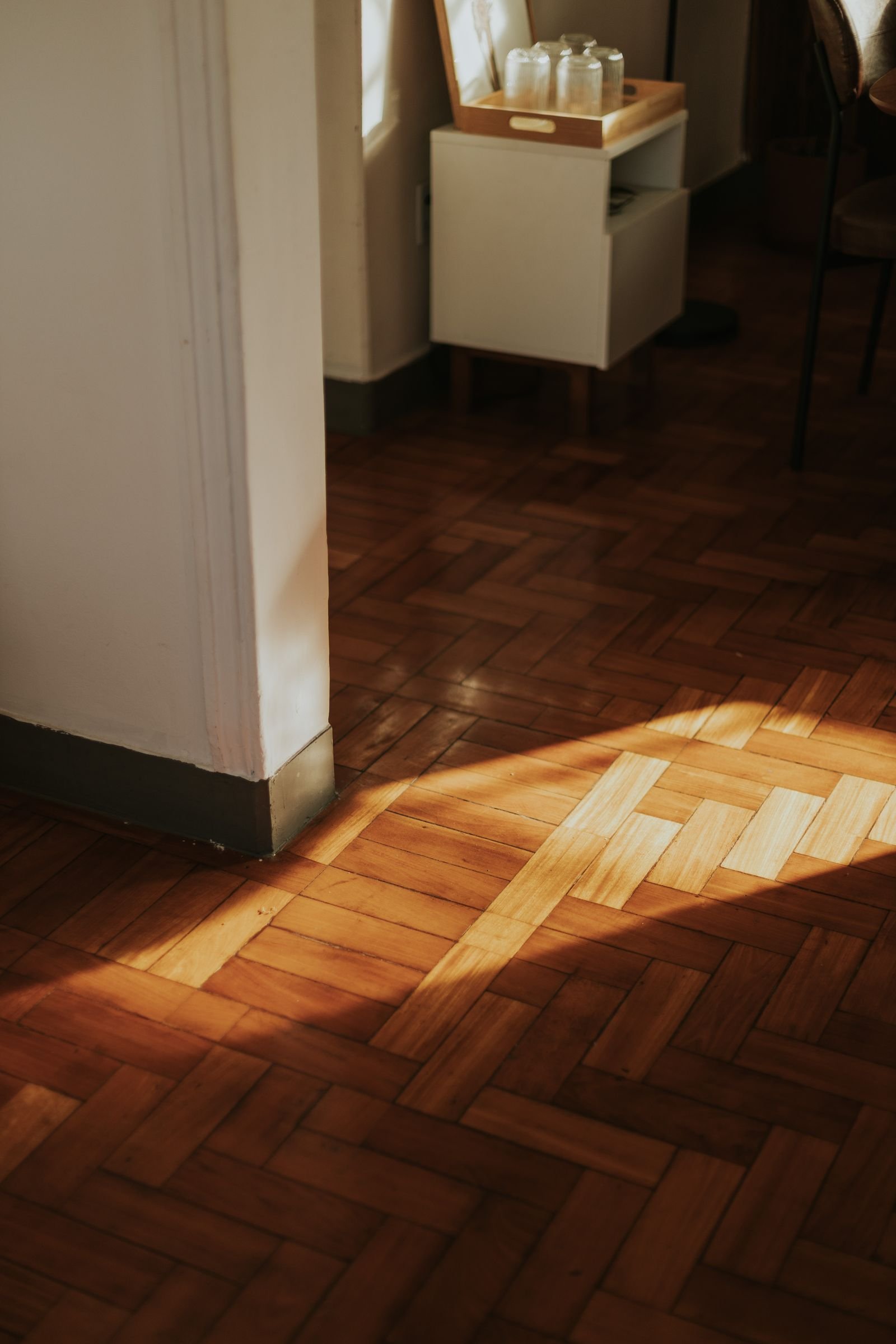
Herringbone is a timeless zigzag pattern in wood or tile. It adds texture and elegance to traditional and modern homes, and it looks best in natural wood tones.
Mosaic Designs
Mosaic floors use small tiles to form pictures or patterns. They suit bathrooms and outdoor patios, and they give a handcrafted feel.
Rugs and Carpets for Every Room
Rugs and carpets change the look of a floor quickly. They add warmth, protect surfaces from scratches and dirt, and reduce noise.
Choose the Right Carpet Material
- Wool feels soft and lasts a long time. Our guide to wool carpets explains the types and care in detail.
- Nylon is tough and resists stains, so it suits busy areas.
- Polyester has bright colors and a lower price.
- Polypropylene (olefin) is a budget fiber that resists stains and wear.
Pile, Color and Pattern
Cut pile is smooth and soft underfoot. Loop pile looks textured and hides dirt well. Light colors make a room feel bigger, dark colors hide dirt, and neutral shades match most decor. Small patterns hide wear better than large ones.
Choose the Right Size and Placement
A rug that is too small makes a room look disjointed, so measure before you buy.
- Living room: place the rug under at least the front legs of all main seating, so the group feels connected.
- Bedroom: put a rug under the bed so it extends about two feet on each side. In a small room, a runner on each side of the bed works well.
- Dining area: the rug should extend about two feet past the table on every side, so chairs stay on it when pulled out. Avoid very thick rugs, which make chairs hard to move.
- Hallway and entry: use a narrow runner with a non-slip backing and a color that hides dirt.
Rugs also define zones in an open room. A square rug suits a dining table, and a rectangular one suits a sofa and coffee table. If a new rug will not lie flat, see our tips on how to flatten a new rug.
Layering Techniques
Start with a large, neutral base rug, then add a smaller patterned rug on top. Mix textures such as wool and jute to add depth. Layering works well in living rooms and bedrooms.
Texture and Seasonal Swaps
Soft, plush rugs add comfort. Flatweave rugs look sleek and modern. A thick carpet suits a bedroom, while a low pile fits busy areas. Changing rugs with the seasons keeps a room fresh. Use light, cool colors in summer and warm, rich tones in winter.
Eco-Friendly and Budget Carpets
Wool, jute and sisal are natural, renewable fibers. Recycled-fiber carpets reuse plastic bottles and cut down on landfill waste. If indoor air quality matters to you, look for carpets labeled low VOC, which release fewer chemicals into the air.
To save money, choose solid colors or simple patterns, use runners instead of wall-to-wall carpet, or lay carpet tiles in your own pattern. Clearance sales, outlets and thrift shops often have good finds.
Floor Finishes and Treatments
Finishes protect floors from wear and change how they look.
Matte vs. Glossy Finishes
Matte finishes give a soft, natural look and hide scratches and dirt. They suit rustic and modern styles. Glossy finishes reflect light and make a room feel larger and cleaner, but they show marks and need more cleaning. They work well in formal rooms.
Staining and Painting Floors
Staining adds color and keeps the wood grain visible. Painting covers the floor with a solid color and hides imperfections. Choose stain for a natural look and paint for bold color.
Protective Coatings
Polyurethane is the common choice for wood floors because it forms a strong, clear layer. Wax adds shine but needs regular care. Epoxy coatings give concrete floors a tough finish.
Lighting to Show Off Your Floors
Good lighting brings out the color and texture of a floor.
Natural Light
Sunlight shows the true color of wood and tile. Let it in through large windows and glass doors, and avoid heavy curtains that block it. Keep in mind that strong sun can fade wood and carpet over time, so use sheer curtains or rugs in the brightest spots.
Accent Lighting
LED strips along baseboards or under cabinets give a subtle glow and outline the floor edges. Keep accent lights low to avoid glare.
Spotlights and Ambient Light
Aim spotlights at a rug or decorative tiles to add drama, and use dimmers to control the brightness. Warm bulbs and floor lamps create a soft, welcoming glow.
DIY Floor Decoration Projects
DIY projects let you customize a floor without spending much. They are fun, and most are suitable for beginners.
Stencil Designs
Use a ready-made stencil, or cut your own from cardboard. Hold it in place and apply paint with a sponge. Repeat the pattern for a consistent look. Stencils work on wood, concrete and tile.
Temporary Floor Decals
Decals are easy to apply and remove, so they suit renters. Clean the floor first so they stick well.
Creative Tape Patterns
Colored or washi tape makes stripes, grids and geometric shapes on smooth floors such as wood or vinyl. It comes off easily, which makes it ideal for a playful, short-term look.
Painting Tips
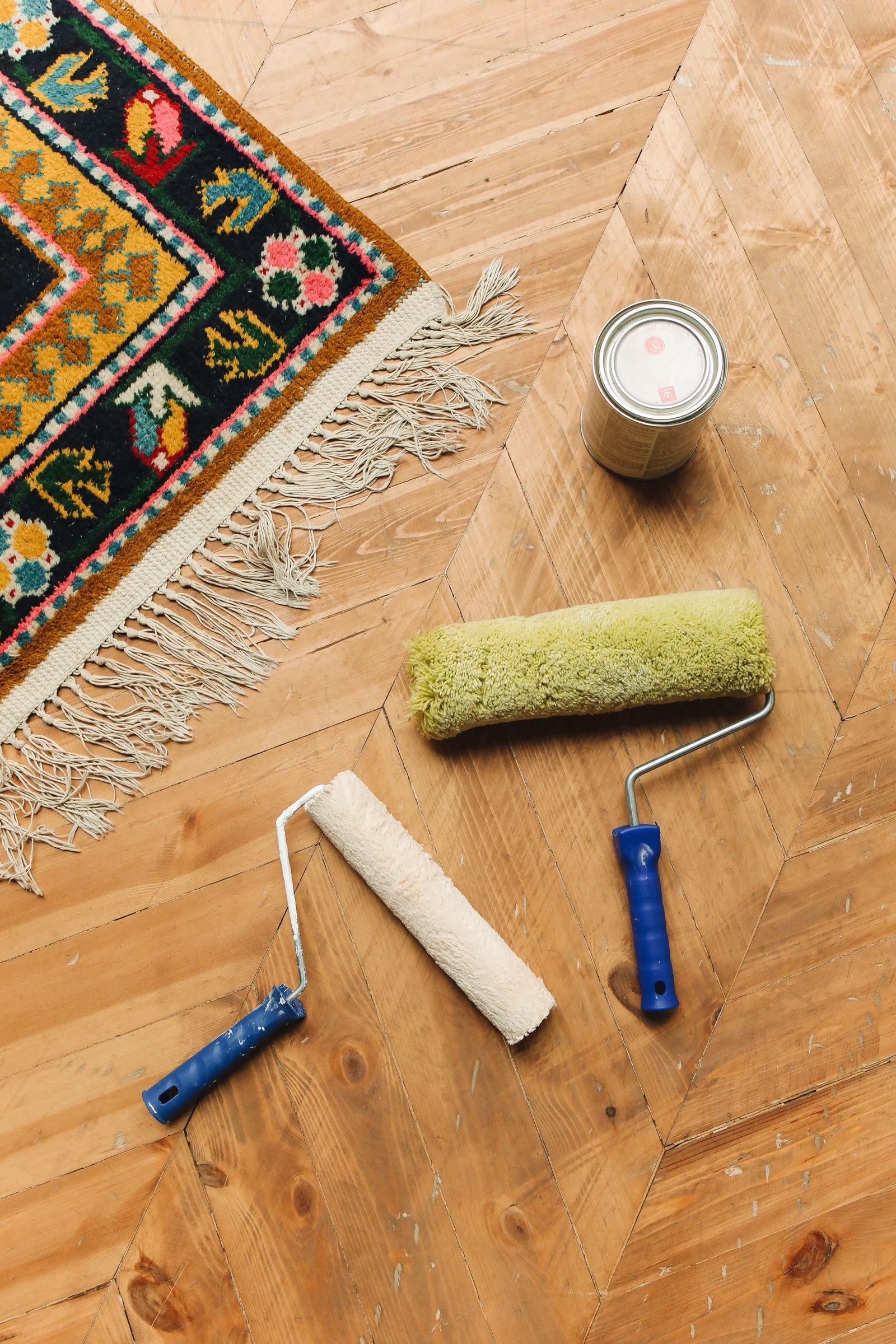
Clean and sand the floor first. Use painter’s tape to mark edges and protect walls, and choose a floor paint made for durability. Apply thin coats, let each one dry fully and finish with a clear sealant. For more ideas, see our guide to decorating your home step by step.
Trendy Floor Styles to Explore
Rustic Charm
Wood with knots and rough texture feels warm and inviting. It pairs well with wooden furniture and soft lighting, and it suits country and cottage homes.
Modern Minimalism
Polished concrete or large tiles in gray, white or beige keep a room open and bright. This look is good for small spaces and modern homes.
Vintage Appeal
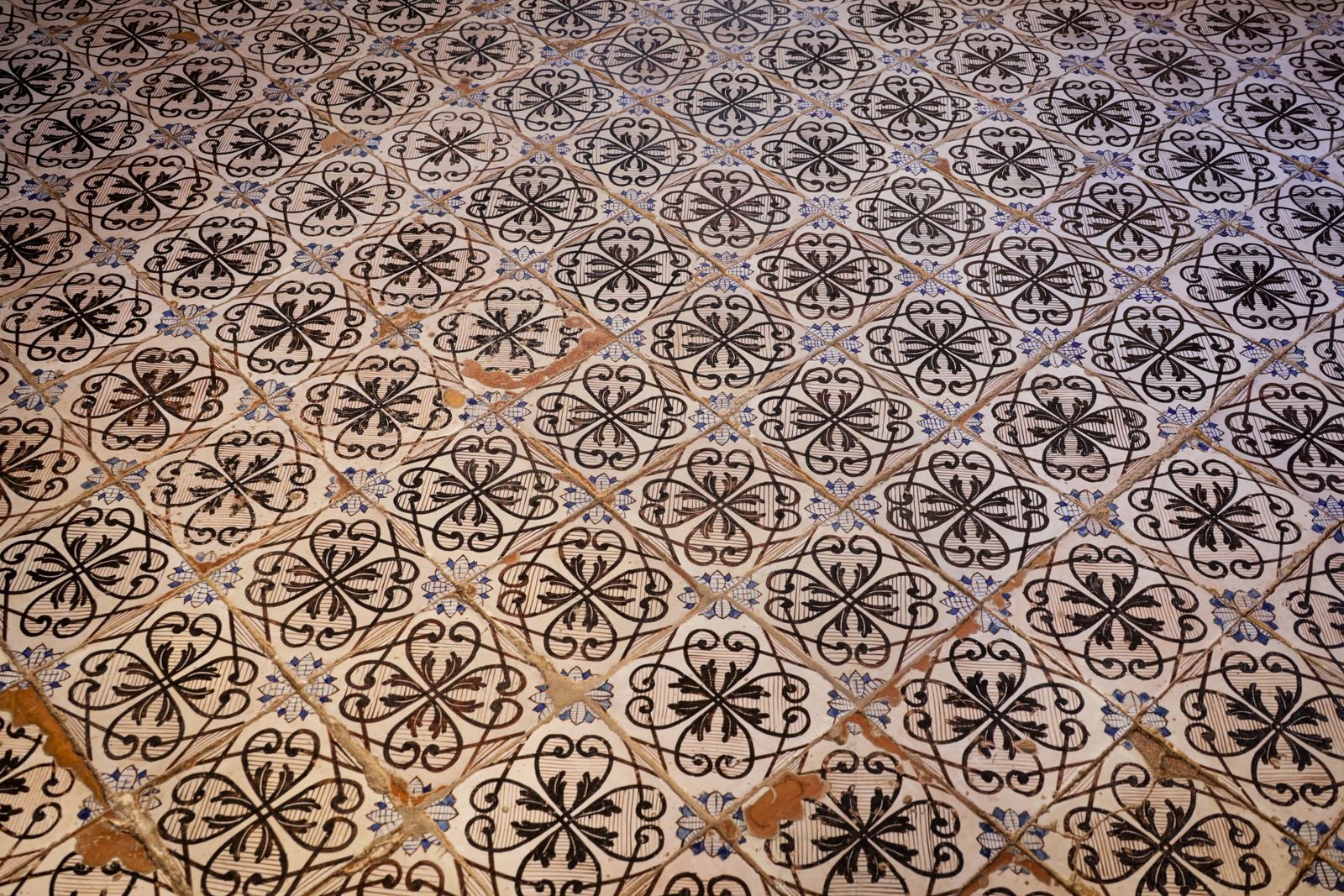
Patterned tiles, worn wood and parquet add character and a sense of history to classic or retro rooms.
Industrial Look
Concrete, metal and reclaimed wood create an urban feel that works best in lofts and modern apartments. These floors are also durable and easy to maintain.
Floor Care and Maintenance
Good care keeps any decorated floor looking its best.
- Sweep or vacuum regularly, using soft brooms or vacuum heads that will not scratch.
- Clean spills right away, and blot carpet stains instead of rubbing them.
- Use cleaners made for your floor type, and avoid harsh chemicals that wear down finishes.
- Put mats at entrances and furniture pads under heavy pieces.
- Steam clean carpets once or twice a year, and avoid soaking them.
Frequently Asked Questions
What Are the Best Floor Decoration Ideas for Small Rooms?
Use light colors and simple patterns to make a room look bigger. A single rug sized to the seating area adds style and comfort without cluttering the floor.
How Can I Decorate Floors on a Budget?
Paint or stencil a plain floor, add an affordable rug or runner, or use removable decals and tape for color and texture.
Which Floor Materials Suit Different Home Styles?
Wood fits classic and cozy homes. Tile works well in modern or rustic spaces. Carpet adds warmth to bedrooms and living rooms.
How Do I Maintain Decorated Floors Easily?
Sweep or vacuum often, use mild cleaners and place mats at entrances to cut down on dirt.
Can Floor Decoration Improve Home Safety?
Yes. Non-slip rugs or mats reduce the risk of falls. Keep floors dry and clutter-free, and use good lighting to spot hazards.
Conclusion
Floor decoration can change the feel of a whole room. Choose colors and patterns that match your style, add a well-sized rug and protect the surface with the right finish. Small changes make a big difference, so start with one room and build from there.

1 comment