If you feel stuck when you want to decorate your house, there is usually a real reason. Rules, rental terms, safety limits, money, time or even different tastes in the family can all get in the way.
This guide explains the most common limits and how to work around each one. Rules differ by country, city and building, so treat the details below as a starting point and check your own documents before you act.
Common Restrictions on Home Decorating
Decorating sounds simple, but many people face limits that come from rules meant to keep neighborhoods safe and neat. Knowing them early helps you avoid fines and shows respect for your community.
Homeowners Association Rules
Many neighborhoods have a homeowners association (HOA). It sets rules for how homes look, and these can cover paint colors, fences, front-yard decorations and even holiday displays. The aim is a tidy, uniform neighborhood. Breaking the rules can lead to fines or an order to undo the change.
Ask for a copy of the association’s rules, often called covenants, before you buy paint or plan a project. Many associations also have a simple approval form, and a written yes protects you later.
Local Zoning Laws
Local governments use zoning laws to decide how land can be used. They may limit the size of a building, the type of structure or the signs you can put up outside. Rules like these also cover changes that affect your neighbors, such as a new fence or a tall shed. Check with your local planning office before you build.
Historic Preservation Guidelines
Homes in historic districts follow special guidelines that protect the original look of old buildings. They often cover paint colors, windows, roofs and doors. Ignoring them can bring penalties and may harm the home’s value. If your house is in such a district, ask the local preservation office what you may change before you start.
Rental Property Limitations
Renters usually have the tightest limits. The rules protect the property and keep it in good condition for the next tenant, but they can make personal style feel out of reach.
Lease Agreement Clauses
Your lease lists the rules about decorating. It may forbid painting walls or making holes, or it may allow small changes with approval. Breaking these clauses can lead to fines or even eviction, so read the lease closely before you change anything.
Landlord Approval Requirements
Landlords often want to approve changes first and may ask what you plan to do. Waiting for an answer can slow you down, but permission keeps your rental record clean. Get approval in writing, so there is no confusion later.
Security Deposit Concerns
Damage or unapproved changes can cause deductions from your security deposit. Take dated photos of each room when you move in, and again when you leave. Removable hooks are safer than nails, and permanent changes can cost you money at move-out.
Structural and Safety Concerns
Some limits exist because they keep the house strong and safe. Ignoring them can cause damage or danger.
Building Codes and Permits
Building codes set minimum safety standards for electrical, plumbing and construction work. Major changes need permits, which confirm that the work meets local rules. Without a permit you risk fines, or having to undo the work. Painting and rearranging furniture normally need no permit, but moving walls, wiring or pipes usually does.
Load-Bearing Walls and Modifications
A load-bearing wall helps hold the house up, so removing or altering it can cause serious damage. Only a qualified professional, such as a structural engineer, can tell you whether a wall is load-bearing. Some changes need extra support beams.
Fire Safety Regulations
Fire safety rules cover materials, smoke detectors and exits. Keep curtains, paper decor and fabric hangings away from heaters, candles and lamps, and never block a door or window that you may need to escape through.
Financial and Practical Constraints
Even with no rules in the way, money and time can hold you back. Understanding these limits helps you set realistic goals.
Budget Limitations
Furniture and decor can be expensive, and many people must cover basic needs first. Saving for decoration takes planning. Start with one room, or even one corner, and spend where it counts most. Our guide to improving home decoration on a low budget has practical ideas.
Material Availability
Not everything is easy to find locally. Some items need special stores or online orders, and shipping can be slow or costly. If your choices are limited, look at secondhand markets, which often have unique pieces, and consider cheap decor items that you can find nearby.
Time and Effort Considerations
Planning, shopping and setting up all take energy, and busy schedules leave little room for projects. Break a big plan into small steps of 30 to 60 minutes, such as choosing a color on Monday and buying a lamp on Wednesday.
Shared Spaces and Different Tastes
In a shared home, differing tastes can delay decisions. Talk openly, and agree on a few shared basics such as a color family and a budget. Let each person decorate their own room or corner, and keep the common areas neutral.
Creative Alternatives to Traditional Decorating
When you cannot change walls or fixtures, you can still make a home feel personal. These options work for renters and for anyone who wants low-risk changes. For more ideas, see our guide to DIY home decor you can make yourself.
Temporary Decor Options
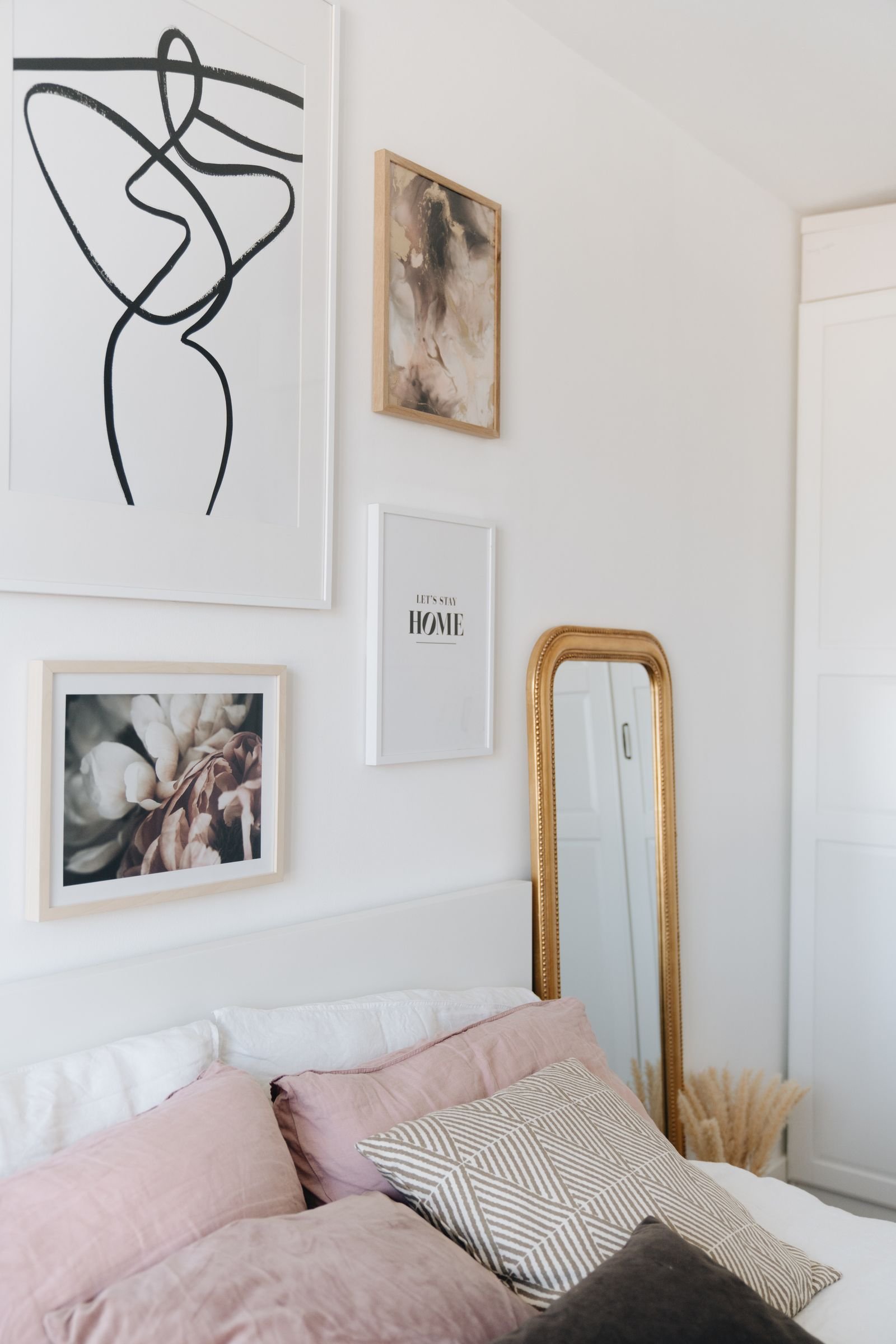
Peel-and-stick wallpaper adds color or pattern to a wall and removes cleanly on many surfaces, so test a small hidden patch first. Fabric wall hangings add texture and warmth. Area rugs brighten the floor, and pillows and throws add color and comfort.
Using Removable Fixtures
Adhesive hooks and strips hold pictures and lightweight items without nails. Check the weight rating on the pack, and follow the instructions on how to press and remove. Tension rods create hanging or storage space in windows and closets, and magnetic strips keep small metal items organized.
DIY Projects Within Limits
Paint small items such as picture frames or flower pots. Make art from paper, fabric or recycled materials, and arrange plants to add life and color. Stick to projects that need no nails or glue on the walls.

Frequently Asked Questions
Why Can’t I Decorate My House Freely?
Restrictions often come from rental agreements or homeowners associations. These rules protect property value and community standards.
Are There Legal Limits to Home Decoration?
Yes. Local laws and building codes can restrict some changes. Check permits and regulations before you begin.
How Do Financial Constraints Affect Home Decorating?
A small budget limits your options. Prioritize essential items, and plan affordable, creative solutions for a stylish look.
Can Family Disagreements Stop House Decorating?
Yes. Different tastes and priorities can delay decisions. Open communication helps you reach a shared plan.
Conclusion
Decorating your house can feel hard for many reasons, from strict rules to a lack of time or money. Start by finding out which limits apply to you, then choose removable and low-cost ideas that fit inside them. Take small steps, enjoy the process, and your home will soon reflect you.