A nursing home room can feel like home with the right colors, furniture and personal touches. The goal is a space that reflects the resident’s personality, feels calm and stays safe.
This guide covers color, furniture, personal items, lighting, textiles, nature, storage and safety. Before you start, ask the facility about its rules on wall fixings, plants, electrical items and flammable materials, so that every idea fits its policies.
Choosing a Soothing Color Palette
Color changes the mood of a room. Soft, soothing shades make a space feel calm, comfortable and welcoming, while harsh or very bright colors can upset or distract. Choose colors that bring calm and joy.
Calming Neutrals and Pastels
Beige, cream and light gray are easy on the eyes and form a quiet, restful background. Pastels such as soft blue, pale pink or mint green add a gentle touch and encourage relaxation. Use them on walls and large furniture.
Accent Colors for Warmth
Soft coral, muted gold and dusty rose add friendliness without overwhelming the senses. Use them in small touches such as pillows and curtains. Choose warm accents that blend with the neutrals and pastels.
Avoiding Overstimulating Shades
Red, bright yellow and neon colors often feel too strong on large surfaces, and very dark shades can feel heavy. Too much contrast makes a room look busy and tense. Keep bold colors to small, subtle details.
Selecting Comfortable Furniture
Furniture should support health, make movement easier and still look homelike. Focus on comfort, support and ease of use.
Supportive Seating Options
Seats with good back and arm support help maintain posture, and firm cushions are more comfortable over time. A recliner with a lift function helps with standing up safely. Look for adjustable features, and make sure the seat is stable and easy to get in and out of. Ask the care team about the right seat height for the resident.
Multi-Functional Pieces
Furniture with more than one use saves space. A bed with built-in storage holds clothes and personal items, a sofa that converts to a bed gives visitors a place to stay, and a table with adjustable height suits meals and hobbies. Choose pieces that fit the room size and the resident’s lifestyle.
Easy-to-Clean Materials
Vinyl and leather look nice and resist stains. Removable cushion covers can be washed regularly. Avoid fabrics that trap dust or are hard to dry. Clean furniture keeps the room healthy and fresh.
Incorporating Personal Touches
Personal items make a room familiar and special. They bring joy, spark memories and help residents feel at home.
Family Photos and Memorabilia
Family photos are powerful reminders of love and support. Place framed pictures on shelves, walls or the bedside table, and keep an album within reach for visitors. Letters, awards and keepsakes add meaning and keep precious moments alive.
Favorite Books and Hobbies
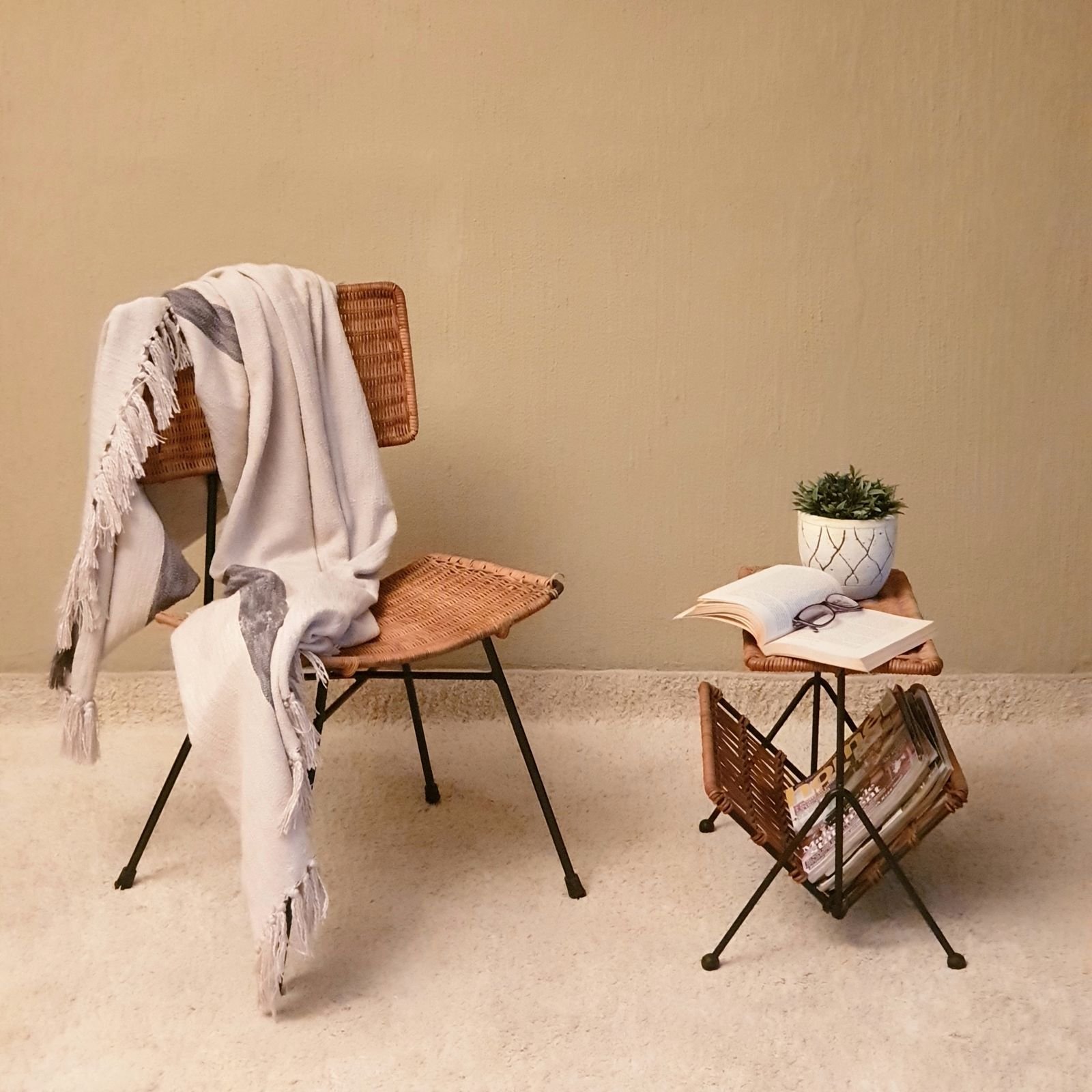
Books offer comfort and mental stimulation. Choose favorite novels, magazines or large-print books, and display them on a small bookshelf or table. Hobby supplies such as knitting yarn, puzzles or card games keep the mind active.
Handmade Crafts and Artwork
Scarves, quilts, pottery, drawings and paintings made by the resident or loved ones add color and show personality. They also give a sense of pride.
Enhancing Lighting for Mood
Good lighting lifts spirits and creates a calm atmosphere. Bright overhead lights can be harsh, while soft light soothes the eyes. Use several sources so you can match the light to the activity.
Soft Ambient Lighting
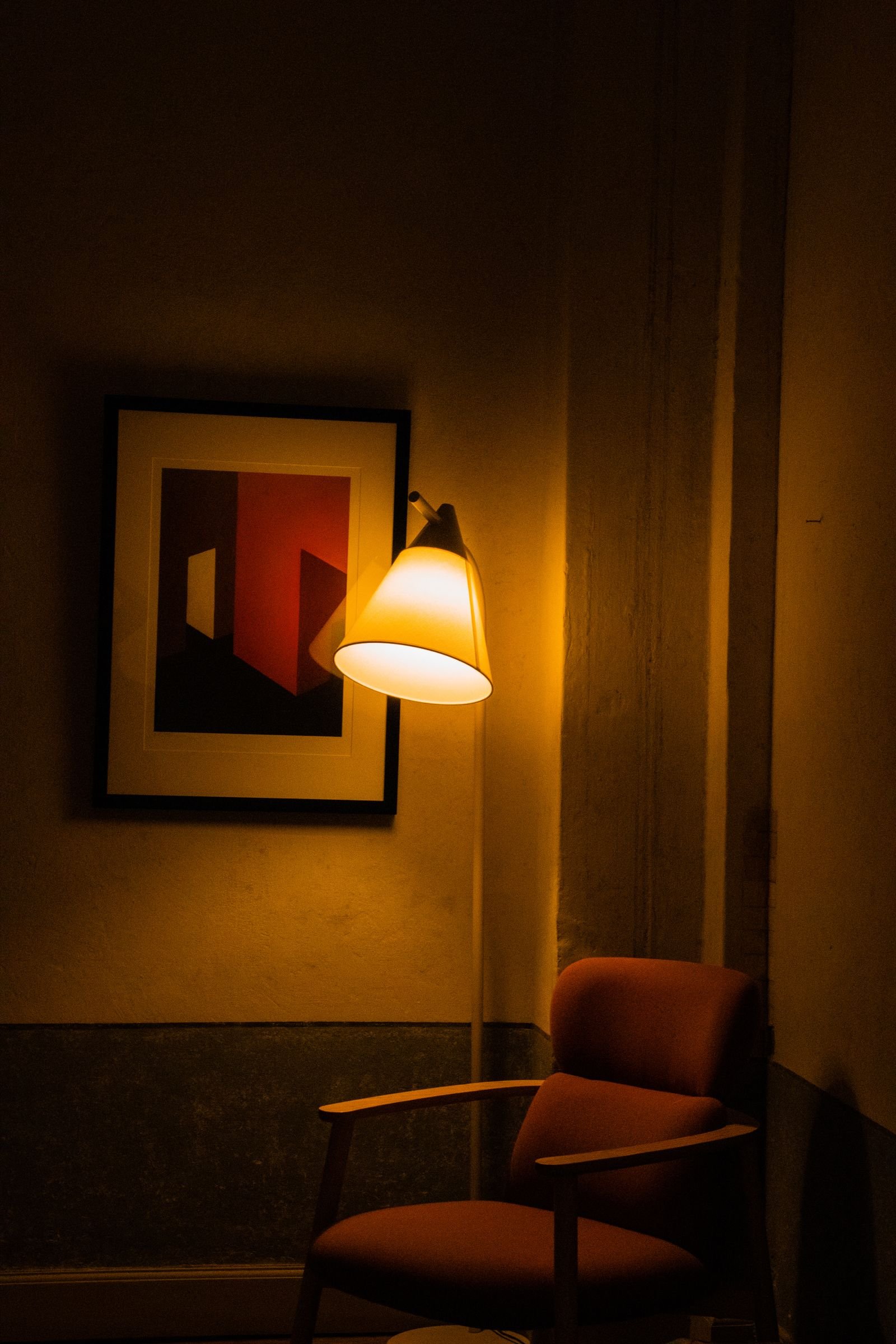
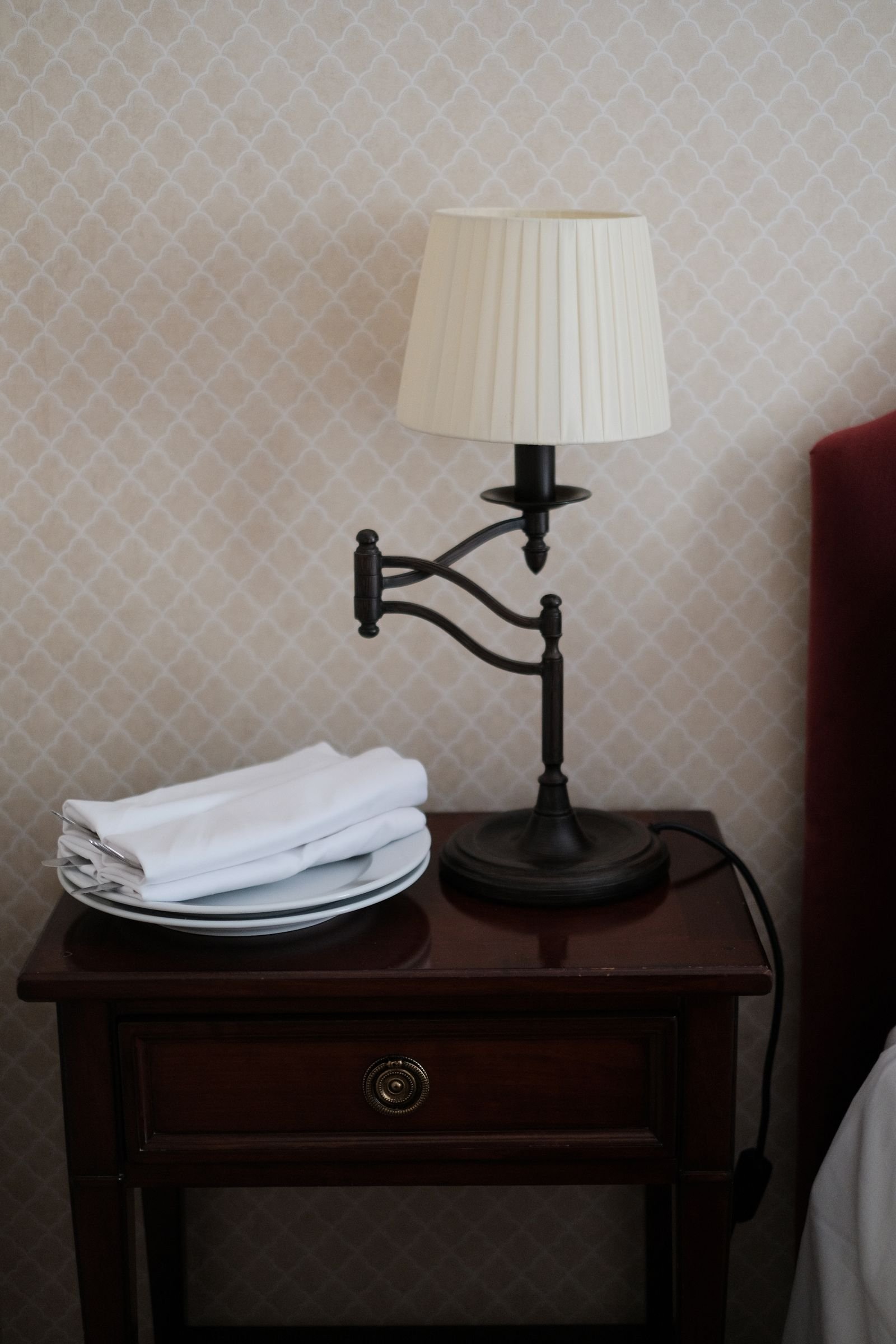
Use lamps with warm bulbs or dimmable lights, and avoid bright overhead lights that cause glare. Soft light makes the room cozy and helps the resident feel calm and safe, especially in the evening.
Task Lighting for Reading
Place a small lamp near the bed or chair for reading and hobbies. A focused light reduces eye strain, and adjustable brightness helps with different tasks.
Natural Light Utilization
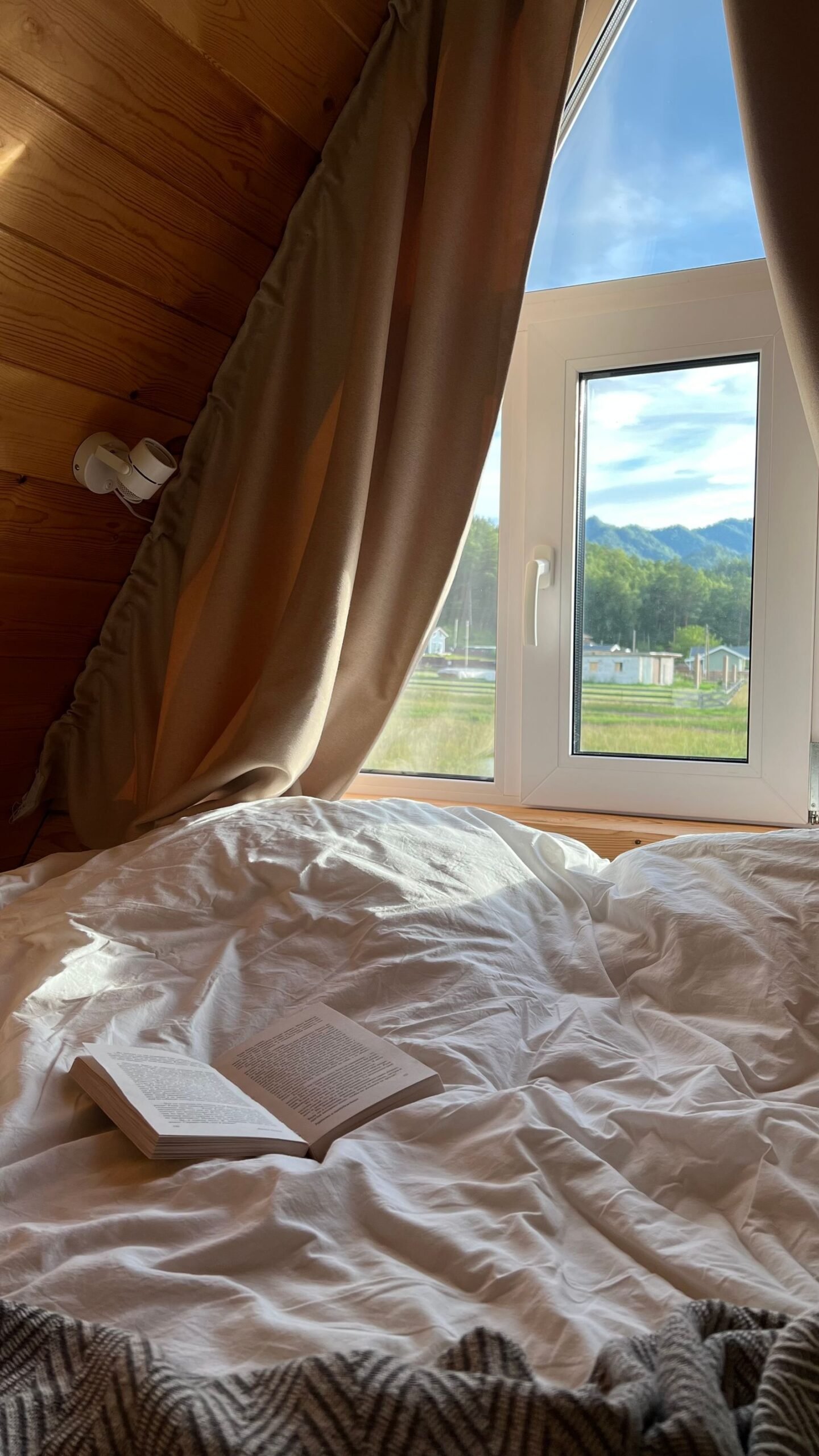
Daylight lifts mood and energy. Keep windows clear of heavy curtains, and use sheer curtains to soften the sun without blocking it. Arrange the seating near a window so the resident can enjoy the daylight. Regular daylight can also help maintain a steady sleep routine.
Adding Cozy Textiles
Soft fabrics make a room feel warm and homely, and they add color and texture. Choose items that are easy to clean and gentle on the skin.
Warm Blankets and Throws
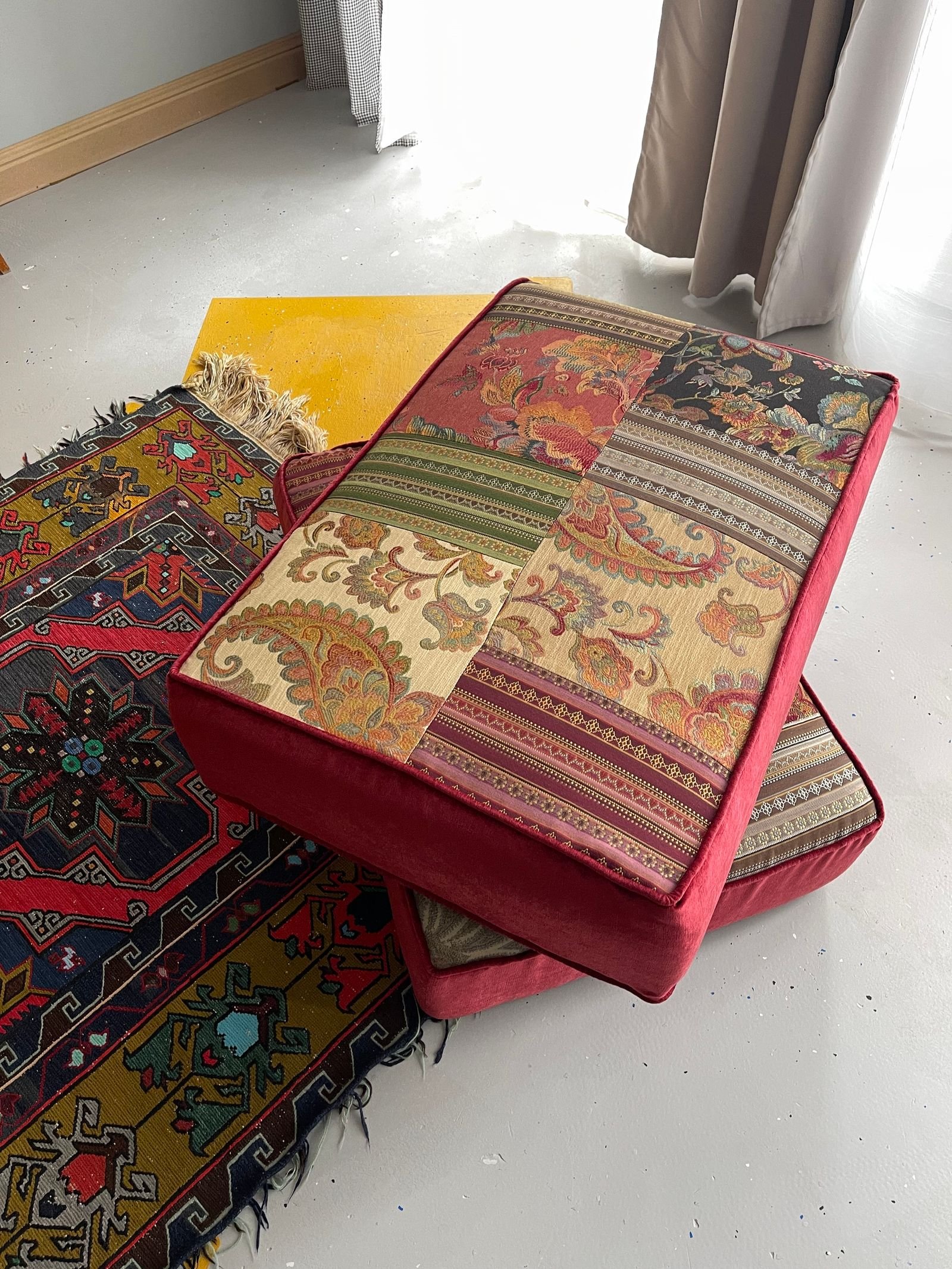
Blankets in fleece or cotton keep residents cozy without causing irritation. Choose calming colors that match the room. Lightweight throws are easy to fold and store, and they look welcoming over a chair or bed.
Plush Pillows
Soft pillows make sitting and lying down more comfortable. Choose washable covers for easy hygiene, and use different sizes and shapes for support. Avoid pillows that are too firm or too soft.
Non-Slip Rugs
A rug adds warmth underfoot, but it must be safe. Choose a rug with rubber backing or an anti-slip pad, a simple design and a flat edge that will not catch a foot or a walker. Place it near the bed or seating, and make sure it is easy to clean. If the resident is unsteady, ask the care team whether a rug is wise at all.
Incorporating Nature Elements
Nature brings peace and comfort and can help lift mood. Simple touches make the room feel warm and alive.
Indoor Plants and Flowers
Small pots on a table or windowsill add color and life. Choose easy-care plants such as succulents or spider plants, and check that the facility allows them. Fresh flowers add a pleasant scent and a soft look, so change them often. For more plant ideas, see our guide to decorating with plants.
Nature-Inspired Decor
Pictures of forests, oceans or mountains create a soothing mood. Natural materials such as wood and stone add texture, and soft green, blue and beige remind us of the outdoors.
Views of Outdoor Spaces
Place the bed or chair near a window. A view of trees, a garden or the sky lifts the spirits. If the window does not face nature, add pictures or a digital frame showing outdoor scenes, which helps residents feel less isolated.
Maximizing Storage Solutions
Good storage keeps the room neat and safe, and it helps residents find what they need quickly.
Accessible Shelving
Choose sturdy shelves that are easy to reach from a seated or standing position. Low shelves prevent stretching and bending. Open shelving lets residents see items clearly, and favorite things at eye level are quick to reach.
Organizers for Small Items
Use clear containers or small baskets to group small items. Label each one with simple words or pictures, and add drawer dividers for personal care items. This helps residents find and return things easily.
Clutter-Free Surfaces
Keep tables and dressers clear. Use a tray or small box for daily essentials such as glasses and remotes, and remove things that are rarely used. Clear surfaces reduce stress and make cleaning simple.
Ensuring Safety and Accessibility
A safe room reduces the risk of accidents, and an accessible one lets residents move freely. Thoughtful decorating balances style with practical needs.
Clear Pathways
Keep walkways open and wide, and remove unnecessary furniture. Good lighting helps residents see obstacles. Mark the edges of steps or thresholds with contrasting tape for better visibility.
Secure Furniture Placement
Place furniture firmly against walls and avoid sharp corners near walking areas. Use non-slip pads under rugs and furniture, and make sure heavy items do not wobble. Secure tall shelves and cabinets to prevent tipping, following the facility’s rules.
Easy-to-Reach Essentials
Keep phones, glasses and any approved items within arm’s reach. Use shelves or drawers at waist level, and avoid very high or low shelves that cause strain. Label storage clearly.
Frequently Asked Questions
How Can I Make a Nursing Home Room Feel More Personal?
Add family photos, favorite colors and personal items. Small touches such as a cozy blanket or a cherished book help residents feel at home. Our guide to senior home decor ideas has more.
What Are the Best Colors for Nursing Home Rooms?
Soft, calming colors such as light blue, green and pastel shades work best. They create a relaxing atmosphere and reduce stress.
How Do I Arrange Furniture for Safety and Comfort?
Allow easy movement and avoid clutter. Keep pathways clear, and choose chairs with sturdy armrests for support.
What Decorations Work Well Without Causing Clutter?
Use wall art, small plants or a decorative clock. Keep decorations simple to avoid crowding the space. For bedroom styling, see our bedroom decor ideas.
How Can I Improve Lighting in a Nursing Home Room?
Use natural light when possible, and add soft lamps for the evening. Good lighting helps mood and reduces the risk of falls.
Conclusion
Decorating a nursing home room can bring comfort and joy. Personal touches make the space feel warm and safe, so use colors and items that reflect the resident’s personality. Keep things simple and easy to reach, and check the facility’s rules first. Small changes can brighten the room and improve mood.