An older home has a story to tell, and good decorating helps tell it. The aim is to honor the character the house already has while making it comfortable, bright and personal.
This guide covers original features, color, mixing antique and modern furniture, lighting, textiles, kitchens and bathrooms, cozy touches and curb appeal. You do not need to do everything. A few thoughtful choices can bring out the best in your home.
Embrace Original Features
Original details give an older home its charm and set it apart from newer houses. Preserving them creates a timeless look that blends history with modern living.
Restore Woodwork and Moldings
Woodwork and moldings show the craftsmanship of the past. Clean them carefully to reveal their beauty, and repair broken parts with matching wood. Sand gently to avoid damage, then refinish with natural stain or paint. If the paint is old, test it for lead before sanding, since homes built before the late 1970s may have lead-based paint. Well-kept trim frames a room with elegance.
Highlight Vintage Windows and Doors
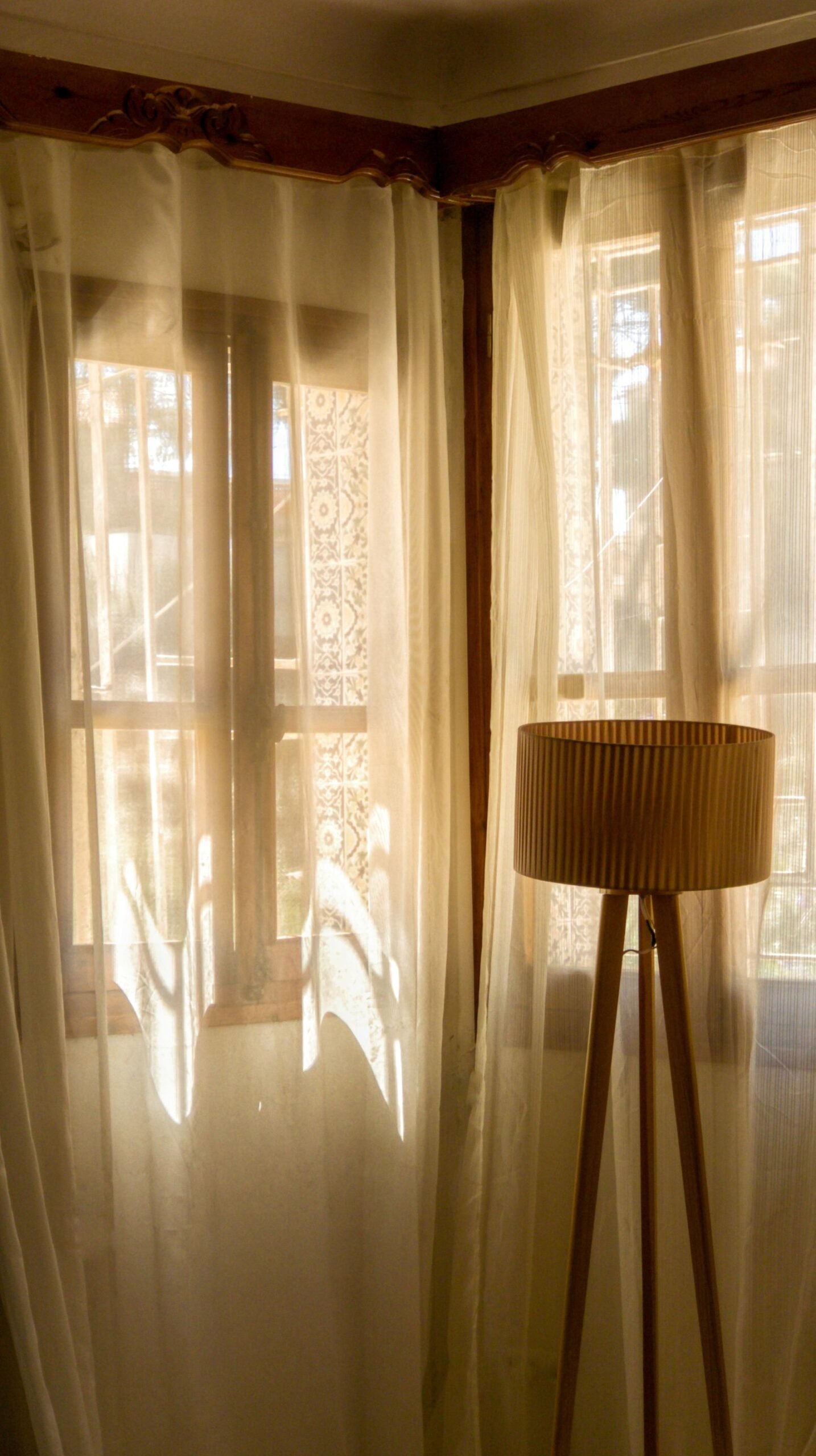
Vintage windows and doors have a special charm. Clean the glass, polish the hardware and keep the original frames where you can. Sheer curtains let in light without hiding the window. If drafts are a problem, try weatherstripping or storm windows instead of replacing the originals.
Preserve Fireplaces and Mantels
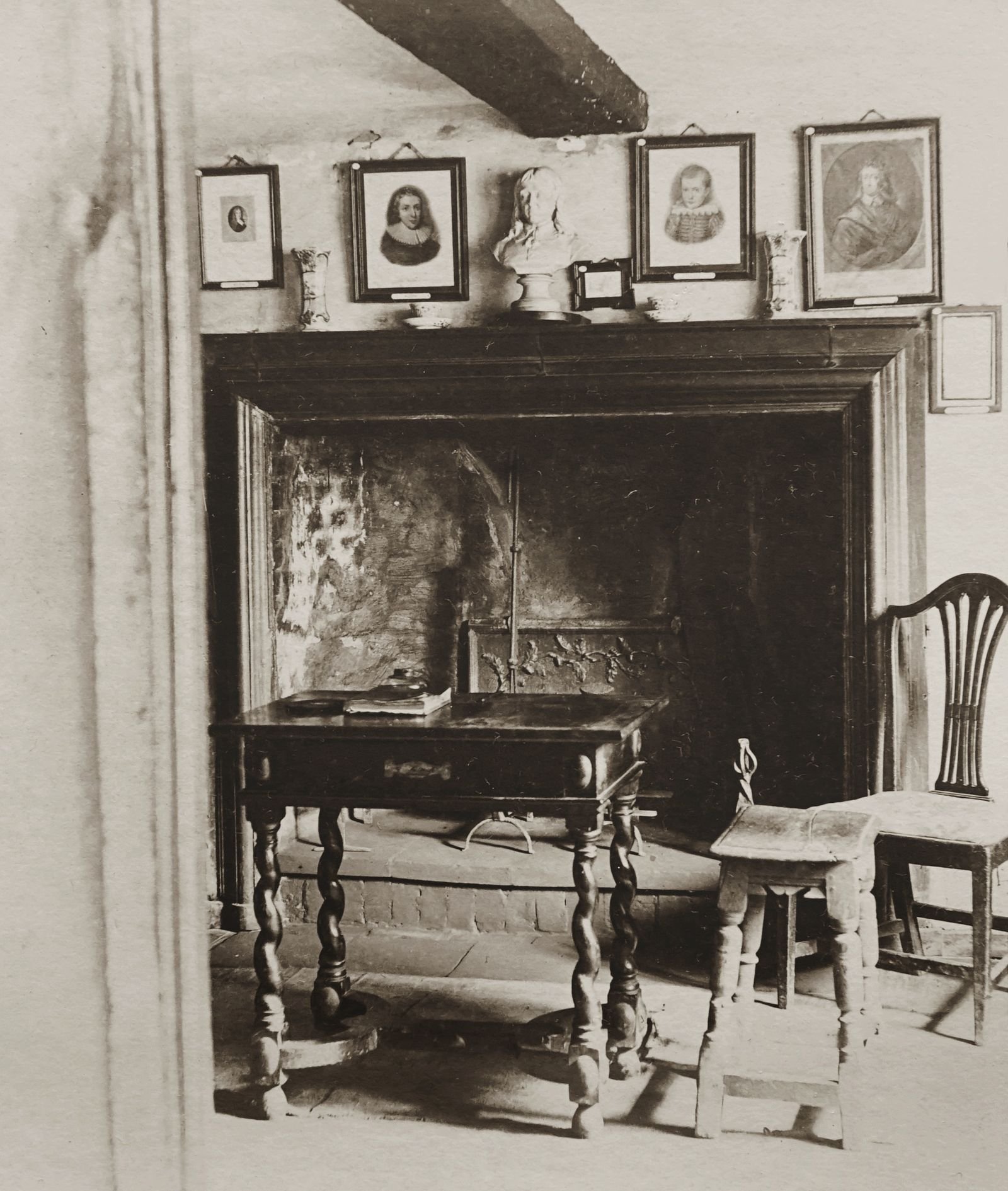
A fireplace is often the focal point of an older home. Keep the mantel and surround in good shape. Remove soot gently without harsh chemicals, and repair cracks with matching materials. Have the chimney inspected before using it. Keep mantel decor simple, such as a mirror, a pair of candlesticks or a bowl of seasonal fruit, so the architecture remains the star.
Choose Timeless Color Palettes
Color sets the mood and highlights the home’s charm. Timeless shades suit vintage features and keep rooms fresh and inviting. Our guide to home decor that never goes out of style has more ideas.
Soft Neutrals and Warm Tones
Beige, cream and light gray create calm and make rooms feel larger and brighter. Soft yellow, muted orange and gentle brown add comfort and flatter wooden floors and vintage furniture. These colors blend easily with old architectural details.
Bold Accents for Contrast
Deep blue, rich green or dark red make strong accents. Paint a single wall or choose a bold piece of furniture. The contrast adds life without overwhelming the space and draws attention to features such as a fireplace or crown molding.
Using Wallpaper With Classic Patterns
Wallpaper adds texture and style. Classic patterns such as florals, stripes or damask match period details and add character. Keep colors soft or neutral for a timeless look. Wallpaper works well in dining rooms, hallways and bedrooms. Old plaster walls may need to be repaired and primed first, or the paper may not stick well.
Mix Antique and Modern Furnishings
Mixing eras gives an older home a lived-in feel. It shows the home’s history and today’s style at once. Combining different periods can be exciting and fresh.
Pair Vintage Pieces With Contemporary Designs
Start with one or two vintage pieces, such as a classic wooden chair or an old cabinet. Then add modern furniture such as a sleek sofa or a glass table. The contrast highlights each piece’s beauty. Keep colors simple so the shapes stand out.
Create Balance With Scale and Texture
Balance large antique pieces with smaller modern ones. A big vintage rug can sit beside a small modern lamp. Texture adds depth, so let rough wood meet smooth metal or soft fabric. The mix feels cozy but not crowded, and it is easy on the eye.
Incorporate Unique Statement Items
Choose one or two statement pieces, such as a bold antique mirror or a modern art piece. They become the focus of the room and show your personality. Pick items that speak to you and to your home’s history.
Enhance Lighting for Ambiance
Lighting shapes the mood in an older home. It adds warmth and shows off architectural details. Many older rooms have few ceiling lights, so layered lamps are especially useful.
Install Period-Appropriate Fixtures
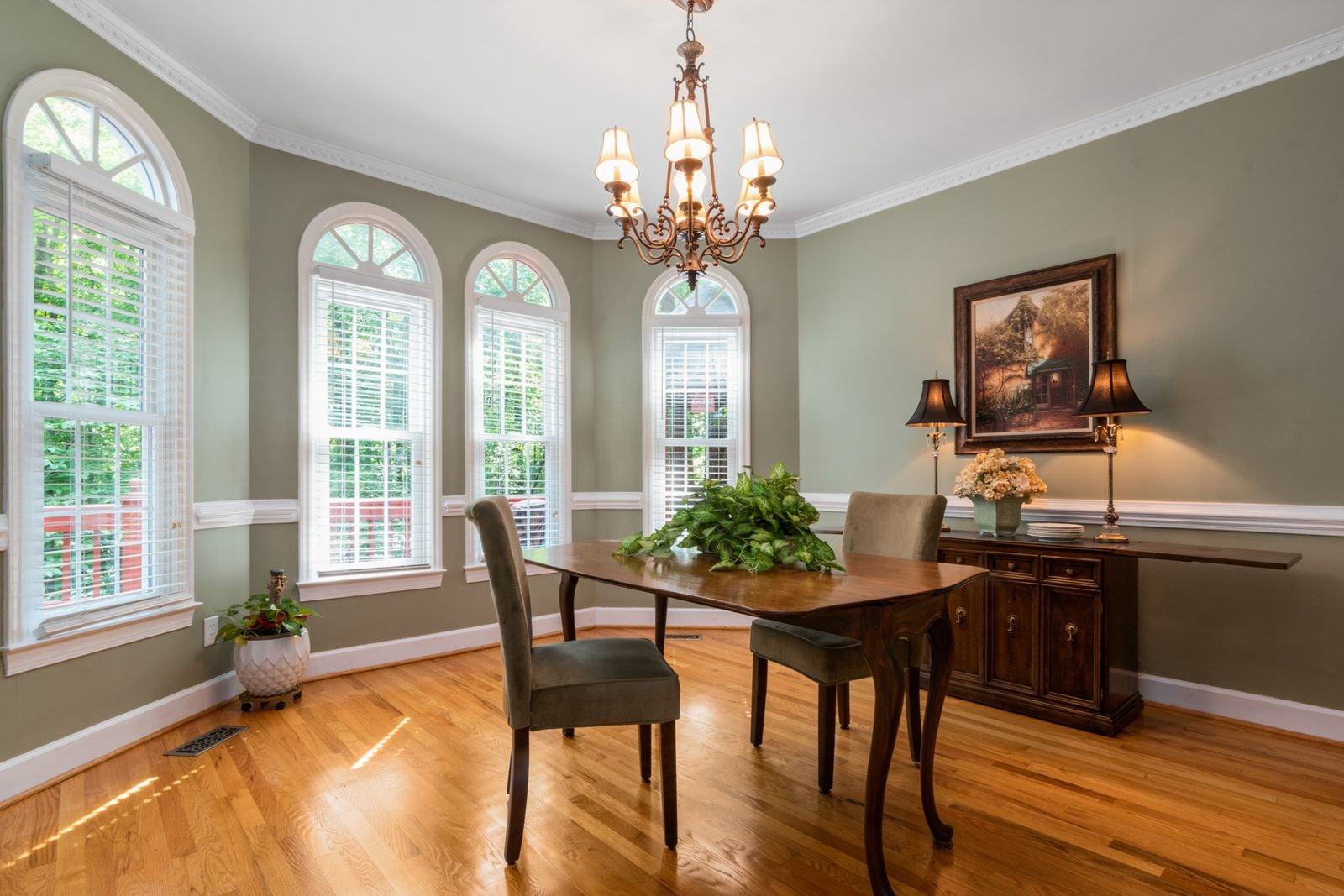
Choose fixtures that match your home’s era. Classic chandeliers, sconces and pendant lights add charm and keep the look authentic. Avoid modern styles that clash with older details. New bulbs in the right warm shade can improve a fixture instantly. Have an electrician check old wiring before you install anything heavy.
Layer Ambient and Task Lighting
Start with soft, general lighting as a warm base. Add task lights near reading or work areas. Table and floor lamps focus light where you need it, and dimmers control brightness for different times of day. Layered light creates depth and comfort.
Use Natural Light to Your Advantage
Let sunlight fill your rooms. Keep windows clean and avoid heavy curtains that block the light. Light, sheer drapes soften the glow. Place mirrors opposite windows to reflect daylight and brighten dark corners.
Incorporate Classic Textiles
Classic textiles bring texture, color and comfort. They suit the home’s character and give rooms a warm, traditional look.
Choose Rich Fabrics and Patterns
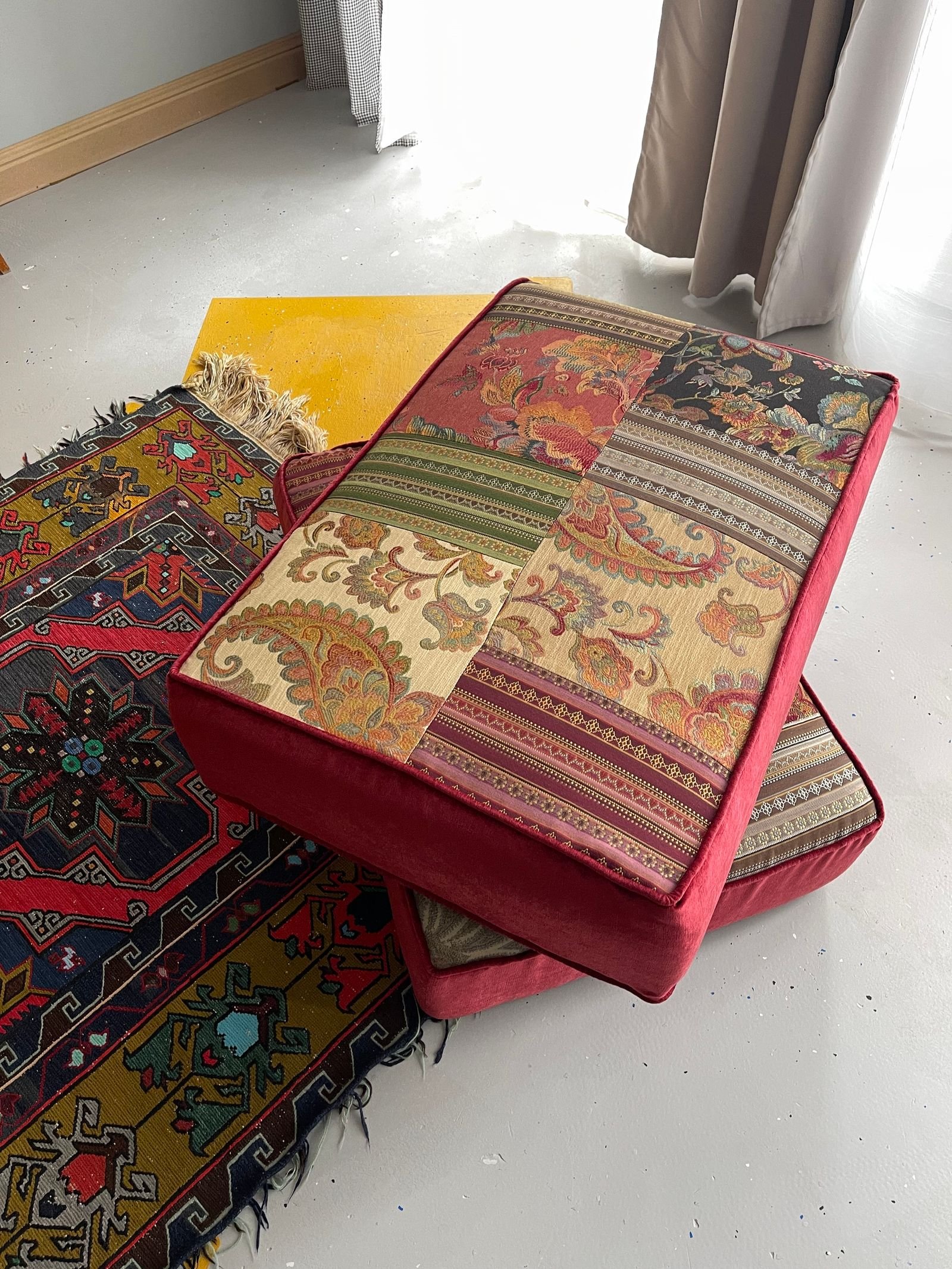
Velvet, silk and brocade give an elegant look and add depth. Patterns such as florals, damasks and stripes fit older homes and reflect classic styles. If you worry about wear, use these fabrics on cushions and curtains first.
Use Rugs to Anchor Spaces
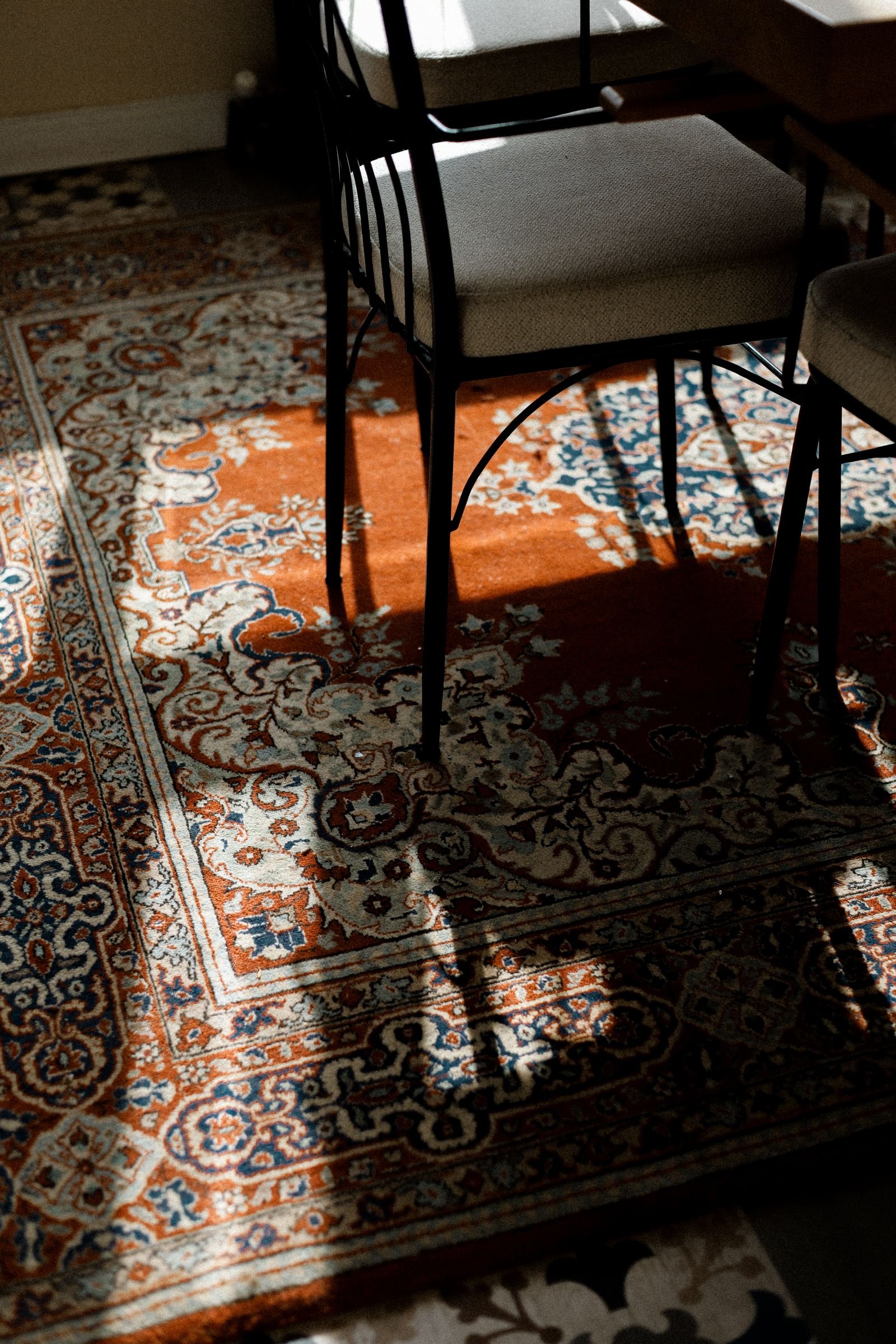
Rugs define areas in large or open rooms. Persian and Oriental rugs have a timeless appeal and protect hardwood floors. Layering rugs creates a unique style and adds softness underfoot. Choose a rug large enough for the front legs of the furniture to sit on it.
Add Throw Pillows and Curtains
Throw pillows are an easy way to update a sofa or chair. Mix sizes and patterns for balance. Curtains in linen or heavy cotton frame windows beautifully, and tiebacks add a vintage touch and let in more light.
Update Kitchens and Bathrooms Thoughtfully
Kitchens and bathrooms need to work well, but they should still feel true to the house’s age. Thoughtful updates keep them useful and charming.
Maintain Vintage Charm With Modern Functionality
Keep the classic look and add practical features. Old cabinets can get a fresh coat of paint, and new appliances can fit in without changing the style. Let the past show while making daily tasks easier.
Select Classic Fixtures and Hardware
Choose faucets, knobs and lights with a timeless look. Brass or bronze finishes suit older homes. Pick designs that match your house’s era. These small details keep rooms feeling authentic and warm.
Blend Old and New Materials
Mix traditional materials such as wood and tile with modern ones. Natural stone countertops go well with vintage-style tiles. This mix creates balance and honors the home’s past while welcoming current trends. For help with a house of a particular style, see our guide to decorating a Craftsman home.
Create Cozy and Inviting Spaces
Older homes deserve to feel welcoming and lived in. Small changes can make rooms brighter and friendlier. Think about how people will use each space.
Arrange Furniture for Conversation
Place chairs and sofas facing each other to invite talk, and avoid pushing every piece against the wall. Group seating close but not crowded, and use a rug to anchor the area. Keep pathways clear for easy movement.
Add Personal Touches and Artifacts
Display items that tell your story, such as old photos, books or travel souvenirs. Mix vintage finds with new elements for balance. Personal touches spark memories and start conversations. Use shelves, tables and walls to show them.
Use Plants and Greenery
Plants add color and freshness and soften hard edges. Choose low-maintenance varieties if you are busy, and place them in corners, on shelves or near windows. See our guide to decorating with plants for more ideas.
Maintain Exterior Appeal
The outside gives visitors their first impression. Simple steps can refresh the look while respecting the home’s history.
Restore Original Siding and Trim
Check the siding and trim for damage or wear. Repair or replace broken pieces with materials that match the original style. Cleaning the siding brightens the home’s face and protects it from weather.
Choose Period-Appropriate Paint Colors
Choose paint that suits the home’s era. Research popular shades from the time the house was built, since historical societies and paint makers often publish period palettes. Authentic colors enhance the historic look, and a fresh coat makes an old house look cared for.
Enhance Landscaping to Complement Architecture
Design landscaping that fits the home’s style, with plants and flowers common in its period. Simple, tidy gardens highlight the architecture without overwhelming it. Trim bushes and mow lawns regularly.
Frequently Asked Questions
How Can I Keep the Original Charm of an Older Home?
Preserve key features such as woodwork, moldings and fireplaces. Use paint colors that match the period style. These steps keep the home’s historic feel alive.
What Paint Colors Suit Older Homes Best?
Soft neutrals such as beige, cream and light gray work well. They highlight classic details and create a warm, inviting space. Very bright or modern colors may clash with the architecture.
How Do I Choose Furniture for an Older Home?
Pick pieces that match the home’s style and scale. Vintage or antique furniture blends with original features. Keep the space balanced and cozy.
Can Modern Decor Work in an Older Home?
Yes. Mixing old and new adds interest and freshness. Use modern lighting or art to update rooms without losing character. Balance is key to avoiding clashing styles.
What Lighting Works Well in Older Homes?
Warm, soft lighting enhances cozy rooms. Choose fixtures that reflect the home’s era, such as chandeliers or wall sconces. Good lighting highlights beautiful details.
Conclusion
Older homes hold charm and unique character. Embrace their quirks with simple, thoughtful touches, choose colors and furniture that blend old and new, and keep spaces cozy and inviting. Small updates can make a big difference. Celebrate the home’s history while adding your own style.