Eclectic design lets you mix styles, colors and textures in a way that reflects your personality. Done without a plan, it can look chaotic. With a few simple rules, it looks collected and confident.
These five tips show how to mix patterns, blend old and new, use color wisely, choose accessories and keep the whole room flowing. If you are still working out which look suits you, start with our guide to finding your decorating style.
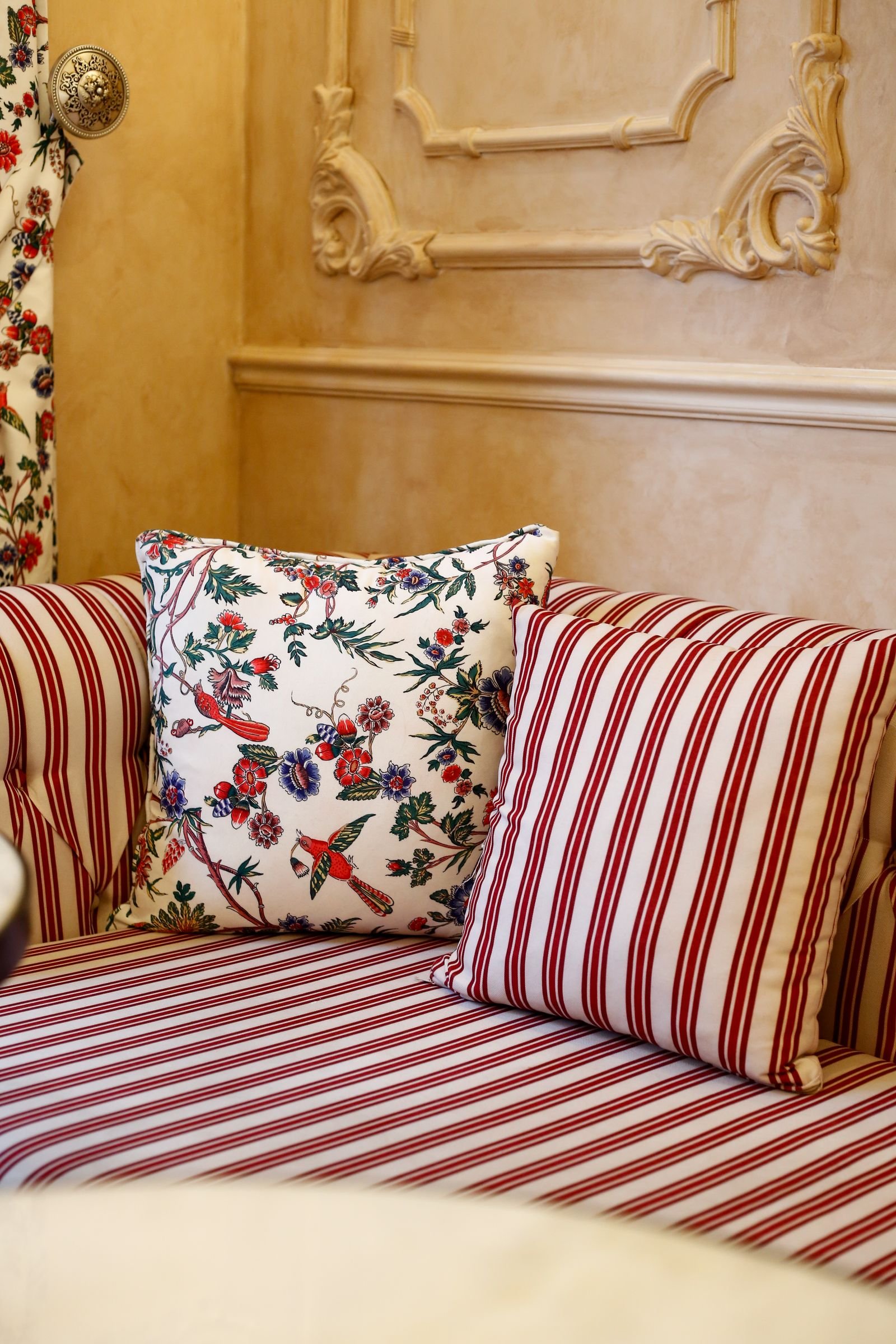
Mix Patterns With Purpose
Patterns add texture and character, but random mixing feels messy. The key is to combine them with a plan.
Balance Bold and Subtle Prints
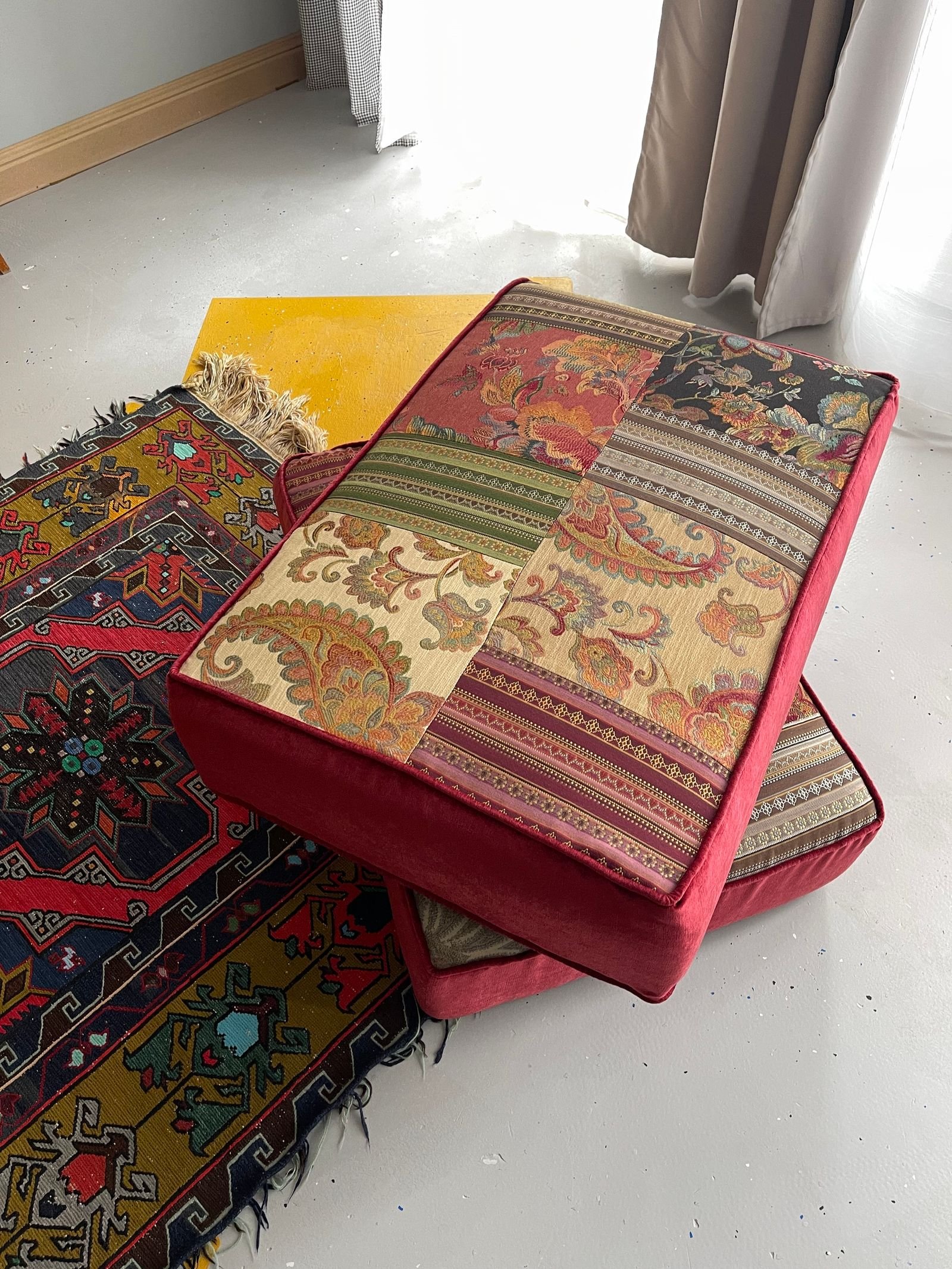
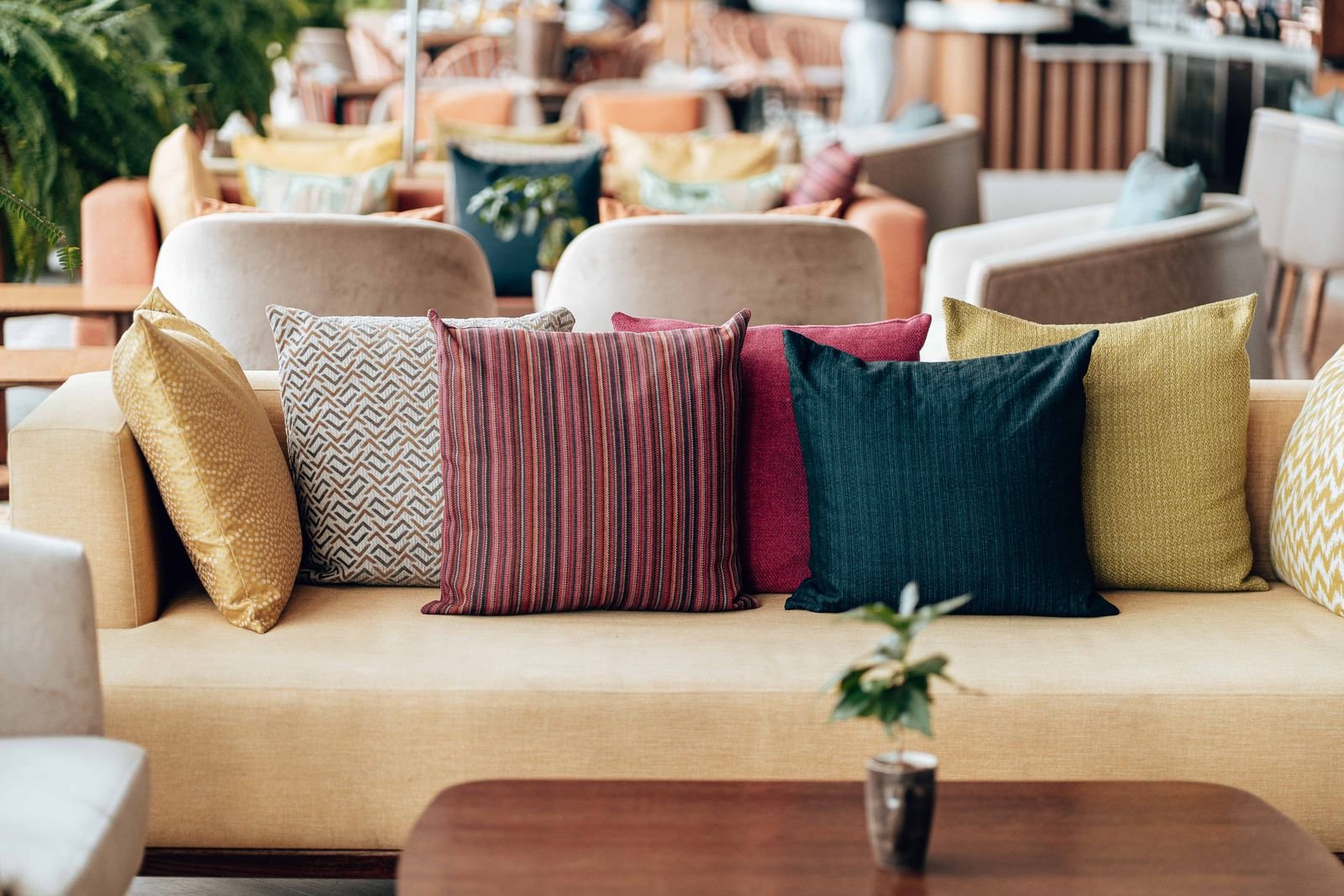
Pair bold prints with quieter ones so the room is not overwhelmed. A large floral works well beside a small geometric. Bold prints catch the eye while subtle prints calm the space. A simple guide is to mix three patterns of different sizes: one large, one medium and one small.
Use a Cohesive Color Palette
Choose two or three main colors and repeat them across your patterns. A shared color makes a mix look planned rather than messy. It also helps the eye travel smoothly through the room. Solid pieces, such as a plain sofa or curtains, give the patterns a place to rest.
Blend Old and New
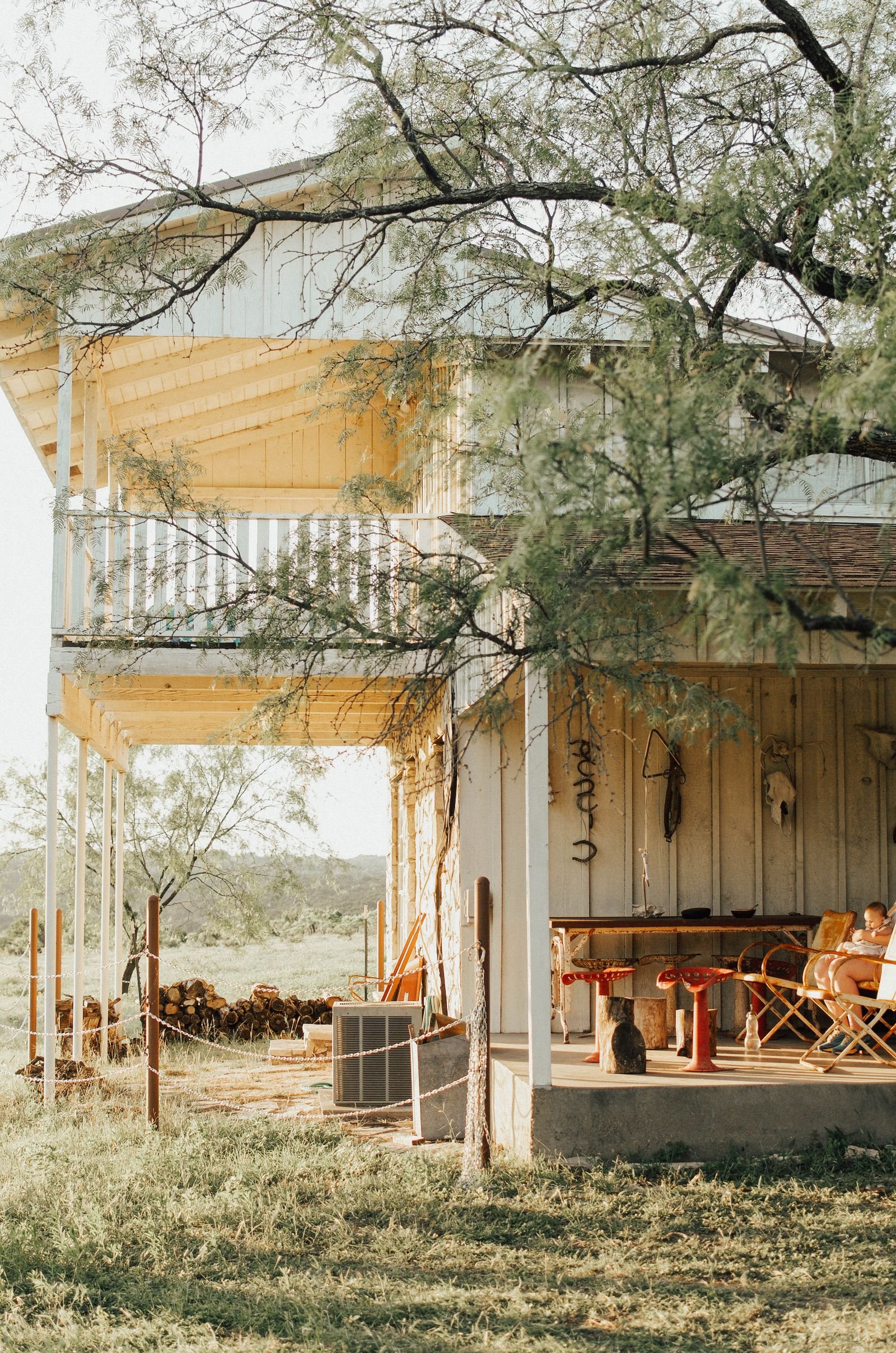
Combining old and new pieces gives a room depth and tells a story. Vintage charm and modern style make each other look better. For a closer look at this pairing, see our guide to vintage modern decor.
Combine Vintage Finds With Modern Pieces
Start with a few vintage items you love, such as a retro lamp or an antique mirror. Pair them with sleek, modern furniture. The contrast highlights the beauty of both. Use vintage pieces as focal points and surround them with clean, simple designs.
Do not crowd the room with too many old items. Let each piece breathe. The blend should feel personal and inviting, not like an antique shop.
Create Contrast Through Texture
Texture is a big part of the mix. Combine rough and smooth surfaces for interest, such as a soft velvet chair beside a metal table, or a wooden chest topped with a glass vase. Different textures add layers and make a room feel cozy. Think about how things feel to touch as well as how they look.
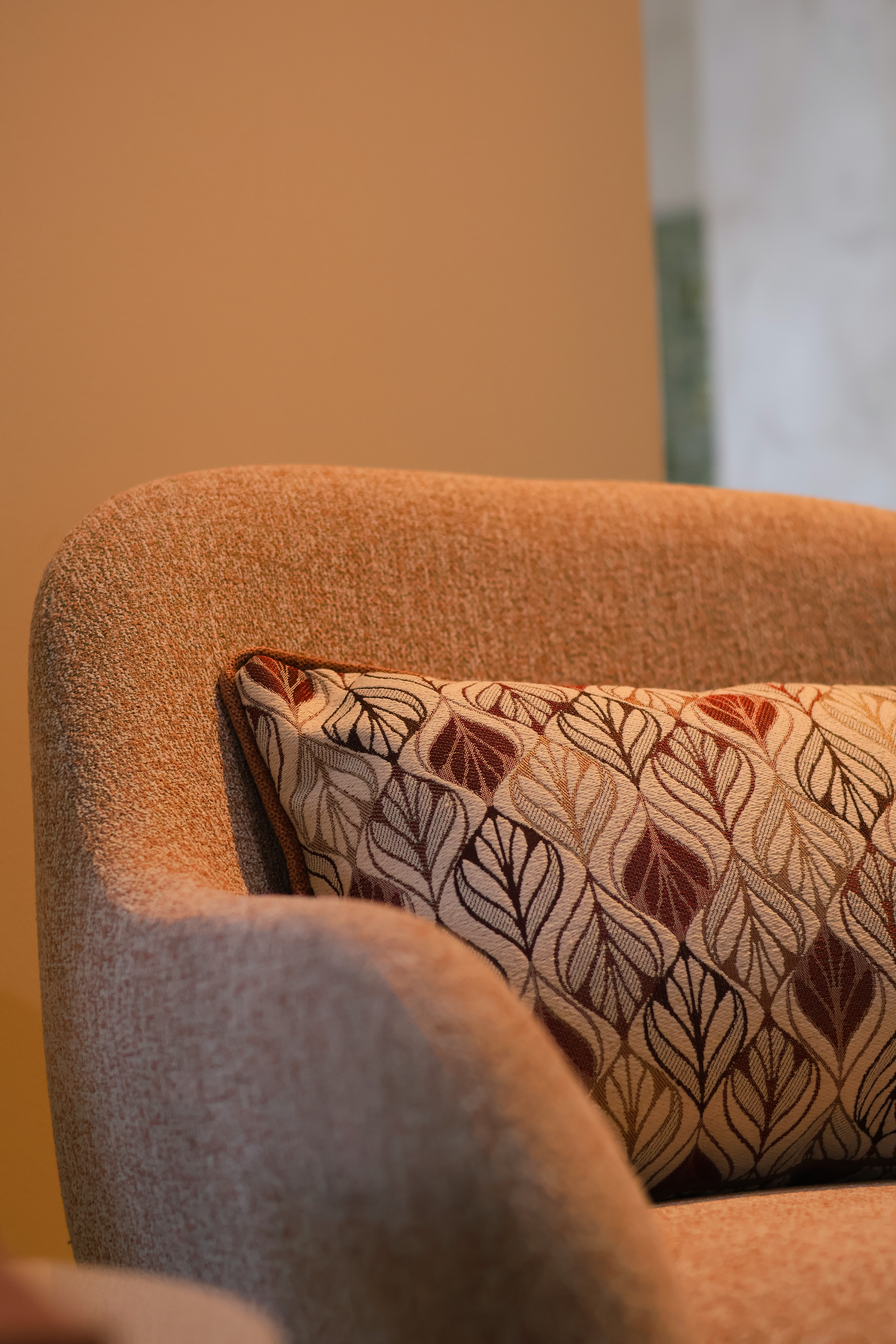
Play With Color Wisely
Color brings life and energy to an eclectic room, but too many colors compete with each other. Choose them with care.
Choose a Dominant Color
Start with one strong color to lead the look. It sets the mood and ties the elements together. Pick a shade you love and use it on large surfaces such as walls or big furniture pieces. This creates a calm base for other colors to play against.
Incorporate Accent Shades
Add smaller pops of color for excitement and depth. Accents should suit the main color but stand out enough to be noticed. Use them on pillows, rugs and artwork. Limit yourself to three or four accent colors to avoid clutter. If you are unsure, take your accent colors from a favorite piece of art or a rug already in the room.
Curate Unique Accessories
Accessories add personality and charm. They reflect your taste and make a room feel lived in. Choose items that tell a story or catch the eye, rather than buying filler to fill space.
Select Statement Art and Decor
Pick art and decor that stand out. Bold paintings, unusual sculptures and vintage posters all work. They draw attention and set the tone for the room. Do not be afraid to mix styles or colors, and choose pieces that start a conversation. A single large piece often has more impact than many small ones.
Mix Materials and Finishes
Combine wood, metal, glass and fabric for depth. Matte and shiny surfaces side by side add interest, and soft and hard textures balance each other. This variety keeps the design fresh and makes the room feel carefully curated, not random. For more ideas on lasting looks, see our overview of popular interior design styles.
Maintain Visual Flow
Visual flow helps the eye move smoothly from one area to another. It keeps the room from feeling cluttered and creates unity, even when the styles and colors are varied.
Use Repetition to Tie Elements Together
Repeat colors, shapes or patterns across the room. This creates a rhythm that guides the eye. For example, use the same color in pillows, a rug and a piece of art. Repetition brings harmony without making the design look too matchy.
Balance Scale and Proportion
Furniture and decor should fit the space well. Mix large and small items so the room is not overwhelming. A big sofa pairs well with smaller side tables, and a tall lamp can balance a low bookshelf. Balanced sizes help different styles blend and keep the room easy to move through.
Pull It Together With Lighting
Warm, layered lighting unifies a mixed room. Combine a ceiling fixture with table and floor lamps, and use warm white bulbs throughout so different finishes look consistent. Lamps with varied shapes are a good way to add eclectic character, as long as the bulbs match. Dimmers let you change the mood from bright and lively to soft and calm.
Mistakes to Avoid
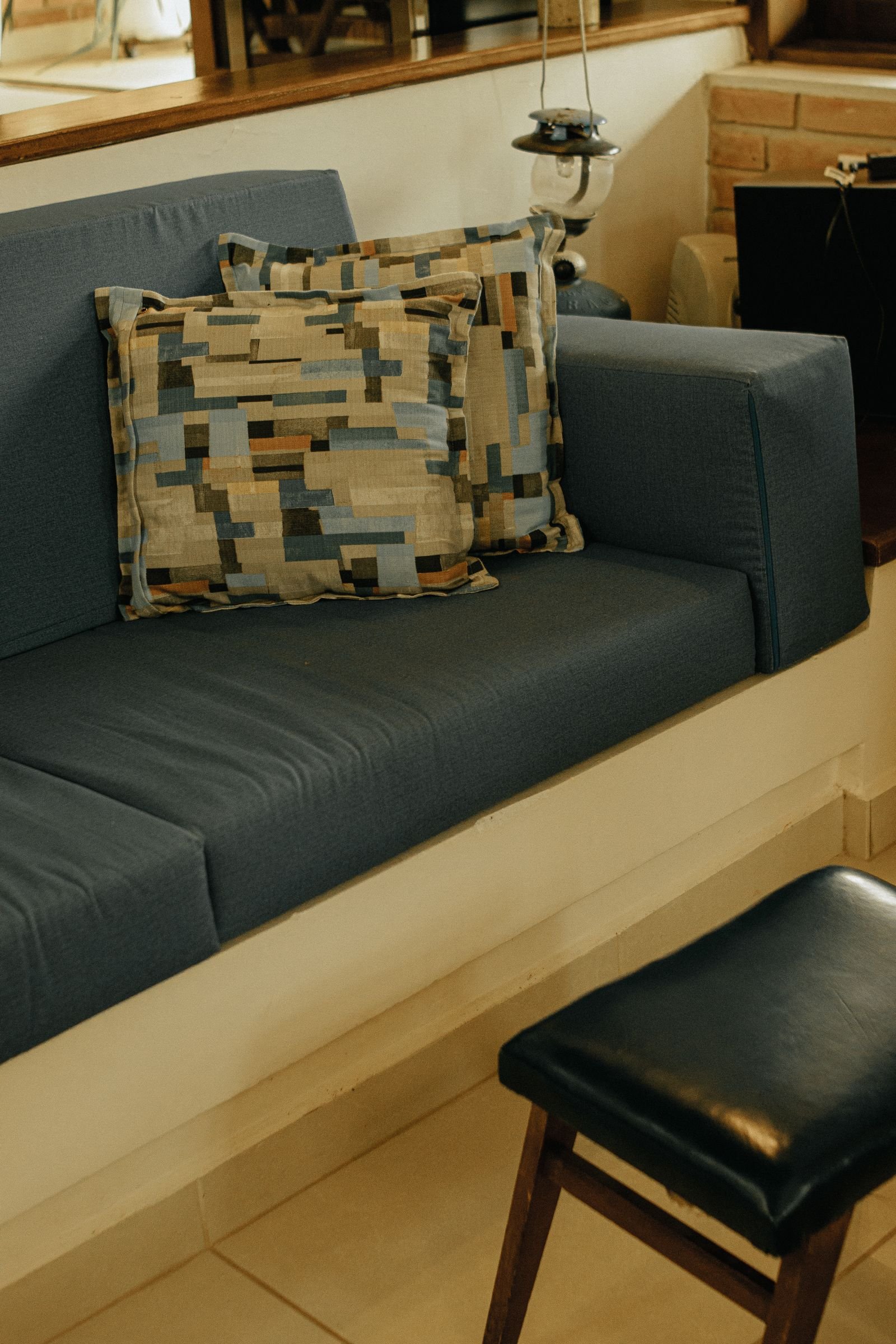
A few common errors can undo an eclectic room. Avoid them and the rest comes easily.
- Using too many patterns at the same scale
- Filling every surface with objects
- Choosing pieces only because they are on sale, with no link to your palette
- Ignoring lighting, which can make colorful rooms feel dim
- Skipping neutral areas where the eye can rest
Edit your room regularly. Remove one item at a time until the room feels right.
Frequently Asked Questions
What Is Eclectic Design in Home Decor?
Eclectic design mixes different styles, colors and textures in one space. It creates a personal look. Balance and harmony are the keys to avoiding clutter.
How Do I Choose Colors for Eclectic Design?
Pick a palette with two or three main colors for unity. Use bright or neutral tones to match your taste. Colors should connect the different elements in the room.
How Do I Mix Furniture Styles Successfully?
Combine old and new furniture that share a shape or color. Keep sizes balanced so the room is not crowded. Contrast adds interest but must feel intentional.
What Role Do Accessories Play in Eclectic Design?
Accessories add personality and tie the room together. Use art, pillows and rugs with varied patterns and textures. Keep them meaningful and avoid having too many.
How Do I Avoid Clutter in Eclectic Design?
Stick to a few statement pieces and edit often. Leave some clear surfaces and quiet areas. Clutter hides your style and makes the room feel small.
Conclusion
Eclectic design lets you mix styles with your own touch. Keep colors balanced and choose pieces that tell a story. Leave room to breathe, and let textures and patterns add life without chaos. Trust your eye, and enjoy building a home that feels like yours.