An eco-friendly kitchen does not have to look plain. With sustainable materials, efficient appliances, smart water habits and a few plants, you can build a kitchen that is stylish, modern and kind to the planet.
This guide covers materials, appliances, water use, decor, waste reduction and greenery. You do not have to do everything at once. Start with the changes that fit your budget, and add more over time. For whole-house ideas, see our guide to eco-friendly house design.
Choose Sustainable Materials
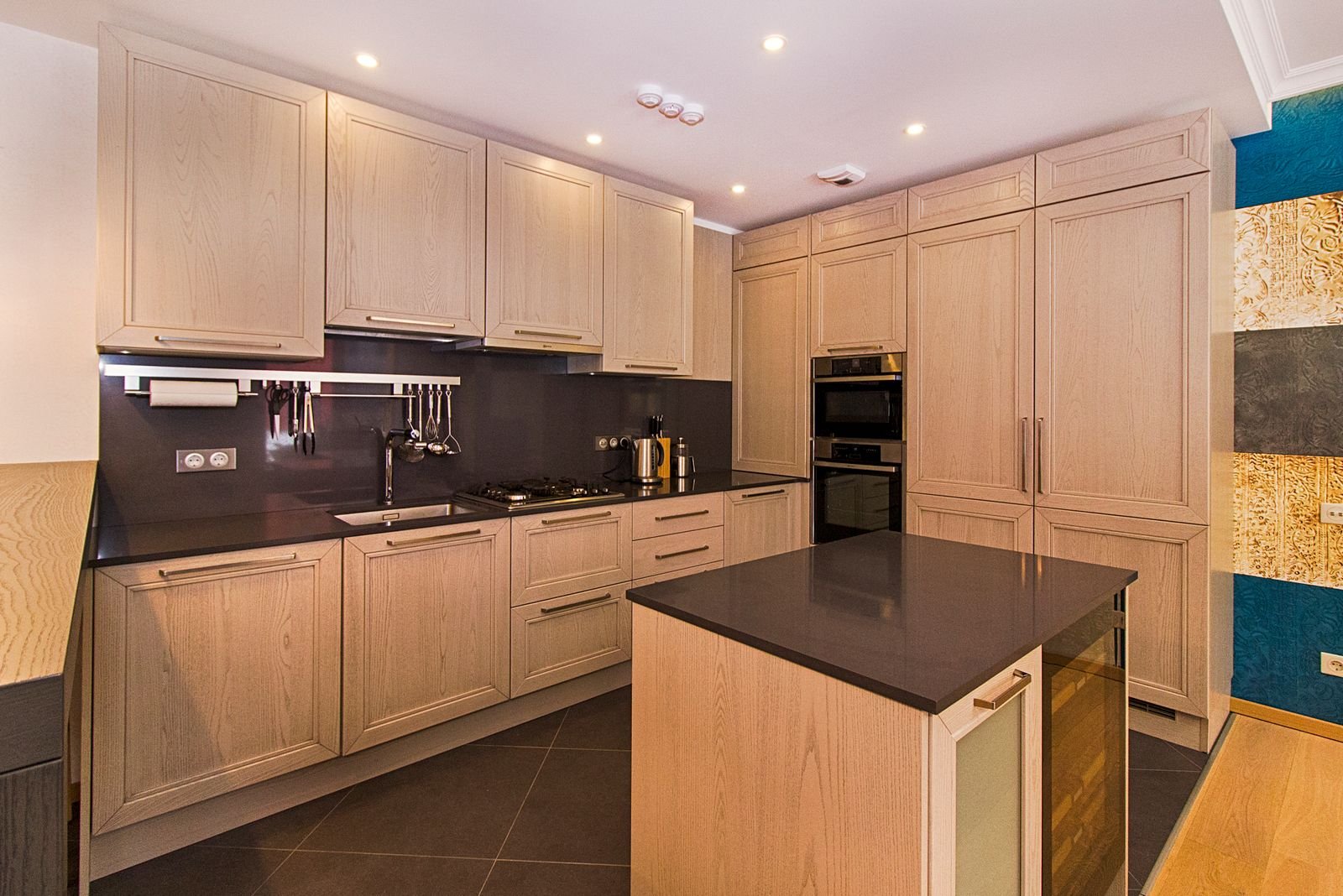
Sustainable materials reduce waste and lower the environmental cost of your kitchen. They also tend to last longer and look warm and natural. Look for renewable or recycled content, and for products from makers who say how they are made.
Eco-Friendly Countertops
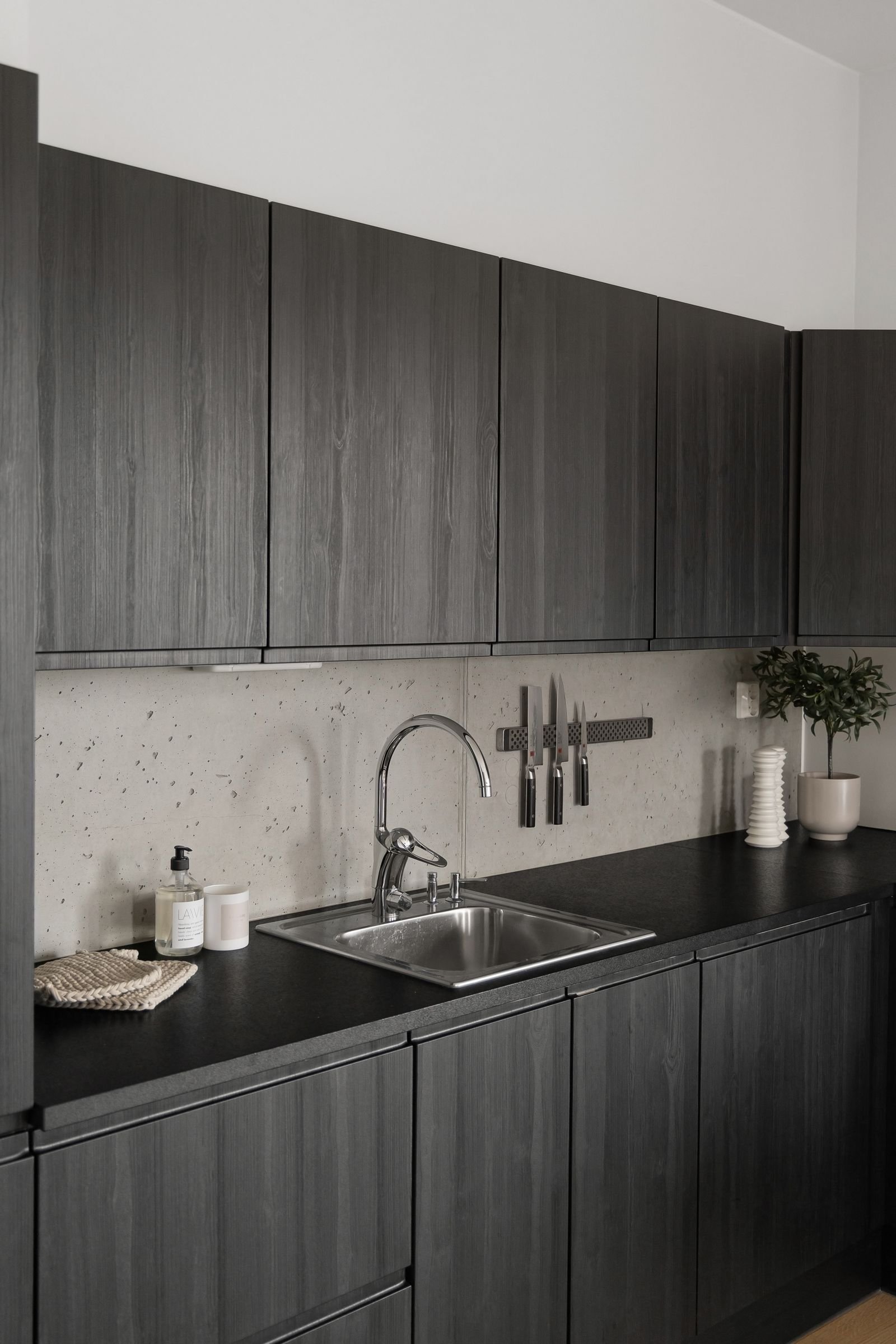
Options include recycled glass, bamboo and concrete made with recycled aggregates. These surfaces are durable and look unique. Ask about low-emission finishes and adhesives, which help keep indoor air healthier. Avoid materials with a heavy mining footprint, and check how each surface needs to be sealed and cleaned.
Reclaimed Wood Cabinets
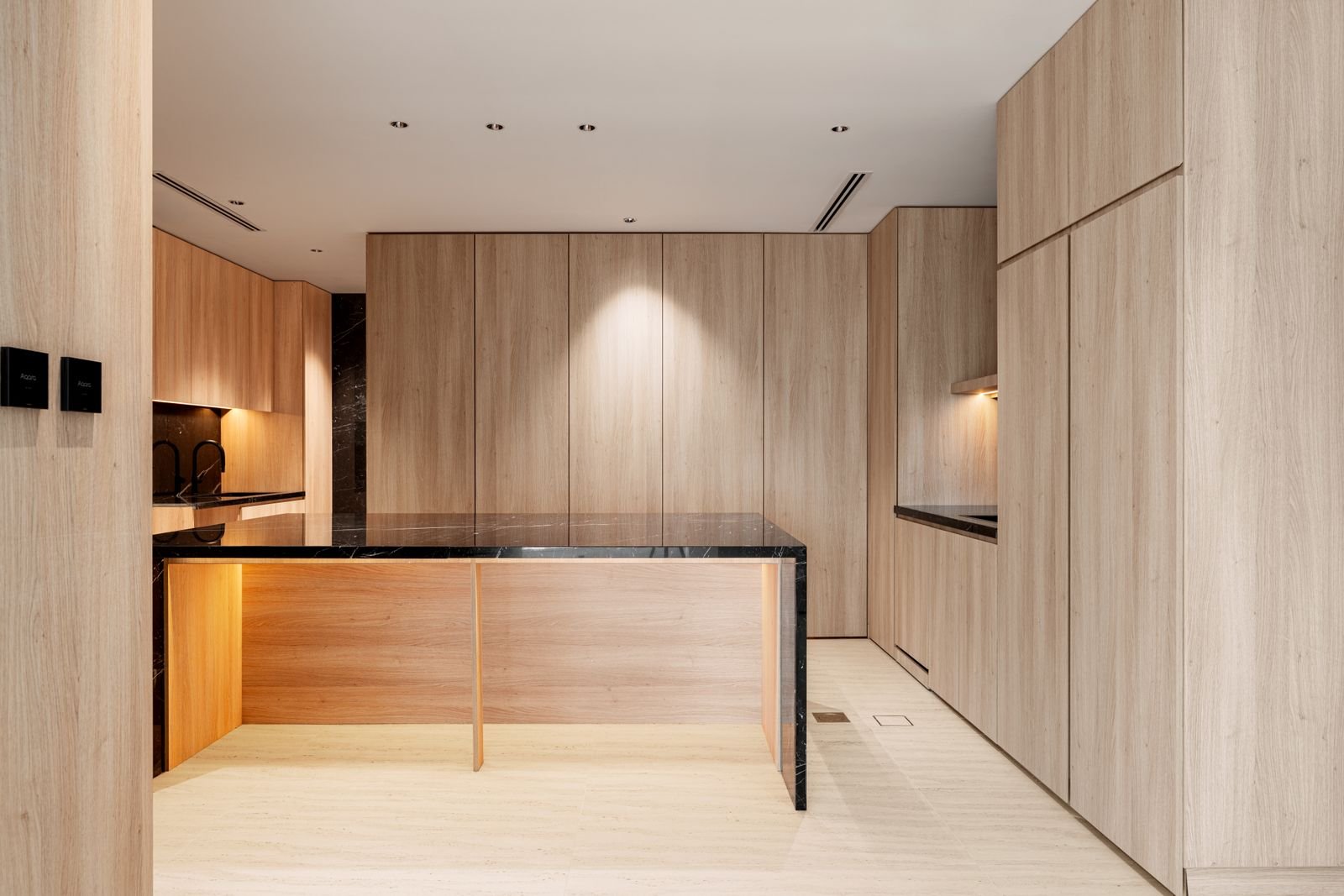
Reclaimed wood comes from old buildings or furniture, so it reuses material instead of cutting new trees. The grain and color give a kitchen warmth and character. Look for seasoned boards, which are less likely to warp, and ask the seller to confirm the wood is free of old finishes that contain lead.
Natural Flooring Options
Cork, bamboo and linoleum are all good eco-friendly choices. Cork comes from tree bark that regrows. Bamboo grows quickly and is hard-wearing. Linoleum is made from natural materials such as linseed oil and wood flour, and it is not the same as vinyl. All three are comfortable underfoot, but wipe up spills quickly and use felt pads under chair legs.
Energy-Efficient Appliances
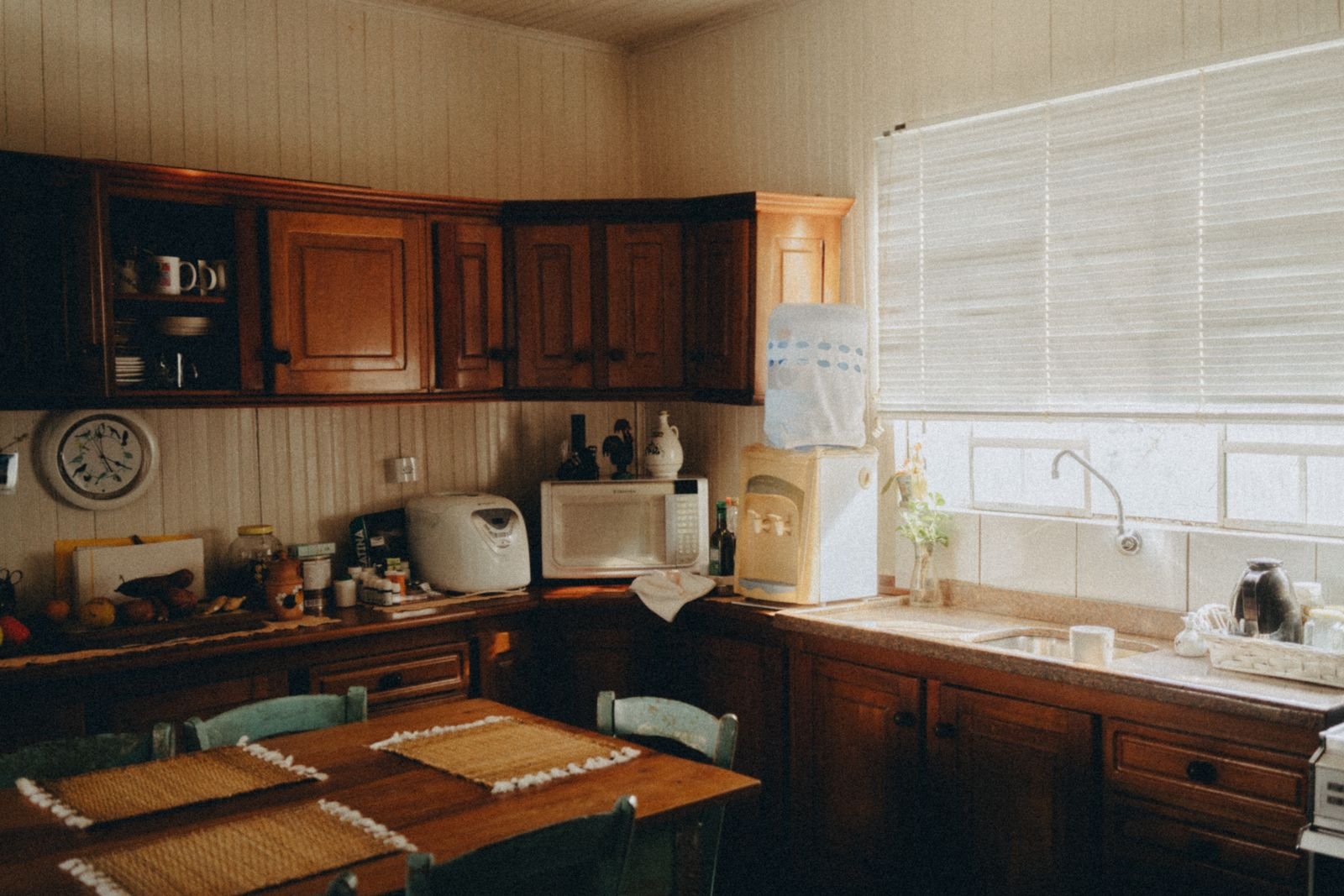
Efficient appliances save electricity and cut bills. They also let you keep a modern kitchen without a big environmental cost.
Look for Energy Star Products
In the United States, the Energy Star label marks appliances that meet energy-saving standards. Look for it on refrigerators, dishwashers and ovens, and compare the yearly energy figure on the label. In other regions, look for the local efficiency rating. An efficient model costs a little more at first but saves money over its life.
Smart Kitchen Gadgets
Smart plugs, programmable slow cookers and connected coffee makers let you schedule use or switch devices off from your phone. This prevents wasted power. Choose gadgets you will actually use, since extra devices add cost and standby energy use.
Reduce Energy Use
Run the dishwasher only when it is full, and avoid preheating the oven longer than needed. Use lids on pots, match pan size to the burner, and thaw food in the refrigerator rather than in hot water. Switch to LED bulbs, and unplug small devices that you rarely use. These small habits add up over a year.
Water Conservation Tips
Saving water helps the environment and cuts your bill. Small changes make a visible difference.
Low-Flow Faucets
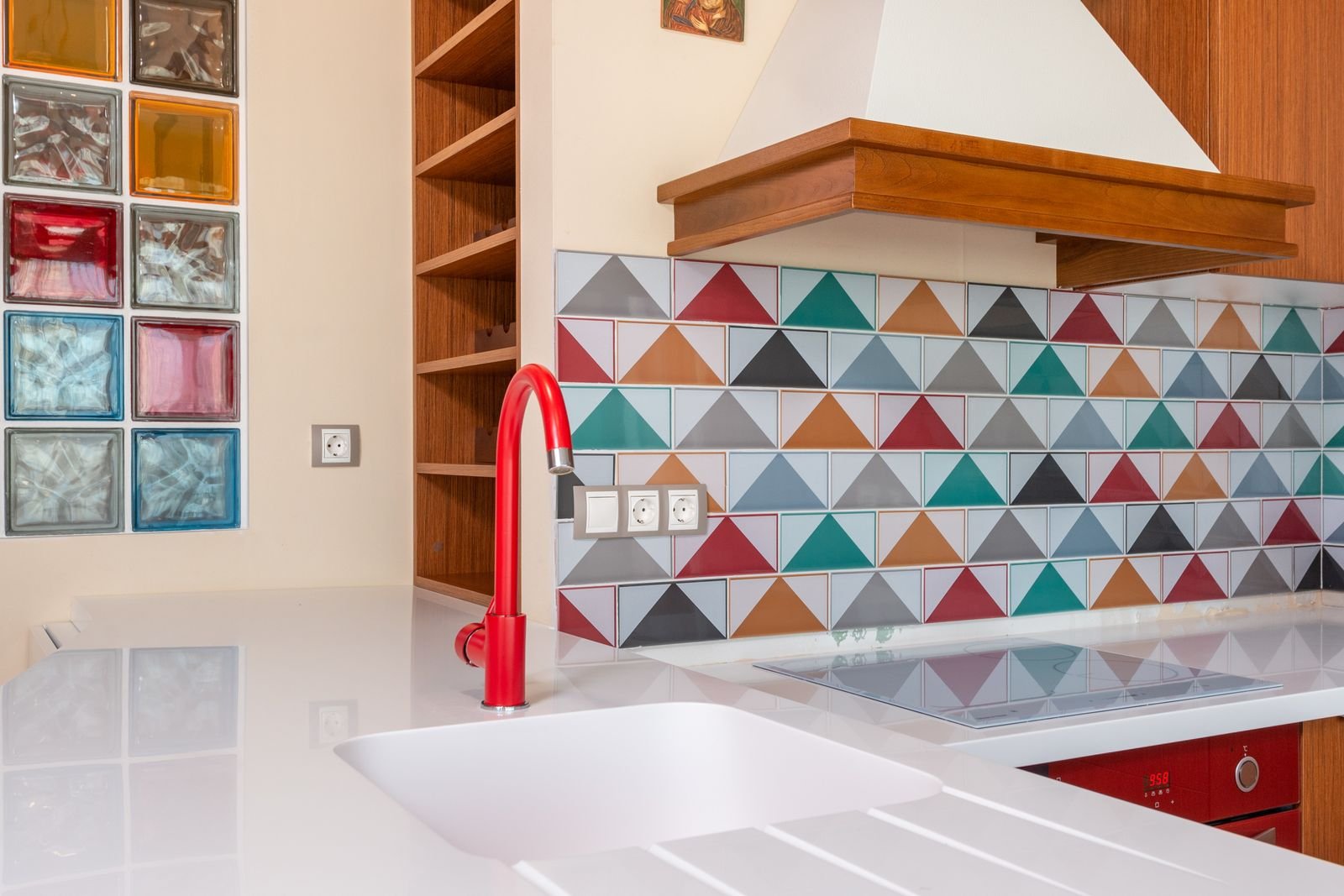
A faucet with an aerator mixes air into the stream, so you use less water while keeping steady pressure. Many styles are easy to install, and they come in modern finishes that suit a stylish kitchen. Look for a flow rate of 1.5 gallons per minute or less.
Efficient Dishwashers
A modern, efficient dishwasher often uses less water than washing by hand, especially if you do not pre-rinse. Run it only when full, and use the eco setting for everyday loads.
Rainwater Collection
A rain barrel connected to a gutter downspout collects water you can use on garden plants and herbs. Keep it covered to stop mosquitoes, and do not use this water for drinking or washing food. Check your local rules before you install one.
Sustainable Decor Elements
Decor choices can lower your impact too. Choose items that last, and avoid those you will replace in a year.
Upcycled Furniture
Upcycling gives old pieces a new life. A refurbished cabinet or a stool made from reclaimed wood adds character and keeps items out of the landfill. A fresh coat of low-VOC paint can make an old table look new.
Organic Textiles
Choose towels, curtains and cushions made from organic cotton, linen or hemp. They are soft, durable and made with fewer chemicals. Look for certification labels such as GOTS if you want proof.
Eco-Friendly Lighting
LED bulbs use much less energy than old incandescent bulbs and last longer. Solar-powered fixtures work well for outdoor spaces near a kitchen door. Make the most of daylight by keeping windows clear and using light, sheer curtains.
Waste Reduction Strategies
Reducing waste keeps the kitchen clean and organized, and it lowers your impact. Focus on a few changes that fit your daily routine. For more help with order, see our tips to organize your kitchen.
Composting Basics
Composting turns food scraps into rich soil. Keep a small lidded bin on the counter for peelings, coffee grounds and eggshells, and empty it often. Avoid meat and dairy in a home bin, since they cause smells and attract pests. Check whether your city offers a food-scrap collection if you have no garden.
Recycling Stations
Set up clearly labeled bins for plastic, paper, glass and metal, close to the trash can. Rinse containers before recycling so food residue does not spoil a whole batch. A well-organized station makes recycling a habit.
Minimize Single-Use Items
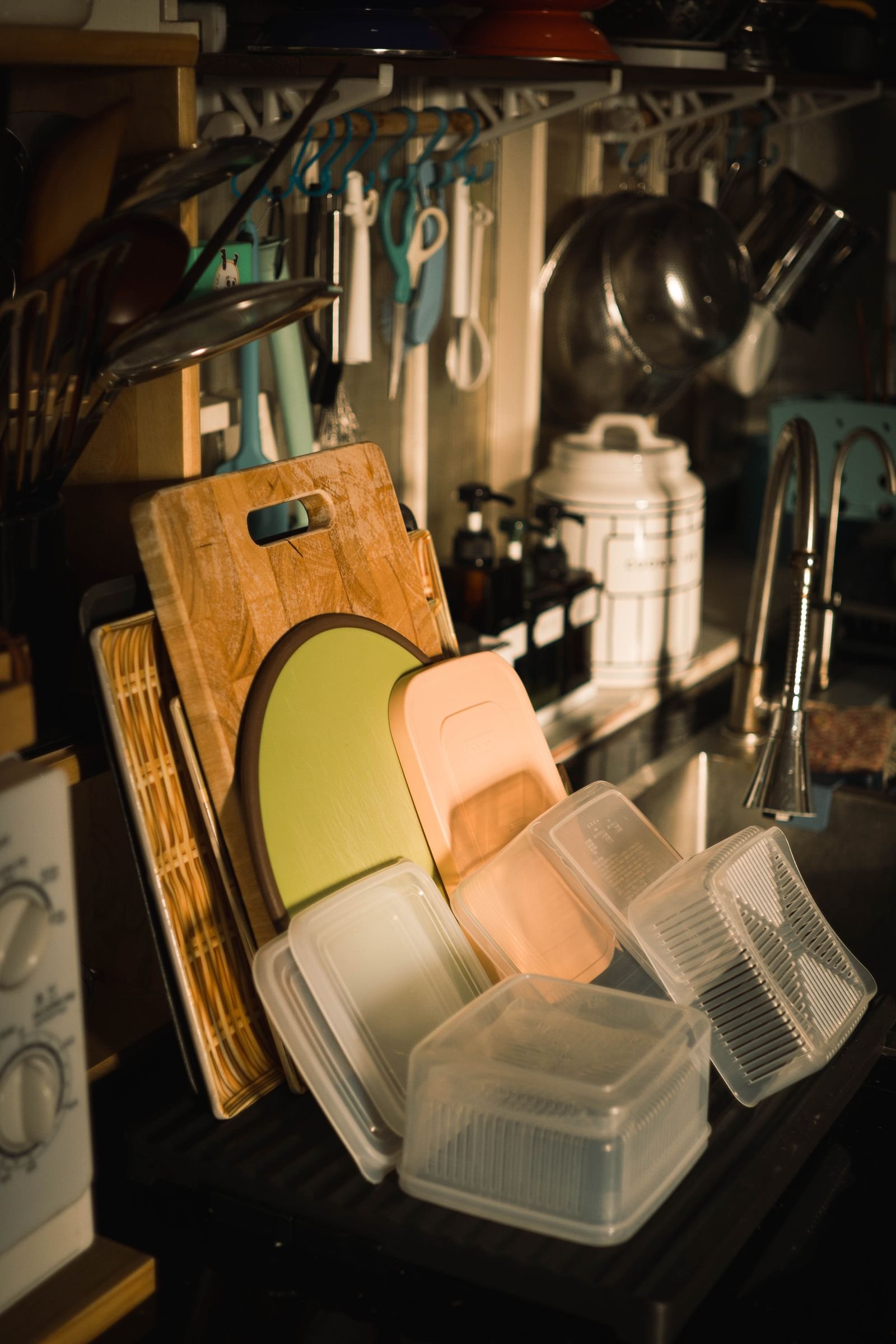
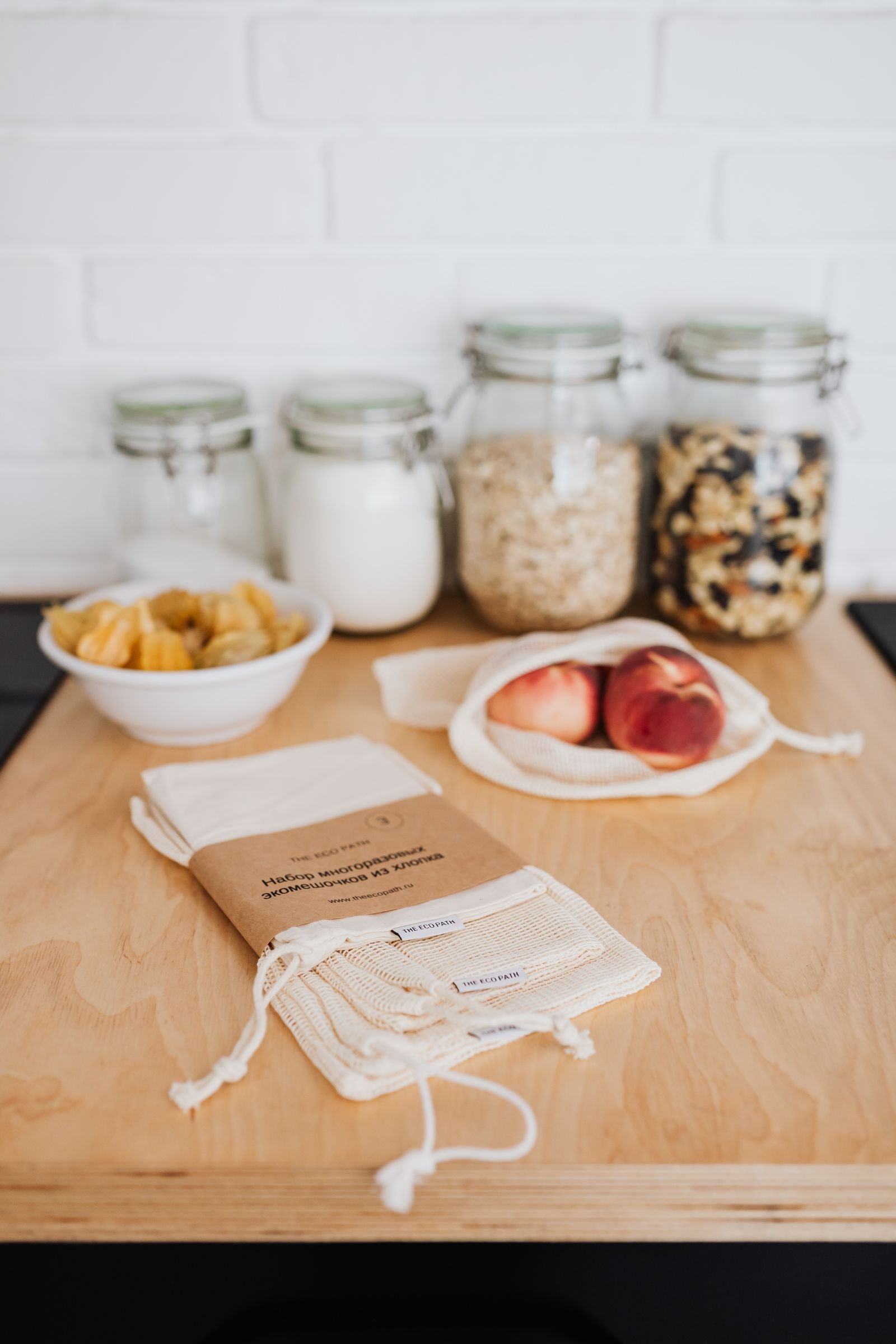
Use cloth towels instead of paper towels, and replace plastic wrap with beeswax wraps or silicone lids. Take reusable bags when you shop, and store food in glass jars. Small swaps save money and reduce waste.
Add Green Plants
Plants bring life and freshness to a kitchen. They create a calm, natural feel, and herbs offer fresh flavor.
Easy-Care Houseplants
Spider plants, snake plants and pothos need little care and grow well indoors. Plants will not clean the air to a measurable degree, but they add color and softness. Peace lilies are toxic to pets, so keep them out of reach of cats and dogs. Our guide to kitchen greenery covers plant care in more detail.
Herb Gardens Indoors
Basil, mint and rosemary add flavor to meals. Growing your own herbs reduces plastic packaging and saves money. Use small pots or a vertical garden, and pick leaves often so the plants stay full.
Plant Placement Tips
Place plants where they get enough light. A south- or east-facing window is best in the northern hemisphere. Avoid harsh midday sun through glass and cold drafts. Group plants with similar water needs, and use shelves or hanging planters to save counter space.

Frequently Asked Questions
What Are the Best Materials for an Eco-Friendly Kitchen?
Bamboo, reclaimed wood, recycled glass and stainless steel work well. They last long and are easy to recycle or reuse. Choose materials with a low environmental impact.
How Can I Save Energy in My Kitchen?
Use efficient appliances and LED lighting. Run the dishwasher only when full, use lids when cooking and turn off devices you are not using.
Which Eco-Friendly Products Should I Buy?
Look for products made from natural, biodegradable or recycled materials. Avoid single-use plastic, and choose reusable containers and cloth towels.
How Do I Reduce Kitchen Waste?
Compost food scraps, recycle packaging correctly and plan meals so food does not spoil. Use cloth bags and containers to cut down on trash.
Can Plants Make My Kitchen More Eco-Friendly?
They add freshness, and herbs reduce the packaging you buy. Plants are not a major air cleaner, but easy-care varieties make the kitchen more welcoming.
Conclusion
A chic eco-friendly kitchen combines natural materials, efficient appliances, careful water use and smart waste habits. Small changes add up, so pick one or two from this list and start there. Over time, you will build a kitchen that looks good, costs less to run and treats the planet well.