A well-organized kitchen saves time, lowers stress and makes cooking more enjoyable. You do not need new cabinets or a big budget. Seven simple habits and a few smart tools can bring order to almost any kitchen.
This guide walks through cabinets, drawers, countertops, the pantry, wall space, cleaning routines and multi-purpose furniture. Start with the area that bothers you most, and work through the rest one weekend at a time.
1. Maximize Cabinet Space
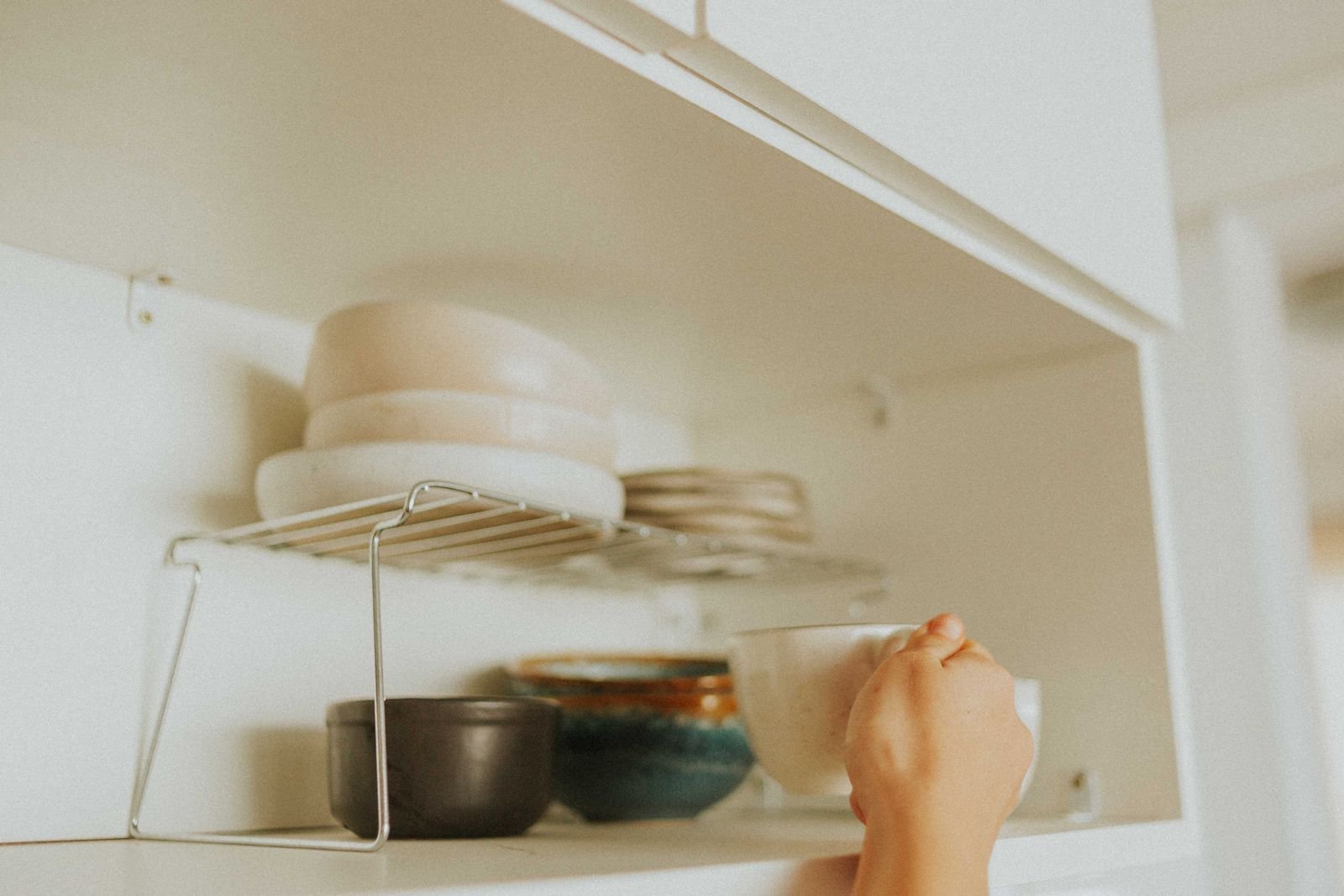
Cabinets often hide wasted space above and behind your dishes. Smart add-ons let you use every inch without buying new furniture.
Use Adjustable Shelves
Adjustable shelves let you change the height inside a cabinet. Move them to fit tall bottles or to stack plates without wasting the gap above. Many cabinets have shelf pin holes, so you can reposition shelves yourself in a few minutes. Shelf risers also add a second level for mugs and bowls.
Add Pull-Out Drawers
Pull-out drawers and sliding trays stop you from digging at the back of a deep cabinet. You can see your pots, pans and spices at a glance. Choose full-extension slides, and check the weight rating, since pots and pans are heavy.
Install Door Racks
The inside of a cabinet door is often unused. A slim rack holds spices, lids, foil or cleaning supplies, and it frees up shelf space. Make sure the rack clears the shelves when the door closes.
Make Use of the Space Under the Sink
The cabinet under the sink is awkward because of the pipes. Use a two-tier organizer that fits around them, and hang spray bottles from a tension rod. Add a small waterproof tray at the bottom to catch leaks, and keep cleaning products out of reach of children.
2. Organize Your Drawers
Drawers fill with utensils and small gadgets. A simple system saves time and reduces frustration.
Use Dividers for Utensils
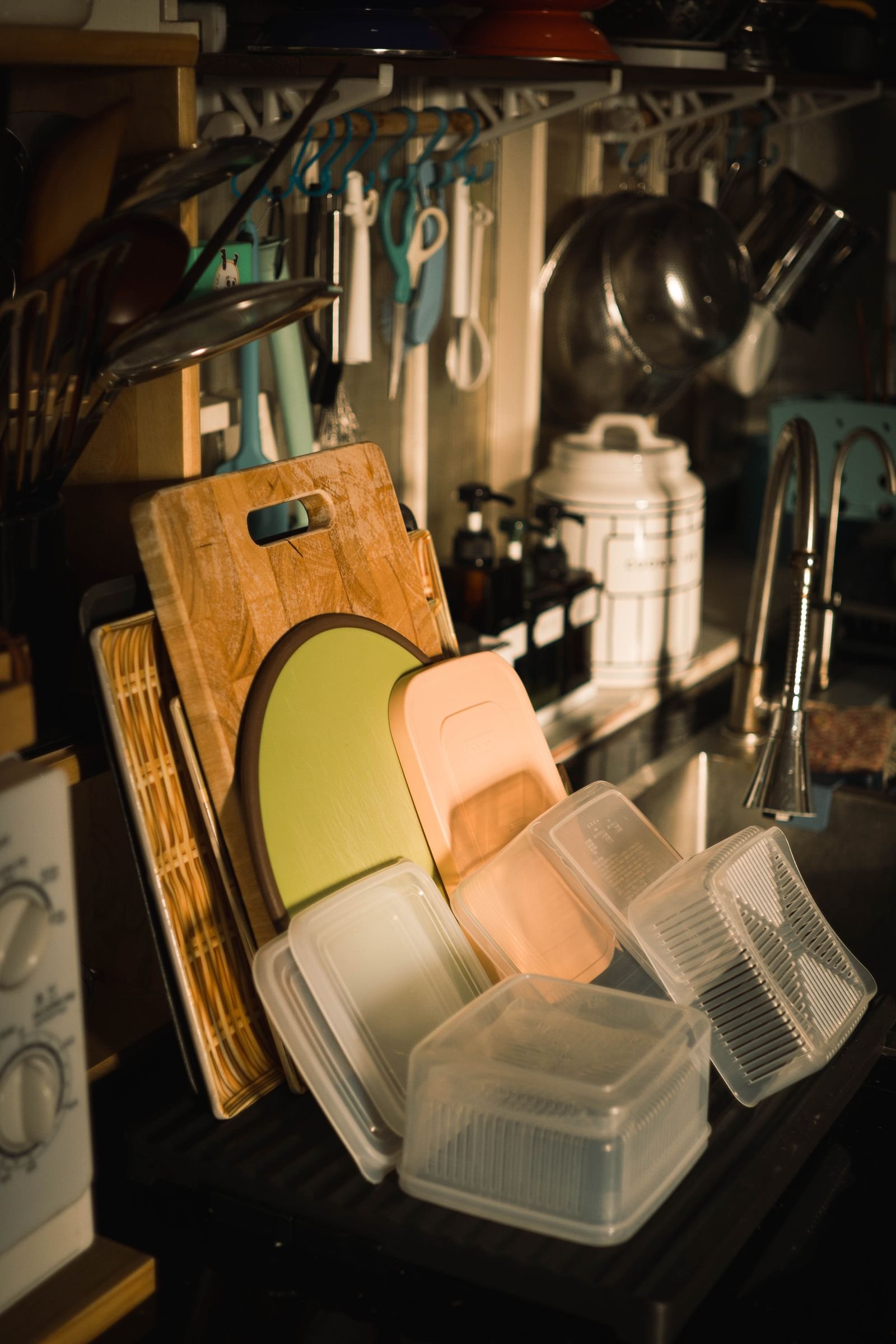
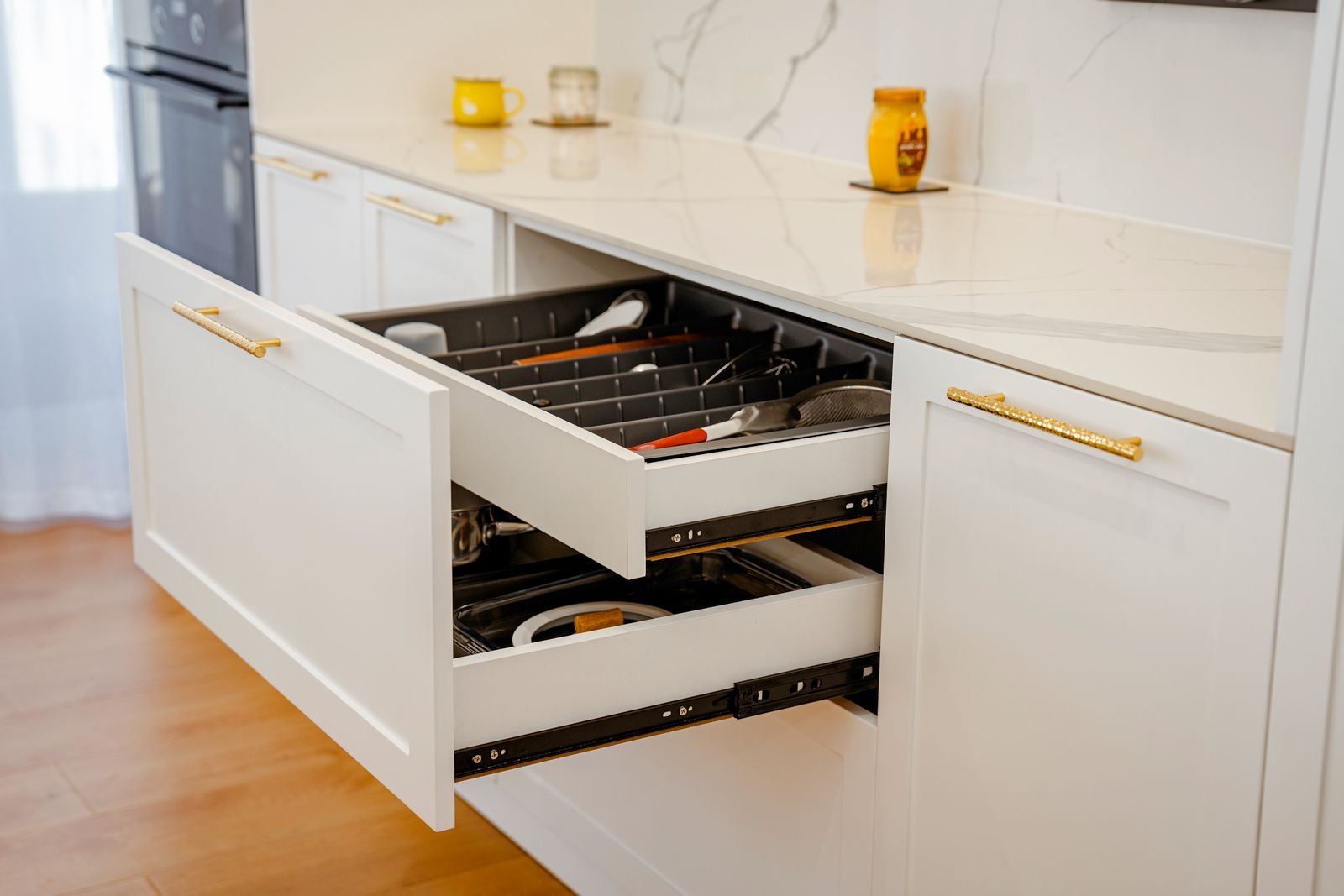
Dividers keep spoons, forks, knives and tools apart. Choose plastic or wooden trays that fit your drawer, or adjustable dividers for different sizes. Measure first, because a loose tray slides around. Dividers also make cleaning easier.
Create Zones for Items
Give each type of item its own zone. Keep cooking tools in one area and baking tools in another. Store the things you use daily at the front and in the top drawers. Keep rarely used items, such as a cake decorating set, in the back or lower drawers. A label helps everyone in the house put things back.
3. Declutter Your Countertops
Clear counters make the kitchen look larger and give you room to work. Clutter slows you down and adds stress.
Limit Small Appliances
Keep out only the appliances you use daily, such as the coffee maker or the toaster. Store the rest in cabinets or on pantry shelves. A multi-use appliance can replace two or three single-purpose ones. If you have not used a gadget in a year, donate it.
Use Vertical Storage
Wall shelves, hooks and racks hold items above the counter. Hang pots, pans and utensils within reach. Vertical storage keeps essentials handy and adds a touch of style. If you like green touches on shelves, see our guide to kitchen greenery.
4. Create a Pantry System
A good pantry system saves time and reduces food waste. When you can see what you have, you buy less of what you do not need.
Label Containers
Use clear, easy-to-read labels on jars and boxes. Write the contents, and add the date you opened them or the expiry date if you decant food out of its package. Labels stop confusion and let everyone find what they need.
Group Similar Items
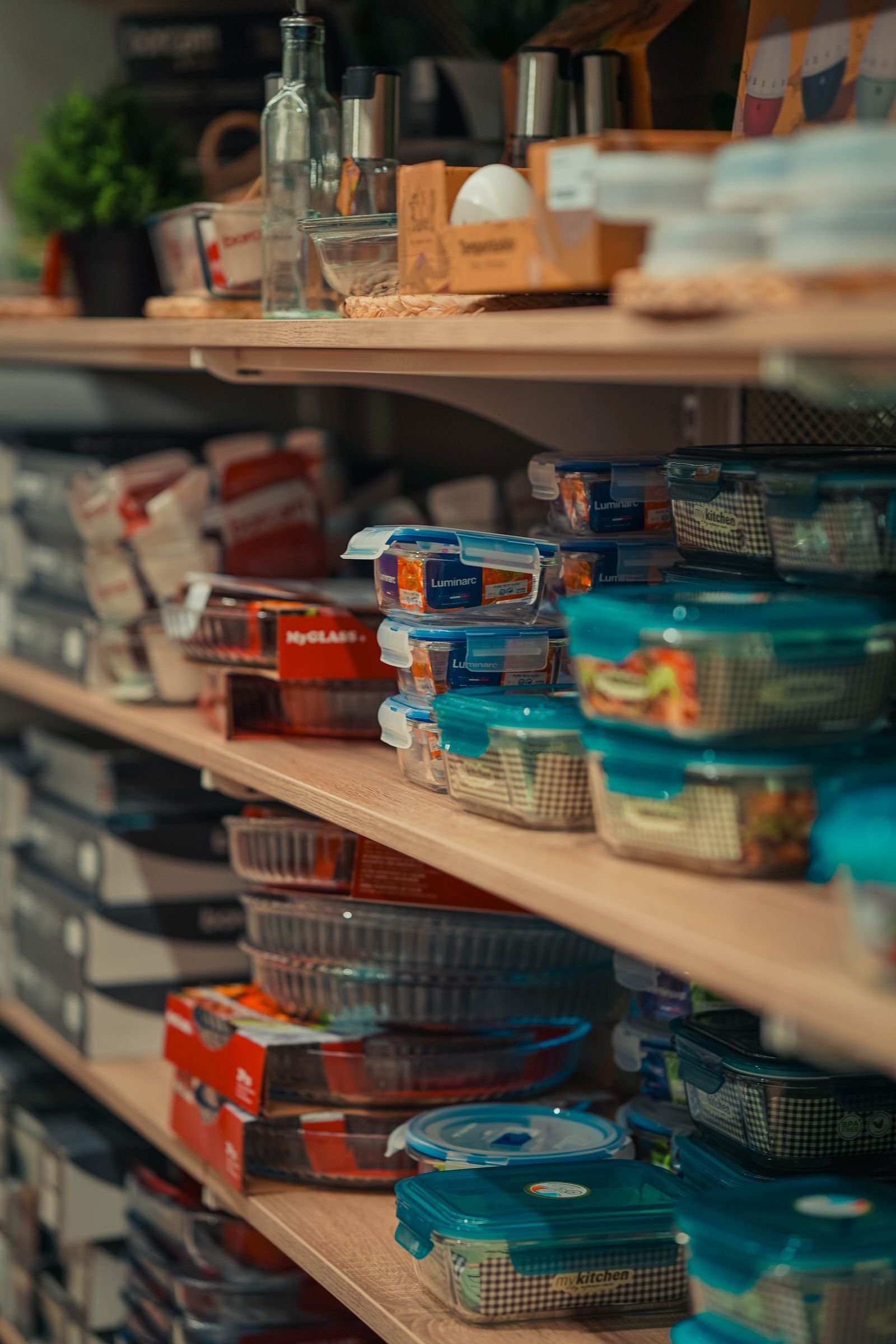
Keep baking supplies in one area, canned goods on another shelf and snacks, grains and spices in their own spots. Put heavy items on lower shelves and everyday items at eye level. Use clear bins so you can see the contents, and place new purchases behind older ones.
Use Turntables and Baskets
A lazy Susan in a corner cabinet or on a shelf brings jars and bottles to you instead of burying them at the back. Open baskets work well for bags of snacks, potatoes and onions, and they are easy to pull out.
5. Use Wall Space
Walls are often empty, and they can hold many useful tools. Using them frees counters and drawers.
Install Hooks and Rails
A rail with hooks is a flexible way to hang pots, utensils, towels and oven mitts. Mount it near the stove or prep area for quick access. Screw rails into wall studs or use proper anchors, because a full rack of pans is heavy.
Hang Magnetic Strips
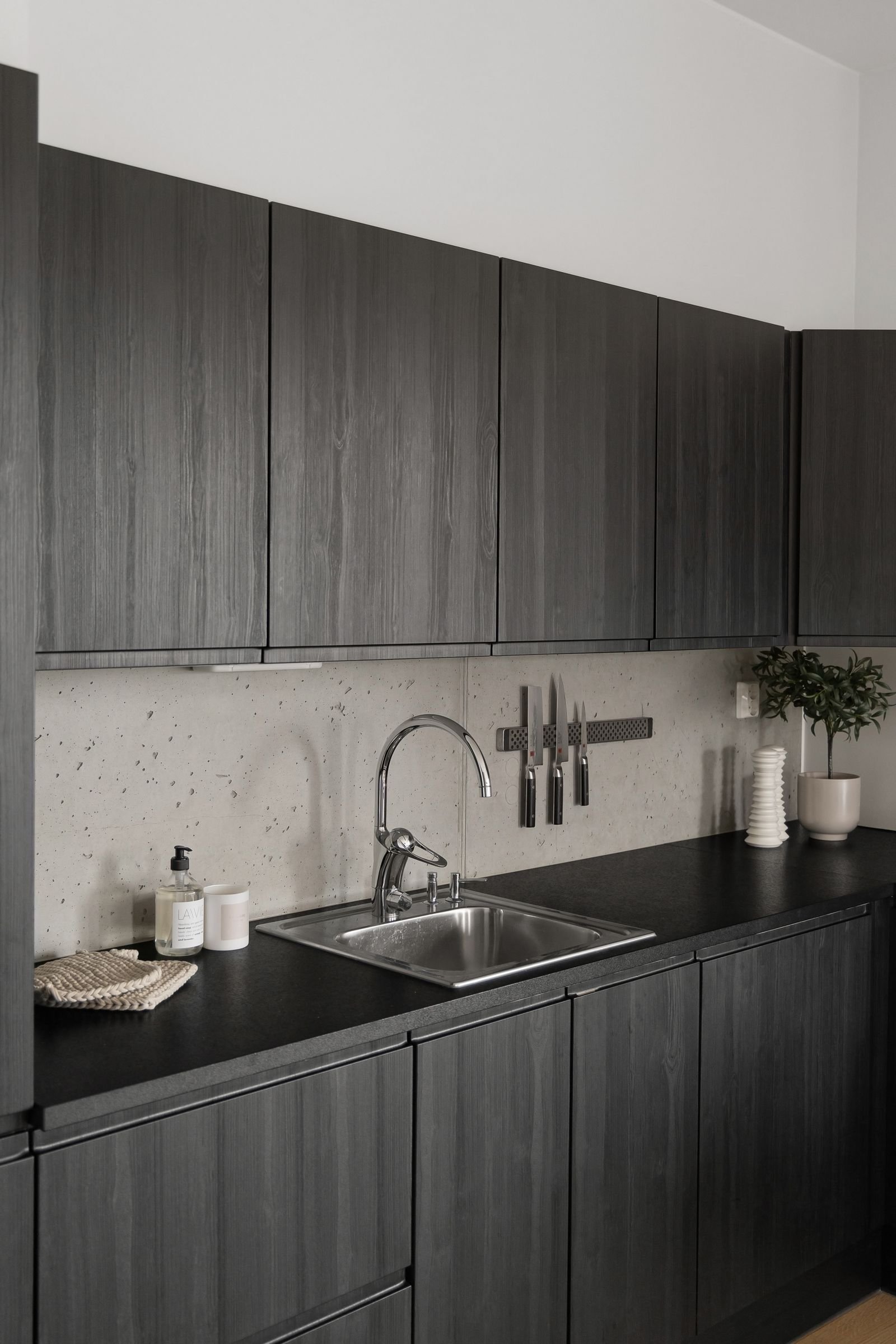
A magnetic strip holds knives and other metal tools securely and keeps sharp blades out of drawers. You can also use one for small metal containers or scissors. Place it where you work most, and keep it out of reach of small children.
6. Keep Up Regular Cleaning
Regular cleaning stops clutter from building up. Small, steady habits save time later.
Schedule Weekly Tidying
Pick one day each week for a short reset. Wipe counters, sweep the floor and put away stray items. Clear crumbs and spills quickly to prevent stains. A weekly routine also makes deep cleaning faster.
Dispose of Expired Items
Check the pantry and the refrigerator regularly for expired food. Throw out anything past its date to avoid smells and waste. Place older items in front so you use them first. For more ways to cut waste, read our guide to a chic eco-friendly kitchen.
7. Choose Multi-Functional Furniture
Furniture that does two jobs saves space and adds storage without clutter.
Use Kitchen Islands With Storage
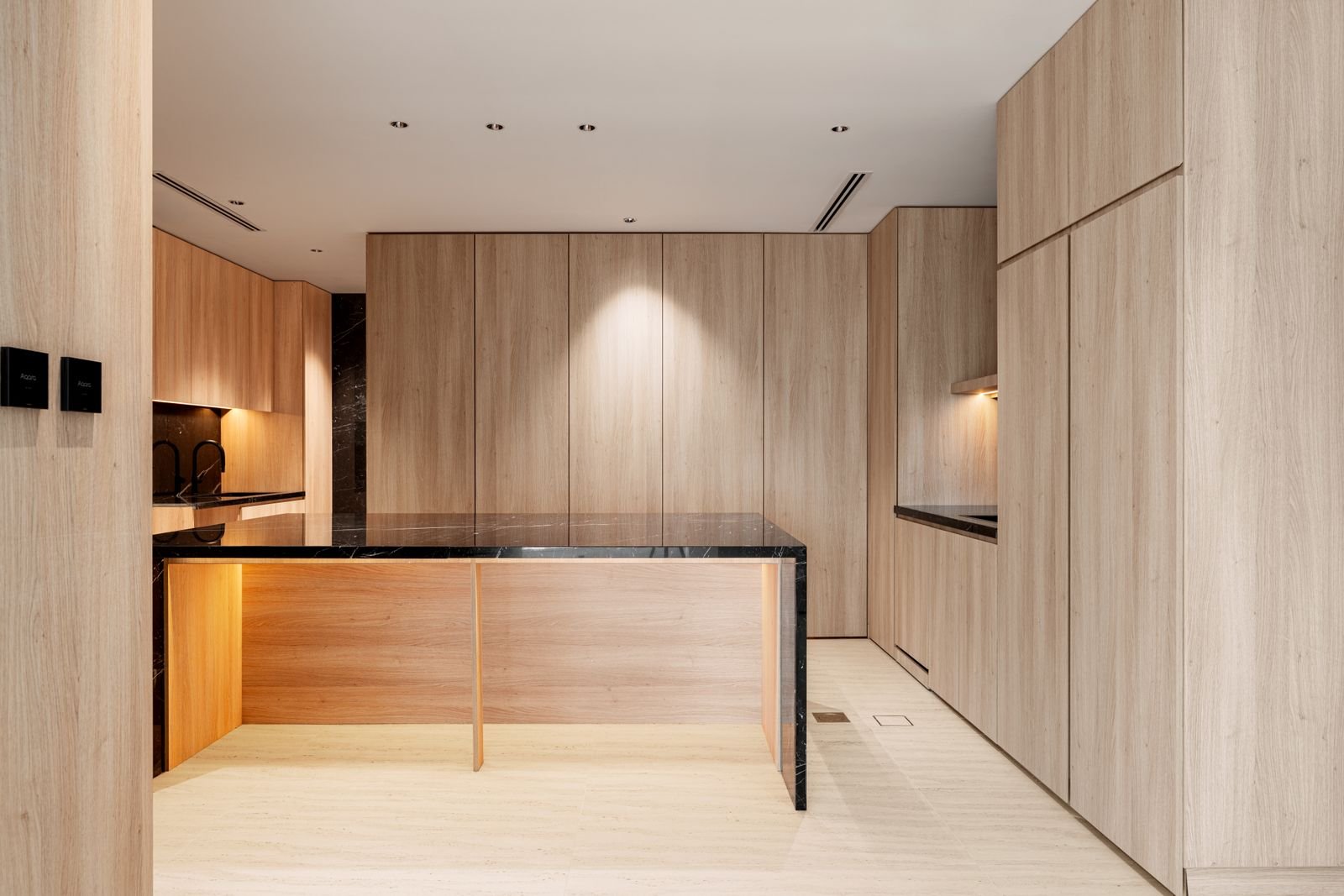
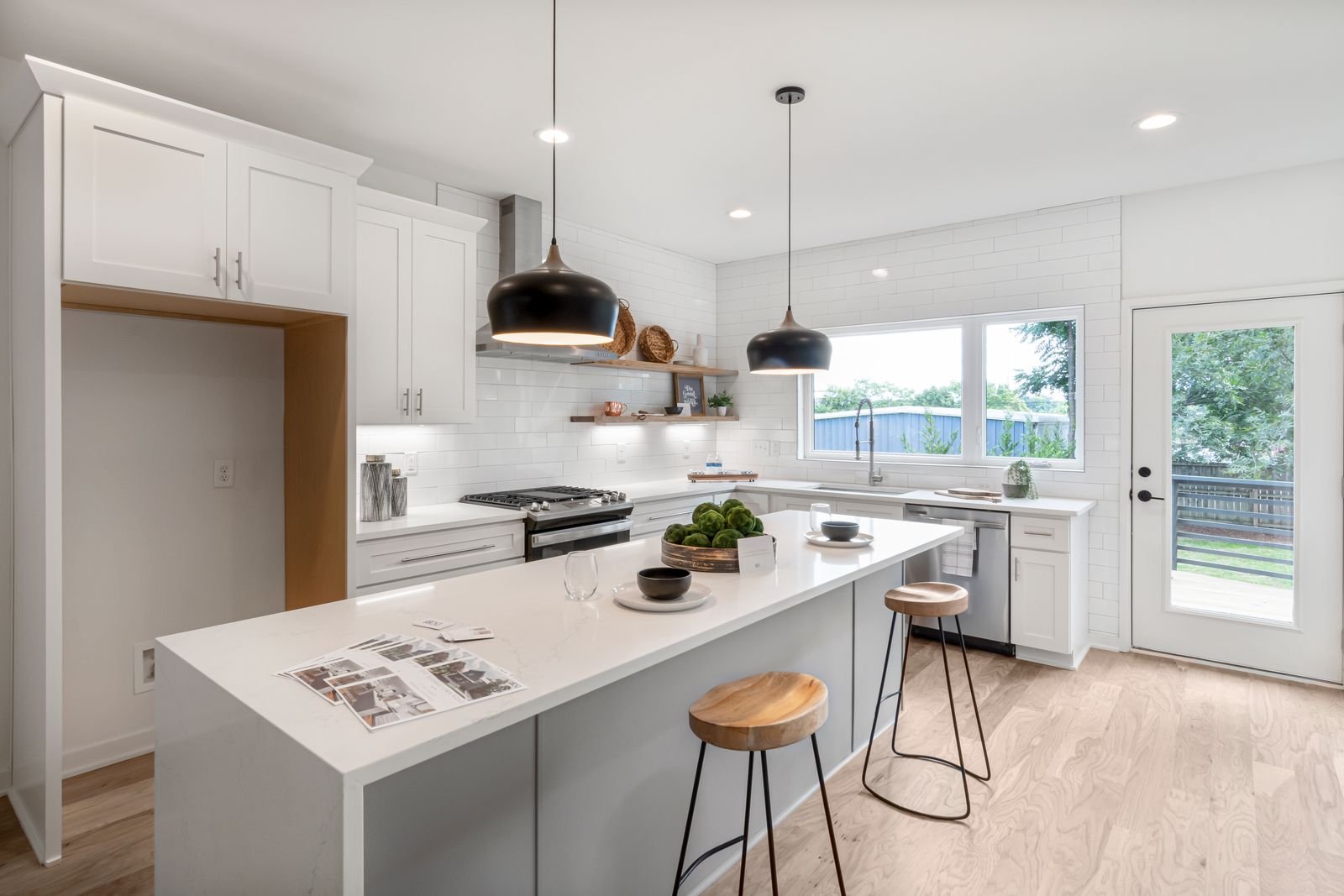
An island with shelves, drawers or cabinets gives you extra counter space and storage. Store pots, pans and utensils inside to keep the counters clear. A model on wheels lets you change the layout when needed. Leave about 36 to 42 inches (90 to 107 cm) of clearance around an island so you can move and open doors.
Choose Foldable Tables
A foldable or drop-leaf table suits a small kitchen. Use it for dining or extra prep space, and fold it flat against the wall when you are done. Some models include shelves for more storage.
Frequently Asked Questions
How Can I Keep My Kitchen Counters Clutter-Free?
Keep only daily items on the counter. Store other things in cabinets or use organizers to keep surfaces clear.
What Is the Best Way to Organize Kitchen Cabinets?
Group similar items together, such as plates or spices. Use shelf risers and baskets to make the most of the space.
How Do I Store Pots and Pans Efficiently?
Hang pots on hooks or a rack. Stack pans in a cabinet with a lid organizer or a pan rack to save room.
What Are Smart Tips for Organizing Kitchen Drawers?
Sort utensils by type and use dividers. Keep frequently used items near the front for easy access.
How Can I Make a Small Kitchen Feel More Spacious?
Use light colors and open shelving. Keep only essentials visible and store the rest away. For ideas on bold open shelves, see our men’s kitchen decor ideas.
Conclusion
Organizing your kitchen makes cooking easier and faster. Small changes create big improvements, so begin with one area and build the habit. Keep things tidy and easy to reach, repeat the weekly reset, and your kitchen will stay calm and welcoming.