Your living room is where you relax, entertain and make memories. The right furniture, arranged and styled well, makes it cozy and inviting without a big budget.
This guide covers practical furniture and decoration ideas: choosing a sofa, adding accent chairs, picking tables, using rugs, layering light, adding storage, styling accessories, choosing colors and creating cozy corners. For more general inspiration, see our living room decor ideas.
Choose the Right Sofa
The sofa is usually the focal point of a living room. It sets the tone for comfort and style, so it deserves some thought about size, fabric and shape.
Size and Shape
Measure your room before you buy. Leave about 18 inches (45 cm) between the sofa and the coffee table, and keep walkways at least 30 inches (75 cm) wide. Small rooms need compact sofas to avoid crowding, while large rooms can hold bigger sofas or two. A straight sofa fits well against a wall. A curved sofa adds softness and flow. Think about how many people use it every day, and measure doorways and stairs too, so the sofa fits through.
Fabric and Color
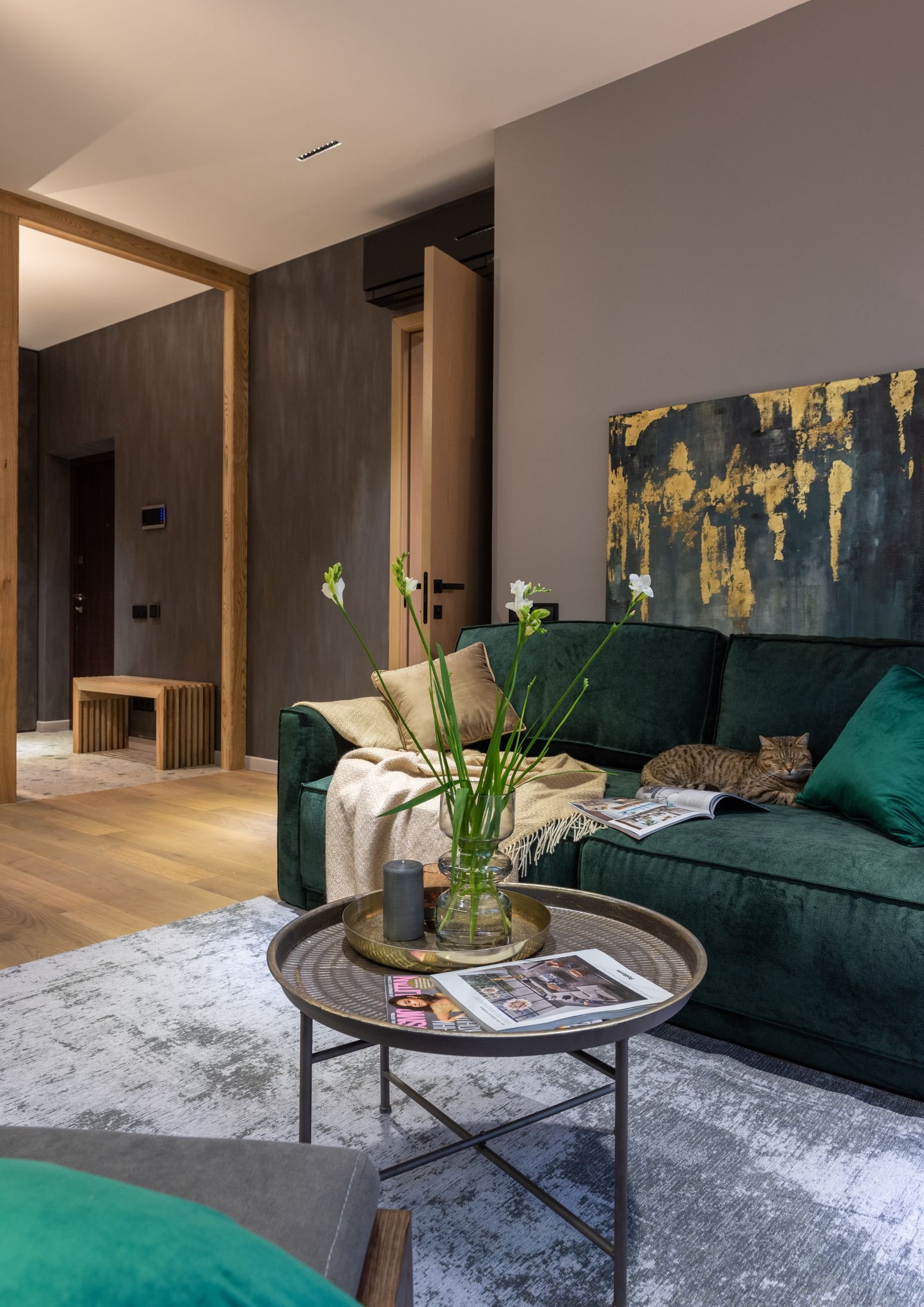
Choose a fabric for your lifestyle. Tightly woven, durable fabrics suit homes with children or pets. Soft fabrics such as velvet feel cozy but may need more care. Light colors open up small rooms, while dark colors add warmth and hide stains. Neutral colors are flexible and let you change cushions and accessories later. Bold colors make a strong statement. Consider your lighting and wall colors before you decide.
Sectional or Traditional Sofa
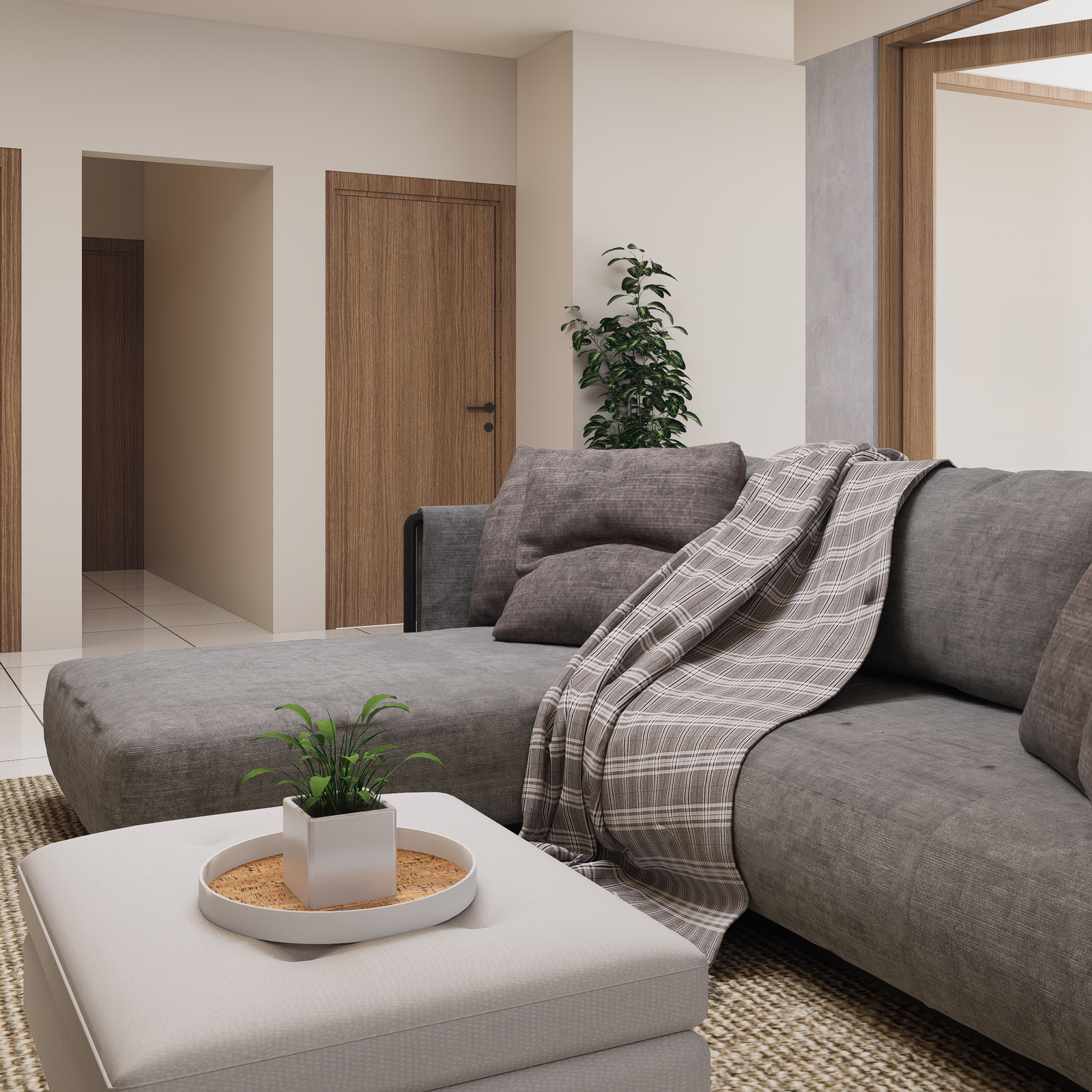
Sectional sofas suit large spaces and families. They offer plenty of seating and can divide an open-plan room. Many include a chaise for stretching out. Traditional sofas fit classic or smaller rooms and come in many styles. They are also easier to move and rearrange. Choose based on your layout and how you use the room.
Add Accent Chairs and Seating
Accent chairs add style, comfort and function. They give the room personality and can change its look. Good chairs make a living room feel welcoming.
Mix Styles and Textures
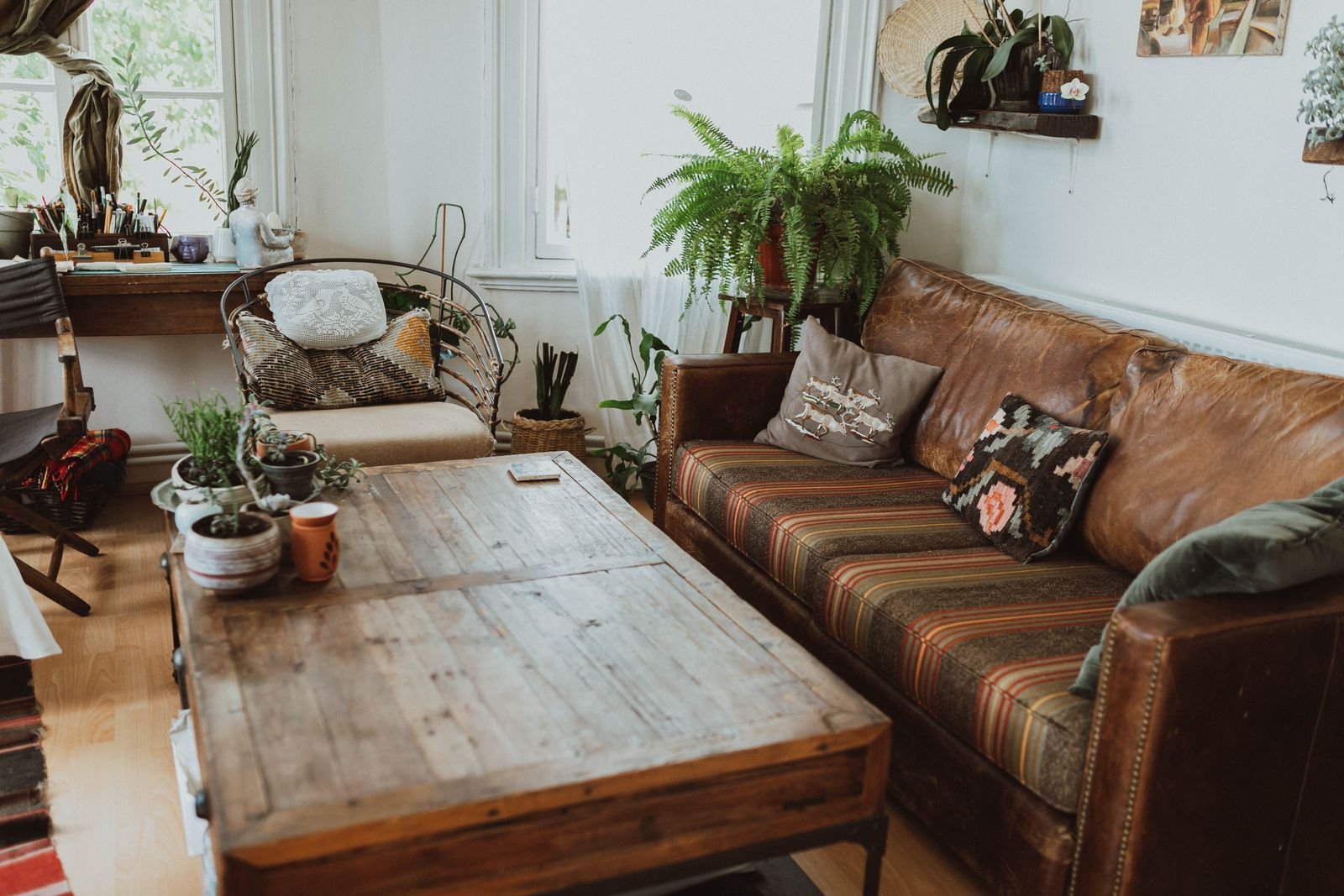
Mixing styles creates a unique look. Pair a modern chair with a vintage one for contrast. Combine textures such as velvet, leather and linen to add depth. A soft, plush chair next to a sleek wooden one feels balanced. Keep one common element, such as color or wood tone, so the mix still looks planned.
Place Chairs for Conversation
Arrange seats to encourage talking. Place them facing each other or at a slight angle, close enough for easy conversation. Keep walkways clear and avoid blocking doors or windows. Good placement makes the room feel friendly and open.
Pick Coffee Tables and Side Tables
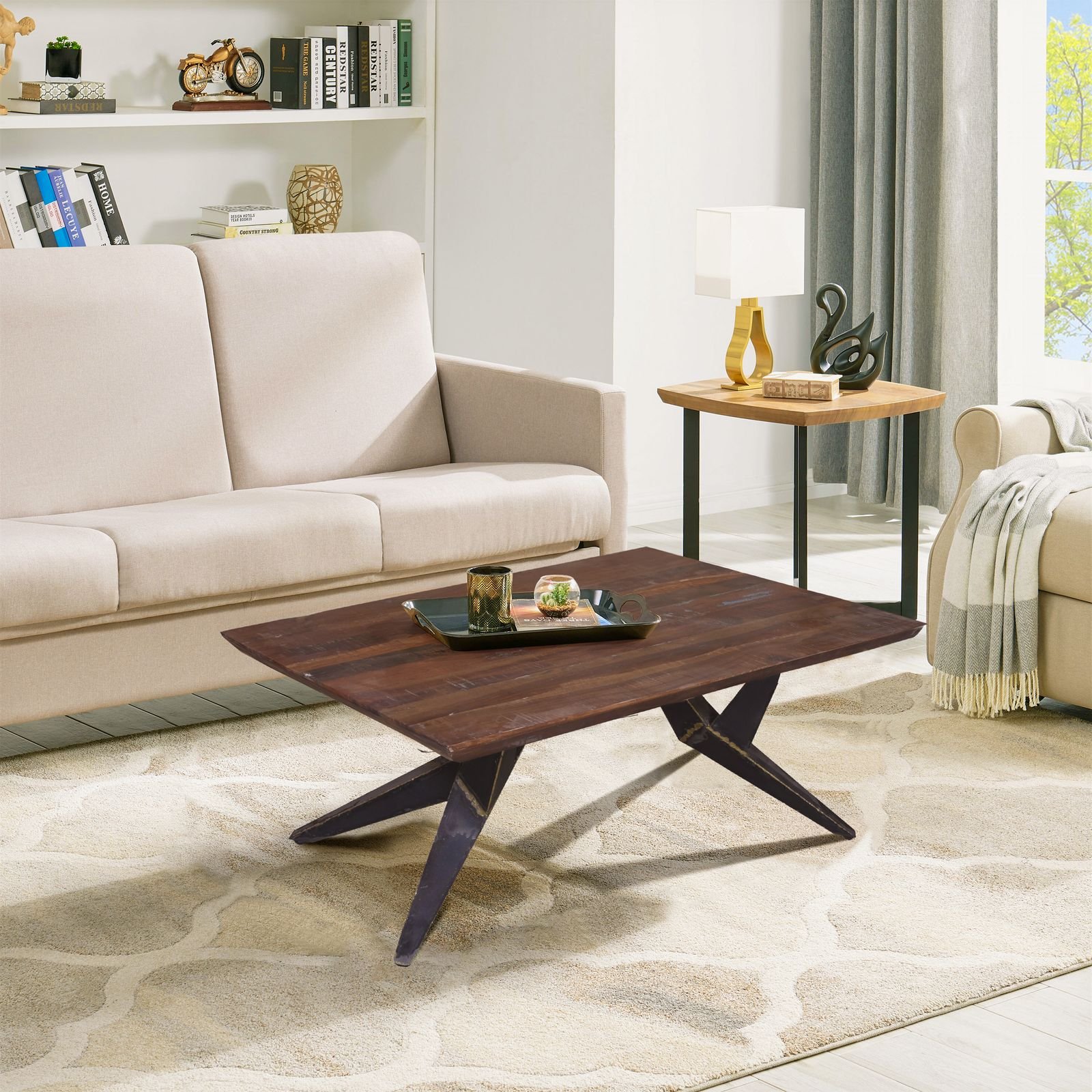
Coffee tables and side tables give you a place for drinks, books and decor. They also add style, and the right ones make a living room feel complete.
Material Choices
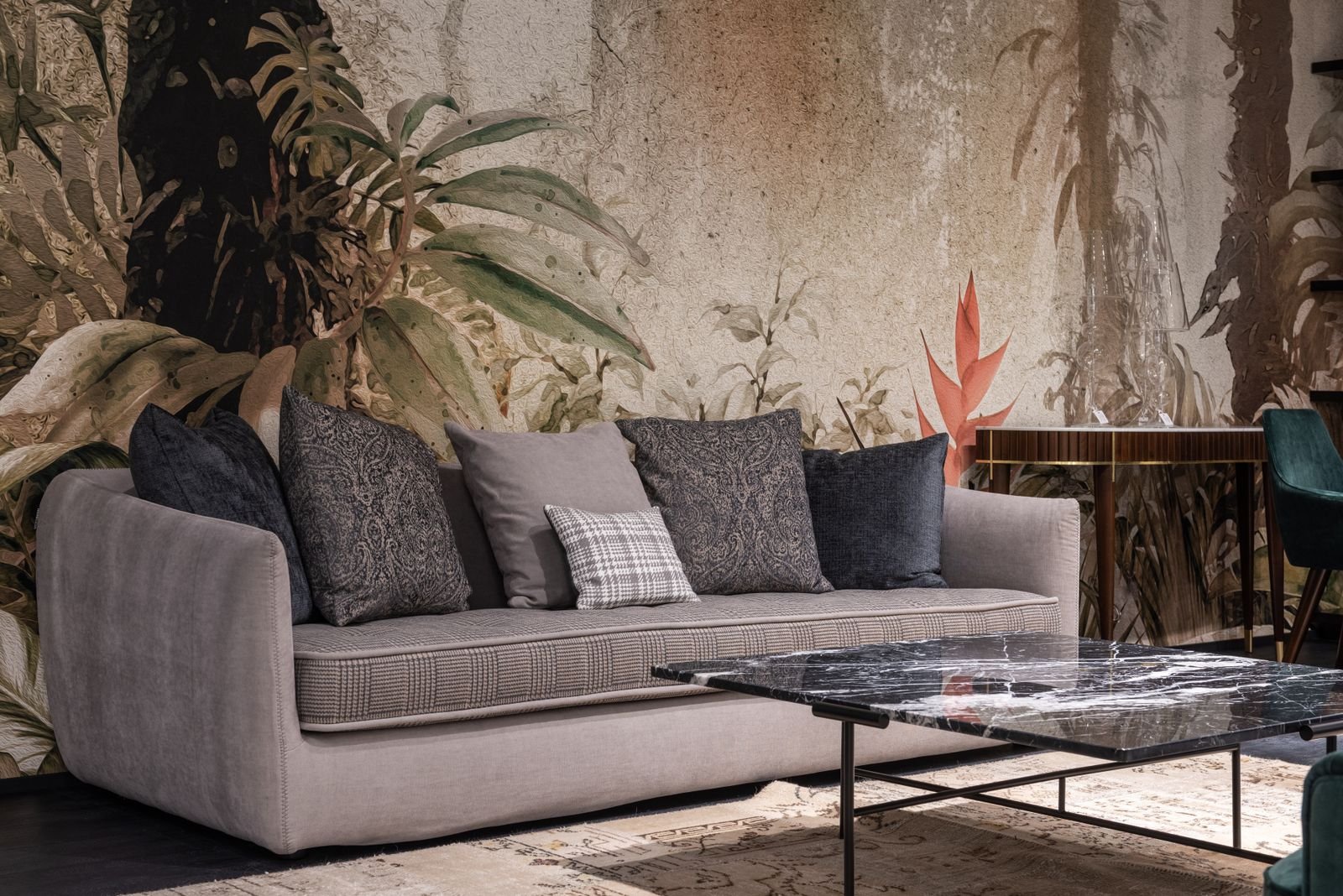
Wood brings warmth and a classic look. Metal feels modern and sleek. Glass makes a room feel open and can make a small space look bigger. Marble tops add luxury and last well, though they need coasters. Choose a material that fits your style and your daily use. A coffee table should be about two-thirds the length of the sofa and roughly the same height as the seat.
Functional and Decorative Uses
Coffee tables hold remote controls, magazines and decor such as candles or a vase of flowers. Side tables keep drinks and snacks close to sofas and chairs. Tables with drawers or shelves add storage and keep the room tidy. A tray on the coffee table helps group small items.
Use Rugs to Define the Space
A rug marks out the seating area, adds warmth and ties the furniture together. It also adds texture and color to the room.
Choose the Right Size
Pick a rug large enough for your furniture. Ideally, all the legs of the sofa and chairs sit on the rug. If that is not possible, put at least the front legs on it. A small rug under only the coffee table looks odd. Leave some bare floor around the edges so the room looks open. For many living rooms, an 8 by 10 foot rug is a good size.
Patterns and Colors
Patterns add character. Simple patterns work well in a busy room, and bright colors can liven up a dull one. Neutral colors create a calm mood. Match the rug to your furniture and walls so the room feels put together. Consider the light in the room before you choose a dark or light rug.
Plan the Lighting
Lighting sets the mood and shows off the best parts of a room. Good lighting makes the space cozy and helps with reading and relaxing.
Layered Lighting
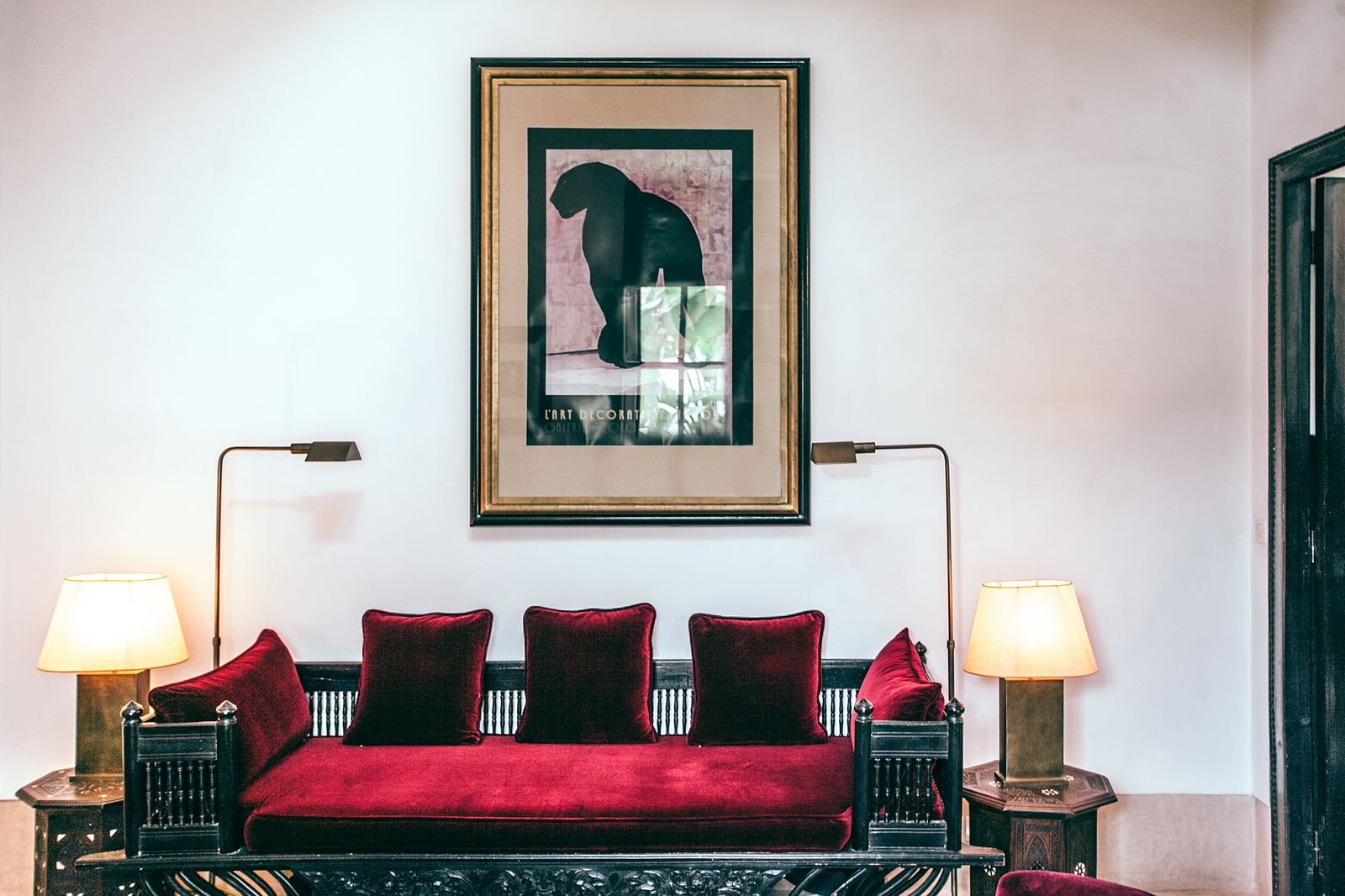
Layer different light sources. Start with ambient light for the whole room, such as ceiling or recessed fixtures. Add task light for activities, such as a floor lamp by a reading chair. Finish with accent light that highlights art or plants. Layering creates depth and balance. Dimmers let you change the mood.
Statement Fixtures and Lamps
Choose lighting that also looks like art. A bold chandelier or an interesting pendant can be a focal point, and a large floor lamp with an unusual shape also stands out. Pick shades that soften the light for a gentle glow.
Add Storage Solutions
Storage keeps clutter out of sight and makes the living room look bigger. Choose storage that suits your style and the way you live.
Built-In Shelves and Cabinets
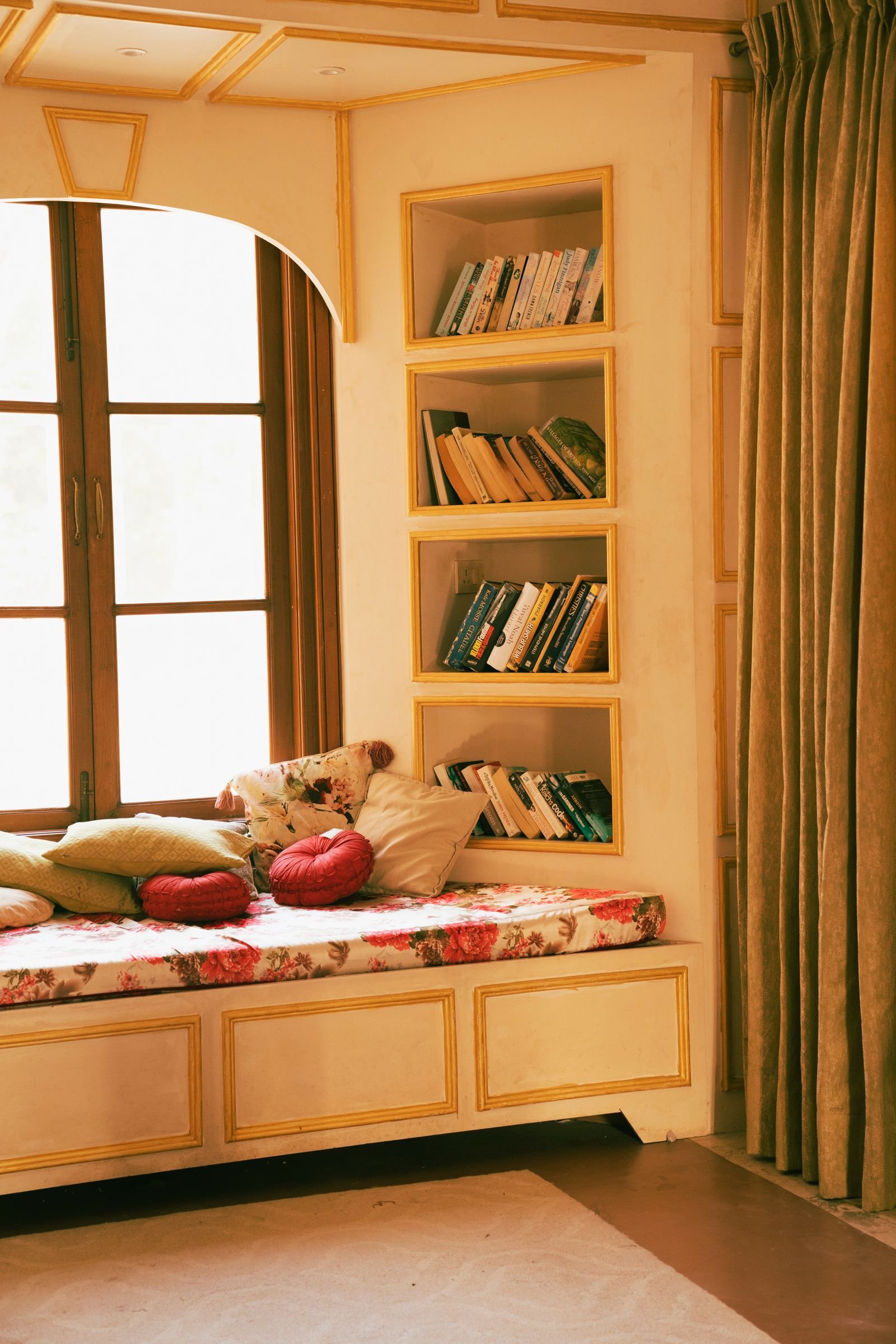
Built-in shelves and cabinets save space and add charm. They fit into walls and corners and can hold books, decor and electronics. Cabinets with doors hide mess. Open shelves show your favorite things. Mix both for balance. If you rent, freestanding units in the same finish can give a similar built-in look.
Multipurpose Furniture
Ottomans with hidden compartments, coffee tables with drawers and sofas with storage under the seats all save space. They keep blankets, pillows and remote controls out of sight. This type of furniture suits small and large rooms. For a small space, see our small living room decor ideas.
Style With Decorative Accessories
Accessories bring charm and personality. Small touches can change the look of the whole room with little effort. Choose pieces that reflect your taste and fit your theme.
Throw Pillows and Blankets
Pillows add comfort and color. Mix patterns and textures, and use three to five on a sofa. Soft blankets draped over furniture invite you to relax. Choose warm colors for a cozy feel, and swap them seasonally for a fresh look.
Artwork and Wall Decor
Art sets the mood. Choose paintings, prints or photos you love. Group them together or use a single large piece as a statement. Hang art with its center at about 57 inches (145 cm) from the floor. Mirrors brighten the room and make it look larger, and wall shelves can hold small decor items or books.
Plants and Greenery
Plants bring life indoors (see our guide to decorating with plants). Use pots of different sizes and shapes for variety. Greenery softens the hard lines of furniture. Place plants near windows or in corners to fill empty spots. Choose low-maintenance plants if you are busy.
Choose Color Schemes and Themes
Color sets the tone of the room. A clear theme helps you make choices and keeps the room cozy and consistent.
Neutral Palettes for Calm
Beige, gray and white bring peace. They create a soft, relaxing mood and work well with natural light and simple furniture. Neutral tones also make a room look larger and cleaner. Add wood and soft fabrics to keep it warm.
Bold Colors for Energy
Red, blue or yellow add energy. Use bold color on one wall or in a single piece of furniture, and balance it with neutral shades so it does not overwhelm the room.
Mixing Patterns
Stripes, florals and geometric shapes add character. Mix patterns carefully to avoid clashing. Vary the scale, for example one large pattern and one small one, and keep the colors consistent to tie them together.
Create Cozy Corners
Cozy corners add warmth and give you a place for quiet time. A few simple ideas turn empty corners into charming retreats.
Reading Nooks
Choose a soft armchair or a small loveseat. Add a warm throw and cushions, and put a small side table nearby for books and drinks. Good light is important, so add a floor lamp or a clip-on light. This spot invites you to pause and read.
Window Seating Ideas
A window seat gives a cozy corner with natural light. Build a bench or use a sturdy shelf under the window, and add thick cushions and pillows. Use storage boxes under the seat to save space. A window seat is perfect for reading or watching the view.
Frequently Asked Questions
What Are the Best Colors for Living Room Furniture?
Light or neutral colors make the space look bigger and calmer. Bright colors add energy. Match colors to your walls and floor for balance.
How Do I Arrange Furniture in a Small Living Room?
Keep furniture close to the walls to open the center of the room. Use multifunctional pieces such as sofa beds and storage ottomans. Avoid clutter to make the room feel larger.
What Furniture Styles Suit Modern Living Rooms?
Modern rooms often use simple, clean-lined furniture with metal or wood finishes. Minimal decoration keeps the space fresh and neat.
How Do I Mix Different Furniture Pieces?
Combine pieces with similar colors or materials for harmony. Vary heights and shapes for interest, and use rugs or cushions to tie the look together.
Which Accessories Improve Living Room Furniture?
Add cushions, throws and rugs for comfort and color. Lamps and plants bring warmth and life. Small art pieces and shelves make the room personal.
Conclusion
A living room feels warm and inviting with the right furniture. Choose pieces that match your style and comfort needs, mix colors and textures, and keep the space neat.
Small changes make a big difference. Take your time, and build a room that is truly yours.