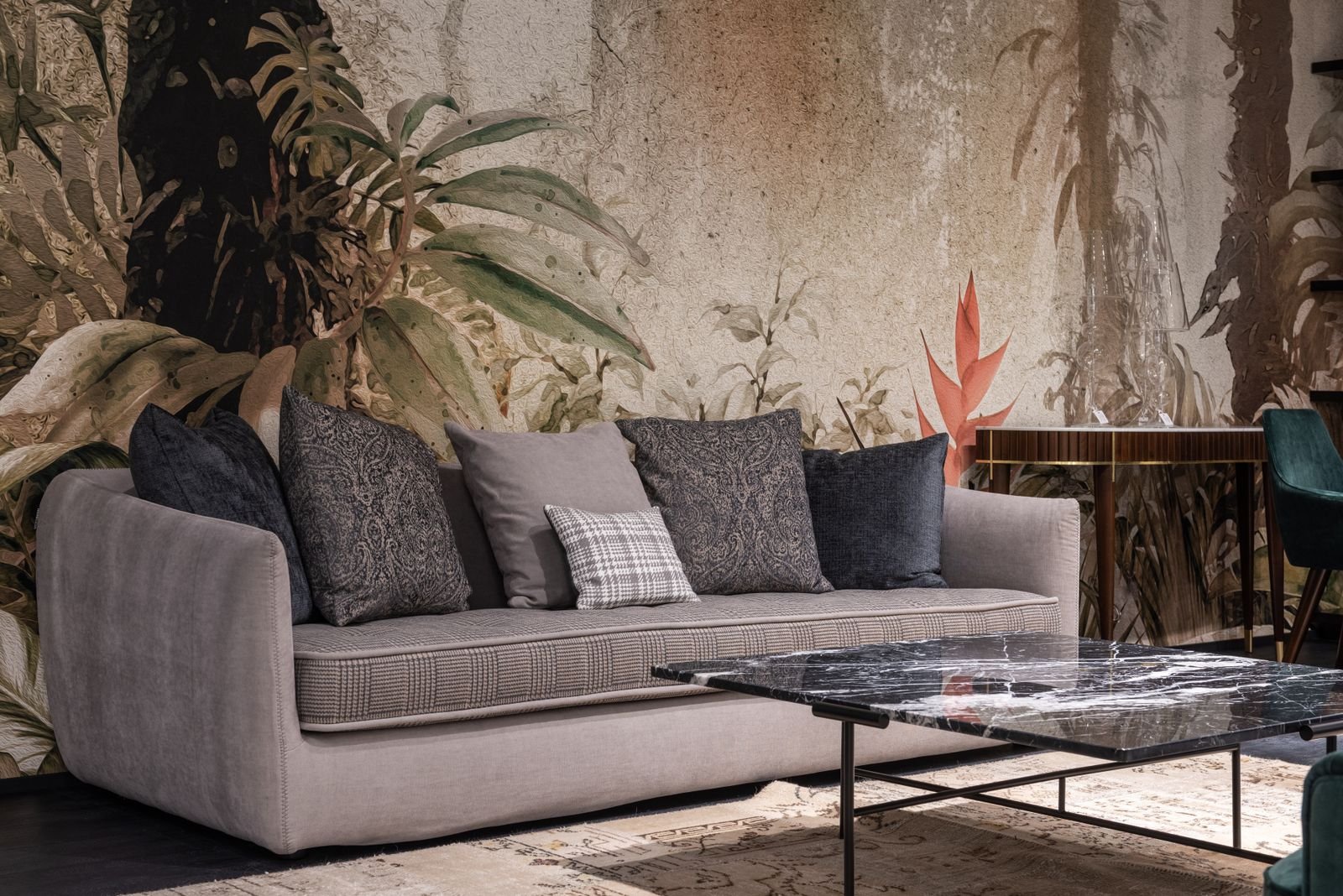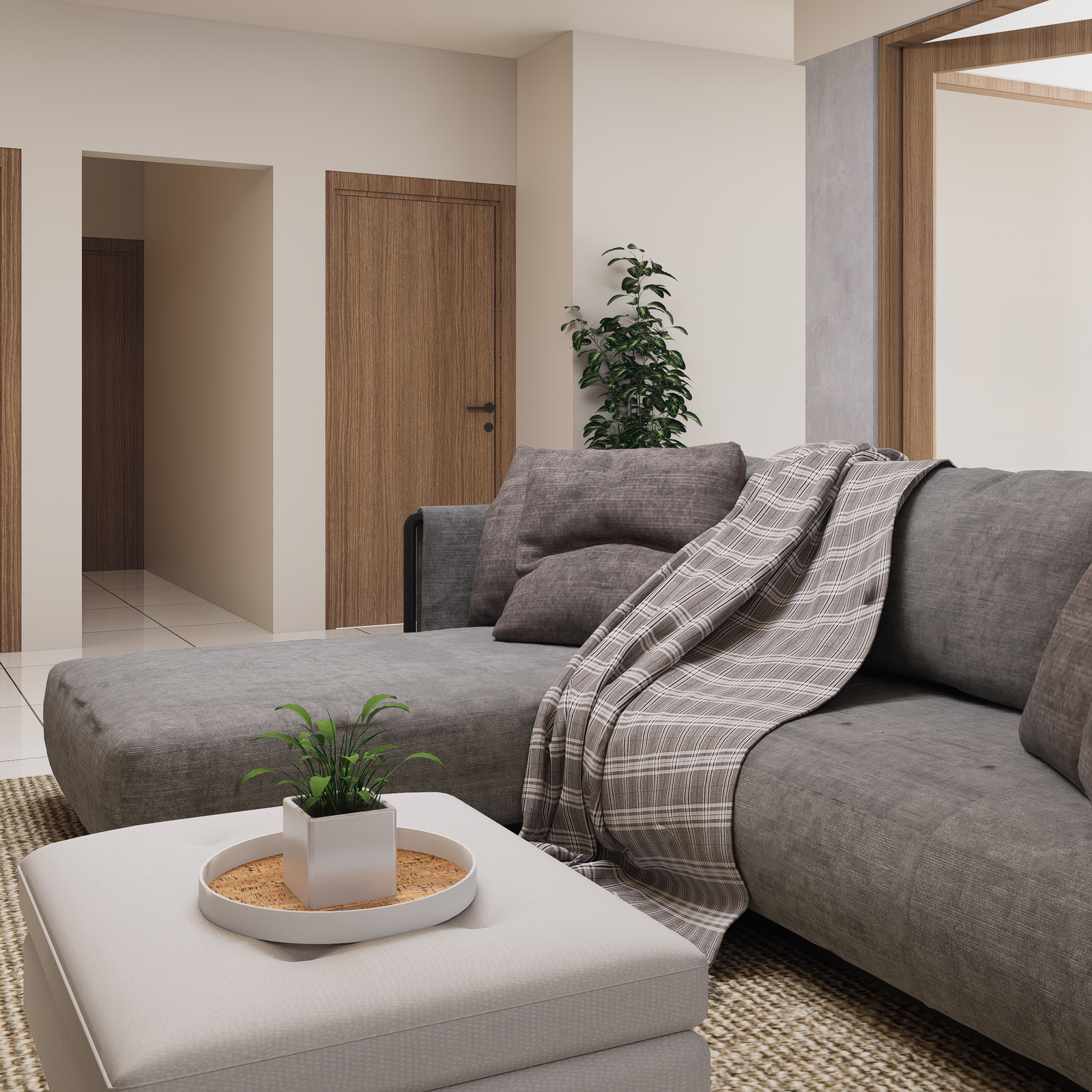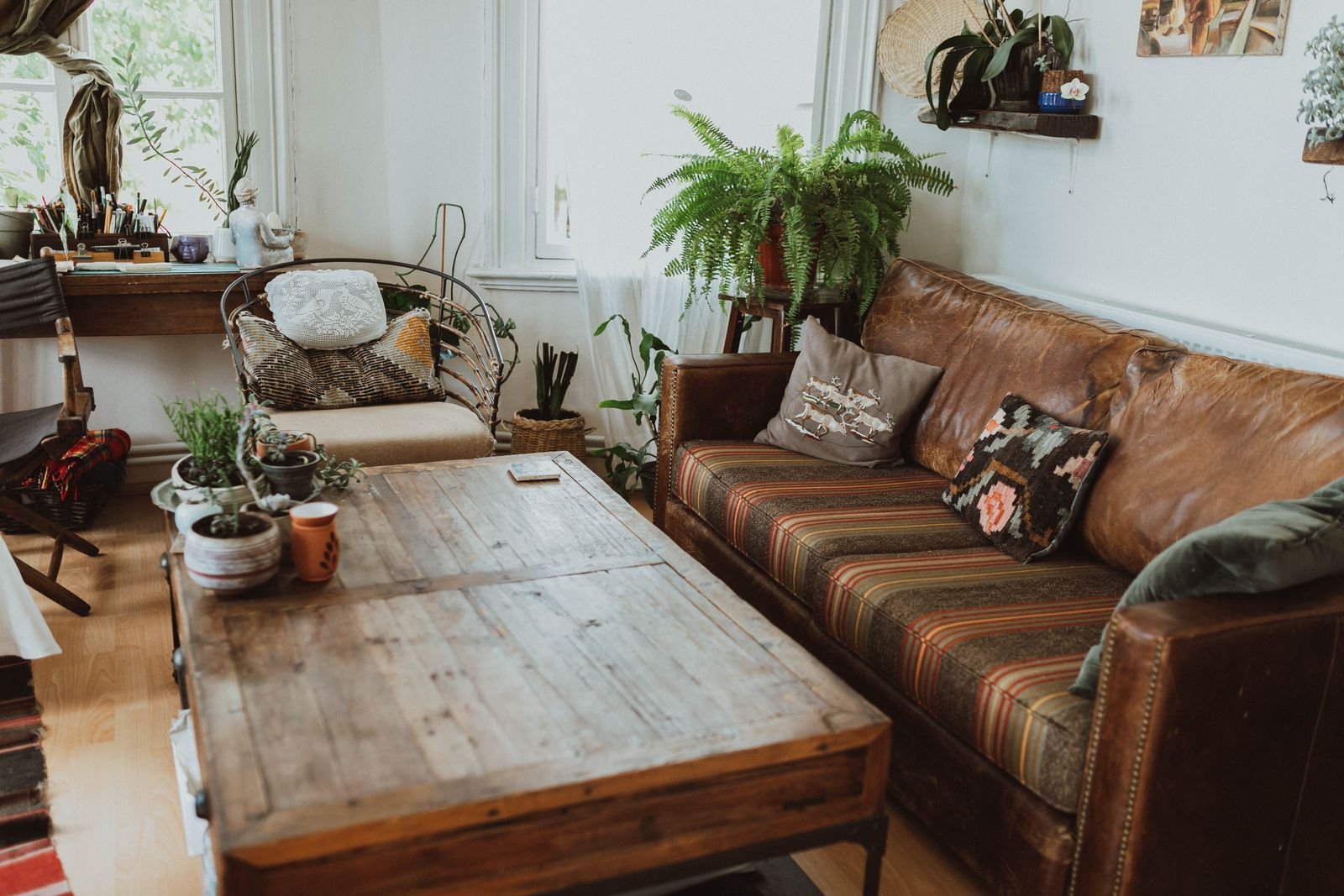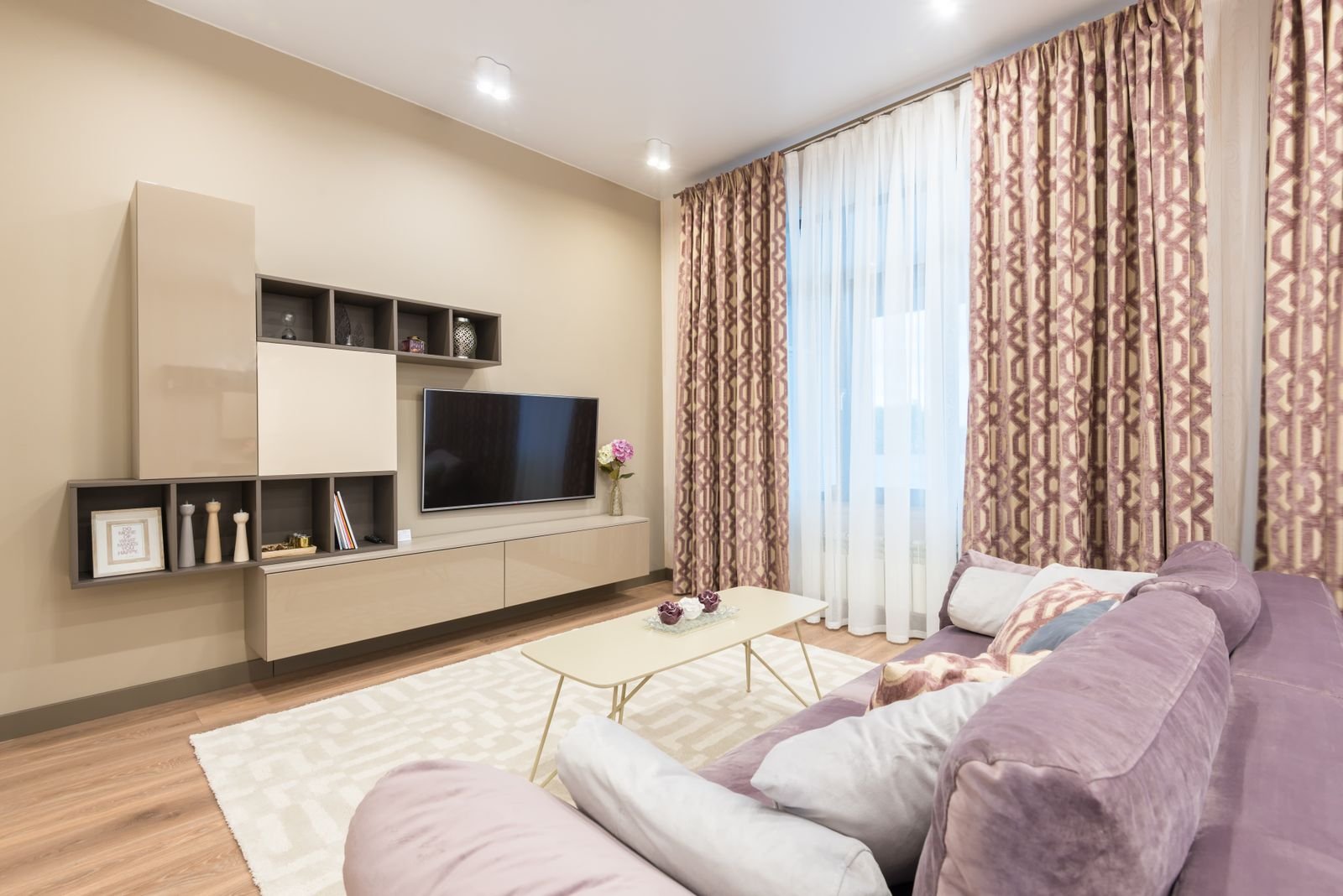
A small living room can feel cozy and stylish when every choice earns its place. Furniture, color and lighting matter more when space is tight, and a few smart decisions make a compact room feel open and comfortable.
This guide covers the ideas that work best in small living rooms: natural light, multipurpose furniture, light colors, vertical storage, reflective surfaces, rugs, plants and a calm, minimal approach to decor. Pick the ones that suit your space and add them one at a time. For more ideas, see our guide to living room decor ideas.
Maximize Natural Light
Natural light makes a small living room feel larger and more open. It also cuts the need for lamps during the day and gives the room a warm, fresh look. A few simple changes let light move freely through the space.
Use Sheer Curtains
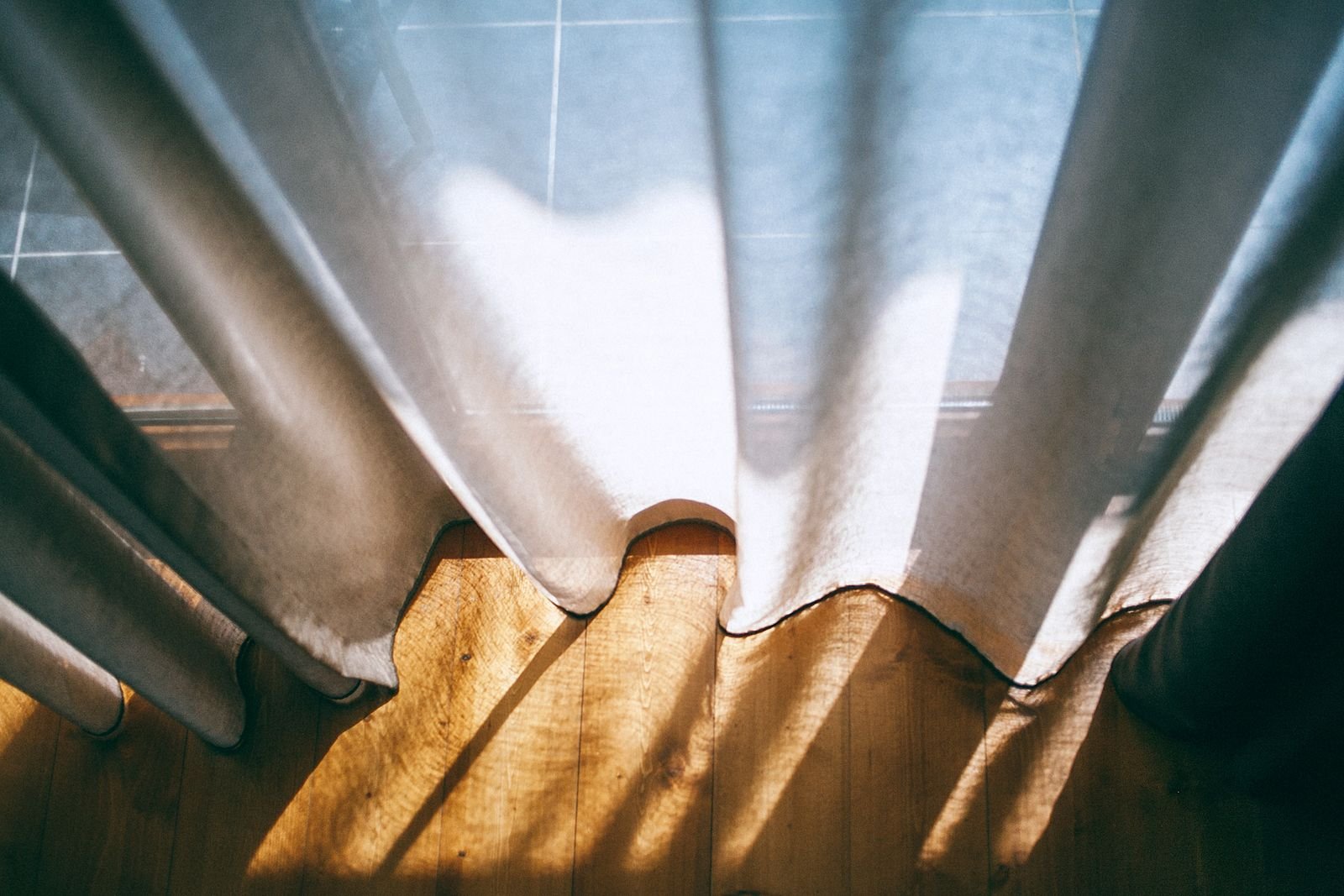
Sheer curtains let sunlight in while keeping your privacy. They soften harsh light and spread it evenly. Choose white or cream fabric, and hang the rod close to the ceiling with the curtains reaching the floor. This makes the window look taller. Heavy drapes block light and make a room feel smaller, so save them for a bedroom.
Add Mirrors Strategically
Mirrors reflect light and create the feeling of extra space. Hang a large mirror opposite or beside a window so it bounces daylight into darker corners. One big mirror works better than several small ones, which can look cluttered. Lean a tall floor mirror against the wall if you do not want to drill holes.
Choose Multipurpose Furniture
In a small living room, each piece of furniture should do more than one job. Multipurpose pieces save space, reduce clutter and keep the floor open. Measure your room before you shop, and leave at least 30 inches (about 75 cm) for walkways so the room is easy to move through.
Sofa Beds and Ottomans
A sofa bed gives you a seat for everyday use and a bed for guests, so you need one piece instead of two. Ottomans are just as useful. They work as extra seats, footrests or coffee tables with a tray on top, and many have lids that open to store blankets, games or remote controls. Pick a cover color that matches your sofa and rug.
Storage-Integrated Pieces
Furniture with built-in storage keeps things tidy. Look for coffee tables with drawers, benches with hidden compartments and TV stands with closed cabinets. They hide magazines, chargers and small items, which cuts visible clutter and makes cleaning easier.
Opt for Light Colors
Light colors reflect natural light and open the space visually. They create a calm, fresh mood that suits a room where you want to relax.
Light shades also give you a flexible base. They work with many furniture styles, so you can change cushions, art and accessories later without repainting.
Soft Neutrals
Beige, cream and light gray make a warm, welcoming backdrop. They blend easily with other tones and add depth without overwhelming the room. Use them on walls, rugs and larger furniture, and let textures such as linen, wool and wood add interest. A matte or eggshell finish hides wall flaws better than gloss.
Pastel Accents
Pastels add gentle color without crowding the room. Light blue, blush pink and sage green all work well in cushions, curtains and small decor items. They add personality and balance neutral walls and furniture. Keep to two or three pastel shades so the room stays calm.
Create Vertical Storage
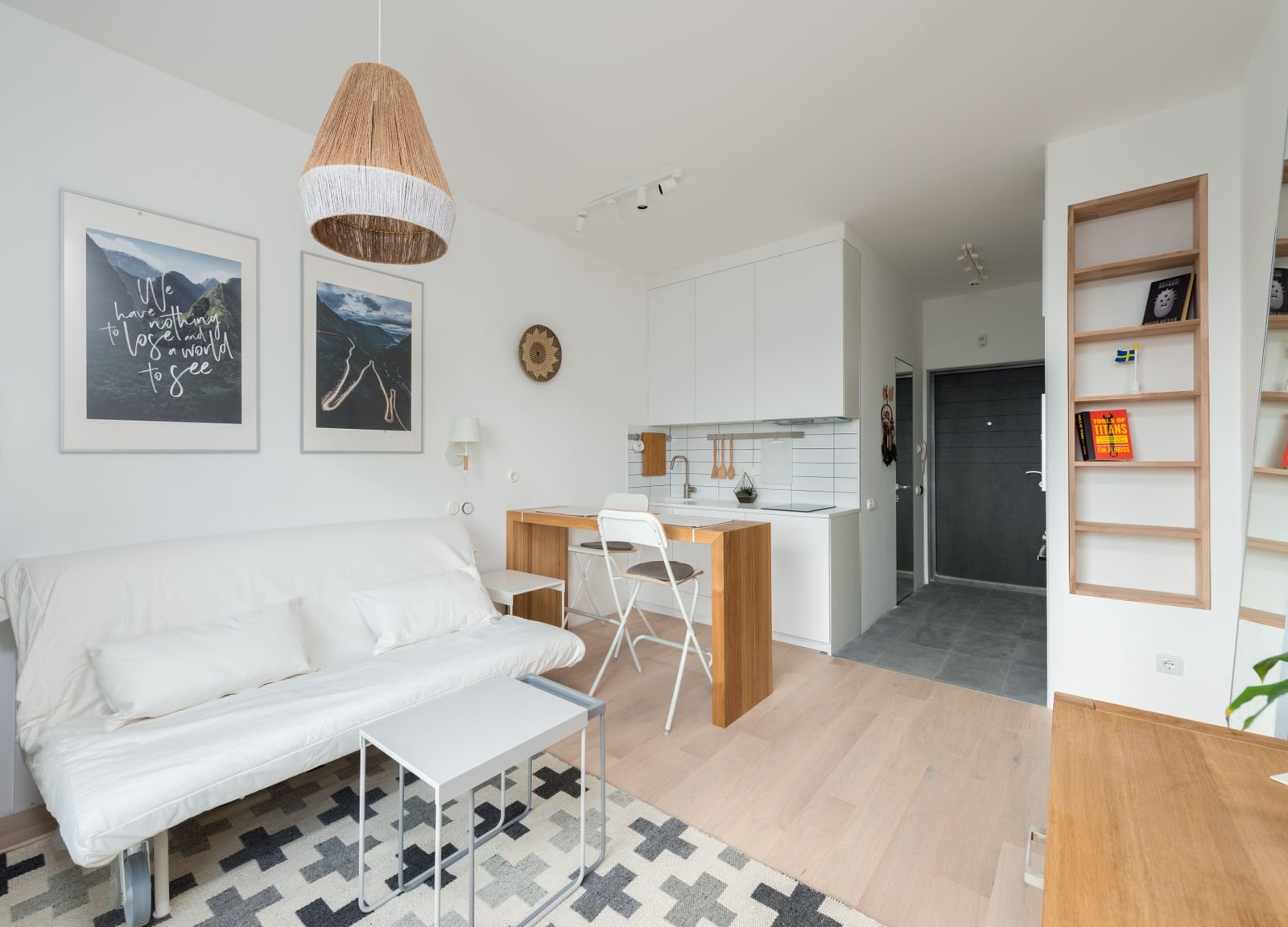
Small rooms need smart storage to stay tidy. Vertical storage uses wall space above eye level, which frees the floor for movement and furniture.
Floating Shelves
Floating shelves are simple and stylish. They attach straight to the wall, which gives a clean look and takes up no floor space. Use them for books, plants and decor. Hang them at different heights for interest, and keep heavy items on shelves screwed into wall studs or fitted with proper anchors.
Tall Bookcases
Tall bookcases hold a lot in a small footprint. Choose a slim design, around 10 to 12 inches (25 to 30 cm) deep, so it does not crowd the room. Fill it with books, baskets and a few decorative pieces. A bookcase can also divide a space or frame a cozy reading corner, and it draws the eye upward to make the ceiling look higher.
Incorporate Reflective Surfaces
Reflective surfaces brighten a small living room by bouncing light around. Mirrors, glass and shiny metals add style without adding bulk.
Glass Tables
Glass tables keep a room feeling open because you can see through them. Light passes through, so they carry less visual weight than wood. They work well as coffee or side tables. Choose a simple design with thin legs, and keep a microfiber cloth nearby for fingerprints. Rounded corners are a good idea in tight spaces.
Metallic Accents
Metallic accents catch the light and draw the eye. Use them in lamps, picture frames and small decor items. Gold and bronze add warmth, while silver and chrome feel cooler. Keep metallic pieces small and spread them around the room for balance.
Use Area Rugs to Define Space
Area rugs create distinct zones in a small living room, such as a seating area and a reading corner. They add texture, warmth and color, and they make the room feel organized.
Size and Placement Tips
Choose a rug that fits your furniture group. At minimum, the front legs of the sofa and chairs should rest on the rug. In a small room, a 5 by 8 foot or 6 by 9 foot rug is often the right size. Center it under the seating area and leave a few inches of bare floor around the edges. A rug that is too small makes the room feel disjointed.
Choosing Patterns and Colors
Pick a pattern that suits your room. Light colors open up the space, while darker rugs add depth but need to be used carefully in a small room. Simple or subtle patterns keep the look calm. Choose colors that complement your furniture and walls. A low-pile rug is easier to clean and does not catch on doors.
Add Greenery Wisely
Plants bring life and calm to a small living room. Choose ones that suit the size of the room and the light it gets, and find creative places for them so they do not take over. For more help, read our guide to decorating your home with plants.
Compact Plants
Small plants work best in tight spaces. Succulents and cacti need little care and fit on shelves and windowsills. Snake plants and pothos take up little floor space. Put them in attractive pots to brighten corners and side tables. Check the light each plant needs, and do not overwater.
Hanging Planters
Hanging planters save floor space and add style. Hang them near windows or on empty wall spots. Choose lightweight pots with trailing plants such as ivy or string of pearls, which create a green curtain without clutter. Use sturdy hooks or ceiling mounts, and put a saucer under each pot to catch drips.
Keep Decor Minimal
Minimal decor helps a small living room feel open and calm. Too many objects crowd the room and make it hard to relax. A simple design with fewer pieces looks cleaner and lets you enjoy each item more.
Minimal does not mean boring. It means choosing a few pieces that fit well together.
Select Statement Pieces
Pick one or two eye-catching items, such as a bold chair or a sculptural lamp. They add personality without filling the room and give the eye a place to rest. Choose colors or shapes that stand out but suit your style.
Avoid Clutter
Remove items that serve no purpose. Keep surfaces clear and shelves tidy, and store small things in boxes or drawers. Clutter makes a small room feel cramped. Try a simple rule: when something new comes in, something old goes out. Less stuff also makes cleaning quicker. If you are on a tight budget, our tips on decorating on a low budget can help.
Frequently Asked Questions
How Can I Maximize Space in a Small Living Room?
Use multifunctional furniture such as storage ottomans and foldable tables. Add vertical storage like shelves, keep decor minimal and choose light colors. Mirrors also help the room feel larger.
What Colors Work Best for Small Living Rooms?
Light and neutral colors such as white, beige and pastels work best. They reflect light and make the room look larger. Dark shades can make the space feel smaller, though one dark accent wall or piece can add depth.
Which Furniture Style Suits a Small Living Room?
Choose sleek, compact, multipurpose furniture. Pieces with exposed legs let you see the floor, which makes the room look more open. Avoid bulky or oversized furniture. Modular pieces can be arranged to fit small spaces.
How Do I Use Lighting Effectively in a Small Living Room?
Use layered lighting: a mix of ambient, task and accent lights. Wall sconces and floor lamps save surface space. Maximize daylight with sheer curtains so the room feels brighter and larger.
Conclusion
Small living rooms can feel cozy and stylish with smart decor choices. Use light colors and mirrors to open up the space, choose furniture that fits and stores things, and add plants and a few personal touches. Keep clutter low and the room will feel clean and welcoming.
Try these ideas one at a time and enjoy making a small space that works for the way you live.