Modern interior design is about more than style. The right layout, light and materials can calm your mood, simplify your routine and make a home easier to live in.
This guide looks at the trends that are reshaping homes today: minimalism, smart technology, sustainable materials, nature-inspired design, bold color, flexible rooms, handmade pieces and smarter lighting. Choose the ones that fit the way you live.
Minimalist Aesthetics
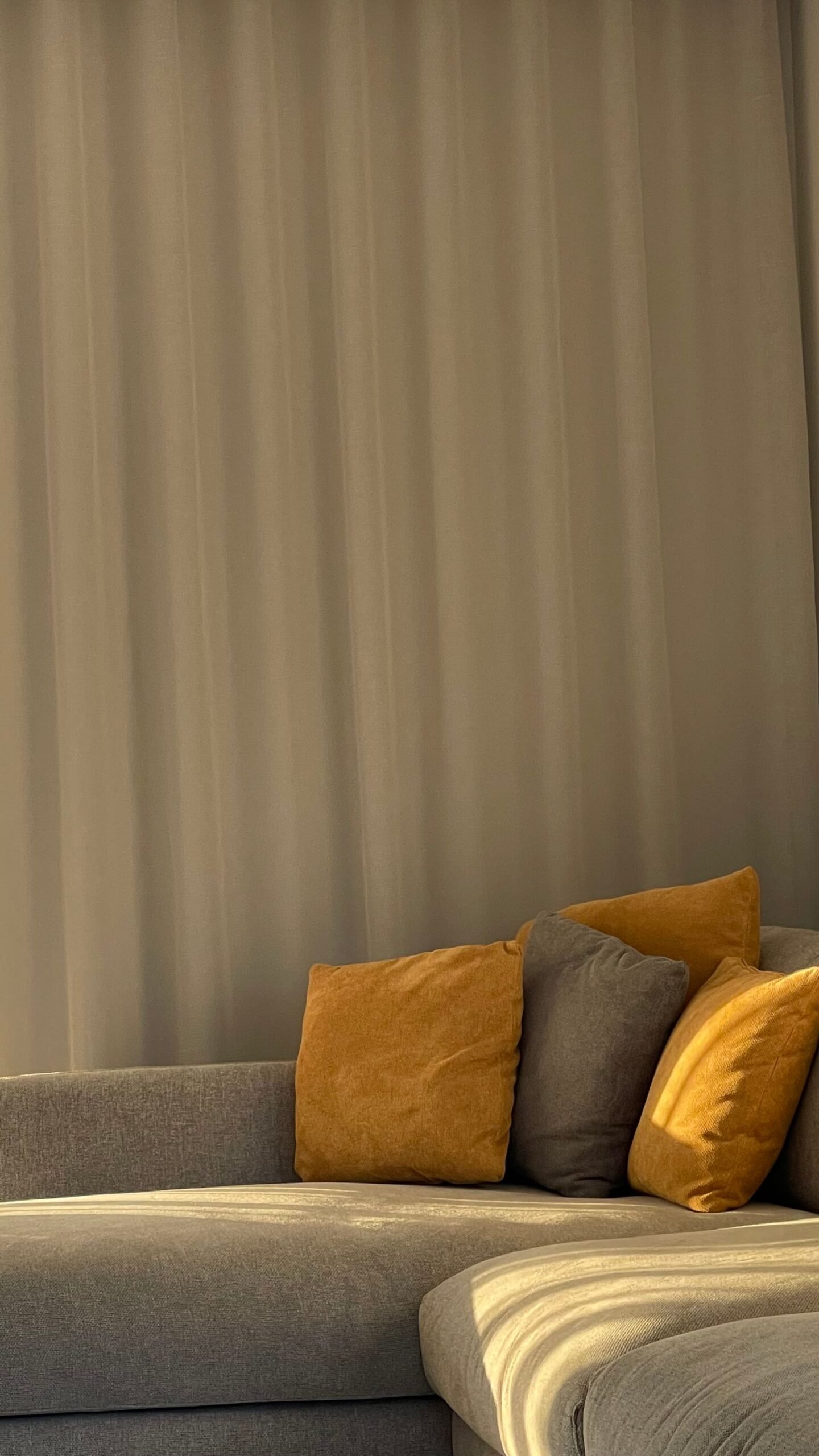
Minimalism removes clutter and focuses on the essentials. Light, space and form do the work, and the result feels open and peaceful. The approach suits busy lifestyles and small homes because it brings balance and order to every room.
Clean Lines and Open Spaces
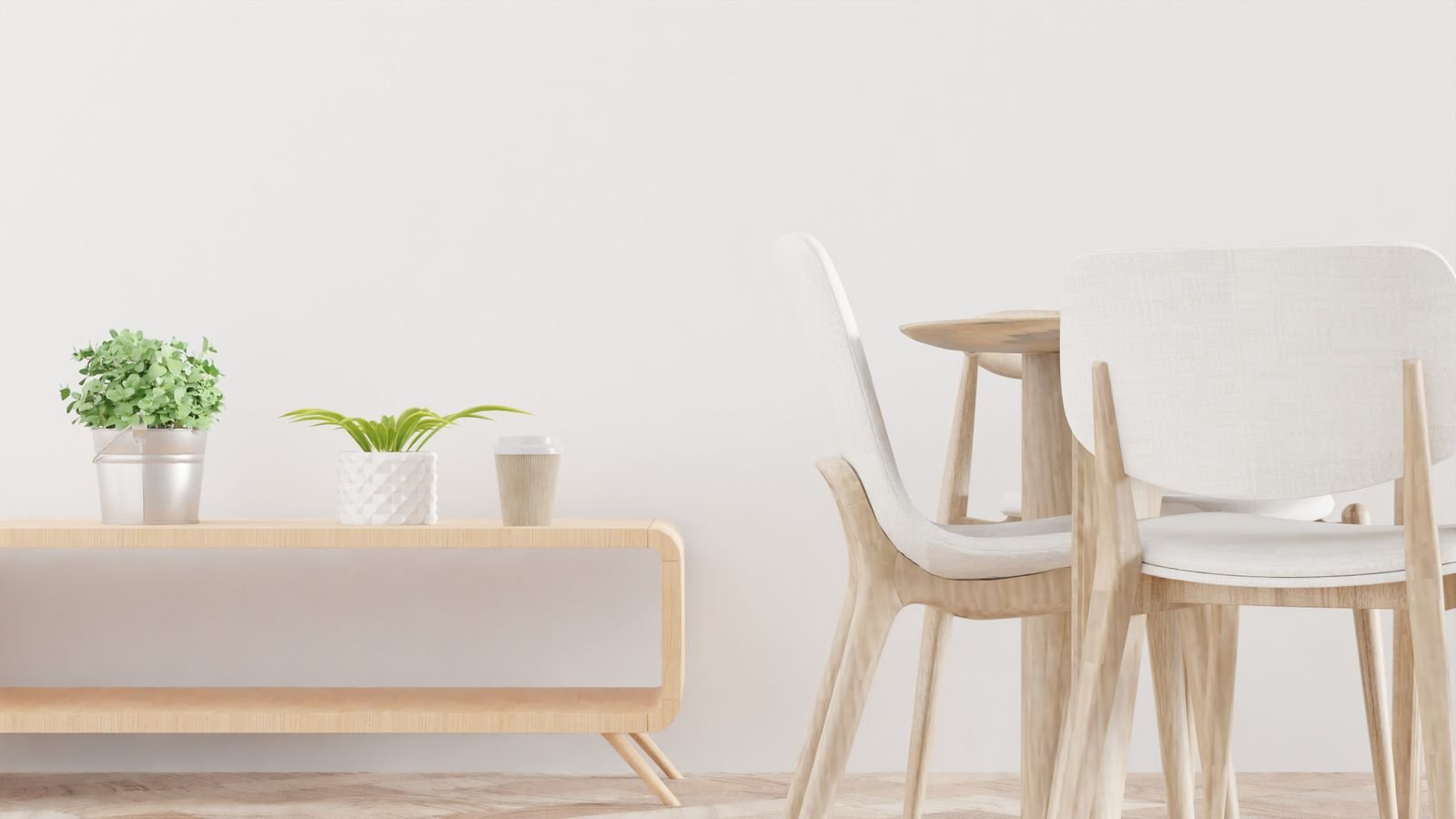
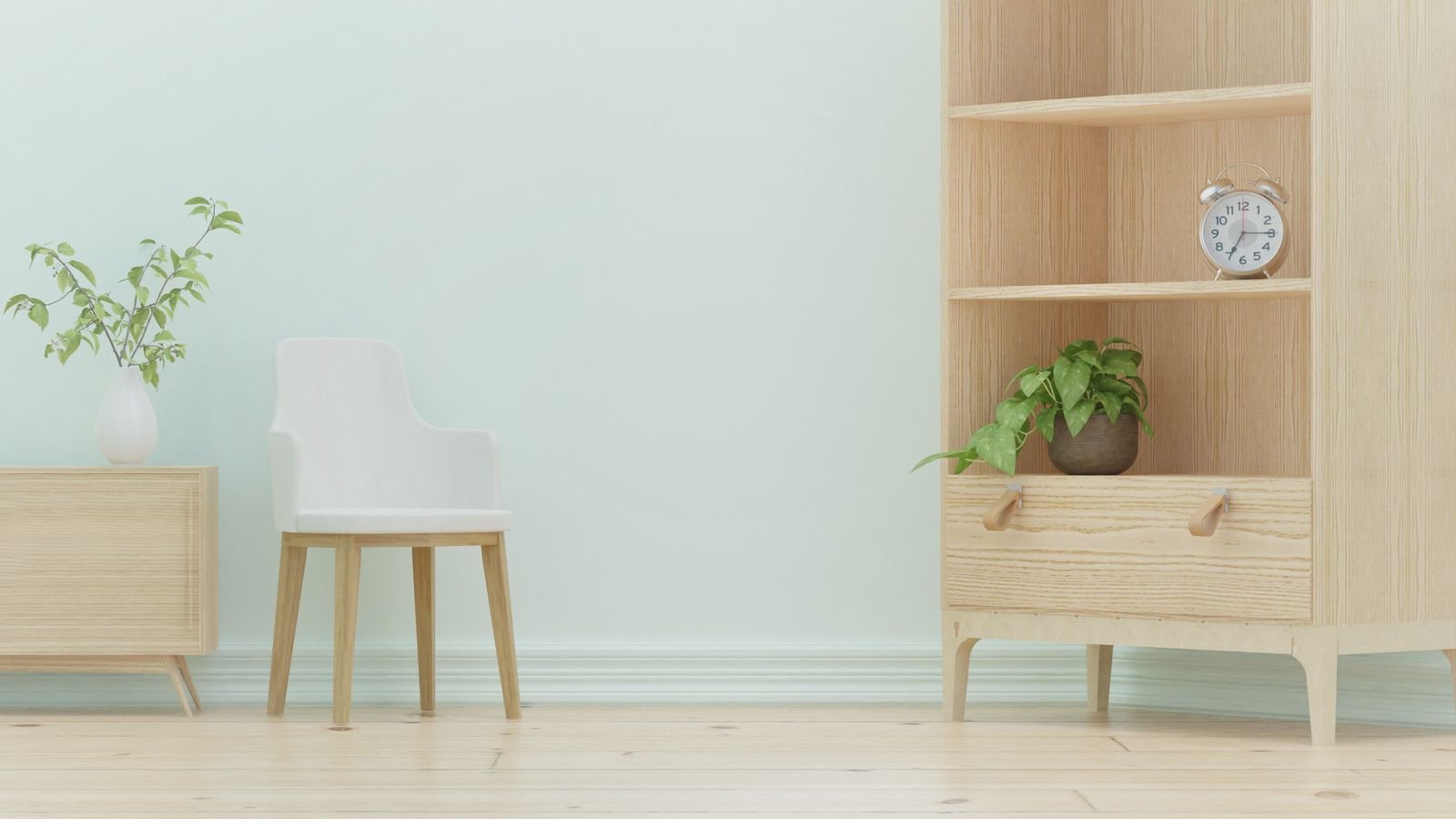
Straight edges and simple shapes create a neat look. Walls, furniture and decor avoid extra detail, which makes rooms feel larger and brighter. Open space allows people to move freely and light to travel, and removing unnecessary items keeps a room airy. Minimalist interiors often feature large windows and open layouts.
Functional Furniture Choices
Each piece should have a clear purpose and combine comfort with practicality. Multi-use items, such as a storage ottoman or a bed with drawers, save space. Choose simple shapes and muted colors to avoid visual noise and keep the focus on form.
Smart Home Integration
Smart technology makes a home more comfortable and easier to manage. Devices work together, adapt to your habits and blend into the design. For more ideas, see our guide to smart home decor.
Voice-Controlled Devices
Voice control lets you play music, set reminders or adjust settings hands-free. Smart speakers fit well in living rooms and kitchens, and they connect to other smart tools. Pick models in a neutral color so they blend with your decor.
Automated Lighting and Climate
Automated lights can switch on or off with movement or at set times, and you can change their color and brightness to suit the mood. Smart thermostats learn your schedule and adjust the temperature, which helps save energy. The system runs quietly in the background.
Sustainable Materials
Sustainable materials reduce waste, save resources and can make homes healthier. Designers choose natural, renewable and recycled products that lower the impact of a space. To learn more about the benefits, read about eco-friendly home decor.
Eco-Friendly Flooring
Bamboo and cork grow back quickly, are strong and last for many years. Reclaimed wood comes from old buildings or furniture and adds character and history. Linoleum is made from natural materials such as linseed oil and cork dust. When you shop, look for low-emission finishes to keep indoor air clean.
Recycled and Upcycled Elements
Recycled glass and metal can be reused in homes. Upcycled pieces turn waste into stylish decor: an old door becomes a table, and scrap metal becomes a lamp. These items add a unique story and show care for craftsmanship.
Biophilic Design
Biophilic design brings nature into the home through plants, natural light and natural materials. It connects us with the outdoors and makes rooms feel fresher and more inviting.
Indoor Plants and Green Walls
Plants add color and life to plain spaces. A green wall, covered with plants, works as living art and saves floor space. Many people find plants calming, and a few well-placed pots can soften a hard-edged modern room. For choices and care, see our guide to decorating with plants.
Natural Light Maximization
Daylight lifts mood and energy. Large windows fill a room with sun, and light wall colors reflect it. Skylights brighten dark areas. Good use of daylight also lowers electricity use and makes a home feel warm and welcoming.
Bold Color Palettes
Strong colors bring energy to a modern interior. Used with care, they change the mood of a room and show confidence in your choices.
Accent Walls and Statement Pieces
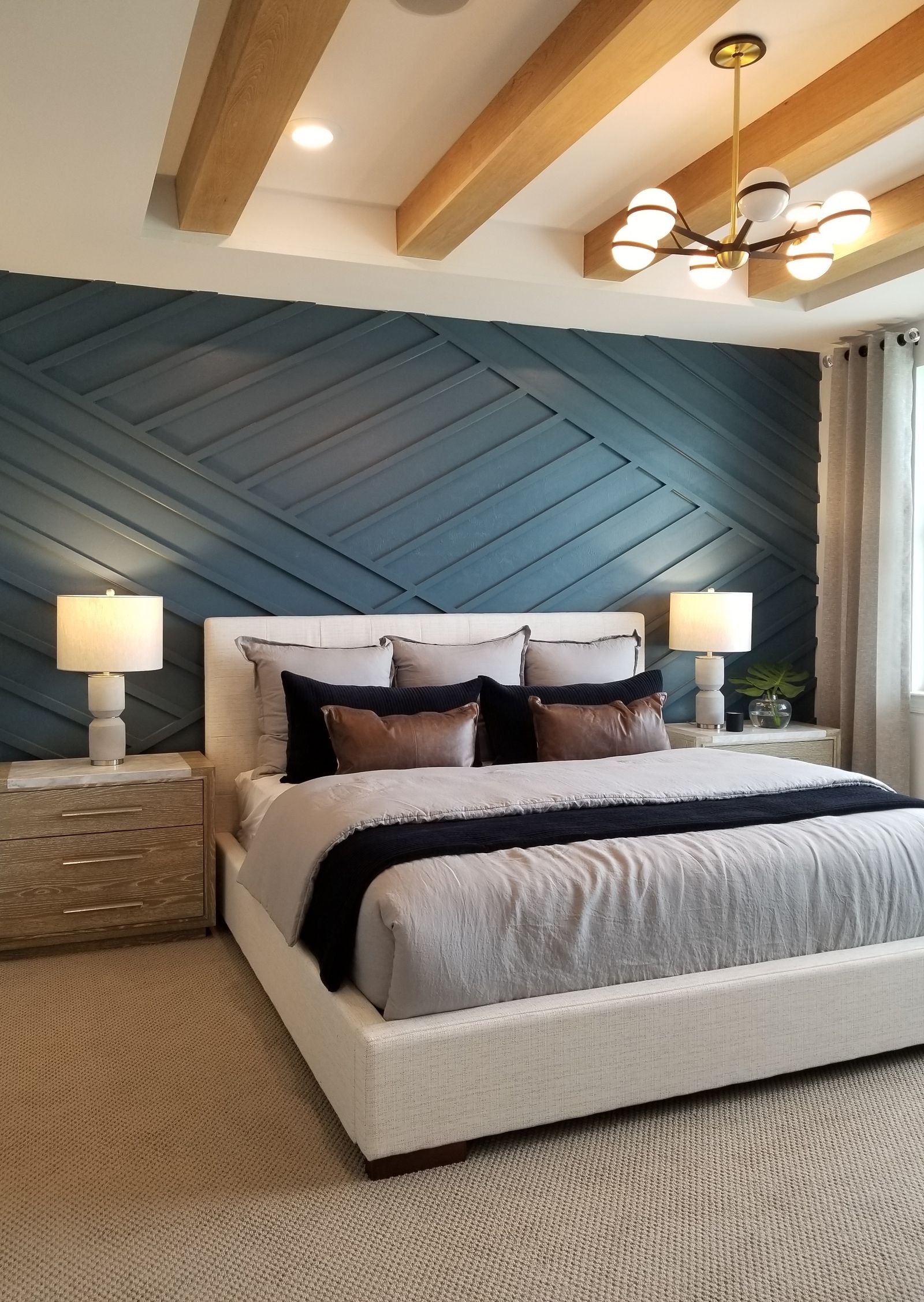
One wall painted in a bright or deep hue adds depth and interest. Colorful chairs or lamps become focal points and break up the neutral scheme. Keep the rest of the room calm so the color stands out.
Mixing Textures and Patterns
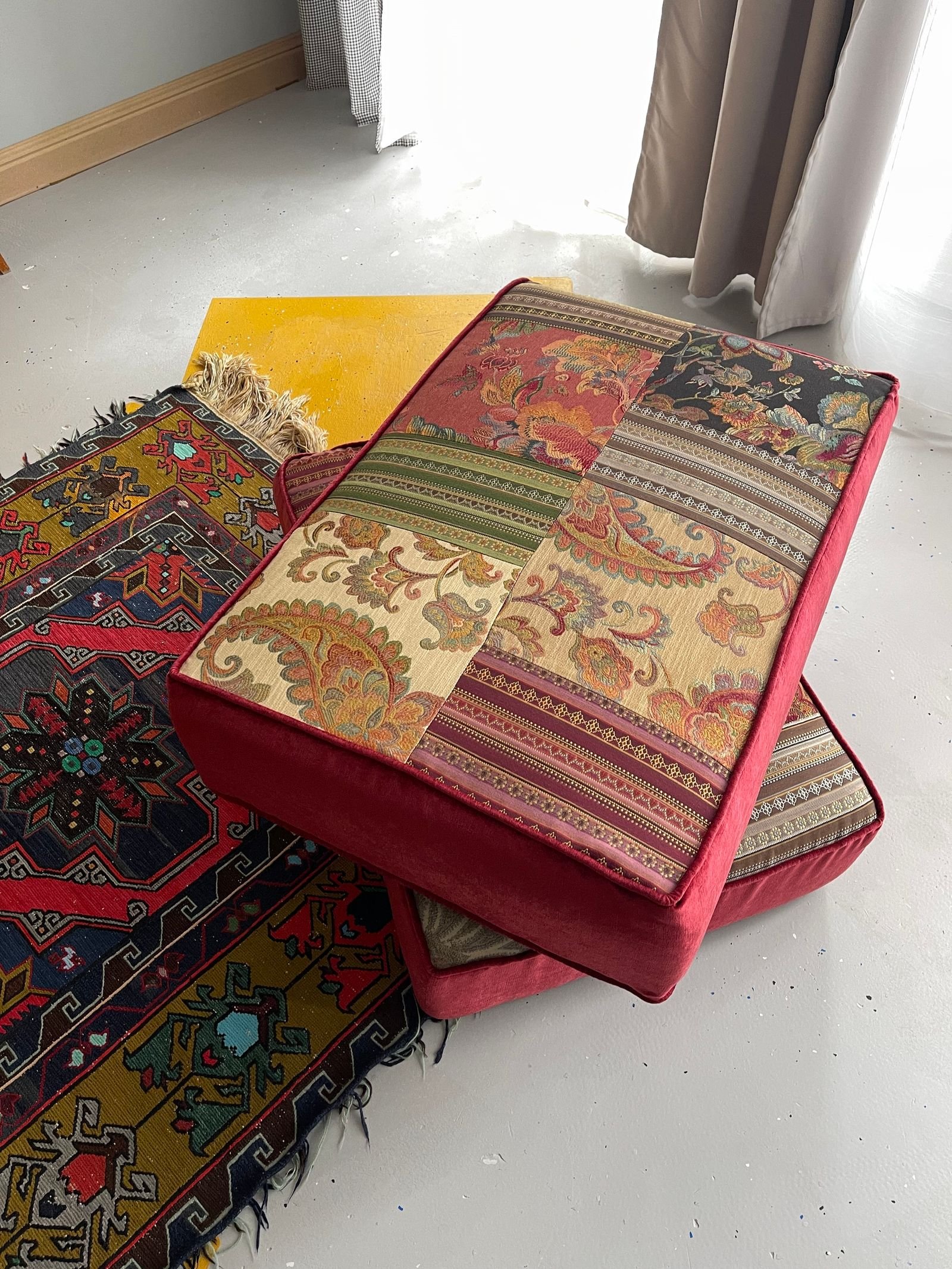
Pair bold colors with soft fabrics for comfort and richness. Patterned curtains or cushions add movement. Limit the number of patterns to two or three so the room stays dynamic but not busy.
Multi-Functional Spaces
Small areas now serve many purposes. People can work, relax and play in one room, which saves space and suits modern lifestyles. Designers plan furniture and layout to adjust to daily needs.
Adaptable Furniture
Furniture that changes shape or function is key. A sofa turns into a bed, tables expand or fold away, and chairs stack or slide under desks. This kind of furniture gets a room ready for work, rest or guests.
Zoning for Different Activities
Zoning divides a room into areas for specific tasks. Rugs, lighting and furniture placement mark each zone. A corner becomes a quiet workspace, and another area becomes a play zone or dining spot. This keeps order and focus.
Artisanal and Custom Pieces
Artisanal and custom pieces add character and warmth. They stand out from mass-produced items because they show skill and creativity, and each one tells a story. They also make a home feel personal.
Handcrafted Decor
Pottery, textiles, woodwork and metal art made with traditional methods have texture and detail that machines cannot copy. Small imperfections add charm and authenticity, and they remind us of the maker.
Personalized Design Elements
Custom furniture, art and accessories fit your space and your needs. They let you express your style clearly and make the home more livable. Even one custom piece, such as a built-in shelf, can make a room feel tailored.
Tech-Enhanced Lighting
Lighting technology combines design with efficiency. Modern tools let you control brightness, color and timing, and they adjust to your activities.
LED and Smart Bulbs
LED bulbs use less energy and last longer than older bulbs. Smart bulbs add control through an app or voice assistant, so you can dim the lights or change their color without leaving your seat. Both can lower electricity use and waste.
Dynamic Lighting Scenes
A lighting scene sets several lights at once. Choose bright light for work and soft light for relaxing, and schedule changes by time of day. Lighting that follows the day’s rhythm feels more natural and adds comfort.
Frequently Asked Questions
What Defines Modern Interior Design Style Today?
Modern interior design uses clean lines, simple shapes and neutral colors. It focuses on open space and natural light, with functional furniture and minimal decor.
How Does Modern Design Improve Daily Living?
It creates clutter-free, comfortable spaces that feel calm and inviting. Smart layouts make a home more practical and easy to use.
Which Materials Are Popular in Modern Interiors?
Wood, glass, metal and concrete are common. They give a sleek, natural look and add texture and durability.
Can Modern Design Work in Small Homes?
Yes. It suits small spaces by maximizing light and storage and by using multi-purpose furniture. Light colors help rooms look larger and more organized.
What Colors Suit Modern Interior Design Best?
Neutrals such as white, gray and beige are common. Bold colors work as accents that add interest and keep the space fresh and balanced.
Conclusion
Modern interior design shapes how we live every day by blending style with comfort and function. Spaces feel open, bright and welcoming, and small changes can improve mood and routine. Start with one idea, such as better lighting or a flexible layout, and build from there.