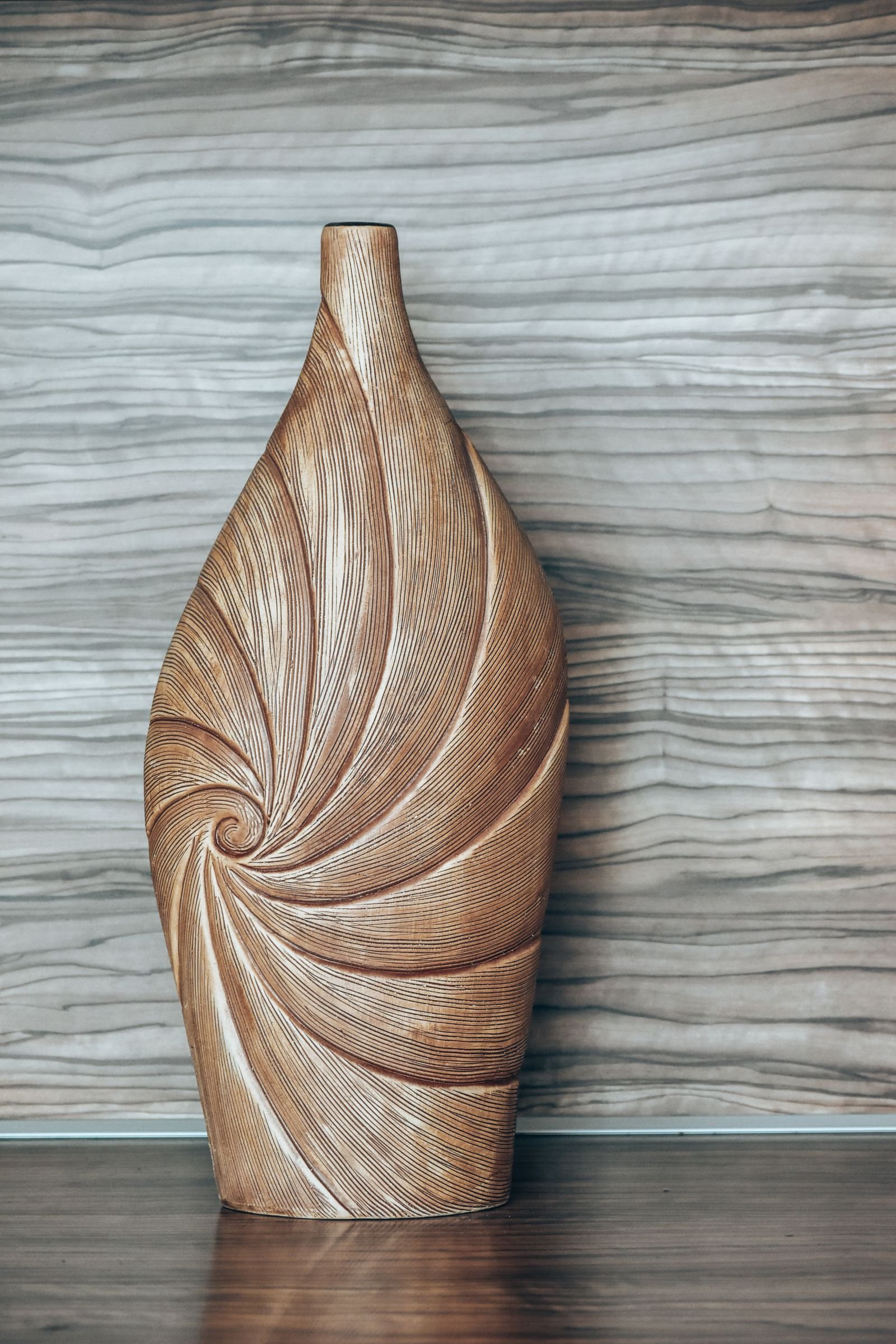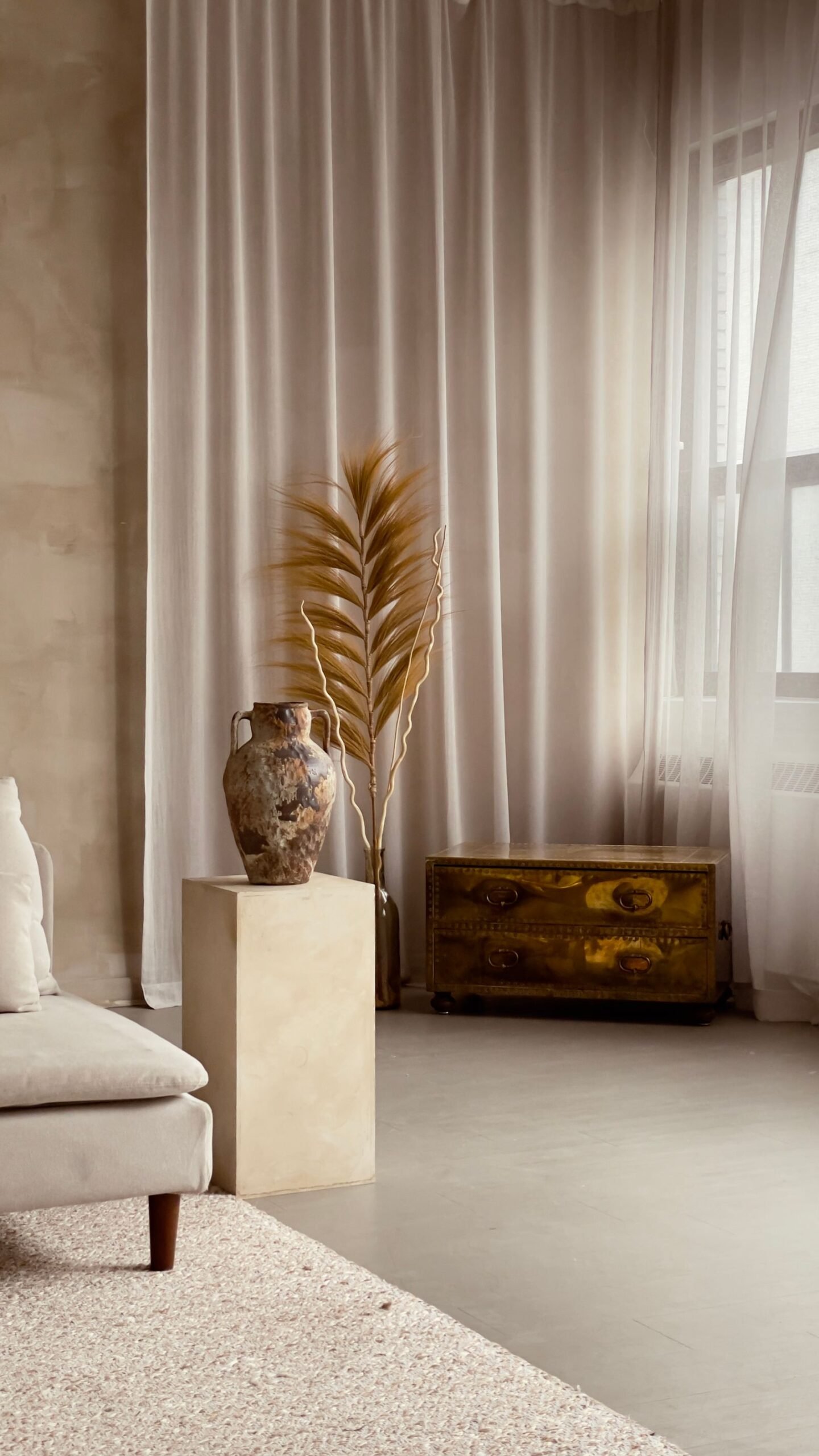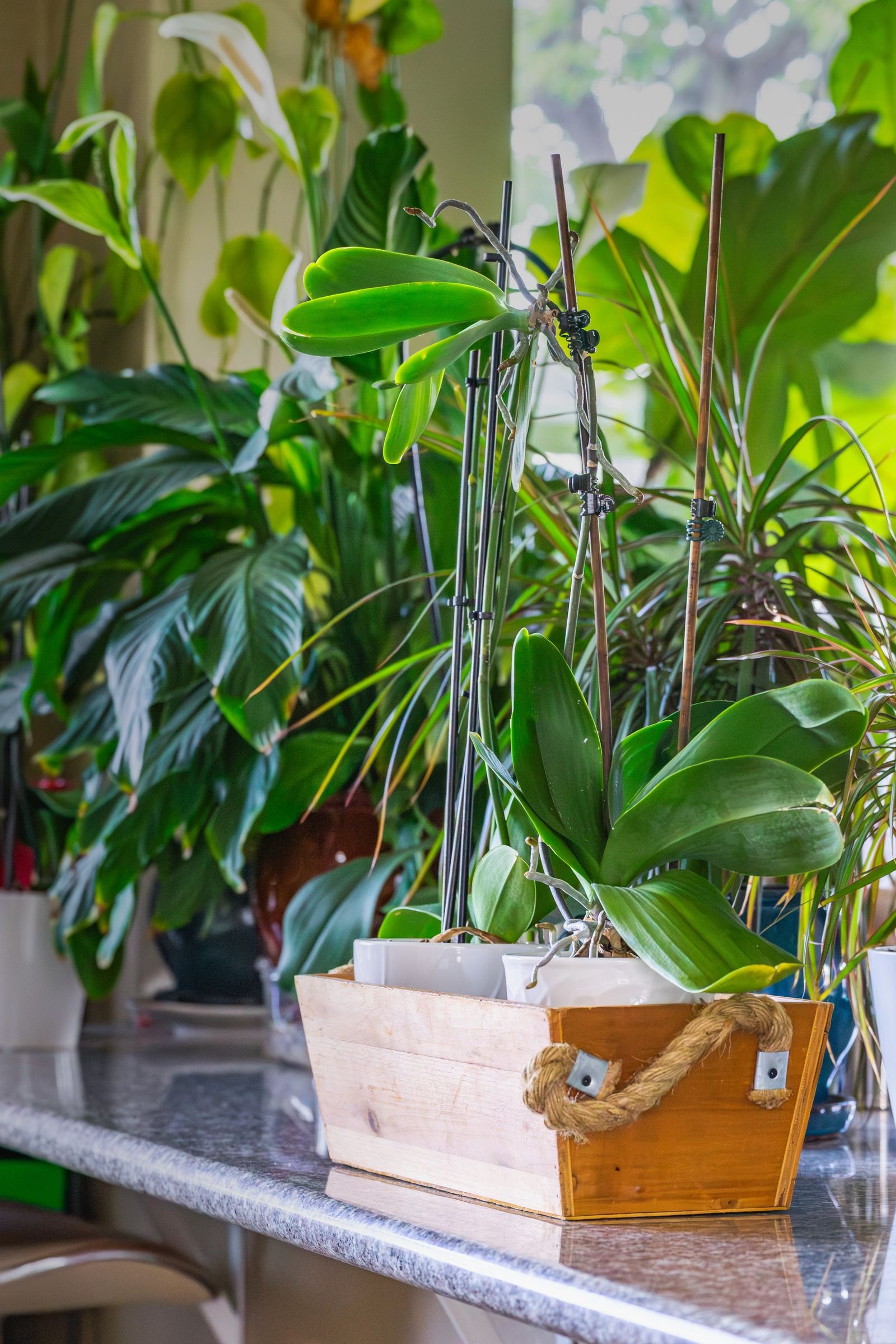
Sustainable decor lets you create a beautiful, cozy home that reflects your values. The right materials, secondhand finds and a few mindful habits reduce waste without sacrificing style.
This guide covers eco-friendly materials, upcycling, non-toxic paints, energy-efficient lighting, sustainable textiles, plants, and ways to buy local and handmade. Small swaps add up, so start with the ones that suit you best.
Choose Eco-Friendly Materials
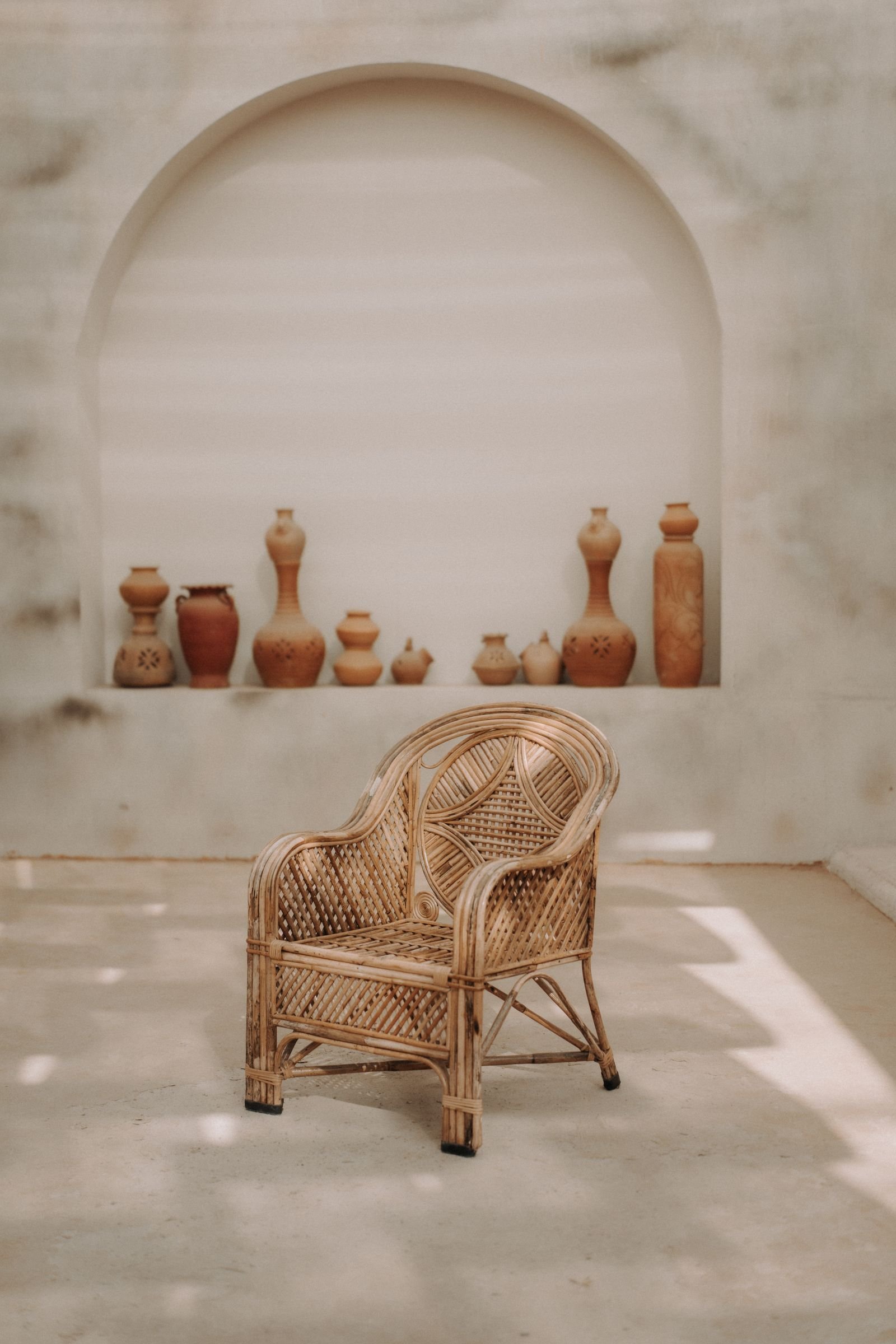
Eco-friendly materials use fewer resources, create less waste and often make a home healthier. Many of them also look good in modern interiors.
Bamboo and Cork
Bamboo grows quickly and needs little water, which makes it a good choice for flooring, furniture, blinds and storage. Cork comes from tree bark that regrows after harvesting. It works well for flooring, wall panels and pinboards, and it is naturally soft underfoot. Both are renewable. Look for products with a clear origin and avoid heavily glued composites if you can.
Reclaimed Wood
Reclaimed wood comes from old buildings, barns and furniture. It saves trees, keeps wood out of landfill and has a unique weathered look. Use it for shelves, tables, frames and mantels. When you buy new wood, look for the FSC label, which shows it comes from a responsibly managed forest.
Natural and Organic Fabrics
Cotton, linen and wool grown with fewer chemicals feel soft and last for years. Use them for curtains, cushions and upholstery. Labels such as GOTS (Global Organic Textile Standard) and OEKO-TEX help you spot fabrics made with stricter standards.
Upcycle and Repurpose
Giving old items new life reduces waste and adds charm. It is also usually cheaper than buying new.
Furniture Makeovers
Sanding, painting or reupholstering can turn a tired chair or table into a focal point. Choose low-VOC paint and work in a ventilated room. Replacing knobs and handles is the quickest update of all. See our guide to DIY home decor you can make yourself for project ideas.
Decor From Salvaged Materials
Old wood, metal and glass can become shelves, frames and wall art. Salvaged pieces bring history and character to a room. Check architectural salvage yards, flea markets and online listings for doors, windows and tiles.
Creative DIY Projects
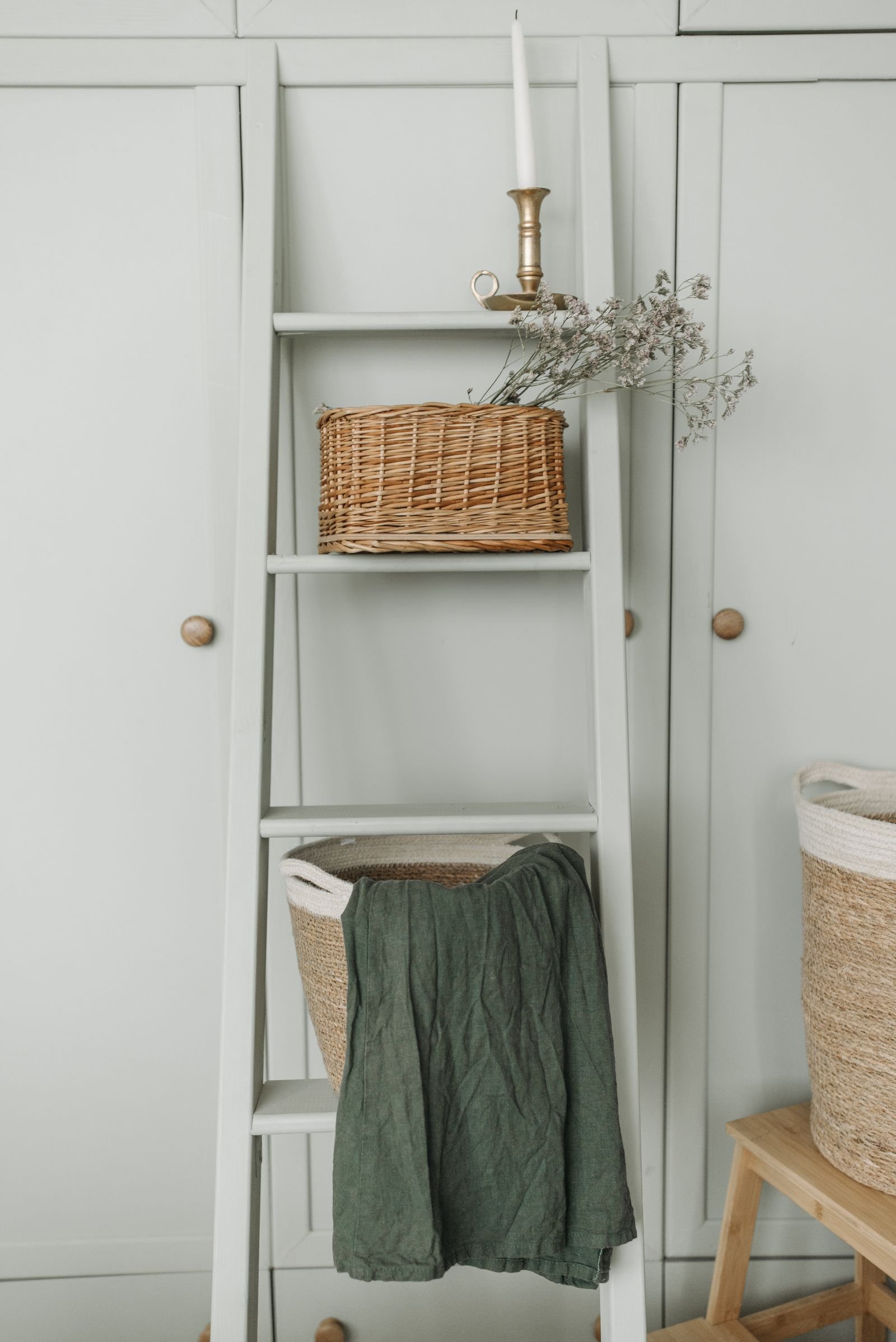
Use jars as candle holders, crates as bookshelves and old ladders as blanket racks. Small crafts brighten rooms, cut waste and give your home a personal touch.
Use Non-Toxic Paints and Finishes
Paints and finishes affect the air you breathe, so choose carefully.
Low-VOC Paint
VOC stands for volatile organic compounds, which are gases released by some paints and can cause headaches and irritation. Low-VOC and zero-VOC paints release fewer of these gases and come in plenty of colors. Check the label, and open windows while painting and for a few days afterward.
Natural Stains and Oils
Natural finishes such as linseed oil, tung oil and beeswax come from plants and minerals. They bring out the wood’s grain and protect it from moisture. Rags soaked in some oils, such as linseed oil, can heat up and catch fire, so lay them flat to dry outdoors or soak them in water before you throw them away.
Switch to Energy-Efficient Lighting
Efficient lighting lowers your bills and reduces carbon emissions. It also produces less heat, which helps keep a room cool.
LED and Solar Options
LED bulbs use far less energy than traditional bulbs and last for years. They suit every room and come in many shapes and tones. For outdoor spaces, solar path lights and string lights run on sunlight and need no wiring. Place the solar panel where it gets direct sun for most of the day.
Smart Lighting
Smart bulbs and plugs let you control lights with your phone or voice. Set schedules so lights switch off when you do not need them, and use dimming to create the right mood while saving power. For more lighting ideas, read our guide to sustainable lighting.
Choose Sustainable Textiles
Fabrics make up a big part of a room’s look, so picking better ones has a real impact.
Organic Cotton and Linen
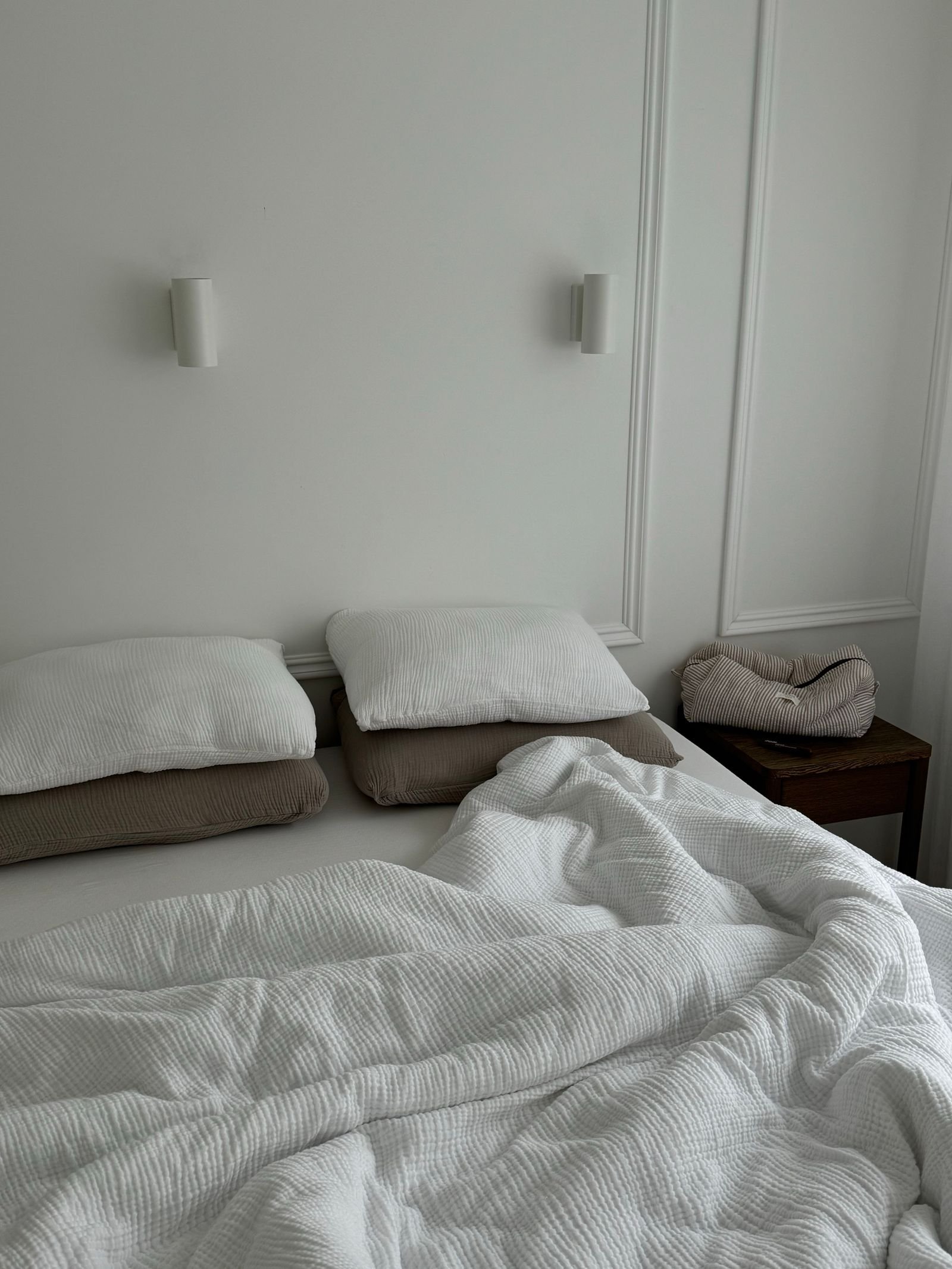
Organic cotton is grown without synthetic pesticides and fertilizers. Linen comes from the flax plant, which needs little water. Both are soft, breathable and biodegradable, and they work well for curtains, bedding and cushion covers.
Hemp and Jute
Hemp is a fast-growing crop that makes durable fabric for rugs and upholstery. Jute grows quickly and is often used in rugs, baskets and wall hangings. Both are natural fibers with a rustic texture.
Recycled Polyester
Recycled polyester is made from used plastic bottles. It is strong, light and easy to clean, which suits cushions, throws and outdoor furniture. It still sheds microfibers when washed, so wash it less often and in cooler water, or use a filter bag.
Decorate With Plants
Plants bring life and calm to any room, and they are one of the simplest sustainable decor choices.
Easy-Care Plants
Snake plants, pothos, spider plants and peace lilies are forgiving and grow well indoors. They add color and texture, and they can replace some plastic decor. Plants make a room feel fresher, but they are a poor substitute for ventilation when you want cleaner air, so keep windows open regularly.
Sustainable Plant Care
Use organic potting mix and avoid chemical fertilizers. Water with rainwater or leftover drinking water, reuse pots or choose biodegradable ones, and compost trimmings. Buy secondhand pots and swap cuttings with friends.
Source Local and Handmade
Local and handmade pieces tend to use natural materials and traditional methods. They also travel shorter distances.
Support Artisans
Buying from small makers keeps traditional crafts alive and gives you one-of-a-kind pieces with a story. Look at craft fairs, local markets and community shops.
Reduce Your Footprint
Shorter journeys mean less fuel and fewer emissions, and handmade items often come with less packaging. Buy fewer, better things, repair what you can and pass on what you no longer use. For more reasons to choose green, read about the advantages of eco-friendly home decor.
Avoid Greenwashing
Not every product labeled “eco” is truly better for the planet. Keep these checks in mind before you buy:
- Look for specific claims and recognized certifications, not vague words like “natural” or “green”.
- Ask where and how an item is made, and what it is made of.
- Choose durable pieces you will keep for years, because the greenest product is usually the one you already own.
- Buy only what you need, and repair or resell items instead of throwing them away.
Frequently Asked Questions
What Are the Best Sustainable Materials for Home Decor?
Bamboo, reclaimed wood, cork, natural fibers such as linen and jute, and recycled metal are all good options. They are durable and renewable or reused.
How Can I Make My Home Decor Eco-Friendly?
Use natural fibers, recycled and secondhand pieces, non-toxic paints and efficient lighting. Add plants and repair or upcycle old furniture instead of replacing it.
Are There Affordable Sustainable Decor Options?
Yes. Thrift stores, flea markets and online marketplaces offer budget-friendly pieces, and DIY projects using recycled materials save money.
Why Choose Sustainable Decor Over Conventional Options?
Sustainable decor reduces waste, supports responsible production and can improve indoor air quality. It also tends to last longer and has more character.
Conclusion
Sustainable decor protects the planet and creates a healthy, cozy home. Start with simple swaps, such as LED bulbs, low-VOC paint, linen bedding and secondhand furniture. Add plants, choose local and handmade pieces when you can, and enjoy a home that looks good and feels good.